73.5% of Stolen Cargo Is Never Recovered: Why Prevention Matters More Than Ever

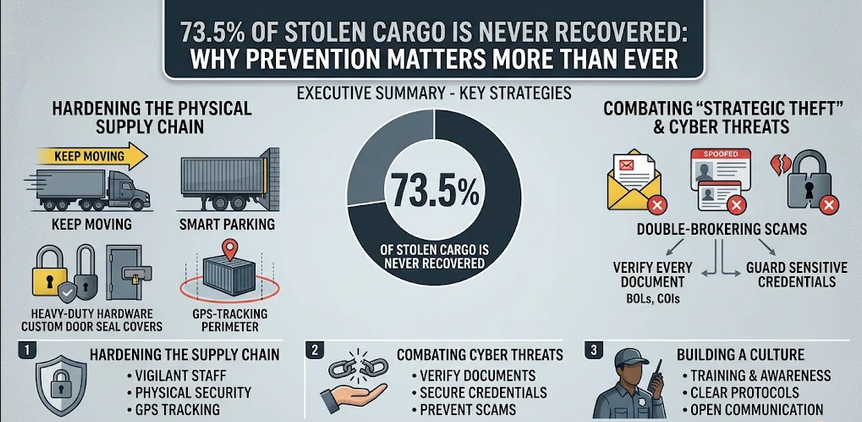
Cargo theft has evolved far beyond opportunistic crimes of the past.  Today, highly organized criminal rings target the supply chain using both physical infiltration and sophisticated digital schemes, turning freight security into a mainstream concern across the logistics industry.

When freight goes missing, recovering it is an uphill battle.  According to the American Transportation Research Institute (ATRI) report, "The Fight Against Cargo Theft," a staggering 73.5% of cargo stolen from motor carriers is never recovered.  Between limited law enforcement bandwidth for smaller pilferage cases, low prosecution rates, and carrier hesitation to file insurance claims out of fear of rising premiums or administrative hurdles, post-theft recovery often proves to be a losing proposition.

BLOGS

Rolling Billboards, Real Impact: Road Scholar Transport Raises Awareness This November


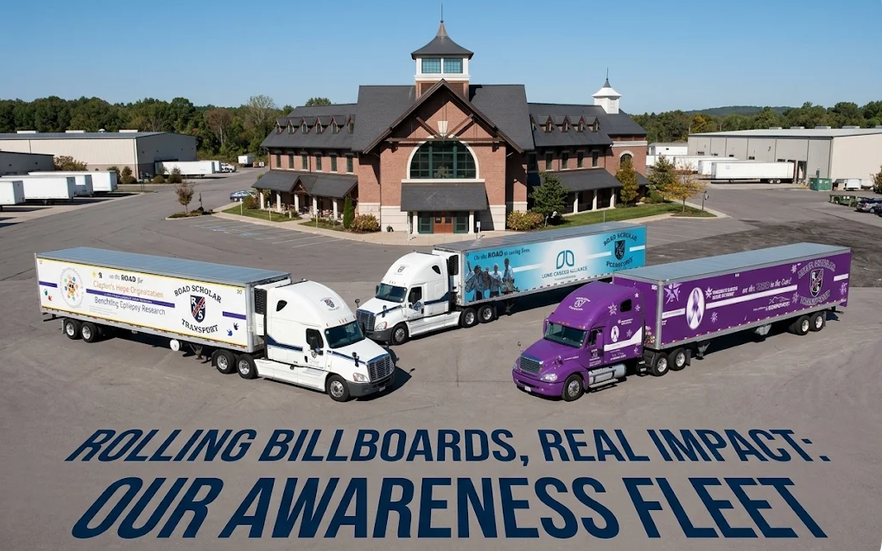
Every November marks National Lung Cancer, Epilepsy, and Pancreatic Cancer Awareness Month. At Road Scholar Transport, these aren't just dates on a calendar—they represent personal missions brought to life across the highways we travel every day.


Through our Awareness Fleet, we transform standard 53-foot trailers into rolling billboards. By partnering with dedicated advocacy groups, our goal is to bring critical health messages directly to millions of motorists nationwide. Here is a closer look at the causes featured on our rigs this month and why driving awareness matters so much.

Managing the “Long Weekend Squeeze”: How Weekend Freight Strategies Protect Monday Operations


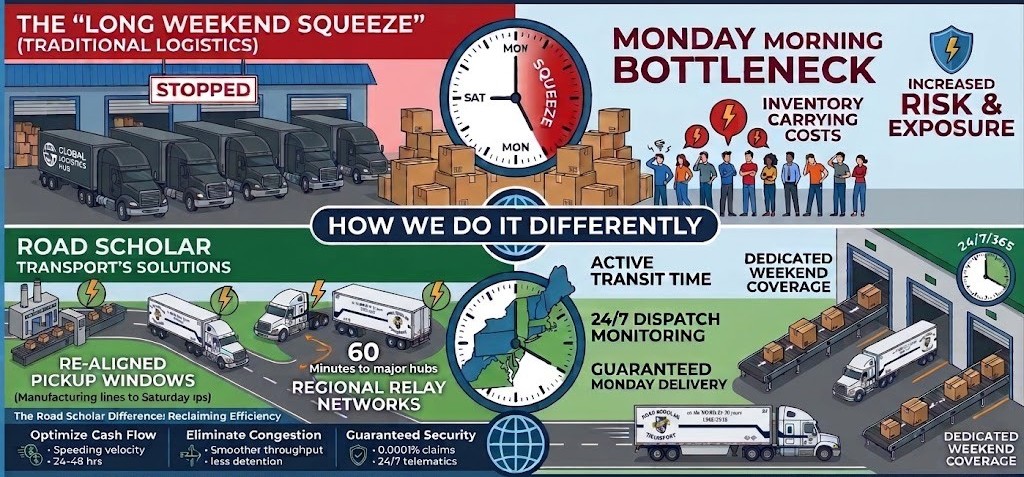
For supply chain executives and warehouse operations managers, Friday afternoon brings a familiar tension. Docks are humming, manufacturing lines are clearing their weekly output, and outbound staging lanes are packed to capacity. Yet, for traditional logistics networks, Friday at 5:00 PM marks an operational shutdown.


When freight sits idle over a 60-plus hour weekend window, it triggers a chain reaction of hidden costs, inventory velocity slowdowns, and dock bottlenecks on Monday morning. In today’s high-velocity manufacturing and retail environments—where lean inventory models leave little room for error—the traditional "weekend pause" has become one of the costliest friction points in supply chain management.

Contact Us:

CustomerService@roadscholar.com

800-542-2301

www.roadscholar.com

 
Facebook  X  YouTube

View as Webpage