|
IPAC Uplink Newsletter
January 2025
| |
IPAC at the 245th Meeting of the American Astronomical Society in National Harbor, MD, January 12–16, 2025 | |
Know Thy Star, Know Thy Planet 2 Conference in Pasadena, February 3–7, 2025 | |
|
Since the first "Know Thy Star, Know Thy Planet" conference in Pasadena in 2017, the limits of exoplanet discovery and the field of exoplanet characterization have changed dramatically. "Know Thy Star, Know Thy Planet 2" will be held at Caltech in Pasadena February 3–7, 2025. This conference will focus on how stars affect our ability to determine planetary masses, orbits, bulk compositions, and atmospheric abundances; and on the techniques that have been developed to mitigate stellar effects.
For more information and to register, please visit the conference website.
| |
Euclid NASA Science Center at IPAC (ENSCI) | |
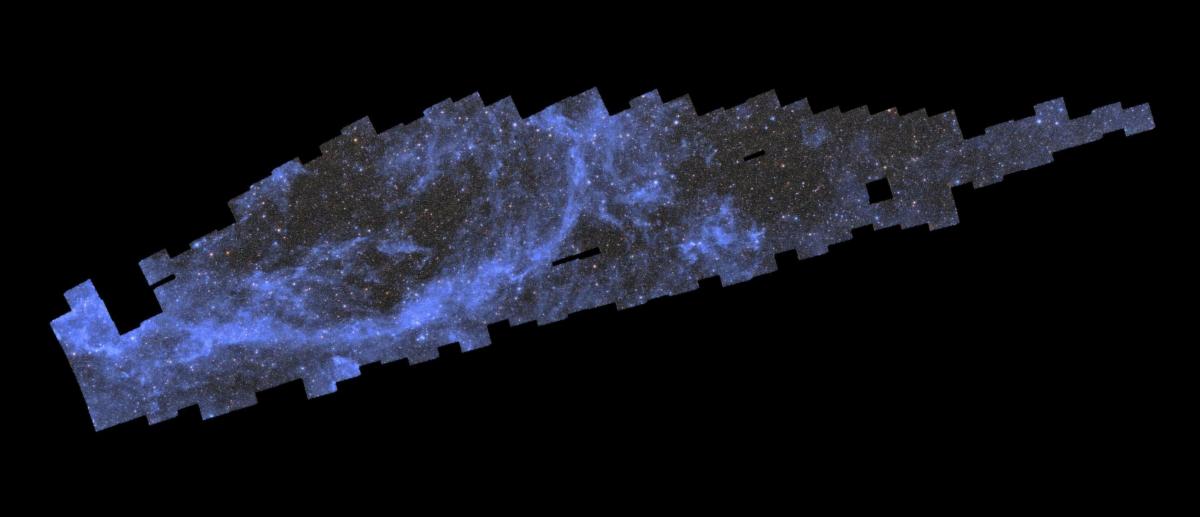
Mosaic Showing 1% of Euclid's Final Survey Area Released | |
ESA releases mosaic of 1% of the wide survey of Euclid. Credit: ESA/Euclid/Euclid Consortium/NASA, CEA Paris-Saclay, image processing by J.–C. Cuillandre, E. Bertin, G. Anselmi.; ESA/Gaia/DPAC; ESA/Planck Collaboration. | |
ESA released the first piece of its great map of the Universe. The mosaic contains 260 observations made between 25 March and 8 April 2024. In just two weeks, Euclid covered 132 square degrees of the Southern Sky in pristine detail, more than 500 times the area of the full Moon. To view the stunning mosaic, click here. | |
The Euclid survey began in February 2024. Over the next six years, Euclid will observe billions of galaxies across 10 billion years of cosmic history. You can follow the Euclid Survey progress from the mission status daily updates. Approximately 1800 square degrees of the sky has been covered so far. | |
Upcoming Q1 Data Release And Community Survey | |
|
The first Euclid quick data release (Q1) is expected to become public in March 2025. The Q1 data release will include the single visit data from the Euclid Deep Fields (53 square degrees).
ENSCI is doing a survey of the US Euclid community to support the upcoming Q1 data release. In particular, we would like to get a better understanding of how the US community is interacting with Euclid data and how we can best advocate for and support them. If you plan to use Euclid data, please fill out the survey. It should take about 6 minutes of your time and your participation helps us support you.
| |
Near-Earth Object Wide-field Infrared Survey Explorer (NEOWISE) | |
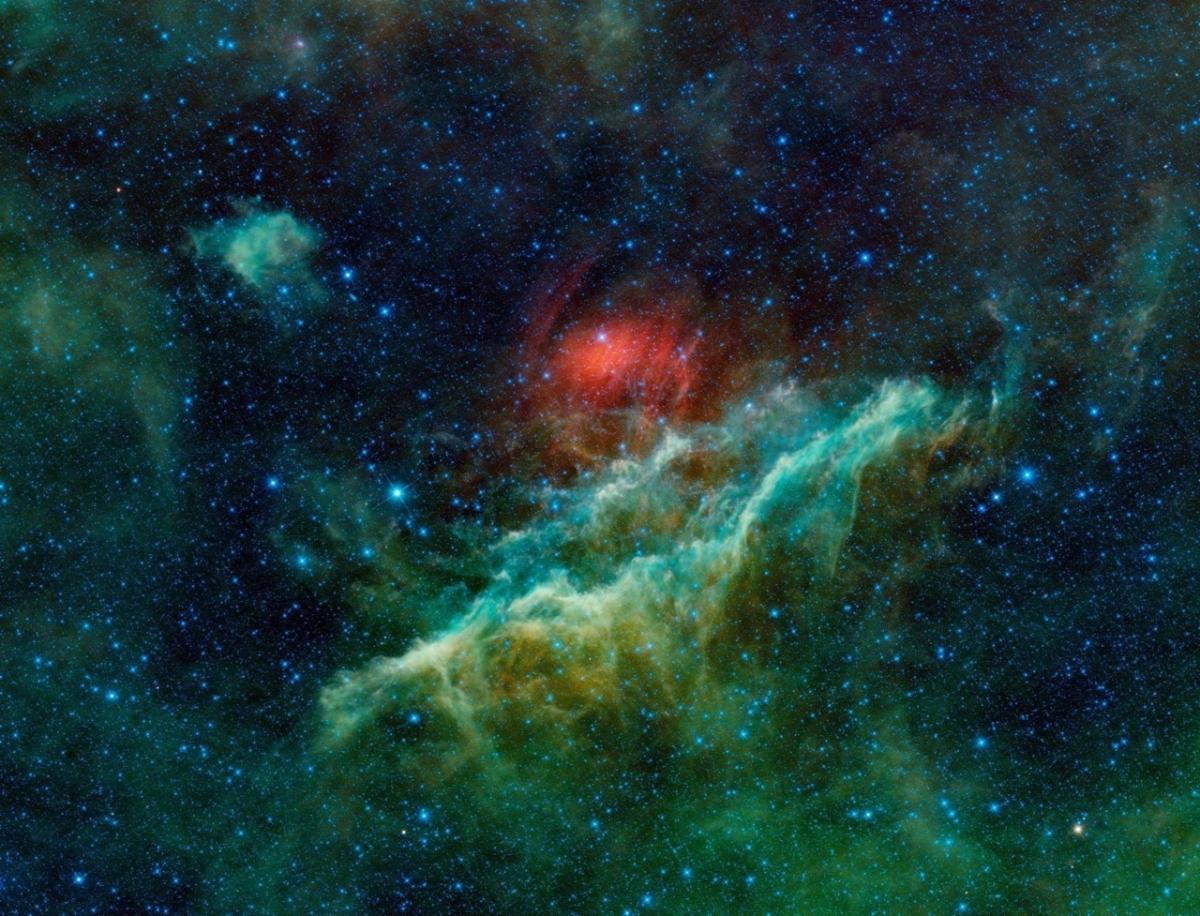
Final Data from NEOWISE Available (Including Previously Unpublished Images) | |
The California Nebula is seen in its entirety in this image, covering over 25 square degrees of sky. In this infrared view, the dust clouds underlying the nebula glimmer in greens and reds. Image Credit: NASA/JPL-Caltech/IPAC. Image processing by Robert Hurt (Caltech/IPAC). | |
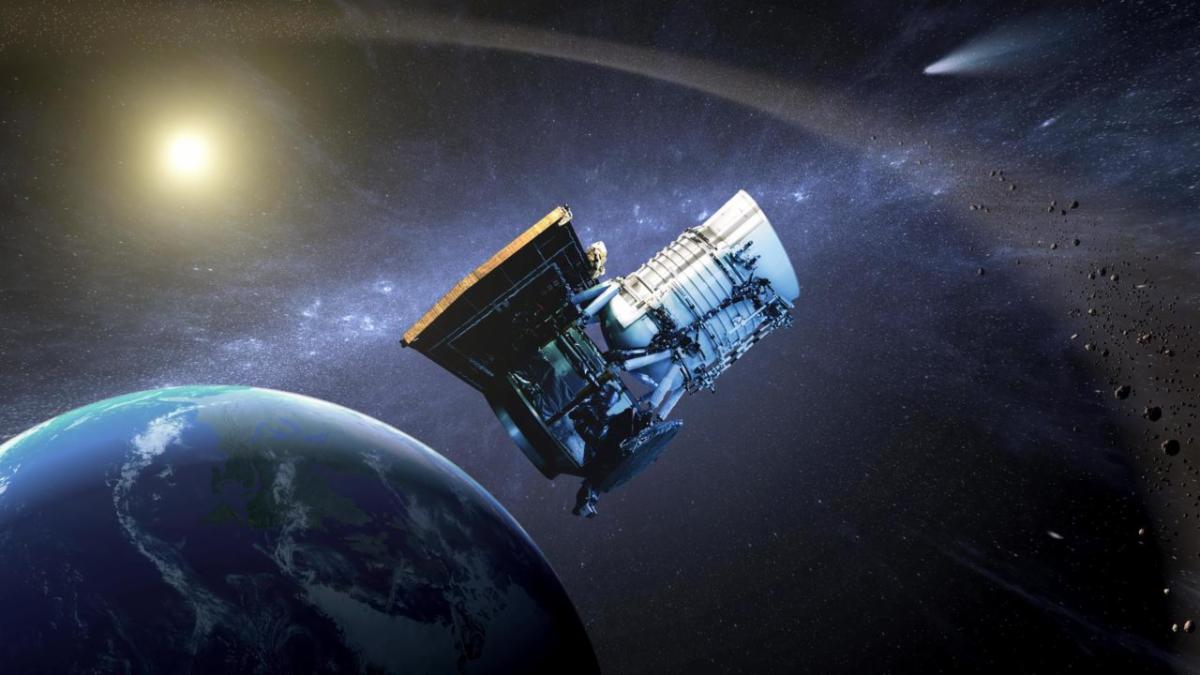
NEOWISE Completes Survey Operations, Telescope Re-Enters Earth's Atmosphere | |
|
The NEOWISE space telescope (for which IPAC is responsible for ingestion and processing of raw data, production of final data products, and archiving mission science and engineering data) spacecraft re-entered and burned up in Earth’s atmosphere on the evening (Pacific time) of November 1st, 2024, as expected. Launched in 2009 as the WISE mission, the spacecraft mapped the entire sky at infrared wavelengths over 20 times for nearly fifteen years.
Read more about NEOWISE's heritage.
| |
Ultraviolet Explorer (UVEX) | |
UVEX Will Study the UV Sky, Stars and Stellar Explosions | |
|
UVEX (UltraViolet EXplorer) is targeted to launch in 2030 as NASA’s next Astrophysics Medium-Class Explorer mission. UVEX will conduct a highly sensitive all-sky UV survey, enabling a wide range of research and complementing wide area surveys at other wavelengths. With observations on a range of time scales and rapid follow-up capability, it will capture transient events, including supernovae and the UV counterparts to gravitational wave detections. The telescope will also carry an ultraviolet spectrograph to study stellar explosions, massive stars, and low mass galaxies.
IPAC will provide the UVEX Science Data Center (USDC). The USDC will 1) develop data analysis pipelines in collaboration with the UVEX science team; 2) process the data to generate science-ready imaging and spectroscopic data products; and 3) provide real-time alerts to "brokers" for transient detections. IRSA will serve the data products, analysis tools, and documentation to the community.
Read more about the UVEX mission.
| |
NASA's Lunar Trailblazer (LTB) | |
LTB Preparing for Launch and Science Operations | |
|
2024 was a busy year for Lunar Trailblazer at IPAC as the team readied for launch with the launch window opening on February 27, 2025.
- There were three Operational Readiness Tests (ORTs): ORT 1 in March was a 72-hour test of launch and early operations; ORT 5 in August was a 36-hour test also covering launch and early operations, but with anomalies injected into the test; and ORT 3 in December was a 48-hour test of the Lunar Orbit Insertion (LOI) and the initial Period Reduction Phase.
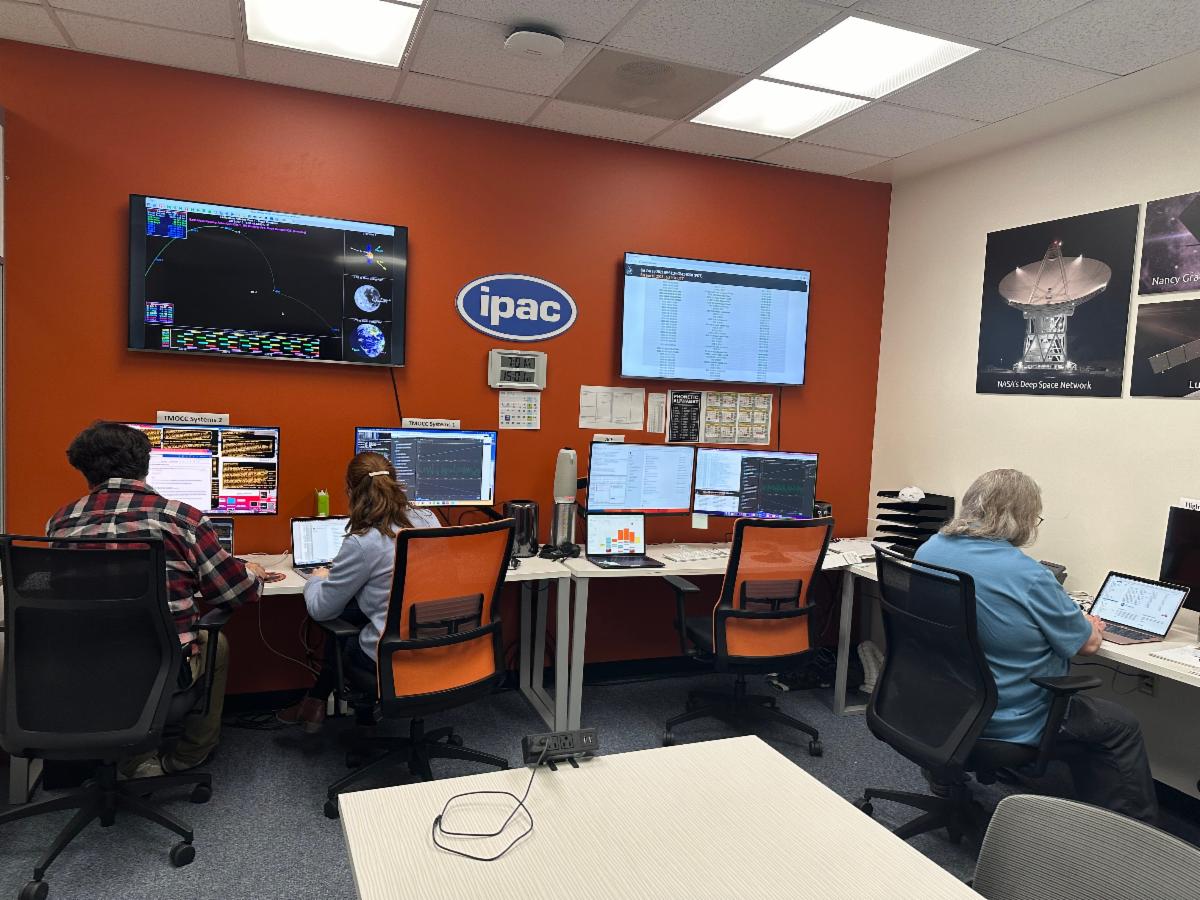
- In addition, multiple tests were done sending commands from the Mission Operations Center (MOC, pictured above) at IPAC to the spacecraft at Lockheed Martin in Denver for Systems Verification Tests.
- The Ground Data System (GDS) testing campaign was completed between Deep Space Network (DSN) dishes at each DSN complex and the MOC at IPAC. Commands were sent and radiated from the dishes, and recorded data was sent from the DSN complex to IPAC.
- Lunar Trailblazer successfully completed its Operational Readiness Review (ORR) on October 1st.
| |
SPHEREx Launch, Data Processing, and Data Storage | |
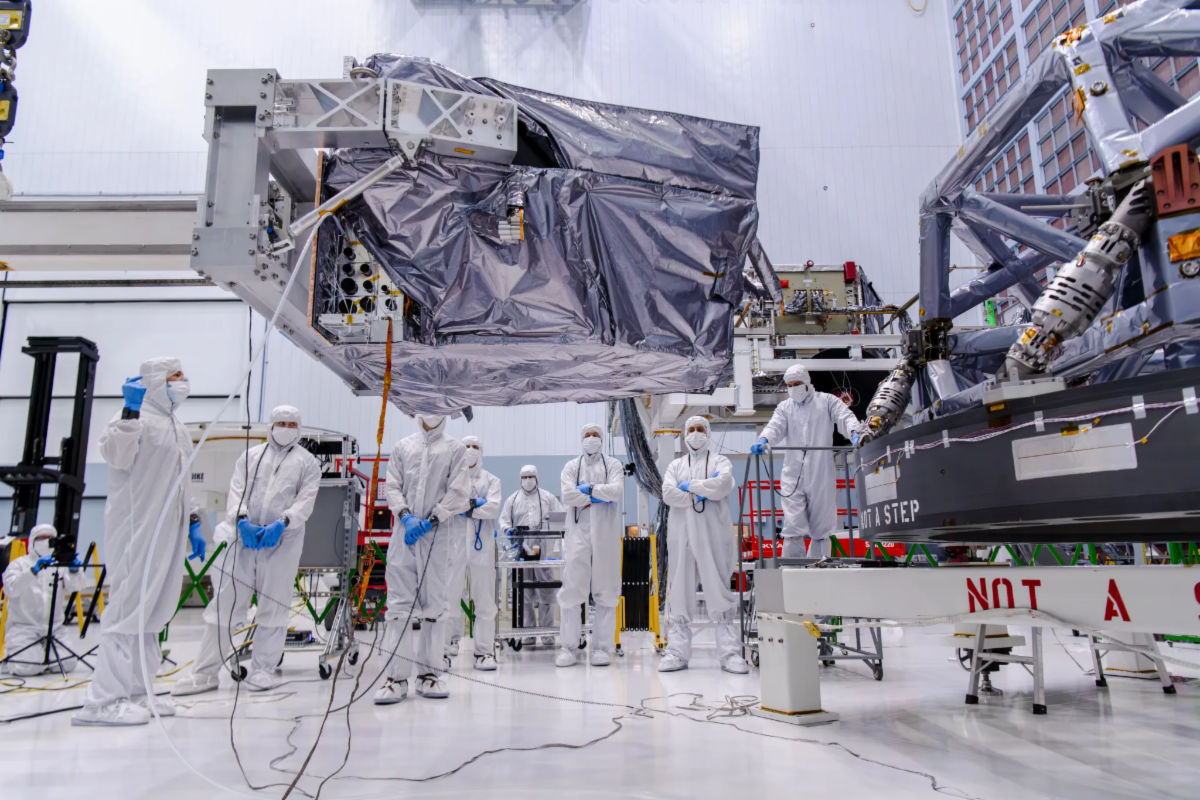
SPHEREx Observatory is back in the BAE Systems cleanroom after environmental testing, and the I&T team is performing final cleaning, testing and closeouts prior to shipment to the launch site in early 2025. Photo taken at BAE Systems, Boulder, CO. Courtesy NASA/JPL-Caltech. | |
SPHEREx is undergoing the final cleaning and testing prior to shipment to the launch site in late February 2025. The project passed its Operations Readiness Review in mid-December. IPAC is working on testing and verification of the data processing pipeline and preparation of data products. SPHEREx data will be hosted at IRSA where users will have access to both standard IRSA tools and capabilities and tools customized for SPHEREx. | |
SPHEREx's Multicolor All-Sky Survey | |
|
“We are the first mission to look at the whole sky in so many colors,” said SPHEREx Principal Investigator Jamie Bock.
Spectro-Photometer for the History of the Universe, Epoch of Reionization and Ices Explorer, or SPHEREx, will map the whole sky at several wavelengths between 0.75 and 5 μm, something that has never been done before. The three key science investigations SPHEREx will conduct with its colorful all-sky map include 1) Cosmic Origins, as the observatory will map the positions of hundreds of millions of galaxies in 3D, enabling the study of inflation, the rapid expansion believed to have occurred almost immediately after the Big Bang (a tiny fraction of a second later); 2) Galactic Origins, measuring how the total light output of galaxies has changed over time; 3) Water's Origins, measuring the abundance of frozen water, carbon dioxide, and other essential ingredients for life as we know it along millions of different directions. SPHEREx's All-Sky Survey will also help scientists to get a more complete perspective of the Universe.
Read more about SPHEREx and its multicolor surveys.
| |
SPHEREx at the Upcoming January 2025 AAS meeting | |
The SPHEREx team is hosting a special session at the AAS to discuss the instrument performance, science goals, data products and archive capabilities. | |
Zwicky Transient Facility (ZTF) | |
ZTF Receives Support from the NSF to Continue Operations | |
The Zwicky Transient Facility (ZTF) will extend its scientific operations for the next two years, with additional support from the National Science Foundation and contributions from both existing and new partners. This funding will allow ZTF to work in tandem with the Vera C. Rubin Observatory, opening up new scientific opportunities. | |
Exoplanet Archive Spectral Additions | |
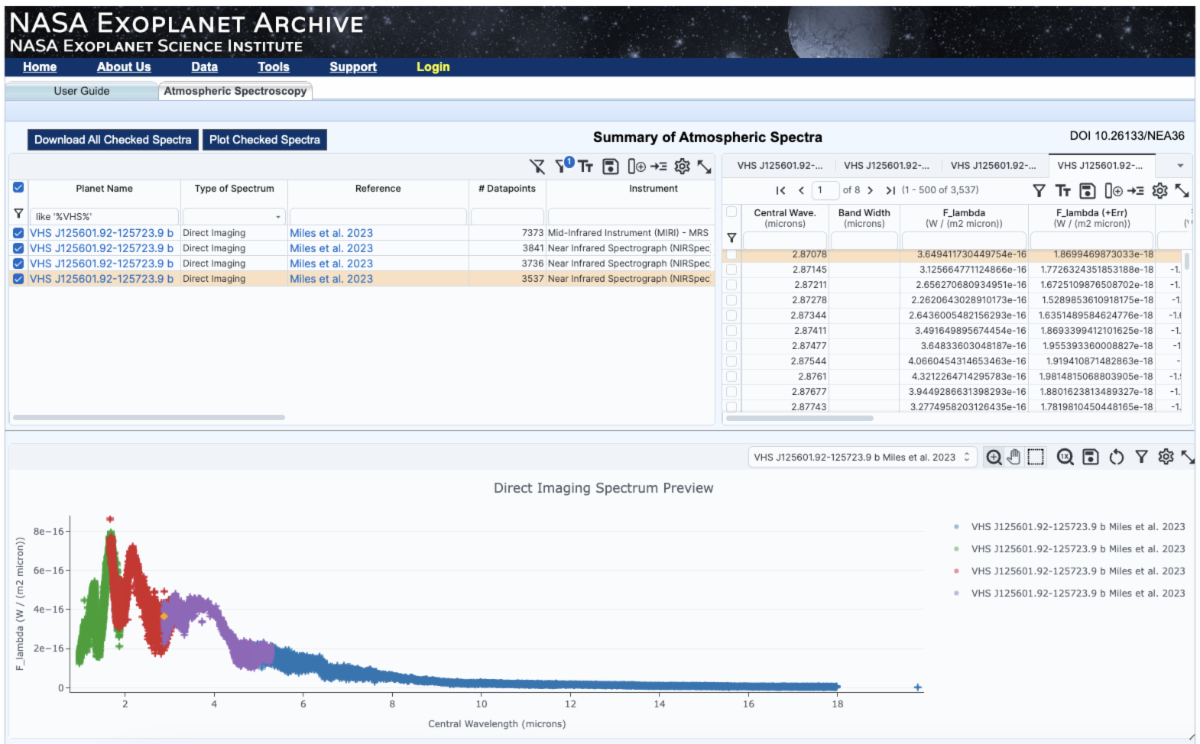
This screenshot of the NASA Exoplanet Archive’s Atmospheric Spectroscopy Table shows how users can visualize four direct imaging spectra taken by JWST of exoplanet VHS J1256-1257 b. The service’s overplotting feature allows users to directly compare spectra of the same planet from different instruments as well as spectra of different planets. The table now supports direct imaging, transmission, and eclipse spectroscopy data. | |
The Exoplanet Archive updated its Atmospheric Spectroscopy service to support direct imaging spectroscopy measurements. The resulting addition of nearly 40 directly imaged spectra brings the total number of spectra to 880, including 148 from JWST. | |
NASA's Roman Space Telescope | |
Coronagraph Successfully Integrated with the Roman Space Telescope | |
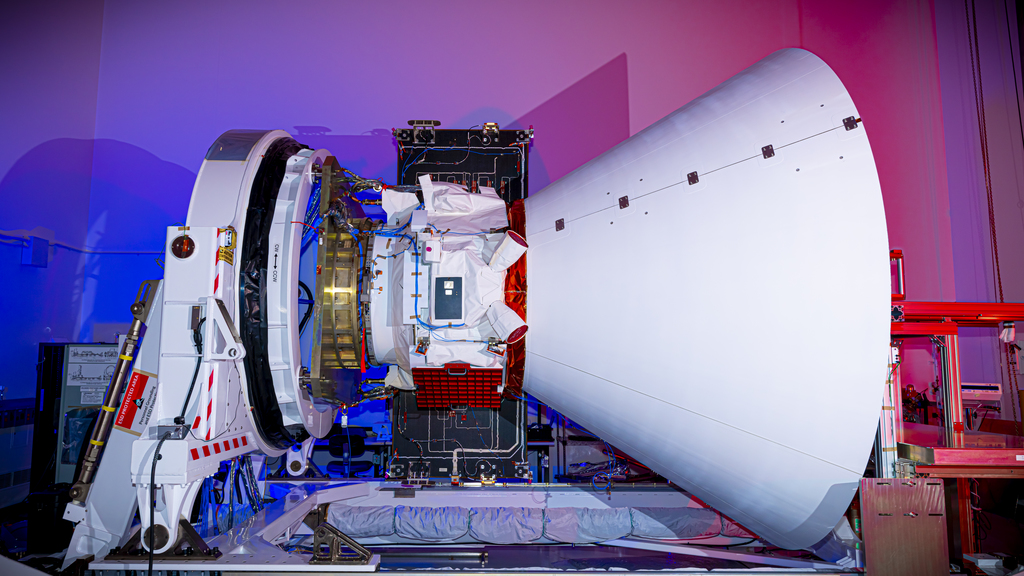
The Roman Coronagraph, integrated with the Instrument Carrier for NASA’s Nancy Grace Roman Space Telescope, shown in a clean room at NASA’s Goddard Space Flight Center in Greenbelt, Md., in October 2024. Credit: NASA/Sydney Rohde. | |
|
The Roman coronagraph, developed, built, and tested at JPL, was successfully integrated into Roman’s Instrument Carrier. The Instrument Carrier will hold both the coronagraph and Roman’s Wide Field Instrument. The Roman Science Support Center at Caltech/IPAC partners with NASA JPL on data management for the Coronagraph and generating the instrument’s commands.
Read more about the coronagraph's integration with the rest of the Roman Space Telescope.
| |
NASA/IPAC Infrared Science Archive (IRSA) | |
NEOWISE Final Data Release | |
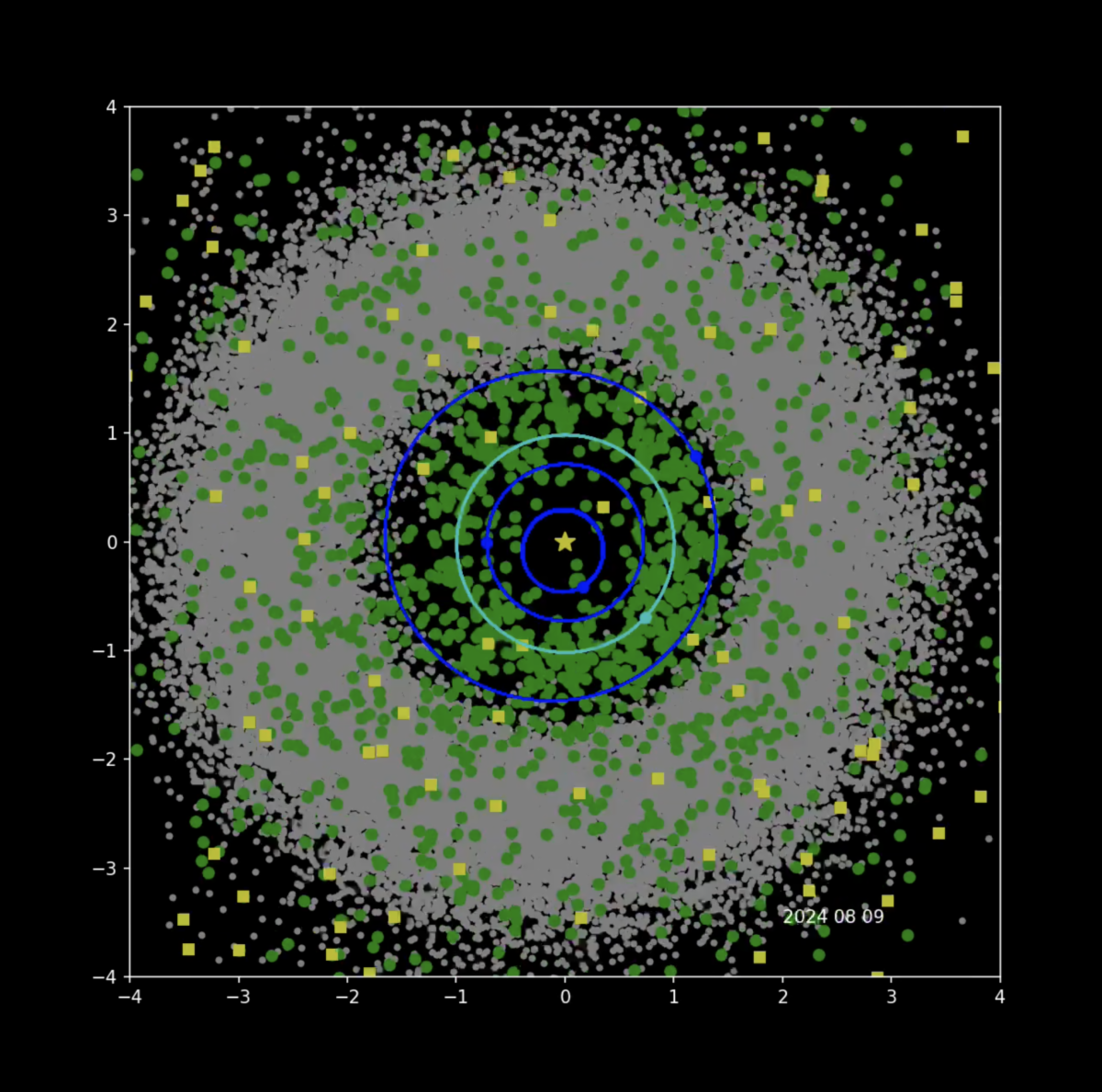
Top-down view of the Solar System showing the position on August 9, 2024 UTC of all asteroids and comets detected by NEOWISE during the Reactivation Mission. Taken from the Explanatory Supplement to the NEOWISE Data Release Products. | |
The NEOWISE Final Data Release includes data acquired during the eleventh year of the NEOWISE Reactivation mission. These data are combined with data from the first ten years of NEOWISE mission into a single archive that contains ~26.9 million sets of 3.4 and 4.6 micron images and a database of ~199 billion source detections extracted from those images. | |
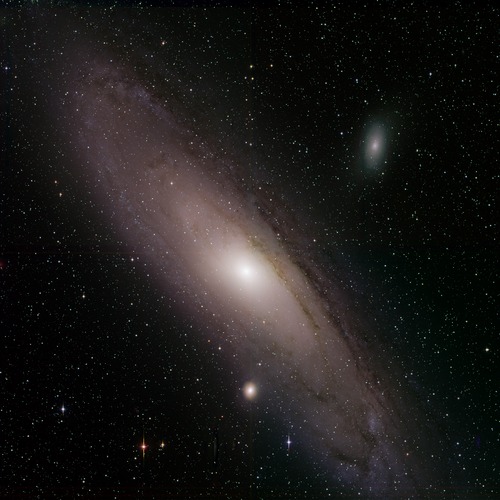
A composite ZTF image of the Andromeda galaxy made by combining three bands of visible light. The image covers 2.9 square degrees, which is one-sixteenth of ZTF's full field of view. Credit: ZTF/D. Goldstein and R. Hurt (Caltech). | |
The twenty-second public data release from the Zwicky Transient Facility contains approximately 58.5 million images, 888 billion source detections extracted from these images, and 4.92 billion light curves. | |
unWISE Time-Domain Catalog on AWS | |
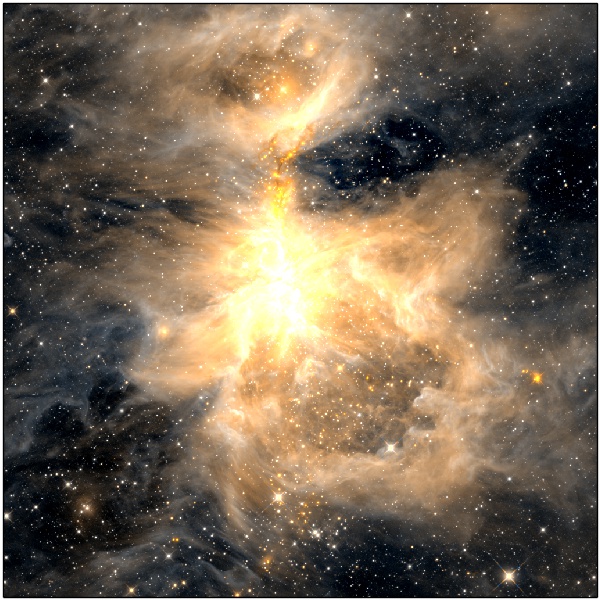
Image Credit: unWISE/NASA/JPL-Caltech/D.Lang (Perimeter Institute). | The unWISE Time-Domain Catalog is based on "time-resolved" coadds, each of which stacks together the WISE/NEOWISE exposures from one (biannual) sky pass. It includes 43 billion total detections in W1 and W2. | |
Keep up with Developments at IRSA | |
|
There are several ways for you to keep up with developments at IRSA:
| |
NASA/IPAC Extragalactic Database (NED) | |
NED released a public database update featuring new redshift measurements for nearly 2 million galaxies and quasars in the Early Data Release of the Dark Energy Spectroscopic Instrument (DESI Collaboration, Adame et al. 2024), in addition to new data extracted from hundreds of journal articles. NED's cross-matching algorithm used for integration of DESI-EDR achieved >95% accuracy and increased the number of objects with redshifts in NED by 19%, now totaling 10.7 million. In addition, over 254,000 new object links to more than 2,000 new references were added. Content accessible by web APIs hosted on the cloud were also updated. | |
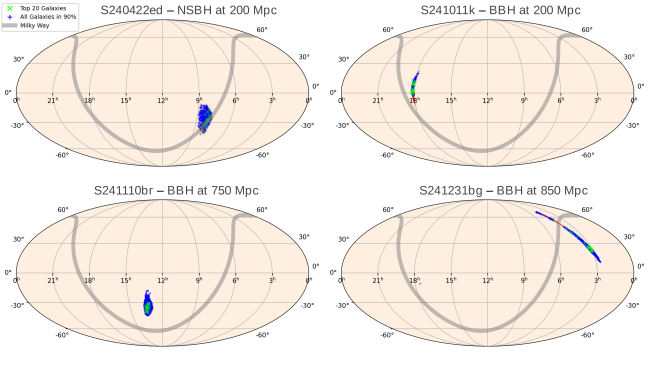
In 2024, the NED gravitational wave follow-up service (NED-GWF) responded to 85 LIGO-Virgo-Kagra (LVK) events with high probability of being astrophysical in origin, and published lists of potential host galaxies for nine events with distances less than 1000 Mpc and relatively small sky localizations (e.g., GCN Circular 38745 for LVK S241231bg). | |
Four gravitational wave events with some of the smallest sky localizations. NED-GWF cross-matched these events with galaxies in the NED Local Volume Sample, and published lists of potential host galaxies for each event. | |
NED is preparing a new system release with improvements to the database structure and updates to the user interface. | |
Keck Observatory Archive (KOA) | |
Dramatic Rise in Data Ingested into KOA | |
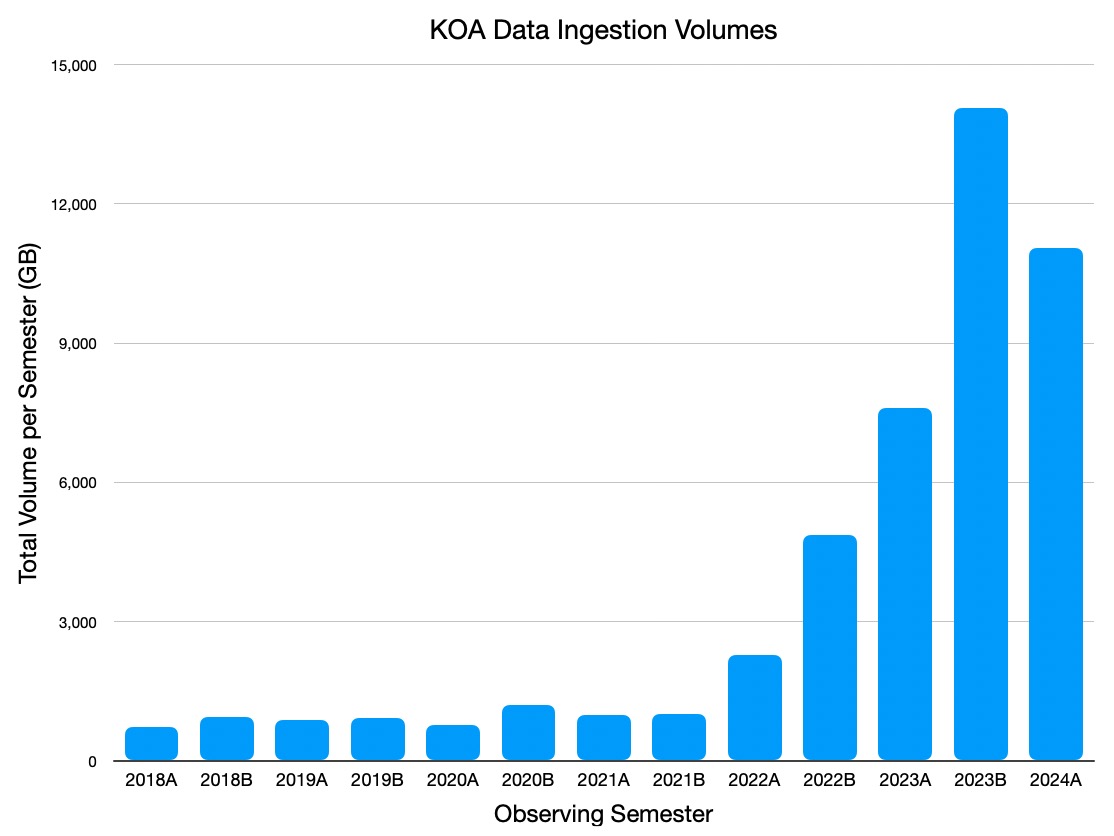
The growth in data ingested in KOA (in GB) from Observing Semesters 2018A to 2024A. | |
KOA has seen a dramatic rise in the volume of ingested data in the past two years, as shown in the chart above. It shows that the ingested volume remained steady from Semester 2018B to Semester 2021B at roughly 1 TB per semester, rising quickly to as much as 14 TB by Semester 2023B. There are two reasons for the dramatic rise: the commissioning of complex new instruments such as KPF and KCRM, and creation of science ready data via modern new pipelines that have been installed into the Keck Observatory operations; these pipelines often generate large data sets such as spectral data cubes. All the data are ingested into KOA within minutes of acquisition. We expect this data growth to continue with the commissioning of new instruments in the coming years. Finally, scientific output of KOA, as measured by number of citations in peer-reviewed journals, has risen in 2024 to 20% of the total Observatory science output. | |
PRobe far-Infrared Mission for Astrophysics (PRIMA) | |
PRIMA Selected As a Probe Explorer Mission for Additional Review | |
|
PRIMA was one of the two missions selected by NASA for further review in the new Probe Explorer class. The new mission class, Probe Explorers, will fill a gap between flagship and smaller-scale missions in NASA’s exploration of the secrets of the universe.
PRIMA will be a 5.9-foot (1.8-meter) telescope studying far-infrared wavelengths, helping bridge the gap between existing infrared observatories, such as NASA’s James Webb Space Telescope, and radio telescopes. By studying radiant energy that only emerges in the far-infrared, the mission will address questions about the origins and growth of planets, supermassive black holes, stars, and cosmic dust.
IPAC at Caltech will perform science center functions, including observation planning and scheduling, scientific data processing, archiving, and dissemination. NASA expects to select one concept in 2026 to proceed with construction, and launch the winning observatory in 2032. See this article for more information.
| |
Ariel Passes Major Milestone | |
Ariel, the European Space Agency’s next-generation mission to observe the chemical makeup of distant extrasolar planets, has passed its Payload Preliminary Design Review (PDR). The successful completion of the Payload PDR marks a crucial step forward for Ariel, demonstrating that the mission's payload design meets all the required technical and scientific specifications. No showstoppers were found for the launch foreseen in 2029. Ariel has contributions from NASA, JAXA, and the Canadian Space Agency. The NASA contribution is CASE (Contribution to Ariel Spectroscopy of Exoplanets, PI Mark Swain at JPL) which provides the optical and near-infrared (0.5–2 μm) science capabilities and fine guidance sensors for Ariel. IPAC will provide the data processing environment and the US Data Archive for all Ariel data. | |
IPAC Science Staff Publications | |
IPAC science staff members continue to engage in multifarious science endeavors. Current IPAC science staff collectively have over 4800 publications in refereed journals. | |
Yadukrishna Raghu (left, credit Raghu Karamel) and Matthew Paz (right, credit Min Seon). | |
|
Two high school students, working on projects related to NASA's WISE/NEOWISE mission, recently first-authored papers in refereed journals.
The first student, Yadukrishna Raghu, performed simulations of the predicted mass apportionment among the local brown dwarf population using various theoretical models of star formation and stellar evolution. These results were compared to actual measurements, based in part on WISE/NEOWISE discoveries to determine which formation model and evolutionary model matched best. Yadu was a senior at Washington High School in Fremont, California, when he submitted his paper, and he is now a freshman studying physics at UC Berkeley.
The second student, Matthew Paz, developed fast machine-learning code for analyzing time-series data and, as a proof of concept, applied that to the 200-billion-row NEOWISE Single Exposure Source Table to show the kinds of results that are possible. His single-author paper demonstrates the first steps in his development of a catalog of significant variable stars and galaxies seen during the 10.5 years of the NEOWISE mission. Matteo is a senior at Pasadena High School in Pasadena, California, and is currently applying to colleges.
Both students were mentored by IPAC scientist Davy Kirkpatrick with help from the Backyard Worlds: Planet 9 citizen science project, Caltech's Summer Research Connection program, Cycle 1 funding from NASA's JWST, and NEOWISE.
| | |
|
There were many changes in the IPAC team in 2024. We filled 20 positions with people who either joined IPAC afresh or with existing staff who transitioned to new roles. | |
|
Did you know that IPAC is on social media? We have two different profiles:
- @CaltechIPAC for the professional astronomer community, and
- @ExploreAstro for the astronomy-interested public.
@CaltechIPAC updates the scientific community on important milestones and new data releases, as well as IPAC news, such as personnel highlights and exciting opportunities. This account serves as a platform for engagement with our collaborators and those who use IPAC products.
@ExploreAstro shares fascinating stories about the universe with our audiences. From hosting the Explore Exoplanets podcast, to answering common questions about space, the account connects with a variety of science enthusiasts, while helping spread awareness of the work done at IPAC. We have now reached 10,000 followers on the @ExploreAstro's Instagram account (link below).
Follow us and send us your ideas for new posts!
@caltech_ipac on Instagram
@caltechipac on Facebook
@caltechipac on X
@caltechipac on Bluesky
@explore.astro on Instagram
@exploreastrocaltechipac on Facebook
@exploreastro on X
@exploreastro on Bluesky
IPAC also has an IPAC showcase page on LinkedIn where we advertise open positions and share content that highlights IPAC's work environment and culture.
| | | | |