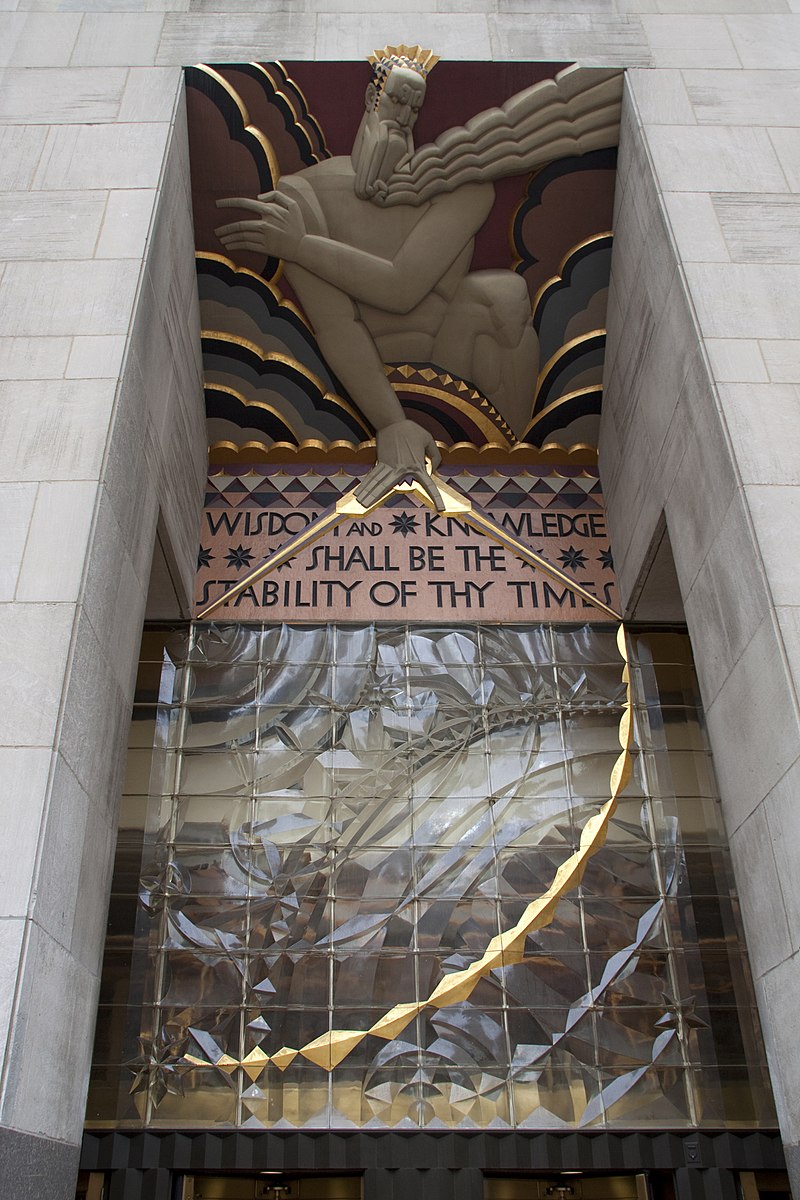
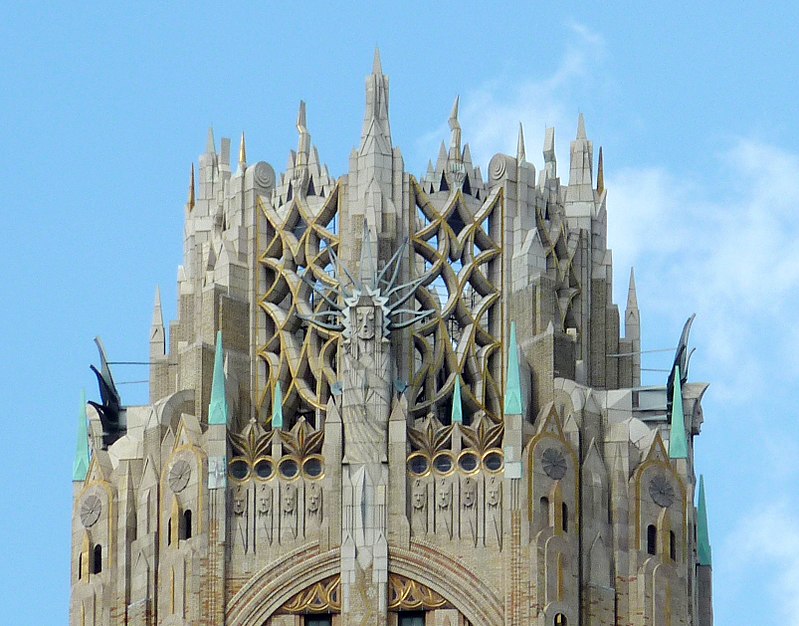
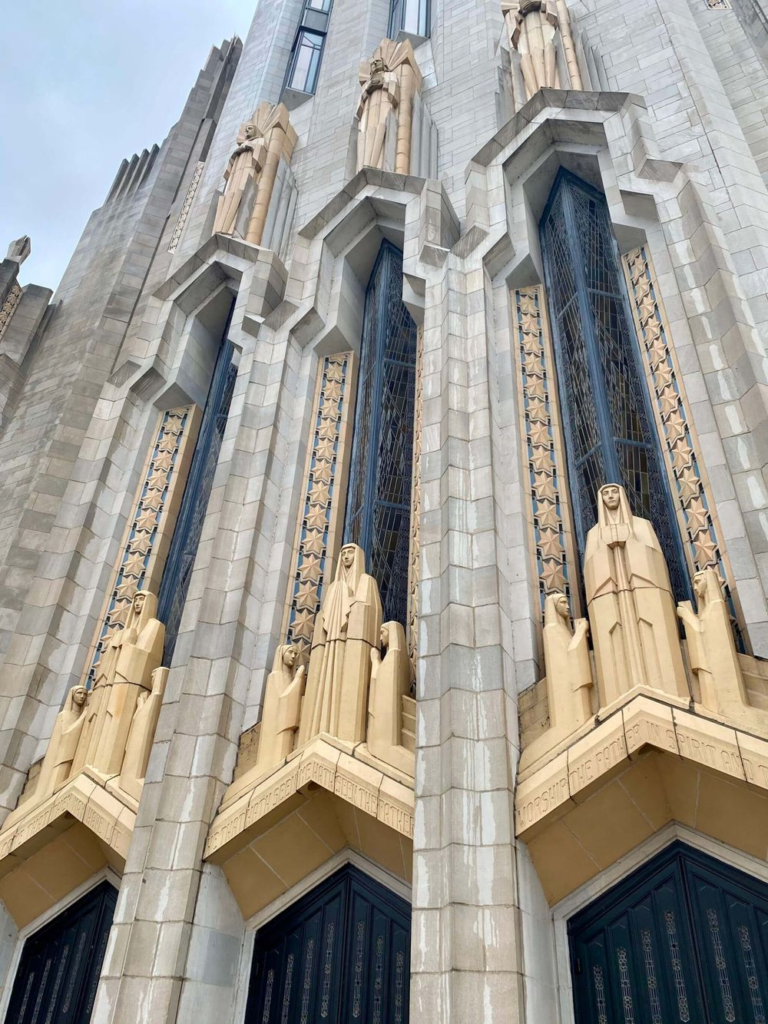
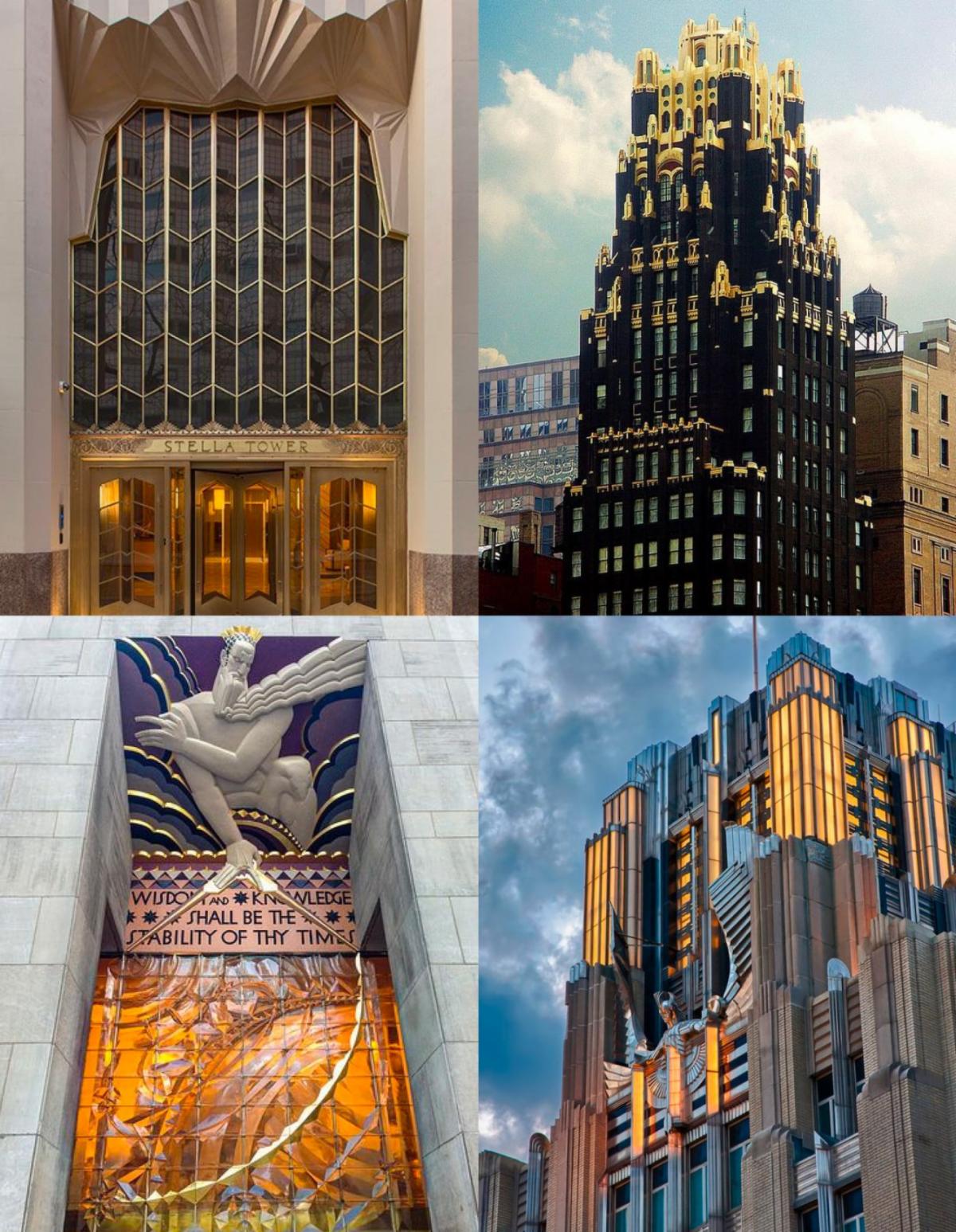
Detail from Rockefeller Center | | |
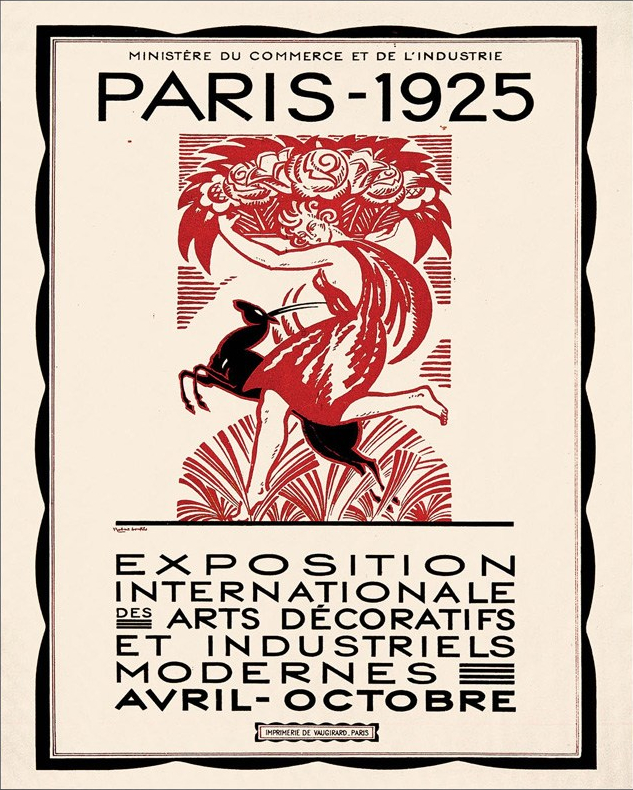
A century ago, in April 1925, the International Exhibition of Modern Decorative and Industrial Arts in Paris introduced a new design movement that swept through the western world.
This show, which lasted seven months and included works by more than 15,000 artists, architects, and designers, was visited by nearly 16 million people from all across the globe. Art Deco, (an abbreviation of Arts Decorative) became the signature style for the Jazz Age. This futuristic style, characterized by geometric shapes in intricate formations, quickly became the style du jour for everything from architecture and design to jewelry and fashion.
| | |
The First World War lasted from August of 1914 to November of 1918. It ended a century of relative peace and unprecedented prosperity in Europe and resulted directly in the deaths of more than 20 million people. The war was a significant turning point in the political, cultural, economic, and social climate of the world. It toppled four empires, redrew the map of Europe and ushered in the emergence of America as a global power.
The war had a lasting impact on society. It was seen by many as the end of an agrarian era stretching back well into the 19th century. The optimism that marked the period at the turn of the 20th century was swept away. Across Europe the war was seen as a watershed failure of the established order.
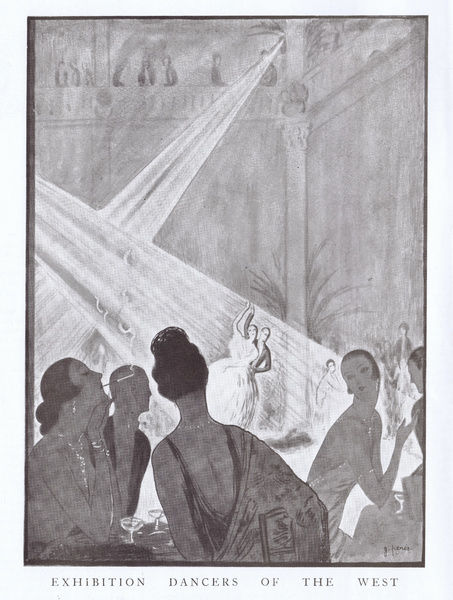
After the war, the old way of life was rejected in every way. People no longer looked to the past with nostalgia. Every aspect of society changed including music, dance, fashion, art, and architecture. People looked to the future and embraced it.
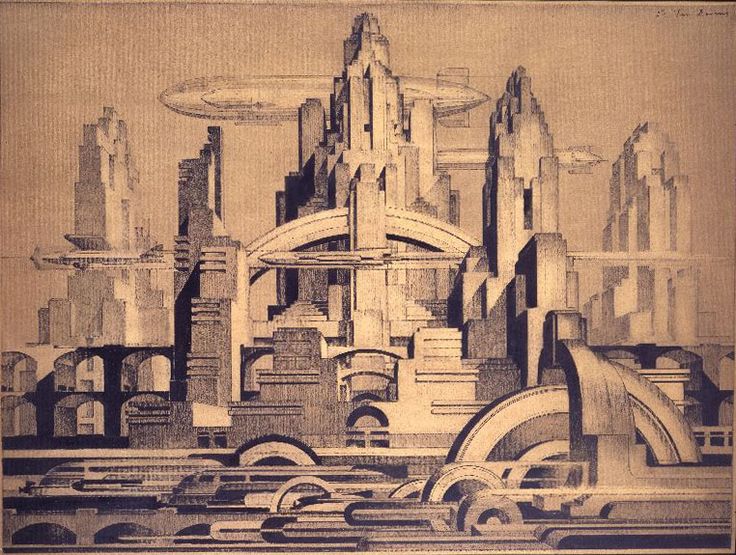
| | “Cityscape” Edmond Van Dooren c. 1920 | | |
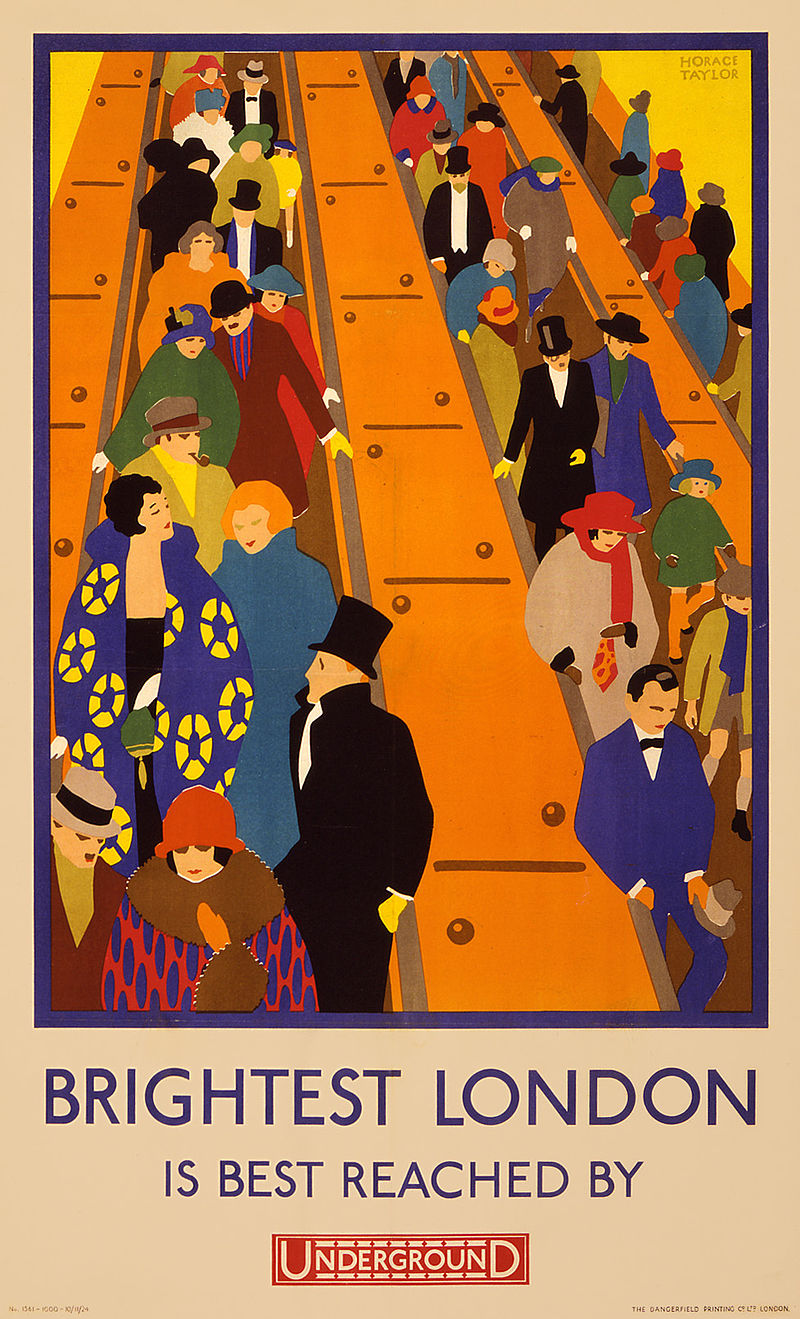
Art Deco had a very different philosophy from earlier art movements. While movements like Art Nouveau and Arts and Crafts celebrated handmade objects, Art Deco embraced technology and mass production. The designers believed that beautiful things should be made available to everyone, not just wealthy people who could afford one-of-a-kind handmade items. It embraced the democratic idea that art and beauty could be an essential part of everyday life.
Speed was considered one of the great marvels of the twentieth century, and Art Deco designers wanted to capture the excitement of motion and metal in their work. They saw machines not as ugly or threatening, but as sources of beauty and inspiration. Machine made details, new materials and mass production were wonderful new tools for artists and designers to play with.
| |
While Art Deco is all about being modern and looking to the future, it also borrowed ideas from cultures like Egypt, Assyria and Japan. Designers celebrated the 1922 discovery of Tutankhamen’s tomb in Egypt, and fueled a passion for all things Egyptian. Ancient African, Greek and Roman mythology was reimagined in a modern way, creating something that felt both timeless and completely new.
This mixing of old and new ideas showed that Art Deco designers weren’t trying to throw away all of history. Instead, they were picking and choosing the best ideas from different times and exotic places to create something that fit their modern world. This approach made Art Deco feel rich and sophisticated while still being fresh and exciting.
| | Art Deco designers believed that functional objects should also be beautiful, and that art should enhance every aspect of modern life. The movement successfully brought together beauty and function, making elegant design available to people from all social classes. By embracing geometric shapes, bold colors, luxurious materials, and streamlined forms, Art Deco created a visual language that perfectly captured the excitement and optimism of the 1920s and 1930s and prepared the ground for the clean lines and simplified forms of modernism. | | |
Here are a few characteristics of the Art Deco style.
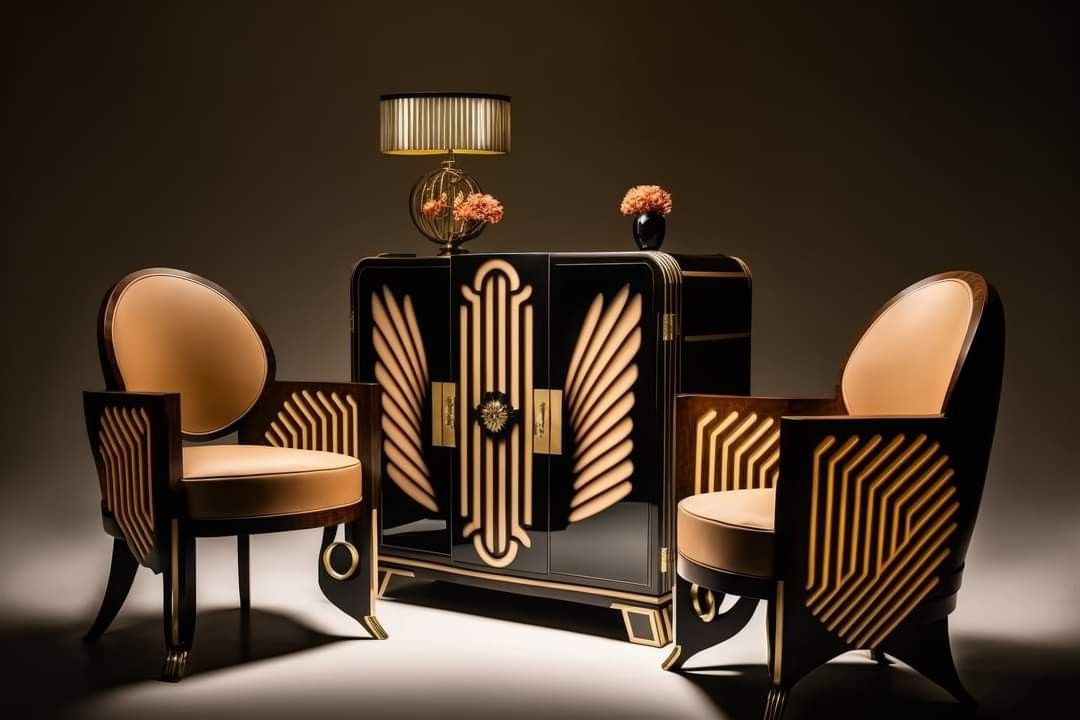
Geometric shapes: Art Deco style is recognizable for its bold geometric ornamentation, sunbursts, waves, zigzags, and chevrons are standard Art Deco designs. Rectangles, triangles, and octagons, among other forms with straight lines and angles, were combined to create intricate sculptures that mirrored the period’s contemporary and streamlined aesthetic. These patterns are often repeated in numerous ways throughout a space, such as in an area rug with zigzags, wallpaper with waves or chevrons, or a table or mirror with a sunburst shape. The juxtaposition of sharp, angular forms within the same design element or the dramatic transitions from one area to the next are characteristics of this style. The geometric patterns often included stylized versions of plants and animals, simplified into basic shapes rather than realistic drawings.
| | |
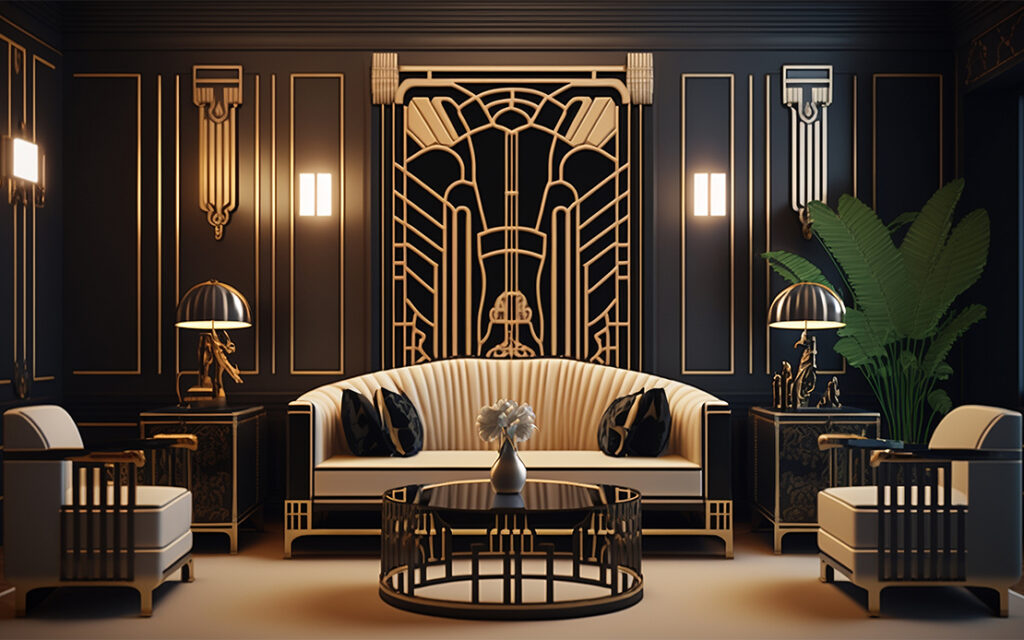
Symmetry: Art Deco designers also used symmetrical patterns, which means the design looks the same on both sides. This gave their work a sense of stability, balance and order that felt eternal yet very modern and clean.
| | |
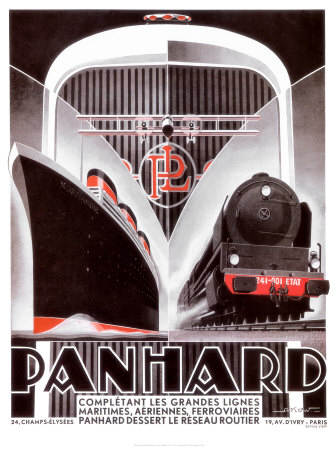
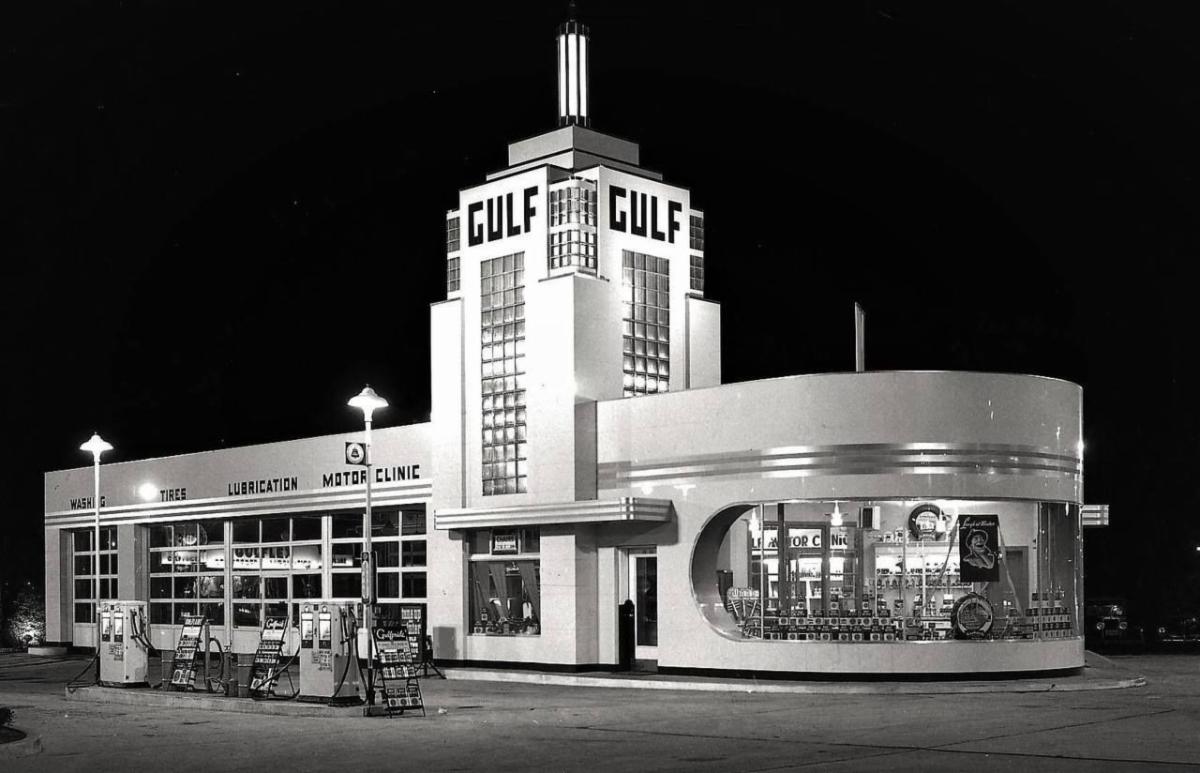
Streamlined for Speed: Art Deco embraced the idea of streamlining, which means making things look smooth and fast. This came from the fascination with speed and transportation technology of the time. Designers looked at trains, cars, ships, and even airships for inspiration, copying their smooth, aerodynamic shapes.
Buildings in the Streamline Moderne style often looked like ships on land, with curved corners, round windows that looked like portholes, and horizontal lines that suggested movement. Even when things weren’t actually moving, Art Deco designers made them look like they could take off at any moment.
| | Ancient or non-western inspiration: Art Deco artists often incorporate stylized motifs inspired by ancient Greece or Egypt, as well as aspects of Japanese, Chinese, Indian, and African art. | | |
Craftsmanship: Decorative arts objects—especially furniture, textiles, and jewelry—were often made by hand, displaying the tremendous skill of the craftsman. With the rise of industrialization, beautifully designed, well-made objects could be mass-produced.
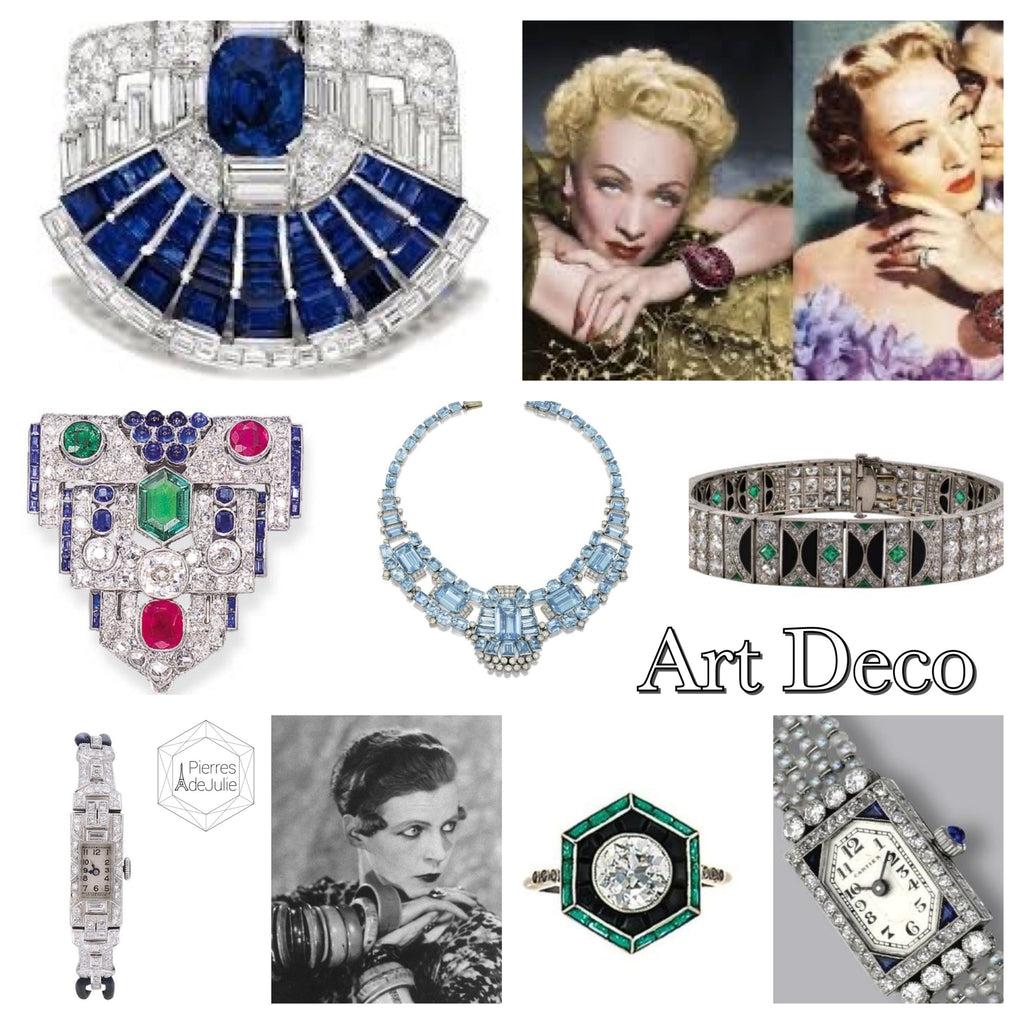
Designers of jewelry had a significant role in the Art Deco era. Art Deco artists employed platinum, white gold, geometric design styles, and striking color contrasts to evoke the era’s spirit. In Art Deco jewelry, geometric diamond cuts, including the baguette, triangular, trapeze, and half-moon, gained popularity.
| | |
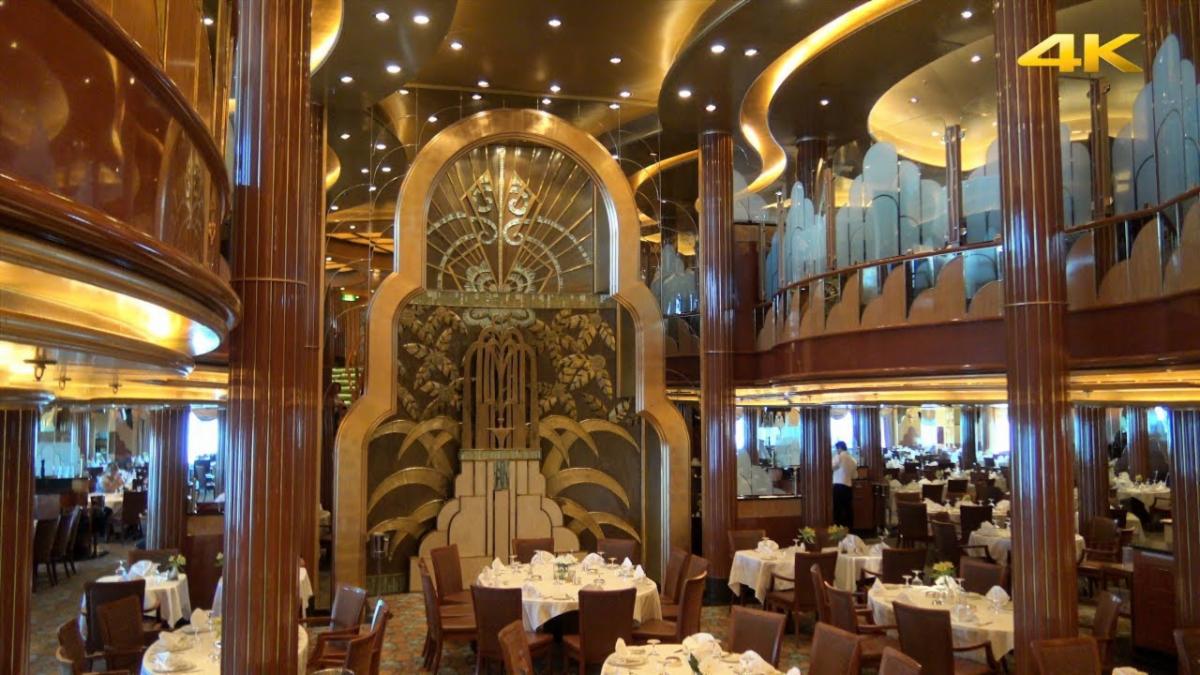
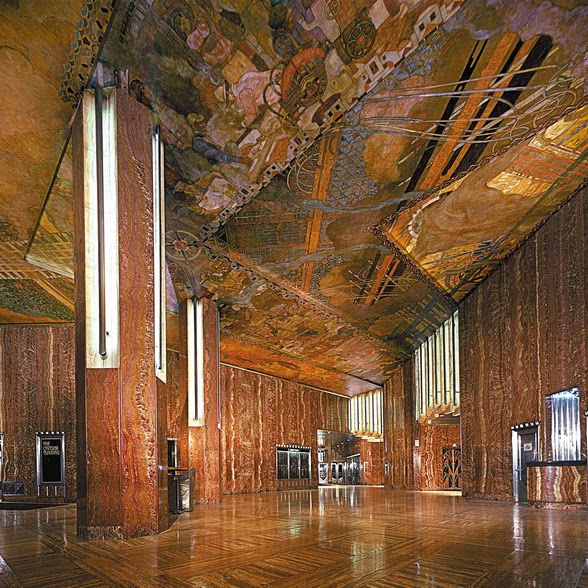
Materials: The movement also celebrated luxurious materials like chrome, glass, marble, velvet, and even exotic woods.
The ocean liner Queen Mary is a perfect example of this luxury, using 56 different types of wood in its decoration, with six of those woods now being extinct. Art Deco designers also loved new materials like stainless steel, aluminum, and lacquer that showed off modern technology. Artists worked with stucco, terracotta, decorative glass, chrome, steel, and aluminum.
In glasswork, artists like Lalique created beautiful contrasts between clear and frosted glass, sometimes adding colored patinas or enamels for extra decoration.
| Color: Art Deco is famous for its use of bold, vibrant colors. Designers weren’t afraid to use bright reds, deep blues, rich golds, and other eye-catching colors that made their work stand out. Art Deco also featured bold, contrasting colors that grabbed attention. Artists loved to use bright, rich colors like emerald green, royal blue, and deep red, often paired with black and white or metallic colors like gold and chrome. These striking color combinations helped create the glamorous, exciting feeling that Art Deco was known for. | | |
Stylized figures: Painters and sculptors working in the Art Deco style often created sleek, elongated or stylized images of the human form. Art Deco designs often included stylized forms from nature, but these were simplified and made geometric. Common motifs included sunbursts, stylized flowers, fountains, and even regional elements like palm fronds. However, these natural forms were always given sharp, angular lines that fit with the overall geometric style.
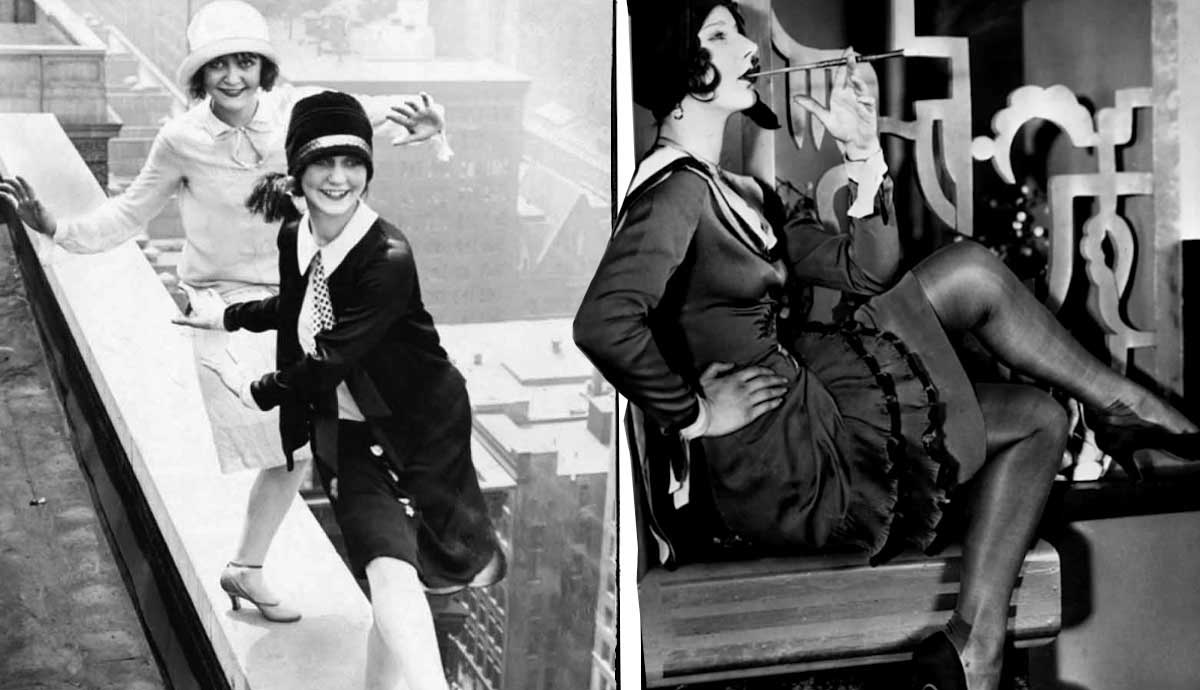
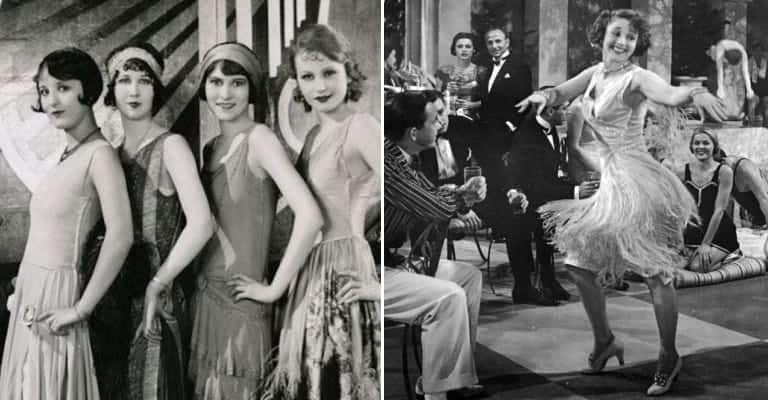
| | Changing Role of Women: Flappers were a “new breed” of young Western women in the 1920s who wore short skirts, bobbed their hair, and flaunted their disdain for the old ways of life. Women exerted a new freedom in their habits and their dress, smoking, drinking, dancing, working, voting and driving. Women were celebrated as vamps, gypsies,and femme fatales. The German “Lebensreform” movement encouraged a new appreciation for a strong, healthy and natural body that influenced the whole Western world. | | |
Architecture:
Nowadays, we most often encounter the Art Deco style in architecture. Gorgeous Art Deco structures dot our cities and remind us of our flamboyant past. These buildings weren’t just functional structures - they were works of art that celebrated the modern age and the possibilities of our future. Their designers used new materials like stainless steel and incorporated decorative elements that told the story of progress and technology. The buildings reached toward the sky like monuments to human achievement and the bright future Art Deco designers envisioned.
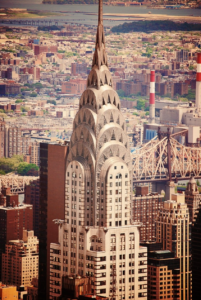
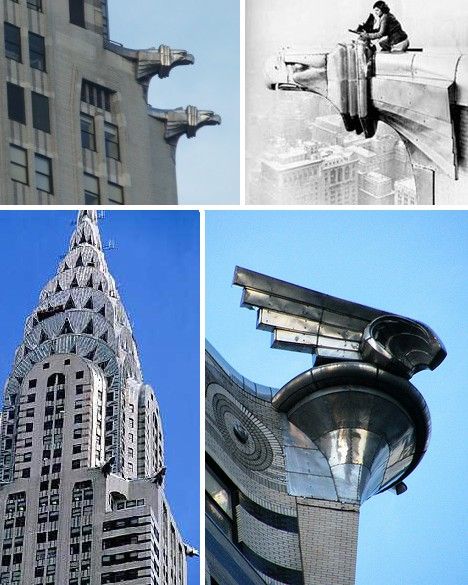
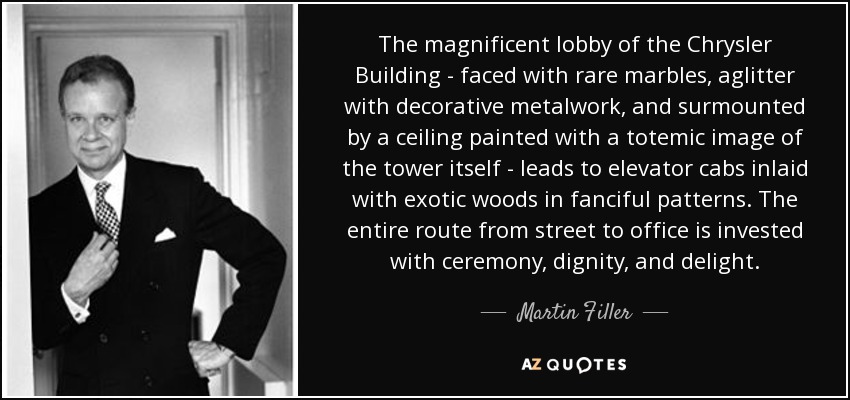
The Art Deco architectural movement gave rise to some of the most recognizable contemporary public structures in American cities to this day. These include the magnificent Chrysler Building, the Empire State Building, and the Rockefeller Center, all constructed in New York City. These skyscrapers perfectly show the key elements of Art Deco style with their emphasis on vertical lines, geometric ornamentation, and use of modern materials. The Chrysler Building’s distinctive crown with its geometric patterns has become one of the most recognizable symbols of New York City and the Art Deco era.
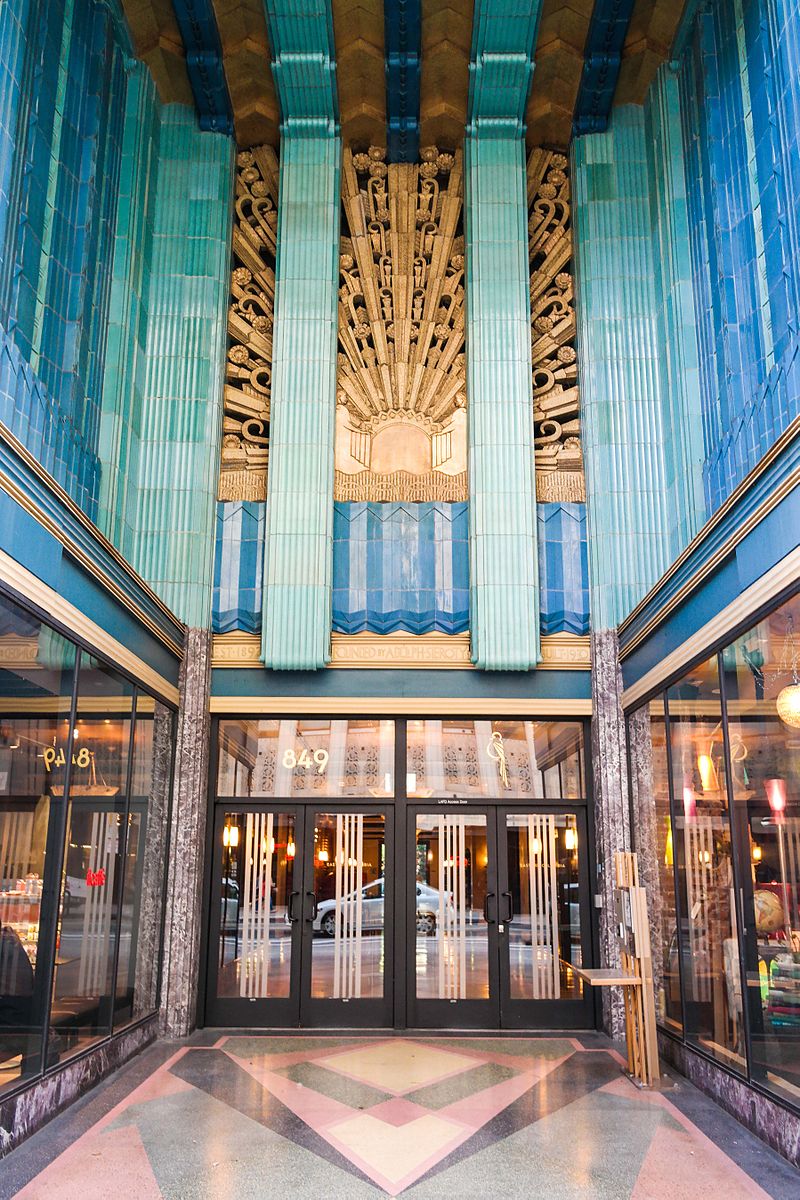
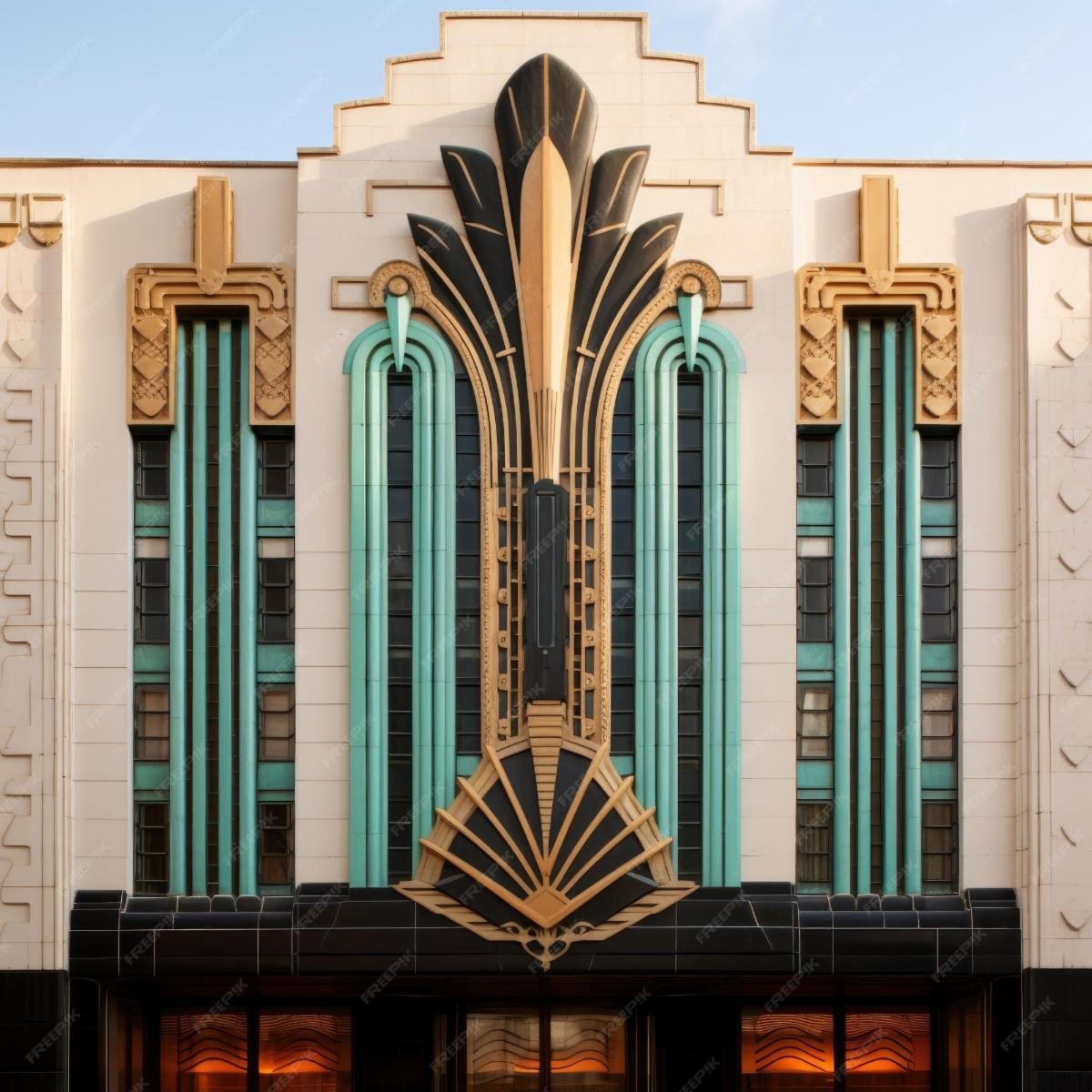
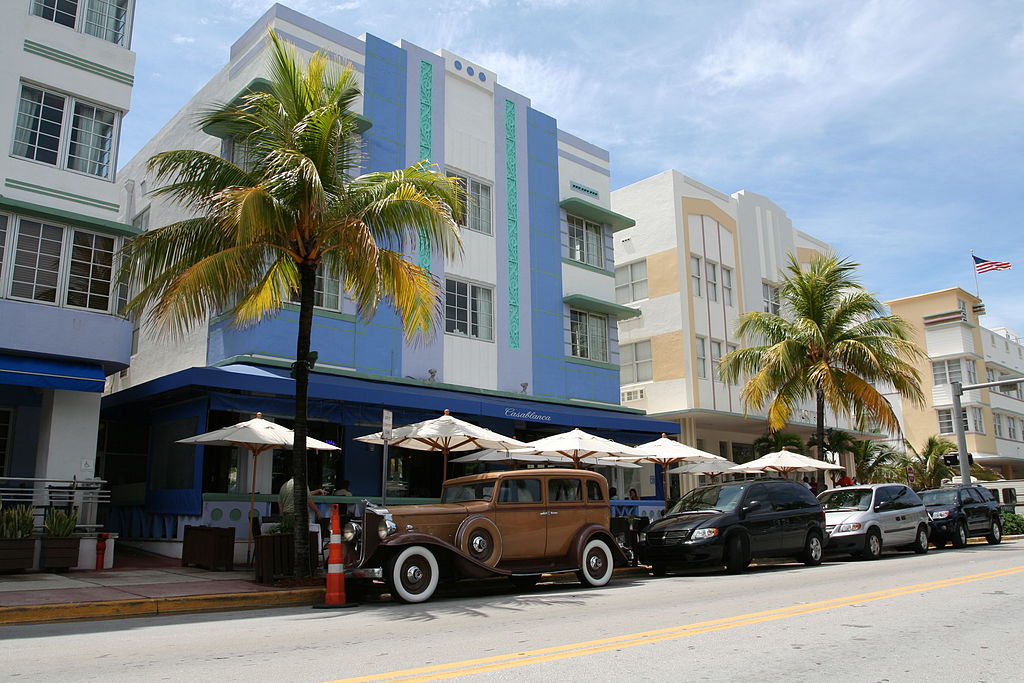
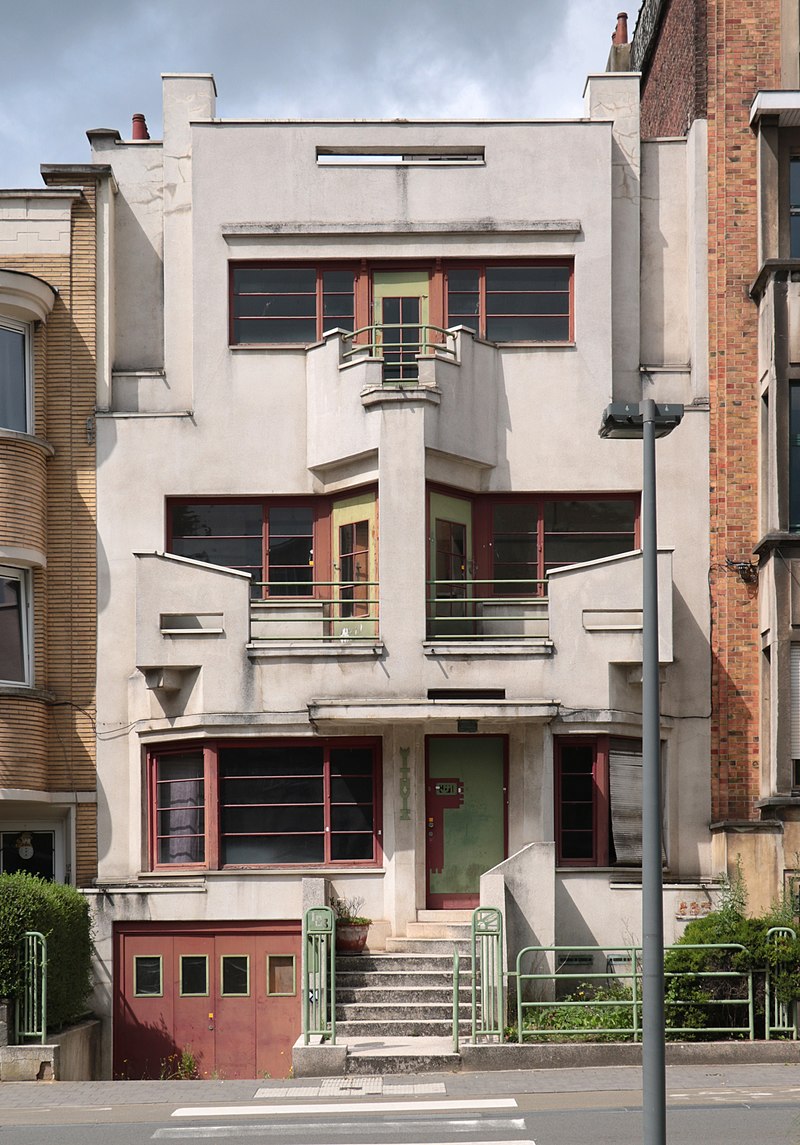
| | Most Art Deco buildings in emphasize geometric shapes that vertically pull attention upward. Metal elements highlight the hard-edged, opulently decorated designs of the Art Deco architectural style. To give public buildings a streamlined appearance, rectangular, block-like forms are grouped symmetrically with rooftop spires and curved decorative embellishments. Designers employed geometric shapes inspired by ancient architecture, like stepped pyramids from Egypt and Mesoamerica, and included symbols such as lotus flowers, scarabs, and hieroglyphics after the discovery of King Tutankhamun’s tomb in 1922. African tribal patterns and furniture forms also influenced Art Deco’s geometric designs. These ancient elements were stylized and merged with modern materials and technology, creating a unique blend of old and new that defined the Art Deco style. Well-known American examples can still be found in Chicago, Los Angeles and in Miami Beach’s Art Deco Historic Districts. | | There are probably classic Art Deco building where you live. These buildings usually have flat roofs, or multi-level flat roofs. Look for Zig Zag or Ziggurat (stepped) profiles. They often have rounded corners to look more aerodynamic and sleek. Art Deco buildings are highly symmetrical and everything seems to come in groups of three; three windows, three bandings, three steps up. Ornamentation can be elaborate or simple. Horizontal bands appear on the facades of buildings as appliques or columns often featuring geometric patterns. Fluted ribbed columns stand away from the building or are attached to front doorways. Other elements seen in Art Deco buildings are glass block, etched glass, porthole windows, applied or mosaic relief, neon lighting, and murals. | | |
Examples:
The Chrysler Building, William Van Alen : Completed in 1930 and designed by architect William Van Alen, New York City’s Chrysler Building is one of the most famous examples of Art Deco architectural style. Its spire is decorated with panels of stainless steel, surrounding a geometric pattern of triangular-shaped windows. Stylized gargoyles are at the base of the spire, recalling ancient Greek Sculpture.
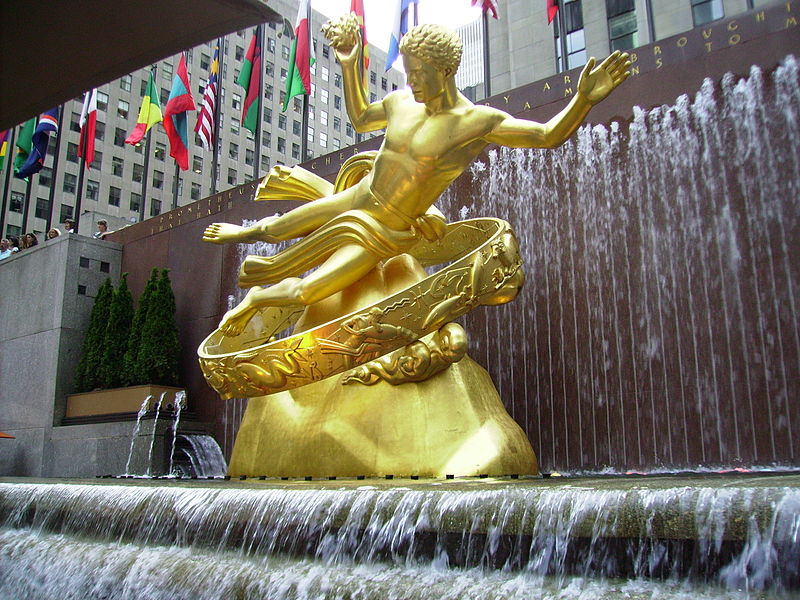
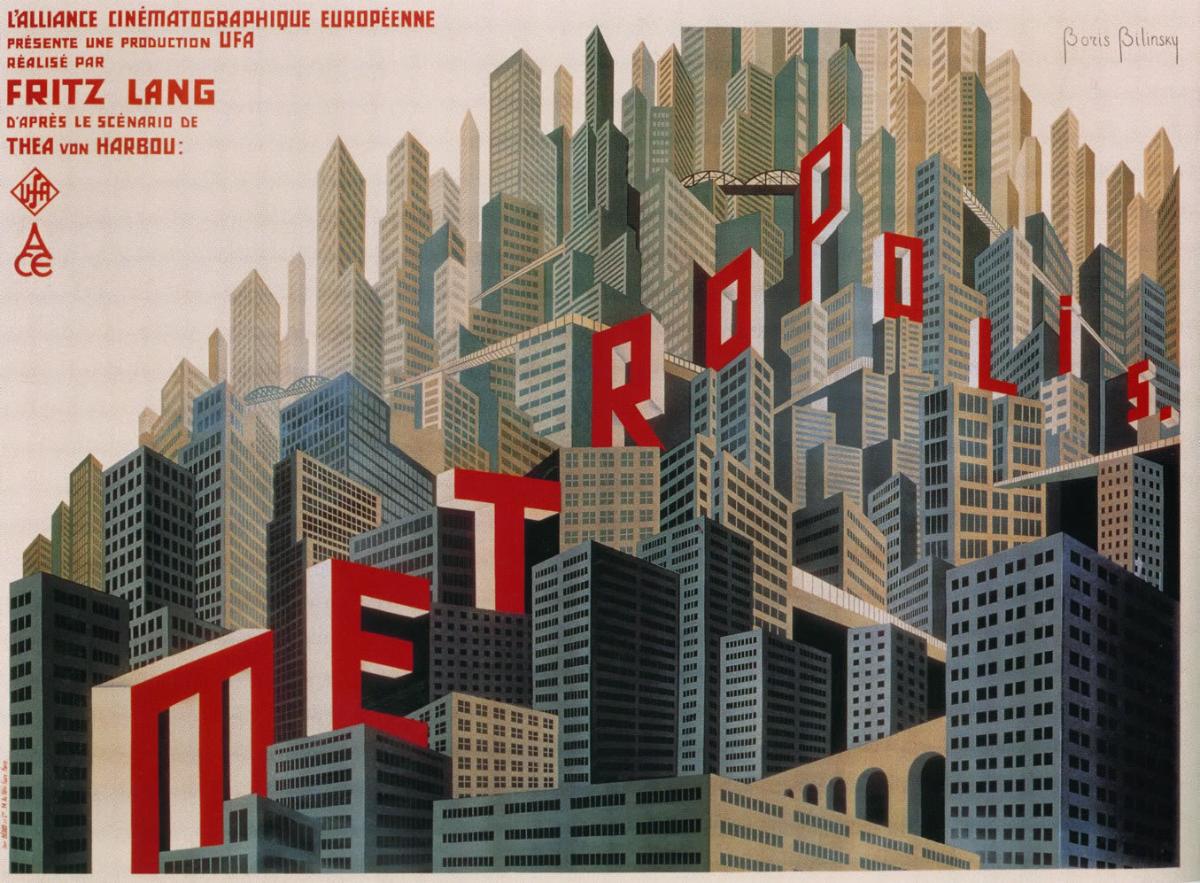
| Prometheus,(1934): Paul Manship created one of the most famous Art Deco sculptures in America: the Prometheus Fountain in Rockefeller Center. This massive gilded bronze sculpture shows Prometheus, a figure from Greek mythology who stole fire from the gods and delivered it to mankind. | Fritz Lang, a German-Austrian filmmaker, screenwriter, graphic designer, painter, sometimes film producer and actor, directed Metropolis, one of the most well-known movies that Art Deco greatly inspired. The aesthetic and conceptual components of the 1927 film Metropolis heavily references the Art Deco style, and Lang’s use of this movement’s formal vocabulary significantly impacted the style’s acceptance in Europe and America. | F. Scott Fitzgerald’s book The Great Gatsby is a masterful depiction of the self-indulgent extravagance, decadence, wealth, glamor, and forward-thinking in 1920s America. It is considered to be the classic Jazz Age novel. The film is a celebration of the Art Deco aesthetic. | |
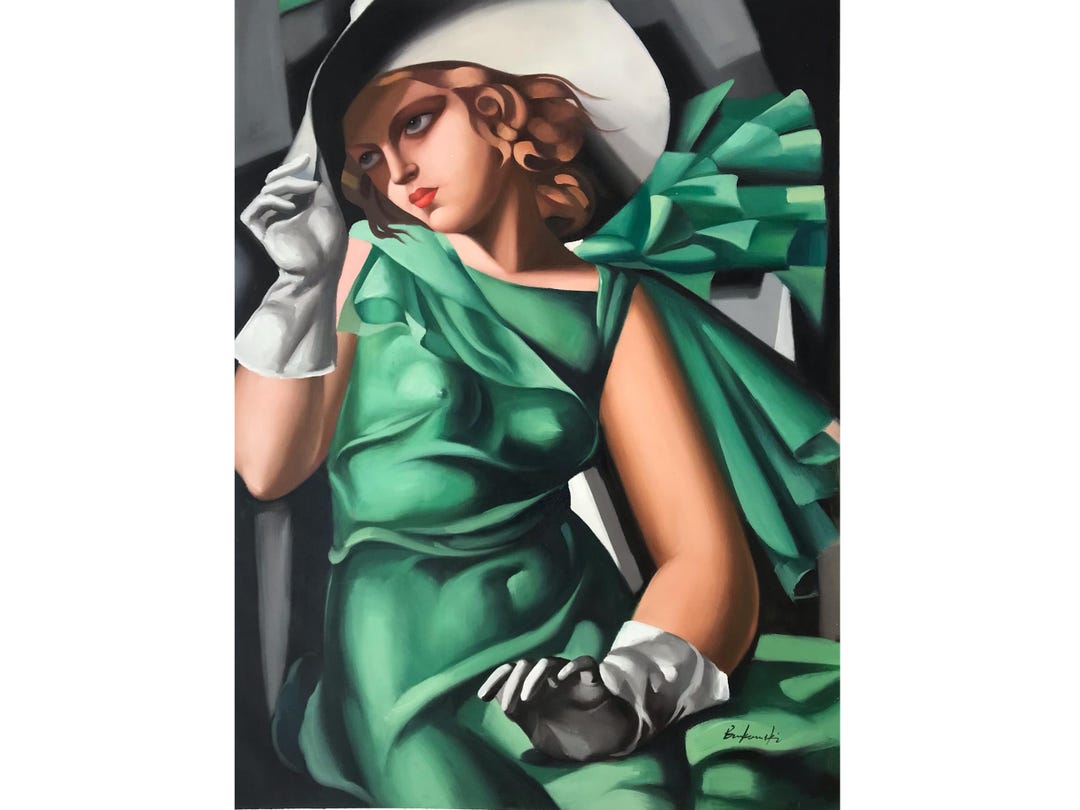
Tamara de Lempicka was a Polish Art Deco painter who created some of the most recognizable paintings of the movement.Her paintings, which drew influence from movements like cubism, expertly captured a life of luxury and glitz. Her work featured the geometric shapes, bold colors, and glamorous subjects that defined Art Deco painting. Some of her most famous works include “Young Lady with Gloves” (1927), “Autoportrait (Tamara in the Green Bugatti)” (1925), and “Adam and Eve” (1932).
Young Lady with Gloves, created in 1927, is among her signature pieces. She is shown as a stylishly modest woman wearing a green dress, enhanced by her discreetly matching white hat and gloves. Despite her seeming timidity, her brilliant red lipstick makes her stand out. Lempicka’s unique style, which also exemplifies the interaction of Cubism and Art Deco in her creative approach, is characterized by the crisp, almost shattered planes of color utilized to express the facial characteristics and the fabric of the garment. The painting shows a confident, modern woman, reflecting the changing roles of women in the 1920s and 1930s.
| |
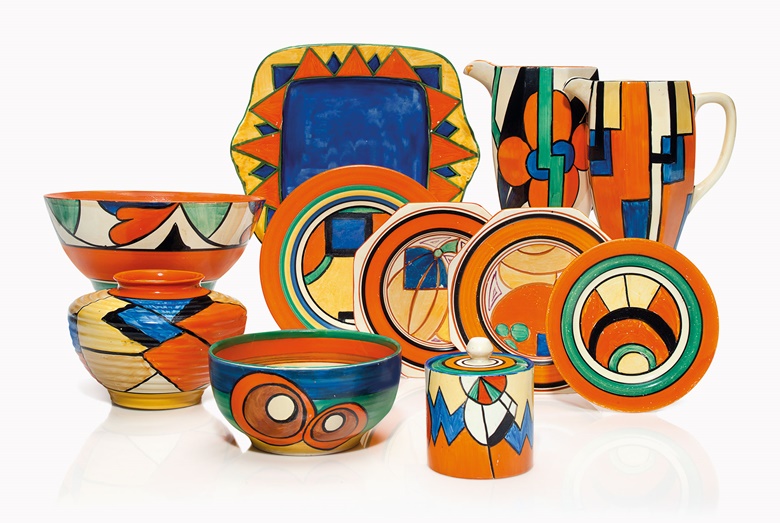
Clarice Cliff was a famous ceramicist who created pottery that perfectly captured the Art Deco spirit. Her work featured geometric shapes, symmetrical patterns, bold colors, and clean lines that made everyday dishes and vases into works of art. Cliff’s pottery brought Art Deco style into people’s homes in an affordable way, showing how the movement made beautiful design accessible to regular families. Watch the movie about her life “The Color Room”.
| |
René Jules Lalique was one of the most important Art Deco artists and is considered a driving force of the movement. He started his career making jewelry in the Art Nouveau style but became famous for his innovative glasswork. At his factory in France, Lalique created press-molded Art Deco vases that regular people could afford, making beautiful art accessible to more than just wealthy collectors.
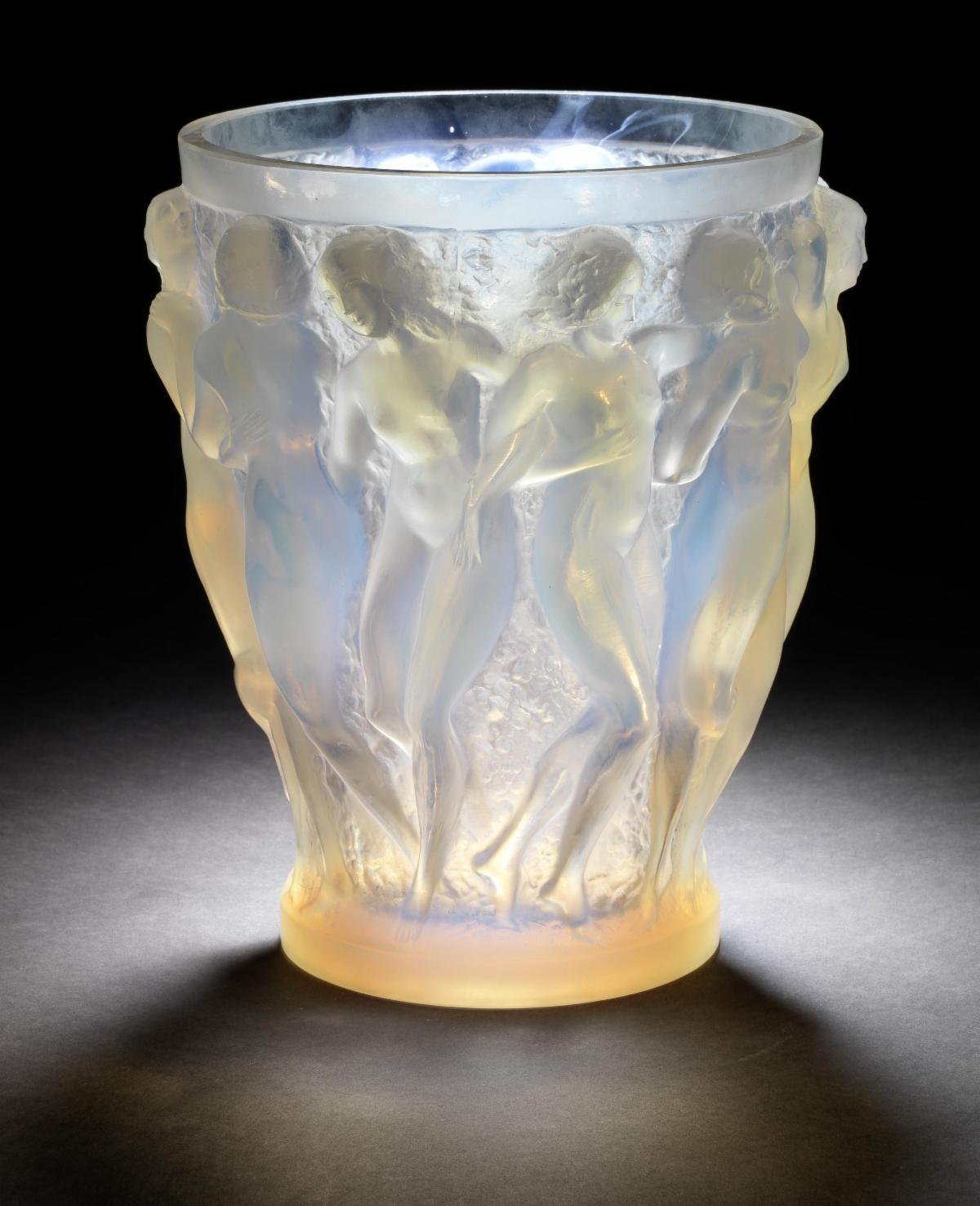
Lalique’s signature style features contrasts between clear and frosted glass, sometimes with added colors for decoration. One of his famous works is the “Bacchantes” vase, which used iron oxides to create a beautiful yellow amber color. The vase features classical figures that showed Art Deco’s love for ancient themes, but they were designed in a modern, stylized way.
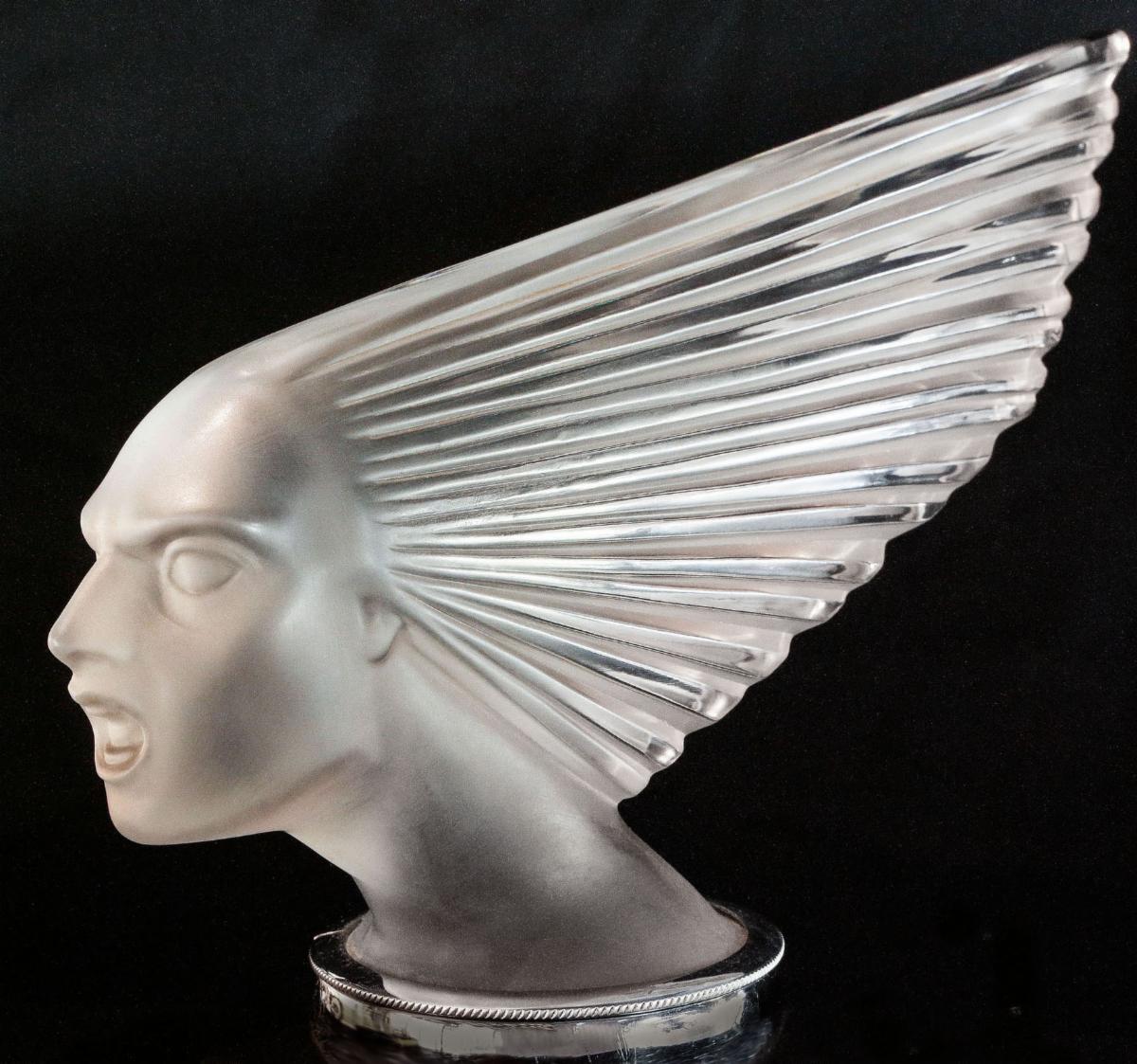
Lalique also designed car mascots, which were small decorative items mounted on car radiator caps. His “Spirit of the Wind” perfectly captured the Art Deco fascination with speed and technology. The sculpture shows a woman’s head with flowing hair arranged in geometric patterns, perfectly combining the movement’s love of streamlined forms with decorative beauty. Lalique even worked on large projects, including decorating train carriages for the Côte d’Azur Pullman Express in 1928.
| |
The Art Deco movement was a revolutionary force in 20th-century art that successfully combined beauty, luxury, and modern technology. By rejecting the ornate styles of the past and embracing geometric shapes, bold colors, and new materials, Art Deco artists created a visual language that spoke to the hopes and dreams of the modern age.
Just as Lalique mass-produced beautiful glass objects that regular people could afford, modern designers continue to work on creating attractive, well-designed products for everyone. Artists like Lalique, Cliff, Manship, and Lempicka show that art can be both beautiful and functional, both luxurious and accessible. The simplified forms paved the way for functional “modern” art to follow.
Art Deco’s philosophy of looking toward the future while drawing inspiration from the past continues to resonate today. Art Deco’s celebration of progress, technology, and modern life makes it as relevant now as it was nearly a century ago. As we continue to navigate our own age of rapid technological change, the Art Deco example shows us how artists can embrace innovation while creating timeless beauty. Art Deco’s emphasis on clean lines, geometric patterns, and sleek forms can be seen in everything from modern architecture to fashion design. The movement’s lasting influence on contemporary design proves that good design principles and artistic vision can transcend time and continue to inspire new generations of artists and designers.
Join me on Friday, June 13th to visit the Weiner Museum of Decorative Arts (WMODA) in Hollywood, FL whose incredible collection of Art Deco ceramics inspired this essay. If you love Art Deco and want to participate more please join the Art Deco Society of Palm Beach www.ArtDecoPB.org Art@ArtDecoPB.org
| |
Whether you’re an established artist seeking new horizons or a budding creative looking to elevate your work, I hope I have inspired you with ways you can embrace your artistic future. When you paint with passion, you ignite your flames and inspire others to do the same.
Perhaps I can invite you to join my artistic “family,” where I can support your creative development. Don't hesitate to contact me if you want my mentorship, guidance, and advice in exploring your artistic path. It makes me happy to share my insights and my knowledge with you.
| |
If someone shared this newsletter with you and you'd like to subscribe, please reach out to me below with your email address. I promise, no spam, no overloading your inbox, just the good stuff.
I welcome the opportunity for connection, conversation, cooperation, collaboration, and commissions.
With Light and Delight
| |
P.S. If you didn't get the chance to download your free gift from me: Here is my "Inner Artist Inspiration Package" - a series of illustrated quotes in watercolor based on flower photos taken by family and friends.
| | | | |
Weston Art Guild - Color My World
Art Exhibition
Island City Cultural Center,
600 NE 21 Court, Wilton Manors, FL 33305
Sat. May 10 to Sat. May 31M
| | | | |
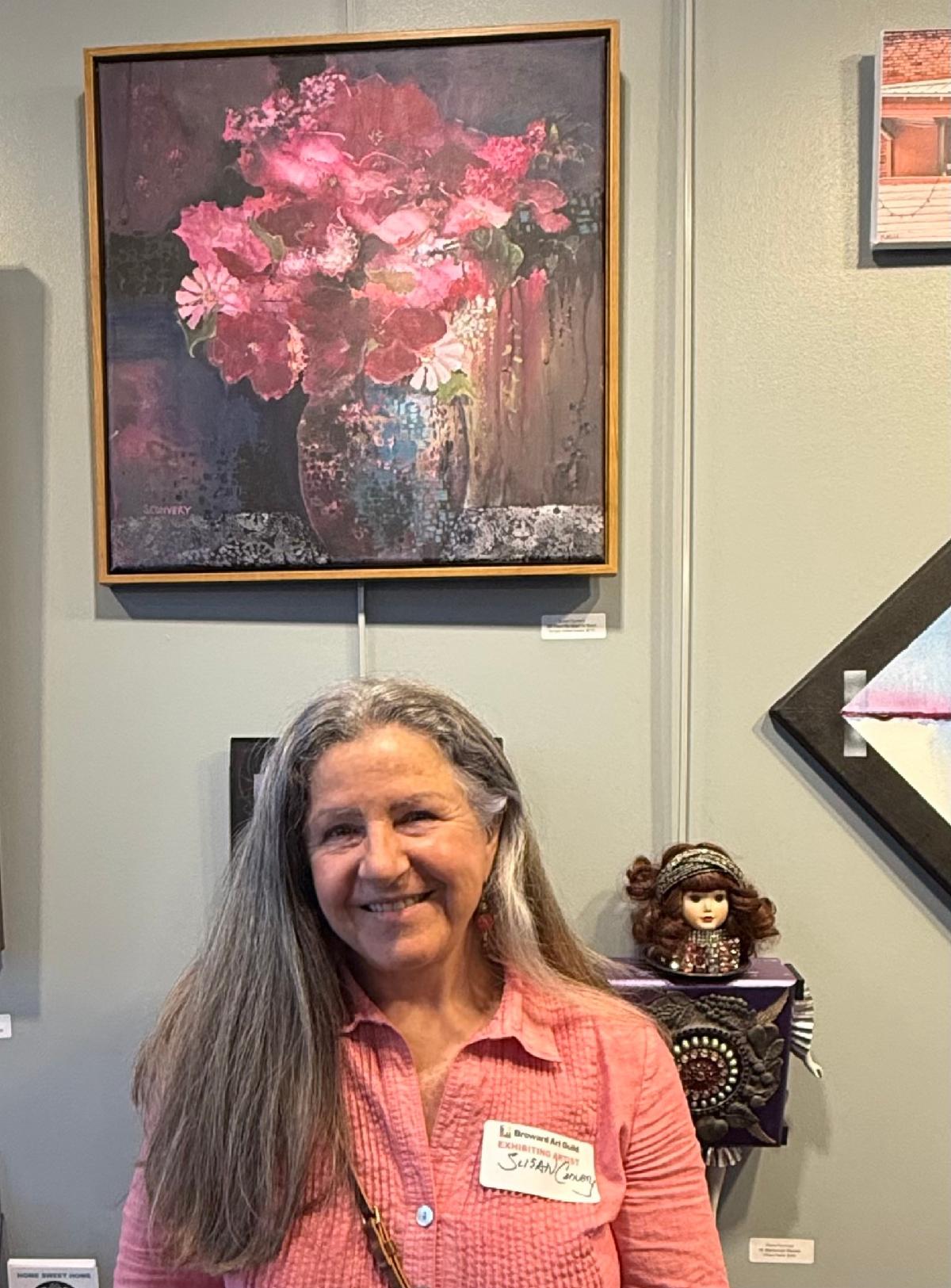
Broward Art Guild - Spring Fling
Art Exhibition
Broward Art Guild Gallery
2052 E Oakland Park Blvd,
Fort Lauderdale, FL 33305
Friday. May 2 to Friday May 30
www.browardartguild.org
| | | This is Coming Up in June | |
| |
Come join me on Friday, June 13 to appreciate all things Art Deco
the Weiner Museum of Decorative Arts
Friday June 13th for lunch then a few hours exploring the new Museum in Hollywood.
3250 N 29th Ave, 3250 North 29th Avenue Hollywood, FL 33020
https://www.wmoda.com
| | | | | |
20th Annual Art Competition
Studio 18 Art Complex
1101 Poinciana Drive, Pembroke Pines, FL 33025
Friday, May 16 to Monday, August 4, 2025
www.ppines.com/studio18
| | |
| |
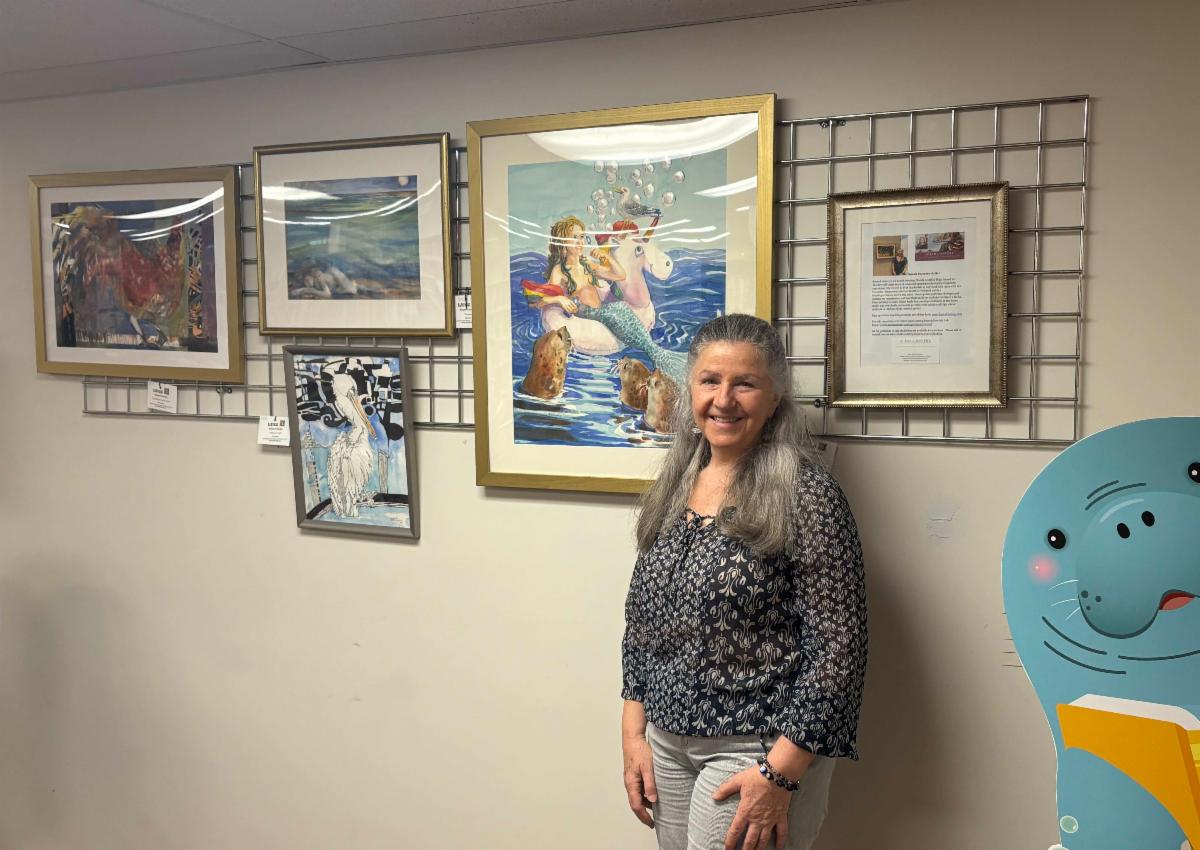
Artserve Library Exhibition
1350 East Sunrise Boulevard Fort Lauderdale, FL 33304
May 1 through June 30, 2025
A selection of my work will be on display in the library of the ArtServe building. Thank you to the Broward Art Guild for arranging this for me.
| | | |
Private Art Retreats
A personalized experience, full of art and discovery, for those who….
- are traveling alone, or with a couple of friends
- would like a much more flexible, and free experience, and lots of fun, too, tailored exactly to your needs, interests, and experience level
- may want to combine painting with organized discovery trips and tours and really get to know the ‘real’ South Florida
- would like to book in for a shorter or longer time than most workshops
- don’t want to have to bring a mountain of supplies in their luggage
| |
Painting Joy
Created especially for artistic women in the third stage of life who are dissatisfied with their artwork and want to have more fun connecting with themselves and others. In this three-day watercolor workshop, we experiment with visual cues that inspire joy, discover personal symbols that resonate, and provide ways to bring more effervescence into our lives and art.
Please recommend any venues you know that might be interested in hosting this workshop in 2025.
I am also happy to teach this as a private retreat or for a small group in my studio.
I would very much appreciate your help in getting the next booking.
| | | | Private Lessons and Events | | | | Master Classes for High School Students |
Private, highly personalized classes in mastery for artistically-minded US & international students virtually on Zoom or in person at my home.
If you have a student who is a visual thinker, willing to push the boundaries of their own work, and serious about improving their options for college, I want to hear from you! Schedule a time to discuss how I can collaborate with you to build a portfolio that will give your student the greatest chance for success.
| | | | Art Workshops, Critiques & Presentations |
Invite me to present or lead a workshop for your school, club, or guild.
I can customize a program for your event or present my skills programs on composition, color theory, drawing faces, coordinating light/shadow or understanding the cues for depth. I am available for judging, confidence-building critiques and recorded tutorials.
| | | | Improve Your Artist Statement | |
If you would like to delve more deeply into your own inner questions and clarify your thoughts as you create an artist statement for your website, a gallery show, a sponsor, or another project, please reach out, and let’s talk. I have helped many students write compelling statements for AP Art, college applications, and competitions.
Find out More:
| | |
Sketchbook Prompt:
Take a simple still life or landscape and try to re-create it in art deco style. Incorporate two or three of the characteristics from the list above.
| |
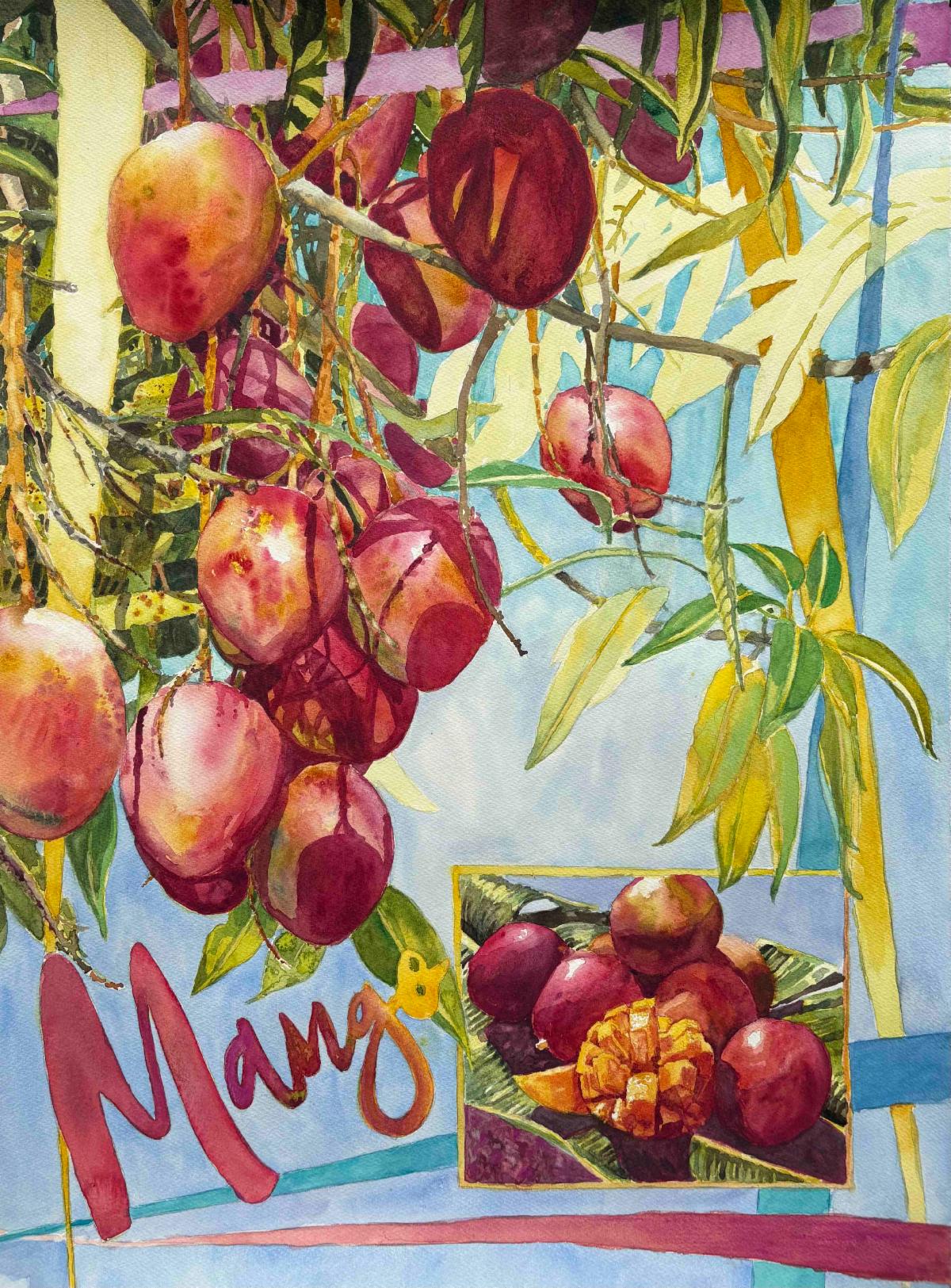
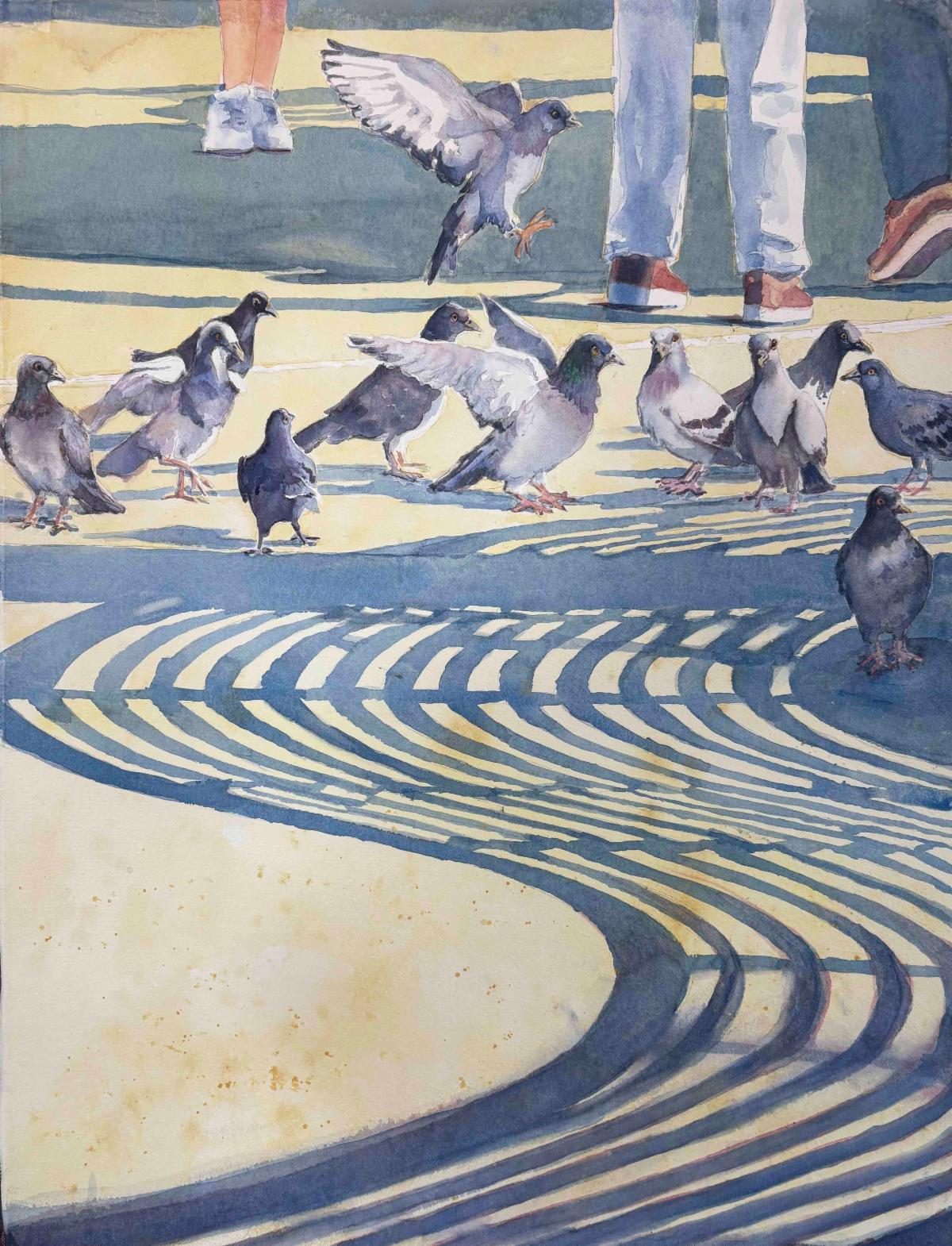
Please contact me if you are interested in adding any of the paintings below to your collection.
I will deliver if you live within a 2-hour drive and if you live further away, I will give you a reasonable price for shipping.
Venmo, CashApp, PayPal and Zelle are welcomed.
| | |
Title: Sweet as Kisses
Media: Watercolor
Size: 36”x28"
Price: $1212
Frame: Gold
| | | |
Title: Croatian Kerfluffle
Media: Watercolor
Size: 36"x 28"
Frame: Gold
Price:$1111
.
| | | |
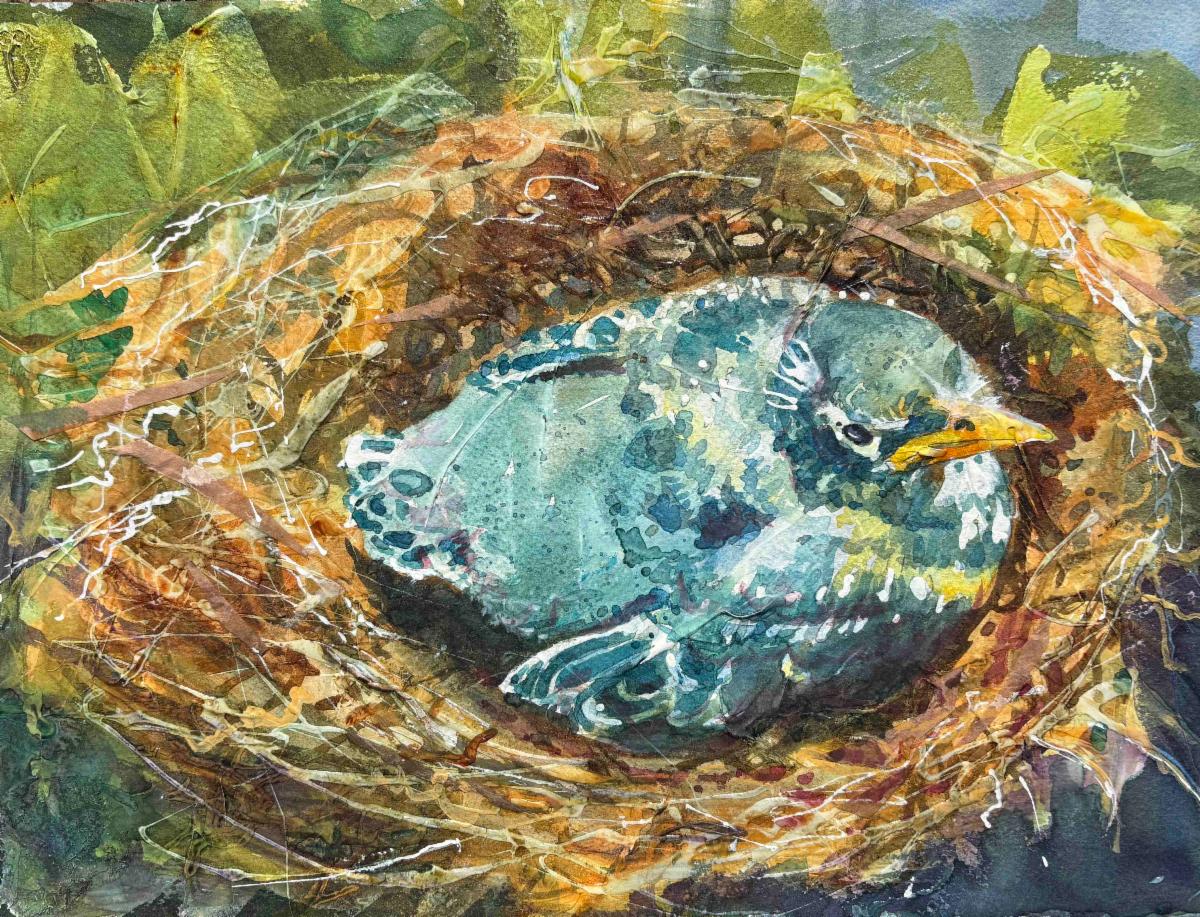
Title: Little Blue
Media: Acrylic Mixed Media
Size: 16" x 20"
Price: $444
Frame: Gold
| | | |
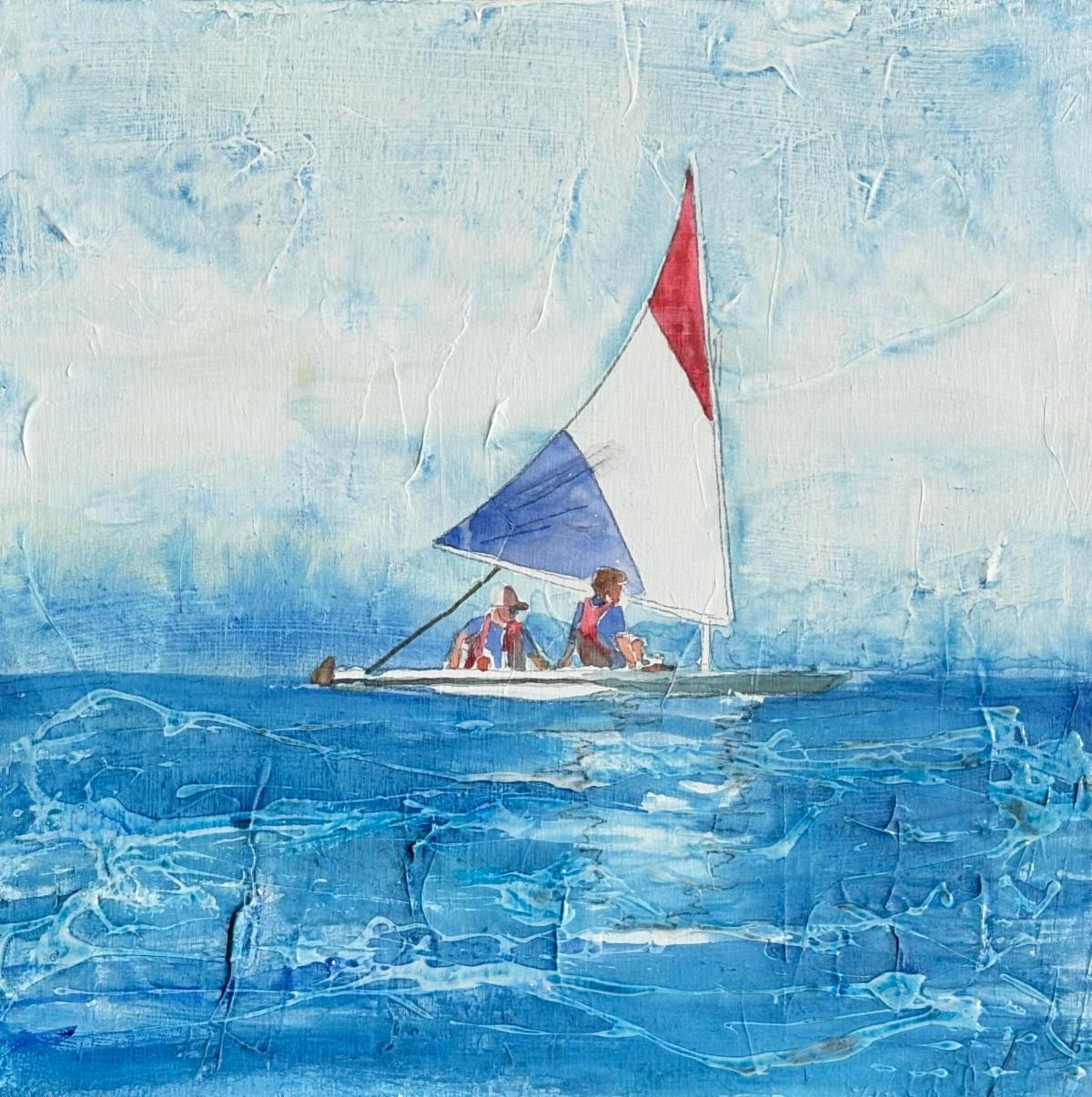
Title: Sunfish Sail
Media: Mixed Media
Size: 10" x 10"
Price: $555
Frame: White Wood Panel
| | | |
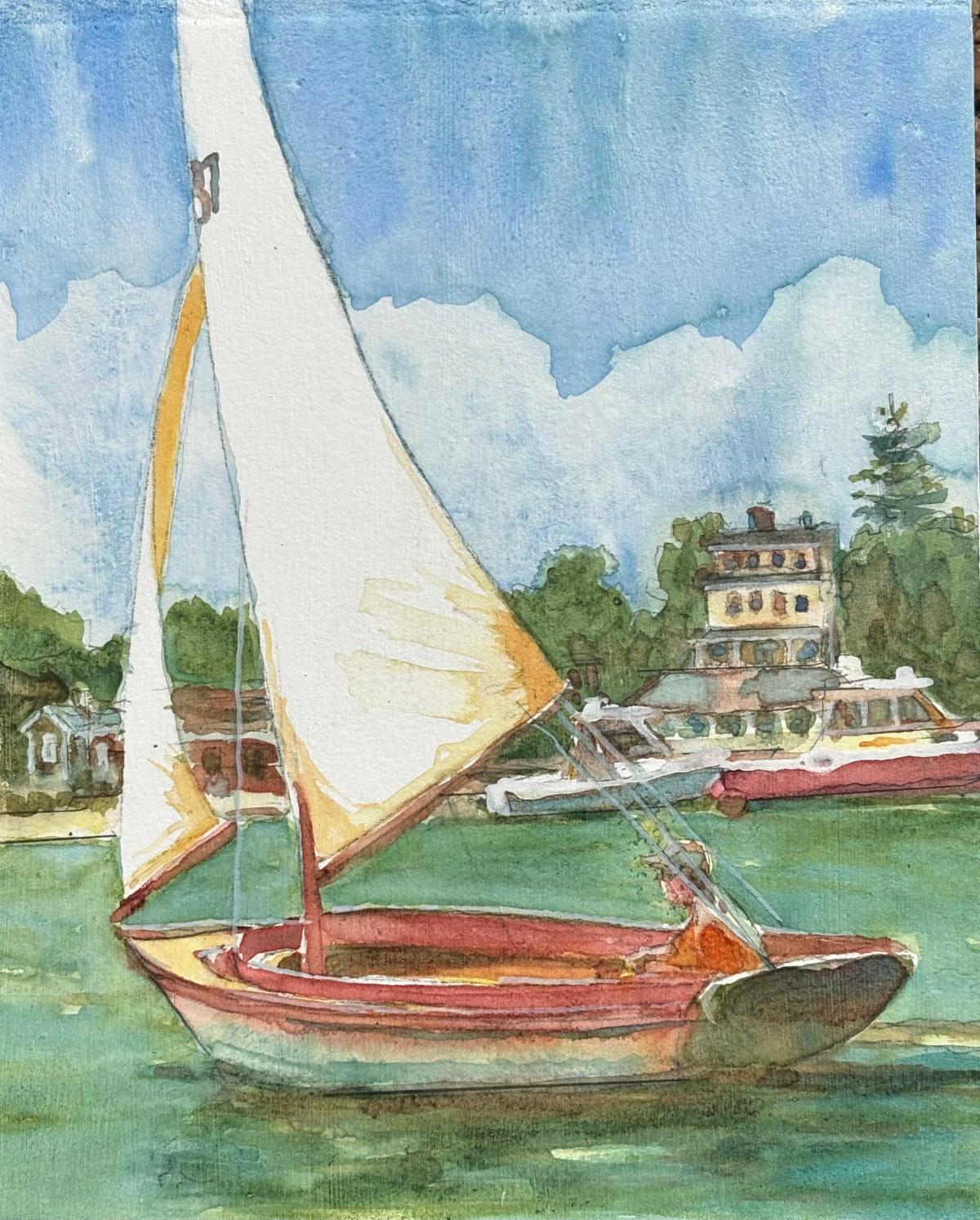
Title: Vineyard Life
Media: Watercolor on panel
Size: 10" x 8"
Price: $222
Frame: White Wood Panel
| | | |
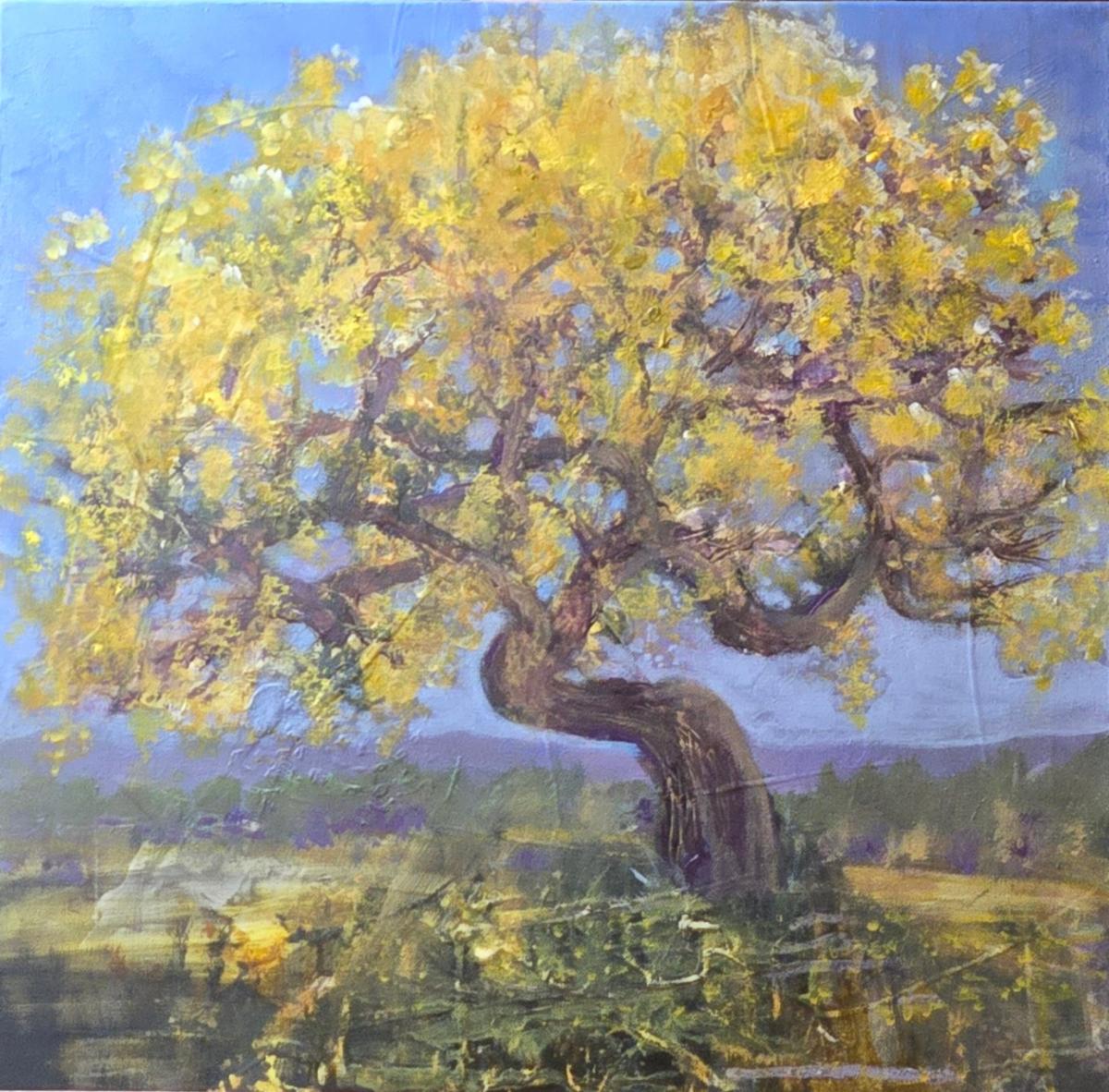
Title: Nothing Gold Can Stay
Media: Acrylic Mixed M
Size: 20" x 20"
Price: $555
Frame: Gallery Wrap
| | | Want to see past issues of my newsletters? Visit this link on my website. | |
Subscription Information: You are receiving this email because you subscribed to my mailing list, downloaded a resource, purchased one of my products/programs, or opt-ed in some other way.
Thank you for being part of the Cr8V Soul Arts Tribe!
NOTE: Unsubscribing means you won't receive any more emails from me including information about your paid products and programs.
| | | | |