|
Welcome to the July 2026 edition of Net Zero Times, your source for monthly updates from climate leaders in your community. As summer holidays begin, this issue explores a variety of local and global initiatives driving the transition to a sustainable future.
This month’s highlights include:
- Canadian Feature: A reflection on protecting Canada’s diverse species and natural riches in honor of Canada Day.
- Innovation: Details on Canada’s first national geothermal energy roadmap.
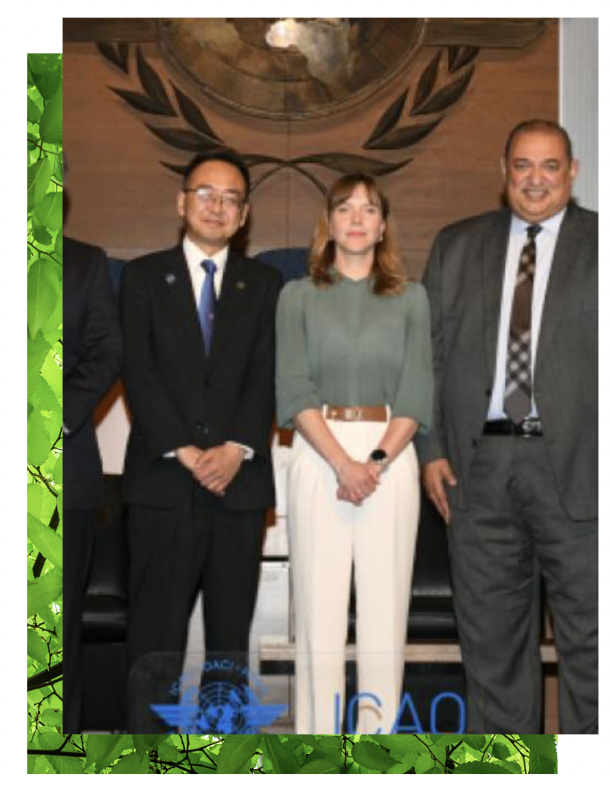
- Global News: The launch of an ICAO program to accelerate aviation decarbonization.
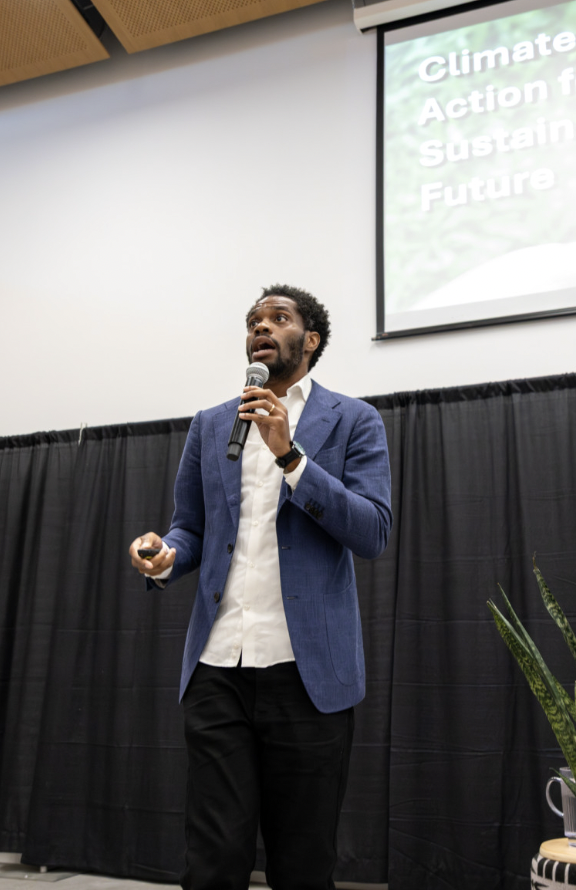
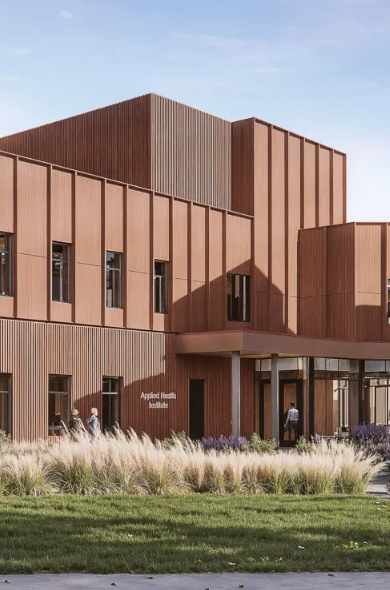
- Schools & Campuses: Updates on OCSB's top energy efficiency ranking, the PIVOT Conference at Mohawk College, and Niagara College’s sustainable healthcare expansion.
- Community & Design: A new benchmark for nature-led design at the Toronto waterfront.
- Limelight Feature: The Upper Grand District School Board’s focus on engagement for climate action.
- Partner Insights: NERVA Energy Recognized by Enbridge Gas as Top Business Partner for 2025 and Clean River's best practices for recycling bin placement.
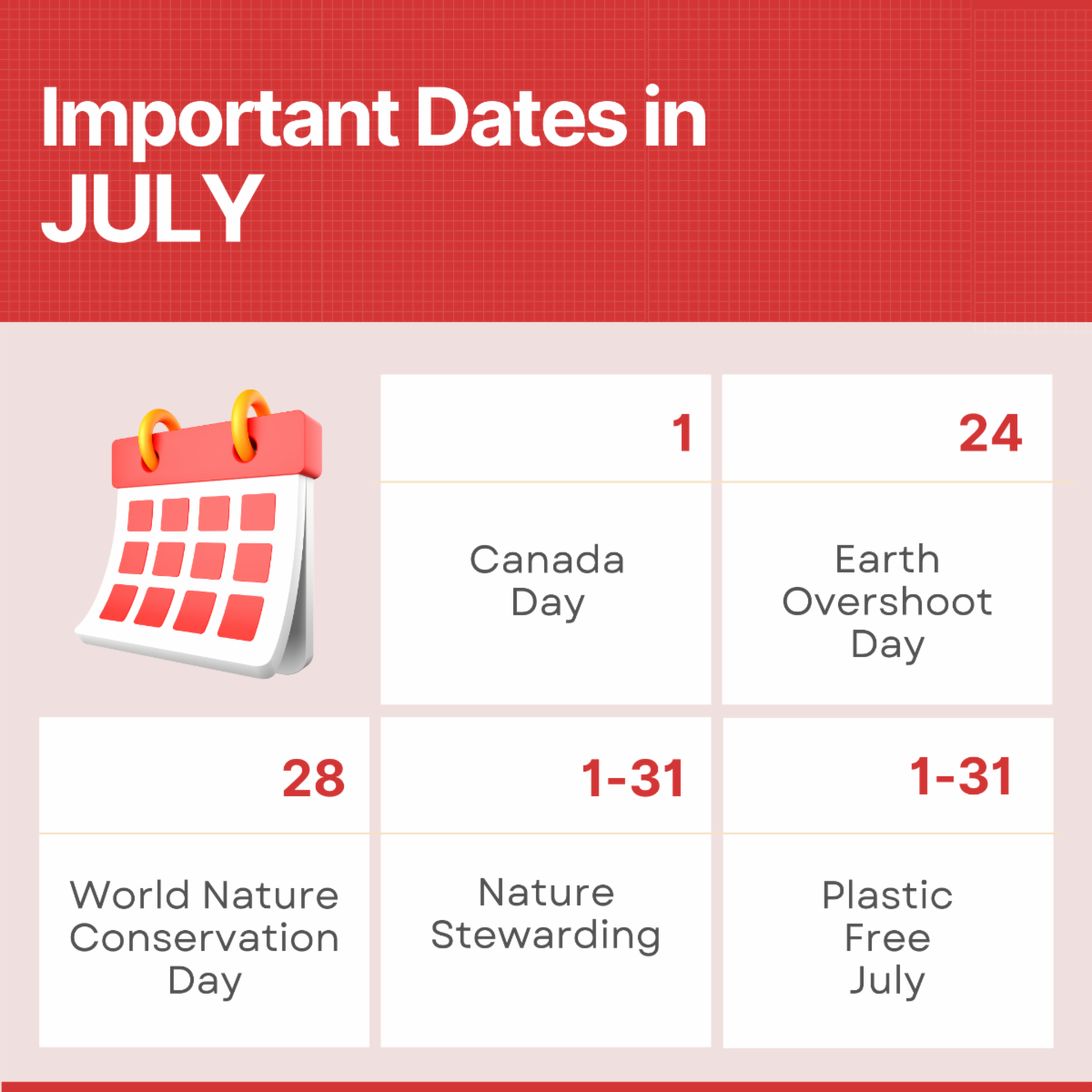
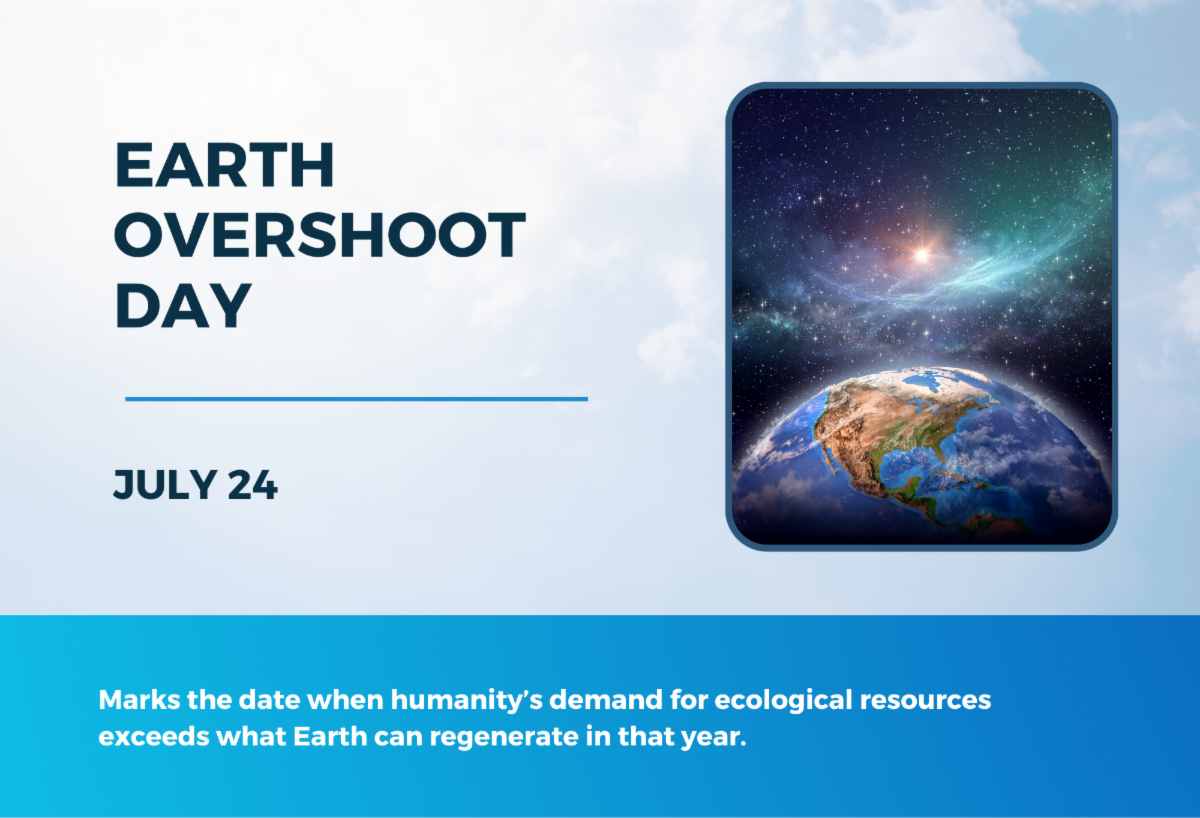
- Upcoming Events: Important dates including Earth Overshoot Day (July 24) and World Nature Conservation Day (July 28).
If you have an interesting story you would like to share with the community, please reach out to us at mcresswell@thomascoleinc.com
| | | | |
A Celebration of Natural Riches and Conservation
As Canada celebrates another year of its rich history and vibrant culture on July 1st, it’s an opportune moment to reflect on the abundant natural resources that define this vast nation and the imperative to protect its diverse species and ecosystems.
Canada, the second-largest country in the world, is a treasure trove of natural beauty and resources, from its majestic mountains and sprawling forests to its pristine lakes and extensive coastline. However, the richness of Canada’s natural heritage comes with a significant responsibility: the need for sustainable management and conservation.
| | | | |
Canada invests in its first national geothermal energy roadmap
Today, the Honourable Tim Hodgson, Minister of Energy and Natural Resources, announced $468,000 in funding through Natural Resources Canada’s Energy Innovation Program to support the Canadian Deep Geothermal Roadmap project, led by the Canadian Deep Geothermal Coalition (CDGC).
This project will develop Canada’s first national roadmap for deep geothermal energy resources, which harness the Earth’s natural heat to provide reliable, clean energy.
| | | | |
ICAO Launches Program To Speed Aviation Decarbonization
The International Civil Aviation Organization (ICAO) closed its three-day Aviation Climate Week in Montréal on Friday by launching a program to help member states accelerate decarbonization efforts.
Called “Assistance, Capacity-building and Training for the Long-Term Aspirational Goal,” the program aims to help ICAO members achieve a target adopted at their 2022 assembly: net-zero carbon emissions by 2050. It will help countries draft and revise climate action plans, gauge their emissions cuts, and secure climate financing.
| | | | |
How sustainability is being reshaped in 2026
A new era of sustainability is emerging, focused on operational execution, infrastructure, and the organizational authority to build both. It’s a lot harder than the old days of voluntary commitments, aspirational targets and PR strategies.
In dozens of conversations in recent months, corporate sustainability leaders — whether they work in finance, manufacturing, logistics, real estate, or consumer goods — tell me the hands-on work is intensifying, even if the communications around it are not.
| |
🌟Working together for a more sustainable future🌟
| | |
The Upper Grand District School Board (UGDSB) is continuing to highlight the seven focus areas of our Sustainability & Climate Action Plan (2025–2030). This month, we’re focusing on Engagement.
Creating a more sustainable future is something we can all contribute to. Engagement is about bringing students, staff, families, and community partners together to learn, share ideas, and take action that supports a healthy environment.
Why engagement matters:
Sustainability is most effective when everyone has a chance to participate. By working together, we can:
- Build awareness of environmental issues and solutions
- Encourage responsible habits and decision-making
- Support student leadership and environmental stewardship
- Connect learning to real-world experiences
- Create positive change in our schools and communities
- Every action, no matter how small, can help make a difference.
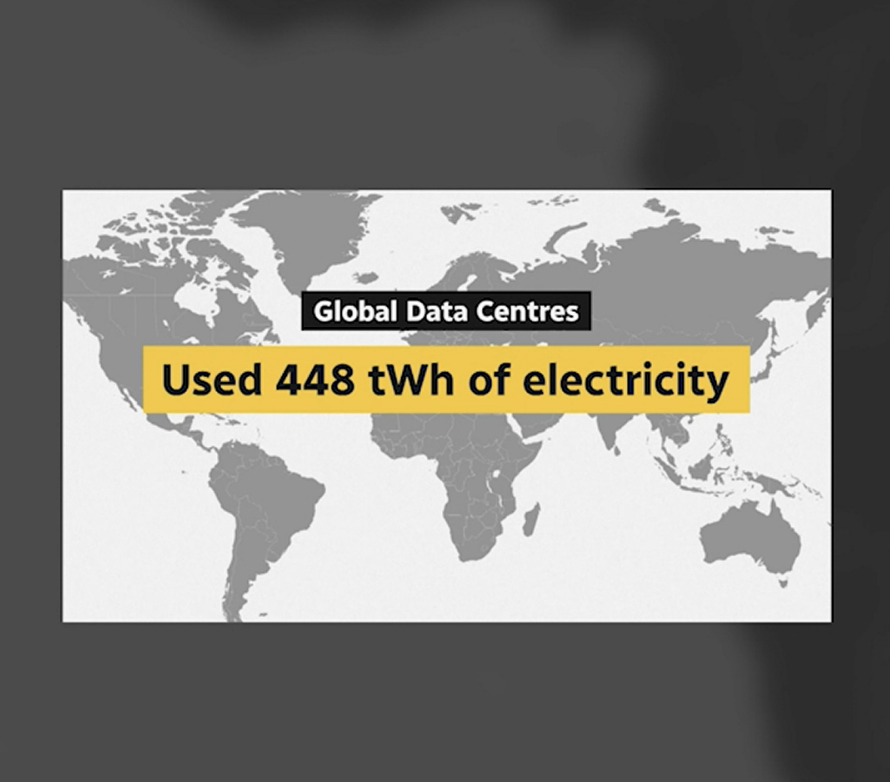
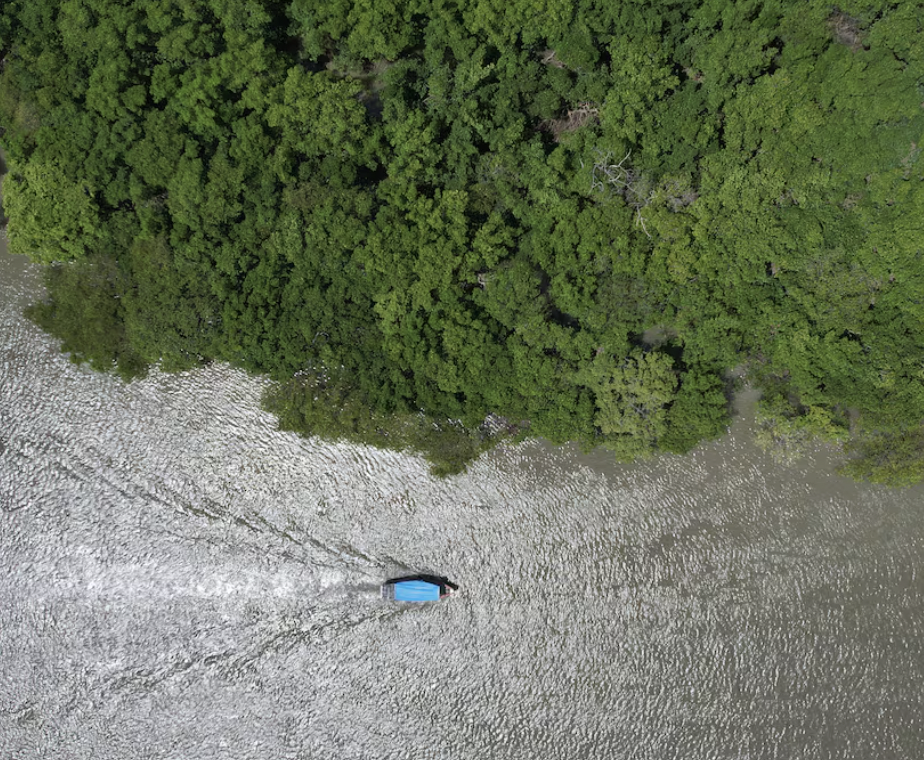
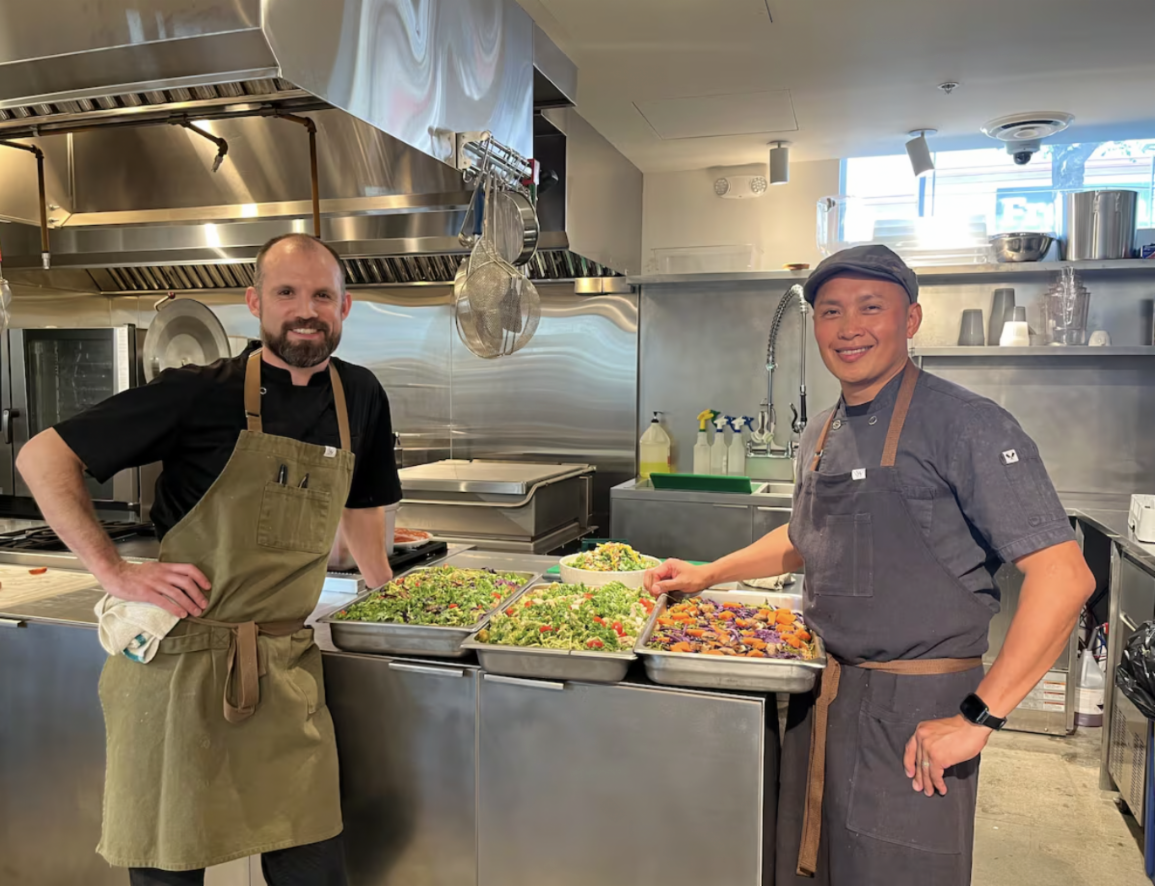
| | Right Size Your HVAC Investments Save Capital and Boost Operational Efficiency Webinar Recording | | UN report highlights environmental impacts of AI data centres | | Satellite images show mangrove forests are now expanding after decades of decline | | Vancouver chef repurposes surplus food to help address food waste | | |
NERVA Energy Recognized by Enbridge Gas
as Top Business Partner for 2025
NERVA Energy is proud to announce that it has been recognized by Enbridge Gas as its Top Business Partner for 2025, delivering the highest number of energy conservation projects and the largest natural gas reductions through Enbridge incentive programs.
The recognition was presented during Enbridge Gas’ Annual Golf Tournament on May 26th and reflects the growing importance of energy conservation initiatives across Canada’s existing building sector.
As operating costs continue to rise and building owners face increasing pressure to improve efficiency and reduce emissions, energy conservation projects have become one of the most effective tools available to strengthen building performance while improving asset value.
|
| |
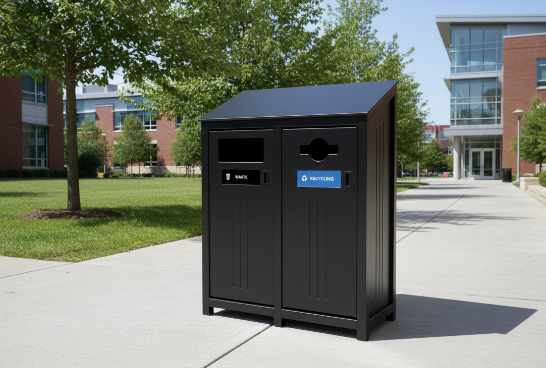
Recycling Bin Placement Best Practices for Facilities Managers
Behavioral research into recycling consistently points to one overriding principle: convenience drives compliance. People recycle correctly when the right bin is in the right place at the right moment of disposal. Move the bin six feet in the wrong direction and participation drops. Make it the most accessible option at the point of generation, and participation climbs — often without any additional education or signage investment.
Below is a zone-by-zone guide to recycling bin placement across the most common areas in commercial and institutional facilities.
| | | | |