Hello!


Fall is in the air and it is so beautiful!


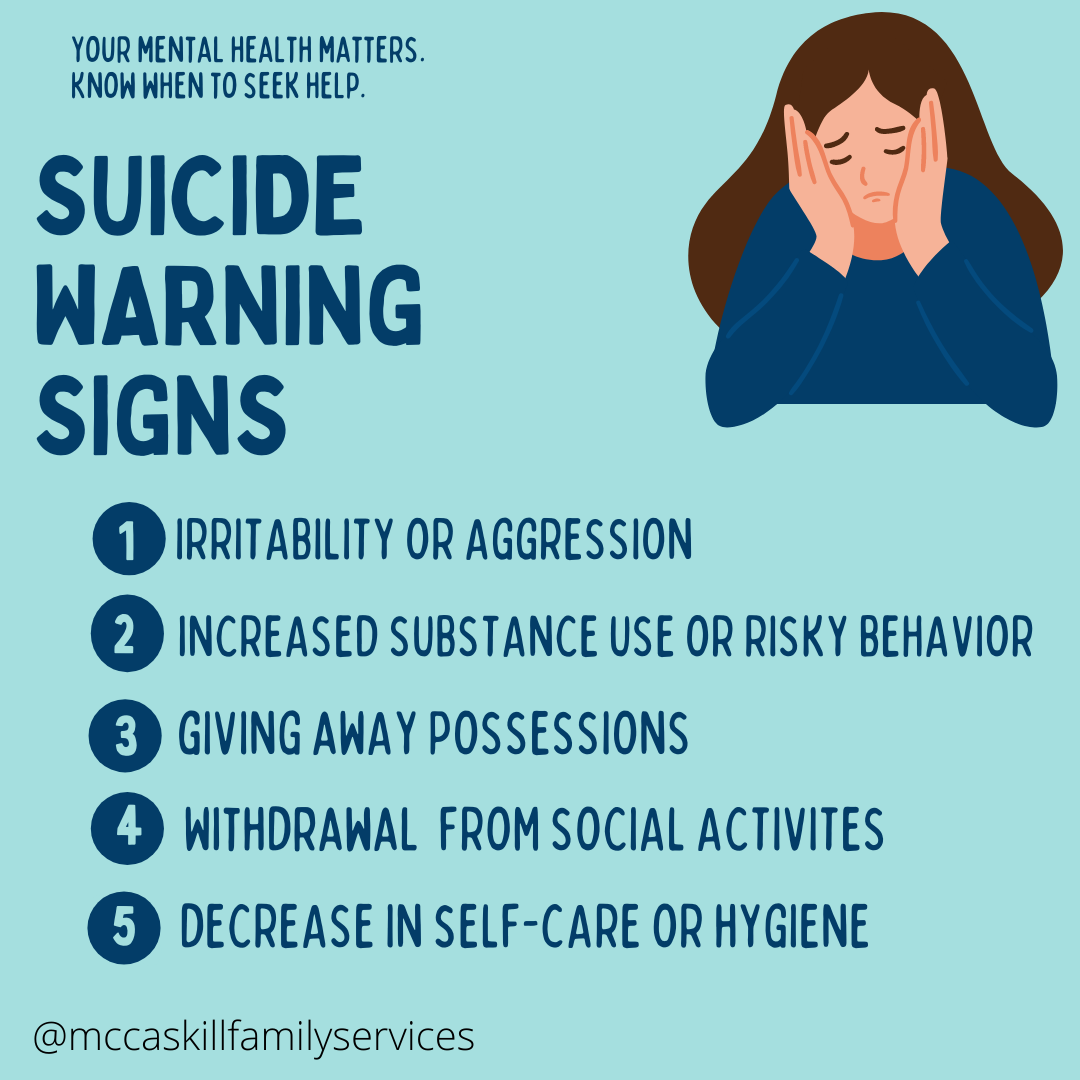
September is Suicide Awareness Month and we have taken special care to include valuable tips for preventing burnout in students and suicide warning signs.


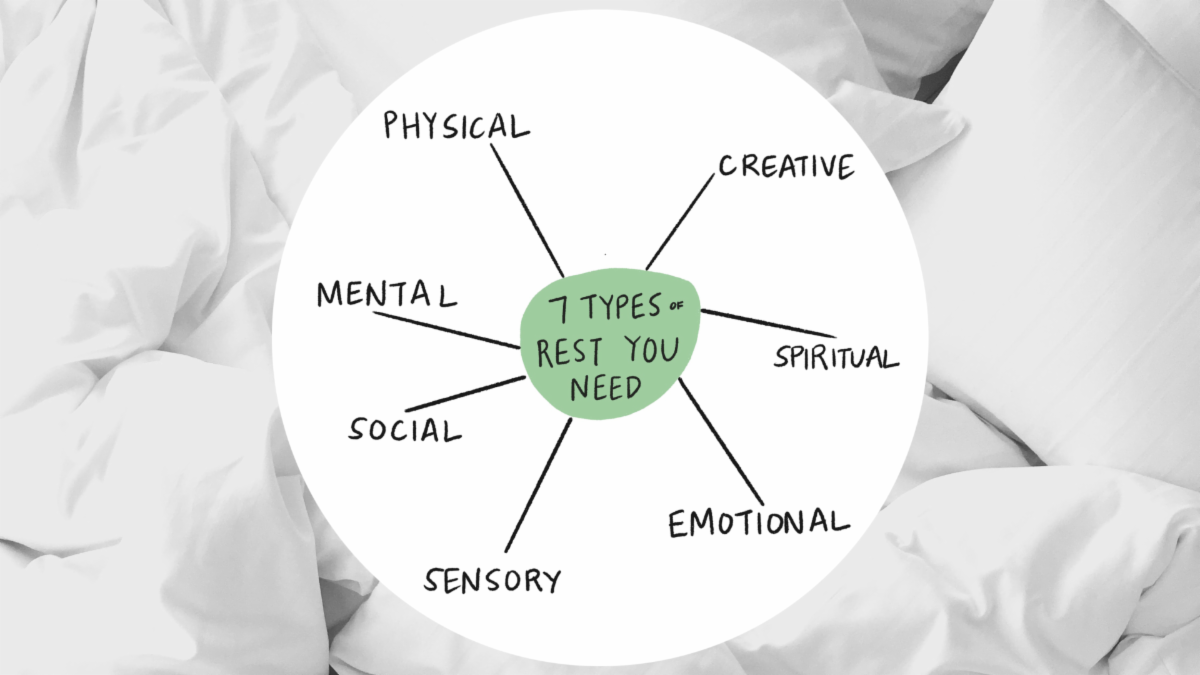
Did you know there are 7 different types of rest (scroll down!)?


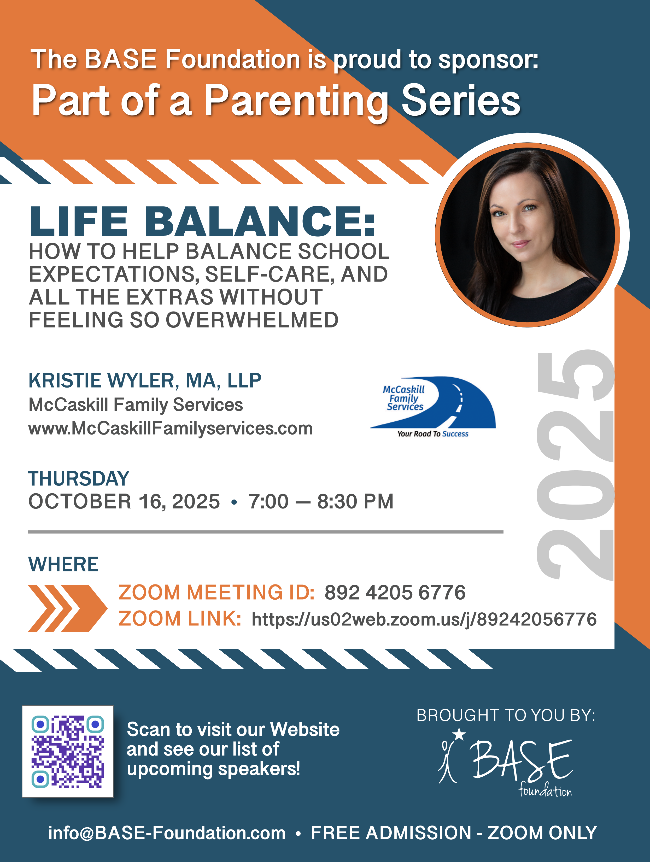
Check out a FREE parenting presentation coming up this month on balancing school and self care!!


Also, our dietitian gives some helpful nutritional guidance for those taking or considering GLP-1s (e.g., Ozempic) and is available for individualized consultations.


Take care,


Dr. Pam McCaskill

office@mccaskillfamilyservices.com

734-416-9098

McCaskill Family Services Newsletter

Term: Fall | Issue 69 | September 30th, 2025

Preventing Burnout in Students

Now that the newness of the first few weeks of school have subsided, many students find themselves suddenly feeling stressed, fatigued, and overwhelmed with academic responsibilities and extracurricular activities. As students settle into a routine, it's likely for them to wonder if this stress will be the norm for the rest of the year. MFS therapist, Sierra Sands, LLP, provides us with some tips on how to manage academic stressors throughout the year.

At McCaskill Family Services, we specialize in working with children and adults who are struggling with all kinds of presenting mental health issues. If your family or someone you know could benefit from our services, please contact us. Our clinicians are trained and experienced in empirically-based techniques, and would be happy to promptly schedule an appointment in person or via tele-health. We can be reached by phone at 734-416-9098 or by email at office@mccaskillfamilyservices.com.

7 Different Types of Rest


Speaking of burnout...

Did you know there are 7 different types of rest that we need to fully feel rested; body, mind and soul?


Visit our blog for an article by Jaclyn Rink, LLP to learn about the different types of rest and ideas for how to get them!


We regularly post blogs about relevant mental health topics. Give us a follow!

Facebook  Instagram  YouTube

FREE Presentation

September is Suicide Awareness Month

It can be confusing and scary to figure out how to help yourself or someone that you love in the midst of a mental health crisis. Here are some resources at a glance.

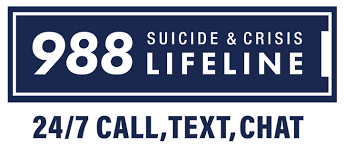
Simply call or text "988" to be connected to immediate support.

Food For Thought

A monthly newsletter addition from our Dietitian and Eating Disorder Recovery Team.


Controversial Topic: GLP-1's

Glucagon-like peptide-1 (GLP-1) receptor agonists, like Ozempic and Mounjaro, are often prescribed for type 2 diabetes and recently, have been FDA approved for weight loss. These medications are helpful in blood glucose management and weight loss, however they change appetites, food tolerance, and digestive system regulation. There is a lack of nutritional education given to individuals who start these medications and may not fully understand the potential side effects if they do not manage their nutrition well. 


Here are several key nutrition recommendations for someone taking a GLP-1 to consider:


1- Protein intake: aim for a minimum of 60 grams per day. Optimal amount would be 1.5 g/kg/day to reduce muscle wasting as weight loss occurs. Space it throughout the day to ensure muscle synthesis. 

2- Hydration: aim for 64 oz of water per day. Limit carbonated beverages which may irritate stomach due to delayed gastric emptying caused by the medication. 

3 - Fiber: high fiber diet is recommended. Males should get 45 grams per day, females should get 37 grams per day. 

4 - Vitamins and minerals: GLP-1 medications disrupt nutrient absorption so watch for signs of nutrient deficiencies, get lab work done routinely, have a dietitian assess diet nutrient adequacy, and supplement when necessary. 


Incretin-Based Therapies and Lifestyle Interventions: The Evolving Role of Registered Dietitian Nutritionists in Obesity Care. Gigliotti, Linda et al.

Journal of the Academy of Nutrition and Dietetics, Volume 125, Issue 3, 408 - 421

Get to Know Our Staff

Staff Spotlight

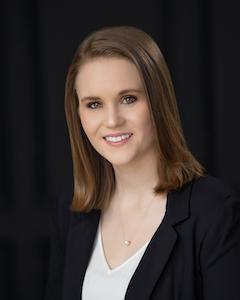
Sierra earned her Master's degree in Clinical Health Psychology from the University of Michigan. She works with adolescents and young adults who may be struggling with anxiety, depression, self-esteem, and body-image related concerns. Her treatment approach is integrative, using a variety of evidence-based treatment approaches, including Cognitive Behavioral Therapy, Acceptance and Commitment Therapy, Motivational Interviewing, and mindfulness-based interventions, to create a treatment plan that best suits the client’s therapeutic goals.


Outside of work, Sierra enjoys photography, spending time with her partner and friends, and traveling. She loves to read, bake and connect with the world through Postcrossing.


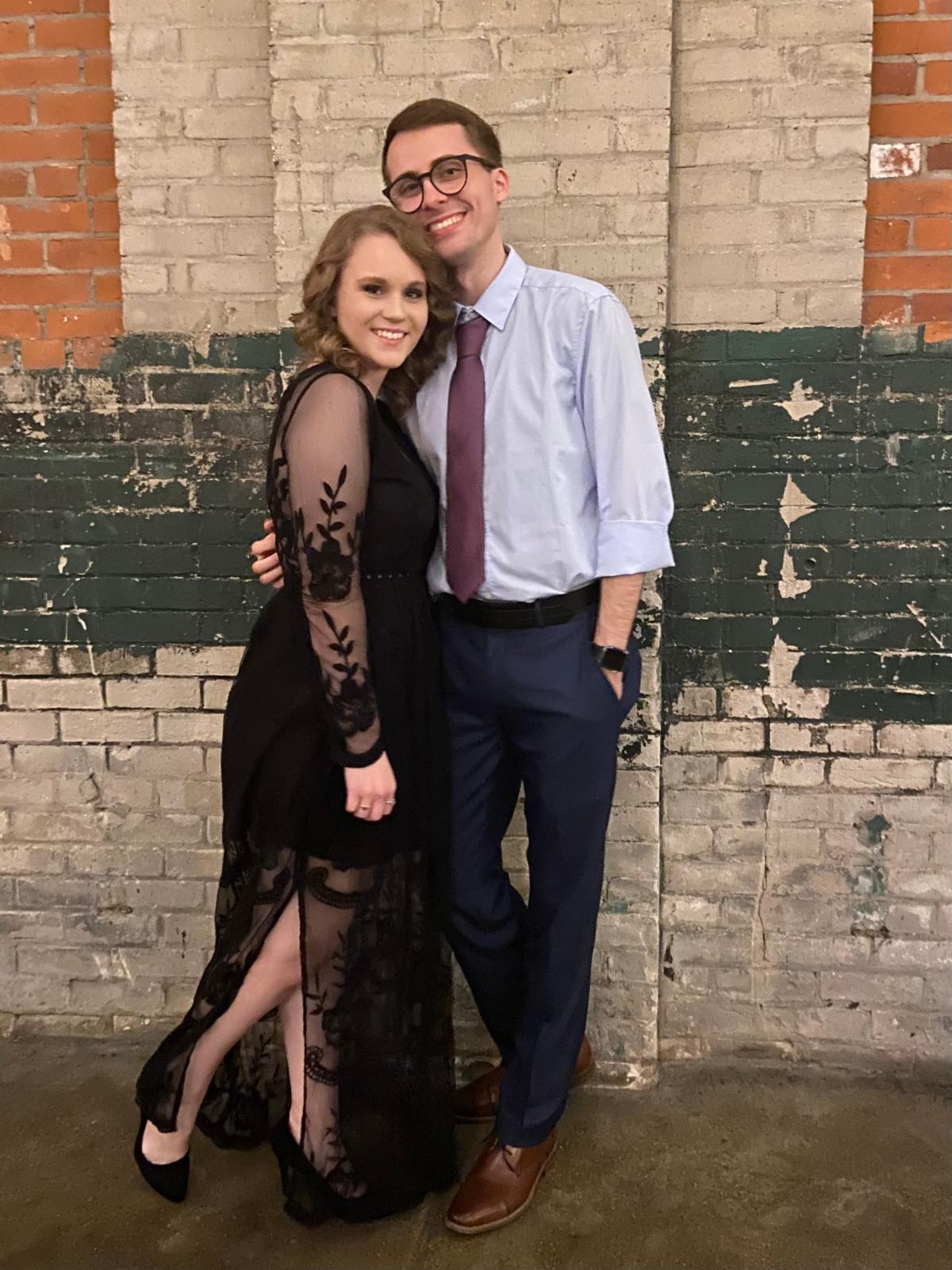
*NEW* Couples Corner

A new, monthly addition for our team of relationship experts: covering important topics, information, and answering common questions about romantic relationships.

This month's question: 

Is couples therapy worth it?

If so, when’s a good time to start?

A consistent finding in relationship research is that on average 70%–80% of individuals receiving evidenced based couples treatment experience a significant reduction in their relationship distress and improvements in their overall emotional wellbeing after completing couples therapy (Lebow & Snyder, 2022). That’s a large amount of people benefiting from relationship treatment!

We feel strongly that relationship therapy can be beneficial at any stage of your relationship—whether you are dating, newlyweds, long-term partners, or considering separation/divorce.


You do not have to be distressed to seek out tools for relationship health! Relationship therapy isn't just for times of crisis—it can be a proactive way to strengthen connection, improve communication, and build resilience before challenges arise. If you're thinking about relationship counseling, don't wait!


As mental health providers, we often talk with our clients about their most important relationships. Some of the most common topics that come up concern individuals’ romantic relationships. We understand that because relationships don’t come with instructions, they can often be challenging to navigate. Couples Corner is a new section in our monthly newsletter that hopes to help you build better relationships!

Newsletter Editor


I hope everyone has had an easy back to school transition! I'm Jaclyn, a clinician at McCaskill Family Services who specializes in the treatment of OCD, anxiety, phobias, self-harm, and eating disorders for all ages. I co-run the McCaskill Family Services DBT groups for teens and adults, and specialize in psychological assessment. I am also our monthly newsletter editor and social media manager!


I'd like to personally thank you for staying in touch with our practice, and hope you find this newsletter inspirational and informative. If you or someone you know would like to schedule an appointment with me, please contact our office at 734-416-9098 or email us at office@mccaskillfamilyservices.com. I look forward to working with you!

Therapy Services

409 Plymouth Road, Suite 250, Plymouth, MI 48170 • 734.416.9098
Facebook  Twitter  Instagram  Youtube