|
Spring 2025 Kicked Off Early: Make It Count with Stand Checks and Seed Quality Checks
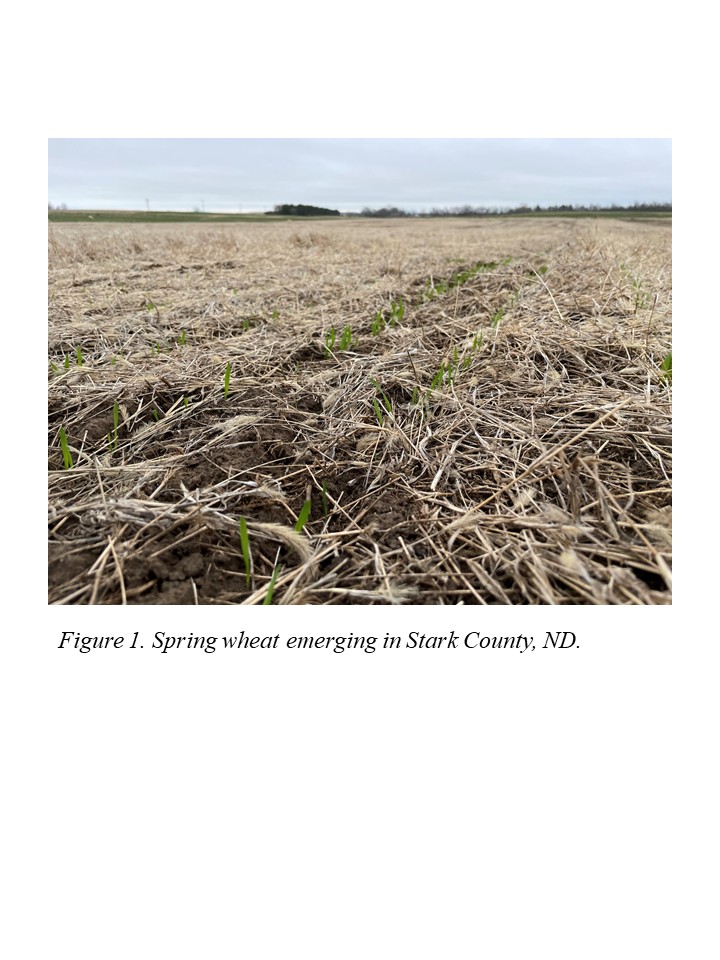
With an early snowmelt and quick soil dry-up, we were off to an early start to the season in southwest North Dakota this year. There were reports of fertilizer being applied as early as mid-March and spring wheat planted as early as late March in some counties. Despite persistent drought conditions, there was just enough moisture to get small grain crops—like spring wheat, barley, and oats—and even some corn in the ground.
With that, small grain emergence is already being observed in some fields, and farmers are moving on to planting other crops like canola, soybeans, and more corn. With an early start to the season, there are a few considerations to keep in mind to ensure good crop performance.
The Importance of Early Season Stand Counts
With volatile markets, rising input costs, and unpredictable weather, every penny counts. Taking action early to assess crop health is an important step toward securing strong yields and profitability.
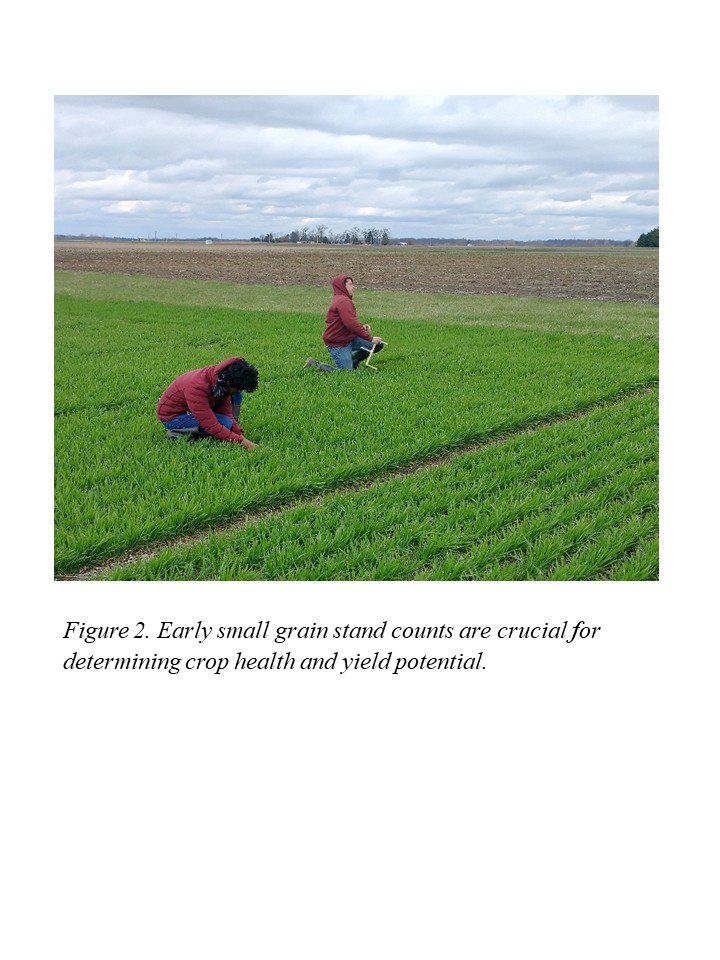
Doing a stand count early in the season—once the crop has emerged—is simple and valuable. It only takes a little extra effort while you’re already out scouting for weeds. This quick check helps verify whether seedbed prep and planting went as planned and whether the desired plant population has been achieved.
For North Dakota, the minimum acceptable stand for small grains typically ranges between 8 to 14 plants per square foot.
How to Do a Small Grain Stand Count:
-
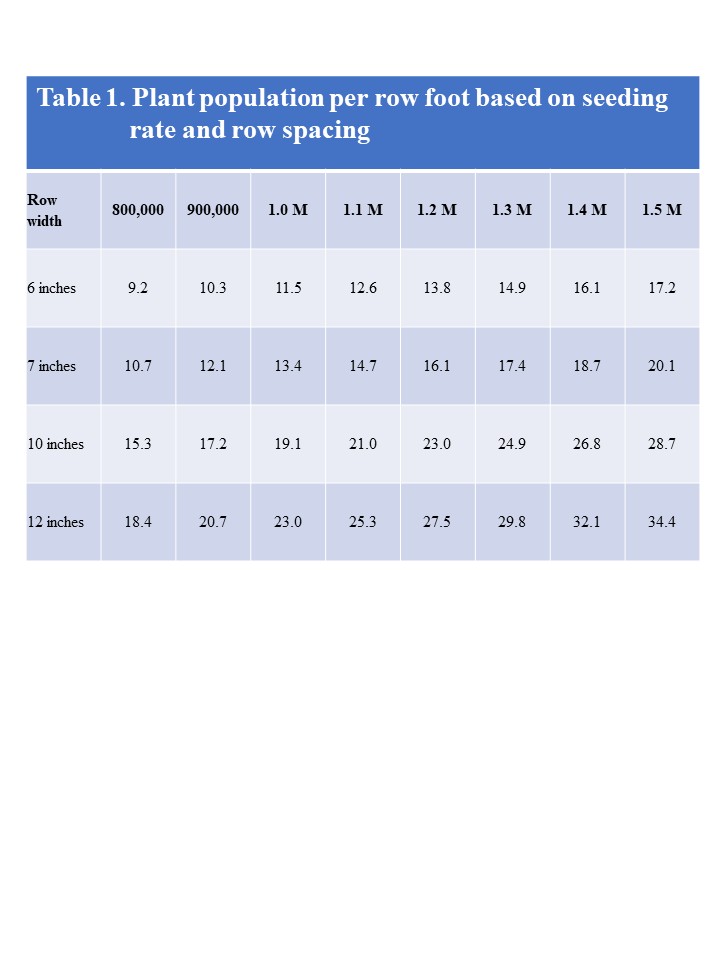
Count the number of plants in one foot of row at at least five different locations across the field.
- Take the average and use the table below to convert your count to plants per acre based on row width.
Beware of Low Germination Rates in Soybean Seed Lots
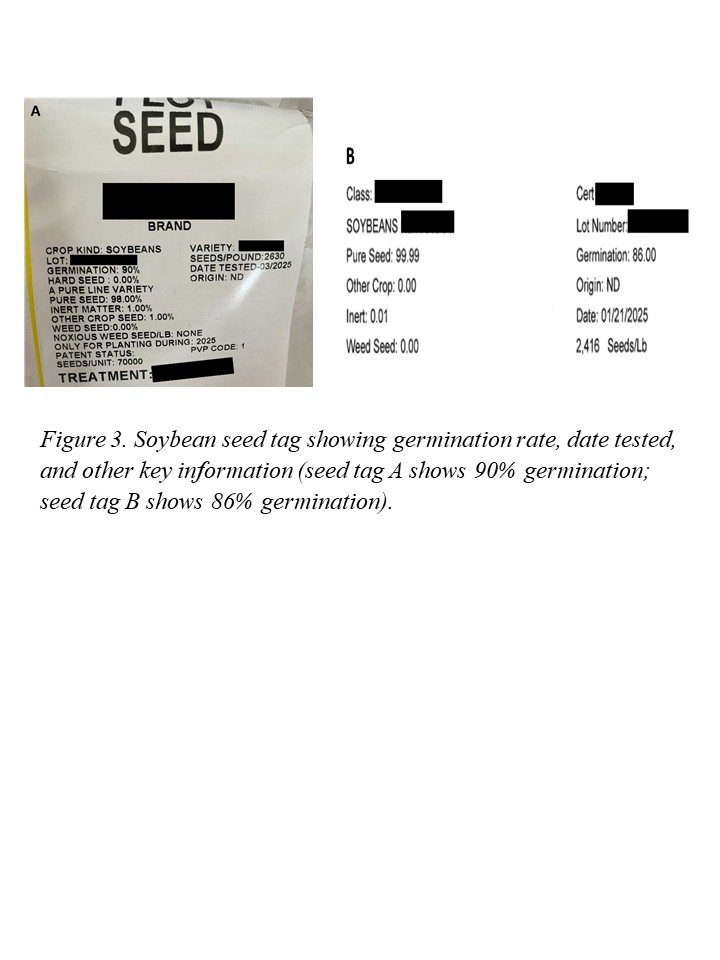
As the planting season progresses to crops like soybeans, growers should keep a close eye on their seed tags and double-check germination rates. Sub-optimal weather at harvest in many soybean seed production areas in 2024 affected seed quality going into the 2025 season.
Here are a few recommendations for soybean growers:
-
Check the germination rate on your seed tag before planting and adjust your seeding rate accordingly.
To adjust, divide your target plant population per acre by the germination rate in decimal form.
Example: If you’re aiming for 125,000 plants/acre and your seed tag shows 85% germination (0.85), you'll need to plant approximately 147,000 seeds/acre.
-
Consider running a seed vigor test to help decide which seed lots to plant first, especially for early planting conditions.
-
Seed treatment with fungicide is always a good idea to protect against early-season diseases and reduce stand losses.
With planting season moving fast, it’s easy to feel the pressure to rush. But taking the time to get things right from the start helps reduce variability across the field. While some yield can be recovered later in the season, few decisions have as much impact as those made at planting. A few extra minutes now can pay off more than anything you apply later.
|