| July 2026 |
| Volume 5, Issue 7 | | |
Enjoying Summer Safely:
On the Road and Around Michigan
| | |
Welcome to the July edition of Happenings!
Road trip season is here! Whether you're heading to Michigan's Upper Peninsula, your favorite campground, or a weekend getaway, taking a few simple precautions can help keep you and your loved ones safe.
Before you hit the road, take a few minutes to prepare. Make sure everyone is buckled up, check your tires and vehicle, plan your route, and avoid driving while distracted, impaired, or fatigued. Follow posted speed limits, leave plenty of space between vehicles, and stay alert—especially in construction zones and areas with increased summer traffic.
As you enjoy everything Michigan has to offer, it's also important to stay informed about current public health concerns. In recent weeks, our state has experienced several health-related challenges, including an ongoing investigation into a cyclosporiasis outbreak and periods of reduced air quality caused by smoke from Canadian wildfires. Staying informed can help you make the best decisions for yourself and your family while enjoying summer activities.
We encourage you to take a few moments to explore this month's newsletter for important updates and seasonal safety tips. Together, we can help keep ourselves, our families, and our communities healthy while making the most of a Michigan summer.
| | |
Show Us Your Best & Brightest
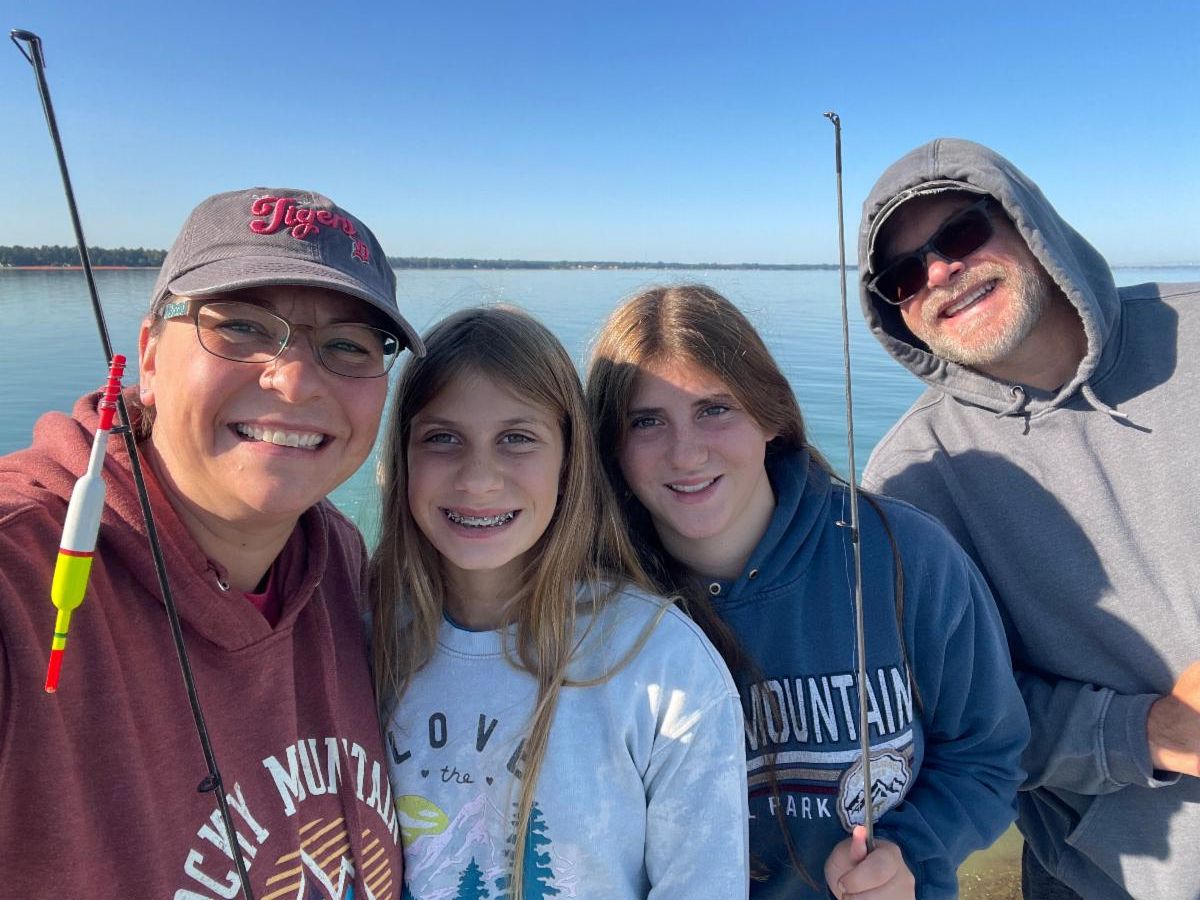
If you're a shutterbug who would like to share one of your best photographs, please email it to Olivia at o.vanelslander@nwhealth.org for potential inclusion in the next edition of HDNW Happenings.
| | If you have questions about HDNW and the programs we offer, please reach out to us through our socials, calling staff at 800-432-4121, or by emailing media@nwhealth.org. | | Leadership in Public Health | | Michigan Air Quality Alert | | |
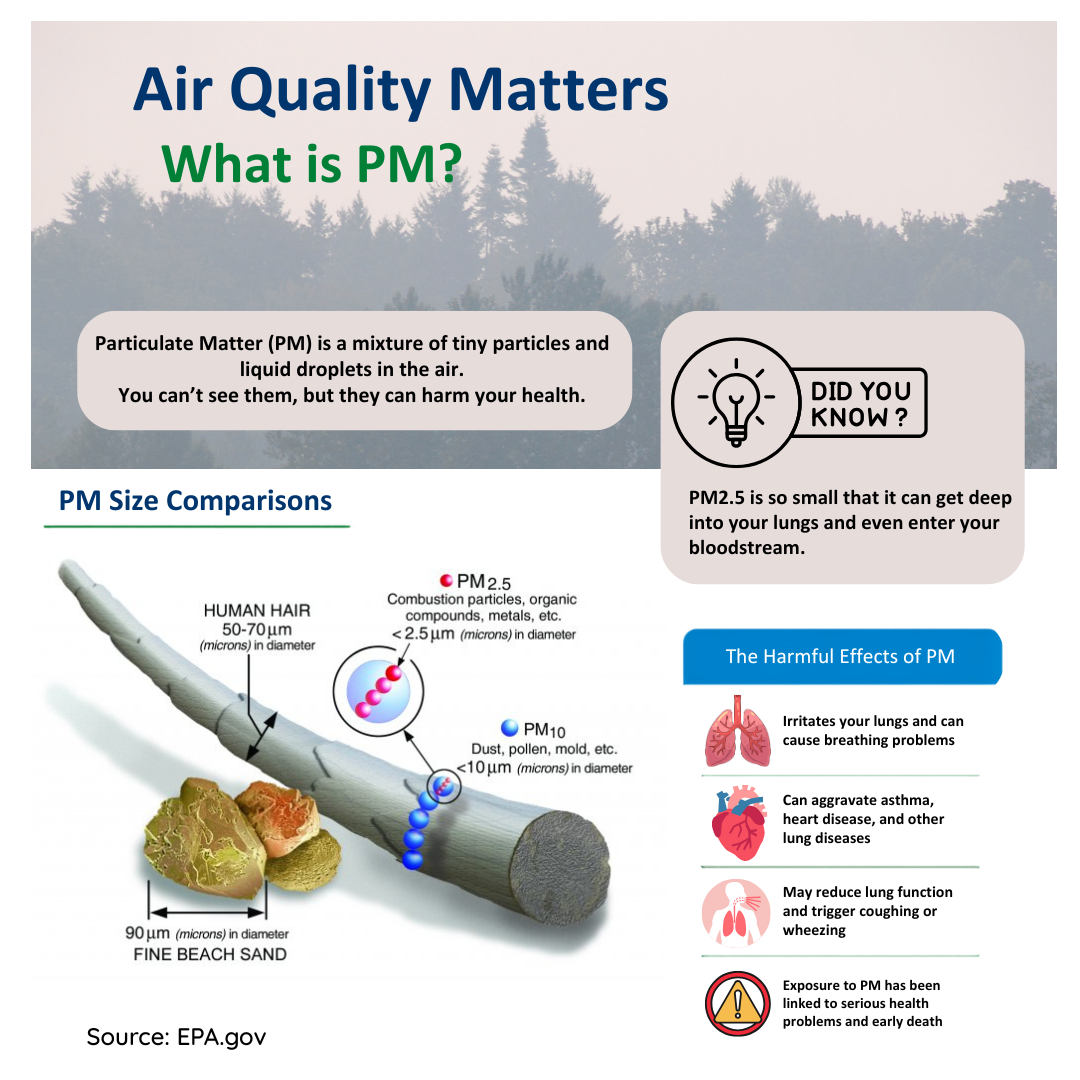
The Michigan Department of Environment, Great Lakes, and Energy (EGLE), has issued an Air Quality Alert for July 17, for elevated levels of fine particulate matter due to wildfire smoke.
Concentrations will be in the Hazardous range.
Everyone should seek cleaner air indoors and keep activity levels low. If you must be outdoors for short periods of time, consider wearing KN95 or N95 masks. Do not use masks for children under the age of 2.
HDNW has free KN95 masks available for community members who want them at all of our clinic locations, while supplies last.
Clinic locations:
Charlevoix: 220 W. Garfield
Harbor Springs/Petoskey: 3434 Harbor-Petoskey Rd., Suite A
Gaylord: 95 Livingston Blvd.
Mancelona Family Resource Center: 205 Grove Street
Bellaire: 209 Portage Dr.
| | |
National Drowning Prevention Week serves as an important reminder that drowning can happen quickly and often more quietly than many people realize.
Drowning can happen in as little as 20–60 seconds, especially for young children, making constant, attentive supervision around water essential. Whether you're visiting a pool, lake, or beach this summer, stay within arm's reach of young children.
Drowning is preventable. Whether you're enjoying a backyard pool, a local beach, or one of Michigan's many lakes and rivers, these simple safety steps can help protect you and your loved ones:
-
Watch children closely. Always provide constant, undistracted supervision when children are near or in the water. Stay within arm's reach of young or inexperienced swimmers
-
Wear a life jacket. Use a properly fitted U.S. Coast Guard-approved life jacket when boating, fishing, paddling, or participating in other water activities—especially for children and weak swimmers
-
Never swim alone. Swim with a buddy and choose locations with lifeguards whenever possible
-
Learn to swim. Swimming lessons help people of all ages build confidence and develop lifesaving water skills
-
Avoid alcohol and drugs. Impairment increases the risk of drowning by affecting judgment, coordination, and reaction time
-
Know your surroundings. Be aware of water depth, currents, weather conditions, and underwater hazards before entering the water
-
Learn CPR. Immediate CPR can improve survival while emergency responders are on the way
-
Secure home pools. Install four-sided fencing with self-closing, self-latching gates, and remove toys from the pool area when not in use to help prevent unsupervised access
A few simple safety steps can help prevent tragedy and ensure everyone enjoys Michigan's waterways safely.
| | | | Drowning usually doesn't look like the dramatic scenes in movies, it is often quick and silent. Good news! Drowning is preventable with undistracted supervision and wearing a properly fitted U.S. Coast Guard-approved life jacket. | | Rabies Awareness: What to Know About Bat Encounters | | |
HDNW was notified on July 2 that a bat collected in Emmet County has tested positive for rabies. There have been no human cases of rabies associated with this incident.
Defining an Exposure
Bat bites and scratches can be small and difficult to detect, and an exposure may have occurred if a bat is found:
- In a room with a sleeping person
- Near an unsupervised child\
- With a person who is mentally impaired or intoxicated
- In direct contact with a pet or person
If any of these situations occur, do not release the bat. Keeping the bat for testing may prevent unnecessary rabies treatment. Although rabies is nearly always fatal once symptoms appear, it is entirely preventable with prompt medical care after an exposure.
How to Safely Capture a Bat
If you believe a bat may have exposed a person or pet, safely capture it by following these tips:
- Put on thick leather gloves or work gloves
- Wait for the bat to land
- Place a plastic container or coffee can over the bat
- Slide a piece of cardboard or stiff paper underneath
- Secure/tape the cardboard to the container
- Avoid touching the bat with bare hands
Bringing a Bat in for Testing
Bats submitted for rabies testing must be humanely euthanized before being brought into a HDNW clinic location. To ensure accurate testing the bat’s head must remain intact and undamaged, keep the bat refrigerated until it can be dropped off, never freeze it. Bring the euthanized bat to any HDNW clinic location as soon as possible.
| | Stay Safe Around Water During Thunderstorms | | |
Summer storms can develop quickly, and lightning poses a serious risk to anyone near or on the water.
At the first sound of thunder or sight of lightning, leave the water immediately and seek shelter inside a sturdy building or a fully enclosed vehicle.
Because water is an excellent conductor of electricity, lightning can travel across its surface and put swimmers, anglers, and boaters at risk—even if the strike occurs some distance away.
Remember the 30-30 Rule: If you see lightning, begin counting the seconds until you hear thunder. If the time is 30 seconds or less, the storm is close enough to be dangerous. Stay out of the water and wait at least 30 minutes after the last clap of thunder before returning.
Avoid taking shelter under open structures such as picnic pavilions, beach shelters, or boat canopies, as they do not provide protection from lightning.
If you're boating, head back to shore as soon as it is safe to do so. If you are unable to reach land, remain inside a boat with a fully enclosed cabin, if available, and avoid touching metal surfaces or electrical equipment until the storm has passed.
A little planning and quick action can help keep you and your family safe while enjoying Michigan's lakes, rivers, and beaches this summer.
| | HDNW Reaffirms Commitment to Dental Care During DCN Transition | | |
The Health Department of Northwest Michigan (HDNW), serving Antrim, Charlevoix, Emmet, and Otsego counties, is providing information regarding the transition of operational management for Dental Clinics North (DCN).
At the June Board of Health meeting, the Board reviewed an evaluation of DCN’s operations. The evaluation identified operational inefficiencies that were creating financial strain for the organization. Following that review, the Board voted to terminate its existing contract with DCN Non-Profit for staffing and management services of the DCN clinics.
As a result of that action, operational leadership of the nine DCN clinics will transition directly to HDNW. HDNW owns all DCN clinics including buildings, equipment, and supplies. Currently, HDNW provides financial management, information technology, billing, facilities management, equipment, and purchasing services. Following this transition, HDNW will assume responsibility for payroll, human resources, and executive leadership.
HDNW remains committed to transparency throughout this process and will continue providing timely updates as this transition progresses. Our priority is ensuring uninterrupted access to quality dental care for patients.
| | Farmers Market Season is Here | | |
As farmers market season returns, it is a great opportunity to support both personal health and our local communities. Choosing fresh, locally grown fruits, vegetables, and other foods is one of the healthiest ways to nourish yourself and your family while supporting local farmers and businesses.
Whenever possible, consider walking or biking to your local farmers market instead of driving. Incorporating physical activity into your routine, even through simple daily choices, can improve heart health, reduce stress, and positively impact mental well-being.
Healthy eating and active living work together to support both physical and mental health, helping create a stronger, healthier community for all.
Check out local markets below:
| Cyclospora Outbreak Update | |
Public health officials continue to investigate the ongoing Cyclospora outbreak. While the exact source has not yet been identified, current evidence suggests that lettuce or other leafy greens may be a potential source of infection.
You can help reduce your risk of illness by following these food safety practices:
-
Wash your hands with soap and water before, during, and after preparing food.
-
Rinse fresh produce thoroughly under clean, running water before eating, cutting, or cooking it.
-
Choose whole heads of lettuce instead of bagged salad mixes when possible, and remove and discard the outer leaves before preparing.
-
Cook foods to an internal temperature of at least 160°F when appropriate.
Cyclospora is a parasite that can cause prolonged diarrhea, loss of appetite, stomach cramps, fatigue, and other gastrointestinal symptoms. If you develop these symptoms, especially after eating fresh produce, contact your healthcare provider for evaluation.
We will continue to share updates as more information becomes available.
| | What You Should Know About Kratom | |
Kratom comes from a tree native to Southeast Asia, where its leaves have traditionally been chewed or brewed into tea. In the United States, kratom is commonly sold as powders, capsules, extracts, and in beverages. Kratom can be used to relieve pain or manage symptoms of opioid use disorder. However, the U.S. Food and Drug Administration has not approved kratom for any medical use, and research on its safety and effectiveness is ongoing.
"As more people use kratom, it is important to understand that these products are not regulated the same way as medications and may carry health risks,” says Dr. Josh Meyerson, HDNW Medical Director. “If you are using kratom to manage chronic pain, talk with your health care provider about treatment options that have been more thoroughly studied and are more consistently regulated.”
Possible Side Effects of Kratom:
- Nausea, vomiting, or constipation
- Increased heart rate or blood pressure
- Drowsiness or dizziness
- Confusion or agitation
- Dependence and withdrawal symptoms with regular use
| | |
If you are looking for an exciting opportunity to make a meaningful impact on public health and well-being, then look no further than the Health Department of Northwest Michigan!
Whether you're an experienced healthcare professional, an aspiring public health advocate, or a dedicated support staff member, we offer a wide range of positions that cater to various skill sets and career aspirations. Come join our team!
| | |
Question: What is the safest way to help prevent drowning among young children?
| | Answer: Constant, undistracted supervision is one of the most effective ways to prevent drowning. | | Need help finding health insurance? Call 800-432-4121 | | | | |