ASIPP has advocated on three (3) policies. Last night the House of Representatives passed the legislation which included most of the aspects of what we have been working for this year to prevent the cuts. The Senate is expected to pass this soon.
|
|
Medicare did not pay physicians for selected facet-joint denervation sessions in accordance with Medicare requirements. Specifically, for our audit period, the Medicare Administrative Contractors (MACs) for the 11 jurisdictions with a coverage limitation of 2 facet-joint denervation sessions per beneficiary for each covered spinal region during a 12-month period made improper payments of $7.2 million.
|
|
The Centers for Medicare & Medicaid Services will not enforce its COVID-19 vaccine mandate for health care workers while enjoined by district courts in Missouri and Louisiana, the agency confirmed yesterday in a memorandum. CMS said it has suspended activities related to implementation and enforcement of the interim final rule pending future developments in the litigation. It also said surveyors must not survey health care providers for compliance with the rule’s requirements while these preliminary injunctions are in effect. The memorandum does not state what CMS would do when and if the preliminary injunctions are stayed, such as whether it will set new compliance dates.
A federal district court in Louisiana this week issued a preliminary injunction placing a temporary hold on enforcement of the mandate in all states except 10 that were already covered by a Missouri court’s preliminary injunction. For the latest legal developments related to the CMS rule, read the blog by AHA outside counsel Sean Marotta, a partner at Hogan Lovells.
|
|
First randomized trial in U.K. examines a variety of booster combinations
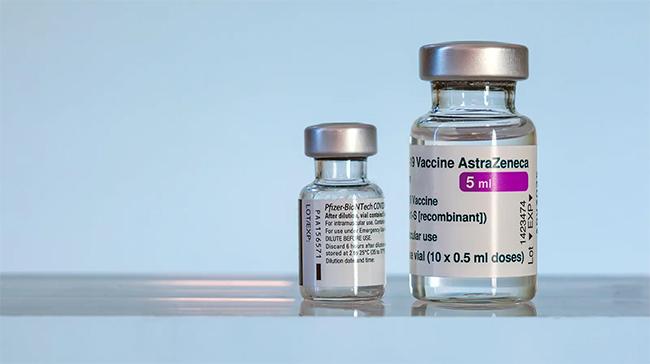
A "mix and match" booster strategy with a variety of different COVID-19 vaccines was safe and boosted immune response following primary series vaccinations with either Pfizer or AstraZeneca's shots, U.K. researchers found.
In addition to Pfizer and AstraZeneca, the study found acceptable immune responses and safety profiles among five other vaccines when used as boosters after the two-dose Pfizer or AstraZeneca primary series (Moderna, Johnson & Johnson, Novavax, Valneva, CureVac), reported Saul Faust, MD, of NHS Foundation Trust in Southampton, England, and colleagues in The Lancet.
|
|
While the U.S. has been battling Covid-19 it’s gotten lost in the shuffle that the nation had record numbers of drug overdose-related deaths in 2020; approximately 93,000. In addition, from May 2020 through April 2021, the figure rises to 100,000. These numbers of fatalities constitute significant year-to-year increases.
Contrary to public perception, the problem of misuse, abuse, and diversion of prescription opioids has been much less of a factor in recent years. A picture of a bottle of prescription painkillers often accompanies articles on drug overdose deaths, which creates an erroneous impression.
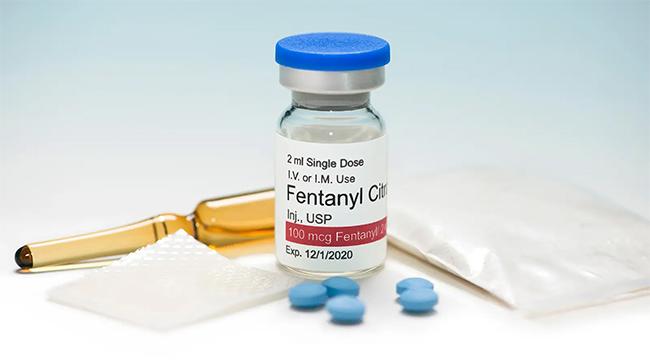
And so it’s important to properly distinguish between the role of illicit and prescription opioids in the current crisis. Heroin and illicit synthetic fentanyl account for the vast majority of drug overdose-related fatalities, with fentanyl being far and away the biggest driver.
|
|
Attention Pain Medicine Fellowship Graduates |
|
The NYU Grossman School of Medicine is surveying pain medicine fellowship graduates' perception of their training and level of preparedness for entering the practice of pain medicine.
The goal is to publish information on which areas fellowship graduates feel most prepared and where needs are unmet that can provide constructive feedback to fellowship programs and ACGME.
IRB approval has been obtained for the survey and all responses will be completely anonymous.
The survey committee is comprised of Christopher Gharibo, MD; Krupali Chokshi, MD; Gopal Desai, MD; and Lisa Doan, MD.
|
|
Findings persist even after accounting for cardiovascular disease
Higher resting heart rate (RHR) was linked to greater dementia risk and faster cognitive decline independent of cardiovascular disease in a study of more than 2,000 older adults in Sweden.
People with RHR of 80 bpm or higher had a 55% increased risk of developing dementia compared with people whose RHR was 60-69 bpm (adjusted HR 1.55, 95% CI 1.06-2.27), reported Yume Imahori, MD, PhD, of the Karolinska Institutet in Stockholm, and co-authors.
The association remained significant after excluding people with prevalent and incident cardiovascular disease. Cognitive function scores fell over time in all RHR groups, but people with RHR of 80 bpm or higher declined more quickly than people with RHR of 60-69 bpm, Imahori and co-authors wrote in Alzheimer's & Dementia.
|
|
Committee criticizes Justice Department for not appearing at hearing
House members appeared divided during a hearing about a proposal to permanently assign fentanyl-related substances (FRS) to Schedule I, but they were united on one thing: someone from the Justice Department should have been there.
"I want all members to know that we invited the Department of Justice -- the DOJ -- to testify, but they chose not to appear at today's hearing," Rep. Anna Eshoo (D-Calif.), chairwoman of the House Energy & Commerce Health Subcommittee, said at the start of Thursday's hearing. "DOJ's refusal to testify I find to be troubling, and they offered no legitimate reason."
"It is unfortunate that the Department of Justice can't be here today to explain this policy," said Rep. Brett Guthrie (R-Ky.), the subcommittee's ranking member. "Did the DOJ refuse to show up to today's hearing because they are unable to justify the policies in this proposal? Why didn't this administration send their top federal law enforcement agency to share their plans with the American people on how they will get these deadly poisons off our street? ... I know sometimes these hearings aren't convenient for people to appear, but it is our job for oversight and is their job to be here."
|
|
-
To log in for the first time you will need to click “forgot password” at the bottom of the login window.
- Check your email and then log in as directed.
-
If you have problems logging into your account, click here.
|
|
Call for
Abstracts & Poster Presentations
|
Proposals accepted through March 1st
|
A $50 submission fee is required upon completion of the form. |
Questions can be directed to
Savannah Gold at 270.554.9412 ext 4219 or
|
|
After reading the 2022 Abstracts & Poster Presentations guidelines, please complete the form along with the presenter's CV by clicking here.
- Top 3 will present during the general session on the final day.
- Top 10 will present during the abstract breakout session.
-
Rapid review and publication in the Pain Physician journal will be extended to the Top 10 authors accepted for meeting presentations.
Click here for Abstract and Poster Presentation
|
|
Registration coming soon! |
|
Pain Medicine Case Reports (PMCR) and Editor-in-Chief Alaa Abd-Elsayed, MD, PhD would like to invite you to submit case reports and case series to the PMCR journal. Your article will be published free of charge.
Open access journals are freely available online for immediate worldwide open access to the full text of published articles. There is no subscription fee for open access journals. Open access journals are no different from traditional subscription-based journals: they undergo the same peer-review and quality control as any other scholarly journal.
Interested in becoming a member of the PMCR Editorial Board?
Editorial board members are asked to review 2-6 manuscripts per year. Please submit your most up-to-date CV to sgold@asipp.org for consideration.
For more information or to submit your articles, click here.
|
|
| CASE REPORT |
David W. Lee, MD, Richard Paicius, MD, and Timothy Deer, MD
Abstract
BACKGROUND: The use of dorsal root ganglion stimulation (DRGS) has been widely reported in the treatment of inguinal and groin pain, post-herniorrhaphy pain. The use of the DRGS has more recently been proposed for upper abdominal symptoms. In this case report, we detail the potential use of dorsal root ganglion stimulation for the treatment of postoperative right upper quadrant abdominal pain.
CASE REPORT: A 55 year-old female with history of pancreatic cancer with multiple abdominal surgeries including Whipple procedure. The patient presented to an outpatient interventional pain clinic with chronic upper abdominal pain symptoms. Recent gastrointestinal and spinal work-up was unremarkable. Having exhausted all conservative measures the patient was offered DRGS trial. The trial leads were placed at the right T7 and T8 dorsal root ganglion. The procedure was performed with conscious sedation and was well-tolerated.
CONCLUSIONS: Dorsal root ganglion stimulation (DRGS) presents a unique method of capturing upper abdominal visceral pain symptoms. The efficacy of DRGS offers another option in addition to conventional treatment, as well as dorsal column spinal cord stimulation (DC-SCS). Due in part to its use of selective dermatomal distribution of sensory perception one can reliably target a specific region of the abdomen where DC-SCS may not.
KEY WORDS: Dorsal root ganglion stimulation, neuromodulation, abdominal pain, chronic pain
|
|
| RANDOMIZED TRIAL |
Alexander Shustorovich, DO, Tariq AlFarra, DO, Aaron T. Arel, DO,
Jaspal R. Singh, MD, Ryan T. Roemmich, PhD, and Akhil Chhatre, MD
Abstract
BACKGROUND: Radiofrequency neurotomy (RFN) of facet or sacroiliac joints is widely used for the treatment of chronic axial pain and can provide long-term pain relief in well-selected patients. The most common side effect is transient neuropathic pain at the paravertebral level of interest. Pain physicians commonly administer corticosteroid post-neurotomy to reduce the risk of post-neurotomy neuropathic pain, yet it remains unclear if this provides a true reduction in incidence.
OBJECTIVES: To determine the efficacy of corticosteroid administration post-lesion in preventing the development of post-neurotomy neuropathic pain after cervical, thoracic, lumbar, and sacroiliac joint radiofrequency denervation.
STUDY DESIGN: Randomized, placebo-controlled, double-blind prospective study.
SETTING: Ambulatory Surgical Center within a Tertiary Hospital System.
METHODS: This trial is registered on ClinicalTrials.gov (NCT03247413). Permission to conduct human research was obtained from the Institutional Review Board. Eligible patients included those with cervical, thoracic, or lumbar facet or sacroiliac joint pain who had positive concordant medial branch blocks (thus scheduled for bilateral RFN), at least 18 years of age, and English-speaking. Patients received dexamethasone vs saline (control) at each lesion site, serving as their own control (with laterality). Follow-ups were completed at 4- and 8-weeks post-intervention to evaluate the incidence of post-procedure pain (questionnaire) and function using the Oswestry Disability Index (ODI) or the Neck Disability Index (NDI).
RESULTS: At the time of data analysis, 35/63 patients completed the study protocol. There was a statistically significant reduction in the incidence of post-neurotomy pain in the steroid group vs the control group (20/35 control group vs 3/35 steroid group, P < 0.001). ODI/NDI scores changed differently over time depending on the spinal level of neurotomy, showing statistically significant improvement in ODI/NDI in the cervical subgroup and lumbar subgroup at 4-week (P = 0.05) and 8-week time points (P < 0.01), respectively. There was no improvement of ODI scores in the sacral subgroup. The incidence of post-neurotomy neuropathic pain was not significantly different among patients with different spinal levels of neurotomy. Patients who developed post-neurotomy neuropathic pain did not differ in ODI/NDI scores at any time point.
LIMITATIONS: This study has several limitations, most notably the number of patients lost to follow-up, the use of a single corticosteroid, and the use of laterality for incidence reporting. Additionally, all procedures were performed by a single interventionalist using one neurotomy system.
CONCLUSIONS: A statistically significant reduction in post-neurotomy pain was observed in the steroid group. This protocol can be feasibly conducted in an effective and resource-efficient manner. Additional research is needed to increase the power of the study.
KEY WORDS: Post-neurotomy neuropathic pain, radiofrequency ablation, corticosteroid, dexamethasone, facetogenic pain
|
|
| RANDOMIZED CONTROLLED TRIAL |
Qing-Ren Liu, MD, Jue Xie, MD, Yu-Chen Dai, MD, Mu-Huo Ji, MD,
Cheng-Mao Zhou, MD, Han-Wen Gu, MD, Hui-Jie Shang, MD,
Xing-Bing Sun, MD, and Jian-Jun Yang, MD, PhD
Abstract
BACKGROUND: Regional anesthesia has been used to reduce acute postsurgical pain and to prevent chronic pain. The best technique, however, remains controversial.
OBJECTIVES: The aim of this study was to assess the short- and long-term postoperative analgesic efficacy of ultrasound-guided quadratus lumborum block (QLB) in open gastrointestinal surgery.
STUDY DESIGN: A randomized, double-blinded, controlled trial.
SETTING: Operating room; postoperative recovery room and ward.
METHODS: One hundred eighteen patients underwent elective gastrointestinal surgery randomly assigned into 2 groups (QLB group or control group). Before anesthetic induction, QLB was performed bilaterally under ultrasound guidance using 20 mL of 0.375% ropivacaine or saline solution at each abdominal wall. The primary outcome was cumulative oxycodone consumption within 24 h after surgery. The secondary outcomes were acute pain intensity, incidence of chronic pain, and incidence of postoperative nausea or vomiting (PONV), dizziness, and pruritus.
RESULTS: The cumulative oxycodone consumption was significantly lower in the QLB group during the first 6, 6-24, 24, and 48 h postoperatively when compared to the control group. At rest or during coughing, the numeric rating scale scores were significantly lower at 1, 3, 6, and 12 h postoperatively in the QLB group compared to the control group. There were no significant differences between the 2 groups regarding the incidence of chronic postoperative pain at 3 or 6 months after surgery. Significant differences were found in the incidence of PONV between the two groups, but other complications, such as dizziness and pruritus, did not differ significantly.
LIMITATIONS: We did not confirm the QLB effectiveness with sensory level testing after local anesthetic injection. Cumulative oxycodone consumption could have been affected by the patients’ use of oxycodone for nonsurgical pain.
CONCLUSIONS: Ultrasound-guided QLB provided superior short-term analgesia and reduced oxycodone consumption and the incidence of PONV after gastrointestinal surgery. However, the incidence of chronic pain was not significantly affected by this anesthetic technique.
KEY WORDS: Quadratus lumborum block, acute pain, chronic pain, gastrointestinal surgery, ultrasound guidance
|
|
Since this malpractice insurance program officially launched in November 2018, ASIPP has signed up hundreds of providers with an average savings of 30%. This is professional liability insurance tailored to our specialty and will stand up for us and defend our practices.
Norcal Mutual is A-Rated by AM best and is licensed in all 50 states. To read a few important points to keep in mind about the program, including discounts, administrative defense, cyber coverage, aggressive claims handling, and complimentary award-winning risk management CME activities, click here.
|
|
ASIPP® has formed a partnership with Henry Schein and PedsPal, a national GPO that has a successful history of negotiating better prices on medical supplies and creating value-added services for independent physicians. Working with MedAssets, PedsPal provides excellent pricing on products like contrast media that alleviate some of the financial pressures you experience today.
|
|
ASIPP® is now offering our members the benefit of a unique revenue cycle management/ billing service.
We have received a tremendous amount of interest in the ASIPP® billing and coding program.
Click here to learn more about the negotiated rate for practices and more!
|
|
|
up-to-date news related to you, your practice, and your patients!
|
|
|
|
|
|
|