PRODUCT STEWARDSHIP UPDATES |
|
Thanks to you and other supporters, the momentum for Extended Producer Responsibility in the United States is growing: This year, 62 unique bills to establish or amend an EPR program were introduced, covering 14 products in 18 states! And as the demand grows, we need to increase our capacity. PSI is a lean organization – 85% of our funding goes to staff – and we depend on the generosity of donors like you to persevere. As we draw closer to the final months of the year, we know that many organizations will request your support. When it comes to annual giving, we sincerely hope that you will consider PSI. Thank you!
|
|
False Narratives Perpetuate Myths in Maine |
|
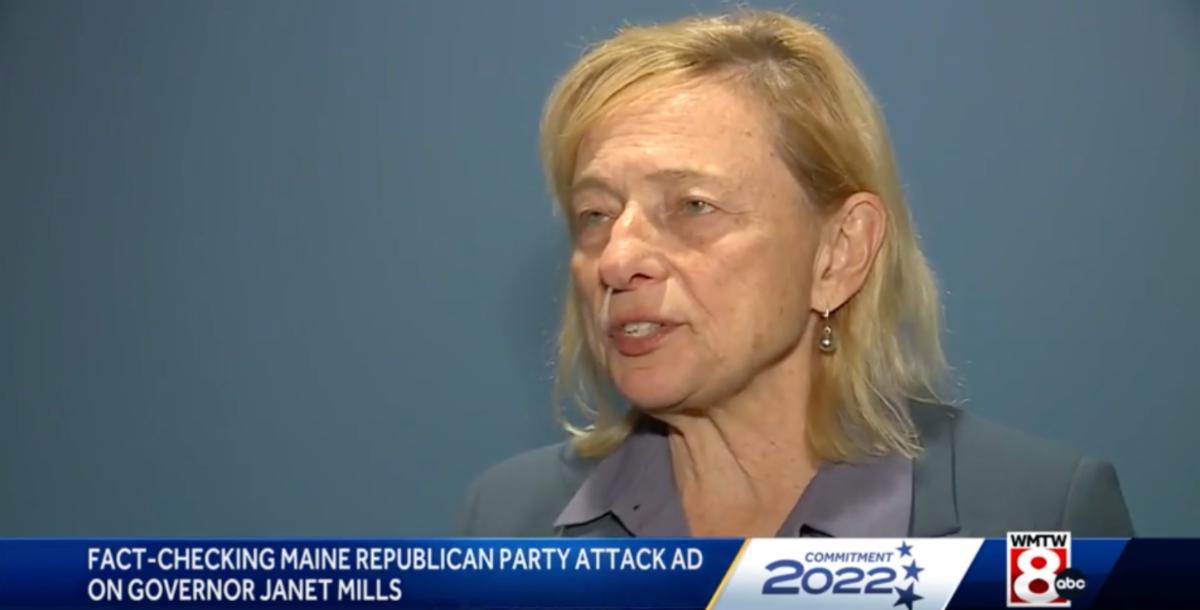
After the Maine Republican Party released a television ad that accused Democratic Governor Janet Mills of passing a “grocery tax” in the form of an EPR packaging law, Mills debunked the claim in a news interview. The TV ad dishes out a false narrative, perpetuated by those who want the waste system to remain unchanged: There is no evidence that consumer prices go up when EPR laws are enacted. Read more on the blog.
|
|
EPR Solutions for Home Healthcare Waste |
|
Increasingly, healthcare is handled at home. Pharmaceuticals once restricted for hospital use are now routinely prescribed; needles and syringes, known as “medical sharps,” are used by millions to safely self-inject prescribed medications outside of health-care settings. But these practices have unintended consequences: Improper disposal of medications and medical sharps can pollute the environment and put people at risk.
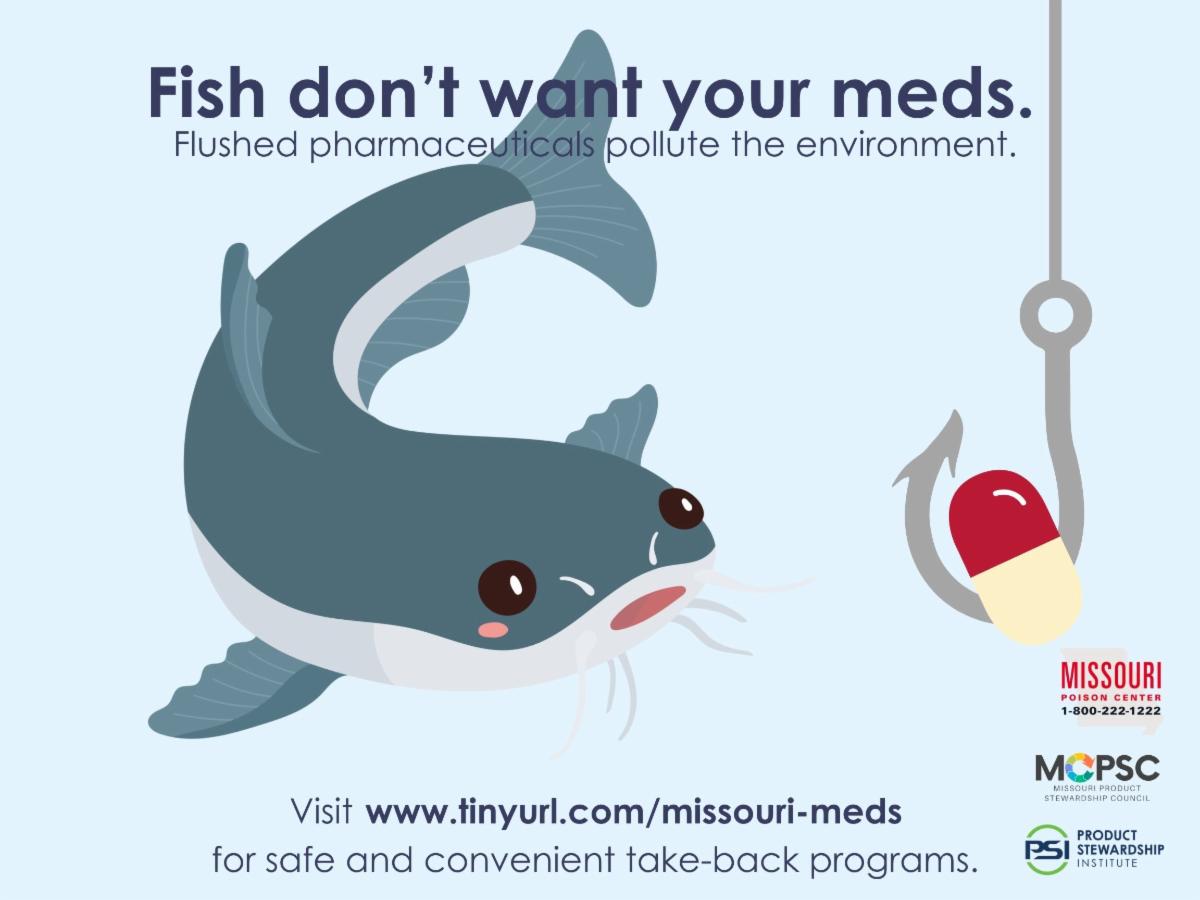
PSI has been working for 15 years on pharmaceuticals take-back laws and policies, including developing model drug take-back legislation and leading the national effort in 2010 to amend the Secure and Responsible Drug Disposal Act, which made it possible for pharmacies to accept unused drugs. This year, we developed sharps management programs in two states -- Missouri and Oklahoma – and in Missouri, “Fish Don’t Want Your Meds,” a recently launched campaign, connects residents with resources to help them conveniently drop off unused medications for safe disposal. These programs are both part of a nationwide push for medical waste EPR programs and legislation, now reflected in seven state laws. Read more on the blog.
|
|
Batteries & Electronics Become Law in CA |
|
In September, Governor Gavin Newsom signed California’s Responsible Battery Recycling Act of 2022 (AB 2440). As previously reported, the bill was championed by the California Product Stewardship Council and Californians Against Waste and includes primary and rechargeable batteries, strong collection convenience standards and performance goals, comprehensive education and outreach requirements, and aspects that seek to advance equity in battery stewardship. AB 2440’s companion bill, SB 1215, has since had EPR elements removed and now amends California’s existing electronics recycling law (which is not EPR) to include batteries “embedded” in products and not designed to be easily removed; it was also signed into law. Read more on the blog.
|
|
Members and Partners receive regular legislative updates and can track EPR bills and laws in our Legislation Library.
|
|
PSI’s CEO and Founder, Scott Cassel, published an oped in Resource Recycling about his recent experience presenting on packaging EPR at an Organization for Economic Cooperation and Development (OECD) meeting — and how the U.S. EPA could get more involved.
WasteDive presented information from our recent webinar, summarizing that EPR laws “can and should encompass compostable packaging.”
PSI recently provided an oped on EPR at the request of NewSecurityBeat, which is published by the Woodrow Wilson International Center for Scholars’ Environment Change & Security Program.
A Sustana Fiber oped published in Greenbiz cites EPR as a factor that “influences the packaging supply chain’s need for more sustainable business practices, and nods to PSI’s influence in enacting 129 — now 130! — EPR laws across 16 product categories in 33 states.
|
|
Scott Cassel, PSI's CEO and Founder, will present on a panel that explores how Extended Producer Responsibility (EPR) and other key regulations impact recycling in North America at the Plastics Recycling World Conference in Cleveland, OH on November 9th.
On November 17th, Scott will present to the Chesapeake Bay Commission on the prospects for packaging EPR laws in Maryland, Pennsylvania, and Virginia. He will be joined by Kate Bailey, Policy and Research Director at EcoCycle, with whom PSI worked on Colorado's packaging EPR law.
|
|
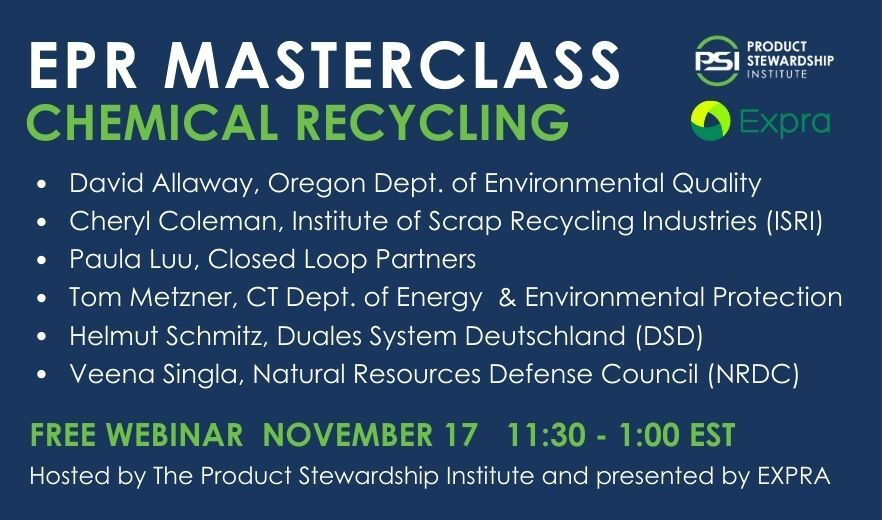
The term “chemical recycling” refers to a wide range of technologies that process recovered plastic products (including packaging) into new plastic, as well as energy and/or fuel. These technologies have become a lightning rod: Producers claim they leapfrog mechanical recycling by enabling infinite processing, while environmental groups allege that they undermine efforts to reduce plastic through upstream redesign and are simply another form of greenwashing.
Yet as of 2021, more than 40 companies are working to develop or manage chemical recycling projects in the United States, and 20 states — including, most recently, Missouri and New Hampshire — have enacted laws that allow chemical recycling facilities to be permitted as manufacturing facilities.
Government policy makers tasked with passing legislation or issuing permits for chemical recycling projects lack criteria to assess their economic, environmental, and human health impacts."Making Sense of Chemical Recycling,” PSI’s new report, aims to fill that gap. The report will launch after the webinar on November 17th.
During the webinar, presented by EXPRA, our expert panel will discuss the wide range of technologies that fall under the chemical recycling umbrella and consider criteria to determine which, if any, can support a sustainable economy, prevent waste and pollution, and curb greenhouse gas emissions. Space is limited; please register today.
|
|
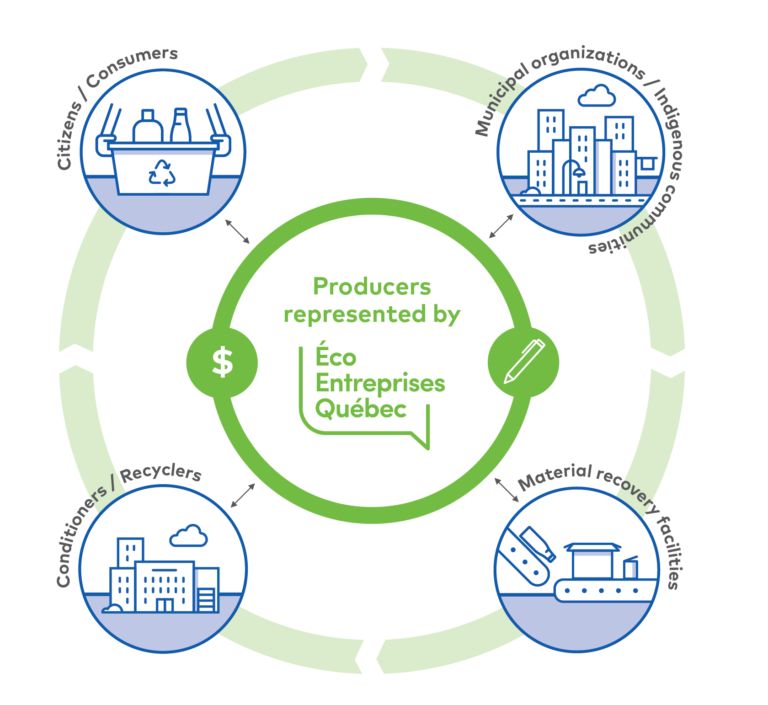
In October, RECYC-QUÉBEC appointed Éco Entreprises Québec (ÉEQ), a PSI Partner, as the Designated Management Organization (DMO, equivalent to a PRO).
ÉEQ will now be responsible for developing, implementing, and financially supporting the modernized curbside recycling system on behalf of the obligated producers, as established in regulations adopted in July that introduce extended producer responsibility (EPR).
Supported by more than 1,800 businesses, ÉEQ is proud to be entrusted with this role, which is part of a long-awaited reform. Learn more by clicking here.
|
|
Reverse Logistics Group, also PSI Partner, has provided electronics manufacturers with cost effective and environmentally sound EPR services since 2008. They manage over 70 million pounds of ewaste each year through regulatory and voluntary take-back programs. Click here to learn more.
|
|
Alberta’s government approved the regulatory framework to establish an EPR system for single-use plastic, metal, and glass products and packaging, plus printed paper, as well as one for hazardous and special products. Order in Council 346/2022 was approved on October 3rd and the EPR regulation will come into force on November 30th of this year.
|
|
Fires from exploding e-bike batteries are increasing in New York City – on average, four are reported each week, and some have tragic consequences.
Analysts at City College of New York Grove School of Engineering looked at 13 recently completed LCAs of "advanced recycling" projects and found that using these methods to recycle hard-to-recycle plastics into new products reduced energy use and greenhouse gas emissions, as compared to landfilling and waste-to-energy.
California’s new packaging EPR law will be “a failure if we are not able to scale this model,” said Senator Ben Allen, SB 54’s primary sponsor, on the national impact of the legislation.
We regularly share information like this on LinkedIn, Twitter, and Facebook. If you'd like to get these updates in real time, please follow our accounts. Thanks!
|
|
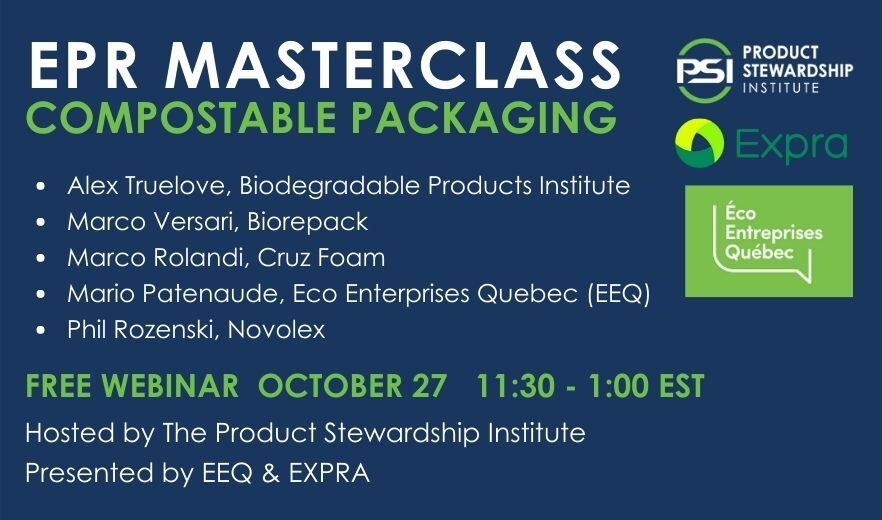
We recently gathered a group of experts to discuss the opportunities and challenges of compostable packaging, including achieving clarity on definitions and labeling, addressing materials in packaging EPR laws, how EPR funding can be used to create new infrastructure for compostable plastics, and strategies for best managing these materials in a rapidly evolving industry. We had a record 700+ registrants! The recording is now available to our full community.
|
|
The Product Stewardship Institute is a policy advocate and consulting 501(c)(3) nonprofit that powers the emerging circular economy. We rely on the generosity of our members, partners, and supporters to convene diverse stakeholders to build extended producer responsibility (EPR) policies, programs, and laws. Thank you!
|
|
The Product Stewardship Institute, Inc. is an equal opportunity employer and provider. Persons with disabilities who require alternatively formatted materials to ensure effective communication should contact Amanda Nicholson at amanda@productstewardship.us or 617.236.4855, TTY: use 711 or 800-439-2730; MassRelay.
|
|
|
|
|
|
|