Weed Watch!
Colorado Weed Management Association
4th Quarter Newsletter 2021
|
|
Register Now for Winter Training! |
|
Member Pricing
$249 by 11/15/21
$299 starting 11/16/21
$449 onsite
|
|
Non-Member Pricing
$329 by 11/15/21
$379 starting 11/16/21
$529 onsite
|
|
Be a Leader in Land Stewardship and Run for CWMA Board of Directors
The Colorado Weed Management Association is looking for active and dedicated members to join the Board of Directors. Individuals in this role will be responsible for the direction of CWMA and helping to ensure that weed management is a priority is our state! The deadline for applications/nominations is October 20th.
|
|
Recognize Your Colleagues Invested in Weed Management
The CWMA Winter Training awards are a great way to recognize your colleagues and coworkers who excel in the field of weed management and land stewardship. Awards include: Newcomer of the Year, Weed Manager of the Year, Lifetime Service Award, and the Partnership Award. Deadline for nominations is November 11th.
|
|
Last Chance to Pre-order your 2022 CWMA Calendars!
Order form due by Oct 15th
25-100 CALENDARS ARE $5.00 EACH
125 TO 250 CALENDARS ARE $4.00 EACH
275 TO 975 CALENDARS ARE $3.50 EACH
ORDERS OF 1000 OR MORE ARE $3.00 EACH
FREE SHIPPING ON ALL ORDERS RECEIVED BY Oct 15th (Calendars will be shipped after Oct. 30, 2021)
|
|
Vinegar vs Herbicide
by Alicia Doran, Jefferson County Invasive Species Management Program Coordinator
|
|
Recently on social media sites we have been seeing a lot of people touting the use of Acetic acid (a.k.a. Horticultural Vinegar) as a substitute for 'traditional' herbicides. Many people are unaware of the truth about Acetic acid and mistakenly think it is the same as the vinegar you put on your salad.
- Horticultural vinegar is a 20-30% solution of Acetic acid (salad vinegar is 5%)
- Acetic acid is highly corrosive and can cause severe and permanent eye injuries including blindness. It also is caustic to skin and can cause long-term respiratory problems.
Labeling
- There are some Acetic acid products labeled as herbicides. Not all sites may be listed on the label.
- The labels list required personal protective equipment (PPE) including eye protection, N-95 respirators, gloves, long sleeves, long pants, shoes plus socks vs. some traditional herbicides that are less restrictive and may only require long sleeves, long pants, and shoes.
- The products have a 'Danger' label meaning that they pose a health and/or environmental risk vs. many common herbicides that are lower risk and have a 'Warning' or 'Caution' label. (Yes - Including glyphosate which usually has a Caution label).
- Some Acetic acid products prohibit reentry into an area (including non-ag sites) for 48 hours. Most traditional herbicides allow reentry into non-ag sites once the spray has dried.
- Not all acetic acid products are labeled for herbicide use. If they are not labeled for herbicide use on your site, it is illegal to use them.
Activity and Effectiveness
- Acetic acid works best on young, newly emerged annual or biennial plants on warm and sunny days.
- Acetic acid will kill young foliage but DOES NOT move within the plant. It is not effective for controlling deep-rooted perennial plants like Canada thistle or Dalmatian toadflax. While it may damage the leaves, it will not kill the roots and the plants will survive and regrow.
Learn More
|
|
CWMA Online Education for CE Credits!
Need credits? CWMA has you covered year round with online education approved by the Colorado Department of Ag!
Attend a live webinar or take an on-demand course that offer CEC’s, under $40 for CWMA members!
|
|
Teller-Park Conservation District
by Marisa Neuzil, Teller-Park Conservation District Manager
|
|
Weed programs come in all shapes and sizes. Teller-Park Conservation District (TPCD) is the little district that could when it comes to weed management in both Teller and Park Counties. This one-person office works diligently to fill the void left by the absence of any county noxious weed programs.
Over the years, TPCD has coordinated with various entities such as the Upper Arkansas Cooperative Weed Management Area, Natural Resources Conservation Service the United States Forest Service to emphasize the importance of noxious weed awareness and has successfully administered a landowner cost-share with grant funding provided by the Colorado Department of Agriculture and Colorado State Conservation Board as well as contracting with a CSU educated licensed commercial applicator to help with range management and noxious weed education. Marisa Neuzil, current CWMA board member and TPCD manager, completed training to become a QS in three categories and is now able to sponsor workshops with homeowners’ associations, local public works employees, and gardening groups to name a few. It is the district’s mission to encourage weed mitigation volunteers on the ground through workshops and weed pulls.
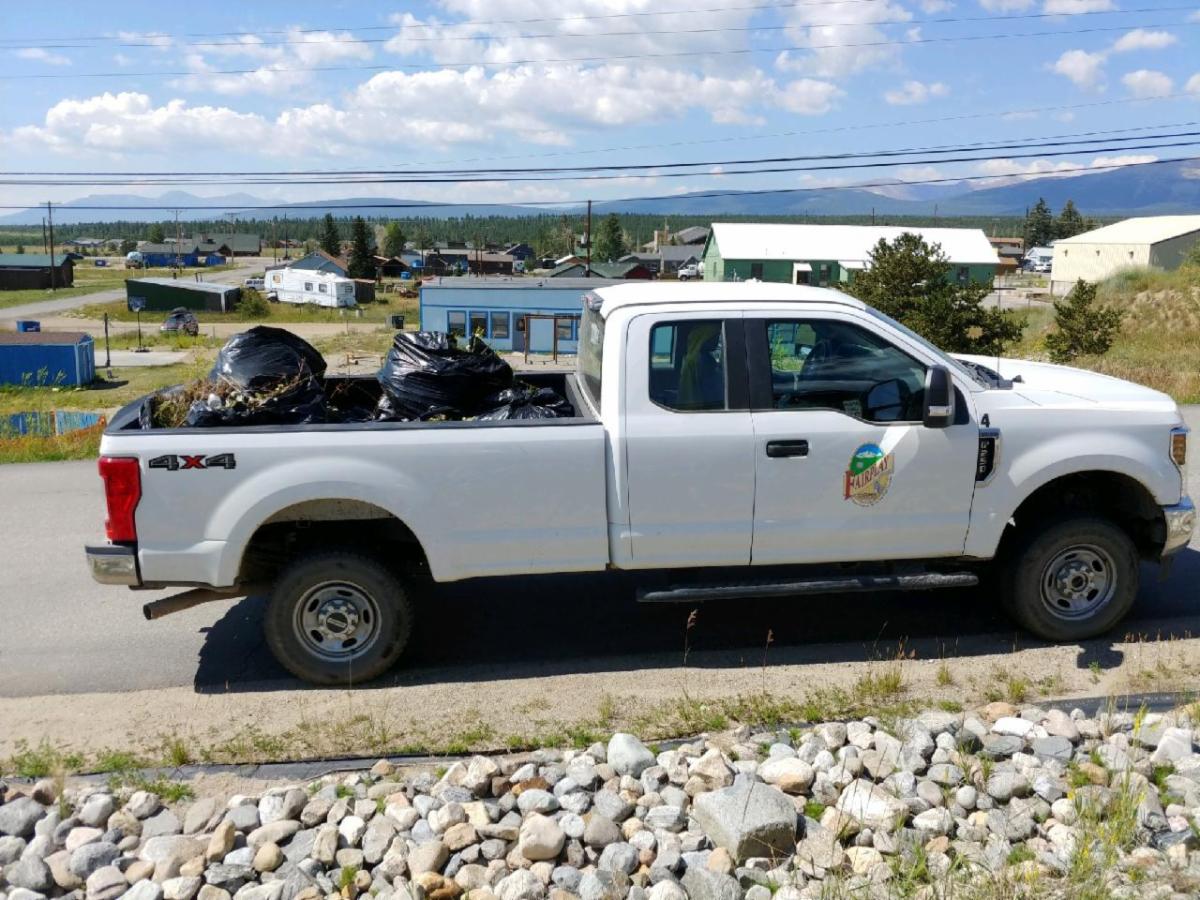
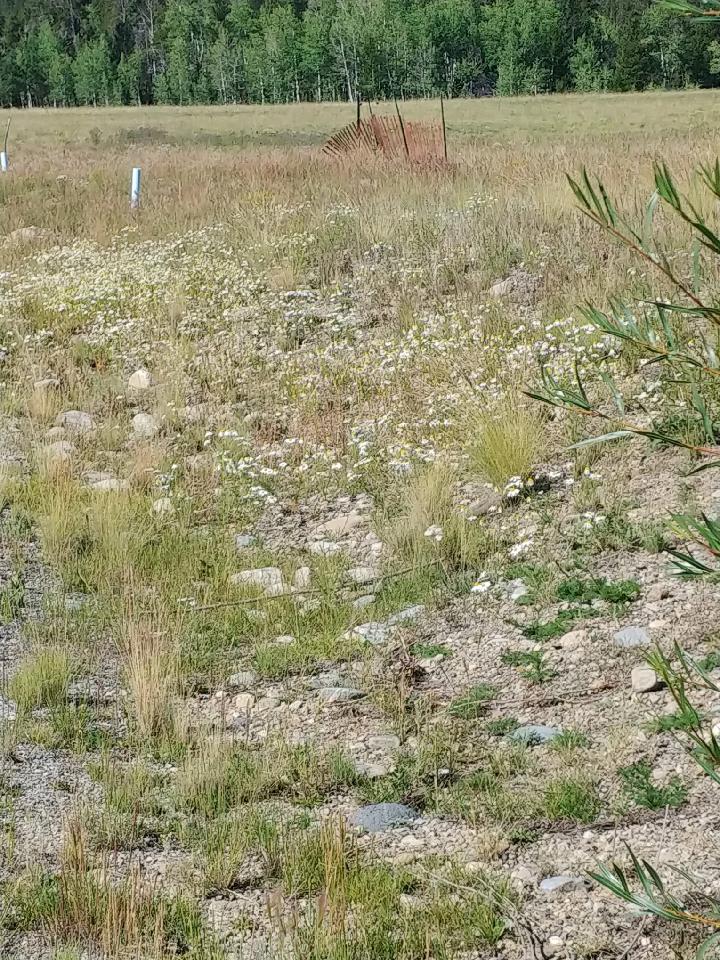
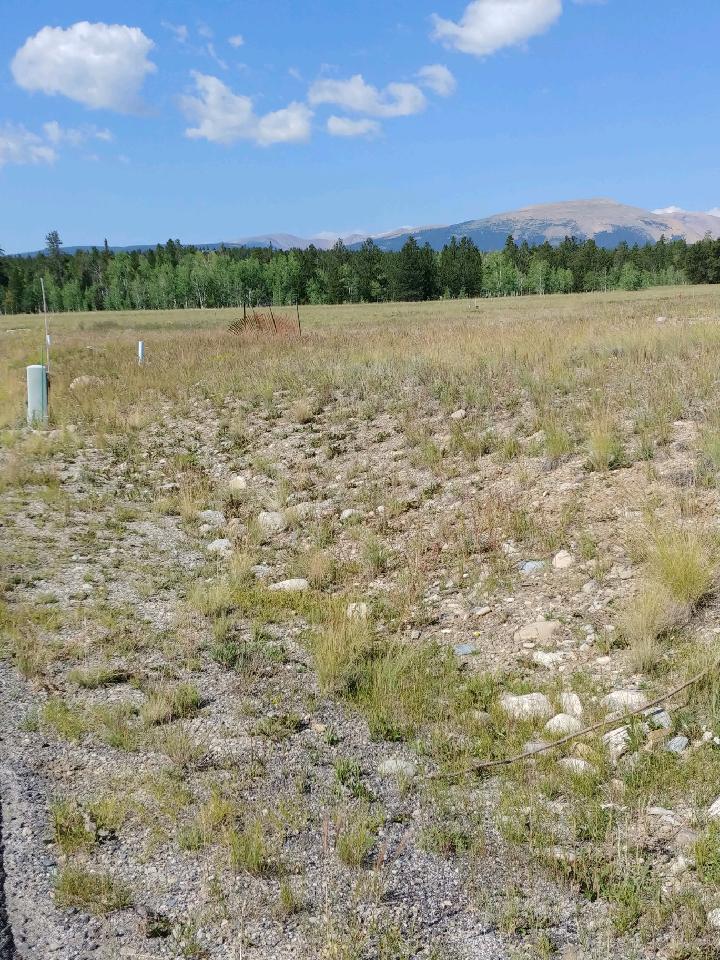
Recently, the Town of Fairplay, CO, Park County CSU Extension and Teller-Park Conservation District collaborated on a second annual Scentless Chamomile (Tripleurospermum inodorum) weed pull. In all, 1,650 gallons of this ornamental invader were pulled, bagged, and disposed of properly and this event is projected to grow yearly with the inclusion of the school district and local youth clubs. Conservation Districts are uniquely poised to foster education, collaboration, and action in the fight against invasive non-native species and Teller-Park Conservation District looks forward to continued success in these endeavors.
Before (left) and after (right) of the weed pull event.
|
|
Weed Awareness Campaign
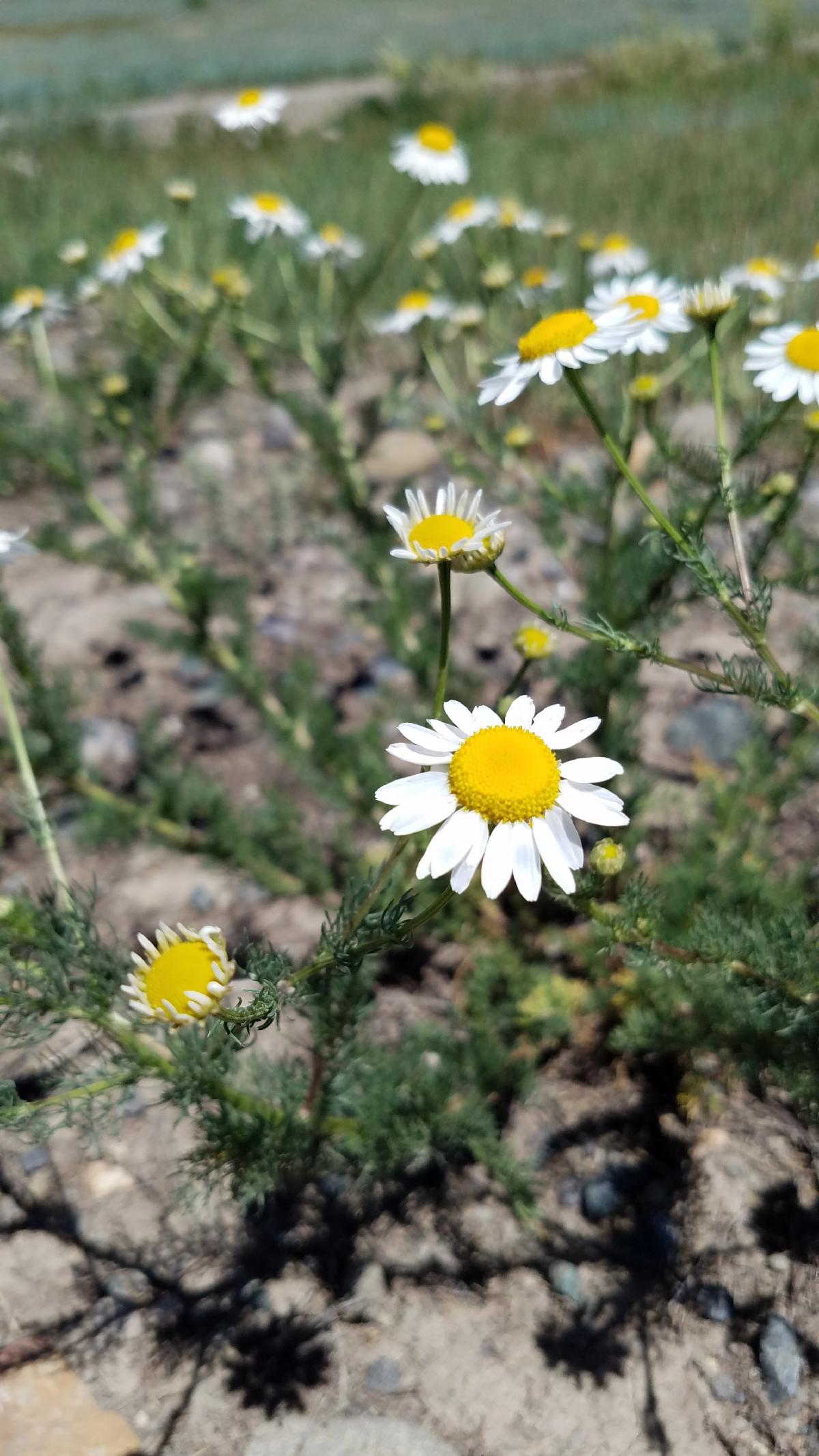
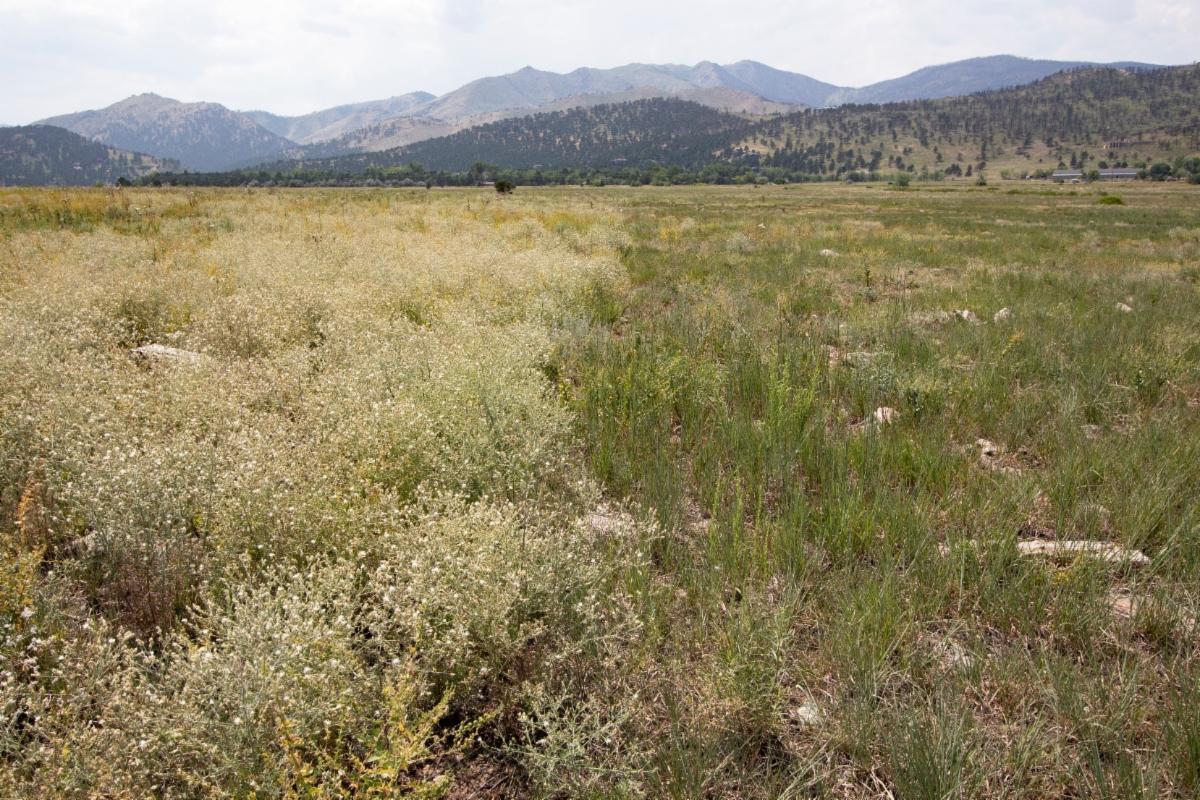
October Weed of the Month: Chamomiles
prepared by Alicia Doran, Jefferson County Invasive Species Management Program Coordinator
|
|
Colorado has three species of invasive chamomile; Corn, Mayweed, and Scentless.
Generally, the invasive chamomiles have white daisy-like flowers that grow at the end of branched stems. The leaves are alternate, 1-3 times pinnately divided. All are annual but Scentless may sometimes also be a short-lived perennial.
All are natives of Europe/Eurasia. They can be found along roadsides, in fields, in disturbed areas, and cropland.
The leaves of Mayweed chamomile leaves are similar to corn chamomile but are more oblong and not as hairy. Mayweed chamomile’s stems are ridged and sometimes reddish. Mayweed chamomile, also known as dog fennel, has a very unpleasant smell.
Corn chamomile is very limited in Colorado.
Scentless chamomile is the more common of the three. It has thread-like leaves. The single stems branch about halfway up and the flowers tend to be all at the same height, forming a flattish inflorescence.
RESOURCES
The Weed of the Month is part of the Weed Awareness Campaign and is prepared by Alicia Doran and Tina Travis who are on the committee.
|
|
Promoting CWMA Membership:
How Can We Help?
Do you know someone that should be a member of CWMA? Learn all about CWMA benefits and membership types at www.cwma.org/membership. Use this information as talking points to encourage colleagues to join and get active with CWMA.
Or, perhaps you are unsure whether someone you know is already a member? Search for them in our directory located in the members-only online portal. You can also use this site to renew your membership, register for CWMA events, and update your contact information.
Need help promoting CWMA? Let us know how we can assist you.
Monica Groh, CAE
Colorado Weed Management Association
|
|
Fall Bareground and Noxious Broadleaf Treatments-Highly Effective and Save on Time and Money
Notes from Derek Sebastian's Vegetation Management Newsletter
|
|
Fall applications for both bareground and noxious weed control are not only effective but save time and money as well.
Some take away points on fall bareground applications include:
- Applications can begin as early as September 1st!
- Mechanical weed control is 4X as expensive as a single bareground residual treatment.
- Proactive management and using the right mix will save significant money.
- Treatments in the fall can free up time in the spring when labor is hard to find.
- Switching jobs to the fall allows you to target new areas in the spring/summer and expand your management footprint.
Notes on fall noxious broadleaf treatments:
- Noxious broadleaf weeds are becoming difficult to control long term due to sever droughts.
- Sites can become reinvaded post treatment because of seed dormancy and viability
- Tank mixes can be utilized to extend control for several seasons
|
|
Extended Noxious Broadleaf Control with Rejuvra Tank-Mixes |
|
Milestone 7 oz + Telar 1 oz
Cheatgrass, mullein, knapweed, Dalmatian reinfested in year 2
|
|
Milestone 7 oz + Telar 1 oz + Rejuvra 7 oz
Extended Noxious Seedling Control
|
|
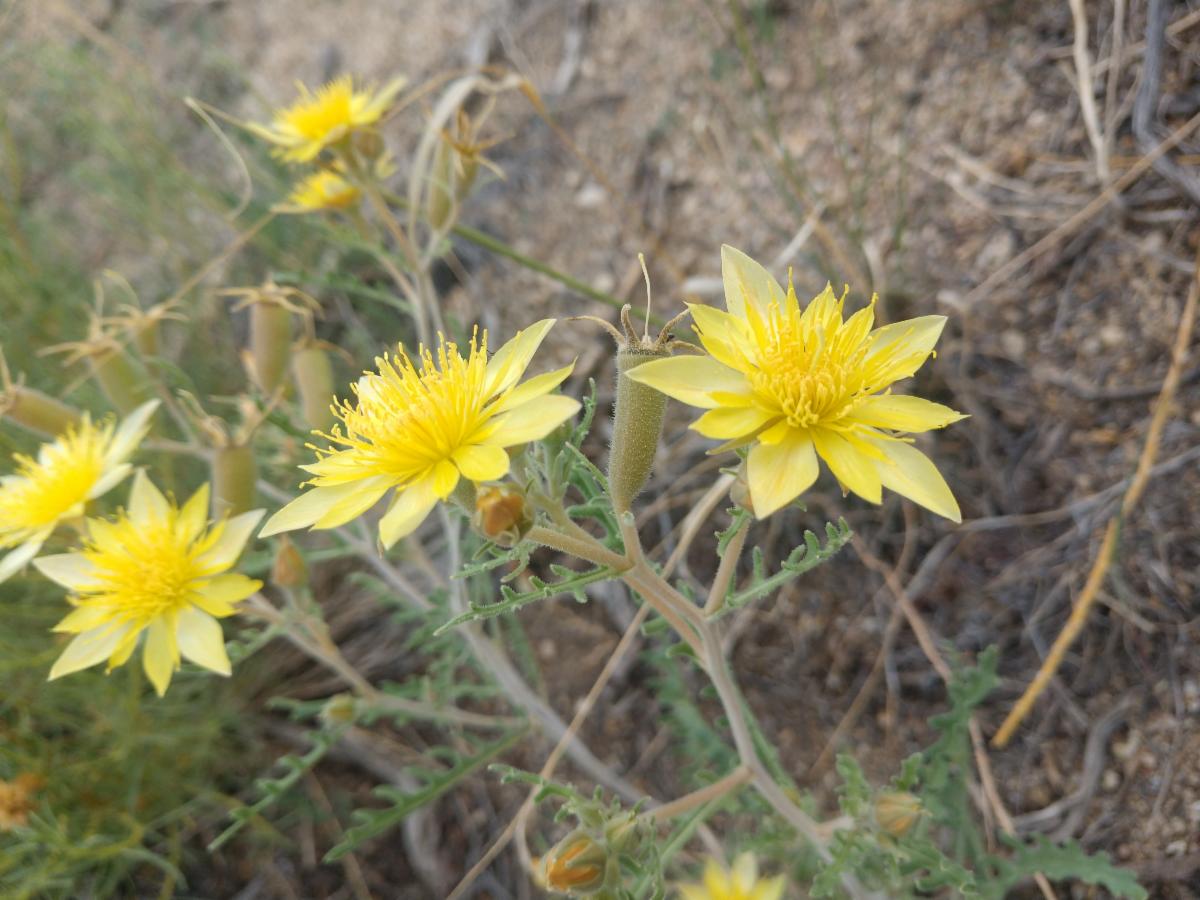
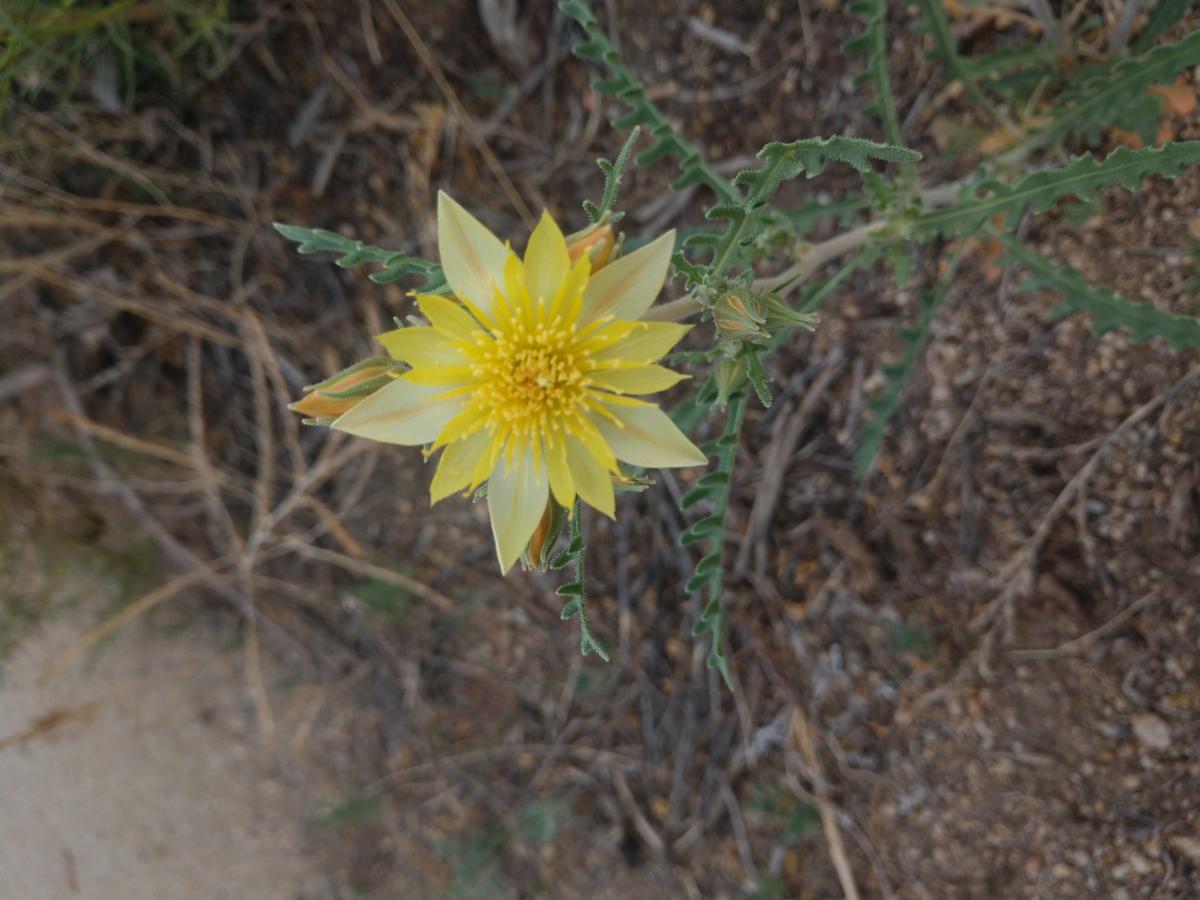
Native Plant Spotlight: Mentzelia
By Ethan Proud, Archuleta County Weed and Pest Supervisor
|
|
The Mentzelia genus is native to the southwestern United States and can be found from California into Canada. It thrives in desert climates and there are 24 species found in Colorado according to Jennifer Ackerfield's Flora of Colorado. This genus can be difficult to key as some species can only be distinguished by seed characteristics.
Mentzelia go by many common names including blazing star (not to be confused with liatris), stickleaf, evening stars, and moonflowers.
|
|
Call for Submissions: Are You a Writer or Have a Story to Tell?
If you have a success story or event you'd love to share...we want to help!
Colorado Weed Management Association is always looking for new content, exciting stories in integrated management, and alerts on new weed species!
Send in an article, write up, or pictures and we can share them in our quarterly newsletter.
All submissions are subject to review.
Newsletter contributors have to be CWMA members.
|
|
President
Kayla Malone
President Elect
Casey Cisneros
Secretary/Treasurer
Ethan Proud
Board of Directors:
Tina Travis
Curtis Marshall
Derek Sebastian
Mike Auciello
Joe Swanson
Marisa Neuzil
Jennifer Cook
|
|
Ex-Officio Members:
Steve Ryder
Ken Howlett
Elizabeth Brown
Executive Director:
Monica Groh
7187 W. 79th Drive
Arvada, CO 80003
(303) 210-7077
|
|
|
How can CWMA work for you?
Do you want to make a difference with CWMA? Would you like to influence the direction that CWMA is leading? Join a committee by reaching out to the chairs and co-chairs listed below.
Training and Education
Casey Cisneros
Alicia Doran
Communications and Social Media
Ethan Proud
Kayla Malone
Colorado 4 Healthy Landscapes (C4HL)
Tina Travis
Legislative
Casey Cisneros
Joe Swanson
Membership, Nominations and Scholarship
Mike Auciello
Publications
Tina Travis
Alicia Doran
Strategic Plan Task Force
Casey Cisneros
Want to join a committee but don't know where to start? Contact us for more info!
|
|
Job Opportunities:
Looking to further your career in stewardship, conservation, and natural resources? CWMA shares job postings from natural resource employers!
To view job listings and descriptions, click here.
To post a job, click here.
|
|
|
|
|
|
|