|
E.R. Visits for Teenage Girls Surged During the Pandemic
As the coronavirus pandemic dragged through its second year, an increasing number of American families were so desperate to get help for depressed or suicidal children that they brought them to emergency rooms. A large-scale analysis of private insurance claims shows that this surge in acute mental health crises was driven largely by a single group — girls aged 13 to 17. During the second year of the pandemic, there was a 22 percent increase in teenage girls who visited emergency rooms with a mental health emergency compared with a pre-pandemic baseline, with rises in patients with suicidal behavior and eating disorders, according to the study of 4.1 million patients published on Wednesday in JAMA Psychiatry. Read more here.
|  | |
Governor Hochul Announces $3.5 Million in Available Funding for 13 New Certified Community Behavioral Health Clinics
Governor Kathy Hochul on Monday announced that the New York State Office of Mental Health and the Office of Addiction Services and Supports have made $3.5 million available for start-up grants to develop 13 new Certified Community Behavioral Health Clinics, 24-hour centers that provide comprehensive services for those requiring behavioral health support, specifically coordination care across behavioral, physical health, and social service systems. Of the 13 clinics, six will be located in New York City, and seven in other regions throughout New York State. Read more here.
| |
Governor Hochul Announces More Than $5.5 Million Award to Support Addiction Outreach and Engagement Services for High-Need Populations
Governor Kathy Hochul last Friday announced more than $5.5 million to support addiction outreach and engagement services designed to reach underserved populations across New York State. Overseen by the Office of Addiction Services and Supports, this funding, distributed through New York State's Opioid Settlement Fund, will help connect high-need individuals to a variety of services they may not have access to otherwise. Read more here.
|  | |
New KFF Analysis Examines Rapidly Evolving Federal Policies For Substance Use Disorder Treatment for the Opioid Epidemic
A new KFF analysis finds that 24 percent more buprenorphine, a medication to treat opioid use disorder, was dispensed in 2022 than in 2019, the year before the pandemic brought a surge of opioid overdose deaths – and a focus on how to expand access and treatment. This upward trend in buprenorphine distribution, already in motion before the pandemic, continued throughout the COVID public health crisis, suggesting continued improvements in access to treatment even as the pandemic raised other barriers to health care. However, it is unclear whether these steps to improve access to buprenorphine are reaching people with high needs, including communities of color. Read more here.
Related: Deaths from xylazine are on the rise. The White House has a new plan to tackle it
|  | |
New York State Department of Health Launches Campaign Emphasizing Importance of Carrying Naloxone
The NYS Department of Health has launched an overdose prevention campaign emphasizing the importance of carrying naloxone, a safe and easily administered medication that can reverse the effects of an opioid overdose if given in a timely manner. The campaign is underway and will run through August 30. The campaign, which launched July 10 and is partially funded by the Centers for Disease Control and Prevention (CDC), includes infographics that will appear across social media and digital platforms. The images and audio/video streaming spots were designed to inform New Yorkers about the signs and symptoms of an overdose and a reminder that naloxone is safe and legal to carry. Read more here.
|  | |
NY Has Yet to Enroll in New Medicaid Program for Inmates
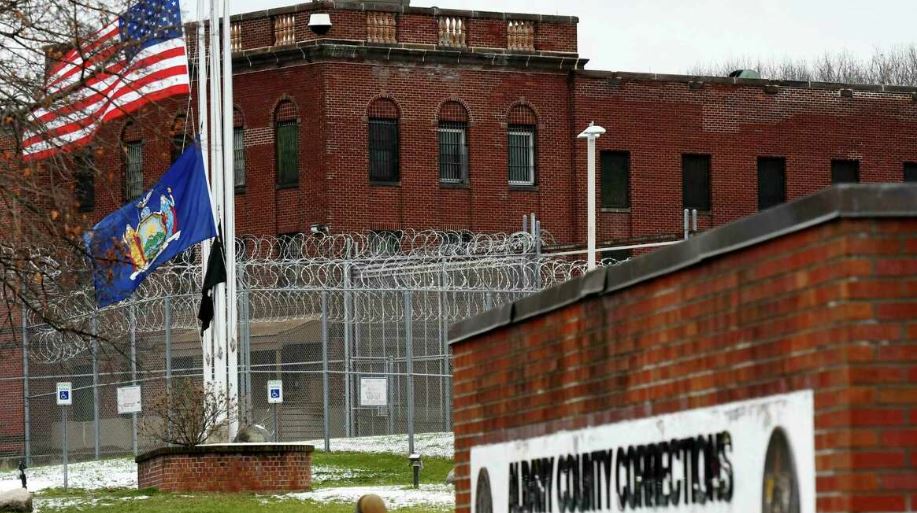
New York is gearing up to take advantage of a federal program that would expand health insurance coverage to people across state and local correctional facilities — an unprecedented move that policymakers and advocates hope will ease the often rocky transition for recently released inmates returning into communities across the state. It is the first time Medicaid will offer health care coverage for inmates, following the recent approval of California’s successful petition to the federal Centers for Medicaid and Medicare Services to use funding from the federal government for the same purpose. States can now take advantage of Medicaid’s matching funds to provide a specific suite of health care services for New Yorkers who are still in state prisons or jails in the months leading to their release.
Read more here.
| |
Statewide Initiative To Improve Skills And Competency Of Workers
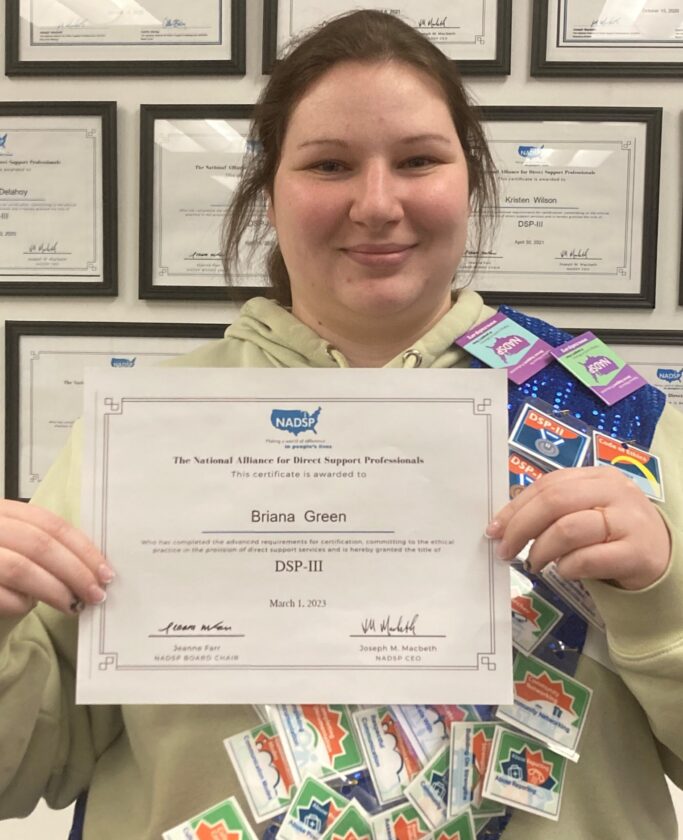
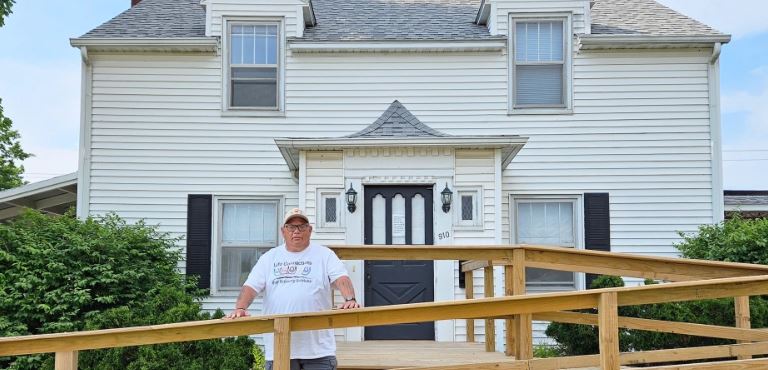
A statewide initiative aimed at improving the skills and competency of workers who support people with disabilities has been embraced by employees of The Resource Center, with 18 staff members achieving national certification during the program’s first three months. The Resource Center was selected to participate in a state-wide pilot project that will increase the number of employees who are credentialed by the National Alliance for Direct Support Professionals (NADSP). Direct support professionals (DSPs) are workers who provide hands-on supports to people with disabilities. Read more here.
|  | |
Once-Resistant Rural Court Officials Begin to Embrace Medications to Treat Addiction
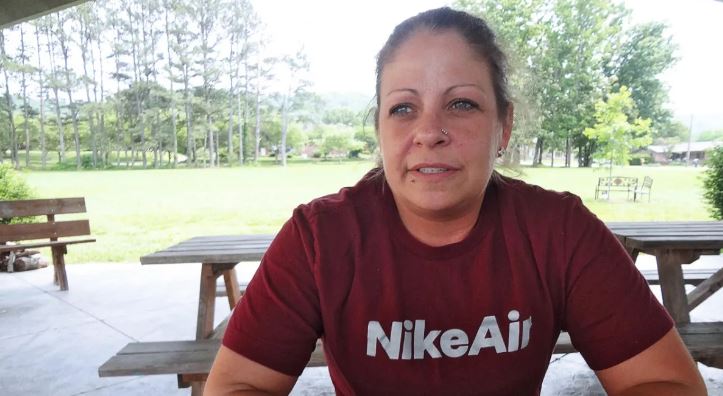
Rachel Solomon and judges hadn’t been on the best of terms. Then Judge O. Duane Slone “dumbfounded” her. Solomon was given her first Percocet at age 12 by a family member with a medicine cabinet full. It made her feel numb, she said. “Nothing hurt.” By 17, she was taking 80-milligram OxyContins. A decade later, she was introduced to heroin. During those years, Solomon was in and out of trouble with the law. Then, five years ago, at 32, she arrived in Slone’s courtroom, pregnant, fearing the worst. But the Tennessee state circuit court judge saw promise. He ruled that Solomon would serve jail time for an outstanding warrant for aggravated burglary and then would be placed in a program for pregnant or parenting women recovering from addiction. She would retain custody of her son, Brantley, now 4. Read more here.
|  | |
Mental Health Respite Facilities are Filling Care Gaps in Over a Dozen States
Aimee Quicke has made repeated trips to emergency rooms, hospitals, behavioral health facilities, and psychiatric lockdowns for mental health crises — including suicidal thoughts — since she was 11. The 40-year-old resident of Le Mars, Iowa, has bipolar and obsessive-compulsive disorders. “Some of the visits were helpful and some were not,” she said. “It was like coming in and going out and just nothing different was happening.” Then she heard about Rhonda’s House, a rural peer respite program that opened on the other side of the state in 2018, through acquaintances in her community. That facility, and dozens of others like it established nationwide over the past 20 years, offers a short-term, homelike, nurturing environment for people who are experiencing a mental health crisis but don’t need immediate medical attention. At respites, patients are treated like guests, proponents say, and can feel heard and keep their dignity without having to relinquish their clothes and other belongings. Read more here.
|  | |
CMS Releases Non-Emergency Medical Transportation in Medicaid Expanded Report to Congress
On Monday, the Centers for Medicare & Medicaid Services (CMS) posted an expanded Report to Congress for Non-Emergency Medical Transportation (NEMT) in Medicaid. This report provides T-MSIS data from 2018-2021, an additional year from the previous report. The new report also includes an extensive analysis of Medicaid coverage of NEMT such as the types of medical services accessed when using NEMT by beneficiary subgroup, monthly trends in the use of NEMT versus telehealth services, and a comparison by delivery model of the volume of NEMT services used by states. Read more here.
| |
 |  | |
UPCOMING EVENTS & TRAININGS
Emerging Strategies to Keep Staff Safe
July 13, 1 - 2 pm, HANYS
Fostering Gender-Affirming Practices for Trans Youth Through Strengths-Based Approaches
July 15, 2 - 3 pm, Center for Health Care Strategies
Using Responsivity Principles to Attain Better Results for People with Behavioral Health Needs in the Justice System
July 13, 2 - 3:30 pm, CSG Justice Center
Medicaid Coverage Opportunities for Justice-Involved Populations: CMS Guidance and States’ Approaches
July 13, 3 - 4 pm, Manatt Health
Bridging the Gap: Linking Individuals to Recovery Support Services
July 17, 3 - 4:30 pm, SAMHSA's GAINS Center
Supporting the Emotional and Mental Health Needs of Harm Reduction Staff
July 17, 3 - 4:30 pm, National Council for Mental Wellbeing
Navigating Medicaid Buy-In
July 18, 12 - 1 pm, MHANYS
Meeting the Health and Social Needs of LGBTQ+ Older Adults Through Medicaid in California and Nationally
July 18, 2 - 3 pm, Center for Health Care Strategies
Adult MHFA for Public Safety - Overview
July 18, 2:30 - 3:30 pm, National Council for Mental Wellbeing
Transition of Care from Hospital to Community
July 18, 6 - 7 pm, PsychU
Exploring Unresolved Symptoms In Major Depressive Disorder (MDD): Potential Role Of Norepinephrine
July 19, 12 - 1 pm, PsychU
From Corrections to Community: Navigating the New Medicaid Section 1115 Demonstration Opportunity, Part 1
July 19, 2 - 3 pm, CSG Justice Center
Addressing Cultural Denial to Improve Whole Health Outcomes in BIPOC Communities
July 19, 3 - 4 pm, National Council for Mental Wellbeing
Redefining Black Masculinities: Clinical Considerations in the Emergence of 988
July 19, 4 - 5 pm, National Council for Mental Wellbeing
Leveraging Paraprofessionals to Enhance the Integrated Care Workforce
July 20, 11 am - 12 pm, National Council for Mental Wellbeing
Patients Who Stay Against Medical Advice
July 20, 2 - 3 pm, HANYS
More Than a Number: The Impact of 988 on Reimagining Mental Health Crisis Care
July 20, 4 - 5 pm, NAMI
Adult MHFA for Higher Education - Overview
July 25, 2:30 - 3:30 pm, National Council for Mental Wellbeing
Combating Fatal Overdoses: A Data-Driven and Multidisciplinary Approach to Addiction Response
July 25, 3 - 4 pm, Camden Coalition
Medicaid and CHIP Renewals: What to Know and How to Prepare, A Partner Education Monthly Series
July 26, 12 - 1 pm, CMS
How Mental Health Can Help (and Hurt) Student Success
July 26, 2 - 3 pm, Inside Higher Ed
From Crisis to Care: Integrating Health Care with Public Crisis Response Systems
July 26, 2 - 3:15 pm, Kaiser Permanente Institute for Health Policy
Improving Behavioral Health Services in Rural Communities through Medicaid
July 26, 3 - 4 pm, NASHP
Providing Comprehensive Care in Opioid Treatment Programs : A Policy and Provider Perspective
July 26, 3 - 4 pm, National Council for Mental Wellbeing
Improving Treatment Outcomes for People With Cognitive Impairment
July 26, 3 - 5 pm, NAADAC
Medicaid and CHIP Managed Care Quality Improvement Tools
July 27, 3 - 4 pm, CMS Division of Quality and Health Outcomes (DQHO)
Professional Development for Peers - Progress, Not Peerfection
July 27, 3 - 4:30 pm, NAADAC
Youth MHFA for Tribal Communities and Indigenous Peoples - Overview
August 8, 2:30 - 3:30 pm, National Council for Mental Wellbeing
Partnering with Law Enforcement
August 16, 2 - 3 pm, HANYS
| |
CLMHD CALENDAR
JULY
Addiction Services & Supports (ASR) Committee Meeting
July 13: 11 am - 12 pm
Mental Health Committee Meeting
July 13: 3 - 4 pm
IOCC Meeting - Albany, In-Person
July 18: 1 - 3 pm
Membership Call
July 19: 9 - 10:30 am
Deputy DCS Call
July 25: 10 - 11 am
Developmental Disabilities Committee Meeting
July 27: 1 - 2:30 pm
AUGUST
Quarterly LGU Billing Staff Call
August 1: 11 am - 12 pm
CLMHD Executive Committee Meeting
August 2: 8 - 9 am
LGU Clinic Operators Call
August 8: 10 - 11:30 am
Addiction Services & Supports (ASR) Committee Meeting
August 10: 11 am - 12 pm
Mental Health Committee Meeting
August 10: 3 - 4 pm
Children & Families Committee Meeting
August 15: 11:30 am - 1 pm
Membership Call
August 16: 9 - 10:30 am
Mental Hygiene Planning Committee Meeting
August 17: 1 - 3 pm
Deputy DCS Call
August 22: 10 - 11 am
| |