Yes, Grout Inspections Are Still Required!
Due to a change in state law, well drillers may now request grout inspections at any time and on any day, regardless of whether a county inspector can be on site at the appointed time. This change was enacted because a few counties have difficulty conducting grout inspections at times requested by the well driller. Some people have misinterpreted the law to mean grout inspections are no longer required.

Under the new law, drillers must still provide advance notice of intent to grout by 9 AM on the day of grouting (or the last business day before grouting if they intend to grout on a holiday or weekend). Drillers must still provide the county a well construction record where they certify they have constructed the well in accordance with applicable rules.

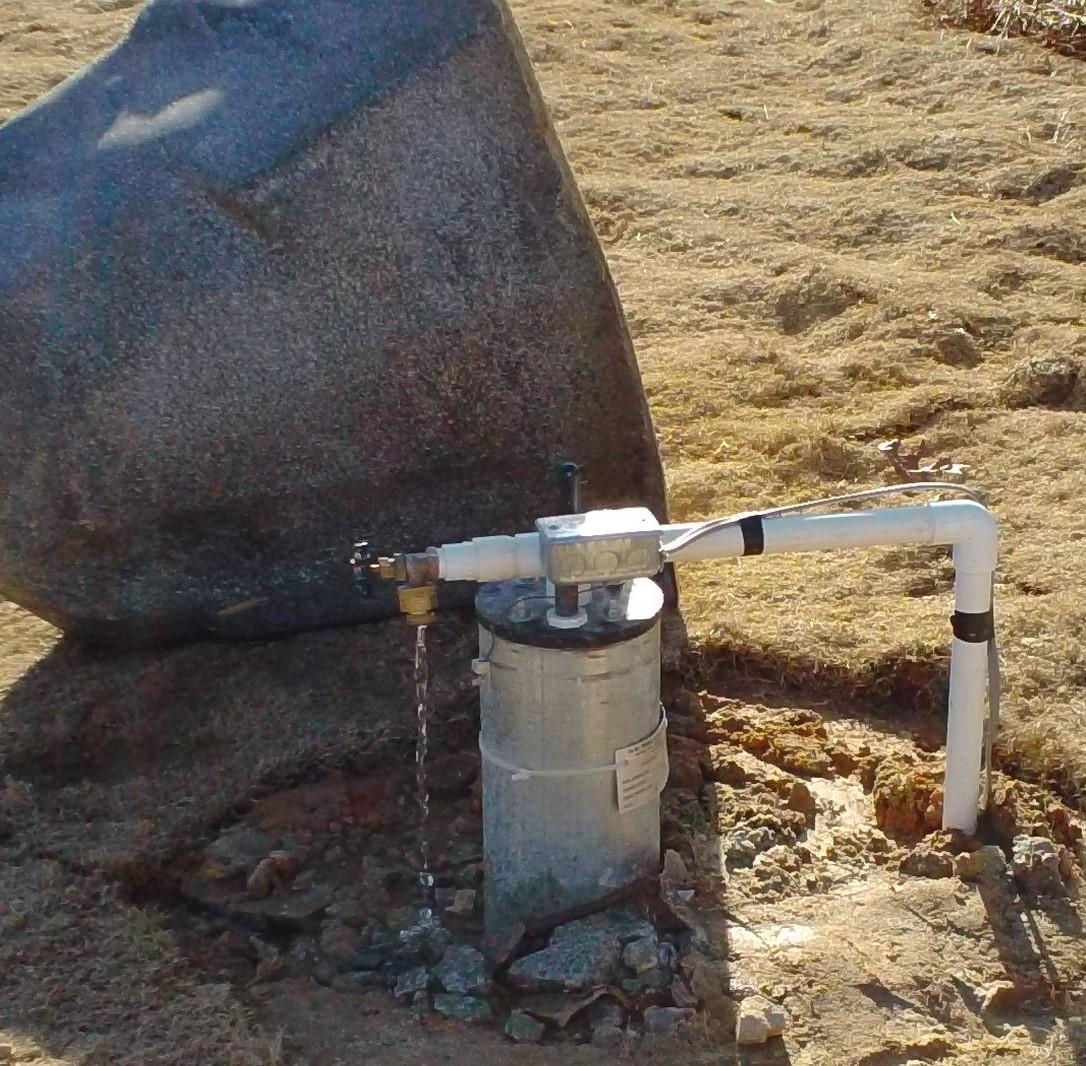
A grout inspection serves two important purposes: to confirm the well has been properly cased and grouted and to confirm that the well has been drilled in the proper location. The grout inspection provides an opportunity for the driller to correct a mislocated or improperly constructed well with minimal loss of time and materials.

Wake County will still conduct a grout inspection on every new private well, regardless of when the driller chooses to grout it. If, during an after-the-fact grout inspection, the county finds that the well has been drilled in the wrong location or not constructed according to rules or permit conditions, the county may require the well to be abandoned and a new well drilled.


Drillers and builders can avoid having to replace improperly drilled wells by:

1)    Making sure the driller has a copy of the complete well permit from the
Wake County Permit Portal, including final site plan for the well and septic
system,

2)     Marking lot corners, well, and septic system locations before starting to
drill,

3)     Requesting grout inspections during normal business hours so a Wake
County Environmental Services employee can check the location and
construction before you complete the well.
Land Disturbance Permits and Stormwater Inspection Updates
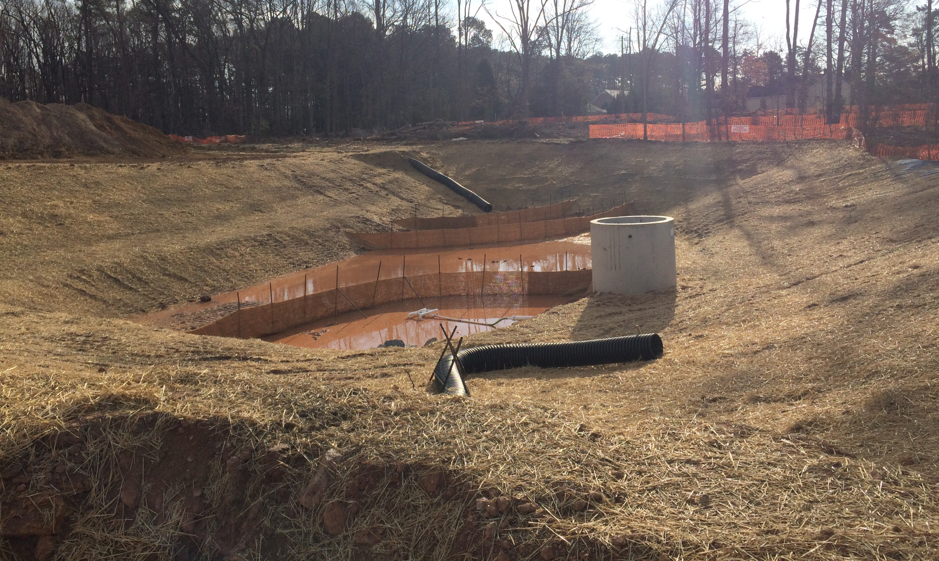
Properly installed sediment and erosion control practices and well-maintained stormwater devices are important practices that help protect Wake County's water quality. Below are some important reminders from Wake County Watershed Management regarding your land disturbance and stormwater device permits.
1)     The moratorium on land disturbance permit expiration has ended. If your
permit was issued prior to January 2021, your permit will expire January
12, 2023. Please contact Karyn Pageau at karyn.pageau@wakegov.com
for renewal options.

2)     If you are the owner / operator of a permanent stormwater device, don’t
forget annual inspections of each device should be submitted to
Watershed Management each year by June 30th. To facilitate this
process, please register for an account in our Permit Portal. This will
allow you to upload annual inspection reports, photos and receive
notifications. Once registered, please notify Betsy Pearce at
betsy.pearce@wakegov.com so that your account is linked to the correct
permit(s). For additional information, visit:

Onsite Wastewater System Inspections 
Wake County Environmental Services has resumed Operations and Maintenance (O&M) inspections for type IIIb, IV, V, and VI wastewater systems this Fall. These wastewater system types are required to have the local health department perform an onsite inspection of the systems as stated in 15 NCAC 18A.1961.  For systems that require certified operators, Casey Fulghum, Environmental Health Manager for the O&M program, can schedule the inspection with the certified operator, if desired.  Please feel free to contact Casey at Casey.Fulghum@wakegov.com or 919.500.9201 to meet at the site.
Wake County One Water Plan

As the most populous county in North Carolina with more than 1 million residents, Wake County is taking proactive measures to ensure we can maintain a clean and abundant water supply for those living and working in the county. 

Our population is projected to double within the next 40 years, which will only increase demand for drinking water resources. That growth, coupled with less predictable concerns such as climate and environmental conditions, requires integrated and adaptive water management.

Water relates to all of our county’s critical issues: population growth, affordable housing, food scarcity, transportation, and equity. For the next two years, Wake County will be working with the community to develop a countywide “One Water Plan”. The intent is to produce an achievable and dynamic plan for a 50-year sustainable water supply that equitably supports all aspects of our growing population and preserves this limited natural resource.

Your voice will be important to making this plan a success. Stay tuned to learn more about Wake’s One Water Plan and how you can participate and contribute to ensure Wake County’s has a clean and abundant water supply for future generations
Realtors Training on Well and Septic Ownership and Maintenance
Wake County Environmental Services staff appreciate the opportunity to work with the real estate community in educating homeowners about private well and septic system ownership. We find that informed realtors can be very helpful to both the county and prospective homeowners who are new to private wells and septic systems. There are about 40,000 private wells throughout Wake County and even more septic systems.

Wake Training lasts about an hour, includes a presentation with pictures and examples, and most realtors find it very useful in working with buyers and sellers of homes with private wells and/or septic systems. To learn more or schedule a training, contact Amy Keyworth at amy.keyworth@wakegov.com.
What would you like to see here?
Is there a topic you'd like to see covered in a future newsletter? Send us your ideas at waterquality@wakegov.com.

Know of others that would like to learn more about Wake County Water Quality Updates? Sign Up information is available on our website at the following link: Water Quality Updates for Professionals
Wake County Water Quality | wakegov.com/water