- Our Hearts Go Out to Those Affected by Hurricane Helene
- The Benefits of Plants
- Green Roof Solutions
- Register for Our Upcoming Webinar
- Events, Tours, and more!
- Plant Spotlight
- Green Roofs Provide Coverage from New York to the Caribbean
- En-shoring a Better Future for Coastal Ecosystems and Communities
- World's Hottest Cities Lack Cooling Green Spaces
- Baltimore is Investing in Wetlands Restoration, A Climate Line of Defense
- How to Use the Science of Plant Survival Strategies for a Healthier Garden
- Native Landscapes Can Be Hard to Plant - But Help Is Here
- The 25 Best Plants to Grow in Shallow Soil
- Choose Cherokee Sedge for a Spot in Your Sustainable Garden and Lawn
- How to Add Texture and Movement to Your Garden with Ornamental Grasses
- Fall Cleanup in the Garden Doesn't Mean What It Used to
- Assessing Hurricane Helene’s Effects on the Horticulture Industry
- Take Your Pick from These Disease-Resistant Varieties
- Growing In The Green Industry
- Garden Media Group Releases 2025 Garden Trends Report
- Green Career Week Is Here to Empower Future Horticulture Innovators
| |
Our Hearts Go Out to Those Affected by Hurricane Helene | |
|
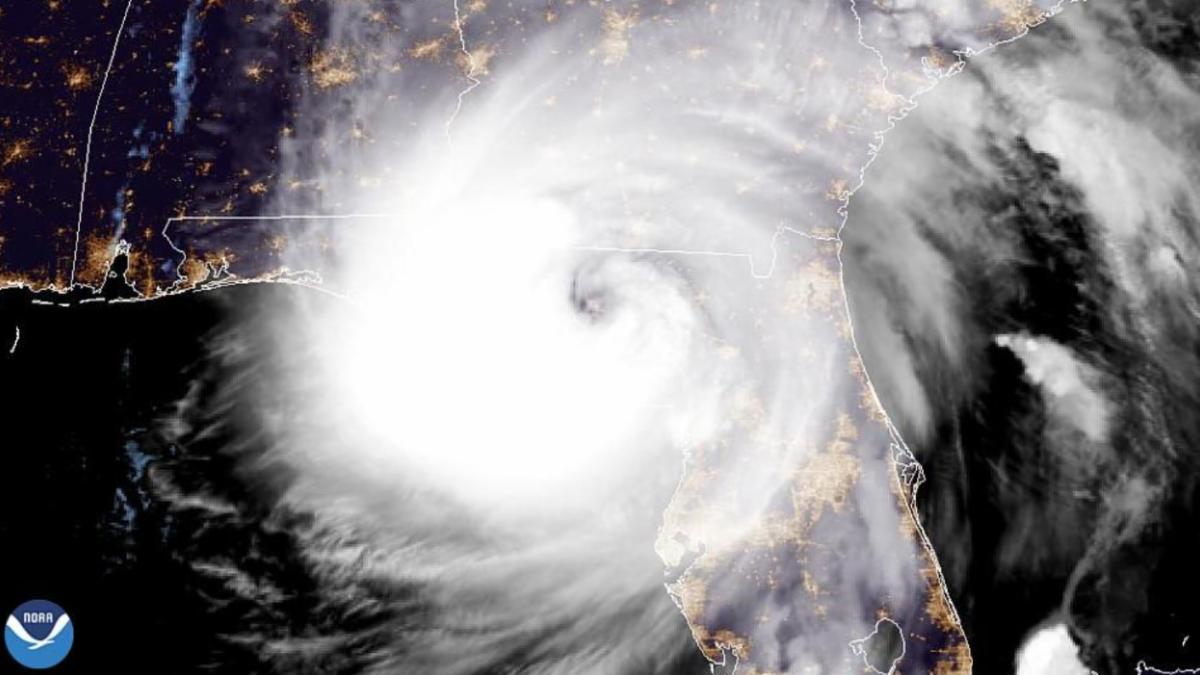
We want to begin this month’s newsletter by expressing our heartfelt thoughts for everyone impacted by Hurricane Helene. In times like these, communities come together to show their resilience and strength, but the devastation can be overwhelming. We continue to hope for everyone's safety, swift recovery, and that support reaches those in need as quickly as possible. Please take care of yourselves and those around you.
If you're looking for ways to support relief efforts, or are in need yourself, the following links provide opportunities to help those impacted by Hurricane Helene:
| |
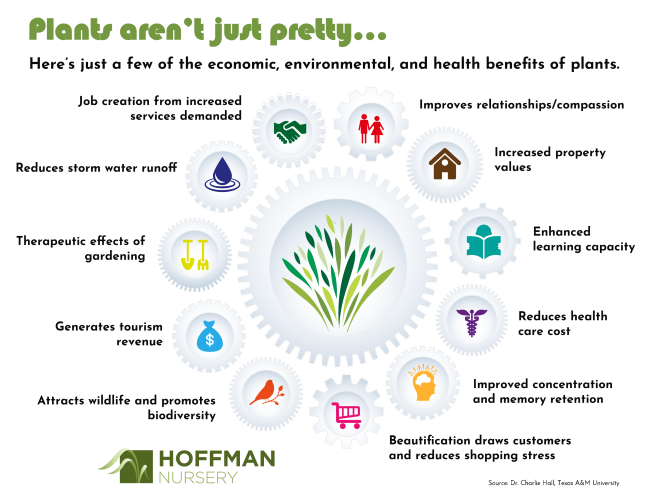
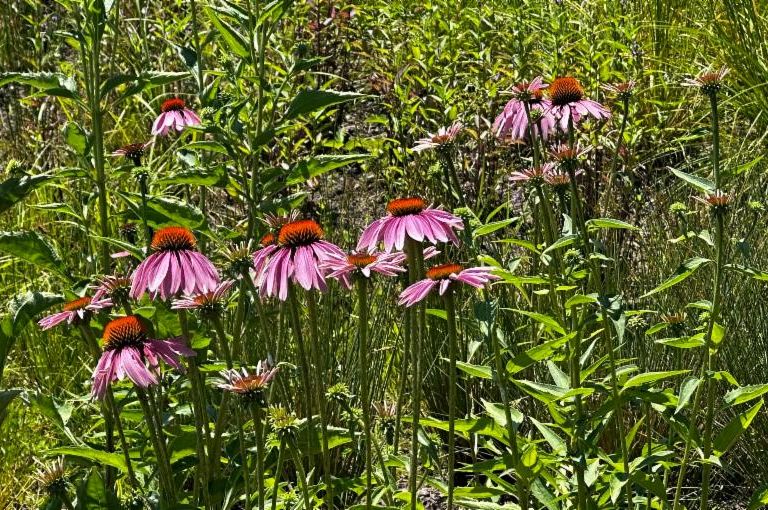
Our blog post from earlier this month highlights the numerous benefits of plants, from their economic impact, such as job creation and boosting property values, to environmental advantages like reducing stormwater runoff and supporting biodiversity. Plants also enhance well-being by reducing stress, improving concentration, and providing therapeutic effects through gardening. We also dive deeper into the value of sedges, ornamental grasses, and native perennials. | | | |
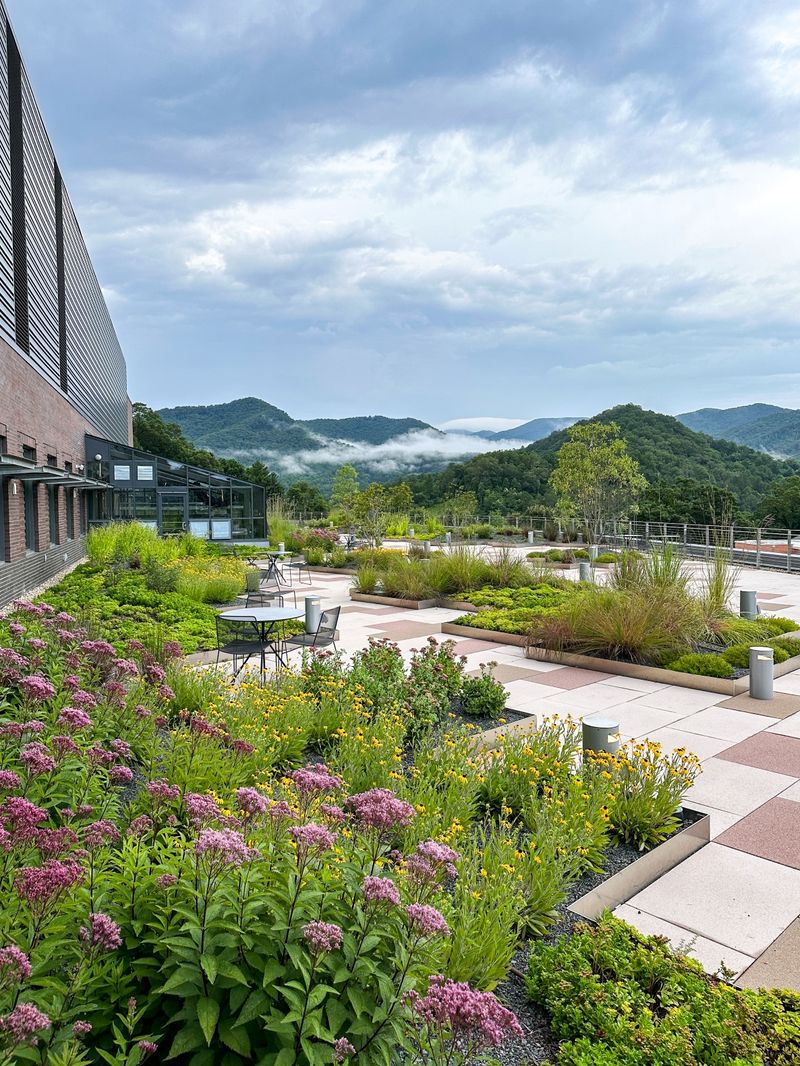
In our latest blog post, we dive into the benefits of green roofs and how grasses and native perennials are ideal for these projects. We talk about their ability to manage stormwater, support biodiversity, and enhance human well-being. We also share insights from experts on how to use grasses and perennials for year-round interest and reduced maintenance on green roofs. | |
| | |
Register for Our Upcoming Webinar | |
Join us for our webinar on November 12th at 10 AM EST, where we’ll explore the art of pairing grasses and sedges with perennials to create vibrant, low-maintenance landscapes. This is a free event and open to anyone in the horticulture, nursery, green infrastructure, and landscaping communities. Learn more and register here. | |
Intrinsic Perennial Gardens' 10th Annual Ornamental Grasses Day | |
At the 10th Annual Ornamental Grasses Day, we spent time exploring new trends and varieties of grasses with experts, who shared practical insights on how to incorporate them into various landscapes. There was a big focus on sustainable gardening, with lots of discussion around using ornamental grasses in rain gardens and meadows. We had opportunities to view demonstrations, engage in discussions, and network with fellow horticulture enthusiasts and professionals, all while exploring the beauty and versatility of ornamental grasses. | John Hoffman, Piet Oudolf, and Cassian Schmidt at the 10th Annual Ornamental Grasses Day | |
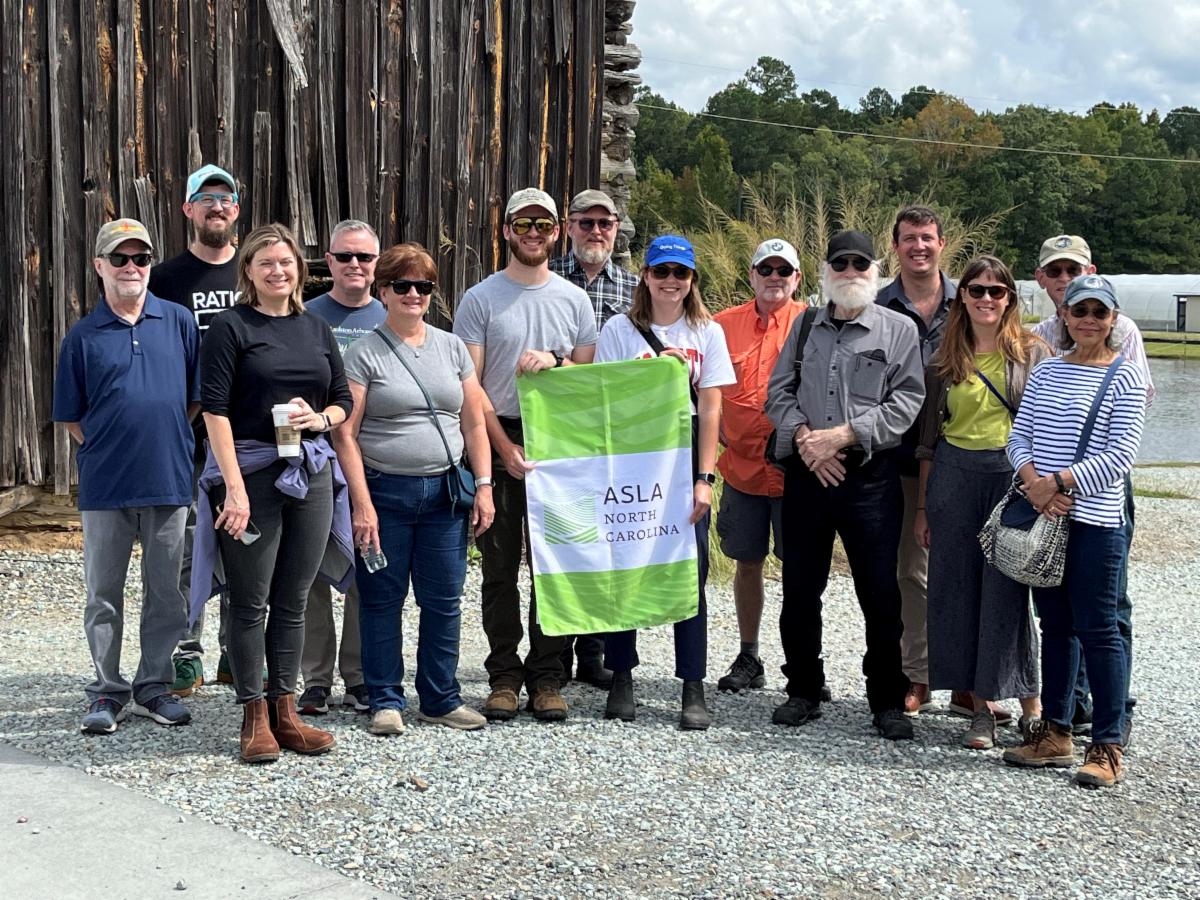
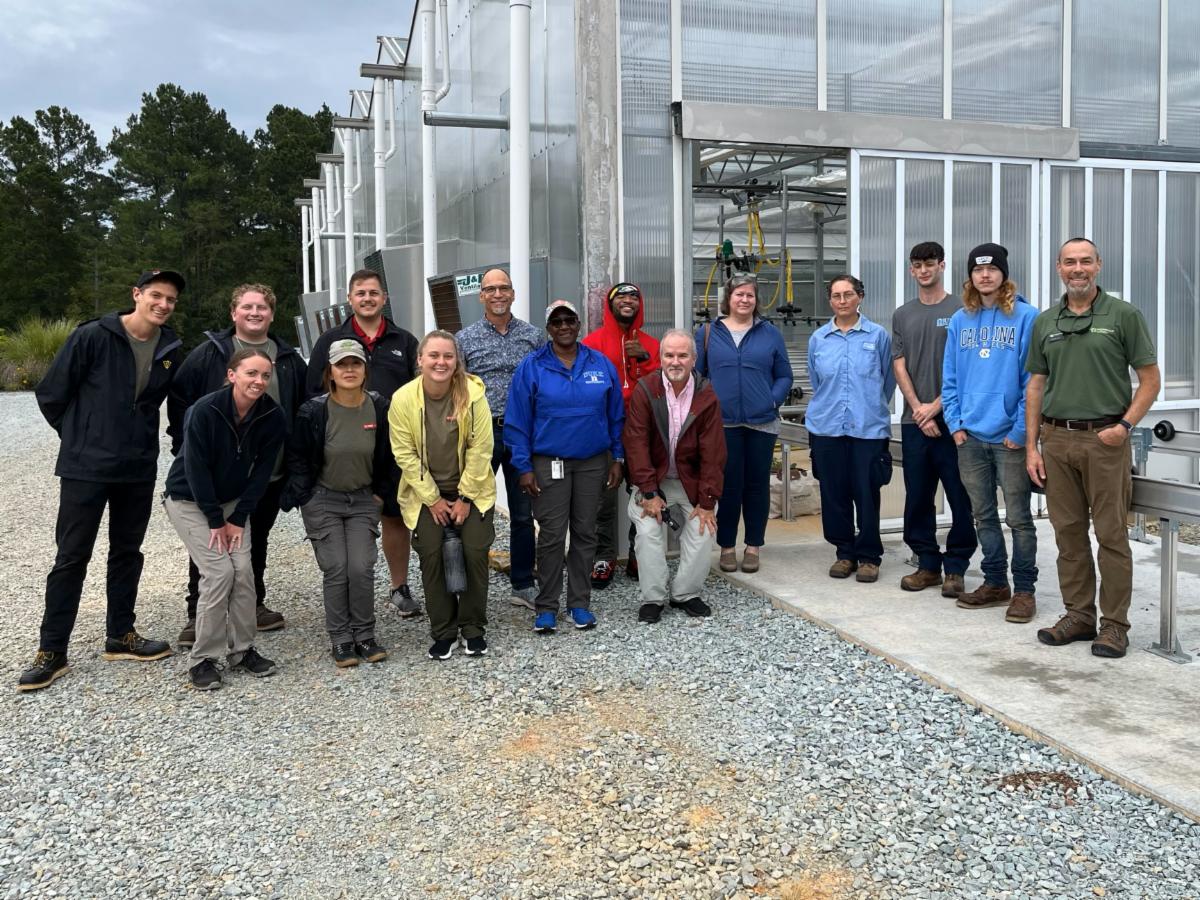
This past month, we had the pleasure of hosting several tours at the nursery, welcoming groups from NC ASLA and NC State, Duke, and UNC's grounds departments. It was a great time showing everyone around, with stops in our production, growing, and propagation departments. We also gave them a look at our gardens and the green infrastructure measures we’ve implemented at the nursery. It was a fantastic opportunity to share our work and connect with professionals in the field. | |
Eastern Native Grassland Symposium | |
|
The 2024 Eastern Native Grassland Symposium brought together experts, researchers, and land managers to discuss the latest in grassland conservation and restoration across the eastern U.S. Over several days, we explored topics like seed sourcing, restoration techniques, and the role of native grasses in soil health, biodiversity, and climate resilience.
Keynote speakers Larry Weaner, Doug Tallamy, and Dwayne Estes emphasized the ecological and economic benefits of native grasslands, while workshops and field tours provided practical insights for land managers. The event highlighted the growing importance of grasslands in conservation efforts and fostered collaboration among participants to advance these practices across the region.
| |
|
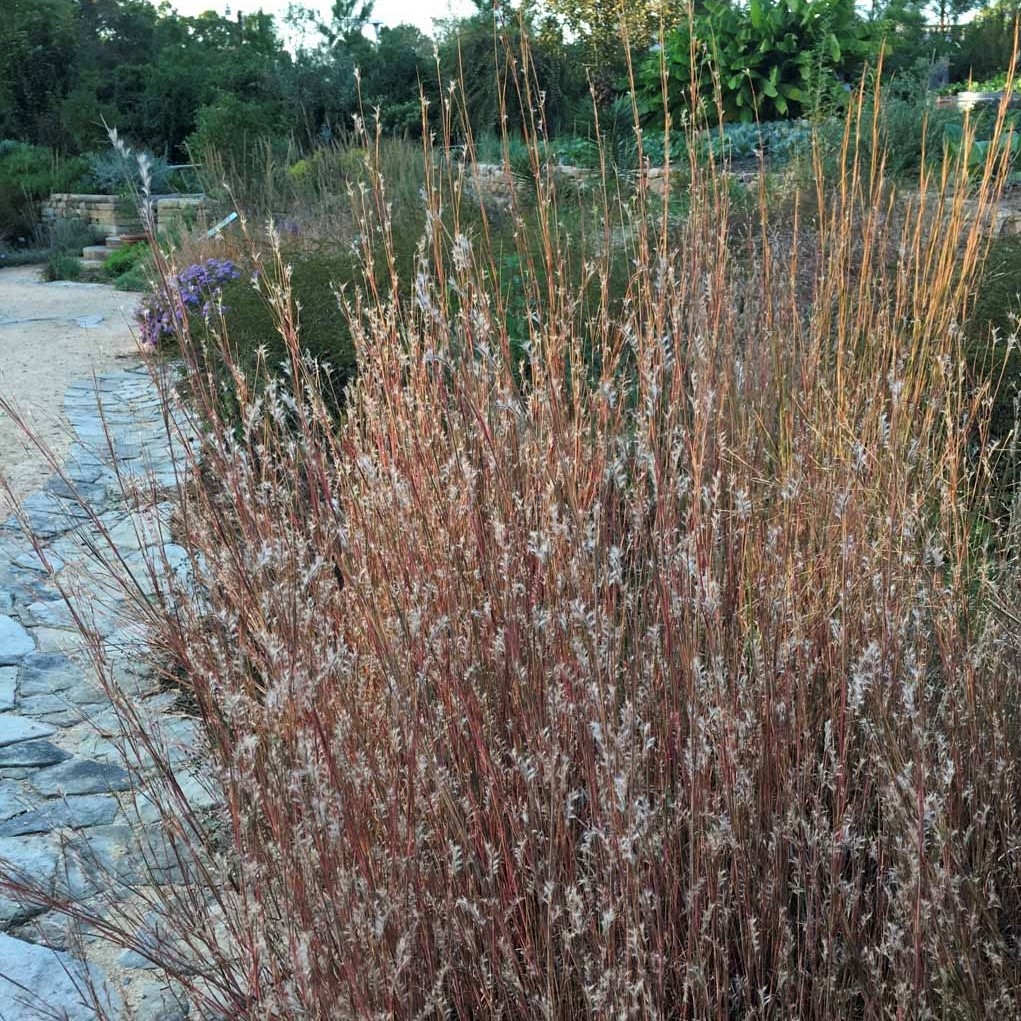
Schizachyrium scoparium
'Prairie Blue'
| Schizachyrium scoparium 'Prairie Blues' is a cultivar of little bluestem, known for its striking blue-gray foliage that turns to shades of red, orange, and purple in the fall. It's a hardy, drought-tolerant grass ideal for prairie plantings, meadows, and low-maintenance landscapes. It's also a favorite for attracting wildlife like birds and pollinators. | | | |
|
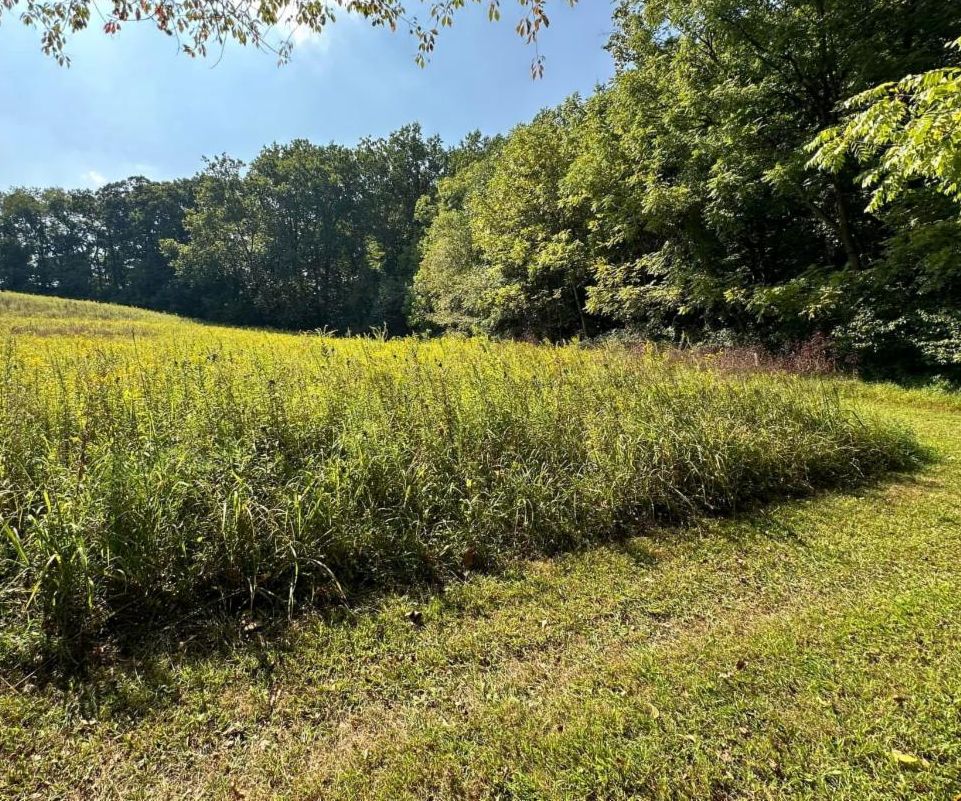
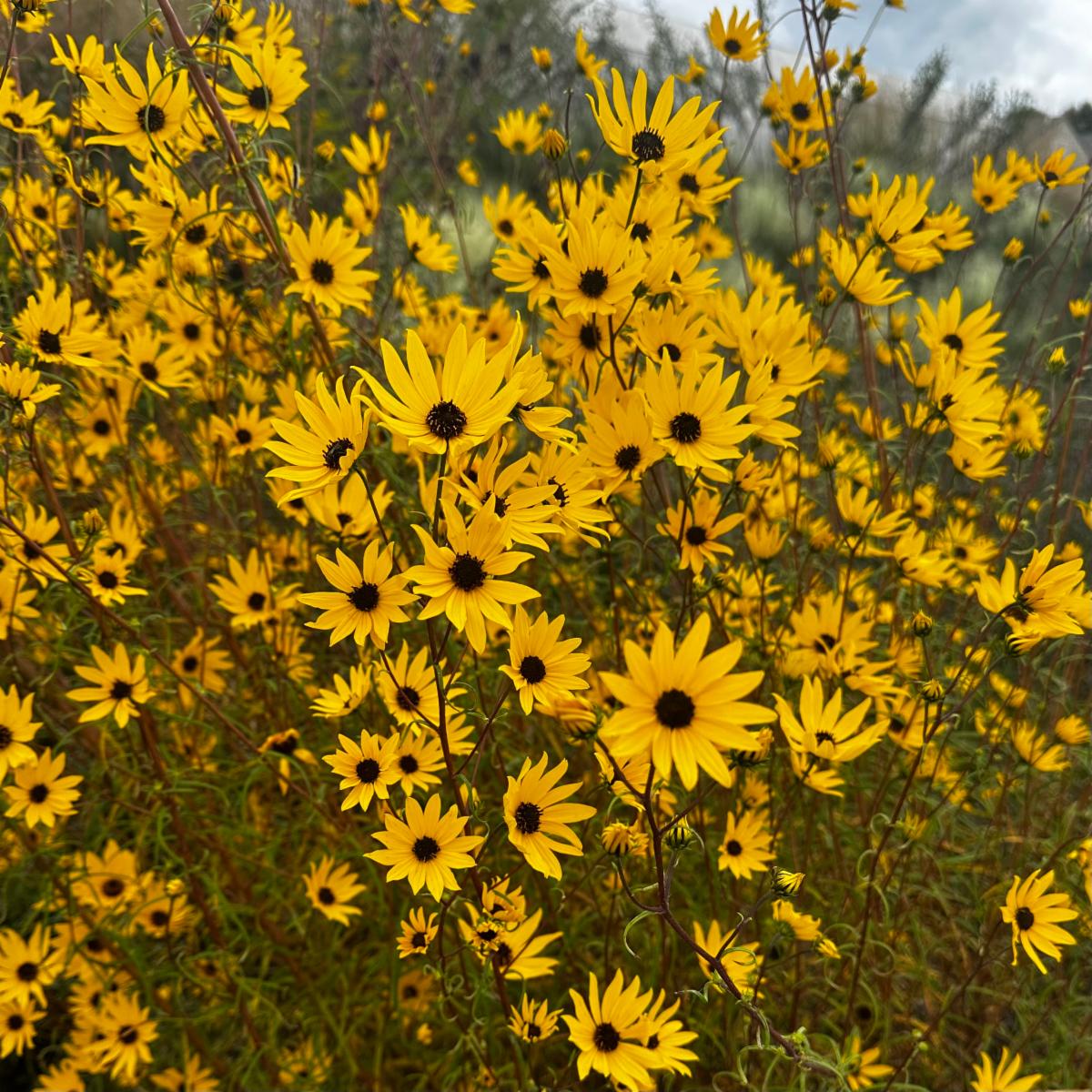
Helianthus angustifolius
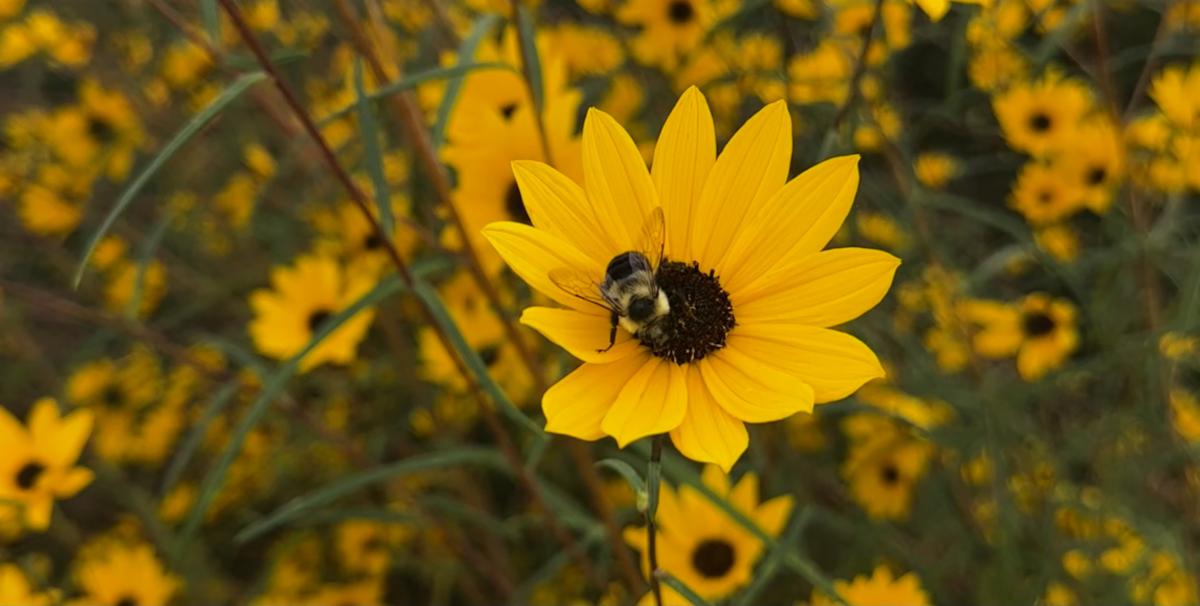
| Helianthus angustifolius, commonly known as swamp sunflower, is a tall, native perennial with narrow leaves and bright yellow blooms in late summer to fall. It thrives in moist soils but is adaptable to various conditions, making it great for rain gardens or naturalized areas. Its cheerful flowers attract pollinators and add vibrant color to the landscape. | | | |
Green Infrastructure & Nature-Based Solutions | |
Green Roofs Provide Coverage from New York to the Caribbean | |
This article from the USDA highlights the benefits of green roofs, particularly on Forest Service buildings from New York to the Caribbean. These roofs help reduce stormwater runoff, provide insulation, and improve urban biodiversity. By incorporating native and drought-tolerant plants, green roofs offer environmental advantages while also creating habitat for wildlife. The article emphasizes the Forest Service’s commitment to sustainability through these innovative, eco-friendly solutions.
| | | |
En-shoring a Better Future for Coastal Ecosystems and Communities | |
This episode of The Climate Conversation podcast, "Shoring a Better Future for Coastal Ecosystems and Communities" explores how natural infrastructure, such as wetlands and mangroves, can help protect coastal ecosystems and communities from climate-related threats like rising sea levels and extreme weather. Daniel Hayden, president and CEO of Restore America's Estuaries discusses the importance of restoration efforts, policy changes, and the role of communities in sustaining these vital ecosystems.
| | | |
World's Hottest Cities lack Cooling Green Spaces | A recent study highlighted by SciDev.net reveals that the world’s hottest cities, particularly in low-income regions, often lack sufficient cooling green spaces like parks and tree-lined streets. This absence exacerbates heat stress and worsens living conditions for urban populations. The study emphasizes the importance of increasing urban greenery to mitigate the impacts of rising global temperatures and create healthier, more resilient cities. | | | |
Baltimore is Investing in Wetlands Restoration, A Climate Line of Defense | This piece from Inside Climate News discusses a wetlands restoration project in Baltimore aimed at enhancing climate resiliency. The restoration helps protect against rising sea levels and storm surges, while also improving water quality and providing habitats for wildlife. Local communities benefit from the green spaces created, which offer flood protection and recreational opportunities. This project is part of broader efforts to use natural infrastructure to address climate challenges. | | | |
How to Use the Science of Plant Survival Strategies for a Healthier Garden | This article from Fine Gardening and Jared Barnes explains how understanding plant survival strategies, such as drought tolerance and pest resistance, can lead to a healthier garden. He covers techniques like choosing native plants, mimicking natural ecosystems, and utilizing proper soil care to enhance plant resilience. By aligning with plants' natural abilities, gardeners can reduce maintenance, conserve water, and create a more sustainable, thriving garden. | | | |
Native Landscapes Can Be Hard to Plant. But Help Is Here. | This New York Times piece explores the growing popularity of wild and naturalistic landscape designs, which prioritize biodiversity and sustainability over traditional manicured lawns. It highlights the nonprofit group Wild Ones' free library of landscape designs that are tailored to specific regions and accessible to anyone. This resource helps homeowners and professionals alike to create eco-friendly landscapes with native plants that benefit local ecosystems while requiring less maintenance. | | | |
The 25 Best Plants to Grow in Shallow Soil | This post from House Digest highlights the best plants for gardens with shallow soil. It suggests options like Coreopsis, Echinacea, and Schizachyrium scoparium, which are resilient, low-maintenance, and capable of growing in rocky or shallow environments. These plants offer beauty and practicality for gardeners dealing with less-than-ideal soil conditions. | | | |
Choose Cherokee Sedge for a Spot in Your Sustainable Garden and Lawn | This article from Morning Ag Clips highlights Cherokee sedge (Carex cherokeensis) as a great choice for sustainable gardens and lawns. This native sedge is low-maintenance, drought-tolerant, and adaptable to various soil conditions. It works well as a ground cover, helps control erosion, and supports local wildlife. Its versatility makes it an eco-friendly alternative to traditional turf grasses. | | | |
How to Add Texture and Movement to Your Garden with Ornamental Grasses | |
On this episode of the Gardening Tips podcast, Jacob Burns from the Chicago Botanic Garden shares insights on using grasses to add texture and movement to your garden. Plants like sedges, switchgrass, and other ornamental grass varieties bring dynamic motion and visual appeal year-round. By layering plants with different textures, you can create a more engaging and lively garden space.
| | | |
Fall Cleanup in the Garden Doesn't Mean what it Used To | This article from AP News discusses how many gardeners are rethinking fall cleanup by postponing major tasks until spring. This shift allows garden debris, like leaves and plant material, to provide habitat for wildlife over winter, benefiting pollinators and beneficial insects. It suggests a more natural approach to garden maintenance, leaving some cleanup for spring to promote a healthier ecosystem. | | | |
Assessing Hurricane Helene’s Effects on the Horticulture Industry | |
This Greenhouse Grower article discusses the impact of Hurricane Helene on the horticulture industry, focusing on damages to crops, nurseries, and infrastructure. It highlights the challenges growers face in recovering from such events, including supply chain disruptions and financial losses. The article also covers how the industry is seeking support and guidance to rebuild, while looking into long-term strategies for improving resilience against future storms. | |
Take Your Pick from these Disease-Resistant Varieties | |
This piece from Greenhouse Grower highlights several disease-resistant plant varieties, offering growers options that can reduce the need for chemical treatments. These varieties are bred to resist common plant diseases, improving crop health and yields. The article covers a range of crops and provides suggestions for growers looking to increase sustainability and efficiency in their operations. | |
Growing In The Green Industry | |
|
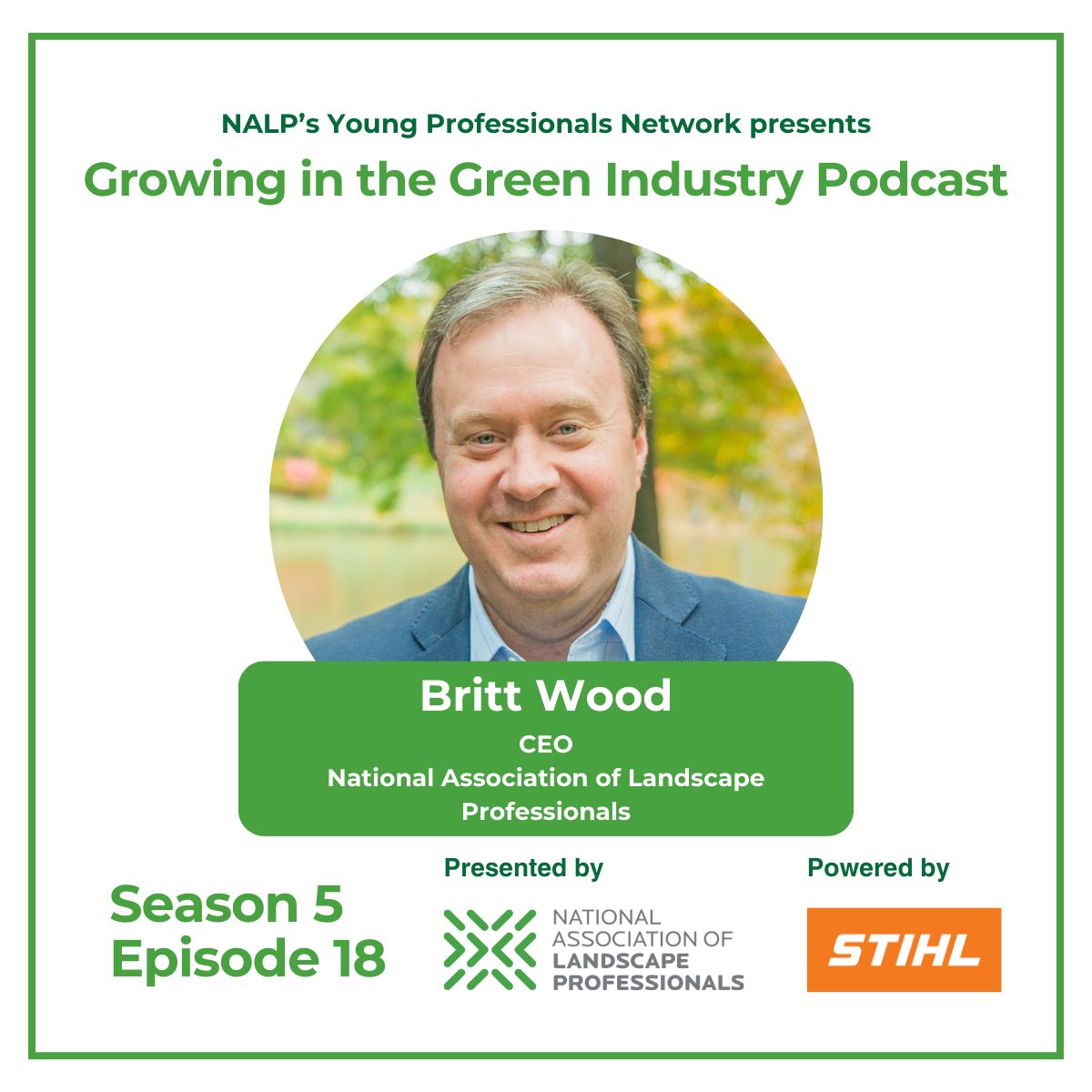
In this episode of Growing in the Green Industry, Britt Wood, CEO of the National Association of Landscape Professionals, joins the show to discuss the landscape industry's unique ability to network and share knowledge. He highlights the benefits of attending educational events like ELEVATE and introduces the new Executive Leadership Program in partnership with the University of Virginia's Darden School of Business. Hosts Brett Lemcke and Skyler Westergard, along with Britt, emphasize the importance of relationship-building and the energizing impact of these events.
| |
Garden Media Group Releases 2025 Garden Trends Report | The article from Nursery Management discusses the 2025 Garden Media Group Trends Report, which highlights emerging trends in the horticulture industry. The report's theme, "Nature's Renaissance," highlights the movement to reintegrate natural elements into our lives, landscapes and cities. Key trends include a focus on climate-friendly gardening practices, the rise of tech-integrated gardening, and an increasing interest in sustainable and regenerative landscape designs. | | | Green Career Week is Here to Empower Future Horticulture Innovators | |
This article from Greenhouse Grower highlights Green Career Week, an initiative aimed at inspiring and empowering the next generation of horticulture professionals. The event connects students with industry experts, offering opportunities for hands-on learning and insight into various career paths in horticulture. It emphasizes the importance of fostering innovation and sustainability in the field while addressing workforce development needs. | |
|
Download Availability & Order Form
Prices for liners, number of liners currently in stock, and future availability are listed in PDF and Excel files. You may also use these as order forms. Need details on what the numbers mean? Learn more here.
| | | | |