|
Capital One hired executive coaches to work with a number of senior leaders. During one of our sessions, my coach introduced a phrase I had never heard before, the Third Age. She described life as unfolding in chapters. The First Age is about becoming. We grow up as someone's son or daughter. We learn, explore, and begin discovering who we are. The Second Age is about responsibility. Careers. Marriage. Children. Mortgages. Deadlines. We wear the roles life asks us to wear, often several at once. None of those roles are accidental. They matter. They shape us. They deserve our best.
Then she asked a question that stayed with me long after our coaching sessions ended. "What do you want your Third Age to be?"
At first I assumed she was asking what I wanted to do after retirement. Travel? Volunteer? Learn to play golf?
She stopped me. "No," she said. "That's not what I'm asking." She had spent time talking with the people I worked for and the people who worked for me. She had watched how I led meetings, solved problems, and interacted with others.
"You're a teacher," she said. I remember thinking she had the wrong person. She wasn't talking about my profession. She was talking about who I was.
I was not convinced. Then something curious happened. She had given that part of me a name. I started seeing it everywhere. I found that the most satisfying part of my work was watching someone else grow into a role they didn't think they were ready for.
I left my last corporate position in 2007. I didn't spend much time wondering what came next. Without consciously planning it, I found myself teaching graduate students at George Washington University. In Jackson Hole, I taught algebra at the community college. I continued coaching promising executives. I mentored young entrepreneurs through a program in Jackson Hole.
The settings kept changing. The teaching thread didn't. Only later did I understand that my coach hadn't predicted my future. Every now and then someone sees us more clearly than we see ourselves. They notice threads running through our lives before we have ever stopped to look for them.
The great privilege of the Third Age is finally having the freedom to choose where to put my time. I could teach because I wanted to. Travel because I wanted to. Take photographs, write, volunteer. Help build something I believed mattered. Spend time with people I cared about.
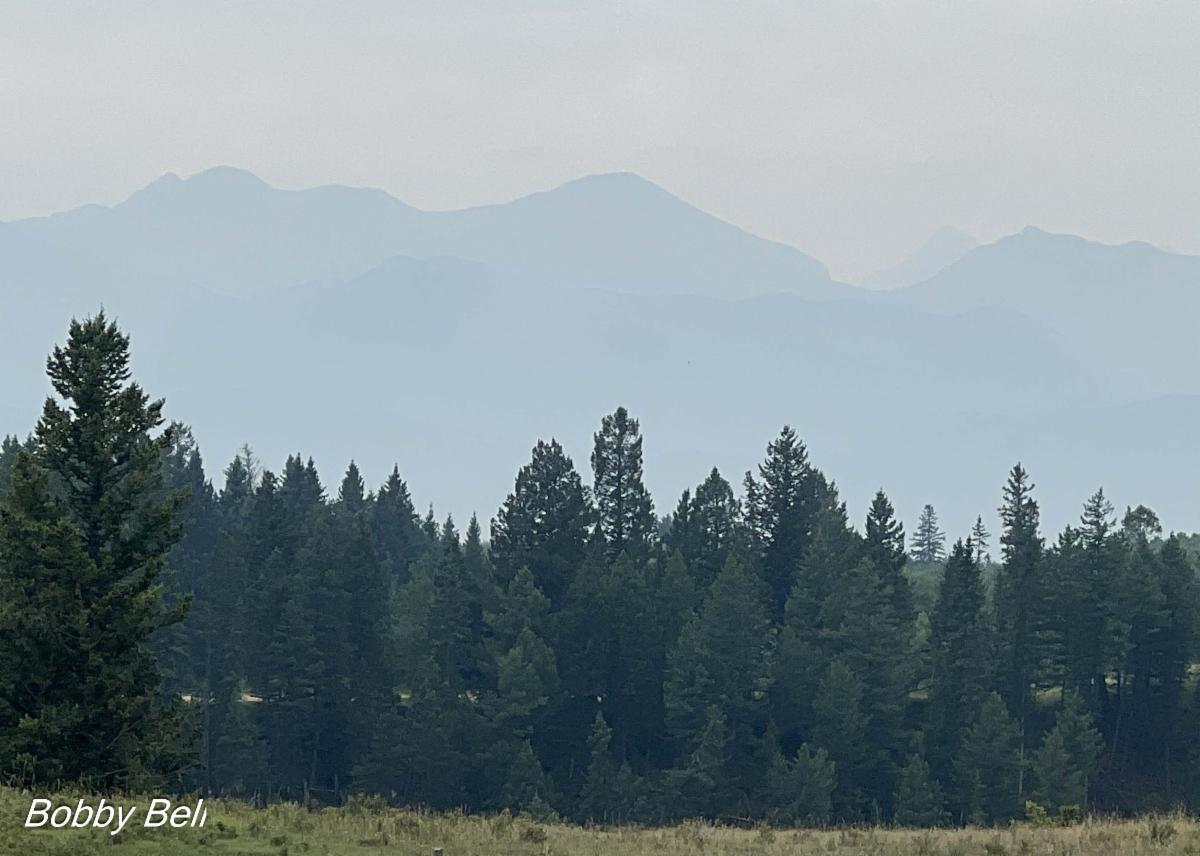
I still believe that, but sitting in Canada with smoke obscuring the mountains, very little wildlife to photograph, and no particular task that needed my attention, I began to wonder if I had turned the Third Age into another job.
Not a job with a title or a paycheck. No one is assigning work to me. It’s something subtler than that. I need to make the days count. To accomplish something. Learn something. Photograph something. Write something. Help someone. Finish something.
I have spent most of my life believing that time should be used well. I don't think there is anything wrong with that. But perhaps somewhere along the way I began confusing a meaningful life with a productive one.
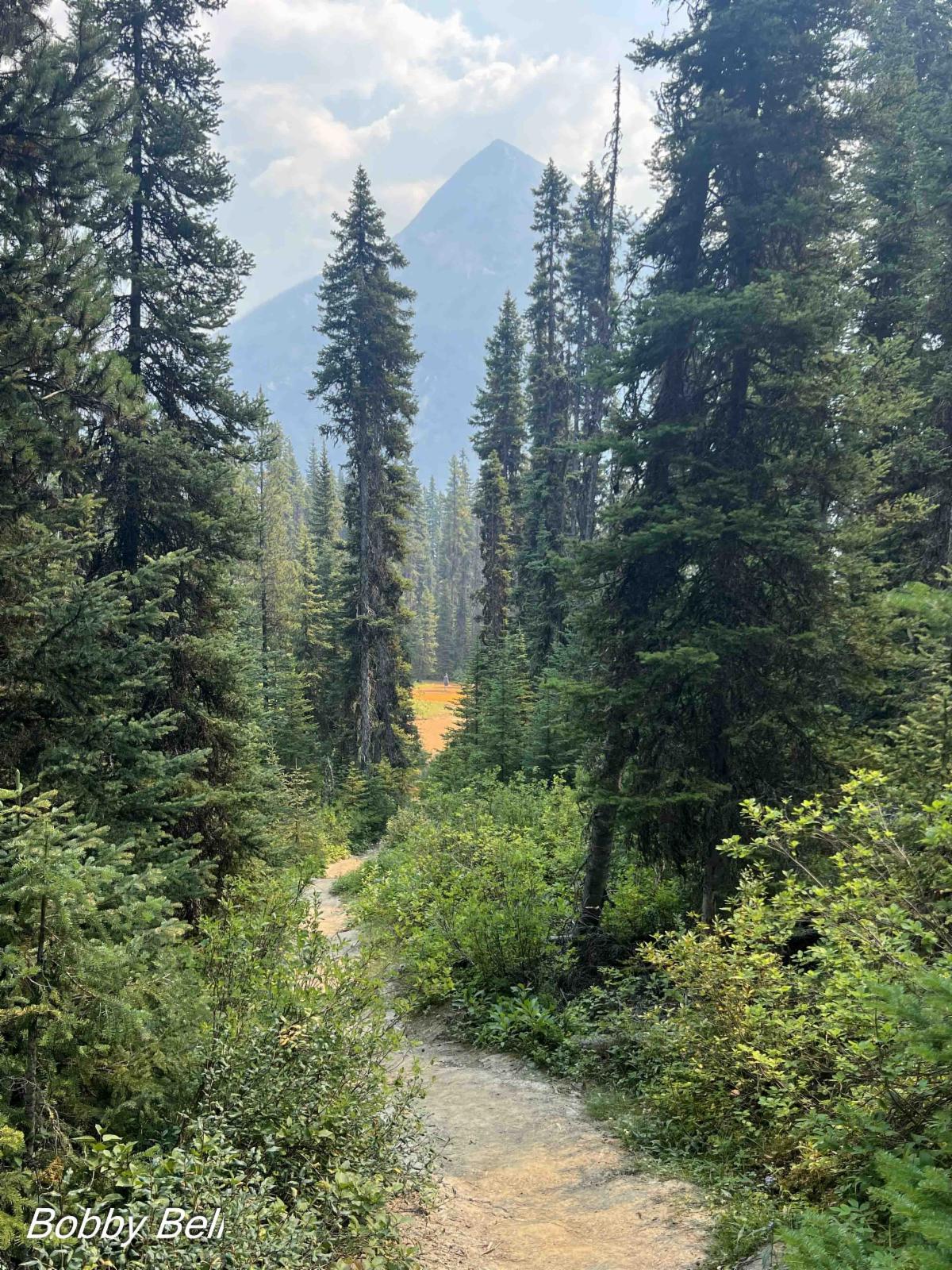
Canada did not cooperate with my plans. The mountains were still there, but for much of the trip I couldn't really see them. The wildlife was still there too, somewhere beyond the smoke and trees. The photographs I imagined may have been there as well. Conditions simply didn't allow me to make them.
None of that meant the trip had failed. I knew that intellectually. I was less certain I knew it emotionally. Maybe there are other questions hidden inside the idea of the Third Age.
Who are we when nobody needs anything from us?
Who are we when there is no project to finish, no student to teach, no organization to help, no photograph to make?
Can a day still matter when we have very little to show for it?
I don't have particularly elegant answers. I am probably not about to become someone who spends his afternoons contentedly doing nothing. I suspect I will continue filling calendars, planning trips, chasing photographs, writing essays and finding projects that seem worth doing. Perhaps I can get a little better at allowing an empty day to simply be an empty day.
|