Product Design | Audio Electronics | Acoustics | DIY | Audio Innovations
|
|
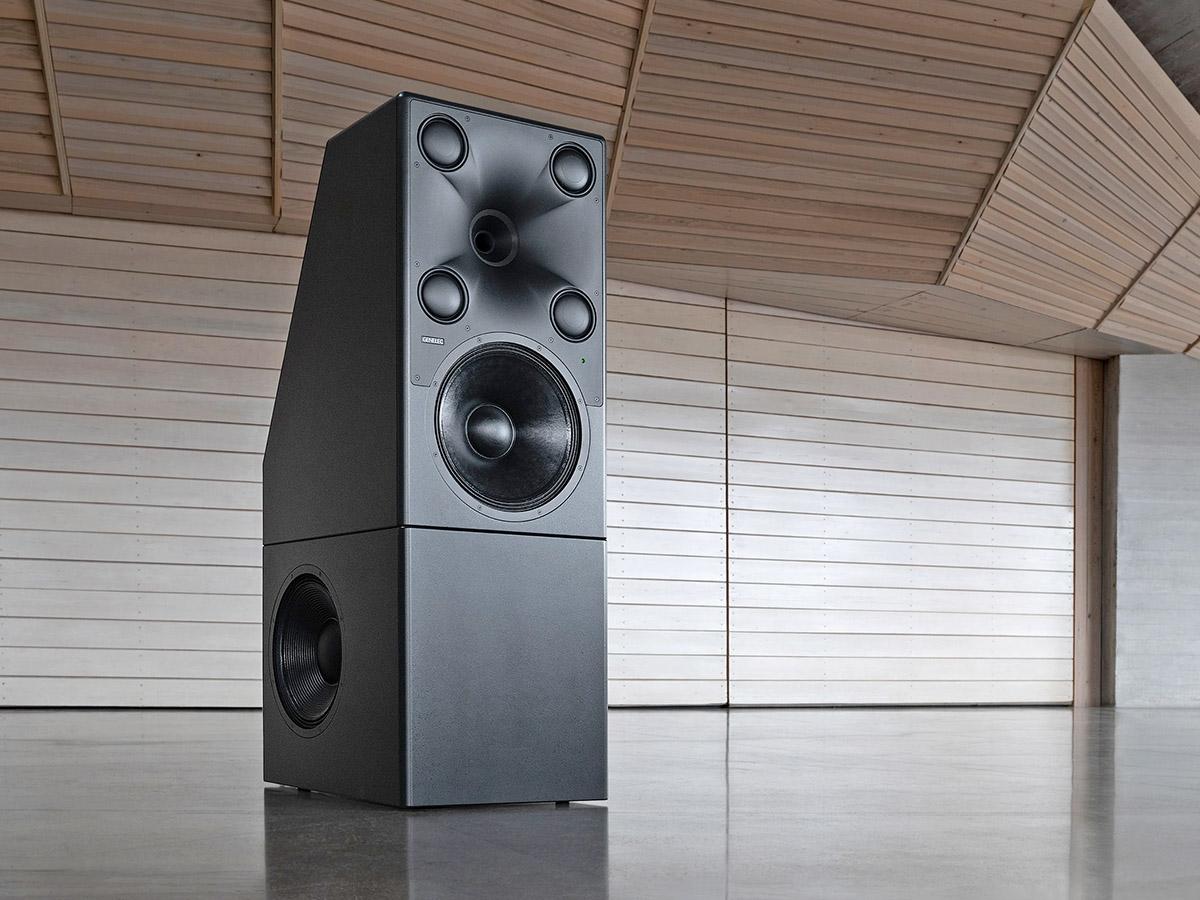
Genelec Introduces Large Size 8381A Point Source Main Monitor |
As part of its 45th anniversary year, Genelec has unveiled the 8381A Smart Active Monitoring system, a flagship floor-standing Adaptive Point Source design. According to the company, the large 8381A monitor fuses "exceptional precision and envelopment with unrivaled LF control, huge headroom and high-resolution imaging." Designed for high-end music recording, mastering, and audiophile listening, the 8381A creates a free-standing full-range monitoring solution that can intelligently adapt to any acoustic environment. Read More
|
|
|
|
|
USound Improves Performance of MEMS Speaker-Based Audio Systems with New Active Linearization Algorithm (ALA) |
USound announced the availability of Active Linearization Algorithm (ALA), a new signal processing tool that helps reduce the total harmonic distortion (THD) of MEMS speakers. According to the Austrian company, the new software tool sets new standards in the development of over-the-counter (OTC) hearing aids and true wireless stereo (TWS) headphones and was developed to assist audio systems developers in their efforts to improve the THD performance of MEMS-based products . Read More
|
|
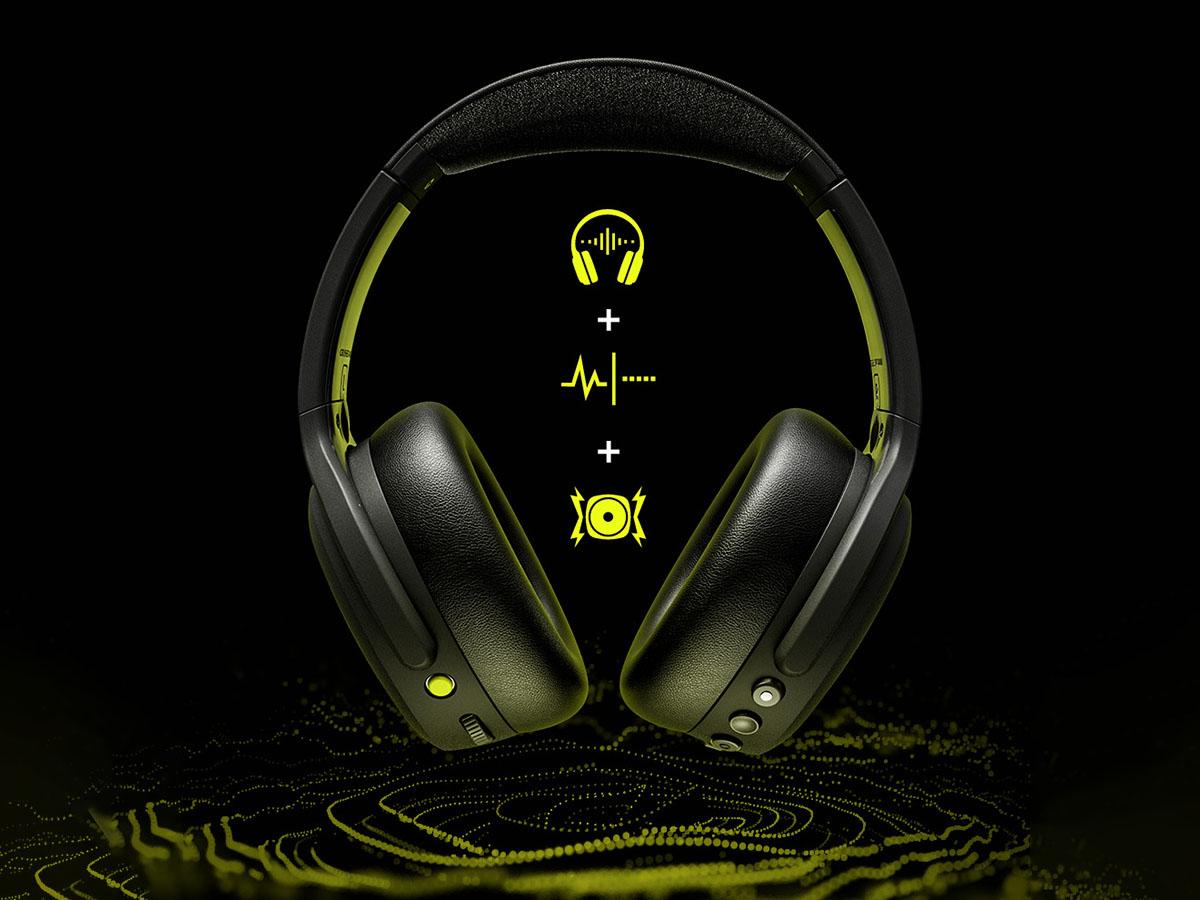
Skullcandy Unveils Crusher ANC 2 Headphones Combining Haptics with Active Noise Canceling |
Skullcandy announced the release of its all-new Crusher ANC 2 Headphones, the newest edition to the haptic bass-thumping Crusher range. The headphones take Skullcandy's patented Adjustable Sensory Bass to the next level with the addition of Active Noise Canceling, upgradable features, hands-free voice control, and more. With up to 60 hours of battery life, rapid charge technology, and customizable EQ modes, the new Skullcandy headphones are ideal for users looking for a next-level immersive audio experience. Read More
|
|
|
|
|
WiSA Technologies Signs Letter of Intent to Acquire 3D Audio Soundbar Pioneer Comhear |
WiSA Technologies has signed a non-binding letter of intent to acquire Comhear, Inc., the pioneer developer of the first 3D Audio Soundbar using adaptive audio technology. The announcement immediately caused a spectacular boost to WiSA Technologies' shares, given the complementary nature of both companies’ technologies and solutions in immersive wireless audio. The transaction is expected to close in the third quarter of 2023 and be accretive in the fourth quarter of 2023. Read More
|
|
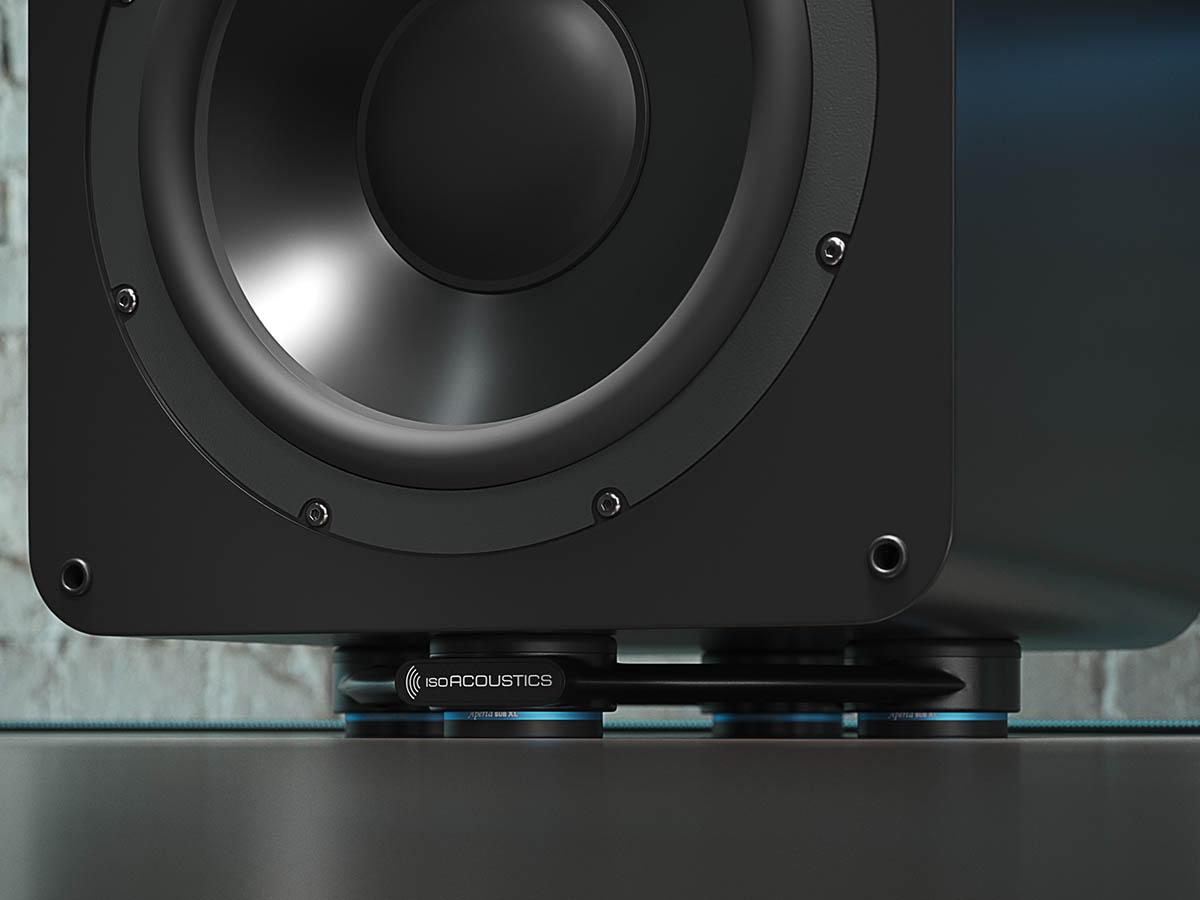
IsoAcoustics Launches Aperta Sub XL Isolator for Large Subwoofers |
Scheduled for presentation at the High End 2023 show in Munich, Germany, the new IsoAcoustics Aperta Sub XL subwoofer isolator expands on the Aperta Sub and makes the patented IsoAcoustics technology available for subwoofers of up to 160 lbs (72.5 kg). The subtle design does not get in the way of the feet on the subwoofer and remains visually subdued while unleashing the speaker’s full potential. Carpet disks for anchoring the subwoofer into carpeted surfaces are included. Read More
|
|
|
|
|
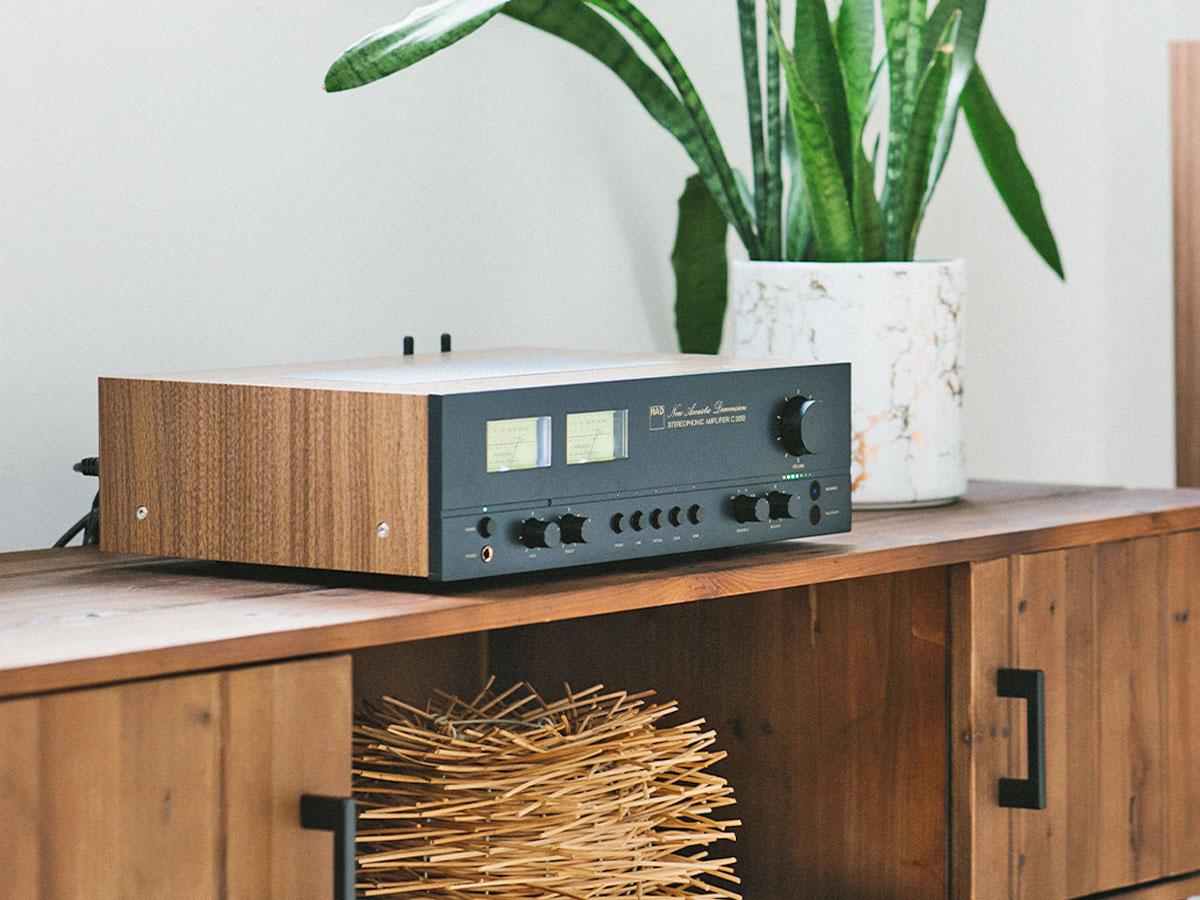
NAD Electronics Launches Retro-Inspired C 3050 Stereophonic Amplifier |
Hi-fi components with wood panels (and VUs) are back! NAD Electronics is the latest audio manufacturer to embark on the retro trend with the C 3050 Stereophonic Amplifier. The classic 1970s hi-fi component will be introduced at the 2023 High End show in Munich, Germany, where demonstration sessions of the C 3050 Stereophonic Amplifier will run in Room D108 in Atrium 3. Retro design elements include front-panel VU meters, push-button input controls, 1970s cursive branding, a walnut-finished vinyl-clad cabinet, and a dark grey front panel. Read More
|
|
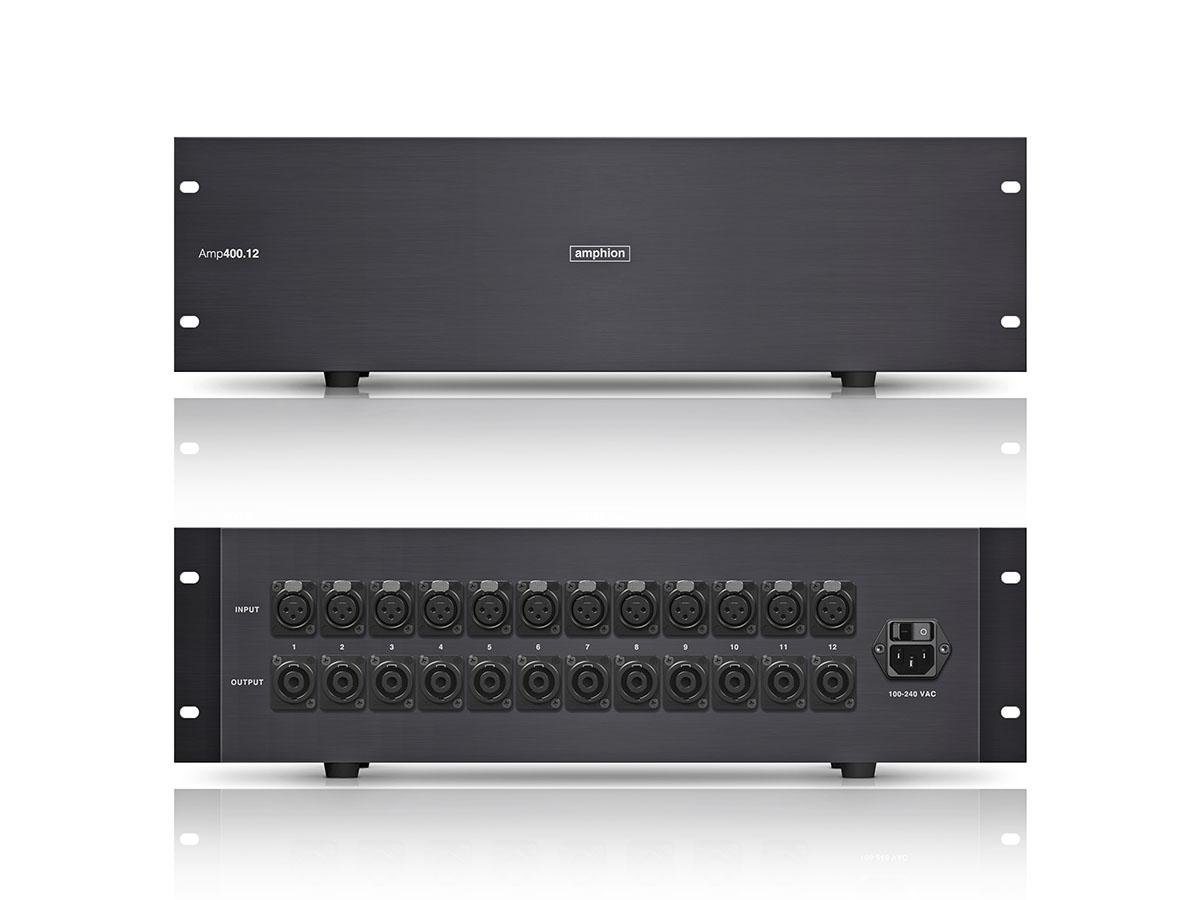
Amphion Offers More Channels for Atmos in New Amp400.12 Multichannel Power Amplifier |
Amphion has announced its new multichannel amplifier the Amp400.12, designed specifically for immersive audio setups. The new product follows the legacy of its predecessor, the Amp400.8, an eight-channel amplifier, which was released in September 2021. The 400.12 joins the series with four additional channels. Now with a total of 12 channels, the Amp400.12 can be used to power an entire 7.1.4 Atmos setup, while still leaving the engineer further flexibility with an extra channel open. Read More
|
|
|
|
|
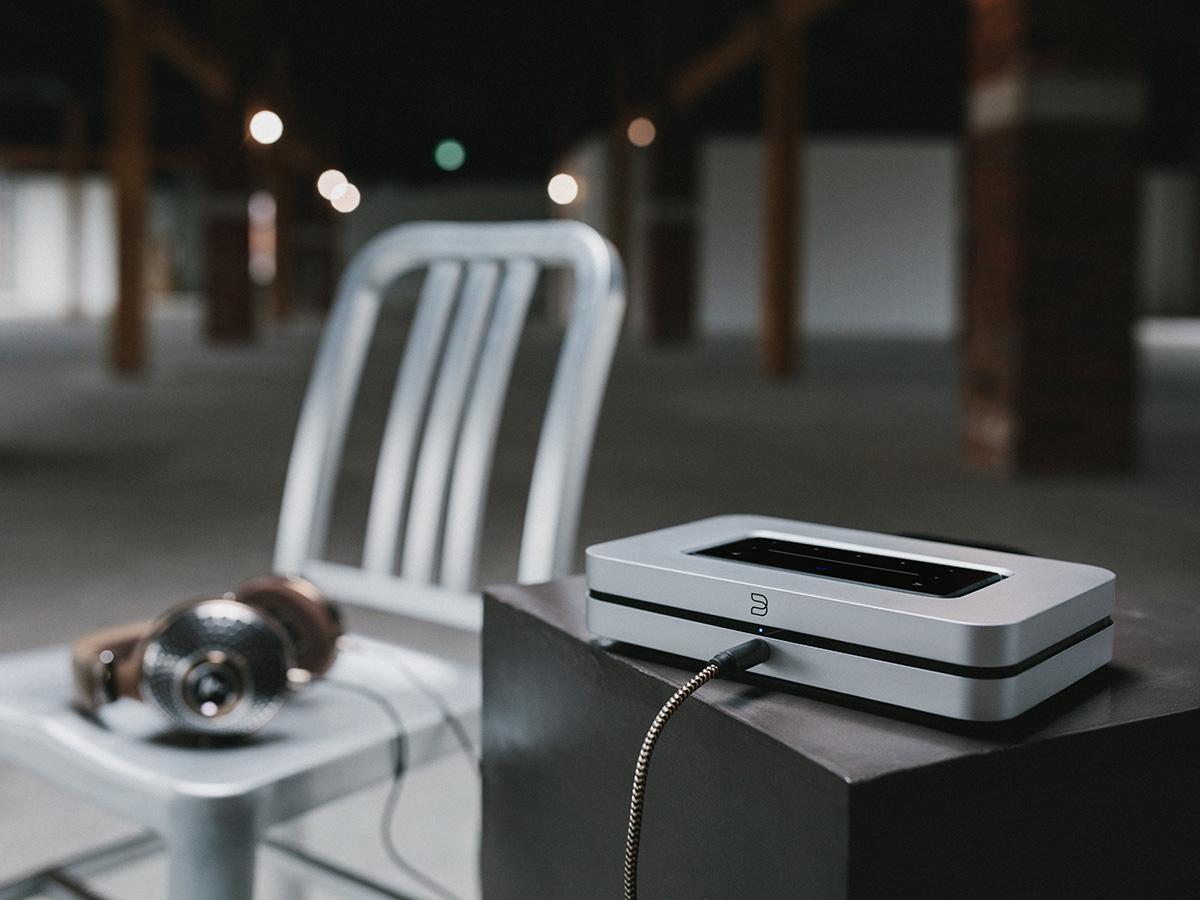
Bluesound Launches NODE X Premium High-Resolution Wireless Multiroom Music Streamer |
Bluesound announced the launch of a special limited-run Anniversary Edition NODE X streamer created in celebration of its 10th anniversary. The NODE X, in a unique silver finish, takes the brand’s iconic NODE hi-res multiroom player and adds the venerable ESS 9028Q2M Sabre DAC, plus a truly high-end headphone amplifier driven by cutting-edge THX AAA (Achromatic Audio Amplifier) technology with patented feed-forward error correction. The NODE X retails at USD $749/EUR €799 and is now available. Read More
|
|
Guest Editorial
Val Salomaki
(Edge Sound Research)
|
Experiential Technology in Vehicles
A Call for Innovation for the Future of Auto Infotainment
|
|
|
The automotive industry has taken a massive swing toward autonomy, redefining what infotainment means for vehicles as we look to the future. Technology that once seemed like a pipe dream is now a virtual reality. A car, at its core, is and will still be a transportation vessel, but experts are exploring ways to transcend this avenue of transportation, elevating the sensory experience for the driver and passenger alike. |
|
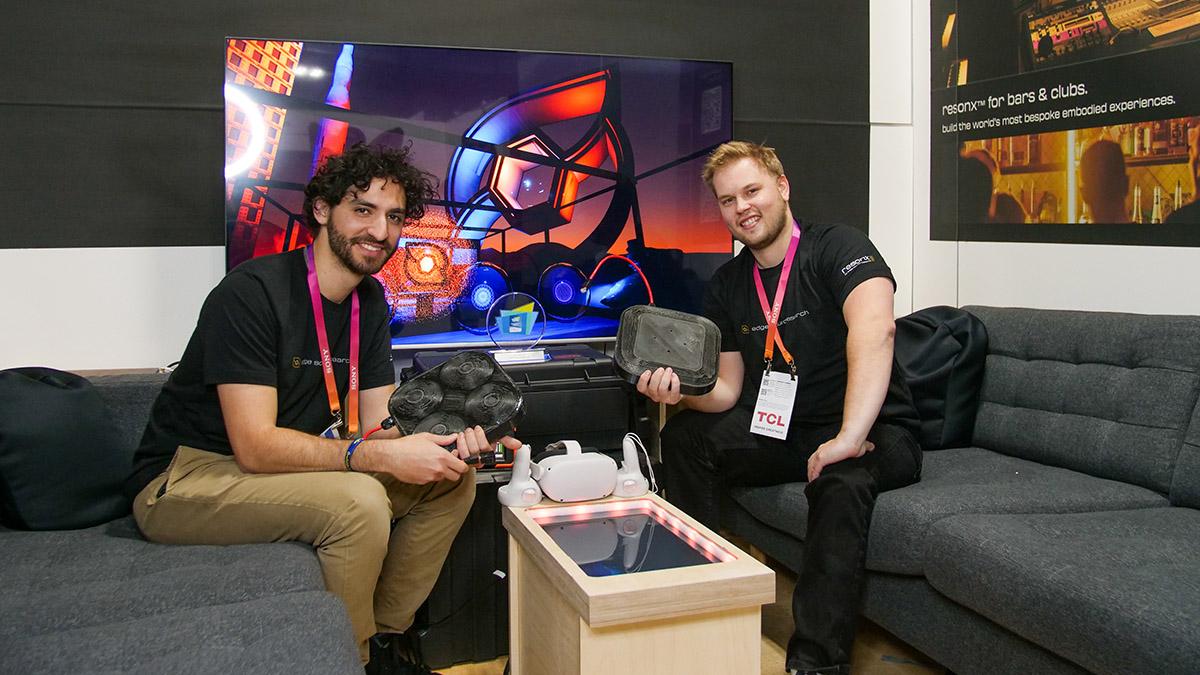
Ethan Castro (left) and Valtteri Salomaki (right), the two co-founders of Edge Sound Research at CES 2023 showcasing how the company's experiential technology (embodied audio) is being deployed through partnerships with professional sports stadiums, concert venues, and autonomous car companies |
|
As new technologies emerge, they have historically and primarily been available to the wealthy. With the release of its iDrive technology in 2002, BMW changed the infotainment game with a touchscreen and dial control, making this a standout feature for luxury vehicles. Fast forward several years and you can find touchscreen displays in nearly every new vehicle on the market – regardless of price point.
But the momentum behind this innovation is only just beginning. Tesla, Panasonic, Toyota, Ferrari, and Faurecia – they are all working with various audio capabilities, all determined to make their products stand out among the rest. The problem is – they’re only focusing on one side of the coin, and with this narrow vision, the future of autonomous vehicles and infotainment will remain one-dimensional and fail to reach its full potential.
The question remains, how can hearing and feeling be combined and equalized so that these senses morph into one holistic experience? Panasonic’s new EV speaker design delivers clean sound directly to passengers’ ears in order to reduce audio fatigue while ensuring an equitable audio experience; Ferrari is attempting to recreate engine noises in its future electric vehicles; and Faurecia is reinventing their seating concept in an effort to drive modulation and sustainability – the result being a slight tactile sensation, but these leave something to be desired for a more expansive and accessible vision for immersive infotainment.
The market is hyper-focused on the stimulus of hearing, augmenting with basic haptics, as opposed to optimizing the experience in a way that stimulates multiple senses on a deeper level. In doing so, this technology only augments an existing feature. Speakers are already succeeding in providing a high-quality, multi-dimensional sound experience, the only additive here being they are invisible.
What if experts were able to combine full-range tactility with the audio experience, ensuring that the cleanliness and fidelity is present and transcends into what you hear? It’s time to think on a larger scale of possibility. If the operator doesn’t have full control over the experience that any person can have in the vehicle, then there’s no unique advantage for any car.
|
|
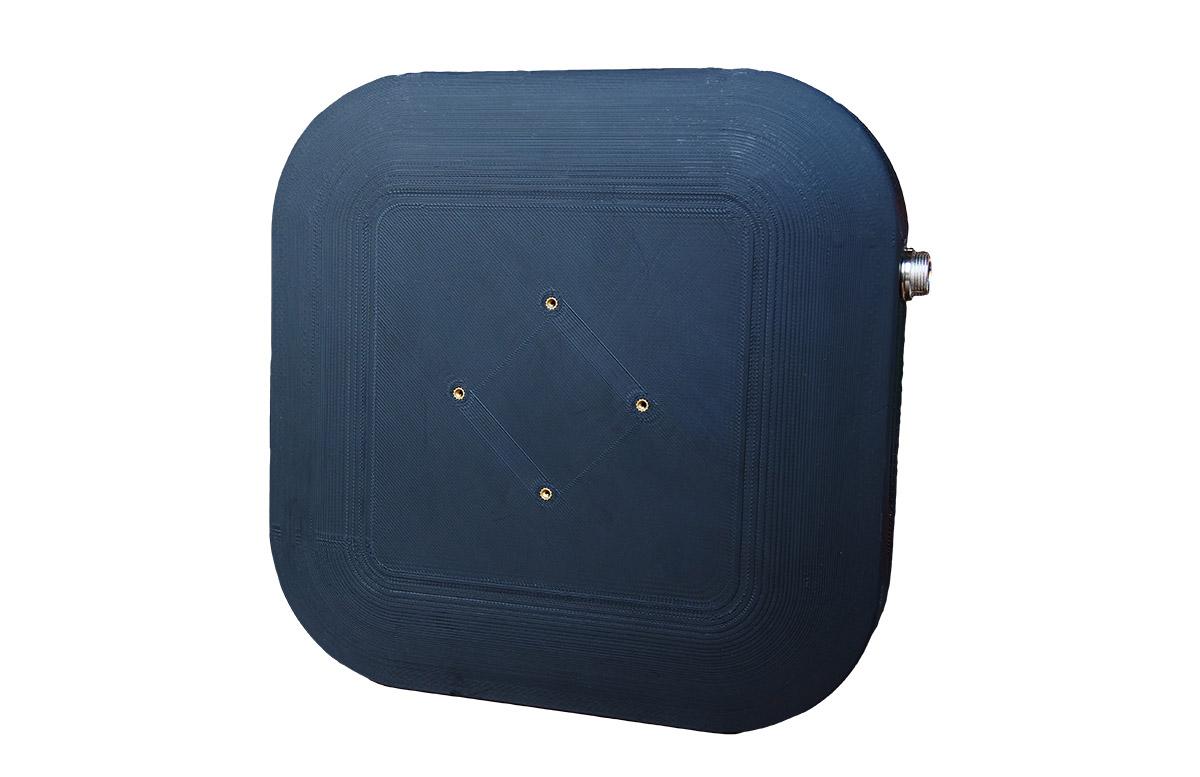
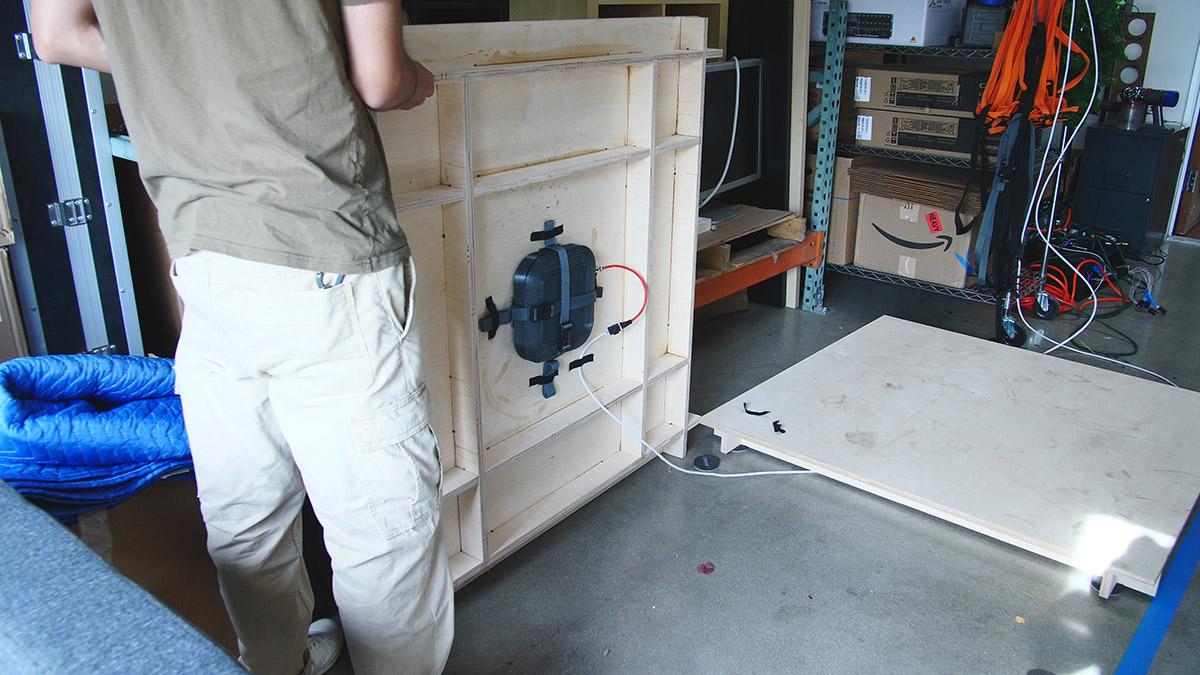
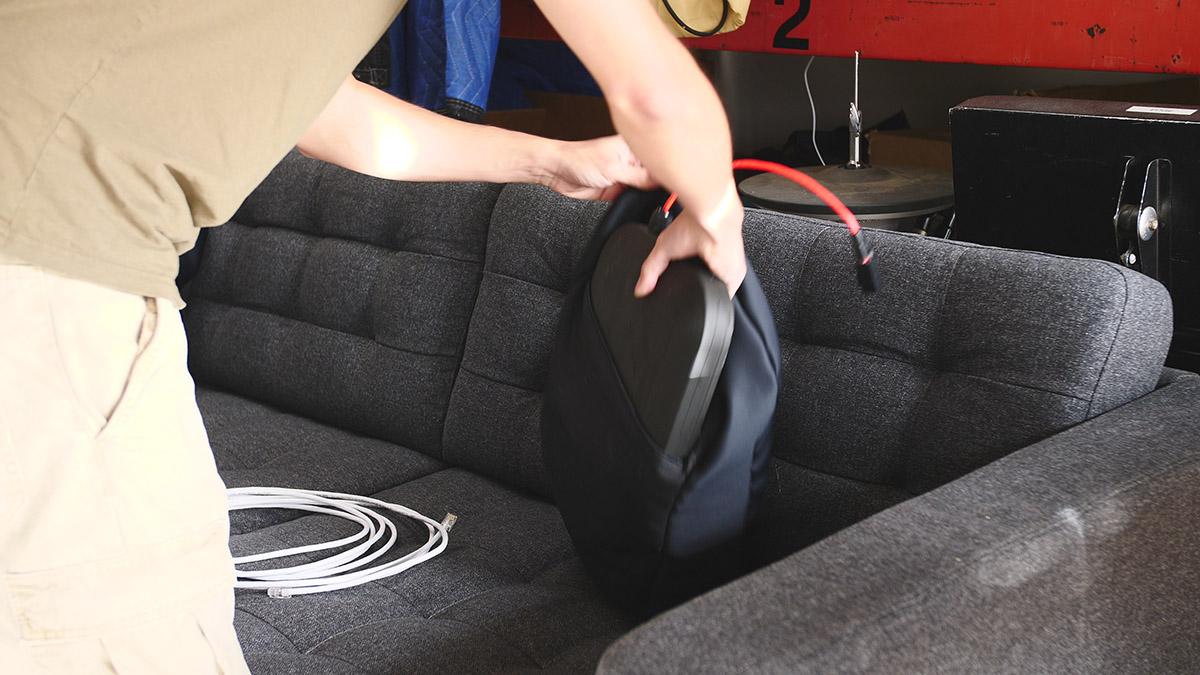
The ResonX device merges pure-tactile audio and hi-fidelity planar speakers, with an emphasis on expanding the perceived tactile bandwidth for the user. The result is a clean and accurate transient response across a broad, tactile frequency range (7Hz to 5kHz) and complementary audible full range (80Hz to 17kHz). |
|
Audio is already a stand out differentiator for auto companies – it’s a huge selling point and thus they want to continue to leverage it this way. A brand’s signature audio experience is part of its identity, yet it still places limitations on what they can do, so the line that separates any one brand from another is very, very thin. This is partially because speaker technology has plateaued. The products themselves are getting smaller, more compact, and occasionally offering better integration and mobility, but the audio quality is not noticeably improving.
So, what could it look like if the industry takes the next step toward automotive innovation? There needs to be acknowledgement that advanced technology as it pertains to infotainment and autonomous vehicles is no longer just a pipe dream. This is very much a generation seeking immersive experiences that can benefit large audiences. Beyond looking at cars simply as vehicles that transport an individual or group from point A to point B, there are unlimited possibilities as to what can be done within that space – gaming, resting, meditating, or even entertaining.
Infotainment should provide unique individual experiences for every single passenger, allowing everyone to manipulate their own preferences and intensities without interfering with the others. If a car is self-driving, technology has the capacity to transport the operator and any passengers outside of their existing world into any sort of mixed reality or metaverse – whether that be an adventure-filled experience or a guided meditation.
Imagine a world in which long road trips are made productive or manageable by converting the inside of a car to a sleep-inducing environment, leveraging audio features to do so in conjunction with vibrations and light. These possibilities are shifting the industry to allow the individual to be able to become one with the car and its environment, integrating multiple senses to immerse themselves with the space.
|
|
The Edge Sound Research team set up their display for CES 2023, where ResonX technology was utilized in every piece of furniture, from the chairs and couches to the pillows and even the floor. |
|
The CES demonstration setup created a fully immersive suite that anybody could walk into and feel the sound all around them. |
|
Auto engineers and industry experts are facing a lack of industry standards and various boundaries of red tape in these efforts. But despite working against certain limitations, the lens still must widen to encapsulate a greater breadth of possibilities when it comes to the future of infotainment and autonomous vehicles. These technologies will be seen as gimmicky until there’s a practical application, or ways in which they can benefit a broad audience. Once that happens – this will open the door for every auto company to identify their branded touch points and expertise, creating a whole new world of possibilities for the consumer.
Edge Sound Research is a company pioneering "embodied audio," a new form of sound reproduction that combines both auditory and physical sensations of sound in an optimized and singular embodiment - bringing realism to sound. The technology is based on co-founder Ethan Castro’s experiences and research as a hard-of-hearing audio engineer and Ph.D. candidate in digital composition. The team's ResonX technology is currently being deployed through partnerships and collaborations with professional sports stadiums and concert venues. They are also pursuing partnerships with autonomous auto companies to explore how the future of infotainment could include embedded tech to create an immersive sound experience.
|
|
Val Salomaki explaining how embodied audio works in front of a table specially built by Edge's engineering team that shows how audio frequencies can be used to create texture. The table includes a ResonX device in the middle and is filled with water. Audio waves are sent through the water by the device to create various textures on the surface of the water that can be changed at will by the controller of the ResonX. |
|
About the Author
Valtteri Salomaki is the co-founder and CEO of Edge Sound Research, a pioneer in embodied audio and the future of sound. He started the venture in 2019 along with his co-founder, Ethan Castro, while both were attending the University of California, Riverside. Valtteri earned his MBA from UC, Riverside in 2020.
|
|
Remote Recording in the Rock Era: David Hewitt’s On the Road
By Scott Dorsey
|
|
For an enjoyable suggestion, after you finish reading audioXpress, Scott Dorsey reviewed an interesting book written by David Hewitt, one of the many well-known engineers who made history doing live recordings of rock concerts during the 1970s and 1980s - and continued to pioneer this approach to make great recordings of live events. On the Road: Recording the Stars in a Golden Era of Live Music, is an interesting first-person testimony of some of the greatest moments in music recording history. This article was originally published in audioXpress, April 2023. Read the Full Article Now Available Here
|
|
Bass-Reflex Speaker Cabinet Having a Recessed Port
By James Croft
|
|
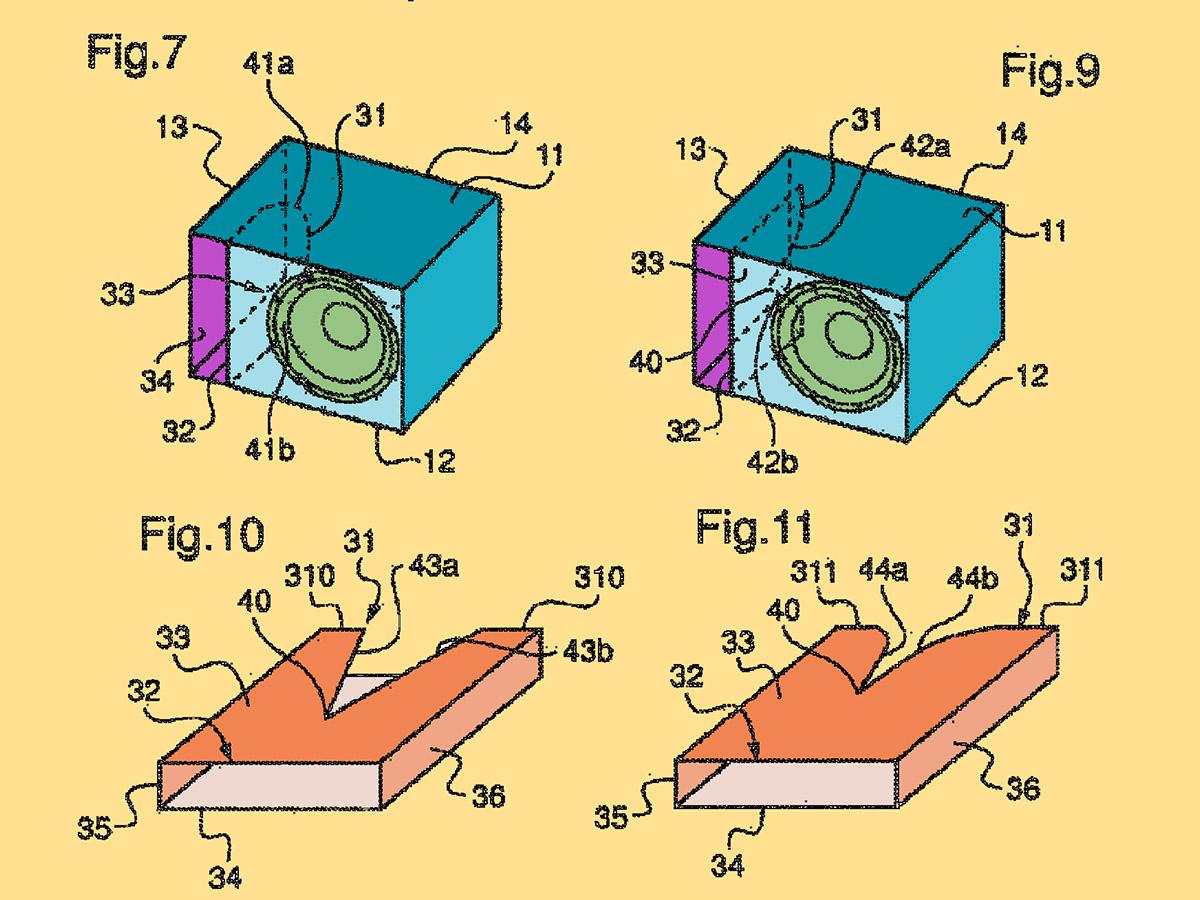
This patent, awarded to inventor Matthias Larrieu on behalf of French company NEXO (owned by Yamaha Corp.), was the topic of a detailed review by James Croft. The abstract from that patent describes a speaker cabinet that includes at least one loudspeaker and at least one port, the port having an outlet formed in a wall of the cabinet, an inlet inside the cabinet, and a casing connecting the inlet and the outlet together, the inlet of the port further having at least one recess in the casing. This might be difficult to visualize when we want to understand what exactly differentiates the patented design from a standard bass reflex system. Basically, Larrieu created two V-shaped slices at the opening either centered or with one at each side of the port, helping to reduce amplitude and phase anomalies in the midrange due to port resonances, while improving mid-band directivity. James Croft puts it all into context. This article was originally published in Voice Coil, August 2017. Read the Full Article Now Available Here
|
|
Audio Product Design | DIY Audio Projects | Audio Electronics | Audio Show Reports | Interviews | And More. Read Table of Contents
Don't Have a Subscription?
|
|
Industry News & Developments | Products & Services | Test Bench | Acoustic Patents | Industry Watch | And More. Read Table of Contents
|
|
Advancing the Evolution
of Audio Technology
audioXpress provides unique articles on new audio developments, R&D Stories, valuable market updates, the most complete objective reviews on innovative products and software, and the best DIY audio projects from worldwide experts. The Leading Global Audio Engineering & Development Magazine and Website.
Voice Coil, the periodical for the loudspeaker industry, delivers product reviews, company profiles, industry news, and design tips straight to professional audio engineers and manufacturers who have the authority to make powerful purchasing decisions.
The Loudspeaker Industry Sourcebook is the most comprehensive collection of listings on loudspeaker material in the industry. Purchasers and decision makers refer to the guide for an entire year when making selections on drivers, finished systems, adhesives, domes, crossovers, voice coils, and everything in between.
© 2023 KCK Media Corp. All Rights Reserved.
|
|
|
|
|
|
|