Greetings!
Actually, anytime is Riesling time......!!
I love a good Dry Riesling.
KING OF WHITE WINES THAT IS MOST FAMOUSLY GROWN
ALONG THE DANUBE
| | |
Riesling
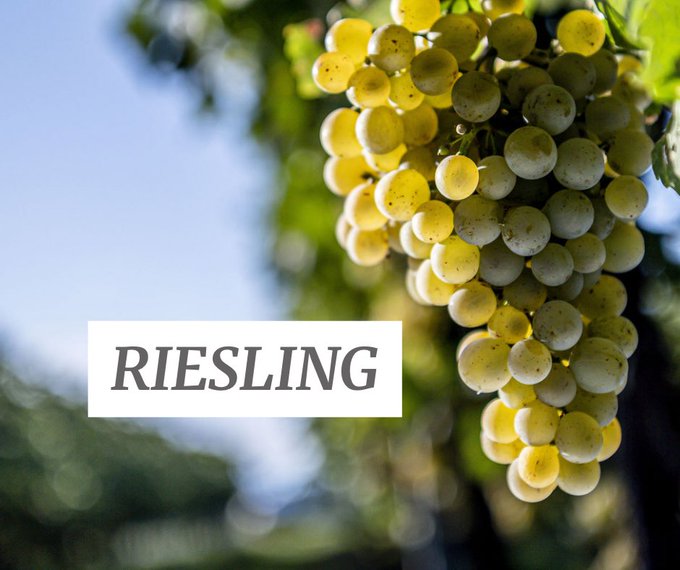
This variety was brought from the Rhine to the Danube in Austria and is now - next to the Grüner Veltliner - the most important white wine variety in the Wachau. In premium vineyard sites, especially in the wine growing regions Wachau, Kremstal, Traisental, Kamptal as well as Wien (Vienna), Wagram and Weinviertel, the Riesling yields highly ripe grapes because it is a late-maturing variety.
Only 4.6% of total area under vine is Riesling,
Grüner Veltliner is almost 33%
| | | | |
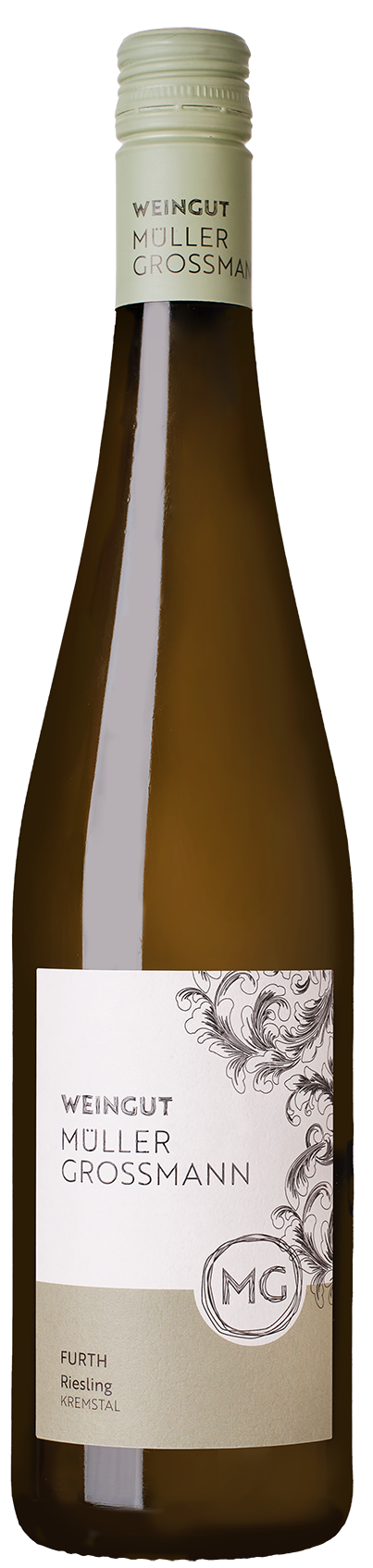
Muller-Grossmann
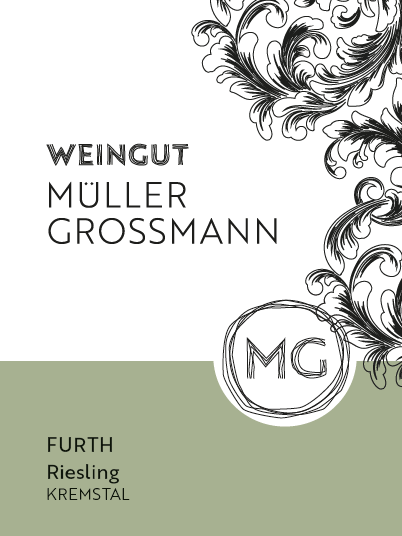
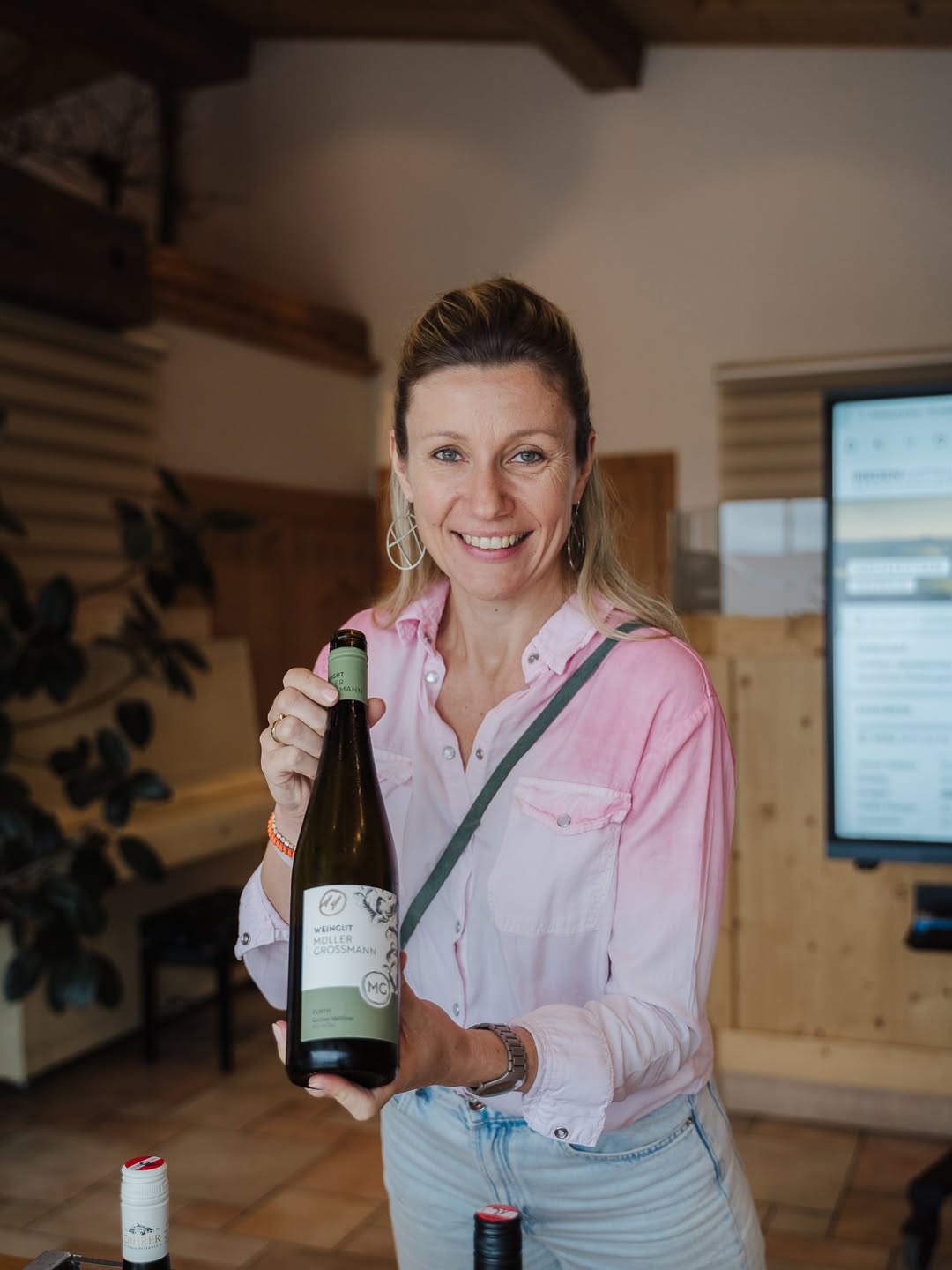
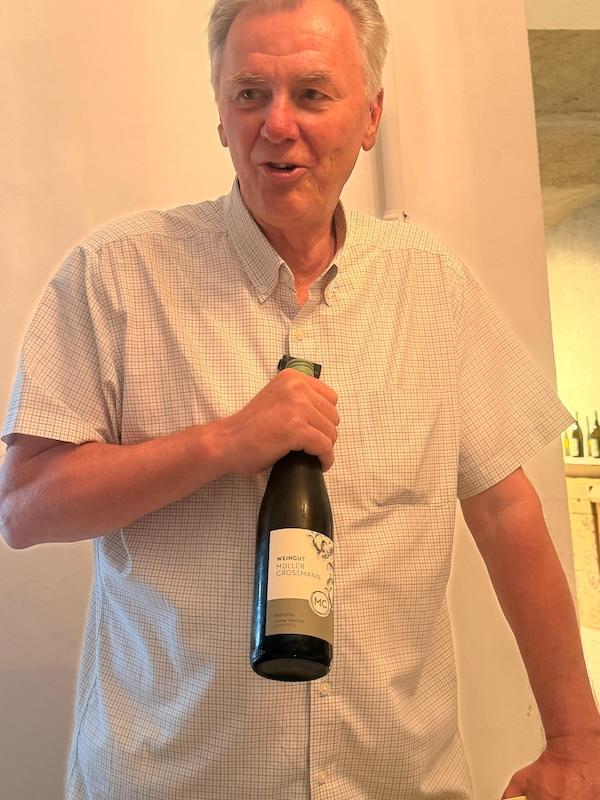
Furth Riesling Kremstal 2025
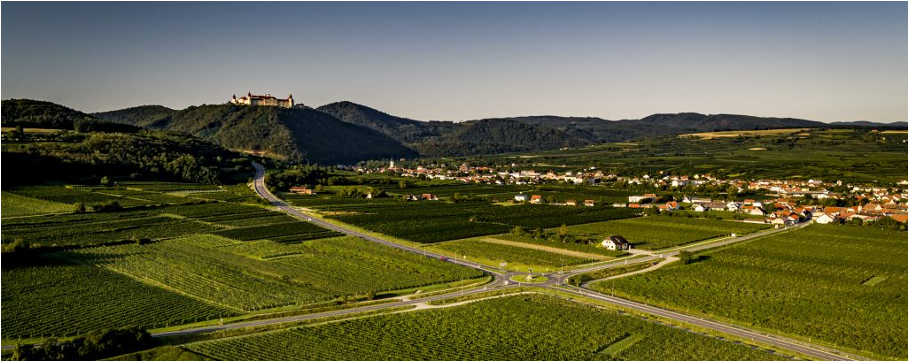
The Furth village wine is grown below Göttweig Abbey.
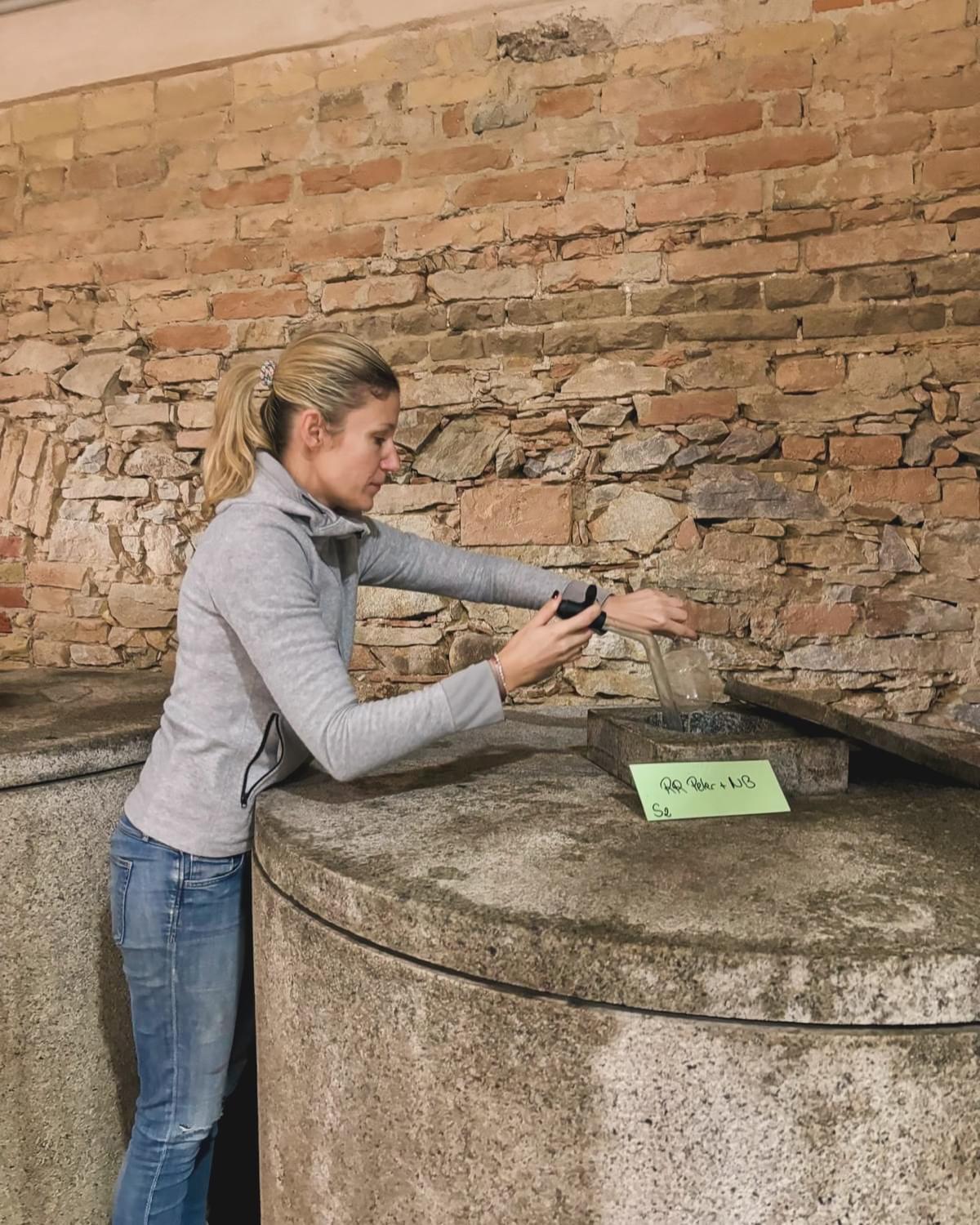
Here, the Danube valley opens out, and the terraced landscape extends into a plateau with a thick layer of loess soil and deposits of Danube gravel. The proximity to the Danube and the warm Pannonian climate yield aromatic, full-bodied wines with a delicate spiciness. Harvested by hand, directly pressed, fermentation in a granite barrel with 1.100 liters and ripening at least five months on the full yeast, Juicy scent of vineyard peach, ripe apricot, clear melt extract, integrated acidity, classic Riesling, powerful, long-lasting.
Serve with with Asian food, pasta, chicken and fish.
Alcohol: 12.5% vol., Acidity: 5.7 g/l, Sugar: 7.1 g/l
| | | | |
Furth-Palt, Kremstal
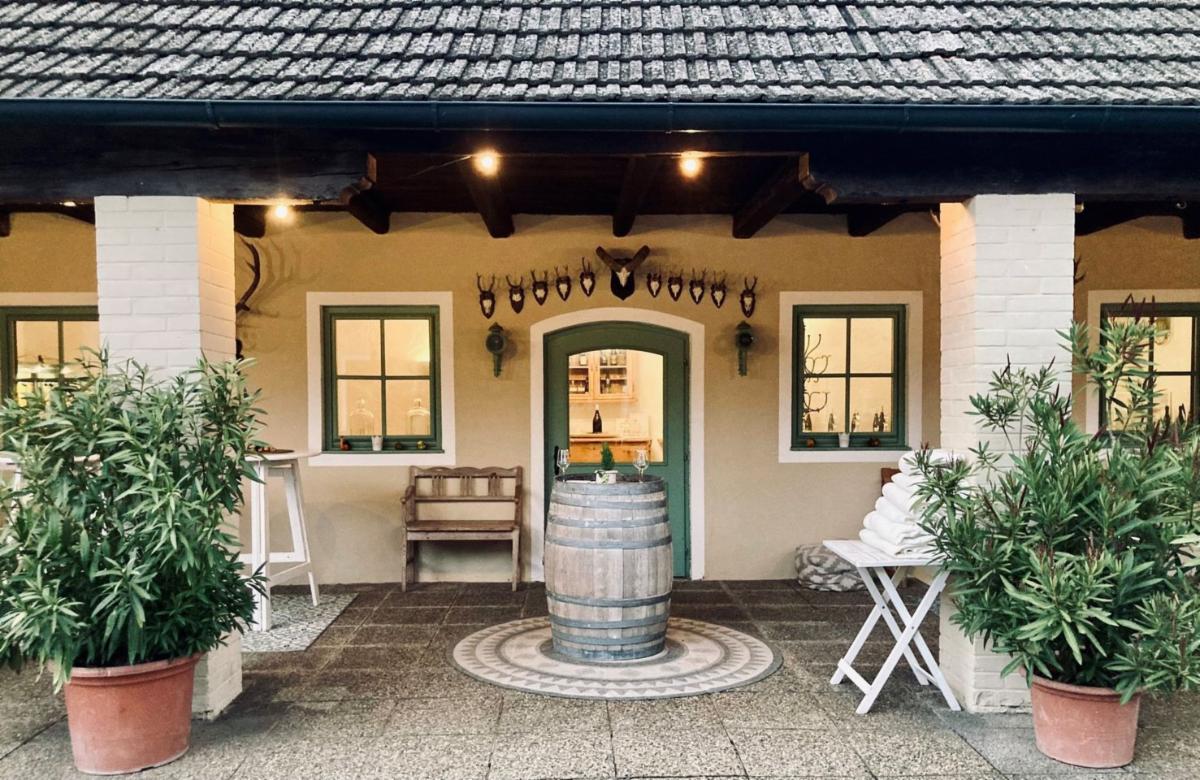
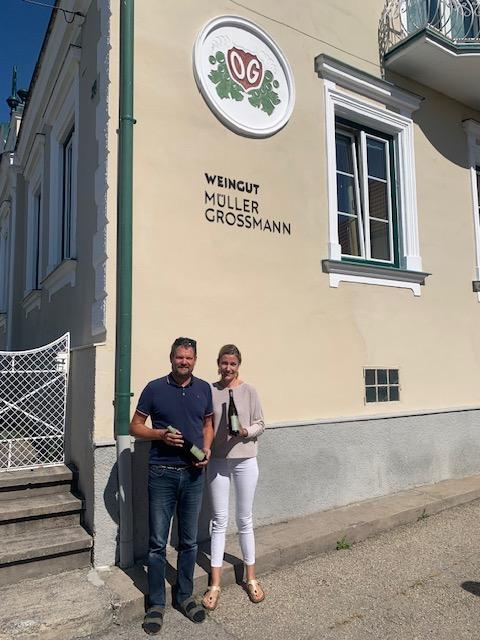
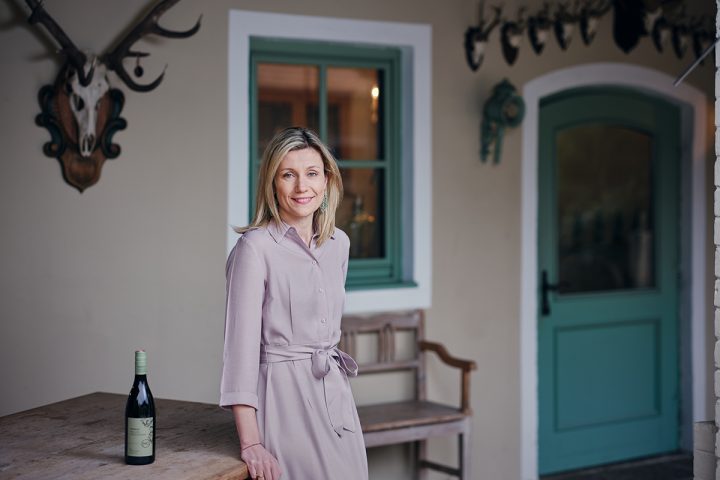
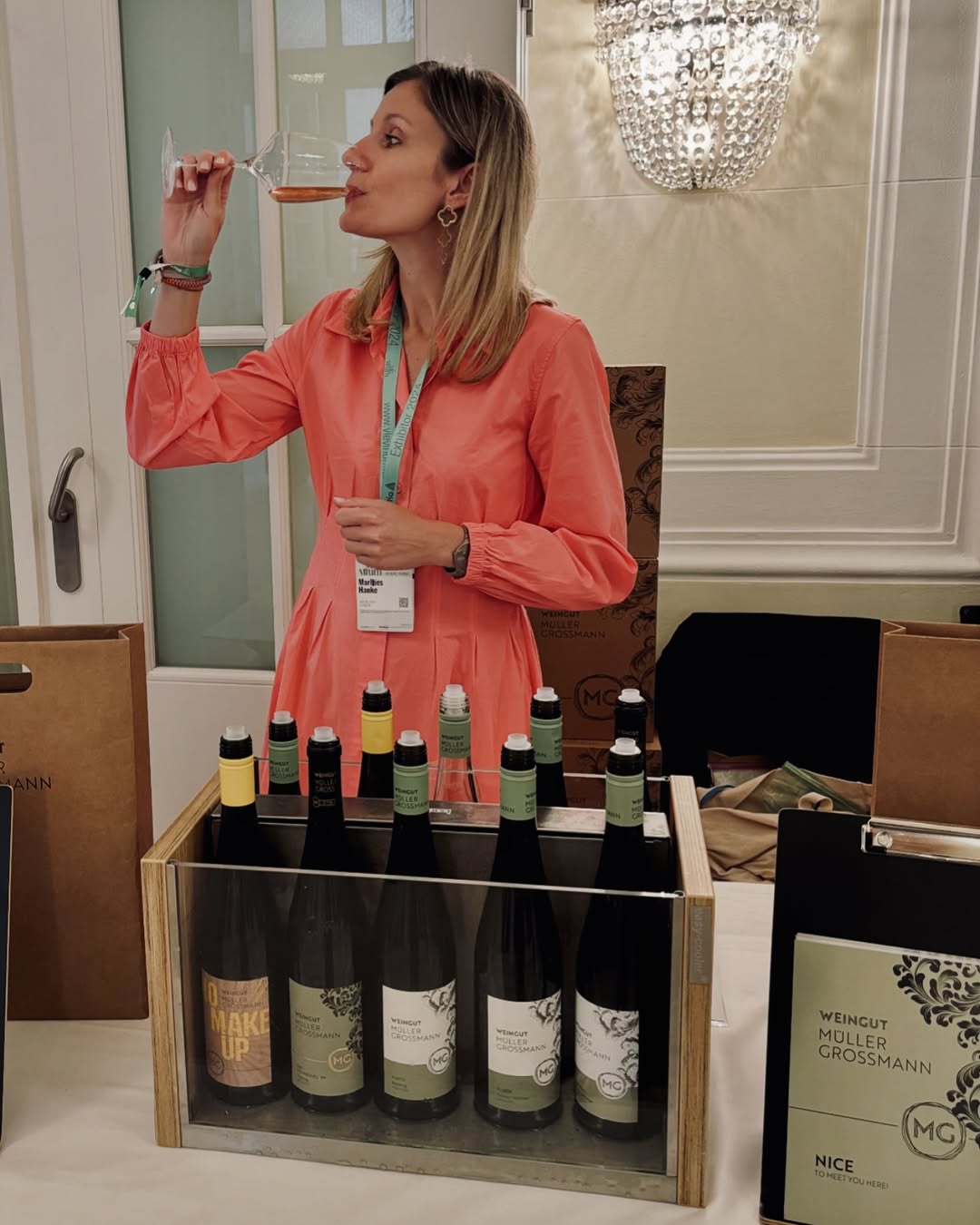
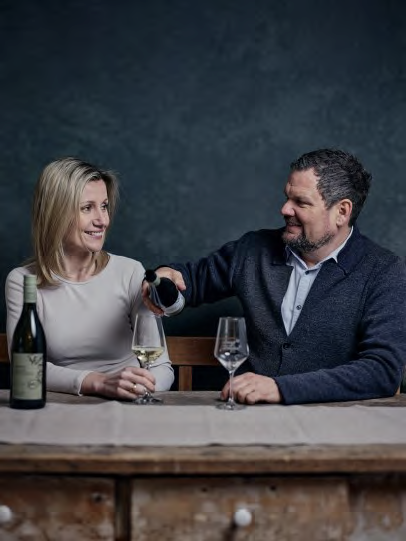
The Müller-Grossmann winery is located in the town of Furth-Palt, south of the town of Krems and the river Danube. Here the family cultivates 10 hectares (24.7 acres) of vineyards around Göttweiger Berg. The winery is certified sustainable and in 2021 they began the transition to organic farming. Helma Müller-Grossmann started the winery in 1986 and was joined by her daughter Marlies in 2009. Marlies Hanke now runs the winery, in a continuation of Helma’s tradition.
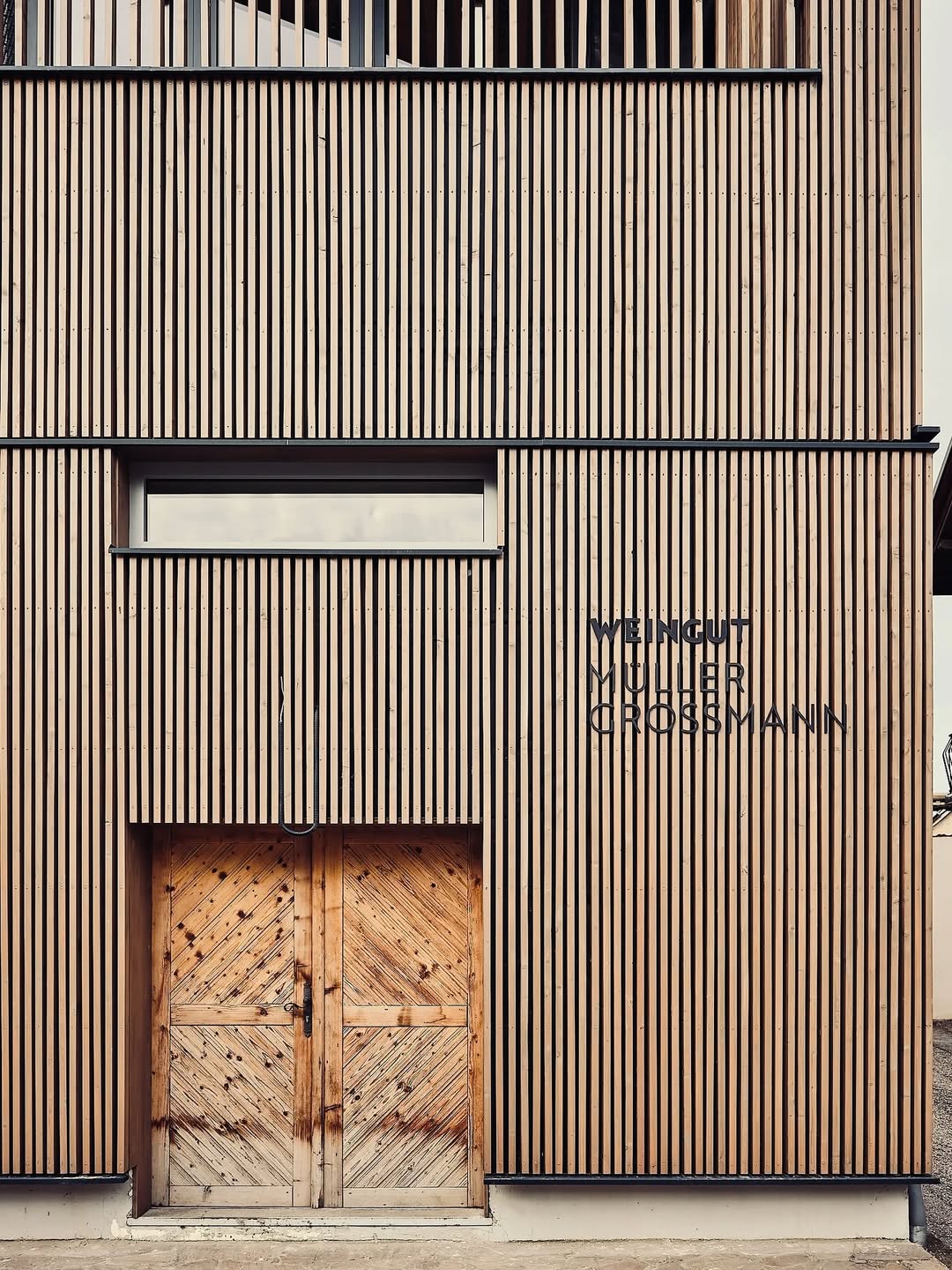
The southern Kremstal is a very diverse wine-growing region. This is thanks to the great varieties of soils and the natural interplay of warm and cool nights. Rather cool and damp influences from the nearby Waldviertel meet the warm and dry influences from the Pannonian lowlands, juicy white wines famous for their finesse grow on the gravel and loess soils, especially Grüner Veltliner and Riesling. The wines have been made in the traditional underground wine cellar on Fuchastrasse for more than 90 years. Natural cooling from the underground structure and natural yeasts are two arguments that led to the renovation of this traditional cellar. The wine cellar was expanded by adding a warehouse that now offers more flexibility in the production and aging. The shape of the building and the wooden facade blends in seamlessly with the townscape and represents the combination of tradition and modernity. For Marlies quality begins in the vineyard. Great wine can only come from perfectly ripened grapes. In the cellar her motto is “less is more“ as most of the work has already been done in the vineyards.
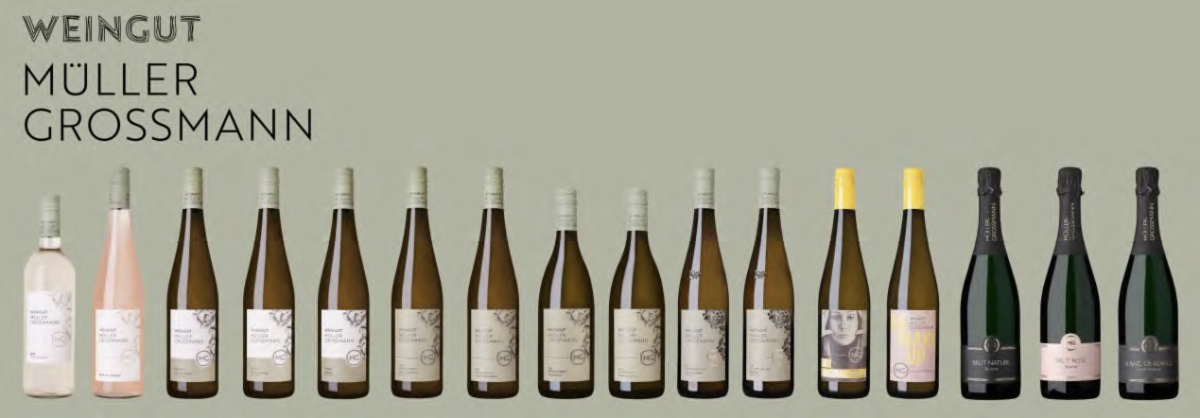
Grüner Veltliner Satz Viertel
Riesling Furth
Weissburgunder Ried Steinpoint
Grüner Veltliner Ried Höhlgraben
Zweigelt Rosé
Grüner Veltliner No Make Up (natural wine)
Zweigelt No Make Up (natural wine)
N/A 'Bubbles without Troubles'
| | | | |
Weingut Müller-Grossmann
Riesling Furth
Kremstal DAC 2025
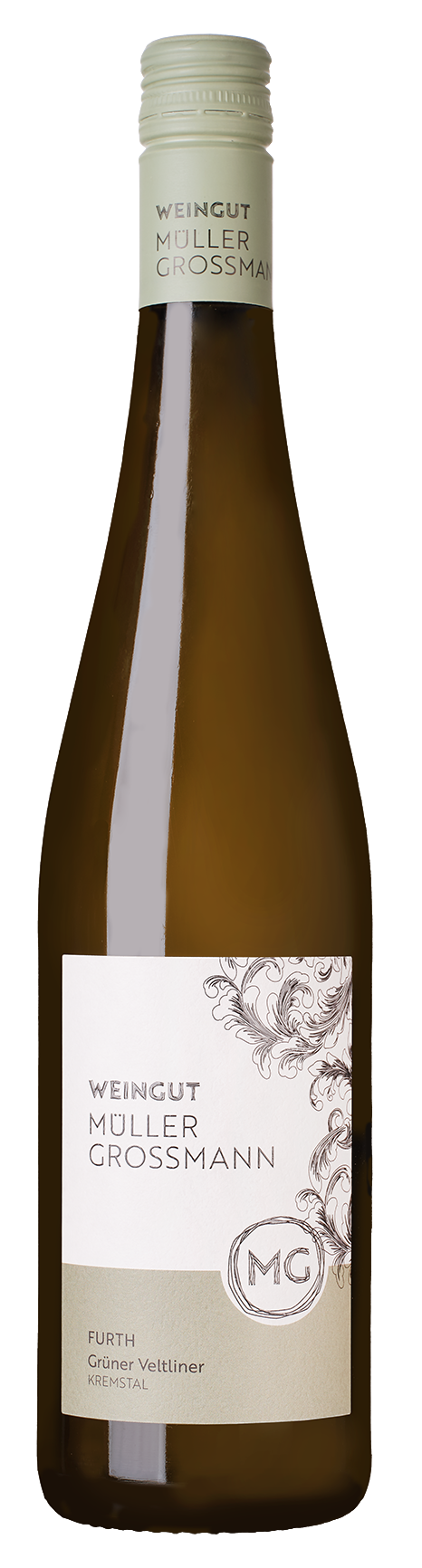
The Furth village wine is grown below Göttweig Abbey. Here, the Danube valley opens up and the terraced landscape extends into a plateau with a thick layer of loess soil and deposits of Danube gravel. The proximity to the Danube and the warm Pannonian climate yield aromatic, full-bodied wines with a delicate spiciness.
Juicy scent of vineyard peach, ripe apricot, clear melt extract, integrated acidity, classic Riesling,
powerful and ong-lasting.
| | | |
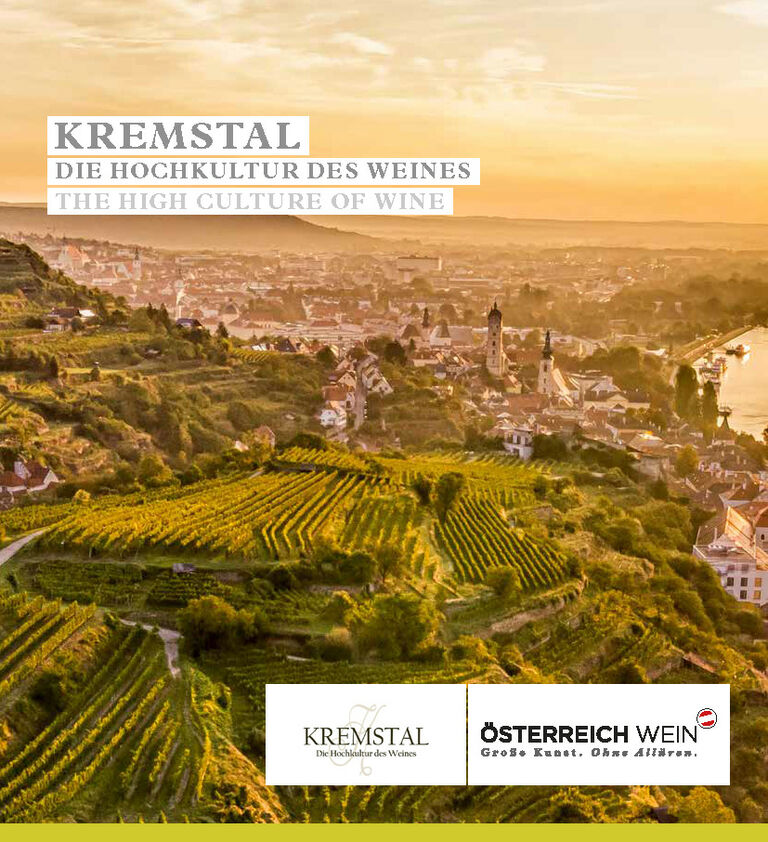
The vineyards in the Kremstal are divided into three distinct areas: the historic city of Krems, whose western “Stein” district borders directly with the Wachau, the Krems valley, with its thick loess nappes to the east, and finally, the small wine villages south of the Danube clustered around the imposing Göttweig Abbey. Since 2007, the Kremstal DAC designation has been synonymous with spicy Grüner Veltliner wines and elegant, mineral-driven Rieslings, which are not only produced in a fresh, classic-to-middleweight style, but also as dense Reserve wines.
check out this Kremstal video
| | |
Kremstal DAC
The Kremstal strengthens its character of origin
Grüner Veltliner and Riesling are the leading varieties in the Kremstal valley. They represent over 70% of the wines submitted for the test number. That is why the sales name Kremstal DAC was also set up for these two grape varieties. According to the wine law, the wine must be monovarietal. A Kremstal is therefore either a Riesling or a Grüner Veltliner. The sales designation Kremstal DAC may only bear wines that come from Kremstal vineyards and have been vinified and bottled in the Kremstal.
| | | | |
Weingut Müller-Grossmann
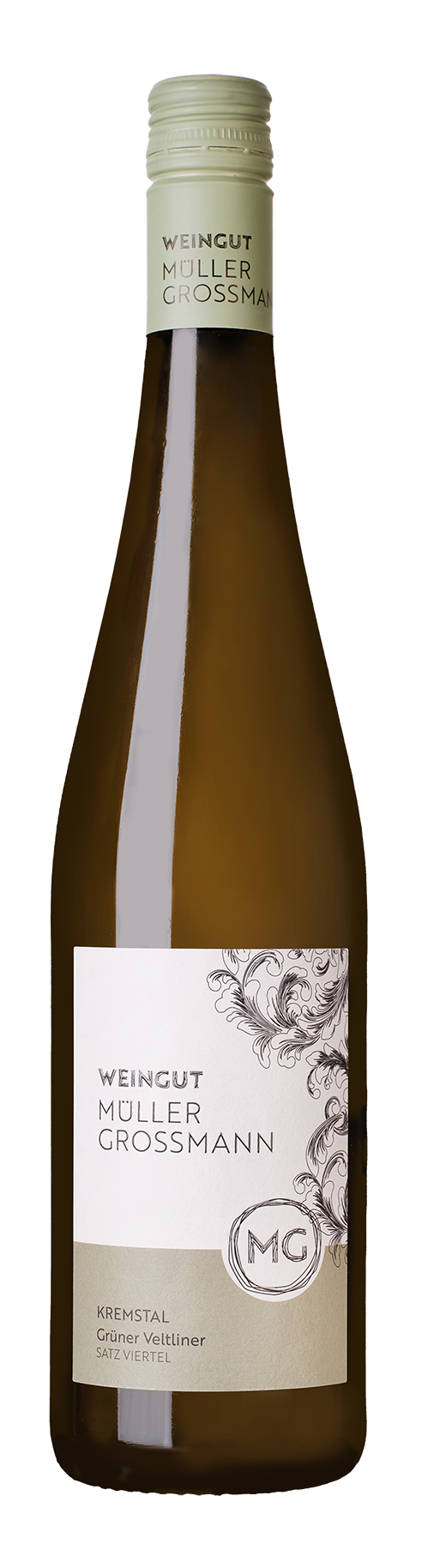
Grüner Veltliner Satz Viertel 2025
The soil lies on flat terrain at an elevation of roughly 190 to 220 metres. The soil is black earth composed of fine colluvial debris. This covers the sandy, quartz-rich and lime-rich gravel that was deposited on the floor of today's valley by the Danube.
Harvested by hand, directly pressed, fermentation under controlled temperature in a stainless-steel tank and ripening at least five months on the fine yeast.
Light green-yellow color, aromatic, like yellow fruits. Mineral and juicy taste with a lively acidity, fresh and animating. A versatile food companion for the classic and modern kitchen!
Serve chilled, goes well with white meats like chicken or turkey, grilled fish, seafood, light pasta, as well as salads and fresh vegetables.
Alcohol: 12% vol., Acidity: 5.9 g/l, Sugar: 3.2 g/l
| | | | |
Weingut Müller-Grossmann
Grüner Veltliner Furth 2025
The Furth village wine is grown below Göttweig Abbey. Here, the Danube valley opens, and the terraced landscape extends into a plateau with a thick layer of loess soil and deposits of Danube gravel. The proximity to the Danube and the warm Pannonian climate yield fruity, full-bodied wines with a delicate spiciness. Harvested by hand, directly pressed, fermentation under controlled temperature in a stainless-steel tank and ripening at least five months on the fine yeast.
Serve chilled, goes well with pasta, meat, salads and all kinds of vegetables.
Bright green-yellow color, juicy, open fruit notes, delicate spice, soft texture on the palate, very juicy wine with good length and a spicy finish.
Alcohol: 12% vol., Acidity: 5.5 g/l, Sugar: 3.6 g/l
| | | | |
Weingut Müller-Grossmann
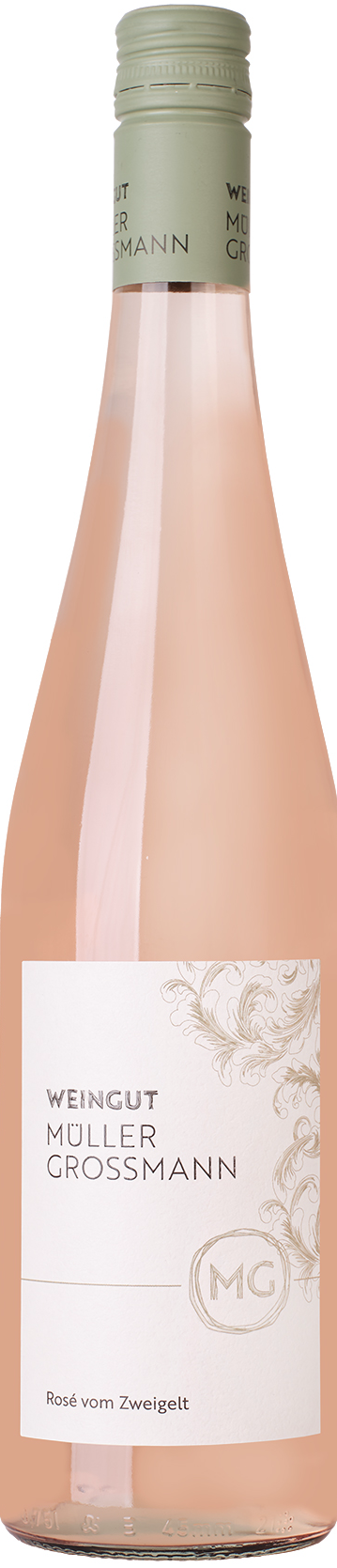
Zweigelt Rosé 2025
The vineyards are grown below Göttweig Abbey.
A humus-rich soil covers a thick layer of loess here, providing a deep root depth. The proximity to the Danube and the warm Pannonian climate yields an aromatic wine that is rich in minerals.
Harvested by hand, directly pressed, fermentation under controlled temperature in a stainless-steel tank and ripening at least three months on the fine yeast.
Fragrant, bright color, fruity strawberry notes on the palate, refreshingly animating with a big drinking pleasure.
Serve ice-chilled, fits nicely with light dishes, cold food, also suitable as an aperitif.
Alcohol: 12% vol., Acidity: 8.4 g/l, Sugar: 4.3 g/l
| | |
2026 Christmas Market in Vienna Wine Tour:
| |
for more info click here
Wine travel, the DCANTER way! Join us in December 2026 in Vienna for a festive adventure through Austria’s vineyards and Christmas markets. Think glowing Christmas markets, cozy tastings, and a perfect pour of holiday magic. Book your spot now before it sells out! Learn more about our wine trip here.
| | |
Your Passport to Austrian Wine
Austrian wine is immensely popular and a perennial favorite of sommeliers throughout the world. Austrian wines are known for their wide diversity
of styles, aromas, and terroirs.
Klaus Wittauer – KWSelectionLC
703-624-6628
| | | | | |