FocalPoint Partnerships

Connecticut Issue | January 2026

Volume 10, Issue 3

AI Is Changing Work and Older Women Are Feeling the Impact


Artificial Intelligence (AI) has quickly changed how organizations hire, train, and develop employees. Resume screeners, applicant tracking systems, and automated training tools are now common. While these systems are meant to make work easier, they can also quietly reinforce age and gender bias, especially for older women.


Many AI tools are trained on past hiring data. That data often reflects workplace trends where women and older workers were overlooked or judged differently. As a result, AI may favor certain keywords, job histories, or career paths, while disadvantaging others. Older women are particularly affected when career breaks for caregiving, part-time work, or nonlinear careers are treated as red flags instead of experience.


Research from Stanford Graduate School of Business highlights this issue. In one study, AI systems created resumes from the same qualifications but portrayed women as younger and less experienced, while older men received stronger evaluations. When these tools shape hiring, promotions, or training access, bias can spread without anyone realizing it.


AI impacts workers of all ages, but it doesn’t have to deepen existing gaps. Keeping people involved in decisions, reviewing tools for bias, and expanding access to training can help ensure AI supports, rather than sidelines, older women in the workforce.


Source: Stanford Graduate School of Business


Bridging the Generational Gap in the Workplace


In this TEDx talk, Mitch Lomazov explores how generational differences shape the workplace and offers practical insights for bridging those gaps. Drawing from personal experience and workplace examples, he highlights the value that each generation brings and emphasizes the importance of understanding, empathy, and clear communication for stronger collaboration across age groups.


Building Confidence at Any Age


Personal development doesn’t stop at a certain age. In fact, many older adults bring a depth of experience that younger workers are still building. Yet confidence can take a hit over time, especially after job loss, career change or time away from the workforce. Feelings like self-doubt or imposter syndrome are more common than many people realize.


Imposter syndrome often shows up as hesitation. It may look like holding back in conversations, questioning your skills, or feeling unsure about stepping into something new. Research shows that these feelings can affect adults at any age and may persist even after years of success. Recognizing self-doubt for what it is can be the first step toward rebuilding confidence.


Confidence grows through action. Practicing communication skills, preparing how you talk about your experience, and speaking up in everyday situations all help strengthen self-belief over time. Personal development is not about starting over. It is about building on what you already know and continuing to grow with intention.


Try This  

  • Practice introducing yourself and describing your skills out loud
  • Prepare one example that highlights your experience and strengths
  • Ask one question or share one idea in your next meeting or conversation


Learn more about how MaturityWorks can help you or someone you know restore their confidence and get back into the workforce. Click the button below for more.


Source: Career & Professional Development Western Governors University

Program Success


Participant Spotlight: Success in Action


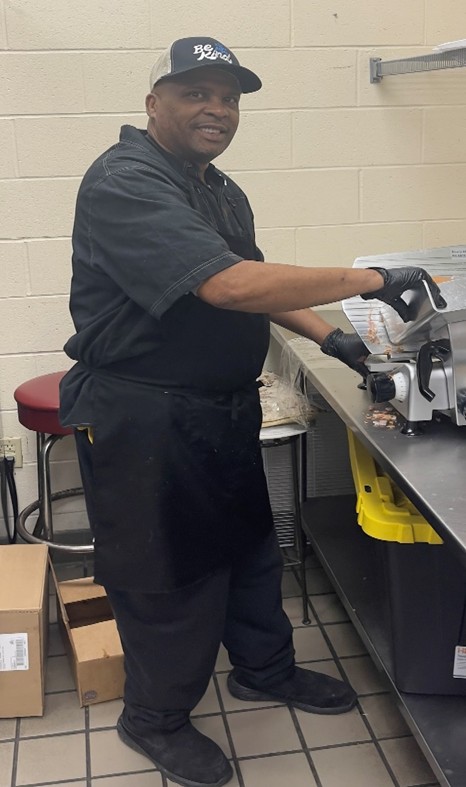
When Mr. Allen Grant enrolled in the MaturityWorks Program, he was eager to rebuild his confidence, sharpen his job skills, and return to the workforce. Although motivated, Mr. Grant faced significant challenges, including long-term unemployment and limited recent work experience.


Through his MaturityWorks training assignment at The House of Bread, in Hartford, CT. Mr. Grant consistently demonstrated reliability, professionalism, and a willingness to learn. He quickly became an asset to his host agency, excelling in tasks such as preparing and cooking meals for those in need. Mr. Grant was also responsible for making sure all inventory was accounted for and keeping the kitchen area safe and clean.


With support from his Career Counselor, Mr. Grant updated his resume, practiced interview skills, and actively applied for opportunities aligned with his growing strengths. His determination paid off when he successfully secured unsubsidized employment as a Kitchen Aide/Assistant Chef with The House of Bread.


Today, Mr. Grant is proud to be earning income, building new professional relationships, and demonstrating that meaningful career achievements are possible at any age. His journey is an inspiring example of how the MaturityWorks Program empowers older adults to reach their employment goals and thrive in the workplace.