In honor of Native American Heritage Month, here is a great data summary from the Annie E. Casey Foundation on American Indian and Alaska Native (AI/AN) children in the U.S.

Tuned In is taking a break next week and will be back in your inbox on December 6.


QUOTABLE & NOTABLE

“When cities lose significant numbers of young families, there can be far-reaching social, economic and demographic impacts. Declining numbers of students can lead to school consolidations or closures.


“Reduced demand for family-sized homes and rental properties may depress property values. The city’s labor force can shrink, affecting its local economy and tax base.


“As young families leave, declining property and sales tax revenues can make it harder to fund services and maintain infrastructure. Since schools and youth organizations often are hubs for community engagement, residents’ sense of community may weaken over time.”

Who:

Biswa Das

Where:

“Young families are leaving many large U.S. cities — here’s why that matters,” published in The Conversation


FACT OF THE WEEK

 
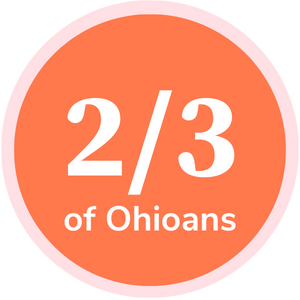
two-thirds of Ohioans
 

At least eight states have universal school meal programs, providing free breakfast and lunches to children regardless of family income. Ohio does not. A poll of Ohio voters conducted in May 2024 revealed that two-thirds of Ohioans surveyed are in support of such a program. Currently, more than one in three Ohio children living in households with food insecurity do not qualify for school meals.


POLICY RADAR

Ohio

This week, Gov. Mike DeWine announced $5 million in new grant funds will be made available for early care and education providers in Ohio to receive training in the science of reading.

Federal 

First Five Years Fund has published a high-level overview on how reforming the federal tax code could make child care more affordable for American families.

President-elect Donald Trump’s announcement signaling his intent to dismantle the U.S. Department of Education has many education and child advocates wondering what the repercussions would be. The Conversation has a good rundown of the history of the agency and what’s required to abolish it; Chalkbeat examines possible impacts for students with disabilities, in particular.


EVENTS & HAPPENINGS

The Urban Institute is hosting a hybrid event titled “The Impacts of Diaper Insecurity and Period Product Insecurity: Producing Evidence for the Future” on Tuesday, December 3, from 3-4:30 p.m. ET.


BEYOND THE BUCKEYE STATE

EdSurge describes the limitations and ineffectiveness of most child care search tools, arguing that technology is capable of making it easier for parents to find available care. States like Iowa, Maryland, and Arizona are innovating to improve their child care search systems. This benefits not only parents but also state policy leaders as it provides real-time data that illuminate supply challenges.

Families and early educators in New Mexico are experiencing economic relief thanks to the state’s early childhood ballot initiative that was passed in 2022. This bipartisan legislation was approved by voters to create a state endowment for early childhood education funded by a tax on fossil fuel production. Families with earnings up to 400% of the federal poverty level qualify for free child care. Additionally, teachers were given a roughly 30% permanent pay raise when the legislation passed.

Vox summarizes how the District of Columbia’s Pay Equity Fund can be a model to increase early educators’ wages without raising the cost that parents pay for care. Maine is another example of a state that is using a dedicated fund to boost early educators’ wages.


WHAT WE'RE READING

Early Learning Nation interviews two experts who say the term collective caregiving resonates with the public when discussing policies affecting children and families. This interview stems from a report, published by the Frameworks Institute earlier this year, that summarized three years of research on messaging related to building support for children and families in the U.S.

NAEYC highlights the work of Native American early childhood professionals who are teaching and advocating for children in tribal communities. These teachers are providing culturally relevant education to Native children, involving parents and cultural leaders in child development curriculum, and leveraging a network of Native early childhood teachers to collaborate with. One teacher from Bear River Band of Rohnerville Rancheria in California participates on local school boards to ensure that Native voices are included in educational policies and practices.


RESEARCH ROUNDUP

A study published in Child Youth Care Forum examined whether an earlier start to preschool — at age 3 instead of 4 — was associated with earlier detection of health problems. Researchers analyzed public preschool (both school-based and Head Start) enrollment data, Individualized Education Plan (IEP) status, and parent-reported health conditions of 757 children from low-income backgrounds in Tulsa, Oklahoma. They found that children who entered preschool at age 3 were more likely to have eczema and vision problems detected than those who entered preschool at age 4. Children who were in Head Start classrooms for two years were marginally more likely to have asthma and allergies detected. This may be because of the home-visiting component of Head Start, where early childhood professionals can help families identify health concerns and refer them to specialists. In this study, there were no differences in rates of IEPs based on preschool enrollment age. The authors note that expanding state or federal funding to support 3-year-olds entering preschool could help with identifying health conditions at an earlier age.


This edition was written by Jamie O’Leary and Janelle Williamson.

If you like this newsletter, forward to a friend! Subscribe here.


crane.osu.edu

X  LinkedIn