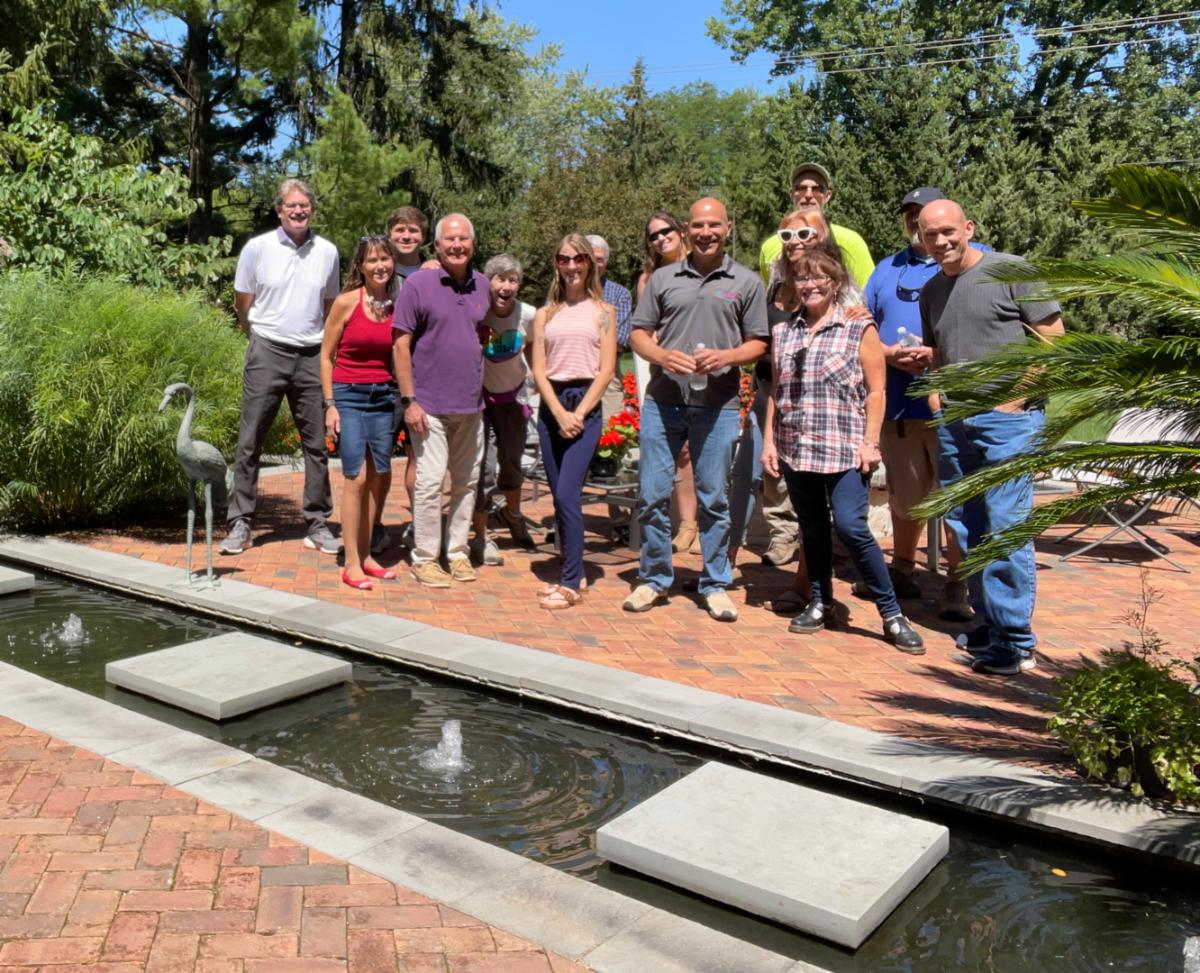
Proudly celebrating 150 years in business, Hawks welcomes another busy season! With summer around the corner, now is the time to take advantage of Hawks services to enhance your outdoor living space! Our schedule is filling up fast, so if you have a landscape project in mind, give us a call at 414-258-5525, send us an email or fill out our contact request form today! We look forward to working with you!


Did You KNOW??


• In 1893 Milwaukee city directory shows Hawks as having offices at the 70 Loan and Trust Building.


• In 1900, Hawks offices were located at 106 E. Mason Street in downtown Milwaukee.


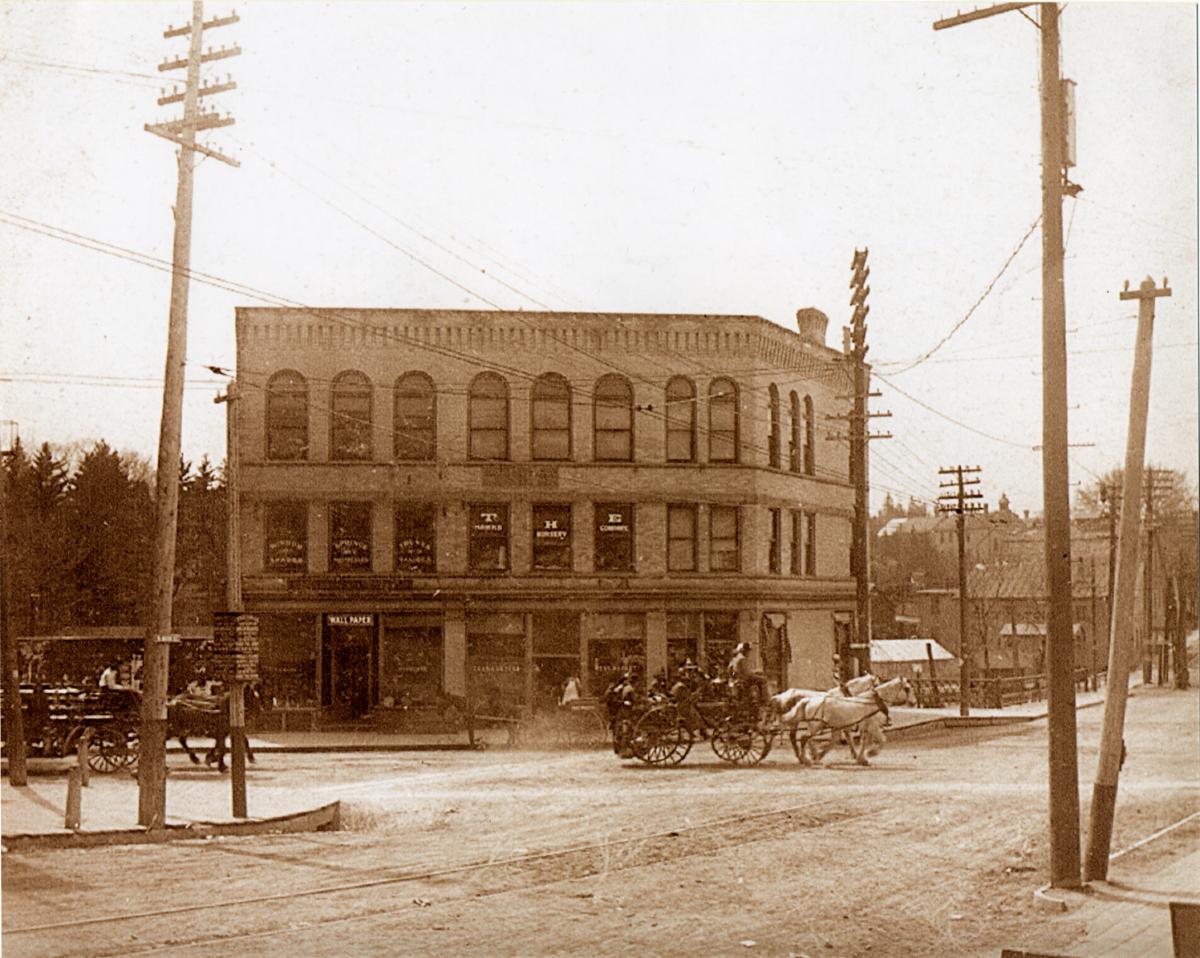
• From 1910-1949 Hawks rented office space on the second floor of the newly built Hemsing Building. The "Hemsing Block" is still located in downtown Wauwatosa at State Street and Harwood Avenue. It currently houses Cafe Hollander (photo above).


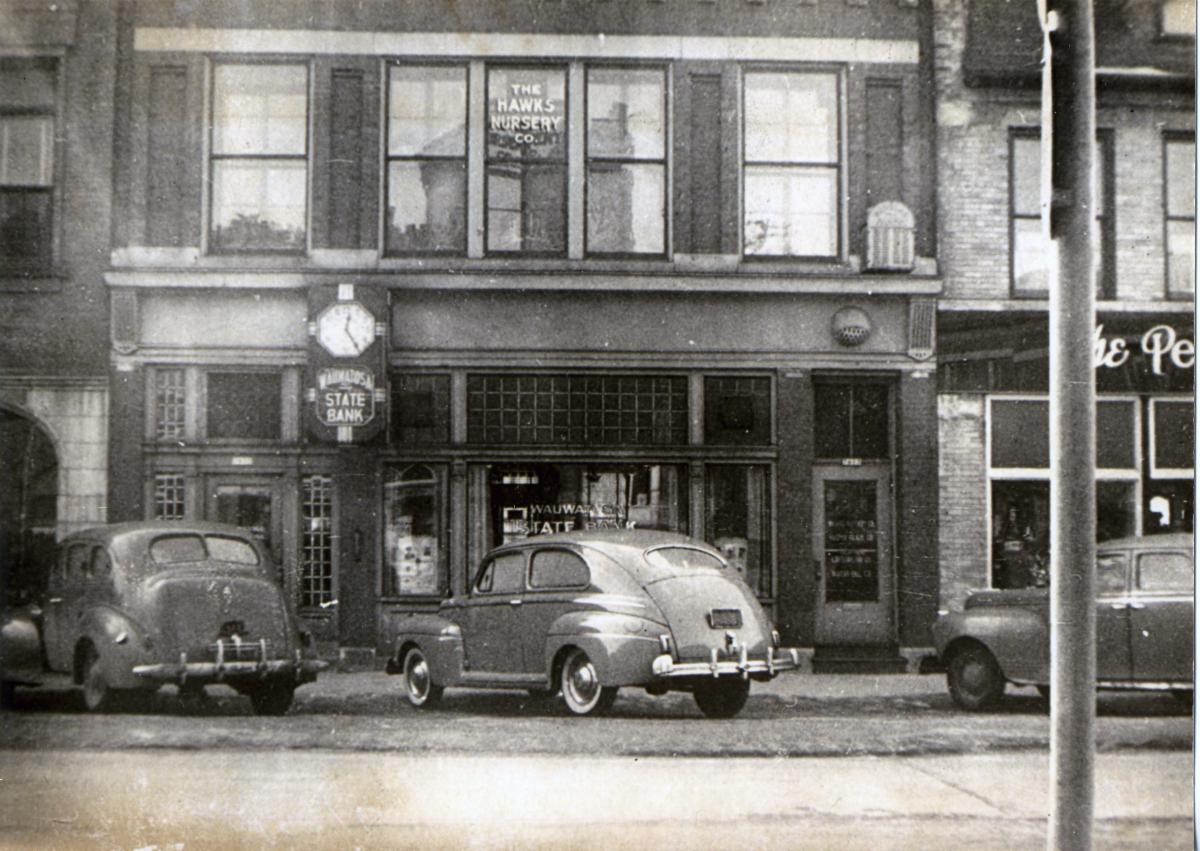
• Hawks Nursery had offices above Wauwatosa State Bank which also shared the Hemsing Building. After a fire destroyed the upper floor of the building in 1949, both businesses relocated across the street (photo below).


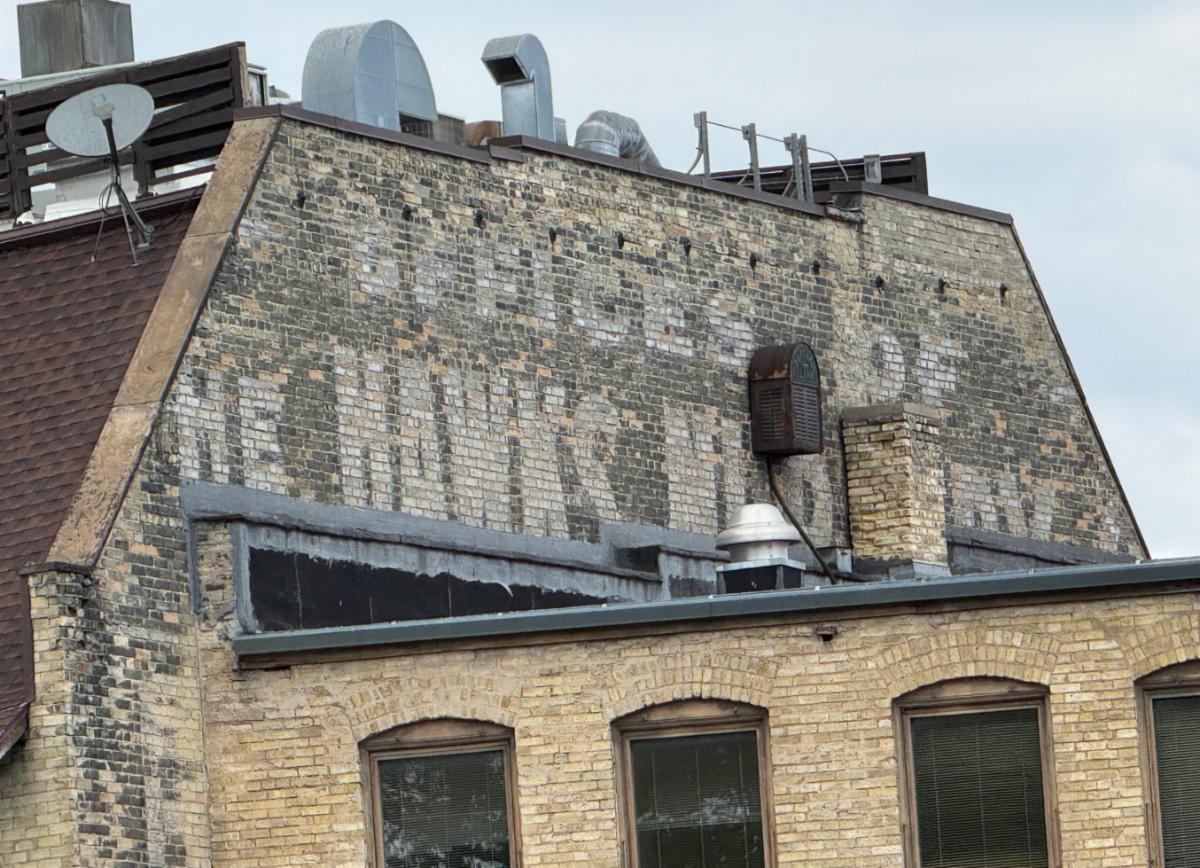
• From the railroad tracks, you can still see Hawks Nursery Company painted at the roofline on the east side of the Hemsing Building (last photo).

June Landscape & Garden Tips
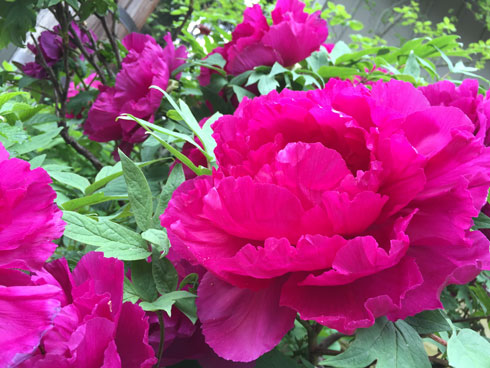
spring_flowers_field.jpg
• Make sure lawns receive 1-inch of water per week. Purchase a rain gauge to keep track of precipitation and sprinkling.

• Begin to apply the third application of the 5-step Lawn Fertilization Program. It should include a granular slow release fertilizer (with iron) and a liquid broad leaf weed killer.

• Prune spring-flowering shrubs and trees after they finish blooming.

• Be sure roses are fed monthly with a granular rose food or weekly with water-based fertilizer, especially after the first flush of flowers. Slow-release fertilizers should be used only one time during the season.

• Prune spruce and pine in their soft candle stage. To reduce cut marks, pinch the shoot with your fingers while being careful not to remove more than two thirds of the new growth.

• To control Gypsy Moths: start barriers, banding, biological or chemical control early in the month. See the UW-Extension gypsy moth website for more information on Gypsy Moths and Webworms.

• Spray or inject birch for leaf miners and borers. Now is also the time to watch for Oak Wilt and Dutch Elm Disease and start injections to combat these issues.

• Plant the last of your gladiolus bulbs early this month.

• Shear evergreen shrubs when the first flush of growth has finished.

• Fertilize your annuals on a regular basis to keep them strong and full of flowers.

Please note: the timing of many of these tips is approximate and can vary greatly depending on a variety of factors. If you have any questions, please contact a Hawks Landscape representative at 414-258-5525.
June Turf Tips
Time to check on your lawn mower! Are the blades still sharp? Dull mower blades tear the grass which promotes plant desiccation. It's better to 'cut' the grass blades than to tear the grass blades, so sharpen if needed. When the temperature rises, so should your mower deck. Cut your lawn at about 3 inches. This will allow the grass blades to shade the roots a little bit and keep them cooler. Watch out for White Lawn Grubs! The most common grub in our area is the larval stage of Japanese Beetles and June Bugs. These larvae, otherwise known as lawn grubs, live in the soil and eat your grass roots which then produce brown spots in your lawn made up of loose dead grass. Adult June Bugs and Japanese Beetles are actively depositing the next generation into your lawn now. Applying an insecticide will help control the larvae before they finish their life cycle (and your lawn)! Remember to change the direction you cut your lawn each time you mow to avoid ruts.
The Value of Perennials in the Garden
By Steve Wegner
Flowering perennials are plants that die back to or near the ground each winter, but come back each year. One of the main features of flowering perennials is that they make the landscape more dynamic; a landscape with a variety of flowering perennials is always changing. Through the spring and summer, you can look forward to something new from week to week. Because they don't bloom through most of the growing season as annuals do (2-3 weeks is common), it is very important with perennials to consider what they look like when they're not in bloom. It is their variety in form, color and texture, in addition to their blooms, that make them so valuable in the landscape. Another feature of flowering perennials is their ability to fit in the spaces around and between larger plants, which make them great connectors between other garden elements. While hardy perennials come back each year, they do require some maintenance. The primary maintenance for perennials is cutting them back in the fall (some look their best with periodic cutting back through the season as well). A spring cleanup, including fertilization and top-dressing bark mulch, is greatly beneficial. Many perennials also need to be divided every few years to stay vigorous. These are all services Hawks can provide for you and we can tailor a maintenance plan to your specific landscape's needs.
Hawks is Hiring!
We're in the midst of another robust season! If you enjoy working outdoors, appreciate beautiful gardens, and love working with customers, consider joining our team! While applicants who possess a background in horticulture and/or the landscape trades are preferred, those that are professional, friendly and enthusiastic about joining a team of committed individuals are especially welcome. Check out Hawks' Employment Opportunities to view our job openings and download our employment application. Apply today!
HAWKS LANDSCAPE INC.
12217 West Watertown Plank Road • Wauwatosa | 414•258•5525 | hawkslandscape.com
Like us on social! Leave a Google review here!
 
Facebook  Twitter  Pinterest  Linkedin  Youtube  Instagram