RNDC Celebrates Bike to Work Day
| | |
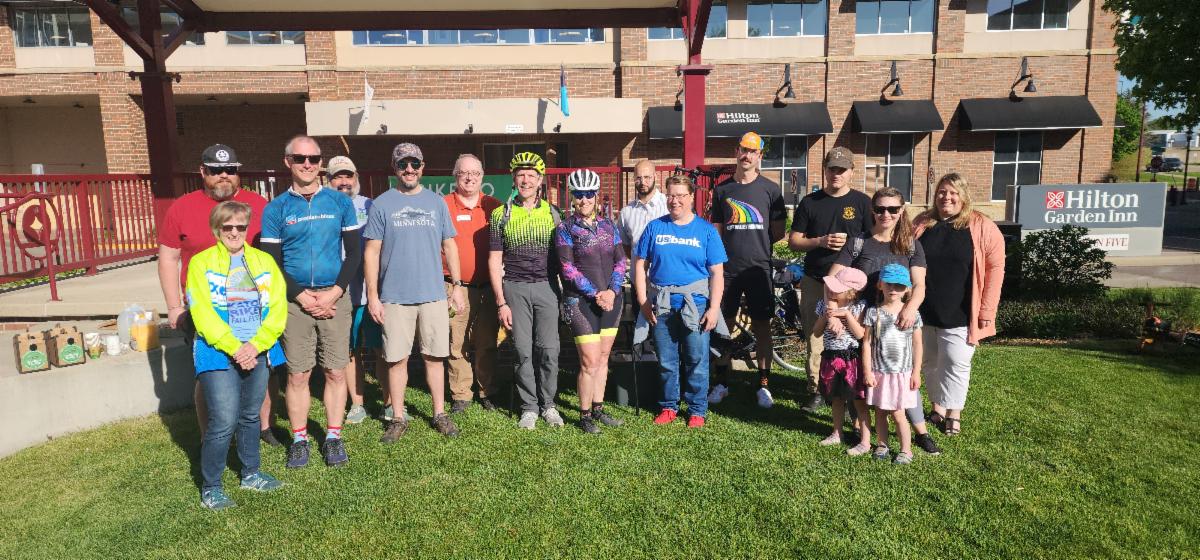
RNDC, in partnership with Greater Mankato Bike & Walk Advocates, welcomed community members to downtown Mankato on May 15 for a Bike to Work Day celebration as part of National Bike Month.
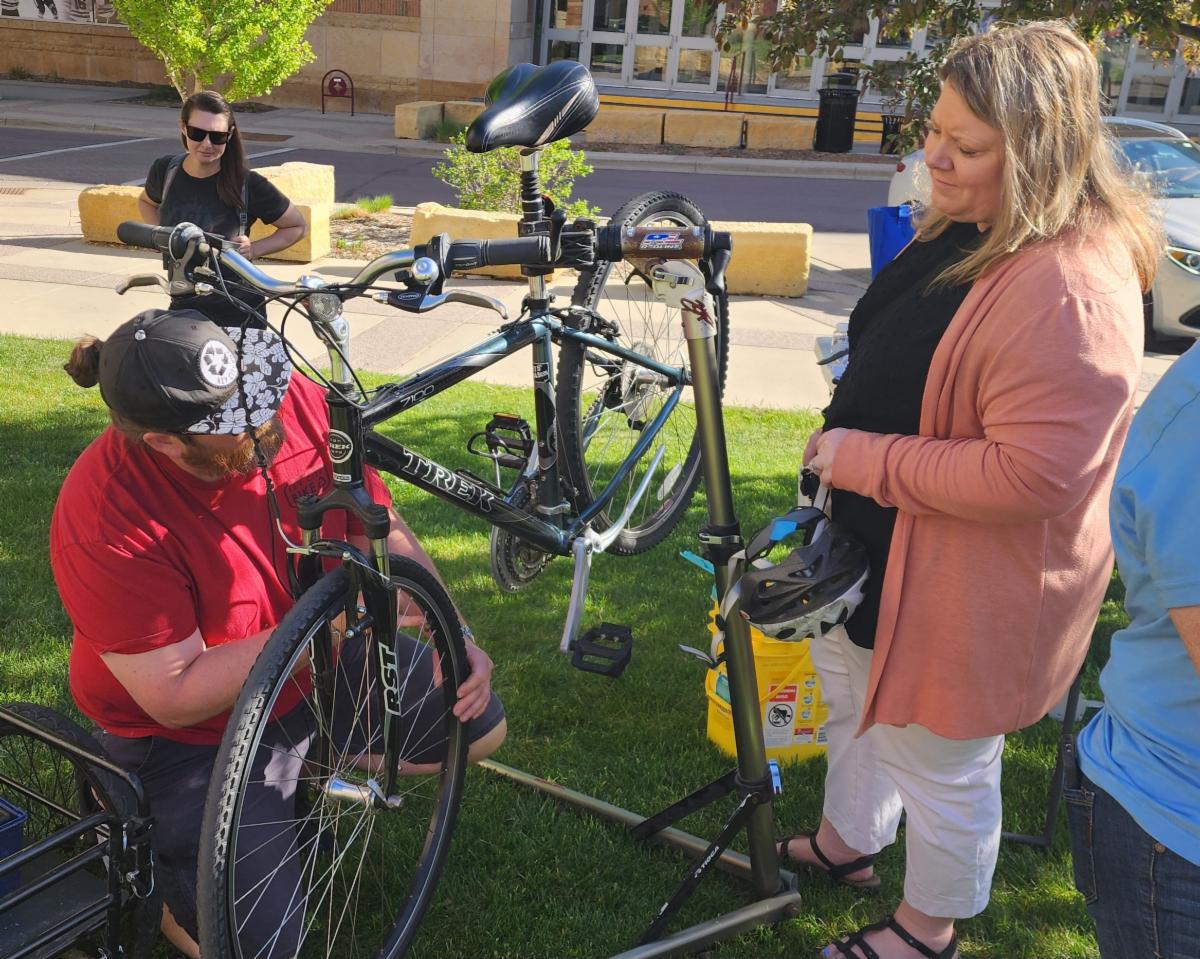
Held at Civic Center Plaza outside the Intergovernmental Center, the event encouraged residents to consider biking as a healthy, accessible, and sustainable transportation option. Participants stopped by throughout the morning for coffee, bike activities, free bike fixes provided by Key City Bikes, and conversations centered on active transportation and community connectivity.
The event was led by Mark Plotz, RNDC Road Safety Transportation Planner, whose passion for active transportation extends beyond his professional work. Plotz is an avid cyclist who bikes daily from St. Peter to Mankato for work, bringing firsthand experience and enthusiasm to RNDC’s transportation initiatives.
| | |
“Bike to Work Day is a great opportunity to bring people together and highlight the benefits of active transportation,” said Plotz. “Whether someone bikes every day or is just considering trying it for the first time, events like this help create a more welcoming and connected biking community.”
RNDC Chairman Mike Laven helped kick off the morning festivities and spoke about the importance of investing in safe and accessible transportation options across south central Minnesota.
RNDC continues to support transportation planning efforts that improve walking and biking connections throughout the region. Events like Bike to Work Day help raise awareness about the value of active transportation while encouraging healthier lifestyles and stronger community connections.
| |
Work Begins on Shooting Star Scenic Byway Plan
| | |
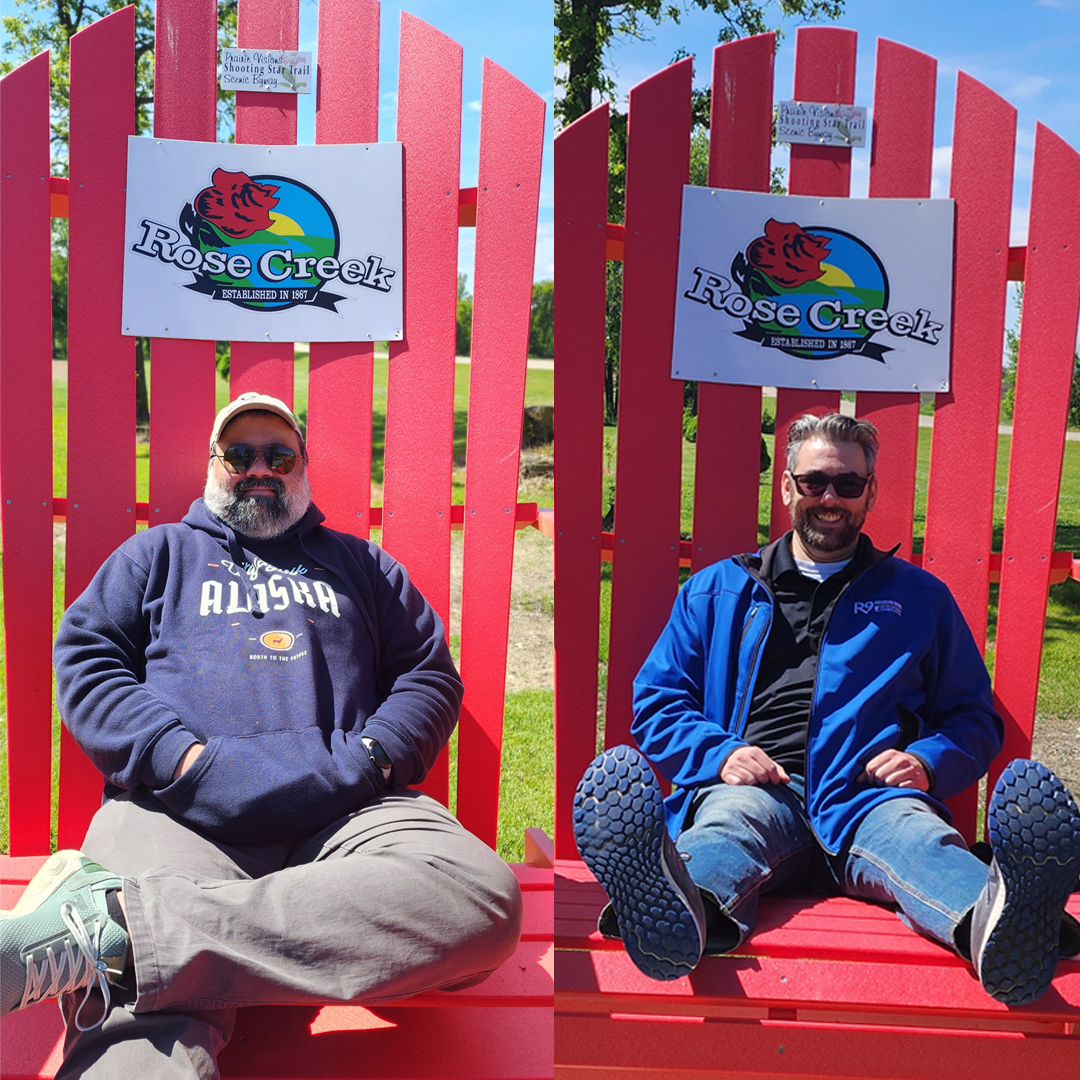
Transportation Planner Joel Hanif and Communications Manager Nate George recently traveled the Shooting Star Scenic Byway to begin work on the new Shooting Star Scenic Byway plan. Joel and Nate spent time driving the corridor to capture updated photos, document infrastructure, and gain firsthand insight into the communities, landscapes, and transportation features that make the byway a unique part of southern Minnesota.
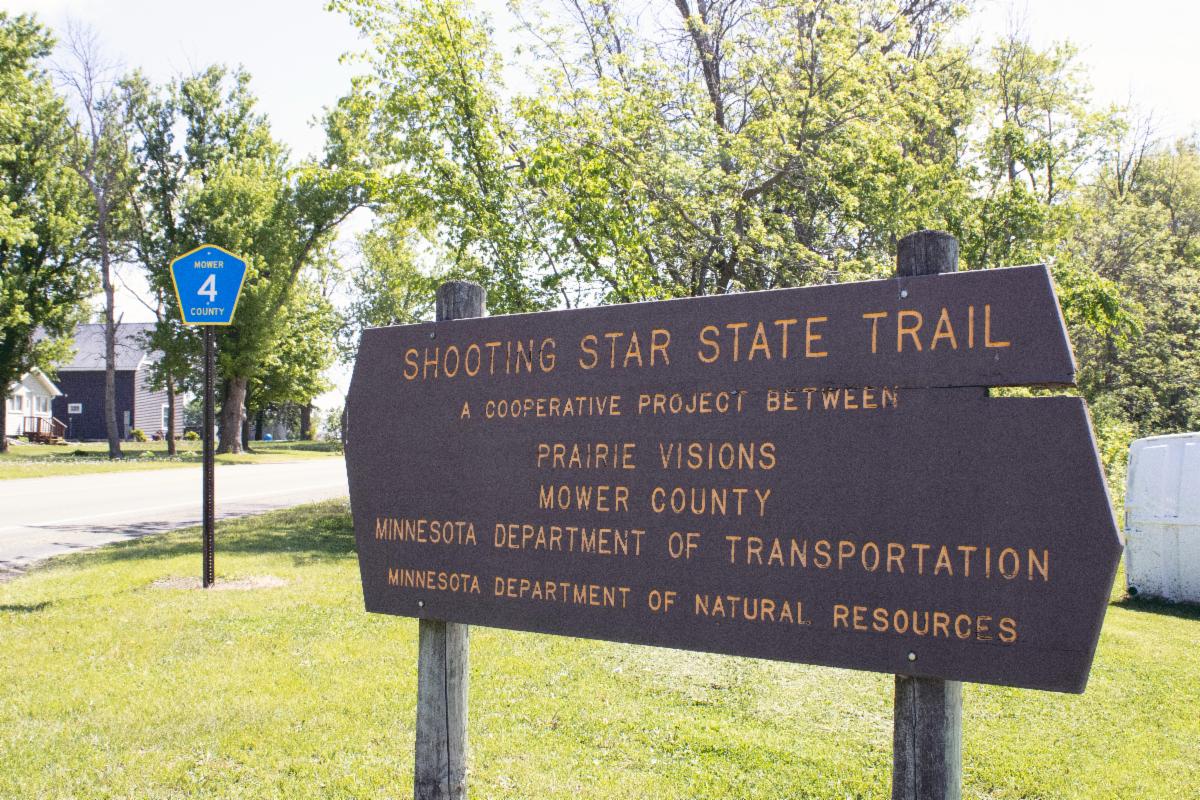
Stretching approximately 32 miles along Highway 56 in southeast Minnesota, the Shooting Star Scenic Byway is known for its scenic prairie landscapes, native wildflowers, historic small towns, and recreational opportunities. The route passes through communities including LeRoy, Taopi, Adams, and Rose Creek and connects travelers to destinations such as Lake Louise State Park and the Shooting Star State Trail. The byway was one of Minnesota’s first designated wildflower routes and continues to highlight the region’s natural beauty and rural character.
| | |
The visit allowed RNDC staff to begin assessing the corridor’s transportation assets and identify opportunities that can help support tourism, economic development, community connectivity, and long-term planning efforts along the route. From scenic overlooks and historic downtowns to trail connections and roadway features, documenting the current conditions of the byway is an important first step in developing an updated plan that reflects both community priorities and visitor experiences.
Beyond the planning work, the trip also served as a reminder of the value scenic byways bring to Minnesota communities. Scenic byways help preserve regional identity while encouraging tourism, recreation, and economic activity throughout rural areas.
RNDC provides transportation planning and technical assistance services to communities and organizations throughout the region. If your community is interested in transportation planning support, corridor studies, grant assistance, or related technical assistance, contact RNDC at 507-387-5643 or visit https://www.rndc.org/contact-us/#contact.
| | Upcoming Webinar Highlights Rural Mobility Research and Transportation Solutions | | |
Transportation plays a vital role in connecting communities, supporting economic development, and improving the quality of life across rural regions. To help transportation professionals, the University of Minnesota’s Center for Transportation Studies is hosting a webinar on current transportation topics affecting rural communities.
Research Radar: Low Density, High Impact: Research Topics for Rural Mobility will take place on Thursday, June 18, from 10:00 to 11:15 a.m. CDT. This free webinar is open to all attendees, though registration is required.
The webinar will feature presentations on several transportation research projects focused on improving mobility, safety, and infrastructure in rural areas, including:
- Phase 2: Understanding Pedestrian Travel Behavior & Safety in Rural Settings presented by Greg Lindsey
- Gravel Road and Shoulder Maintenance presented by John Brunkhorst and Mike Suska
- Research Synthesis: Design and Impacts of Rural Roundabouts presented by Syndney Tate
The objective of the Research Radar webinar series is to expand awareness and deepen understanding of current transportation research topics while creating opportunities for discussion and dialogue among transportation professionals and community leaders.
Mobility remains a critical issue for many rural communities across south central Minnesota. Reliable transportation infrastructure supports access to jobs, healthcare, education, childcare, and essential services while helping communities remain economically competitive and connected. In largely rural regions like those served by RNDC, transportation challenges can look very different than those faced in urban areas. Long travel distances, aging infrastructure, limited transportation options, and the need to safely accommodate all roadway users make continued research and investment in rural mobility especially important.
Opportunities like this webinar help local leaders and transportation partners explore innovative strategies and best practices that can strengthen transportation systems and improve connectivity throughout the region.
Register online at https://events.gcc.teams.microsoft.com/event/0219cac5-997a-4449-a75a-eff5d71995fd@eb14b046-24c4-4519-8f26-b89c2159828c. or click the button below.
| |
MnDOT NEVI Formula Funds Coming Soon
| | |
The Minnesota Department of Transportation (MnDOT) is preparing to release a Request for Proposals (RFP) for Round 3a of National Electric Vehicle Infrastructure (NEVI) Formula Program funding in late summer 2026. The NEVI program is a federally funded initiative administered by states to support the development of direct current fast charging (DCFC) infrastructure along major transportation corridors. MnDOT anticipates opening the Round 3a RFP in late August.
Round 3a marks a new phase in Minnesota’s implementation of the NEVI program. Previous funding rounds focused on building charging infrastructure along federally designated Alternative Fuel Corridors, including Interstate 35, Interstate 90, and Interstate 94. Projects have been awarded along key transportation corridors in southern Minnesota, including Albert Lea, Austin, Blue Earth, Jackson, Worthington, and St. Charles.
Organizations and stakeholders interested in learning more about the Round 3a opportunity can stay informed about upcoming informational sessions, timelines, and program updates by subscribing to MnDOT’s NEVI email list HERE or click the button below.
| |
Share Your Community’s Transportation Needs with NADO
| | |
Reliable transportation is essential for maintaining access to jobs, healthcare, education, and community services throughout rural south-central Minnesota. As communities continue to address evolving mobility needs, opportunities for technical assistance can help local organizations identify solutions and strengthen transportation networks that serve all residents.
The National Association of Development Organizations (NADO) Research Foundation is seeking input from rural communities, Tribal nations, regional development organizations, transit agencies, and other partners serving populations under 50,000. NADO applies annually for federal funding to provide transportation-related technical assistance and is gathering information about local needs to help guide future support efforts.
After reviewing submitted requests, NADO staff may follow up to learn more about local transportation needs, determine eligibility for assistance, and evaluate potential funding opportunities. Information collected may also help shape future conferences, webinars, peer exchanges, and other educational resources focused on rural transportation.
Organizations interested in exploring transportation assistance opportunities are encouraged to submit their transportation-related needs to NADO at www.surveymonkey.com/r/NADOrequest or click the button below.
If your community is interested in transportation planning support, corridor studies, grant assistance, or related technical assistance, contact RNDC at 507-387-5643 or visit www.rndc.org/contact-us/#contact.
| | |
Grant to Accelerate Markets for Continuous Living Cover Crops
The Minnesota Department of Agriculture (MDA) is accepting applications for a new round of grants to support the development of enterprises, supply chains, and markets for continuous living cover (CLC) crops and cropping systems in the early stages of commercial development.
Continuous living cover refers to agricultural systems that maintain living plants and roots in the soil throughout the entire year. CLC systems can take many forms, including:
- Winter annual cover crops grown between summer annuals
- Agroforestry and silvopasture systems
- Perennial forage and biomass crops
- Perennial grain production
- Integrated regenerative systems such as poultry silvopasture
The goal of the program is to accelerate development of CLC value chains by supporting equipment, infrastructure, business, and market development activities. Eligible projects may include:
- Customized equipment for harvesting, cleaning, or storing CLC crops
- Processing infrastructure for food, feed, fiber, or bio‑based products
- Market development or commercialization activities
- Supply‑chain coordination among farmers, processors, and buyers
Eligibility and Funding
Applicants must:
- Be an organization located in Minnesota, including companies, cooperatives, governments, Tribes, urban American Indian communities, partnerships, and other civil or political associations
- Focus their proposed work on continuous living cover crops or cropping systems
The MDA will select grantees through a competitive review process. Awards will range from $50,000 to $100,000.
Applications must be submitted through the MDA’s online grant system by 4 p.m. on Wednesday, July 8.
Deadline: July 8, 2026
| | |
Application Period Open for Climate-Friendly Agricultural Practices Funds
The Minnesota Department of Agriculture (MDA) is accepting applications for climate-friendly agricultural practices (CFAP) incentive payments. CFAP provides payments at a flat rate up to $10,000 for producers to implement a selection of sustainable agricultural practices with known, quantifiable greenhouse gas emission reductions.
Approved practices include:
- Conservation cover
- Pasture and hay planting
- Conservation crop rotation
- Tree and shrub establishment
Payments are available on a first-come basis, with about $1.2 million allocated for this year. Payments are being offered through the Minnesota Agricultural Water Quality Certification Program (MAWQCP), which certifies producers across the state for implementing conservation practices that are proven to improve and protect water. Applicants are not required to be certified in this program to apply. However, certified applicants receive a higher payment rate than non-certified applicants.
Farmers, producers, agricultural LLCs, and agricultural landowners operating on land within Minnesota are eligible to apply. Applicants are eligible to reapply if not awarded their first try. Those who have received funding are eligible to apply for additional resources so long as the request involves new practices or different acres.
For more information and to apply, please visit the CFAP website or contact Megan Moland at megan.moland@state.mn.us.
Deadline: First Come, First Served
| |
Region Nine Development Commission takes great pride in working with and on behalf of counties, cities, townships, and schools throughout South Central Minnesota. Since 1972, being a partner for progress has led to the development of programs and identification of solutions in the areas of economic development, business development, healthy communities, transportation, community development, and leveraging regional resources. To learn more about our work and mission, visit www.rndc.org.
| | | Follow RNDC on social media to stay up-to-date on events, news, and more! | | | | |