For Black History Month, Celebrate Diversity
Dear colleagues and friends,
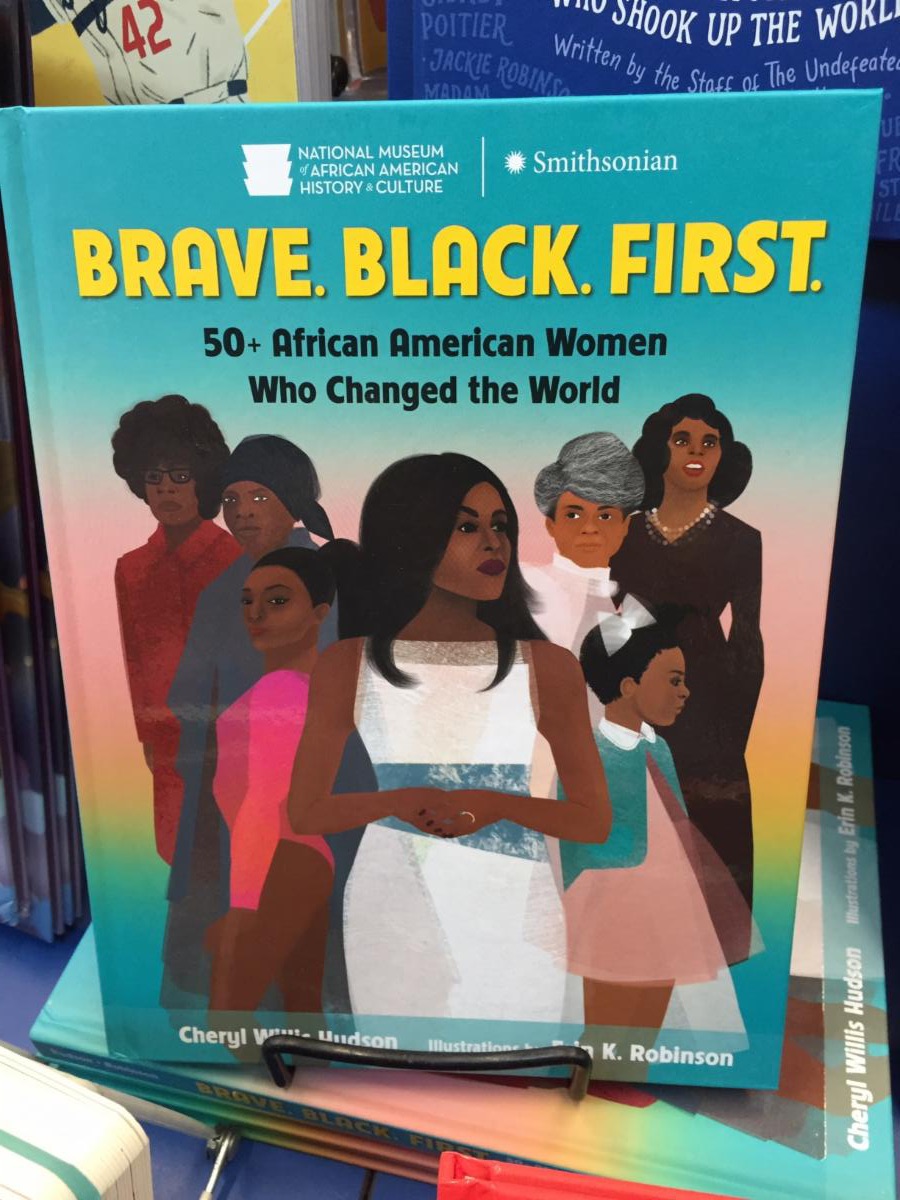
Here at the Institute, we have a saying about the importance of "doing our own work" - whether we're parents or professionals. In this newsletter during Black History Month, we provide some resources to celebrate diversity and inclusion.
As we consider ways to help children understand and appreciate diversity, it's vital for us to "do our own work." Research has indicated that many parents, in an effort to help children be inclusive, may avoid discussions of difference. However, current research also shows that the common notion of "color blindness" does not help children appreciate diversity or stand up for inclusion and against discrimination. This extends beyond race, and includes gender, sexuality, disability, and all aspects that make up our identities.
Below you'll find tips for "doing your own work" and resources for talking about and better understanding diversity.
|
|
In gratitude,
Licensed Psychologist (PSY 13102)
CEO & Founder
Training Director, Professional and Post-Doctoral Training
|
|
- Recognize your own discomfort: Parents often avoid uncomfortable topics - racism, white privilege, underage drinking, sexual behavior. Give yourself permission to have these conversations - even if they're uncomfortable. Work on getting comfortable with being uncomfortable. Role play conversations. Practice techniques to breathe through - and stay calm - during difficult conversations.
- Recognize what is developmentally appropriate for your child: Younger children are interested in difference - they're curious and notice difference in all kinds of things. This can be a great time in life to notice, non-judgmentally, differences in skin tone, for example. With older elementary school and middle school-aged children, fairness is an important theme. Take advantage of this interest in your conversations about discrimination. With this age and with teens, there is the capacity to observe what we call "within group differences." Noticing the range of diversity within all groups is a great - and often mind-expanding - exercise.
- Respond - don't react - to statements children make that may seem inappropriate or embarrassing: Children are curious and can offer up inquisitive statements or questions to which we respond internally with, "Oh no, they didn't really say that - out loud - in public!" Take a deep breath. These are teachable moments. Respond non-judgmentally with a matter-of-fact educational comment.
- Pay attention to your own struggles, messages and stereotypes: If you notice yourself stating a stereotype or identifying someone by their appearance, you can make a self-correction. Out loud. You can also make these out loud observations when you notice the impact of white privilege. Sometimes, with kids, starting with the word "oops" is helpful. "Oops, I just said something that isn't really true. I think a better way to say this is ______." Or, with older kids, "Oops, that sure is a stereotype. Let me change what I just said." It's important role modeling - and indicates to your child that we are all learning together and for a lifetime.
- Expand diversity in your own life and in your child's: Friendship is an important mechanism for learning to live in a diverse world. Provide opportunities for your children to expand their friendship circles to be more diverse. One way to do this is by attending cultural events - celebrating your own culture as well as the cultures of others. If you have to leave your neighborhood to accomplish this, this is something to discuss as well. Discuss differences and similarities.
- Set the stage for being the "askable parent": Be open and curious when your children make comments and raise questions about race or diversity. If you don't know the answer (and sometimes we don't), figure out how you can work together to find an answer - or multiple answers.
|
|
|
|
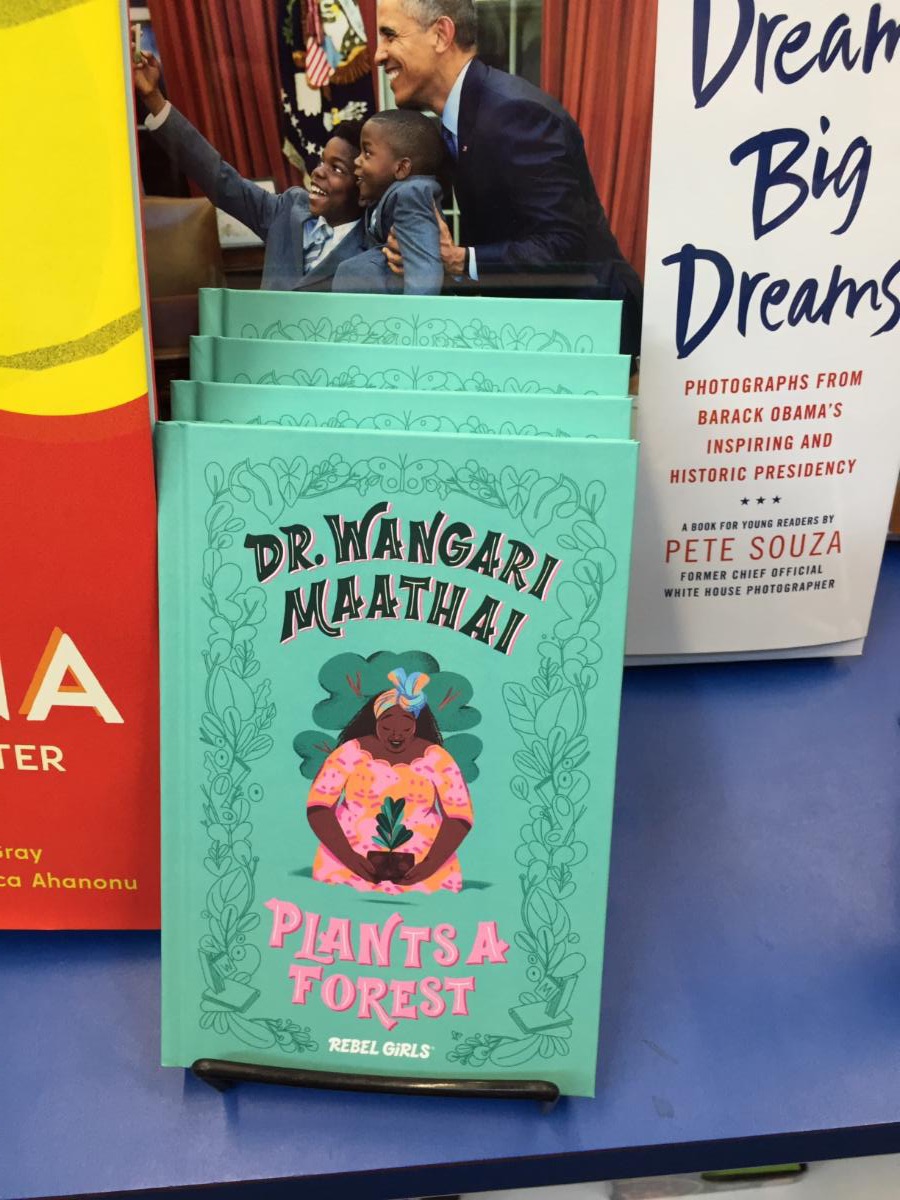
We appreciate the amazing work of Dr. Wangari Maathia (1940 – 2011) of Kenya. Wangari Maathai was a renowned Kenyan social, environmental and political activist and the first African woman to win the Nobel Prize. We’ve been learning about her work as we learn more about influential women in Kenya – a project that we're excited about thanks to
Friends of Yimbo
. Over the next months, we’ll be sharing more about
Friends of Yimbo
.
|
|
This book can be a wonderful resource for discussions about role models and those who inspire us! Here are some discussion questions for your classroom or dinner table.
- What is a role model? Who is a role model to you?
- What qualities do you value in your role model?
- How does knowing (or knowing about) your role model help you in your life?
- What are you grateful for about your role model?
|
|
|
What's Coming Up...
Join us at these upcoming events. Follow the links to save your spot - and bring a friend!
- 11am - 1pm on Thursday, February 27 - Fostering Social & Emotional Intelligence: Help Your Children Build Resilience and Become Happier, Kinder and More Compassionate: Our CEO, Dr. Melissa Johnson, will present this talk as part of the La Canada Presbyterian Church Parent Education Program in the church's Fellowship Hall. Parents in the community are invited to attend at no cost. No need to RSVP.
|
|
Open Positions at the Institute:
|
|
THERAPY & ASSESSMENT SERVICES
Interested in individual therapy?
See our current therapy groups by age:
|
|
Empowering girls, families and their circles of community.
95 N. Marengo Ave. Suite 100
Pasadena, CA 91101
626-585-8075 ext. 108
|
|
Learn more on our social media accounts!
|
|
|
PLEASE NOTE:
Nothing in what you find here should be construed as medical advice pertinent to any individual. As is true with all written materials, you must be the judge of what appears valid and useful for yourself. Please take up any questions you might have regarding the content of this with your psychotherapist or physician.
|
|
|
|
|
|
|