|
I recently spent 2.5 days in Berlin, and it left me fascinated, moved, and conflicted all at once. On one hand, Berlin is ground zero for some of the darkest chapters of modern history—Nazism, the Cold War, the Berlin Wall. To experience those stories in the very places where they unfolded is incredibly powerful. On the other hand, because so much of the city was destroyed during WWII (more than 70% of it was bombed), Berlin has been almost entirely rebuilt. Unlike Rome or Paris, it doesn’t have a strong “sense of place”—its streets and modern skyline could be anywhere. Yet that in itself makes Berlin remarkable: it is a city that has reinvented itself from ruins, over and over again.
This trip was also a precursor to a much heavier journey—six days in Poland exploring Jewish history and Holocaust sites. Experiencing Berlin first provided both context and contrast, making what we would later encounter in Poland even more powerful.
Below is our round up of how to spend a perfect few days in Berlin.
| | |
Saturday:
We began at Sammlung Hoffmann, a private, by-appointment-only modern art collection housed in one of Berlin's most famous apartments. Among Berlin’s endless art offerings, this experience was a standout—intimate, thought-provoking, and personal. Meeting Erika Hoffmann herself made it even more special, as she shared the vision behind the collection and stories about the works that fill her home.
From there, we visited the Jewish Museum, designed by Daniel Libeskind, which is as much about architecture as it is about history. The building itself feels disorienting and fragmented, intentionally evoking the rupture of Jewish life in Germany. Walking through its voids and exhibits was sobering and deeply affecting.
| | |
Sunday:
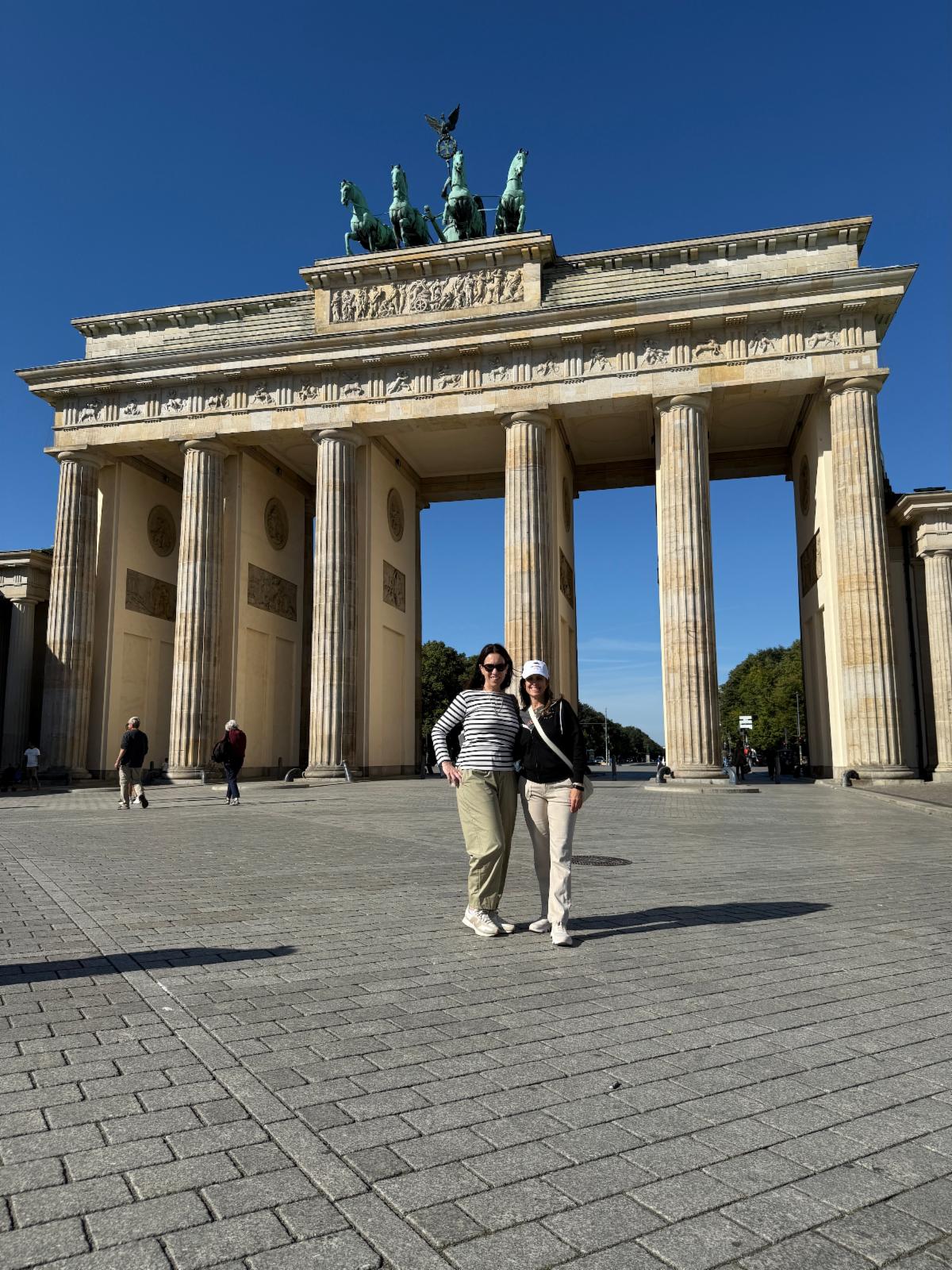
With our fantastic guide, Aaron, we spent the day walking Berlin’s streets, uncovering how this relatively young capital has been shaped by emperors, ideologues, and war. From the Brandenburg Gate to the Reichstag, we traced how Berlin was defined by the ambitions of Prussian kings, distorted by the horrors of the Nazi era, split apart during the Cold War, and finally reunited.
We ended the day with a stop at the Topography of Terror, located on the former site of the Gestapo and SS headquarters. The open-air exhibit and documentation center laid bare the machinery of Nazi terror, giving context to the brutality that spread across Europe from this very ground.
| | |
Monday:
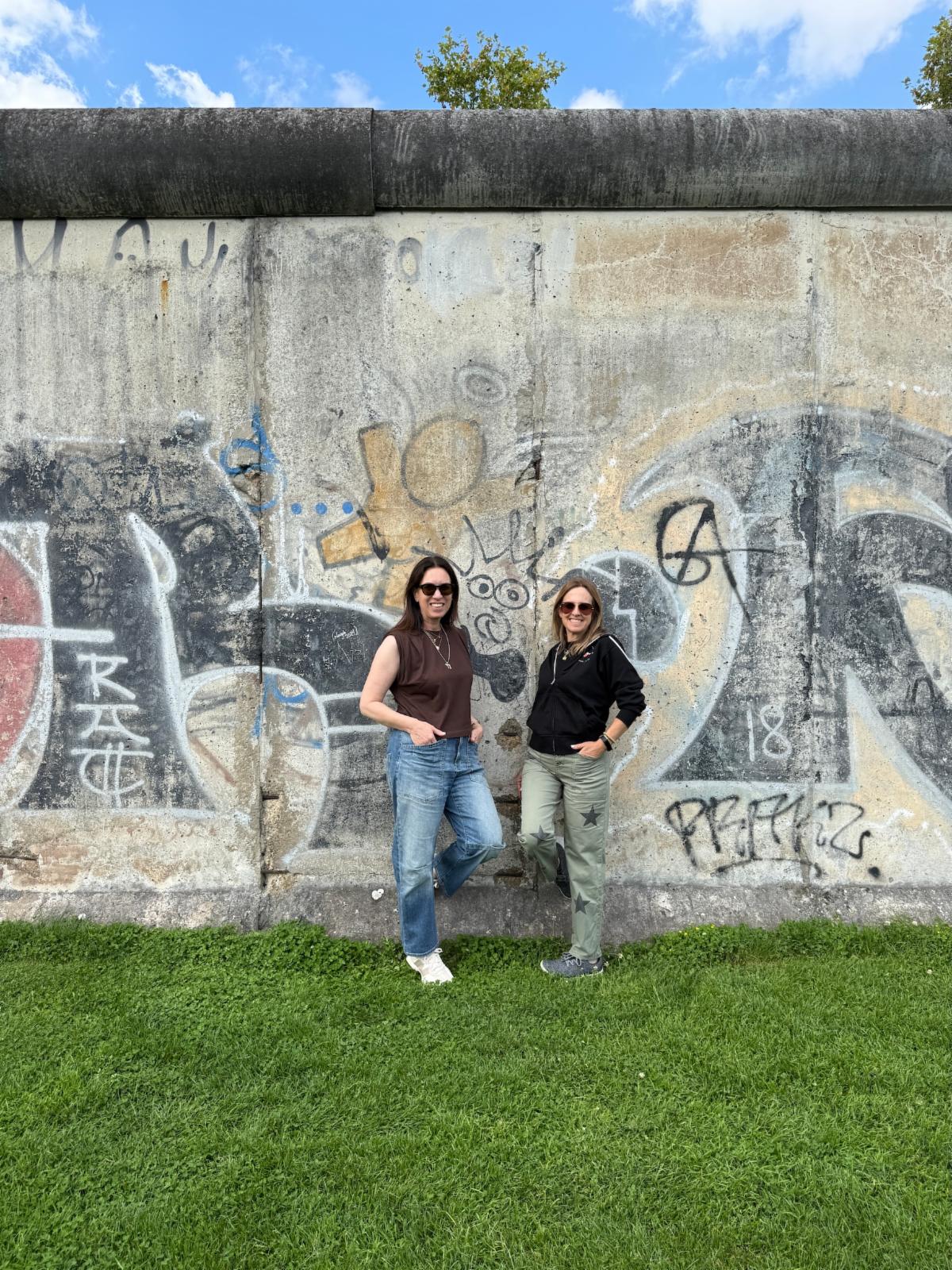
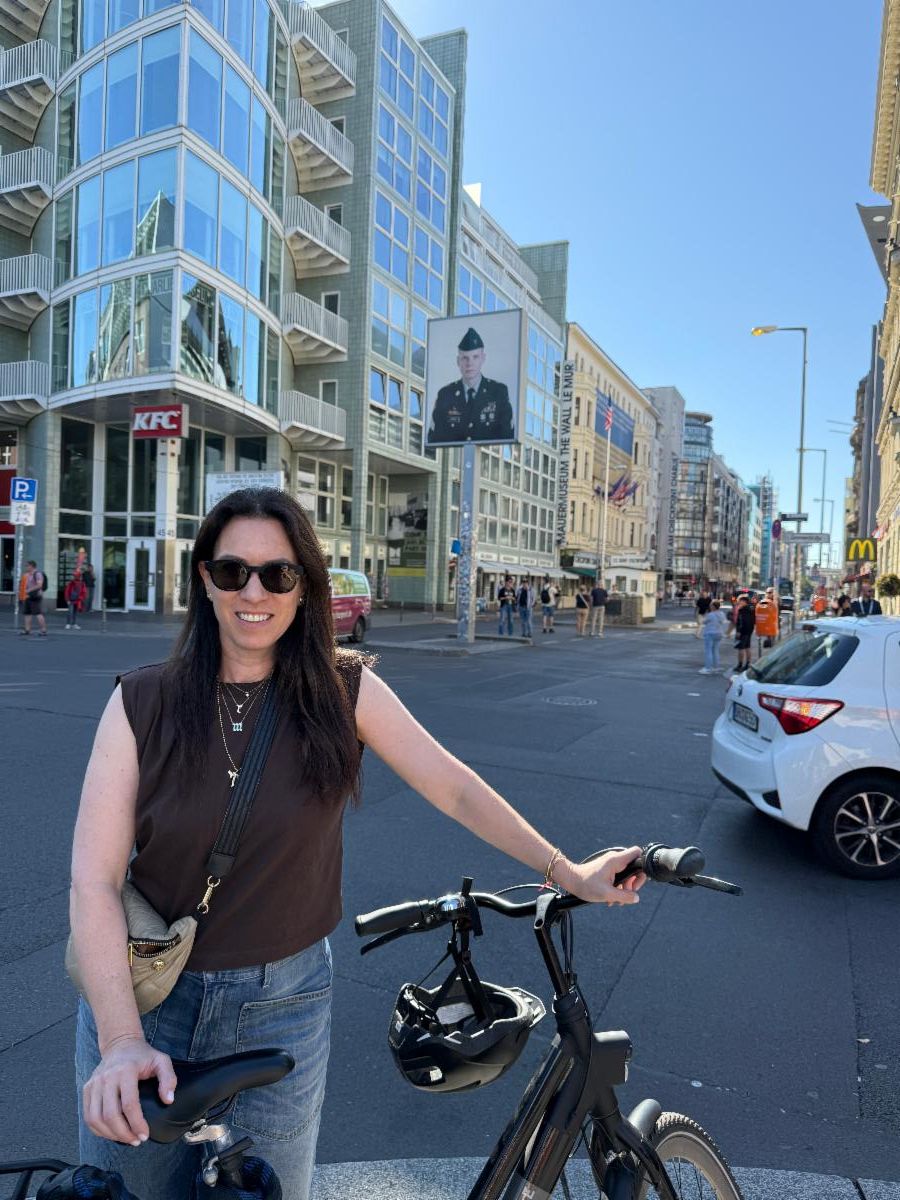
Berlin is wonderfully flat, which made our 3-hour bike ride along the former Berlin Wall both manageable and memorable. Starting at the Berlin Wall Memorial, Aaron brought to life the stories of escape attempts, the realities of the “death strip,” and the symbolism of the Wall as the defining image of the Cold War. As we pedaled past “ghost stations” and memorial sites, the conversation turned to what Germans call the Mauer im Kopf—the “Wall in the Head.” Even though the concrete barrier fell in 1989, its divisions linger in memory, identity, and politics today.
| | |
Where We Stayed:
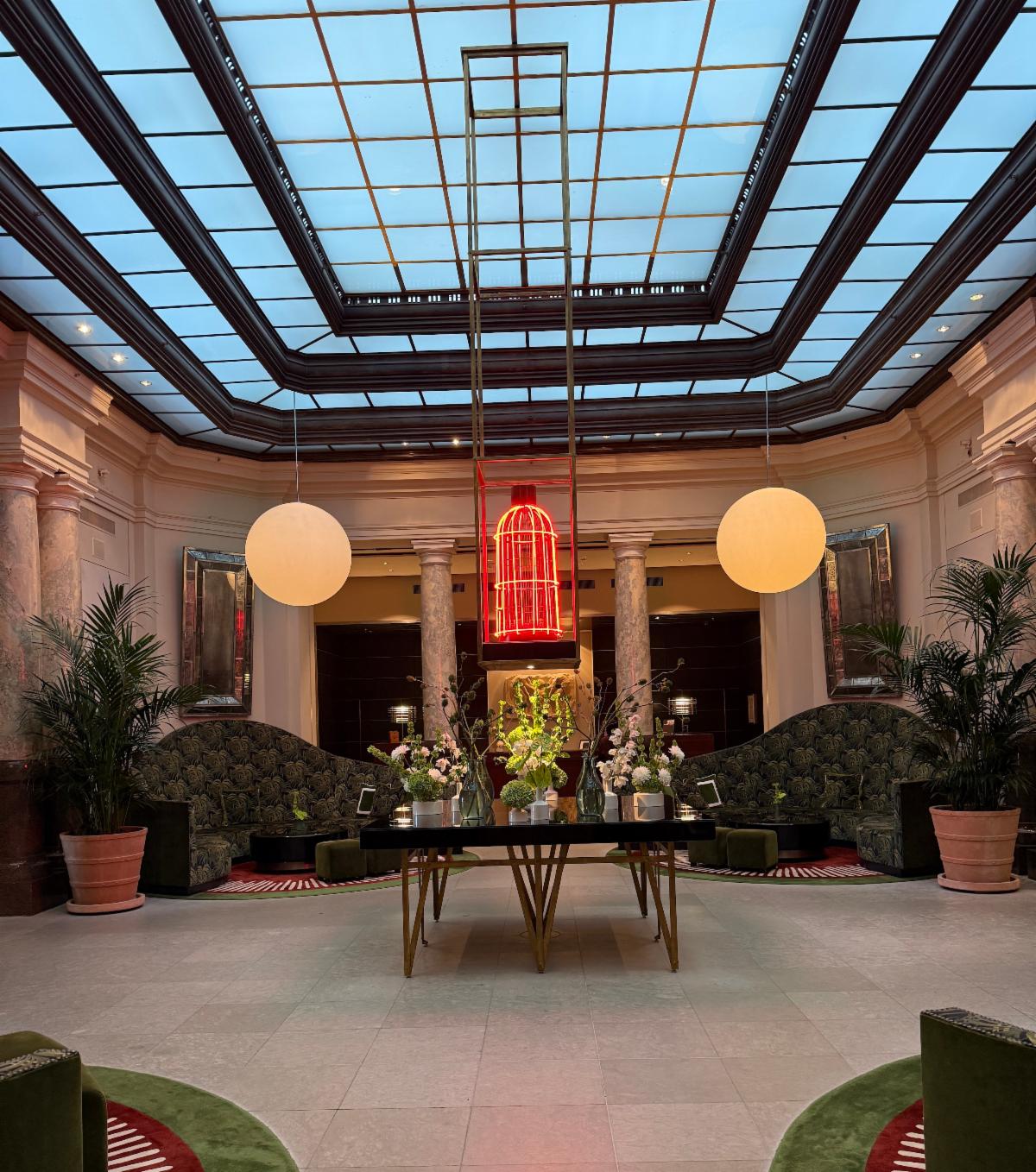
We checked into Hotel de Rome, a Rocco Forte property housed in the former headquarters of a 19th-century bank. With soaring ceilings, a stunning spa in the old bank vault, and an unbeatable location on Bebelplatz, it was the perfect balance of history and modern luxury.
| | |
Why Go?
Berlin is not traditionally “beautiful” in the way other European capitals are, but it is endlessly compelling. For anyone interested in history, politics, or art, it’s one of the most fascinating cities in Europe. And for those exploring Jewish history, it provides crucial context—an essential stop before continuing on to Poland. Plus, we had some great meals which may surprise you. Your itinerary will certainly come with my fav dining reccs!
| | | | |