Because Digestive Health Matters
International Foundation for Gastrointestinal Disorders February 2020 eNewsletter
Greetings!

People who suffer from rare digestive disorders or any chronic illness face daily challenges that have a significant impact on their lives. Yet, even when faced with adversity, many persevere and overcome these obstacles each day.

There are approximately 7,000 rare diseases to date, and an estimated 1 in 10 Americans are affected by one or more rare diseases. Raising awareness brings attention to the unmet needs of those who live with these illnesses and helps generate change by policymakers.
Each year Rare Disease Day is recognized on the last day of February to express the uniqueness of these conditions, and inspire others to take action within their community.

On February 29th, you can help raise awareness by joining us, the rare disease community, and millions of people around the world on social media using hashtags #RareDiseaseDay and #ShowYourStripes.

Nearly everyone experiences unwanted digestive symptoms now and again.
Sometimes these symptoms may be minor; other times, they may be very disruptive.

The presence of a functional disorder does not exclude the possibility of a co-existing disease, and your healthcare provider will be on the lookout for worrying symptoms and signs.

Click here to learn about alarm symptoms that you should discuss with your healthcare provider .
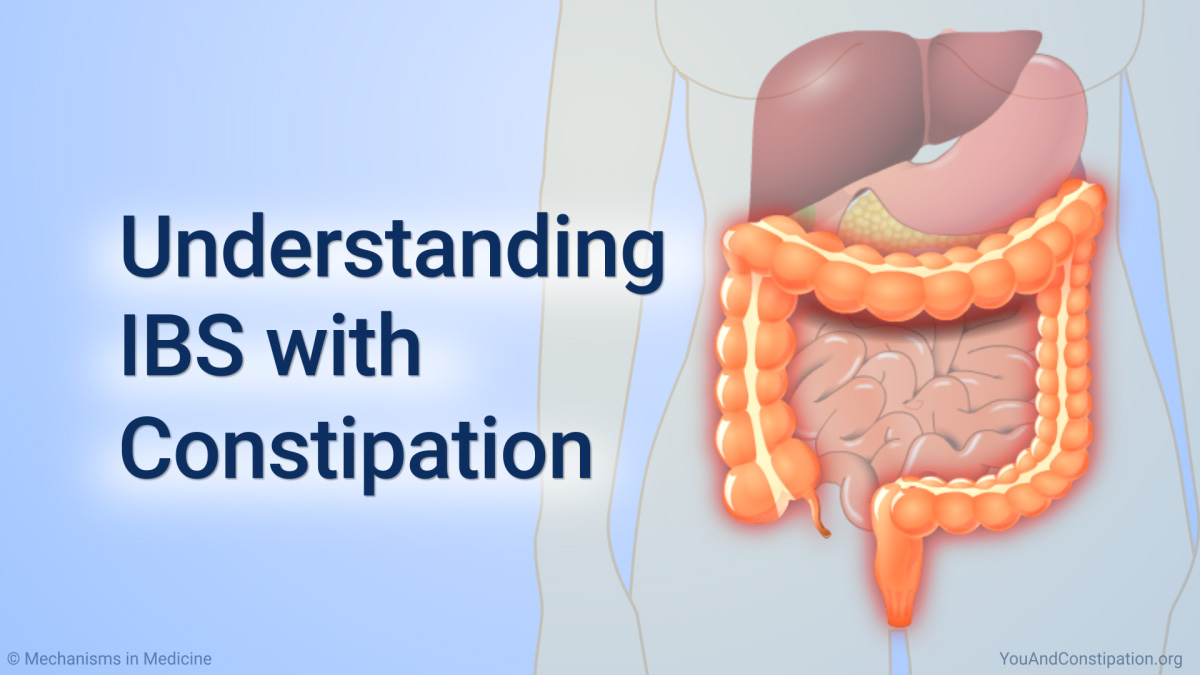
  Irritable bowel syndrome with constipation (IBS-C) is a type of irritable bowel syndrome which is usually accompanied by abdominal discomfort and reduced stool frequency.

The You and Constipation animation series, created by IFFGD and Mechanisms in Medicine, provides an overview of the symptoms and causes of IBS-C. This series also teaches you about the importance of working with your physician to determine which dietary and lifestyle changes are best for you.

Click below to learn about IBS-C.
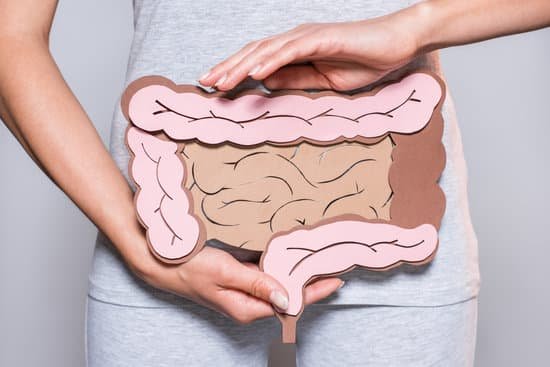
Diverticulosis is a condition characterized by the development of small pouches protruding from the wall of the colon. The pouches themselves are not harmful and rarely cause symptoms.

However, diverticulosis becomes more severe if the pouches become infected.
If an infection occurs, the condition is called diverticulitis. Diverticulitis is more severe because the infection can lead to other problems.

Click below to learn more about the difference between the two.
On March 24th-28th, 2020 The Federation of Neurogastroenterology & Motility (FNM) 2020 conference offers an exceptional chance for active researchers and clinical colleagues from Europe, Asia, Australia and the Americas to present the latest research in neurogastroenterology.

IFFGD will exhibit at this meeting to share resources with physicians, and to share unique insights from leading experts in the field during our GI Research on the Road program. Click here to view GI Research on the Road interviews from last year.
Diet, Nutrition and Digestive Health: Finding the Balance in Food for Life

The International Foundation for Gastrointestinal Disorders (IFFGD) along with the University of Michigan Gastrointestinal Department partner with the Food for Life Kitchen for a Norton Education Series event. Join us Saturday, April 18 for this FREE Educational Event (lunch included) to discuss how the foods we eat affect our bodies and overall health. Click here to register and learn more about this event.
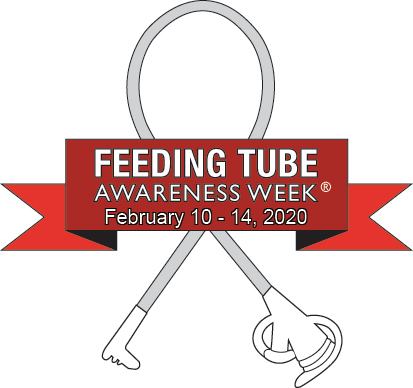
This week is Feeding Tube Awareness Week.

In 2011, this awareness campaign was acknowledged on the National Health Observances (NHOs) calendar to promote the positive benefits of feeding tubes as life-saving medical interventions.

We encourage those with feeding tubes, parents, and caregivers to share how living with a feeding tube has impacted your life.
 
Click below to learn how you can help raise awareness about feeding tubes.
This year Rare Disease Day is February 29th.

National Institutes of Health (NIH) identifies a disease as rare if it affects fewer than 200,000 people in the United States. 1

 Many rare diseases have been documented by NIH, to have an affect on the digestive tract. Symptoms associated with both rare disease and chronic gastrointestinal disorder can be debilitating and life-altering.

 Click below to learn what rare diseases are and how you can help raise awareness.
1 Research recently published in the European Journal of Human Genetics, article authored by EURORDIS-Rare Diseases Europe, Orphanet & Orphanet Ireland “Estimating cumulative point prevalence of rare diseases: analysis of the Orphanet database”. The analysis is of rare genetic diseases and is therefore conservative as it does not include rare cancers, nor rare diseases caused by rare bacterial or viral infectious diseases or poisonings https://www.nature.com/articles/s41431-019-0508-0


Clinical trials and research studies help to improve our understanding of the underlying mechanisms of diseases and advance the development of new and better treatment options. By participating in a study, you can help further the advancement of research and learn more about your condition.

Here are 3 studies currently recruiting participants :
IBS
Recognizing the critical role of research in advancing the understanding and care of chronic gastrointestinal (GI) illnesses in adults and children, IFFGD was pleased to present its 2019 Research Recognition Awards to three young investigators at Digestive Disease Week (DDW) 2019 in San Diego, California.

This month we are highlighting IFFGD's 2019 Research Recognition Award Winner, Arpana Gupta, Ph.D., who is an Assistant Professor in the Division of Digestive Diseases at the UCLA Department of Medicine.

Dr. Gupta serves as Director of the Neuroimaging Core at the G. Oppenheimer Family Center for Neurobiology of Stress and Resilience at UCLA, where she specializes in research that investigates the interactions between environmental and biological factors in contributing to stress-based diseases such as obesity.
Currently, she is working towards an obesity model that considers mechanisms associated with the bidirectional interactions of the brain with those in the periphery (immune cells, gut microbiota-related metabolites). She is interested in investigating the modification of these brain-gut interactions by vulnerability factors (e.g., adverse life events, sex, race) or protective factors (e.g., resilience) in obesity. Click   here to learn more about Dr. Gupta.
IFFGD is a nonprofit organization. We rely on donor support to fund research and to provide reliable information and support to those affected by chronic gastrointestinal disorders.
IFFGD | 414-964-1799 | iffgd@iffgd.org | www.iffgd.org