Newsletter

A SKI Landscape 2024 publication

Mulching process made easy!?!!!

by Teresa Brown

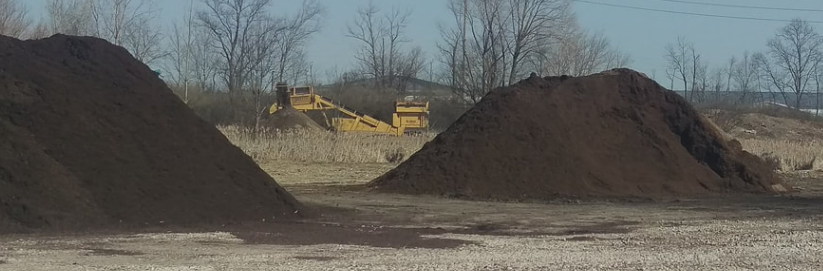
Mulch makes a beautiful difference in any landscape with a clean, neat appearance while providing environmental protection. At SKI Landscape we create quality mulch through a complicated grinding process.


The following steps are key to making excellent mulch:


1.  Take in brush that is free of trash and dirt. We do not accept lumber, leaves, grass, soil, rocks or concrete.

2.  The brush is ground a first time with large screens in the grinder to make bigger mulch chips.

3.  The mulch is heaped in many different piles waiting for the dyeing process to begin.

4.  Smaller screens are put into the grinder to cut smaller wood chips.

5.  The woodchips are ground and stacked on a water pad where they will be watered down and mixed with a powder dye depending on what color is needed. SKI offers Hardwood Blend, Raven black, Russet Brown and Certified Playground mulch.

6.  Once done, the mulch will be stacked again in its finished pile. It will sit for a little while so that the color has time to embed into the wood chips.

Fun facts: 

·     In the process of dying brown mulch, it’s like art class in grade school. Mixing black and red dye powder will create a rich brown color.

·     The water we use to make colored mulch is pumped from the pond on SKI property. We also use natural rainwater. It takes 33 gallons of water to create one yard of colored mulch.

·     Sometimes you can see a mulch pile smoking. In many of these mulch fires, smoldering mulch tunnels under the surface break out into open flame. Mulch that is piled too deeply, more than a few inches, can build up heat and spontaneously catch fire. Mulch fires start more readily when the weather is hot, and it has been dry for an extended time.

·     To extinguish mulch/compost fires isolate the burning material by removing the surrounding uninvolved material, spread out the burning material and then apply water to only that area.  

SKI Around Town

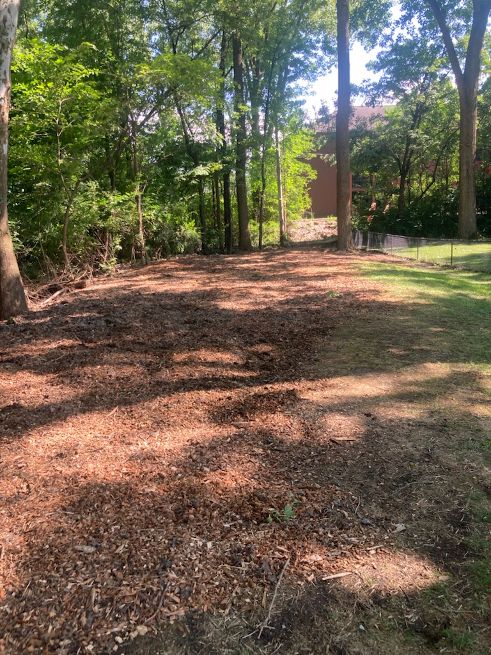
Natural area at St. Luke Methodist Church


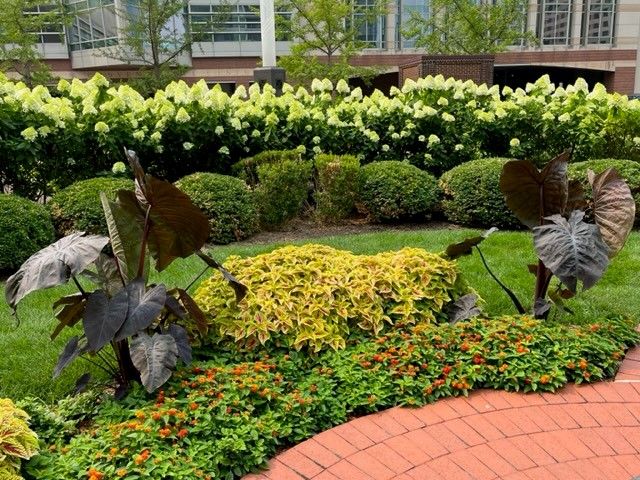
Downtown Hudnut Commons

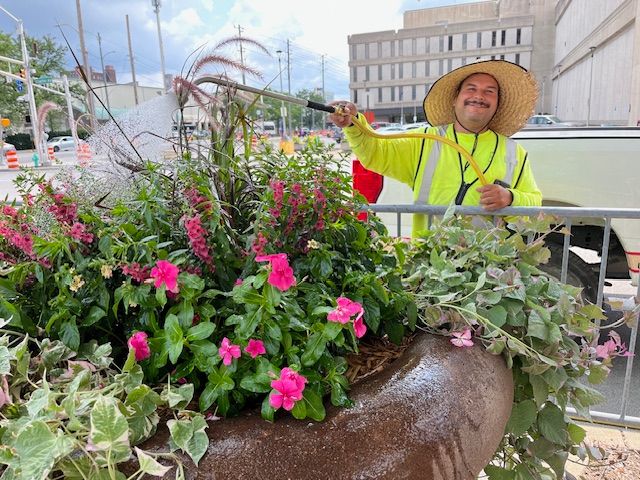
Alfredo watering pots at Lucas Oil Stadium


Mariott East

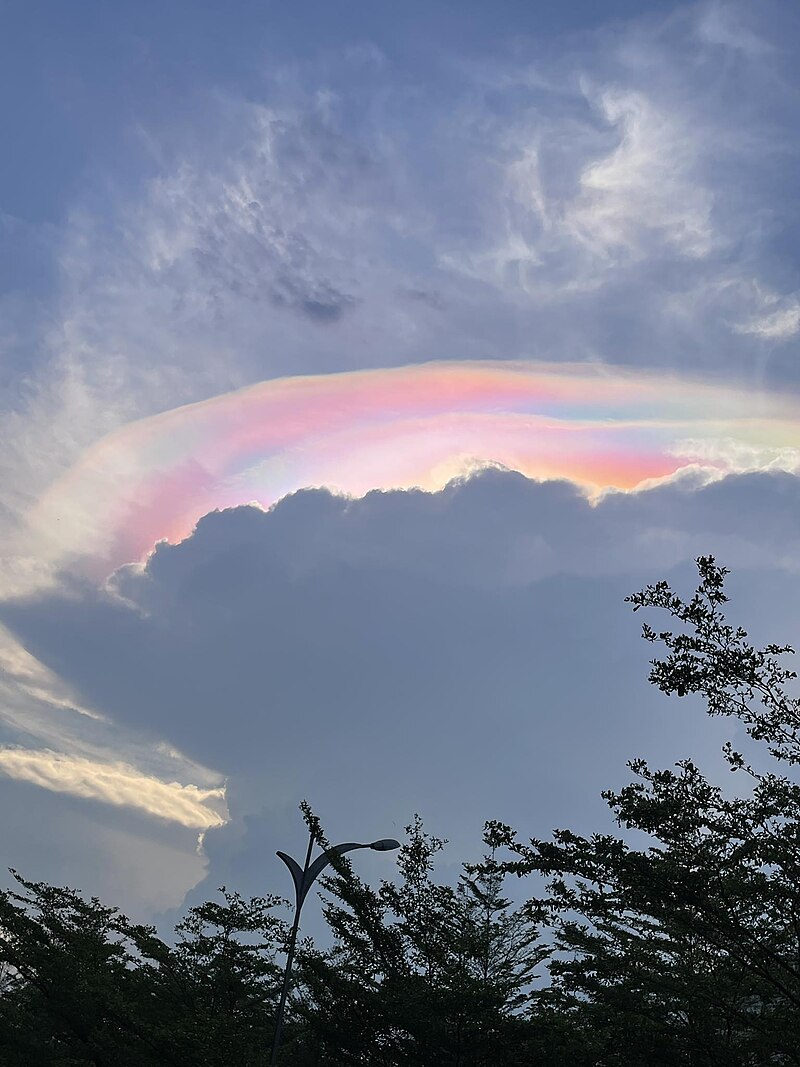
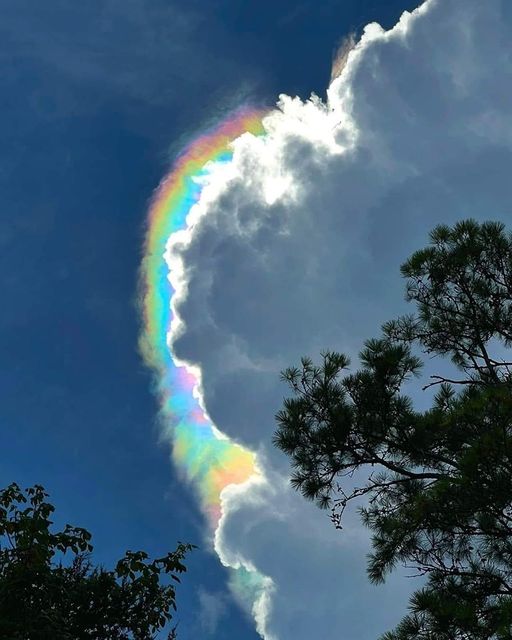
Cloud iridescence

Cloud iridescence or irisation is the occurrence of colors in a cloud when near the sun or moon.  This optical phenomenon can be observed in altocumulus, cirrocumulus, lenticular and cirrus clouds as small water droplets or small ice crystals scatter the sun’s light. This is called “diffraction”. Larger ice crystals do not produce iridescence but can cause “halos” which is a different phenomenon.


The colors of iridescent clouds resemble those seen in soap bubbles and oil on a water surface. The colors are usually pastel but can be very vivid or mingled together. They sometimes appear as bands parallel to the edge of the clouds.

Blog


August SKI Tips, 2024


Turf notes


Rare earth minerals important in today's world


What is an "old vine"?


In the wine world an "old vine" is a vine that is at least 35 years old. Vines are their most productive between age 3 and 35. Even with age, old vines have some advantages. A deeper root system enables them to survive water shortages. They are more resistant to weather, insects, disease and other stresses. 

Hours

Office Hours

Monday - Friday

8:00 a.m. - 4:00 p.m.


(317) 897-5885


Products Office Hours

Monday - Friday

8:00 a.m. - 4:00 p.m.


(317) 757-5000

 
Facebook  Youtube  Instagram  
 
SKI Landscape Corporation | 317.897-5885 | www.skilandscape.com