|
What was the process for selecting and vetting the task force involved with the project?
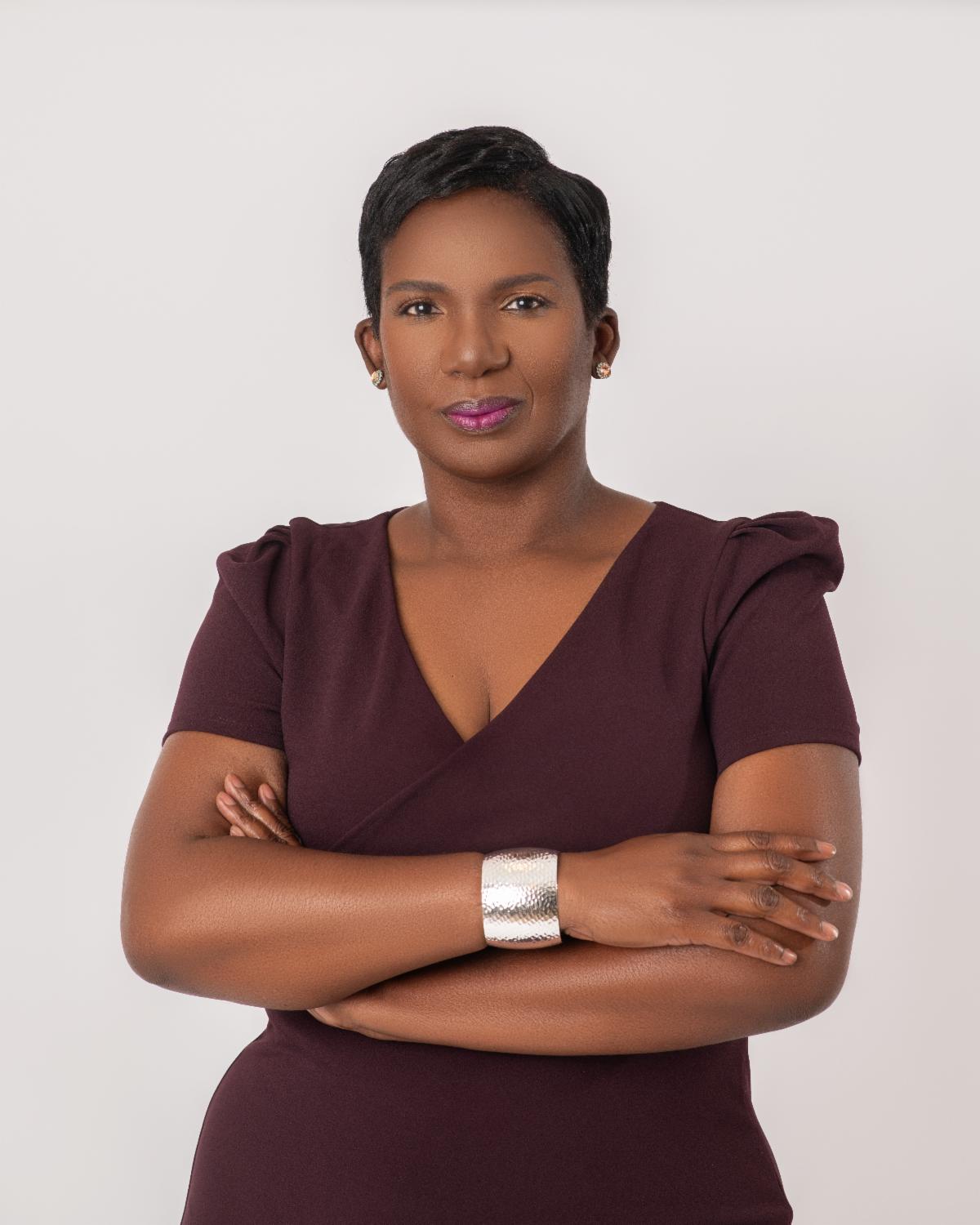
Wilson: Phil shared a message of interest with the chapter’s members, and the response was incredible. The journalists, educators, and advocates who stepped forward were not only passionate about the cause but also willing to answer transparently: What are you seeing? What challenges do you face? How can we help? Their lived experiences and professional insight shaped the task force.
Rather than a traditional “vetting,” it was about bringing together the right mix of voices — people who understood the gaps in coverage and were committed to finding real, actionable solutions.
As you surveyed newsrooms about their reporting on missing persons cases over the course of the project, how did your coverage guidance evolve?
Wilson: One of the most surprising — and concerning — findings was that very few of the newsrooms we polled had formal policies or procedures for covering missing persons cases. That lack of structure has contributed to the uneven, often inequitable coverage we see. From there, our guidance evolved to provide practical tools, from removing unintentional bias in language to ensuring consistency in coverage regardless of race, class, or location.
The top takeaway is clear: Every newsroom can take simple, intentional steps that make a huge difference.
What were the most significant roadblocks you faced during this project?
Wilson: Honestly, there weren’t traditional “roadblocks.” What stood out most was the passion and commitment of everyone involved. We spent hours — sometimes three at a time — in workshops, really dissecting the problem and challenging each other. Turning all of that into a constructive, actionable resource took time, patience, and a lot of honest dialogue. But those conversations were necessary, and the result is a guide that doesn’t just call out the problem, it provides solutions. The team was amazing, and their dedication is what made this project possible.
|