|
From Childhood Wonder to Conservation Legacy: Felipe Alfonso-Cortes’ Lifelong Devotion to Wildlife
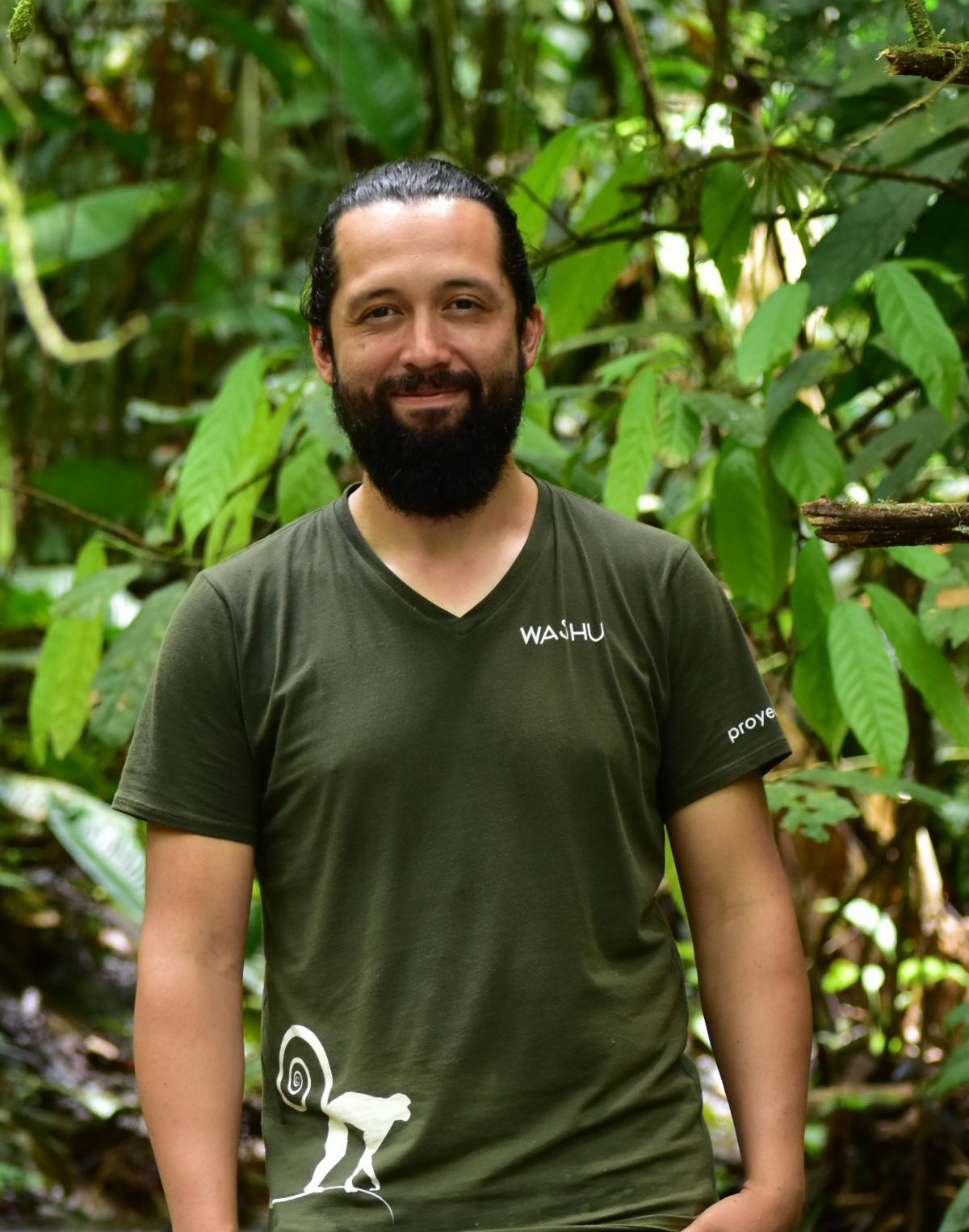
As part of GlobalMindED’s recognition of Hispanic Heritage Month, we are honored to feature Felipe Alfonso-Cortes, a Colombian conservation leader whose journey embodies the resilience, passion, and collaborative spirit of Latin America. Born and raised in Colombia, where the extraordinary biodiversity of the region and the influence of his parents instilled in him a deep connection to wildlife from an early age, Felipe’s fascination with nature grew into a lifelong commitment to conservation. Today, as co-founder of Proyecto Washu, he has built an innovative model that blends science, community empowerment, and long-term ecosystem protection. His story reflects not only professional dedication but also the cultural heritage and values that continue to shape his vision for protecting both people and the planet.
Tell us about your personal journey.
I was born and raised in Colombia, and like most Latin American countries, we have the privilege of extraordinary biodiversity. Along with my parents’ passion for showing me National Geographic wildlife documentaries, this instilled in me a deep connection to nature from a young age. When I began my bachelor’s in biology, I always imagined working with big wild cats like jaguars or pumas. But then I entered a primate research program, and on my first field trip, I noticed a flash of red climbing a tree. When I raised my binoculars, I saw a Red Howler Monkey among the green leaves—it was a beautiful image, and love at first sight. From that moment, I knew I wanted to dedicate my life to primates.
As a biologist, my path began with research, but during my undergraduate thesis and the early days of Proyecto Washu, it became clear that science alone wasn’t enough to achieve conservation. What was needed was a comprehensive strategy built on trust, relationships, and shared purpose with the people living in the forests alongside primates. That’s why we created Proyecto Washu, a grassroots initiative that combines conservation, community empowerment, and long-term ecosystem protection. Over the years, my professional journey has become deeply personal—these landscapes and communities are part of who I am.
What pivotal experiences shaped your current path?
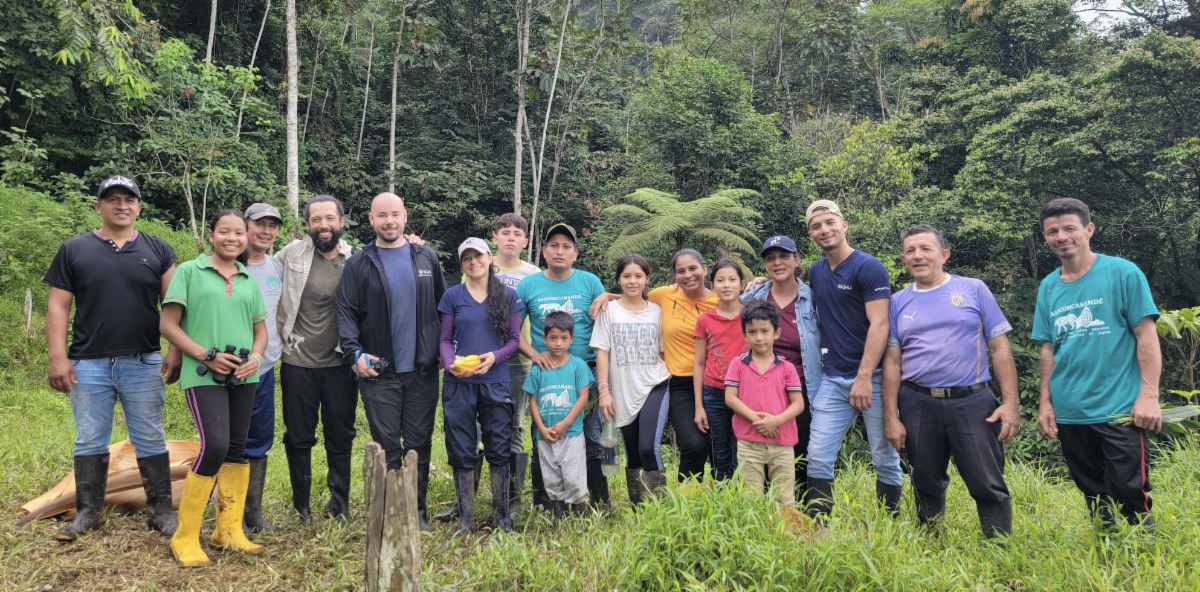
One pivotal and defining experience has been walking alongside farming families for over a decade, witnessing them grow their capacities to become leaders and true stewards of their territories. This showed me that community-based conservation is not only possible but essential—an insight that completely transformed how I approach my work and purpose. Another powerful experience has been my many journeys to the field, where I’ve seen firsthand how much of our planet’s natural beauty we are losing. Witnessing deforestation and imagining the wildlife that has been lost is devastating, but it also marked a turning point. It was then that I realized my life’s purpose is to protect what I can through my actions for the future.
What are the most valuable lessons you've learned through your work?
I’ve learned that change takes time, and that the most meaningful
results aren’t always measurable in months or even years, they are
built through patience, consistency, and humility. Commitment to the
people of the local communities its crucial, and trusting in their
knowledge and capacities it’s the right way to create long term
conservation strategies, we need to improve the livelihoods of these
communities to think about a better future for mankind. Also another
valuable lesson has been to observe that if we give nature enough
time, it will recover the places we have damaged, of course with a
little help from people the recovery process can be more quickly and
we owe it to nature.
What drives your desire to contribute and make a difference?
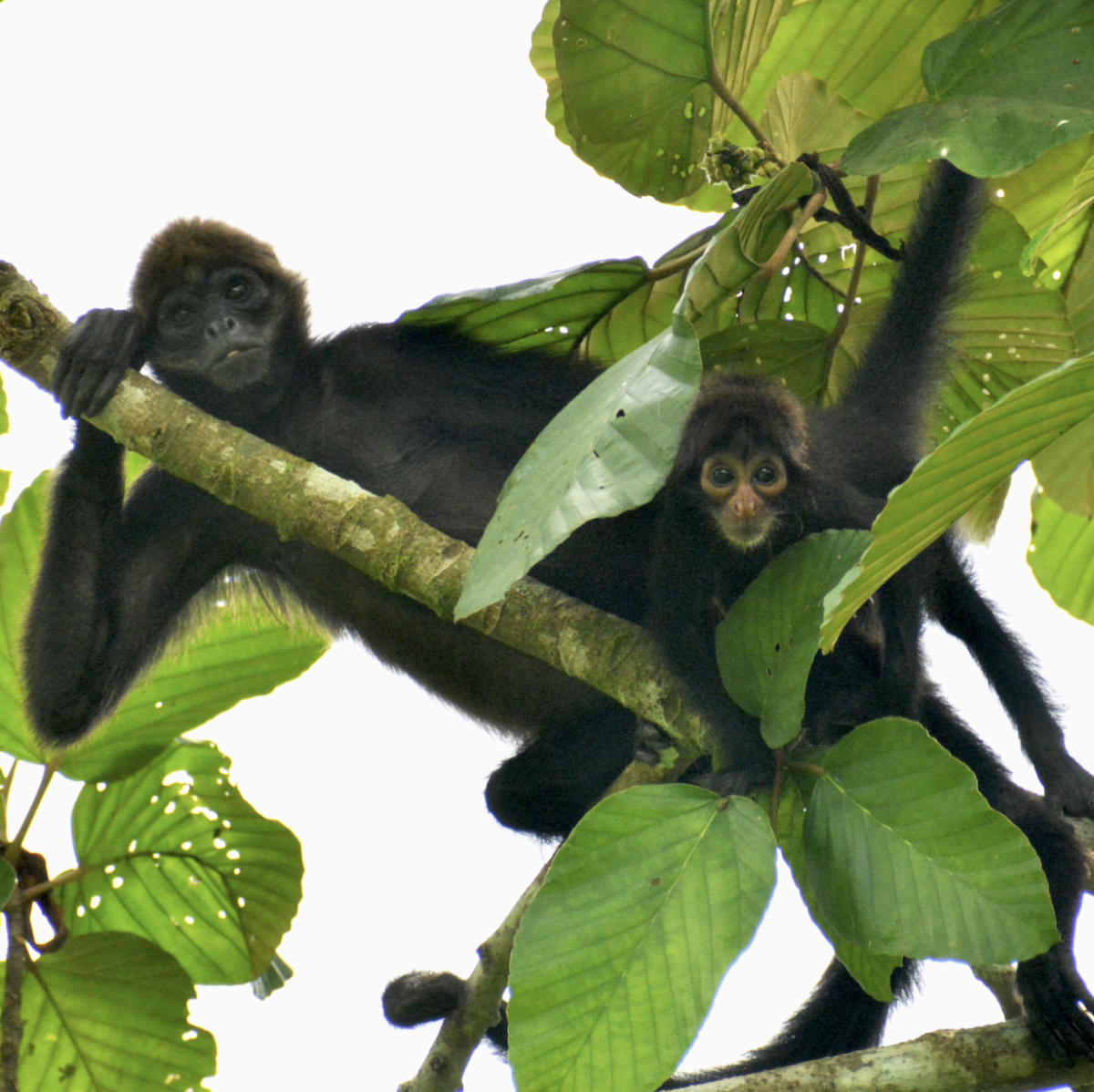
I’m driven by the belief that no species should disappear, and no community should be forced to choose between survival and conservation. The urgency of climate collapse and biodiversity loss can feel overwhelming, but—just like habitat restoration—when we take the right actions, solutions emerge. Watching Ecuadorian spider monkeys, mothers with their babies thriving in the forests, gives me the motivation to keep working, even when progress feels slow. Every forest protected, every monkey born in the wild, every farmer who chooses regeneration over deforestation—these are the moments that keep me going.
What are your highest hopes for democracy to unite, uplift, and inspire?
I believe in a democracy where rural voices are not only heard but centered—where people living on the frontlines of environmental and social challenges have the power to shape their own futures. My highest hope is that true democracy becomes a reality, bringing social justice and fairness to the living conditions of farmers and workers, who are the foundation of our well-being. I hope democracy will inspire people to be more empathetic and, in doing so, serve as a tool for dignity. True conservation is collective, inclusive, and rooted in justice. If we can build systems that value care, reciprocity, and shared responsibility, I believe we can inspire a new kind of leadership.
How can GlobalMindED support leaders like yourself in achieving
your goals and advancing your aspirations?
I believe organizations like GlobalMindED can play a critical role by connecting grassroots leaders to global platforms, resources, and networks. Many of us working in remote or under-resourced contexts have developed strong processes and solutions but lack access to the financial resources and support needed to scale and sustain them. By fostering equitable partnerships, facilitating leadership development, and sharing our stories with broader audiences, GlobalMindED can help bridge these gaps and lessen our challenges.
Contact Felipe Alfonso-Cortes:
|