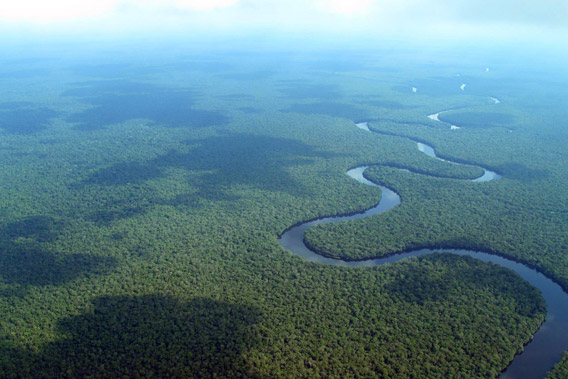
We're working to save bonobos and their forest home this Earth Day!

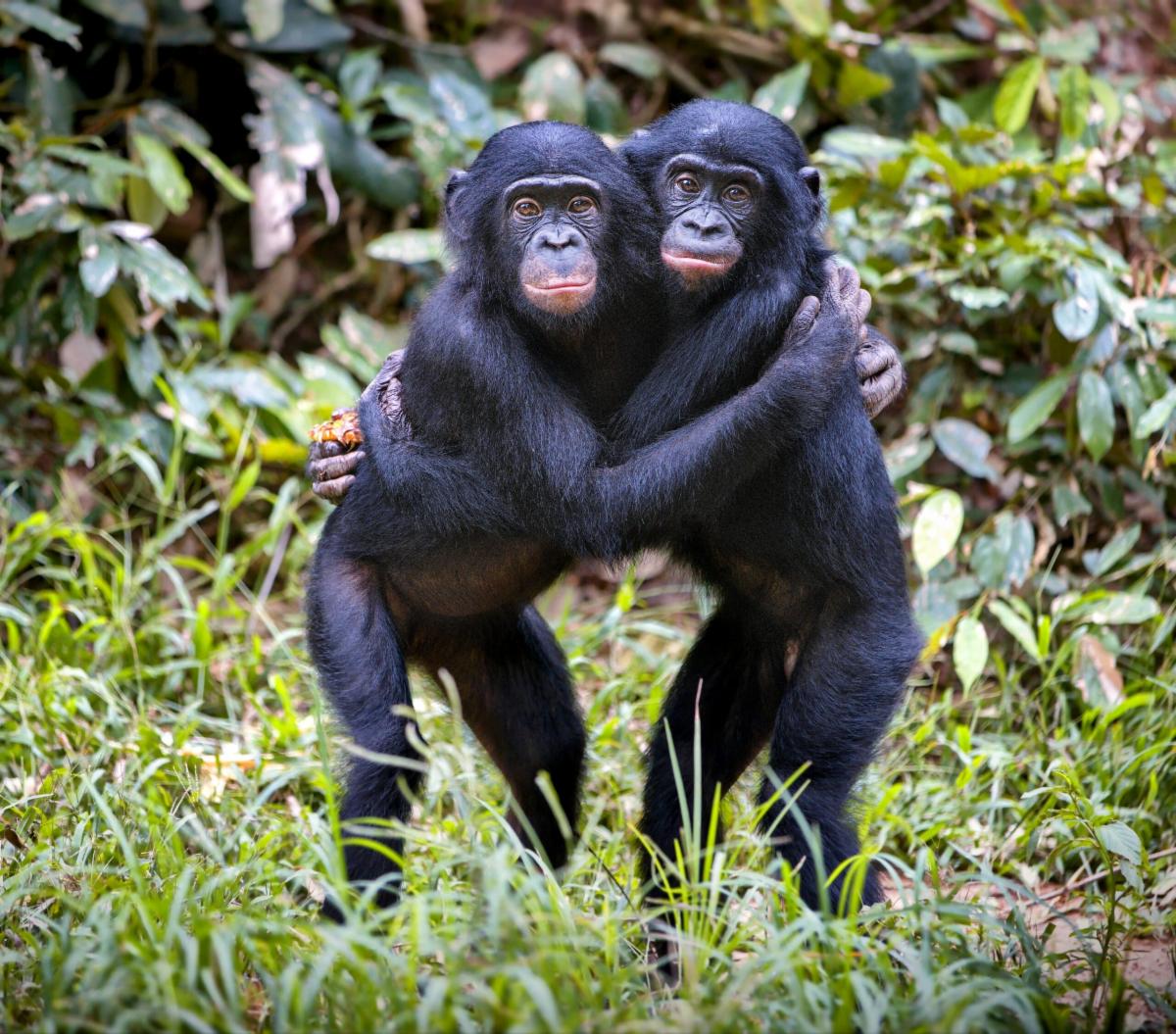
Image courtesy of www.earth.com.

Go Conscious Earth is partnering with Re:Wild to protect bonobo populations in Lokongo, DRC this Earth Day!


Lokongo, the largest community forest concession supported by GCE, is located in over 43,000 hectares of pristine and remote rainforest directly adjoining the Tumba-Lediima Natural Reserve in Équateur province, DRC. With the support of Re:Wild, GCE will train community members in the Lokongo community forest concession to assess bonobo populations within their forest lands and equip them to monitor and protect bonobos and their habitat.


Bonobos are increasingly threatened by habitat loss due to deforestation in the DRC. Community forest concessions, such as Lokongo, are at the front lines of ensuring bonobo habitat remains intact. Community members are key allies to support landscape-level conservation that helps ensure endangered species such as bonobos and forest elephants can continue to thrive.


In addition to this project, we are collaborating further with Re:Wild to launch DRC's first-ever Bonobo Alliance focused on consolidating research, resources, and programs to protect these peaceful animals.


This Earth Day, we can learn from bonobos and their peaceful ways. Join us to support this vital work across the DRC and safeguard bonobos and their habitat!


Wishing you a peaceful and green Earth Day,


Tess Mpoyi

Executive Director

Go Conscious Earth


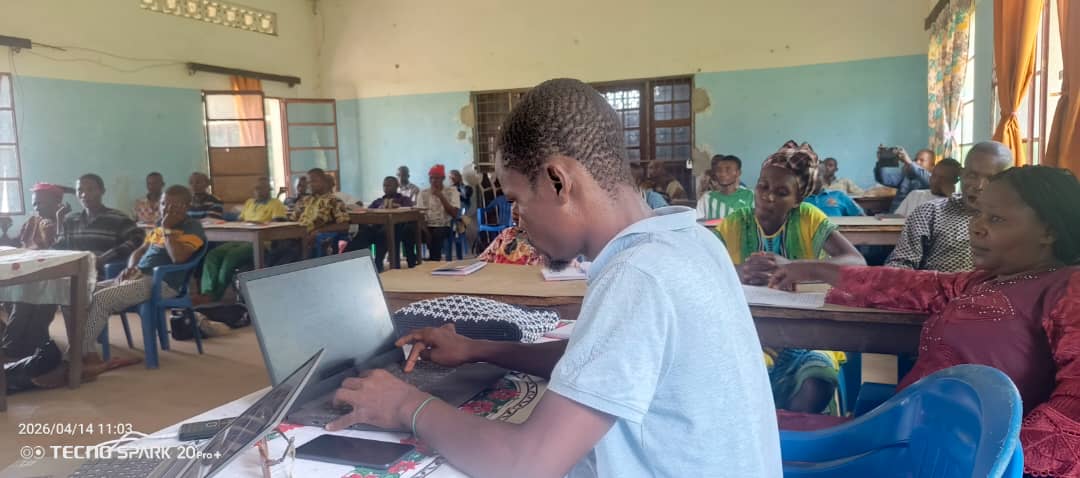
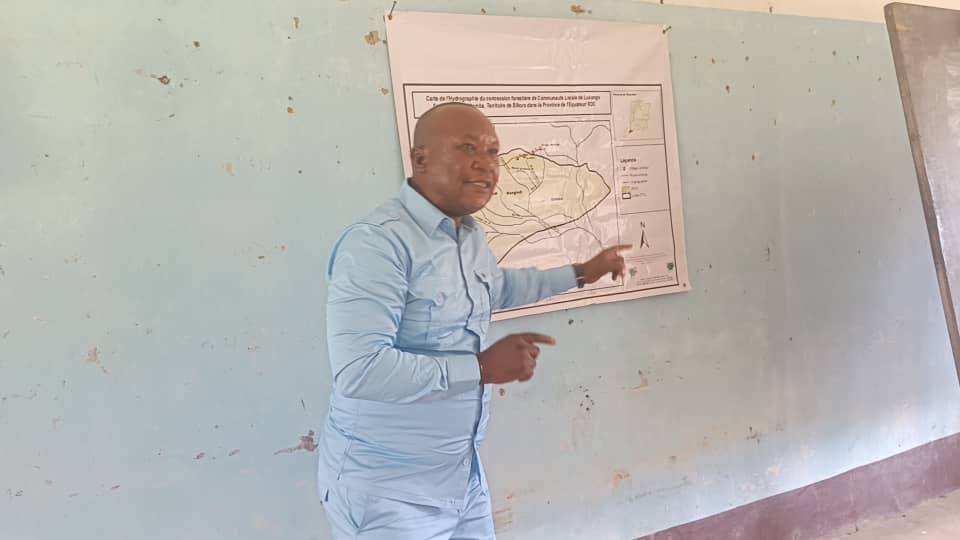
In April 2026 GCE launched our project entitled « Community-Led Assessment of Bonobo Populations in Lokongo Community Forest Concession » with a project launch meeting in Mbandaka, Équateur.

GCE staff present the project objectives and workplan to stakeholders in the project launch.


BONOBO FUN FACTS: DID YOU KNOW?


  • Bonobos (Pan paniscus) are great apes who, along with chimpanzees, are humans' closest living relatives. We share nearly 99% of our DNA with bonobos!


  • Bonobos live ONLY within the Democratic Republic of Congo. The Congo River separates bonobo habitat (to the south) from chimpanzee habitat (to the north).


  • Among the great apes, bonobos are relatively little studied, in part due to the swampy, dense forests that they inhabit.


  • Bonobo social organization is unique in the primate world. Primatologists have characterized bonobos as living in a "matriarchy", with coalitions of female group members leading decision-making and protecting group territory.


  • Bonobos are famous for being the "sexy, peaceful apes"! Bonobos use sexual contact to resolve tensions, form bonds, and express excitement.


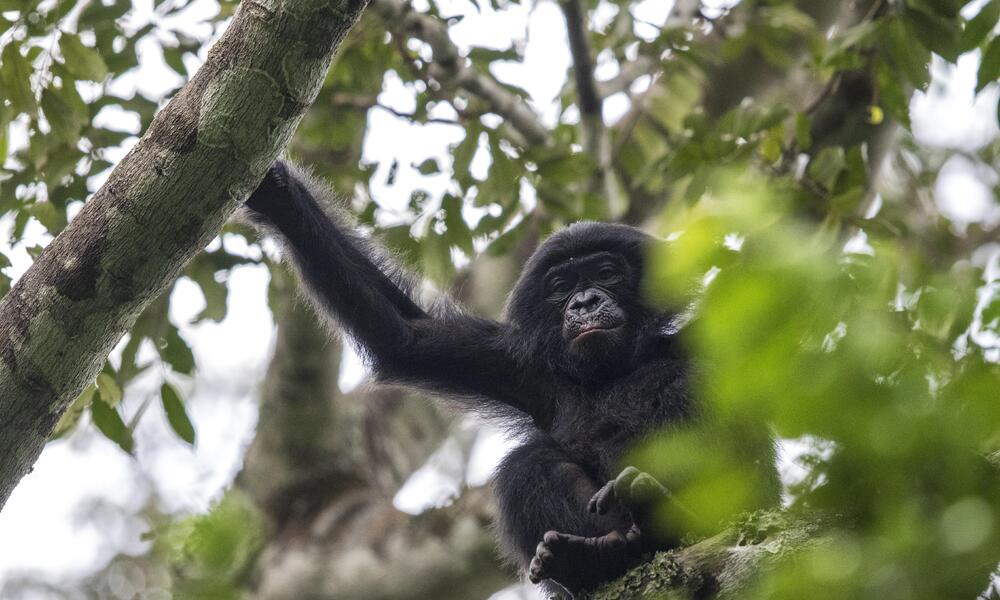
  • Bonobos are listed as endangered, and habitat destruction in the Congo Basin rainforest is among the top threats to bonobos. GCE supports community forest concessions covering an estimated 5% of global bonobo habitat.


Image courtesy of WWF.

GCE welcomes new Board Members

GCE is thrilled to welcome two new members to our board in the United States! Jim Herne and Jim Thomas bring a wealth of knowledge, including deep ties to the Democratic Republic of Congo, and expertise in their fields. We are happy to welcome them to the board! Boyeyi malamu!


GCE welcomes Jim Herne to the US Board


Jim Herne began his association with the DRC, and with Africa more broadly, when he spent two years there as a Peace Corps Volunteer. His PC assignment was located in Equateur Province and for his second year ('72-'73) he was a secondary school teacher in Bikoro, located on Lake Tumba. On his return to the USA, Jim began a career in international development which included long term assignments in Ghana, Rwanda, Romania, Afghanistan, Serbia, Moldova and Bosnia. Since retiring in 2016 Jim has continued his involvement in international development via Board memberships with a DRC Peace Corps group and a local NGO in south-eastern Poland. He has also completed a number of Farmer-to-Farmer volunteer assignments in the DRC, Tanzania, Rwanda and Ethiopia.  Jim and his wife Irina, and their dog - Dog Martin, live in Romania where they split their time between Bucharest and the Transylvanian city of Brasov.

GCE welcomes Jim Thomas to the US Board


Jim Thomas worked for two years as a nutritionist in the northern DRC after graduating from the University of California, Davis. He then obtained a Master of Public Health and PhD in Epidemiology from UCLA. For 33 years he was a professor of epidemiology at the University of North Carolina, Chapel Hill. In response to public health neglect he witnessed in the communities he studied, he collaborated with other leaders to write the first public health code of ethics. For three years he was an ethics consultant to the Director of the US Centers for Disease Control and Prevention. Jim has worked as an epidemiologist and ethicist in more than 40 countries. 


The Congo Basin Needs You this Earth Day!


Image courtesy of Mongabay.

The DRC's Congo Basin holds some of the world's most unbelievable biodiversity; beloved but endangered species such as the bonobo, the forest elephant, and the okapi; and some of the world's last undisturbed wild spaces. The fate of the Congo Basin is tied to the fate of our planet. Indigenous and local communities are the stewards of these incredible lands and are helping to keep them safe for future generations.


We can't do it with YOU! This Earth Day, your support to GCE directly contributes to our efforts to preserve bonobo habitat, support local communities to thrive, and prevent deforestation of the world's greatest remaining rainforest. Matondo mingi, thank you!


Please consider a gift to extend our impact in 2026!


Go Conscious Earth

GCEarth.org