|
|
Spotlight on...
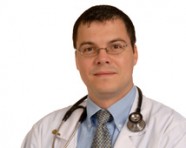
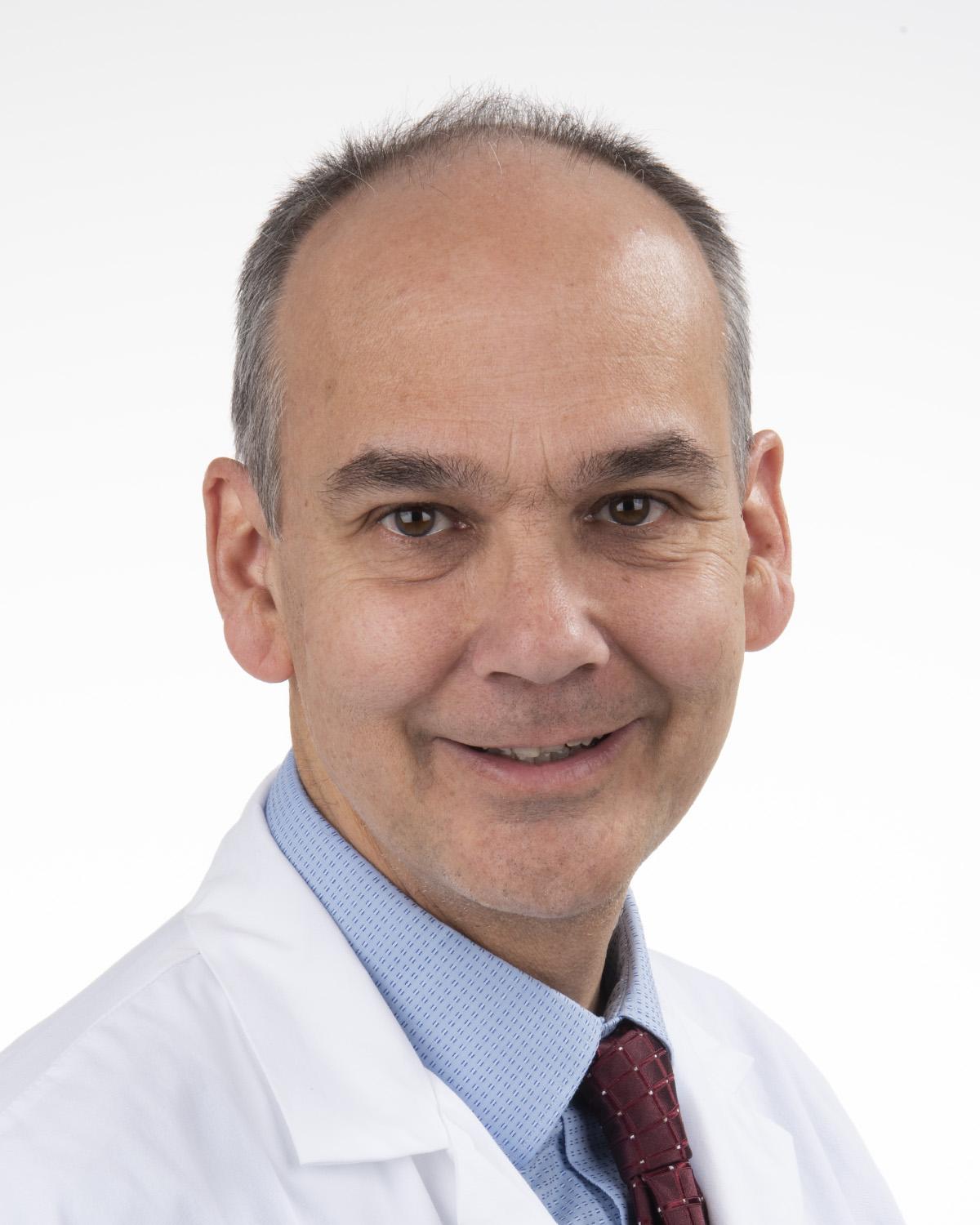
Dr Richard LeBlanc & Dr Jean Roy
|
|
Researchers and clinicians pivotal in bringing the
Myeloma Canada Chair in Multiple Myeloma Research
of Université de Montreal at the Maisonneuve-Rosemont Hospital
to light and ensuring it remains at the forefront of hemato-oncology.
|
|
Editor’s Note: In celebration of our 15th Anniversary, the Spotlight section of Myeloma Matters has changed slightly. This year, our Spotlight Stars have been asked to share their stories alongside their relationship and involvement with Myeloma Canada. We hope you enjoy meeting our 2020 Spotlight Stars and that the new format provides you with information you didn’t know before.
To all of you who have shared your stories in the past, and those of you who continue to do so today, we are indebted...you are an inspiration.
|
|
This month’s spotlight features Dr Richard Leblanc and Dr Jean Roy. Dr LeBlanc is Chair of the Myeloma Canada Chair on Multiple Myeloma of Université de Montréal at the Hôpital Maisonneuve-Rosemont, as well as Clinical Assistant Professor of Medicine at the Université de Montréal in Montreal, QC. Dr Roy is Co-investigator with Dr Leblanc at the Myeloma Canada Chair, Department Head & Hematologist of the Department of Hematology & Oncology at Hôpital Maisonneuve-Rosemont as well as Associate Professor of Medicine at Université de Montréal. Both are long-time supporters of, and advocates for, Myeloma Canada and are members of the Myeloma Canada Scientific Roundtable.
The Myeloma Canada Chair on Multiple Myeloma of Université de Montréal at the Hôpital Maisonneuve-Rosemont was established in 2012 with the goal of improving patient care, innovating through clinical research and promoting the dissemination of knowledge on the various aspects of multiple myeloma.
Dr LeBlanc, Dr. Jean Roy, along with many other collaborators, have developed renown expertise within the vast national hemato-oncology community, particularly with respect to stem cell transplants in patients affected by multiple myeloma. In recent years, they have conducted several clinical trials in multiple myeloma.
|
|
Drs Roy and Leblanc, how and when did Myeloma Canada come into your lives?
|
|
Dr Roy: I arrived at Hôpital Maisonneuve-Rosemont in1998 specifically to do transplants and I quickly realized that myeloma patients did not have access to the best treatment options. There was a real need to align everything. Shortly after, the [late] Aldo del Col [past Co-founder of Myeloma Canada] contacted me. He was looking for advice on how to guide Myeloma Canada's initiatives, for insight on the healthcare system and how to optimize patient care. He was getting a lot of phone calls from distressed patients at the time and I felt a strong commitment on his part to improve the situation for them. |
|
I have always had a great deal of admiration for those whose mission is to improve the lives of others, and it appealed to me. My role as "advisor" quickly made us realize the need to consolidate things. The idea of a Research Chair originated from our discussions and from the evolution of my personal projects. The larger research centres had managed to do it, so why not us? And I did not want to wait! |
|
Dr LeBlanc: Myeloma Canada had just been founded. It was Aldo who also first contacted me. If I remember correctly, it was in 2006. I was working in Quebec City at the time and Aldo wanted me to give a presentation on new therapeutic agents at the annual Myeloma Canada National Conference in Montreal.
|
Even though I wasn’t familiar with Myeloma Canada or the National Conference, I agreed. When I came to Montreal and met Aldo, it was then that I was introduced to the organization. Aldo, being very vocal and friendly, shared his story with me. Recognizing that we could both benefit, I got involved immediately. |
|
Why did you choose to get involved in helping people living with myeloma?
|
|
Dr. LeBlanc: For myself, my involvement was a bit of a coincidence. After completing my specialization in hematology, I decided to pursue my studies and do a fellowship in immunotherapy for cancer treatment. It was in Dr. Kenneth Anderson’s lab in Boston, working with new multiple myeloma immunomodulator treatments, where it clicked for me.
|
|
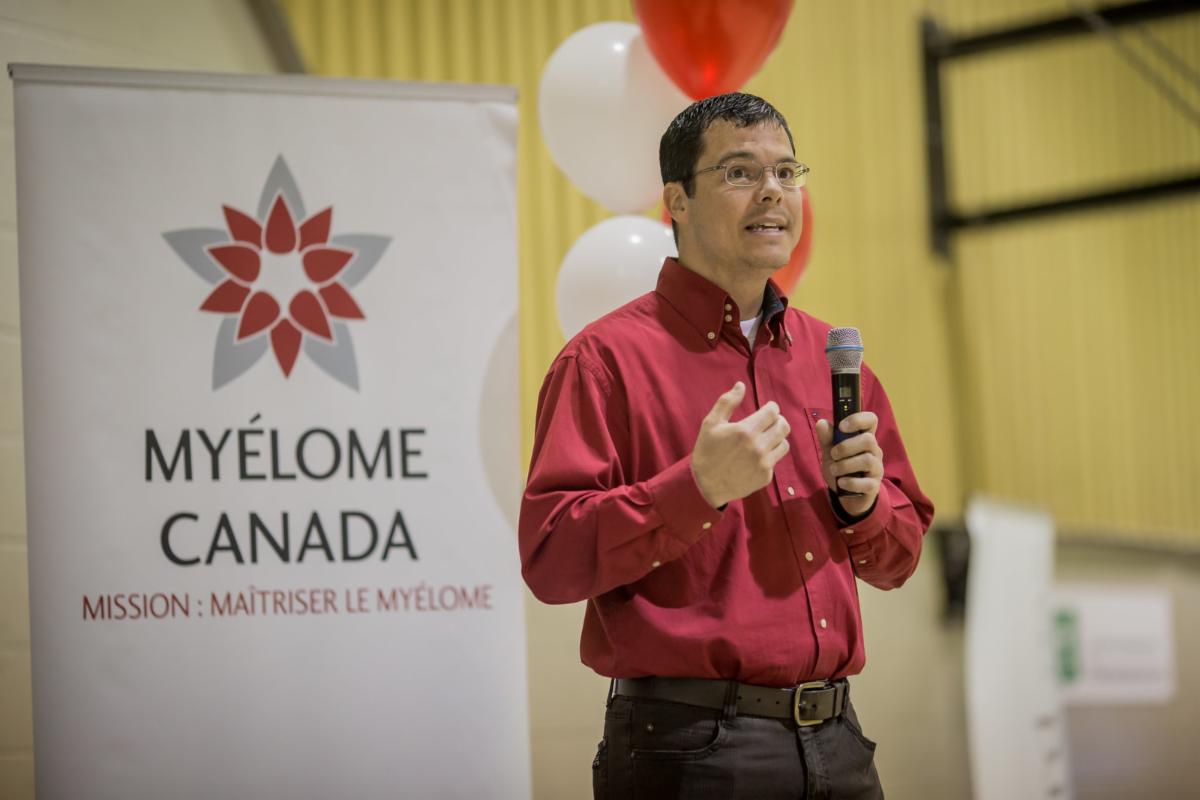
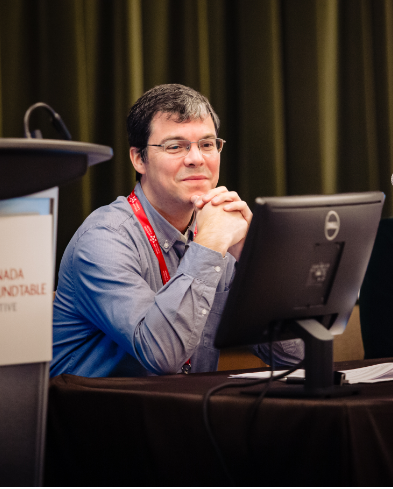
Dr LeBlanc at Myeloma Canada's Multiple
Myeloma March in 2018
|
|
I saw the void in caring for myeloma patients. At the time, available treatments were not promising. This was way before Velcade and Revlimid were introduced. When I told some of my more senior peers that I was going to pursue my training in myeloma, I was advised to reconsider because I would have a difficult and depressing practice that would mostly revolve around palliative care... The truth is that the prognosis was dramatic back then. Quickly, during my research fellowship and my first years of practice, I realized that the reality would change, that the quality of life and survival rates of patients would improve! |
|
Dr. Roy: For me, it was at Hôpital Maisonneuve-Rosemont where everything came together. As I said earlier, there were big gaps to fill. There was no consistency in the services offered to myeloma patients and it annoyed me. When patients do not receive optimal treatments, as doctors, we feel a need to do better. At the same time, things were moving.
|
|
In 2005, three new drugs were about to be made available that could change the lives of [myeloma] patients. I felt the need to act! We had to mobilize, and I had a strong interest in clinical research. The creation of a Research Chair became unavoidable. We had to start from the beginning, but then we would have the opportunity to carry out innovative, intellectually stimulating studies that could have a positive impact on the lives of patients. |
|
What has been the impact of Myeloma Canada on your career path? |
|
Dr. Roy: The Research Chair would not have been possible without Myeloma Canada. Everyone was interested, but funding was slow to come in. It was thanks to Myeloma Canada that we were able to secure the funds needed to create the Chair. There were several partners in this adventure, but I had found a precious ally in Myeloma Canada. There have been disappointments and at times it would have been easy to give up. In 2007, I was named head of the department and my responsibilities increased significantly.
|
|
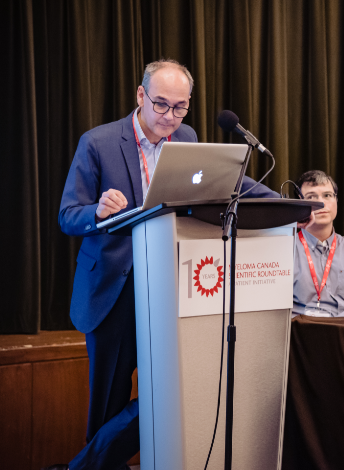
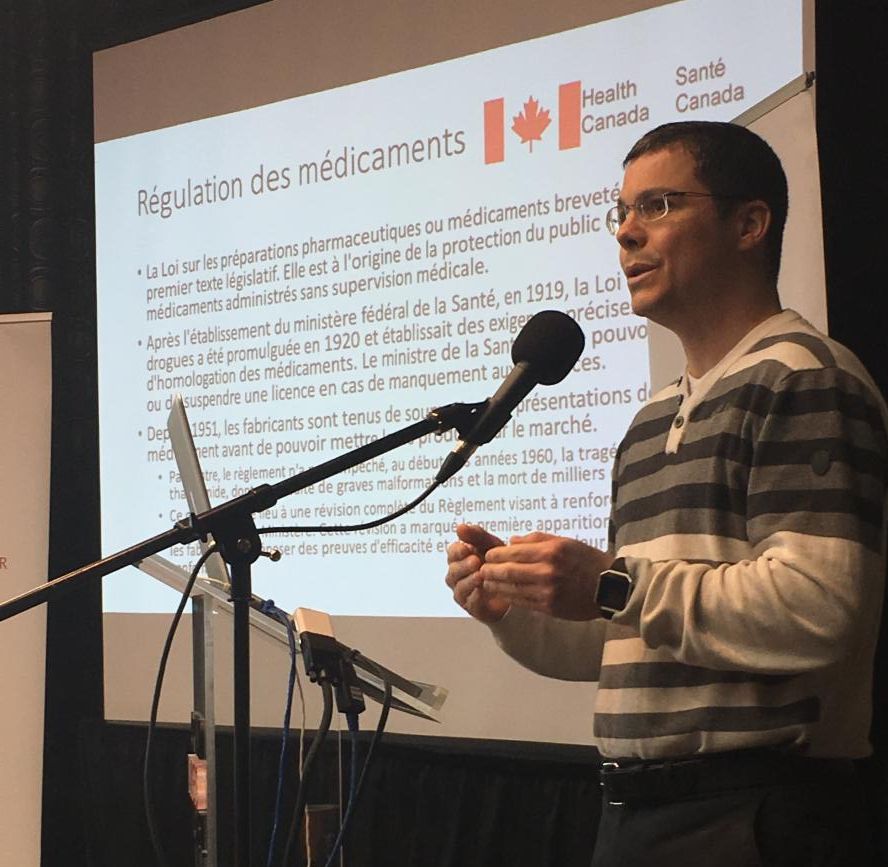
Dr Roy at the Myeloma Canada Scientific Roundtable in 2019 |
|
I wanted to recruit Dr LeBlanc who was a promising young researcher. Myeloma Canada gave me a second wind in difficult times and allowed me to pursue my efforts in creating the Research Chair, which is practically a miracle.
To see a leader like Aldo transform his illness into a drive for change for others was inspiring. It changed my perspective on life.
|
My relationship with Myeloma Canada, in a very practical way, allowed me to channel my efforts towards the treatment of patients. Their web site, educational events, support groups, and their publications became complimentary to my clinical practice, and a benefit to my patients. |
|
Dr. LeBlanc: As the Research Chair holder, Myeloma Canada has certainly and indirectly contributed to my involvement in myeloma research in Quebec and Canada.
Thanks to the Research Chair, I benefit from the financial resources I need to do my job as a clinical researcher and to help patients.
Working with Myeloma Canada at events gives me a chance to introduce myself to the community, which is particularly important when doing clinical research work because you must recruit patients in clinical studies.
|
|
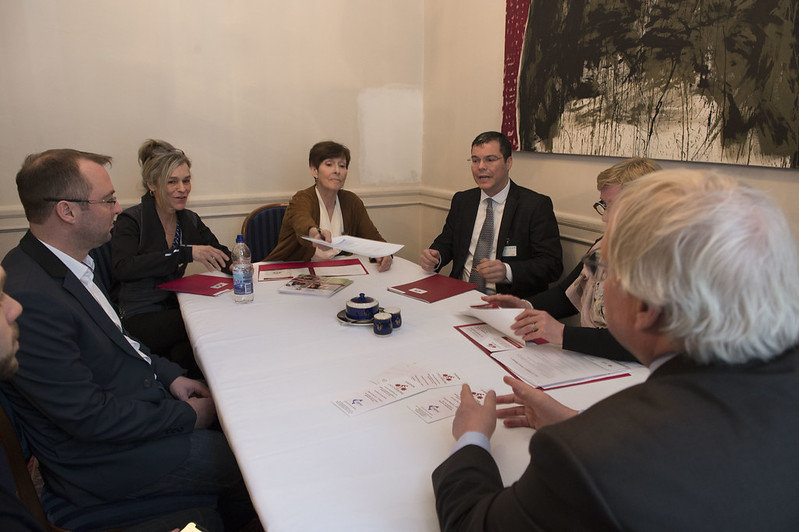
Dr LeBlanc at the Myeloma Canada Scientific
Roundtable in 2019
|
|
Subsequently, the Myeloma Canada Research Network, now known as the Canadian Myeloma Research Group (CMRG), allowed me to strengthen my ties and establish important collaborations with fellow Canadian researchers. |
|
How would you say you contribute to advancing the cause of those affected by myeloma? |
|
Dr. LeBlanc: I could answer this question in several ways. As a laboratory medicine specialist, clinician, and researcher, I am proud of the work we’ve been able to do over the past 12 years. During this period, we initiated about thirty academic and pharmaceutical clinical studies, and in most cases, we were able to demonstrate that many of these new treatments would improve the lives of patients.
|
|
Dr Leblanc at a Myeloma Canada
InfoSession, 2017
|
|
In fact, we have a study that has just been published, fully funded by the Research Chair, that assesses the impact of an allograft* when added to an autograft**, and another ongoing study evaluating the combination of an allograft and bortezomib, which shows promising results in young people and patients with poor genetic risk.
Throughout the years, it is really the positive impact of this research and the collaborations that motivate us and push us to go further. For a research professional like me, this is the coveted reward.
|
|
Dr. Roy: For a few years now, I have been interested in allografts, which have the potential of curing myeloma (our current cure rate is 30% to 40%). Of course, I am quite satisfied with what we are doing at this level, especially for young patients, but there is still work to be done to improve the effectiveness of allografts and reduce their toxicity. But what I am most proud of is having succeeded in transforming our environment.
Having been able to create specialized clinics with a structure to improve follow-up and treatment has fostered more productive clinical research and attracted more projects. This, in turn, has allowed us to recruit more people and help more patients.
|
|
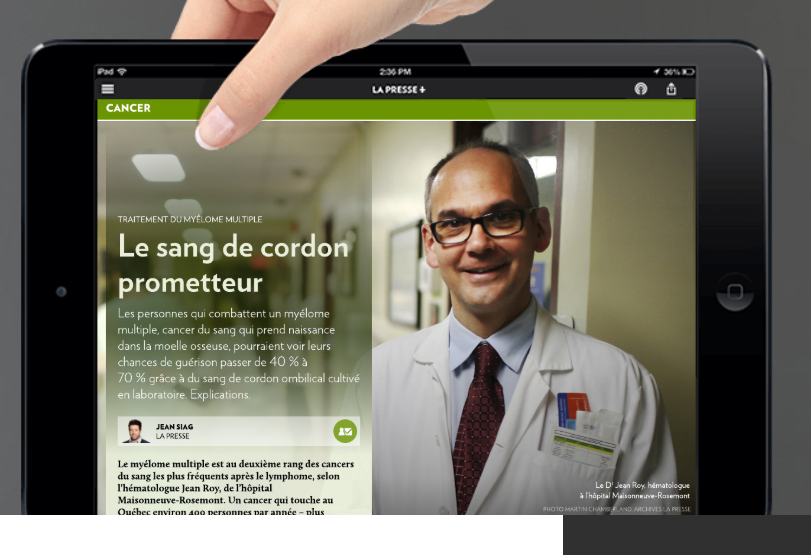
Article on Dr Roy's work on umbilical cord blood transplantation from La Presse, a french newspaper in Quebec |
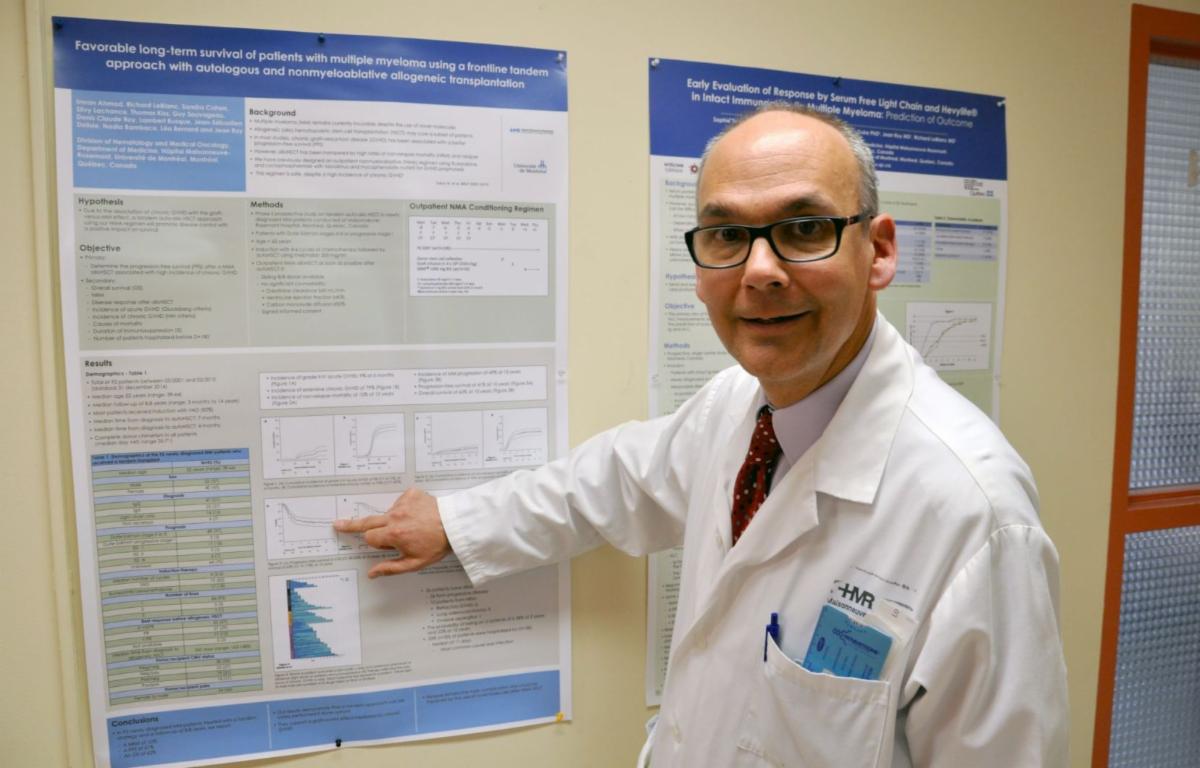
Photo from an article on Dr Roy's work that appeared in Quebec's Le Devoir newspaper in 2017
|
|
I am also proud of the Research Chair, which has positioned itself as an essential tool for the future of myeloma patients and even the Hôpital Maisonneuve-Rosemont.
Having recruited Dr LeBlanc as the Research Chair holder is also a great accomplishment. He has the leadership and exceptional expertise required. We have created an environment that supports the advancement of clinical research, and Dr Leblanc is undoubtedly the one who could best lead this project and develop it.
|
|
Why do you feel Myeloma Canada is the best medium through which to advocate for those affected by myeloma? |
Dr. Roy: We need a long-term spokesperson for patients. Knowing the disease and available treatments is key for myeloma patients. Myeloma is a rare form of cancer diluted among all other cancers. The doctors, unfortunately, are often too busy to properly provide patients with the information and educational tools they need. Only Myeloma Canada can do it properly. It's a lot of work, but Myeloma Canada has been able to bring together various stakeholders and find a way for them to get together and support different research projects, which is not to be overlooked! Thanks to Myeloma Canada, patients are heard. Myeloma Canada not only runs education, awareness, and advocacy initiatives, but always does so in the best interests of patients.
|
|
Dr LeBlanc at Quebec's Awareness and Legislative day in 2019 |
|
Dr. LeBlanc: The reason I did not hesitate to join Myeloma Canada was that the organization was created by and for patients. There is no political agenda, no conflicts of interest. Funding serves patients, there is no doubt about that. For an organization of their size, it is very honourable.
We can identify with Myeloma Canada's projects because they bring together different myeloma stakeholders from all walks of life, from research to industry, to the community of patients and caregivers. These projects all have a common goal, and are in the interest of all people impacted by myeloma. For me, there is no doubt about the relevance and the need for an organization like Myeloma Canada to represent people impacted by myeloma.
|
|
Can you tell us what inspires you today about the future of myeloma research? |
|
Dr. LeBlanc: Every day, I see positive results for patients, thanks to all the work that is being done. Collective work is improving patient survival and quality of life – not just here, but also elsewhere in the world. |
|
As mentioned earlier, at the beginning of my career I was told that I was going to have a depressing practice primarily dealing with palliative care. It is extremely rewarding to see how much this prognosis has improved thanks to research. There’s still room for improvement, but many patients live better and longer. It is this concrete evidence that tells us that we are on the right path, and that we must continue our efforts! |
|
Dr. Roy: What encourages me is the work that has been done. When I started medicine in 1980, myeloma patients had a life expectancy of 2 to 3 years and died in difficult conditions, with excruciating pain. It was disheartening. But we have made giant strides over the last forty years, not to mention what is coming.
With all our knowledge and the increasing number of treatment options, we will one day be able to cure it. From a research point of view, myeloma is more interesting than ever.
|
|
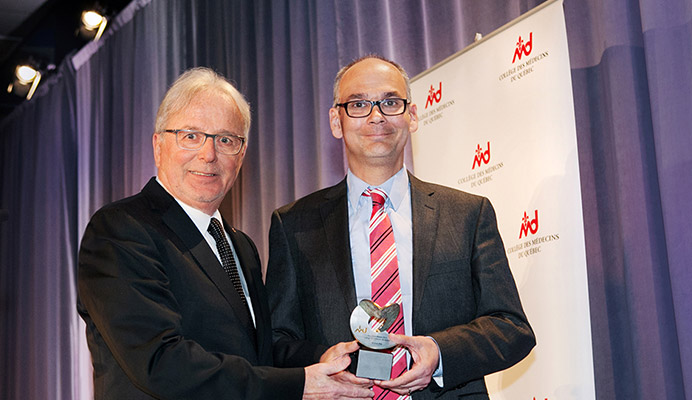
In 2017, the Collège des médecins du Québec awarded
Dr Roy the Award of Excellence for his remarkable contribution to the medical profession.
|
|
If you had one wish for patients and their loved ones, what would it be? |
Dr. Roy: I obviously want better health for patients, and for the stress, sadness and suffering caused by the disease to be alleviated as much as possible. By pursuing our efforts in clinical and fundamental research, we can achieve this. While we cannot cure myeloma right away, we can at least support patients and help them live better.
|
|
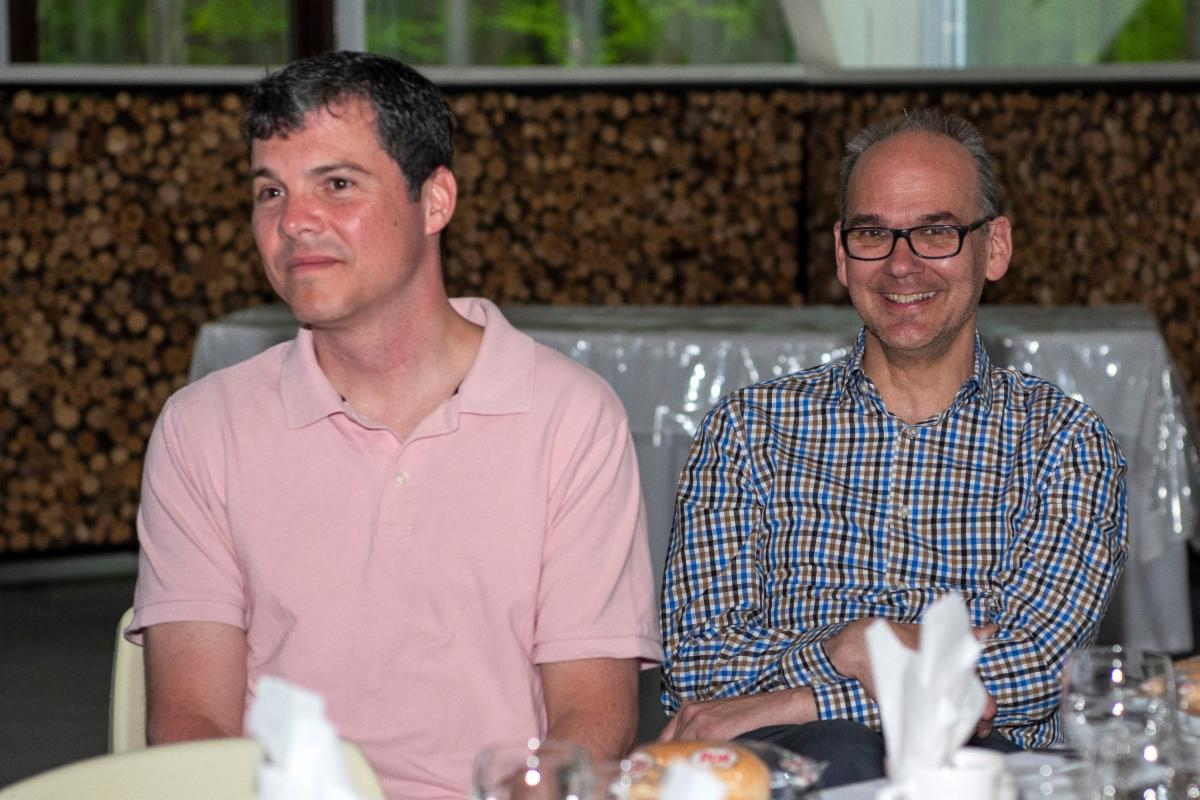
Dr LeBlanc and Dr Roy at the closing ceremony for the
"Defi Cyclo-myélome'' in 2019
|
|
Dr. LeBlanc: When I started my practice, it was with a goal to improve things. I was not thinking about a cure. Apart from the allografts, today there is no real cure. By the time I retire, I would like to see a significant percentage of patients cured. This is not a mere dream; the fact is there is no evidence that we are plateauing in research results. The impact of current and future research allows me to sincerely believe that a cure in a significant percentage of patients with multiple myeloma will be possible. That is what I wish for soon.
|
|
Thank you both for your time and insights, and all you do alongside Myeloma Canada.
Thank you!
|
|
*Allograft, also known as an allogeneic stem cell transplant
**Autograft, also known as an autologous stem cell transplant
Editor's Note:
Find more information on stem cell transplants, clinical trials and more, visit Myeloma Canada's website at myeloma.ca and click on the “Resources” section. Here you'll have full access all of our InfoGuides, Handbooks and educational videos.
Of particular interest may be:
For full information on clinical trials taking place in Canada, click here or visit the “Research” section of our website.
|
|
or call us toll-free at 1-888-798-5771.
|
|
Follow us on social media for the most up-to-date information and resources: |
|
|
|
|
|
|