|
Breaking Barriers, Building Futures: The Inspiring Journey of Tinuade Oguntuyi in Tech and STEM Education
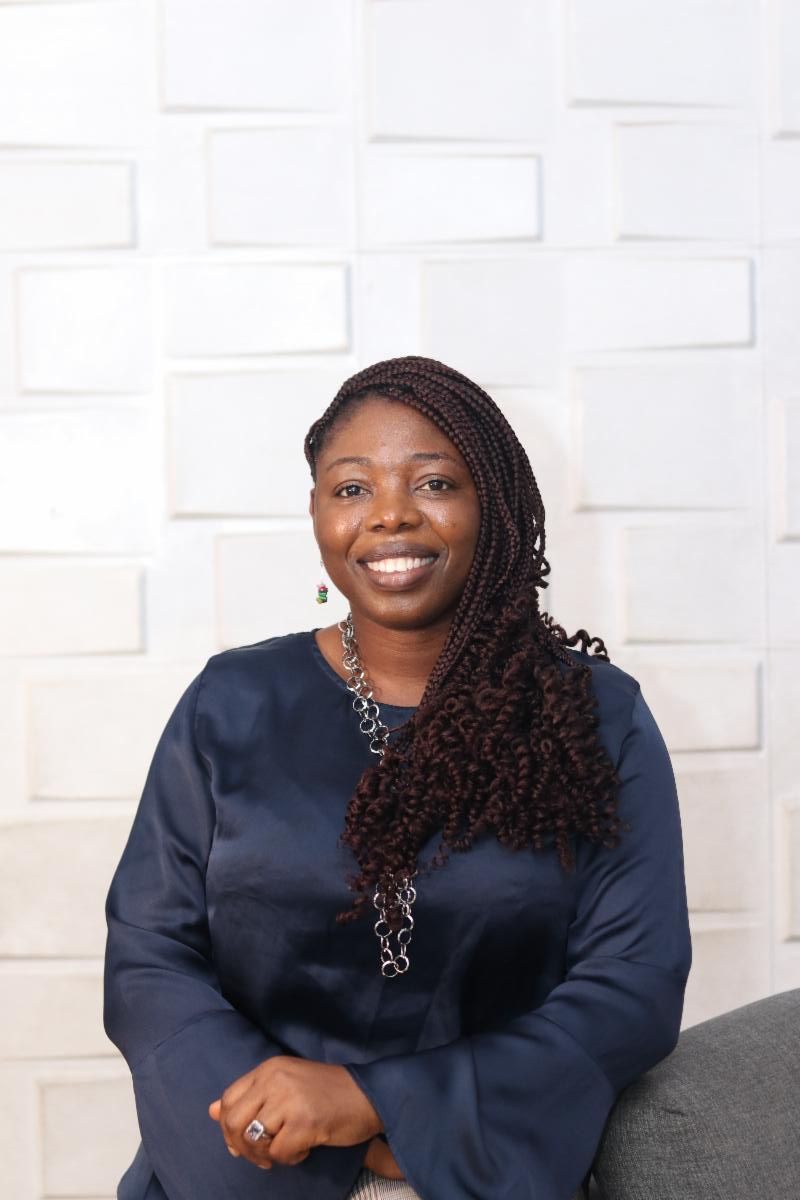
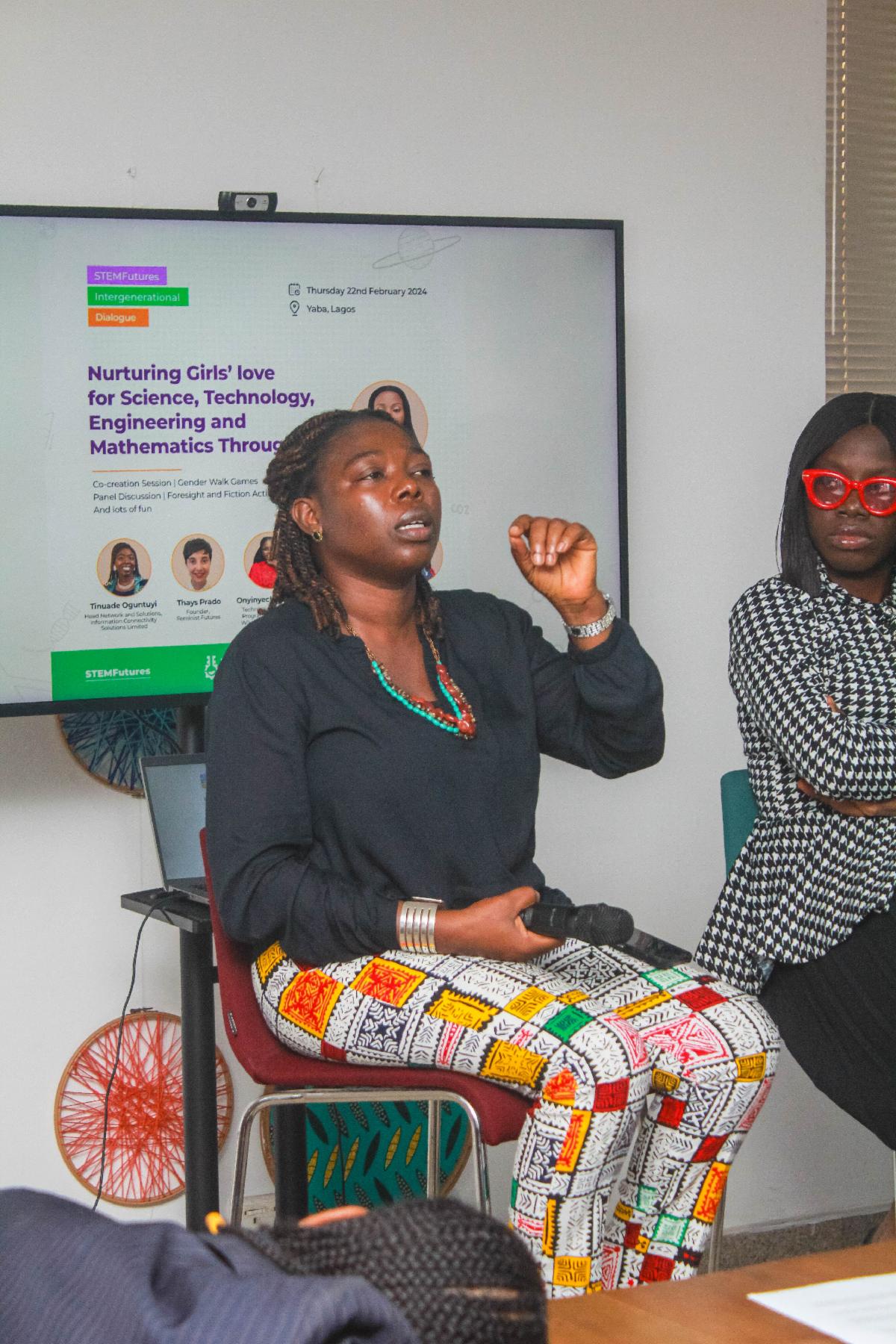
Tinuade Oguntuyi is a multi-award-winning transformational technology leader with over thirteen years of experience in telecoms, IP networks, technical sales, IT solutions, infrastructure design, consulting, policy, and customer experience.
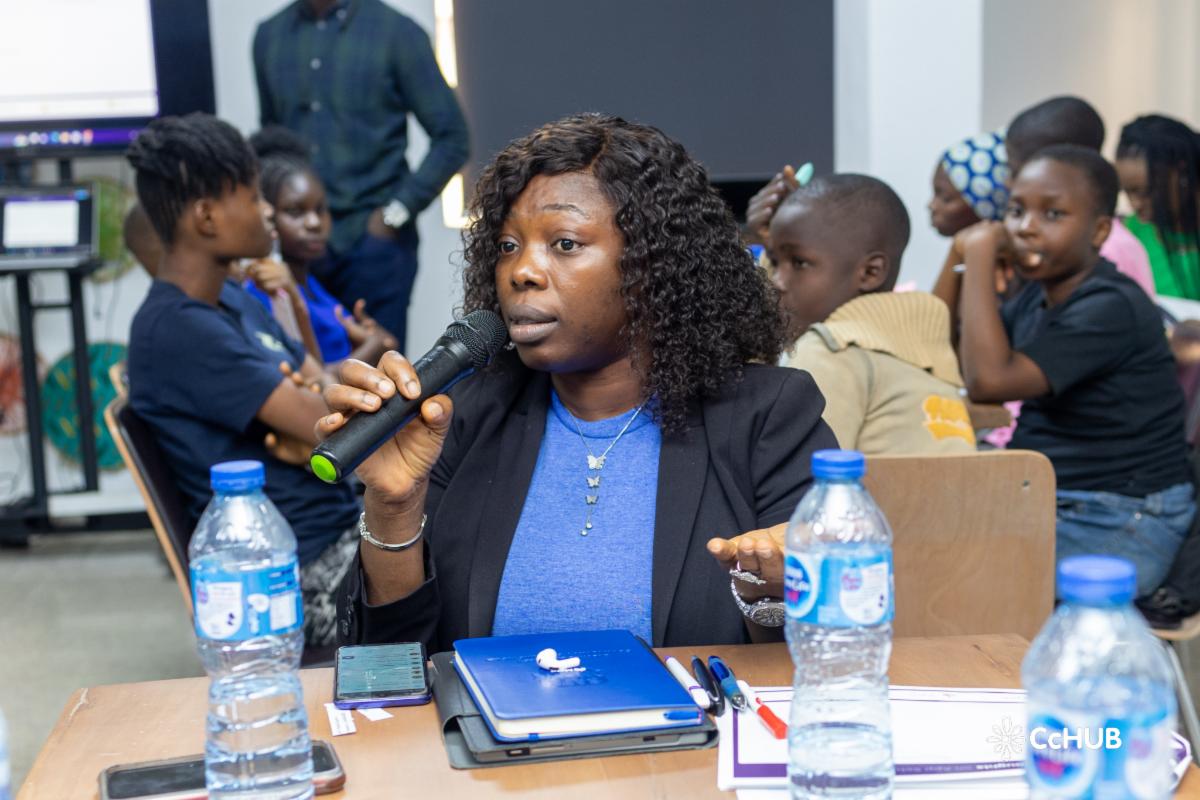
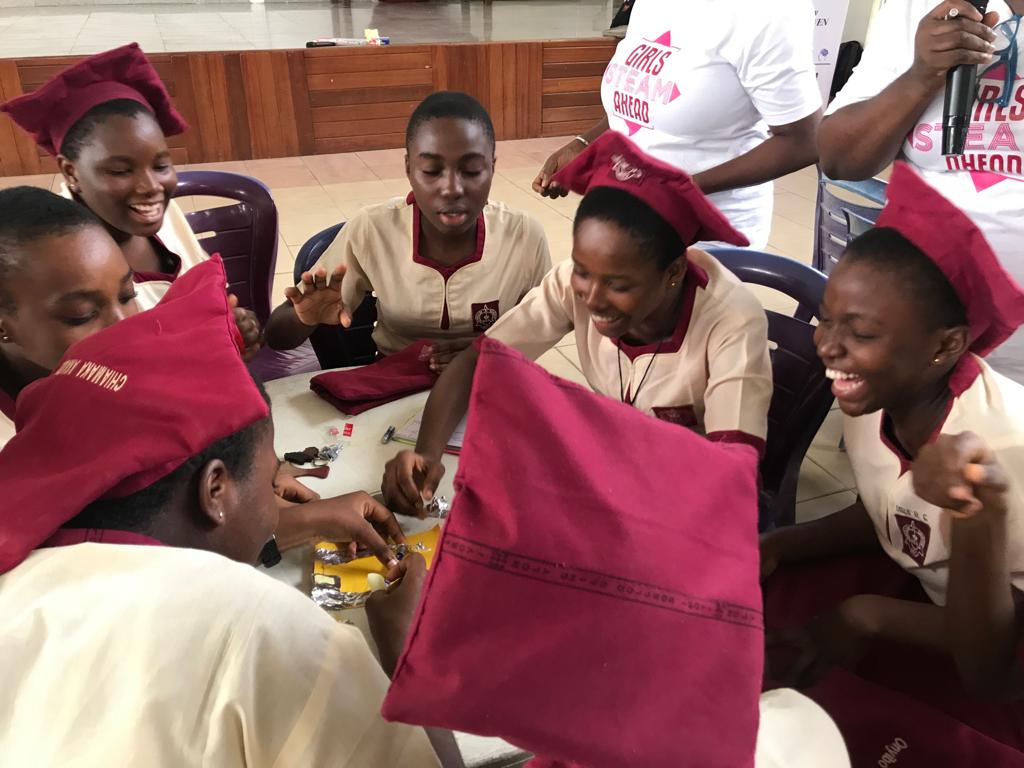
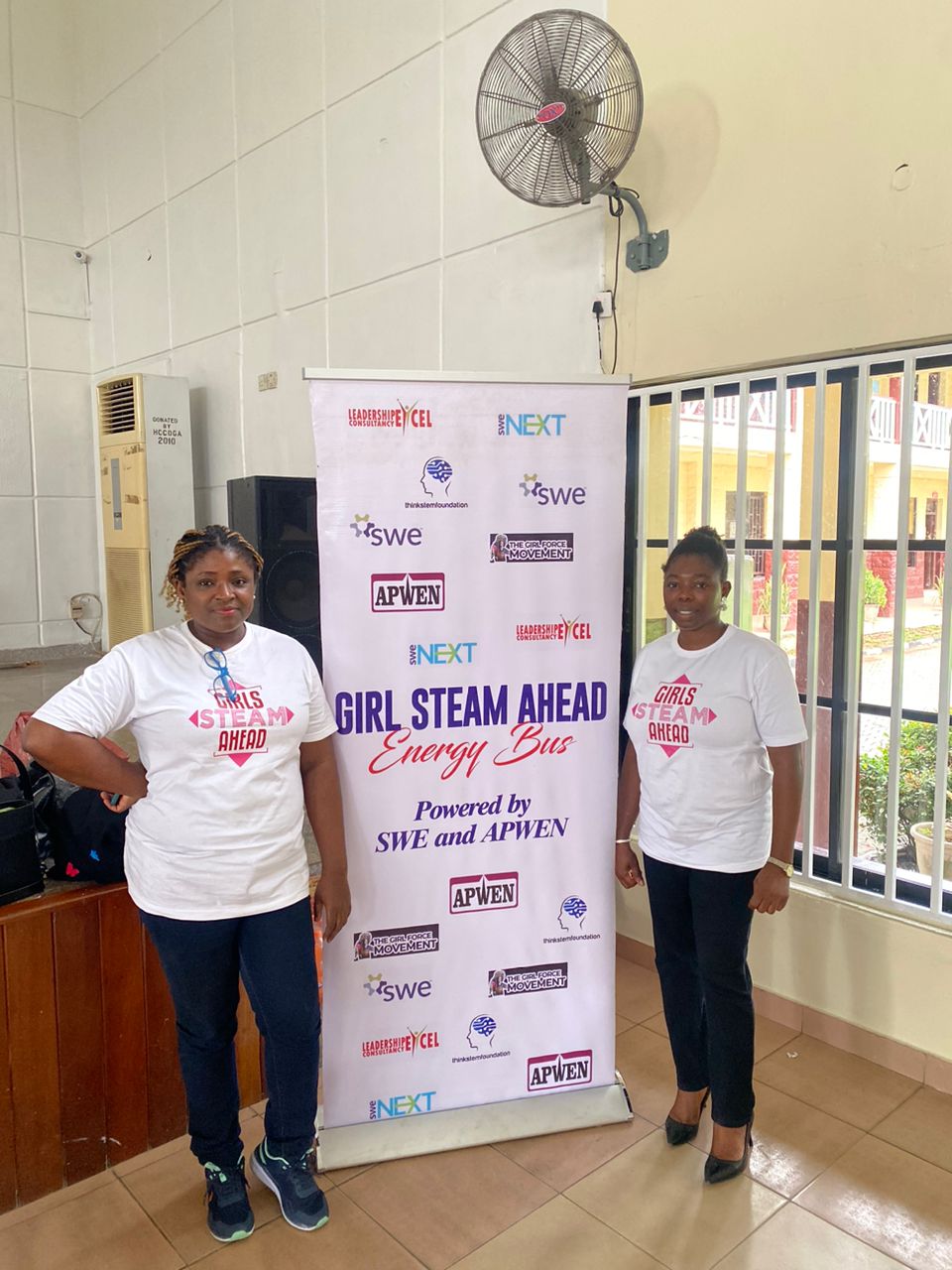
Tinuade is a Co-Chair of the Infrastructure, Access, and Connectivity working group of the Internet Society (Nigeria Chapter), a passionate STEM inclusion educator, and a dynamic tech mentor who imparts her knowledge through mentorship programs, support groups, local and global industry-speaking engagements, and other social impact activities. She founded the TinuAdeniyi Tech Foundation, a community dedicated to empowering individuals through STEM education and collaborations, with a focus on marginalized and minority groups.
What is your personal/professional story?
Growing up in a slum as the eldest of three children, it was almost impossible to dream because everything I saw daily felt uninspiring. However, my parents—especially my mother—would do everything in their power to assist me in seeing beyond our immediate surroundings, especially as a prospective first-generation college graduate. I wanted to make my parents proud, so I pursued my dream of becoming a doctor with their backing because, at the time, it was thought to be one of the most prestigious professions.
I’ve always been fascinated by how gadgets operate. After being rejected twice from medical school, I chose to pursue a diploma in data processing at the University of Lagos after completing some foundational computer training.
I finished with distinction, giving me much hope for the future. Then I went on to Olabisi Onabanjo University to study computer science. I witnessed unconscious bias in the classroom, which, among other inequities, shook me up, so I ran for the department’s general secretary position and was elected as the first female secretary. In this capacity, I organized career fairs. After completing my bachelor’s degree, I worked as an intern for an ISP company, where I saw an even more pronounced gender gap: men led and women were primarily employed in non-core technical roles. Having learned from my previous experiences, I was determined to break the pattern and was confident that I could change the narrative. They called me an “under-the-table engineer” when I was pulling network cables, but I told myself that one day I would be making decisions at the table.
I continued to work hard and ask questions because there were very few, yet difficult-to-reach, female mentors in the profession. Although I was frequently misunderstood, intimidated, and even disheartened, I persisted in showing up, working hard, and solving problems. I took on extra duties outside of my department, and it was worthwhile. Yes, among the five interns, I was the only trainee to be hired after being named the best employee in the same month that I started working full-time. Following these incidents, I kept taking on increasingly complex professional assignments and projects and made sure to speak up when it mattered most.
What key moments in your life led you to where you are today?
It was during my gap year that I was first introduced to computers, and it completely changed my life!
Designing flyers with CorelDRAW and becoming acquainted with Microsoft applications was fascinating, but it was much more thrilling to witness the true potential of computers.
We used diskettes with very low storage capacity, which is nothing compared to what we have today, and I needed punch cards to access the computer rooms.
Running basic programs like FORTRAN and COBOL and witnessing the outputs they produced was incredibly exciting. I still had a passion for medicine, so for my diploma project, I worked on a database management system (DBMS) for diagnosing diseases in women. It was entitled “Where There is No Doctor: Simple Diagnosis for Female Diseases.” I used simple code to create a flow of questions, with yes/no answers, providing instructions based on the responses as a diagnosis. It felt like solving heaps of problems with just a few lines of command. Looking back, that was a defining moment that flickered my passion for computing—and here I am today!
Where does your passion to serve come from?
Coming from a humble background, I have witnessed firsthand the power of compassion and generosity as a child—not because there was excess—and in the same vein, I experienced lack and rejections.
Regardless, I have always been passionate about serving others. I got my start in service and assisting others in succeeding when I was a young girl and worked as an assistant teacher for my peers in the neighborhood, helping them with difficult subjects.
At my entry into tech, I did not have mentors who looked like me to guide or handhold me; there were few of them anyway. This is why I resolved to stand as a representation, voice, and mentor to others. To bridge and close the gaps I have identified, I use every platform available. To date, I have collaborated with over sixteen social impact-driven institutions to educate, mentor, support, and serve.
I must say that I am always motivated to build a community of girls and women where everyone is appreciated and given the resources they need to fulfill their greatest potential, and seeing them succeed means everything to me. Though I work as a 9-to-5 Tech professional, social impact is my heartbeat.
How can GlobalMindED help you reach your goals?
GlobalMindED, as a global and vast community of changemakers, can sponsor, provide training resources, share exam vouchers, facilitate mentorship, and help with internship opportunities so I can reach more high school girls, women, and individuals who are interested in STEM but do not know how to venture into it.
Also, the GlobalMindED community can support our dream as we structure our work at TinuAdeniyi Tech Foundation, supporting other social impact initiatives advancing STEM inclusion, especially in rural communities. We rise by lifting others.
|