X Share This Email
LinkedIn Share This Email
 

The First Thanksgiving: A Feast of Tabernacles?

NOTE: When writing about God and Jesus, The Daily Jot means YHVH as God and Yeshua Ha Mashiach as Jesus--the actual original names and the true nature and character of them.
Follow us on Twitter for additional prophetic news
Follow us on Facebook at The Daily Jot
Facebook  Twitter  

Thursday, November 26, 2026

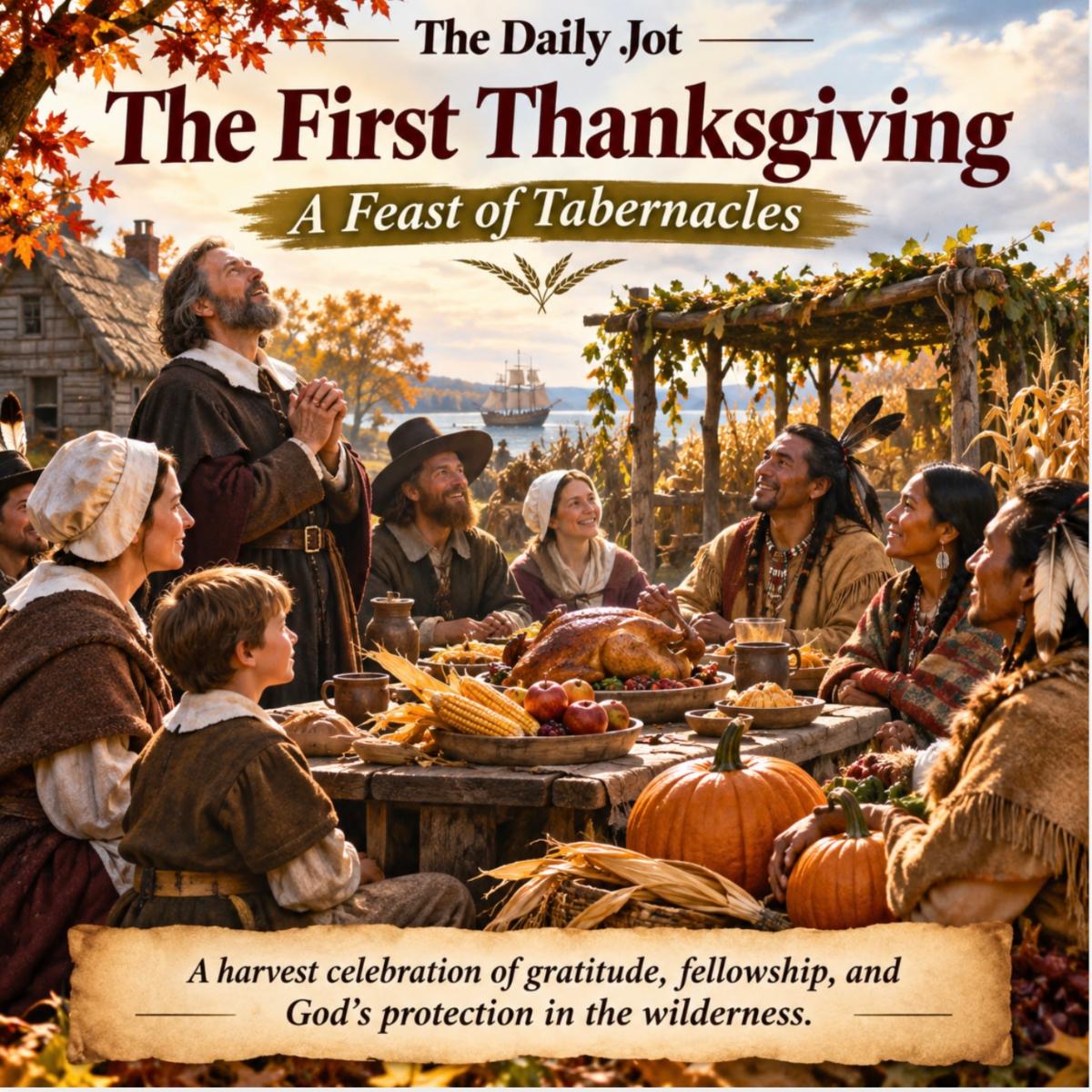
In the fall of 1621, Governor William Bradford (my 12th great grandfather) and the Pilgrims gathered with their Wampanoag neighbors to thank God for a bountiful harvest and their survival in a new land. For three days, they feasted, prayed and gave thanks under the open sky. Bradford, who was a student of Hebrew, wrote that he desired to “see with my own eyes the ancient oracles of God in their native beauty.” Their deep connection to the Old Testament shaped their lives and worship. The first Thanksgiving aligns with the biblical Feast of Tabernacles, or Sukkot—that was celebrated in 1621 from September 30-October 6, when God’s people gave thanks for the harvest and remembered His protection in the wilderness.


Some historians mistakenly link the Pilgrims’ feast to Michaelmas, a Catholic and Anglican celebration honoring the archangel Michael on September 29. But the Pilgrims were Separatists who rejected man-made holy days, saints’ feasts, and church calendars altogether. They honored only the Sabbath and those occasions ordained by Scripture. Michaelmas, part of the English quarter days, was foreign to their theology. Their thanksgiving was not born of ecclesiastical tradition but divine gratitude. It was an act of worship, an outpouring of thanks for providence, protection, and partnership with their native allies. The Pilgrims were well aware of the Feast of Tabernacles, commanded in Leviticus 23, called God’s people to dwell in booths for seven days, rejoicing at the end of harvest for God’s provision and covering.


The Pilgrims, still living in fragile shelters and surrounded by uncertainty, saw themselves in that same pattern—as sojourners under God’s hand. As Bradford wrote of his fellow sojourners, “May not and ought not the children of these fathers rightly say: Our fathers were Englishmen which came over this great ocean, and were ready to perish in this wilderness, but they cried unto the Lord, and He heard their voice.” Their celebration was not ritual but revelation: they had endured the wilderness, gathered their crops, and tasted the sweetness of survival. Just as Israel once rejoiced before the Lord, so too did these humble settlers and their Wampanoag friends. They were, in every sense, celebrating Sukkot in spirit and truth.


The command in Exodus 20:8 to “remember the Sabbath day, to keep it holy,” and in Leviticus 23:42–43 to “dwell in booths… that your generations may know” informed their steadfast faith. The Pilgrims saw God’s hand in every seed, storm, and sunrise. Their thanksgiving was not for abundance alone but for covenant promise—God’s faithfulness in the wilderness. The first Thanksgiving was not a European feast day but a biblical one. Whether by design or divine timing, it fell in the same season as Sukkot, a shared celebration of provision, peace, and presence. Beneath rough shelters and autumn skies, the Pilgrims and their guests dwelt together under the mercy of Almighty God. Chris and I, like grandfather Bradford before us, keep the Sabbath and celebrate the feasts, not out of tradition, but in obedience. May you have a blessed day! 


Sources:


·       William Bradford, Of Plymouth Plantation — Massachusetts Archives

·       Edward Winslow, Mourt’s Relation — MayflowerHistory.com

·       Pilgrim Hall Museum Archives — Pilgrim Hall Museum

·       Plimoth Patuxet Museums, “Thanksgiving: Historical Perspectives” — Plimoth.org

·       “Feast of Tabernacles (Sukkot)” — GotQuestions.org

Have a Blessed and Powerful Day!
Bill Wilson
Daily Jot Humanitarian Efforts

Ghana Flood Relief Efforts--Extraordinary Service in the Name of Jesus


When we asked you to pray and help the flood victims in rural Ghana, many of you responded with generous hearts. Because of your faithfulness, we mobilized immediately to serve flood victims in the very rural and difficult areas to reach. Pastor William Agbeti and his volunteer team risked great danger on their distribution trips into some of the hardest-hit villages, and the stories coming back reveal both the depth of the devastation and the remarkable faith of those serving in the middle of it. 


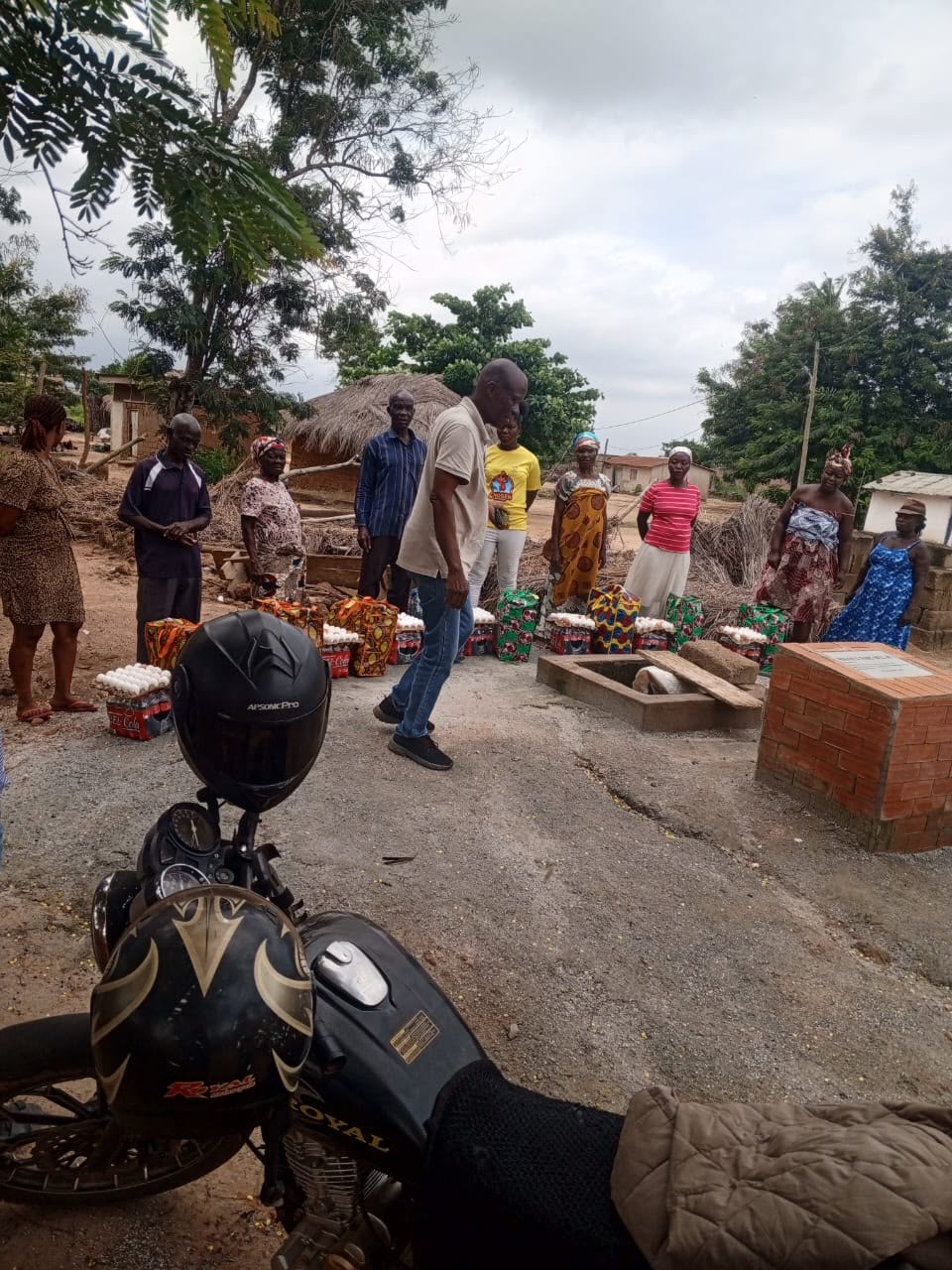
The mission began with six volunteers with a truckload of rice, beans, gari, eggs, tomatoes, onions, peppers, salt, cookies, and other essentials. The truck became so full that several volunteers followed on motorbikes because there was no room for passengers. 

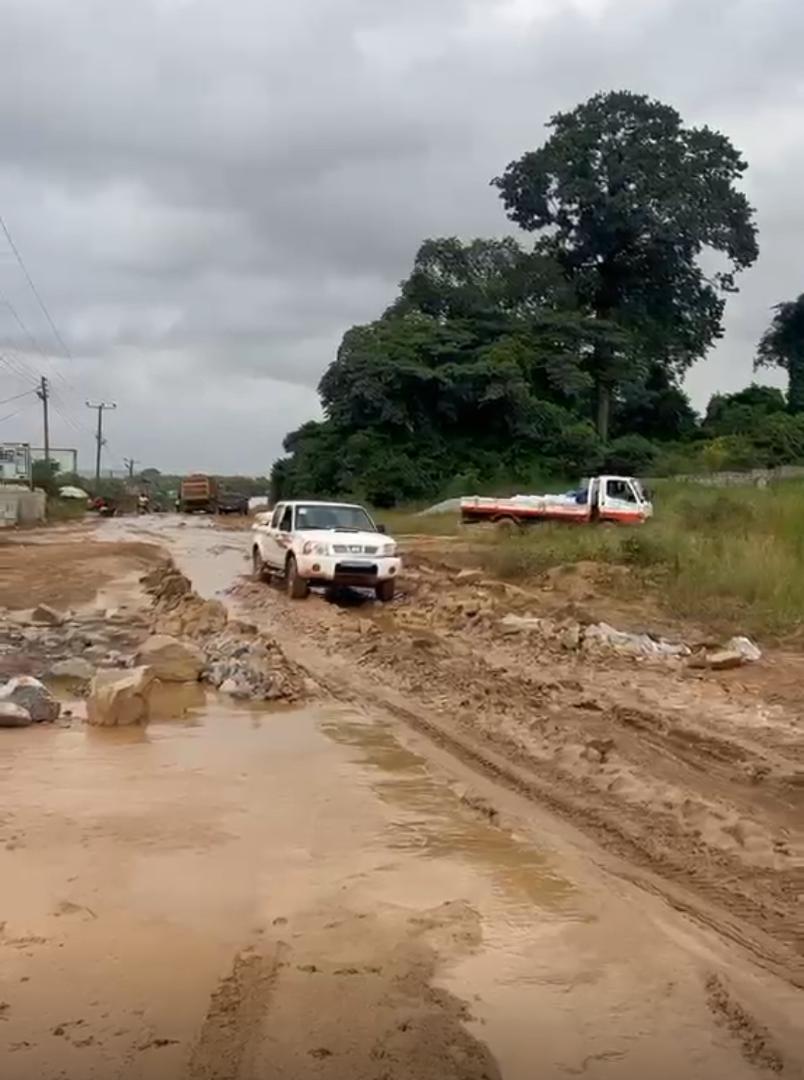
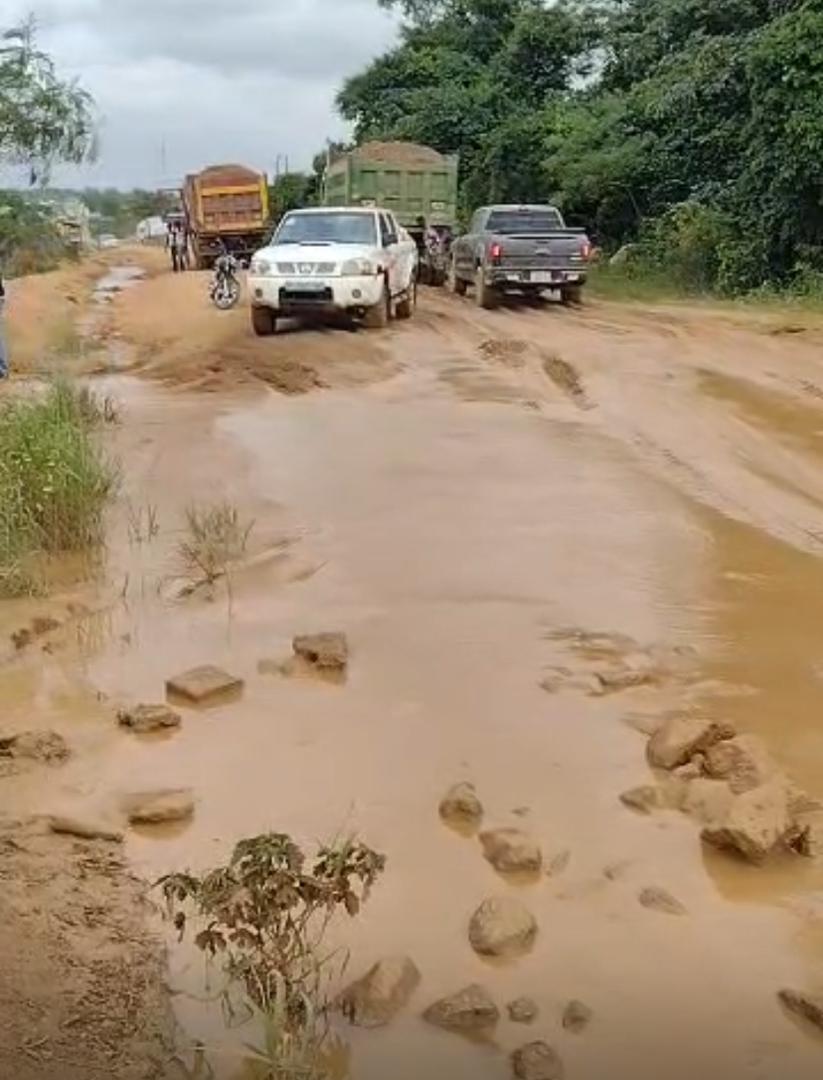
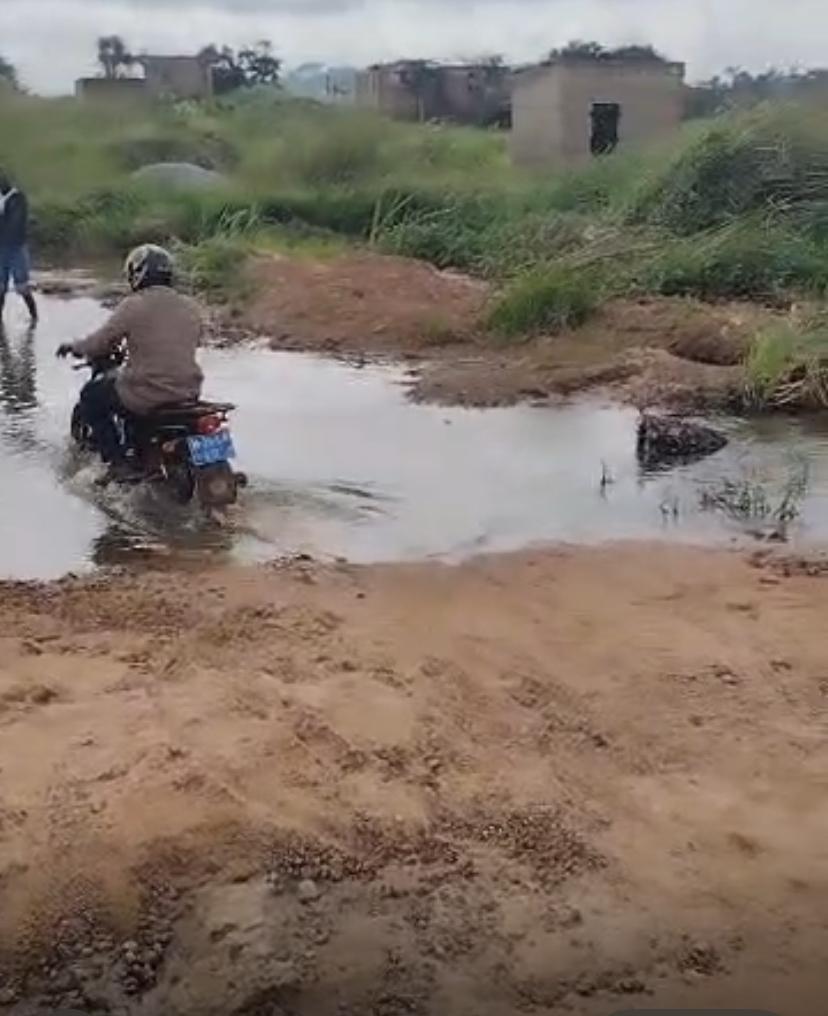
What should have been an initial ninety-minute drive on the first distribution became a four-hour ordeal. Floodwaters had washed away roads, leaving deep craters hidden beneath muddy water. Traffic crawled for miles. Local residents had stretched ropes across damaged roads, collecting money to buy rock and sand for temporary repairs. The team gladly contributed because every delay meant families waited longer for food. Throughout the journey, the motorbike volunteers rode ahead, guiding the truck around hidden dangers that could easily have ended the trip. 


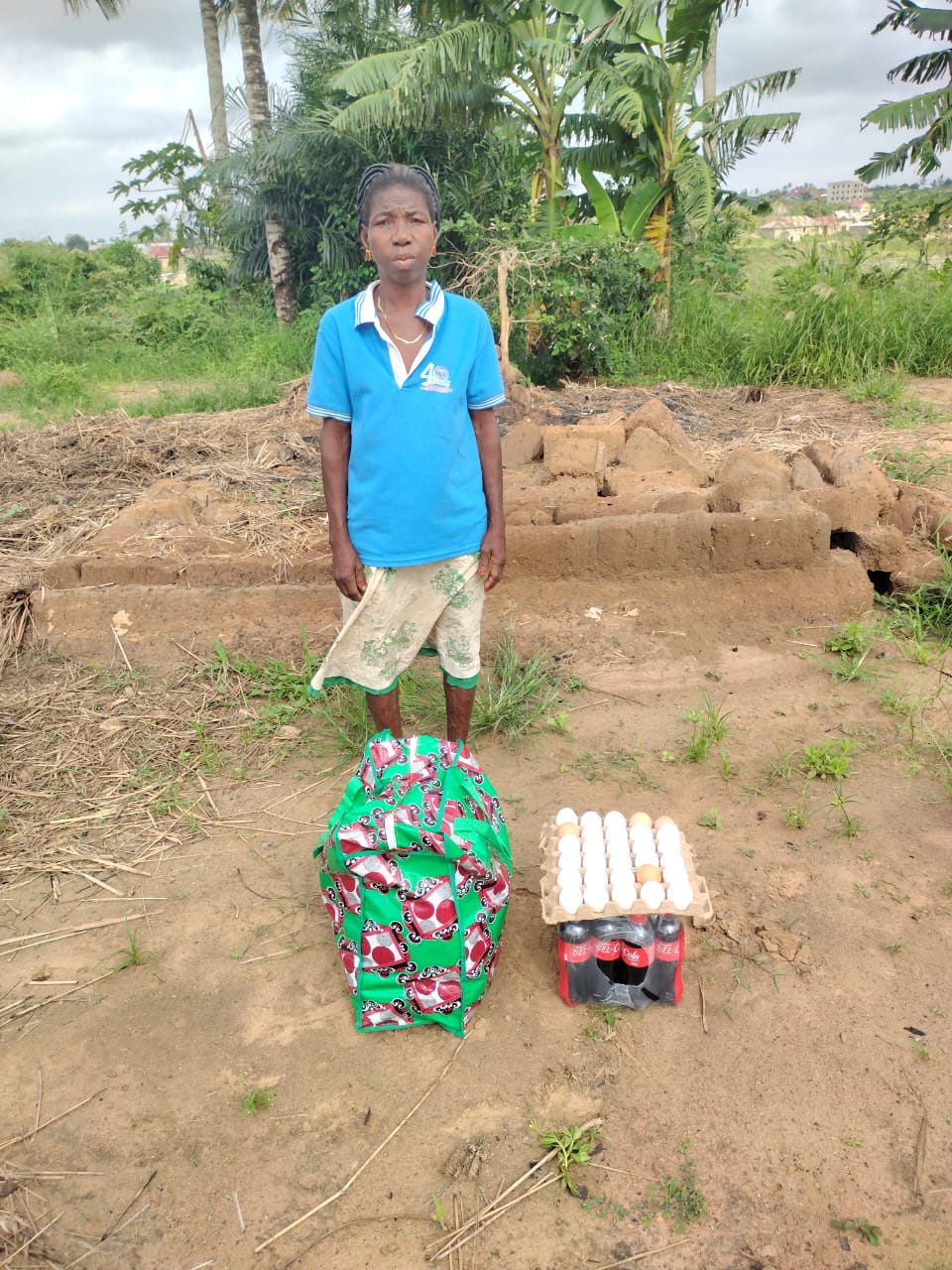
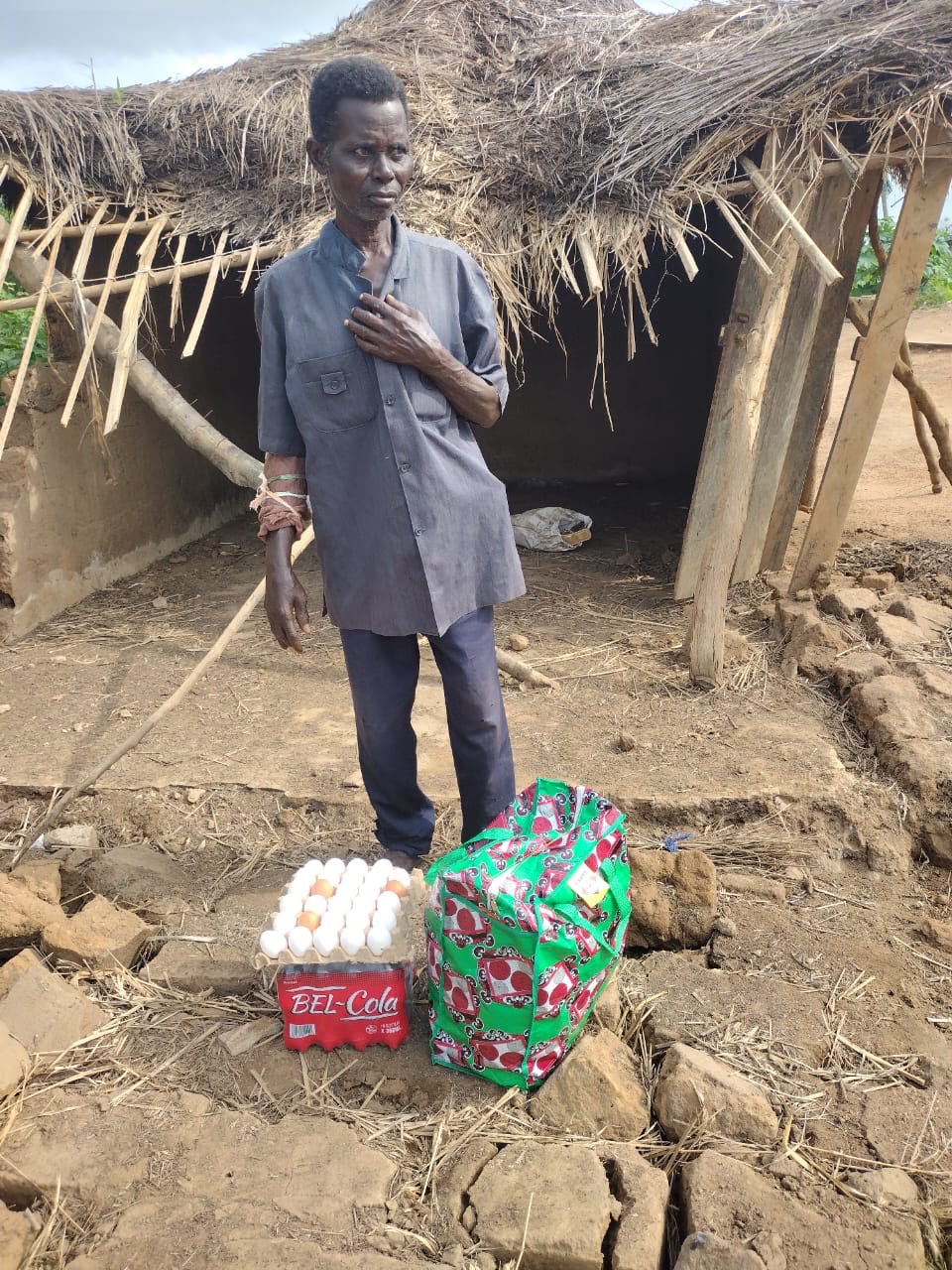
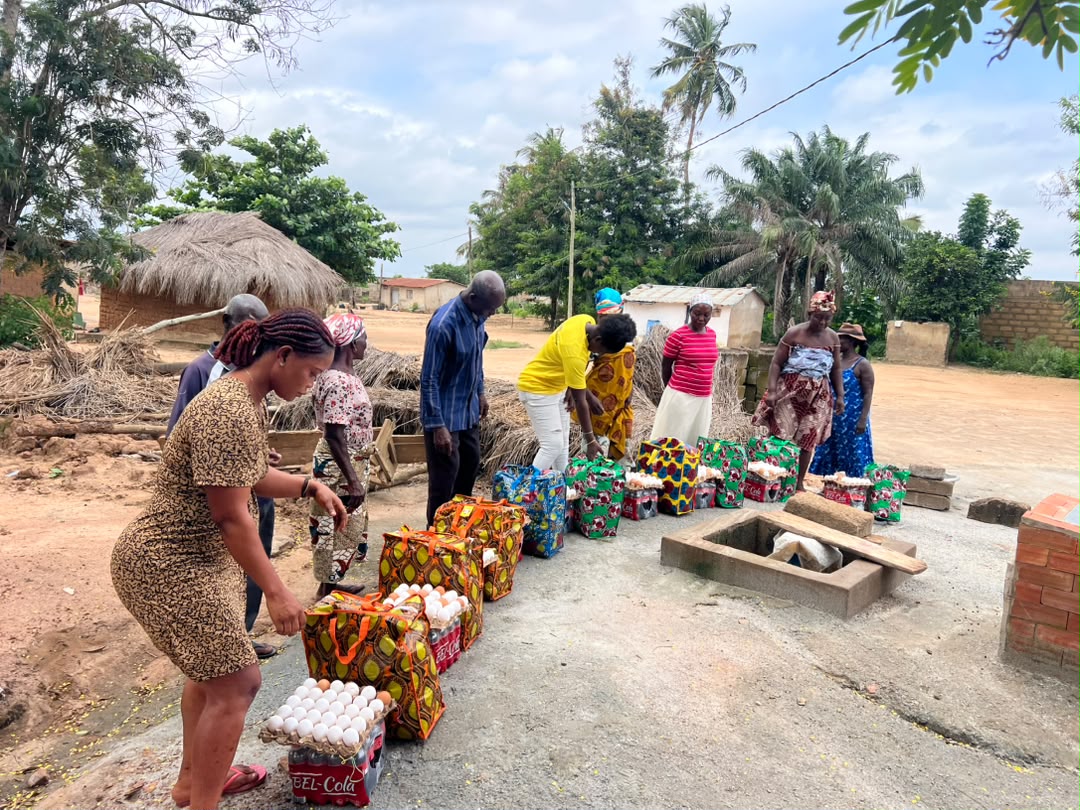
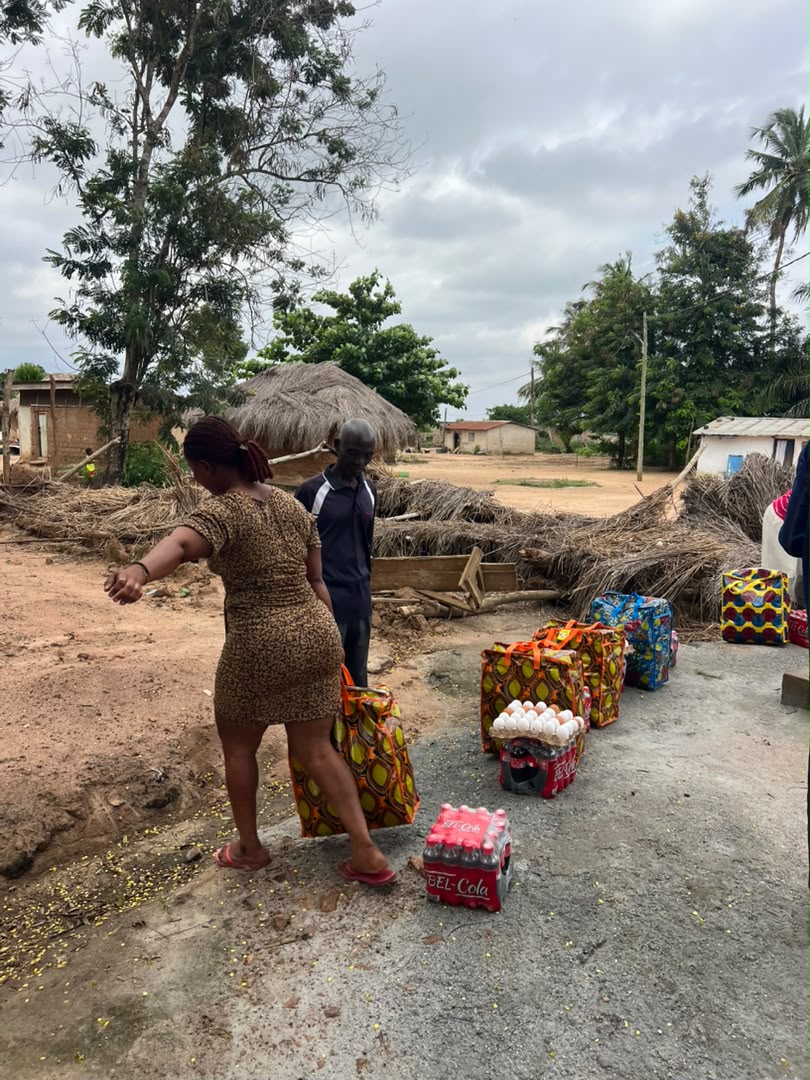
Their first destination was Bosuafise, where the church we support has served the community for years. The flood had destroyed the children's wooden and thatched-roof auditorium, leaving only the main church building standing.  Families were already waiting when the truck arrived. Food was distributed to six households, church leaders, and an elderly widow. Each family received enough supplies to last approximately three weeks. 

As word spread through neighboring communities, more people appeared asking for help. The team carefully recorded every request, knowing available supplies could only reach so many on this first journey. Later that day they visited another church elder whose cassava fields looked healthy from a distance. Once the plants were pulled from the ground, however, the roots were completely rotten beneath the surface. The flood had quietly destroyed the harvest that many families depended upon for their livelihood.


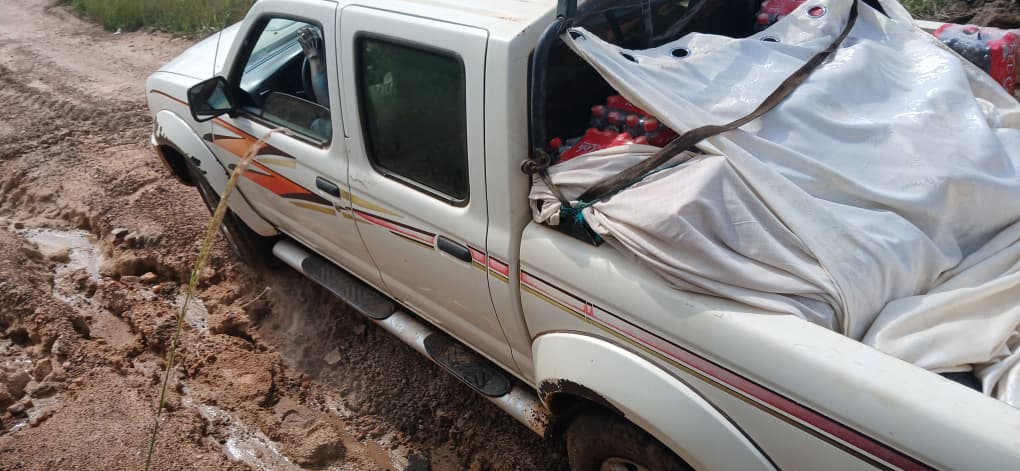
The greatest challenge came at the final villages. Roads had disappeared beneath mud and water. The truck slid into a ditch, becoming trapped while volunteers searched for anything sturdy enough to free it. Concrete blocks nearby had been ruined by the flood and crumbled apart in their hands. 

After repeated attempts, prayer, and determined pushing, the truck finally broke loose and continued forward. Several more households received food before the team reached a swollen river that had become impossible to cross safely. Rather than risk lives, they turned back and distributed the remaining food to struggling families they encountered along the roadside. By the time everyone returned home, they were exhausted, muddy, and covered with insect bites, yet every volunteer had already committed to return because many more families have pleaded for assistance.

Every bag of food delivered represents your compassion in action. Your gifts have placed meals on empty tables, encouraged discouraged pastors, strengthened local churches, and reminded hurting families that followers of Jesus Christ across the ocean care deeply about their suffering. Pastor Agbeti shared that throughout the journey one verse remained constantly on his heart: "The LORD Himself goes before you and will be with you; He will never leave you nor forsake you. Do not fear nor be dismayed" (Deuteronomy 31:8). 

Thank you for standing with us in this ministry. Together we are bringing hope where floodwaters have brought despair. We will continue updating you as additional relief teams return to these isolated communities. Your generosity is reaching flood victims in rural Ghana. Pastor William Agbeti's team battled washed-out roads, mud, stalled trucks, and dangerous conditions to deliver three weeks of food to families who had lost homes, crops, and hope. This is your compassion at work, and we're just getting started.

BILL's NOTE: This is just one account of the heroic and courageous efforts of a handful of volunteers under the guidance of Pastor William Agbeti as led, protected, and blessed by the Lord God Almighty. I am overwhelmed by their exceptional devotion to saving lives, comforting those who lost what little they had, and the overwhelming relief and joy they brought with their multi-colored bags of food security. May God Bless them Mightily. And may He bless you for your prayers and ongoing support to see this worthy mission succeed.

Read more about our outreach and humanitarian

efforts in Ghana and Togo at The Daily Jot


The Daily Jot is totally reader supported. My wife, Chris, and I do not take a salary or receive any remuneration for this work. Your gifts go directly to assisting us in maintaining this column, the website, outreach, and the Lord's work we do in Ghana and Togo, West Africa. Thank you for your prayers and support.


Have a Blessed and Powerful Day,


Bill Wilson

The Daily Jot