March Telehealth Newsletter | | |
Wyoming Telehealth Newsletters aim to inform and educate people about news happening in the world of healthcare and telehealth!
This Newsletter includes:
- Provider Spotlight
- The Ten Sleep Library, Where You Can Check Out A Book — And See Your Doctor
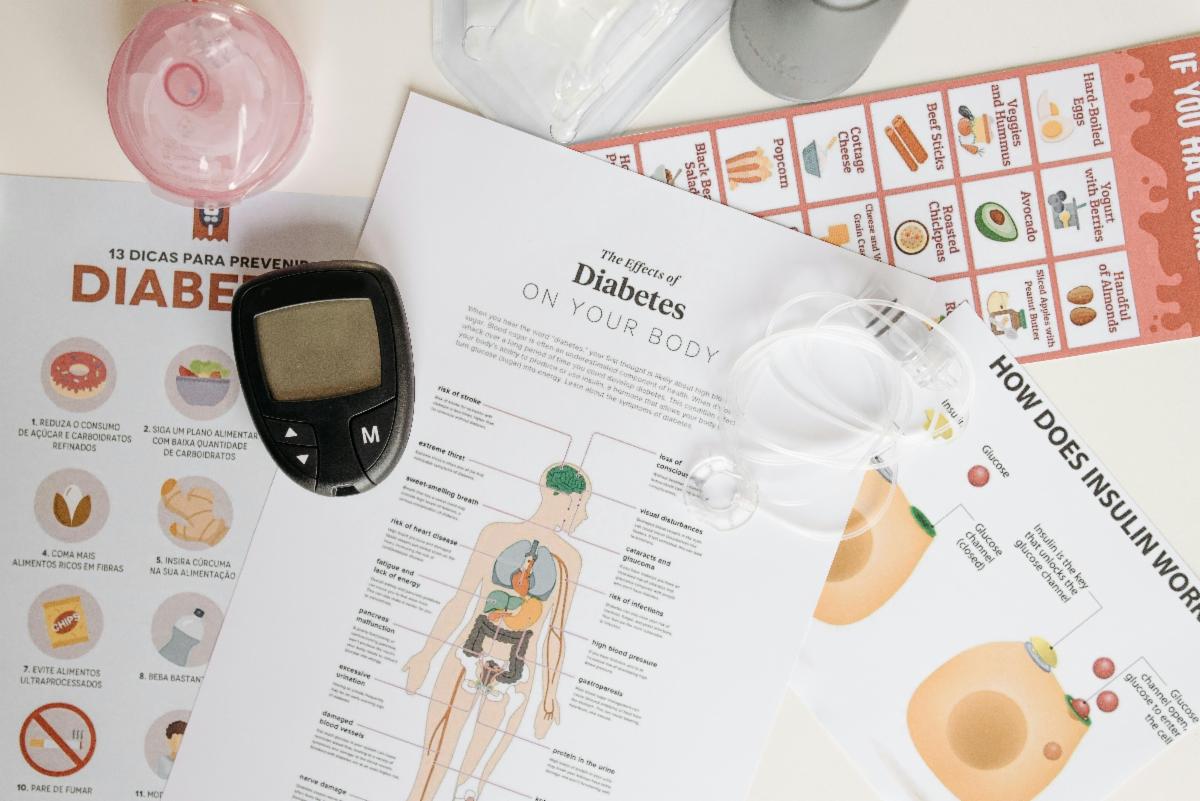
- Virtual diabetes prevention programs secure Medicare coverage
- Mountain Food Pantry Fights Isolation by Building Community in Rural Colorado
- Virtual Crisis Care Helps Rural Communities Access Mental Health Resources in Emergencies
- Learning About Telehealth for Patients with Intellectual and Developmental Disabilities (IDD)
- Delivering Dental Care in Rural Schools Using Telehealth
- Transforming Rural Hospitals Through Telehealth Partnerships
| | Nathan Blue, MD is a maternal–fetal medicine specialist and physician–scientist at the University of Utah. His research explores how we can use technology such as AI and telehealth-integrated digital tools to improve risk management during pregnancy. His ultimate research goal is to make prenatal and maternal care more individualized and proactive. Clinically, he provides high-risk obstetric services across the region, including in Jackson and Rock Springs, Wyoming. Clinically, | | | |
he provides high-risk obstetric services across the region, including in Jackson and Rock Springs, Wyoming. Dr. Blue is deeply committed to expanding access to high-quality obstetric care through telehealth and provider education programs like Project ECHO.
Dr. Blue first learned about telehealth during his medical training when it was still considered a niche tool for providers. He began regularly using telehealth during the COVID-19 pandemic but quickly realized the value of telehealth extended beyond the pandemic-era shutdowns. He has found telehealth to be highly impactful in expanding
access to care- particularly for patients who face barriers to in-person visits. According to Dr. Blue, telehealth has improved patient access to specialty care by allowing providers to reach broader patient populations. Importantly, he’s found telehealth supports frontline providers in rural communities by giving patients access to the
specialists they need.
Dr. Blue also believes that telehealth has created new opportunities for provider education. He highlighted programs such as Project ECHO, which is a learning-based model that combines didactic presentations with community discussions centered
around real cases or challenges faced by providers. These trainings help rural providers feel more supported and confident in managing complex cases. This Spring, Dr. Blue presented at the University of Wyoming’s Rural Obstetrical Care ECHO, where he was
able to educate Wyoming providers about pre-eclampsia patients.
For providers interested in initiating telehealth practice is to start small. Incorporating occasional virtual visits into an in-person clinic can help staff and patients become more comfortable with the process. If there is sufficient interest, providers can eventually transition to a fully virtual clinic, which can be run from a home or office
setting. Though virtual clinics can provide operational and staffing benefits, Dr. Blue notes that it may take time to refine workflows since they differ from traditional care models. He emphasizes the importance of clear communication and patient support when transitioning to and preparing for virtual appointments.
Lastly, Dr. Blue offers a practical tip: avoid conducting virtual visits from home during bad weather if there is a risk of losing internet or power. As he humorously adds, “Don’t ask me how I know!”
Dr. Blue says his proudest accomplishment in telehealth is seeing patients receive high-quality care without the burden of traveling long distances. “Even though a virtual visit isn’t as fun as an in-person visit,” he says, “the benefits for patients make it worth it.”
| | The Ten Sleep Library, Where You Can Check Out A Book — And See Your Doctor | |
In the small town of Ten Sleep, Wyoming, a modest library is redefining what it means to serve a community. The Ten Sleep Public Library has grown far beyond a place to borrow books—it’s now a technology hub, learning center, and even a gateway to healthcare. Its impact recently earned it the 2025 National Medal for Museum and Library Service, the highest honor for libraries in the United States. Despite its size, the library plays a critical role for residents in and around the rural area, where access to services can be limited. One of its most innovative offerings is a telehealth booth that allows patrons to connect with doctors remotely, eliminating the need for long trips to larger cities. Library staff also provide hands-on tech support, helping people navigate digital tools and ensuring they can access the care they need.
| Beyond healthcare, the library continues to expand what it offers the community. It lends out items like blood pressure kits, blending education with practical health support, and serves as both a public and school library with programs for all ages. In a town where gathering spaces are scarce, it acts as a central hub for connection, learning, and support. The Ten Sleep Public Library demonstrates how small, rural institutions can adapt to meet modern challenges, proving that innovation isn’t limited by size. By focusing on real community needs, it has become a powerful example of how libraries can evolve into essential lifelines for the people they serve. | | Virtual diabetes prevention programs secure Medicare coverage | | Mountain Food Pantry Fights Isolation by Building Community in Rural Colorado | | |
In the remote Colorado mountain community of Red Feather Lakes, geographic isolation and limited local gathering places can make life feel lonely, especially during long winters. Around one in five Coloradans report feeling socially isolated, with rates slightly higher in rural Larimer County. The local food pantry, run out of a church basement and stocked with thousands of pounds of donated food and supplies, has become more than a place for groceries. It functions as a rare social hub where neighbors can meet, talk, and support one another.
Organizer Darlene Kilpatrick started the pantry in 2020, and it has served over 2,000 people across the rural region. Many visitors say coming to the pantry is their only weekly outing and offers them vital human connection. Seeing this need for more interaction, county health officials launched the “Connection Cafe” alongside the food distribution, bringing chairs, coffee, and health and social resources to encourage conversations and referrals to services like mental health support.
| | Virtual Crisis Care Helps Rural Communities Access Mental Health Resources in Emergencies | | |
In rural communities where access to emergency behavioral health services is scarce, Virtual Crisis Care is transforming how law enforcement responds to people in crisis. Supported by the Helmsley Charitable Trust, the program has operated in South Dakota for more than five years and has been adopted by over 30 rural law enforcement agencies. Through a partnership with Avel eCare, officers can connect individuals via tablet or secure video link to licensed clinicians who provide real-time assessments, de-escalation, safety planning, and guidance on next steps. Since its implementation in South Dakota in 2020, 86% of individuals served through Virtual Crisis Care have been able to remain safely at home, avoiding unnecessary hospitalization or incarceration.
Roberts County, South Dakota, was among the first to pilot the program in 2020. Sheriff Tyler Appel said virtual access to clinicians has been critical in a rural area where in-person mental health professionals are rarely available, especially after hours. Previously, deputies were often forced to make complex decisions alone and manage long transports for hospital evaluations. With Virtual Crisis Care, clinicians join calls from virtually any location, such as homes, schools, roadsides, or jails, helping to calm situations and guide informed decisions about involuntary holds. The approach not only reduces costs and strain on law enforcement but also ensures individuals in crisis are treated with compassion and connected to appropriate follow-up care through local community mental health centers.
| | |
Building on its success in South Dakota, Wyoming launched a Virtual Crisis Care pilot program in 2025 with a $2.4 million grant from the Helmsley Charitable Trust awarded to the Wyoming Association of Sheriffs and Chiefs of Police. The initiative aims to expand immediate telehealth access to clinicians while strengthening county-level behavioral health networks. Within its first year, about 25% of Wyoming agencies signed on; the goal is to reach 75% participation within three years. By combining technology, training, and partnerships with local providers, Wyoming’s program seeks to intervene earlier in mental health crises, reduce stigma, and connect residents to sustainable treatment, ultimately improving outcomes for individuals and rural communities alike.
| |
Learning About Telehealth for Patients with Intellectual and Developmental Disabilites (IDD)
| | |
The Center for Connected Health Policy offers a video designed to help patients with intellectual and developmental disabilities (IDD) better understand and navigate telehealth appointments. The video explains what telehealth is and highlights the types of appointments that are best suited for virtual care. It also covers important online and telehealth safety tips, including how to recognize trusted links and connect to appointments securely. This resource is especially helpful for patients who are new to telehealth and want to feel more confident using virtual healthcare services.
| | Delivering Dental Care in Rural Schools Using Telehealth | | |
By age 8, more than half of children in the U.S. have had a cavity, and untreated dental disease can interfere with their learning. Improving access to care, especially in rural areas, is really important. The University of California, San Francisco School of Dentistry has trained residents to use telehealth to deliver pediatric dental services in schools. A dental assistant and hygienist see students in person, collect records and images, and send the information to pediatric dental residents supervised by licensed dentists. The residents create treatment plans, which the school-based dental team then carries out, providing services such as X-rays, exams, cleanings, and preventive treatments. Children who need advanced procedures are referred to community dentists, while the school team helps prevent conditions from worsening during the wait for appointments.
Since the program began, fewer students have required advanced dental care, and residents gain valuable experience delivering virtual services. Although telehealth presents challenges, the program treats them as opportunities to strengthen care for children in rural communities. Plans include expanding virtual training to help community dentists build specialized skills and further integrating telehealth to increase access and improve children’s oral health.
| | Transforming Rural Hospitals Through Telehealth Partnerships | | |
Rural hospitals are vital to both healthcare access and local economies, supporting about 1 in 12 jobs and nearly $220 billion in economic activity in rural communities. However, many face growing challenges, including financial strain, workforce shortages, and aging infrastructure, which threaten their ability to maintain services and increase the risk of hospital closures. These pressures can reduce access to essential care and destabilize rural economies. The Medical University of South Carolina (MUSC) has demonstrated that telehealth partnerships can help address these issues by strengthening rural hospitals and creating more sustainable care models. In South Carolina, where over 27% of residents live in rural areas and nearly 30% of rural hospitals are at risk of closure, MUSC has spent almost two decades helping rural hospitals implement telehealth programs.
| Partnering with more than 40 hospitals, MUSC has introduced services such as telestroke, tele-ICU, virtual nursing, and virtual behavioral health. These initiatives have increased hospital admissions, reduced patient transfers and readmissions, enabled care for more complex patients, and improved healthcare quality. Drawing on this experience, the Rural Hospital Telehealth Playbook provides guidance for hospital leaders on using telehealth as a core financial, operational, and clinical strategy, including a maturity model that helps hospitals assess and expand their telehealth partnerships through early, operational, and transformational stages. | |
|
Additional Special Interest Group Meetings
Special interest groups are facilitated by the WyTN to improve collaboration, education, and communication for distinct groups and fields in regards to telehealth. They allow for tangible support on specific needs and access to a network of champions and experts. Each group fosters their own goals to help improve their practices.
| | |
Telemental Health
Second Friday of the month
April 10, 2026
11:00am - 12:00pm
zoom.us/j/96469814026
| | |
Community Health & Chronic Disease Prevention
Second Tuesday of the month
April 14, 2026
11:00am - 12:00pm
zoom.us/j/99923831002
| | |
Hospital
Third Tuesday of the month
April 21, 2026
12:00pm - 1:00pm
zoom.us/j/94824269281
| | |
Check out the Special Interest Group webpages!
Here you'll find SIG-specific updates, agendas, minutes, and education opportunities.
| | For more information on the special interest groups, or if you would like to join one, please contact wytn@uwyo.edu | |
Contact Information
Wyoming Telehealth Network | Wyoming Institute for Disabilities
UW College of Health Sciences
Phone: (307) 766-6407
Email: wytn@uwyo.edu
| | | | |