| |
STARR News & Updates
September 2025
| | |
September is
Suicide Prevention
Month
Suicide Prevention Month is a time to confront the difficult but urgent reality of suicide and to strengthen our collective response. Awareness efforts not only provide resources and support for individuals and families in crisis, but also equip communities with tools, education, and advocacy to make a difference. For mental health clinical research professionals, this month is a reminder of the essential role research plays—driving innovations in prevention, treatment, and policy that can save lives.
National Suicide Prevention Week is observed September 7–13, with World Suicide Prevention Day on September 10.
While suicide prevention is a year-round responsibility, September provides an opportunity to amplify the message of hope: help is available, lives can be saved, and research remains a cornerstone of progress. Together, we can advance discovery, reduce stigma, and bring solutions closer to those who need them most. ❤
| | |
Trialmed Atlanta hosted an open house for local organizations to visit their facility, meet the team, and learn more about clinical research. The event was a great success, allowing us to build connections with two incredible community partners.
Representatives from Our House—a comprehensive facility offering shelter, healthcare, and childcare—had engaging discussions with Dr. Davis about our clinical trials. They expressed strong interest in collaborating to support participants and refer individuals who may benefit from research opportunities. They appreciated the model in which Dr. Davis works alongside, rather than replacing, a patient’s existing treatment team to support individuals with unstable depression, schizophrenia, and bipolar disorder.
We also welcomed guests from Clubhouse Atlanta, a member-based psychosocial rehabilitation program for people with serious mental illness. Some of their clients were already familiar with clinical research, and Dr. Davis was able to further explain our site's unique approach and participant-centered care. We’re excited to share that we’ve been invited to present at one of their upcoming monthly meetings.
We’re thrilled about the meaningful partnerships sparked during this event and look forward to continued collaboration in support of our shared mission.
| | | |
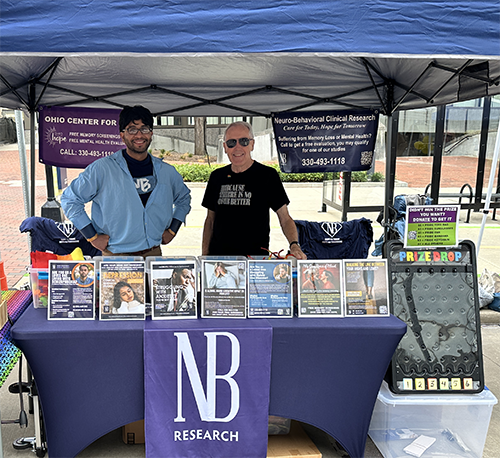
Neuro-Behavioral Clinical Research (NBCR) in Canton, OH, was honored to participate in the Akron PRIDE celebration this past weekend, joining more than 45,000 attendees in a vibrant display of unity and inclusion. Our team was excited to connect with the community, share information about clinical research, and answer questions about how trials can help advance mental health care. Events like PRIDE are powerful opportunities to meet people where they are, build trust, and spread awareness about the importance of research. We’re grateful to have been part of such a joyful day of celebration and connection! See more Pride highlights at https://www.facebook.com/NeuroBehavioralClinicalResearch.
| | | |
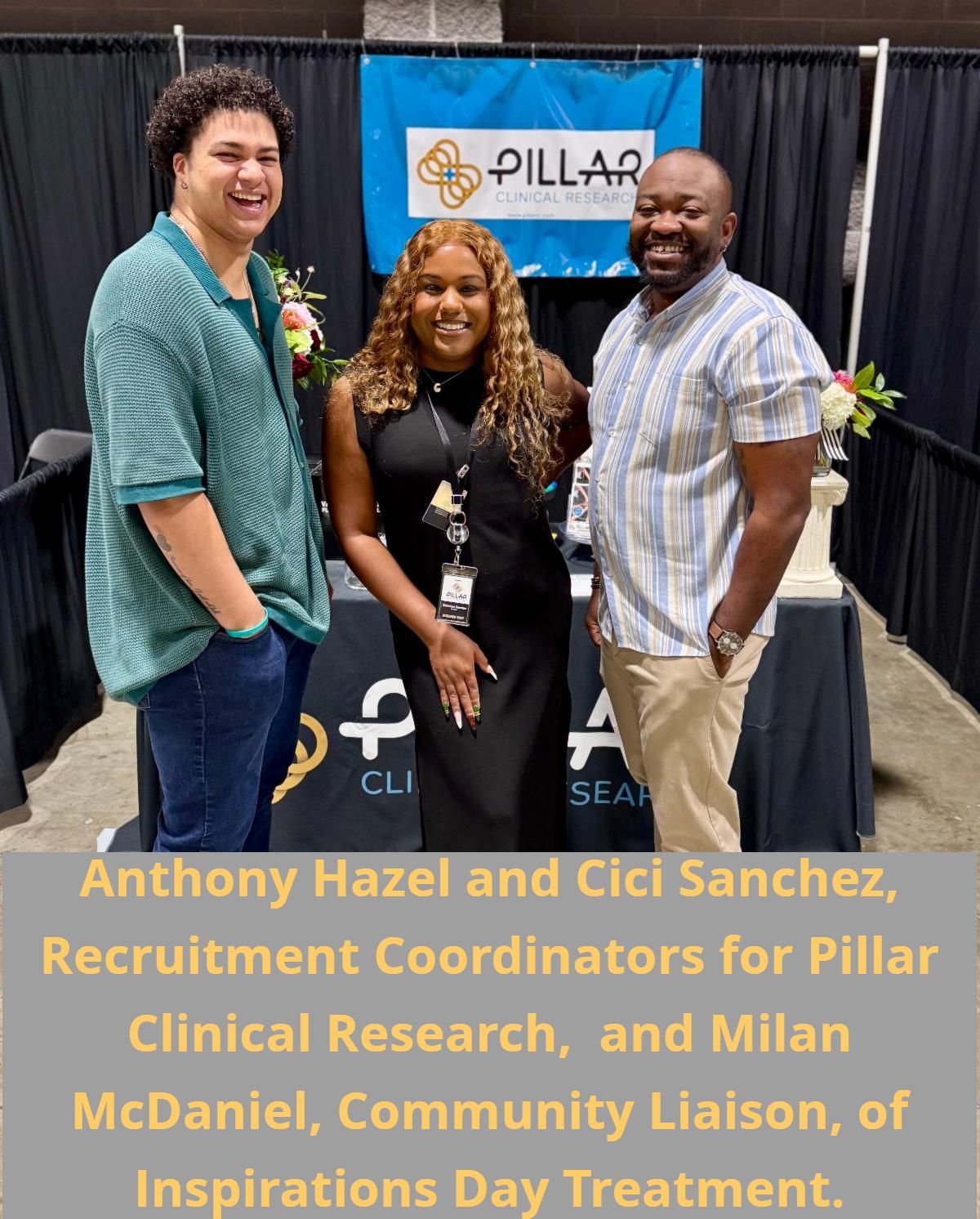
Pillar Clinical Research was delighted to support the annual Arkansas Behavioral Health Institute, a large conference hosted by the Arkansas Council for Behavioral Health (ACBH) that brings together hundreds of mental health professionals and policymakers from Arkansas and surrounding states to share information on behavioral healthcare delivery, new treatment technologies, and evidence-based practices. The forum also enhances skills for effective diagnosis and treatment interventions through training and learning opportunities for various professionals.
Pictured from left to right, that’s Anthony Hazel and Cici Sanchez, Recruitment Coordinators for Pillar Clinical Research, and Milan McDaniel, Community Liaison, of Inspirations Day Treatment.
| | | |
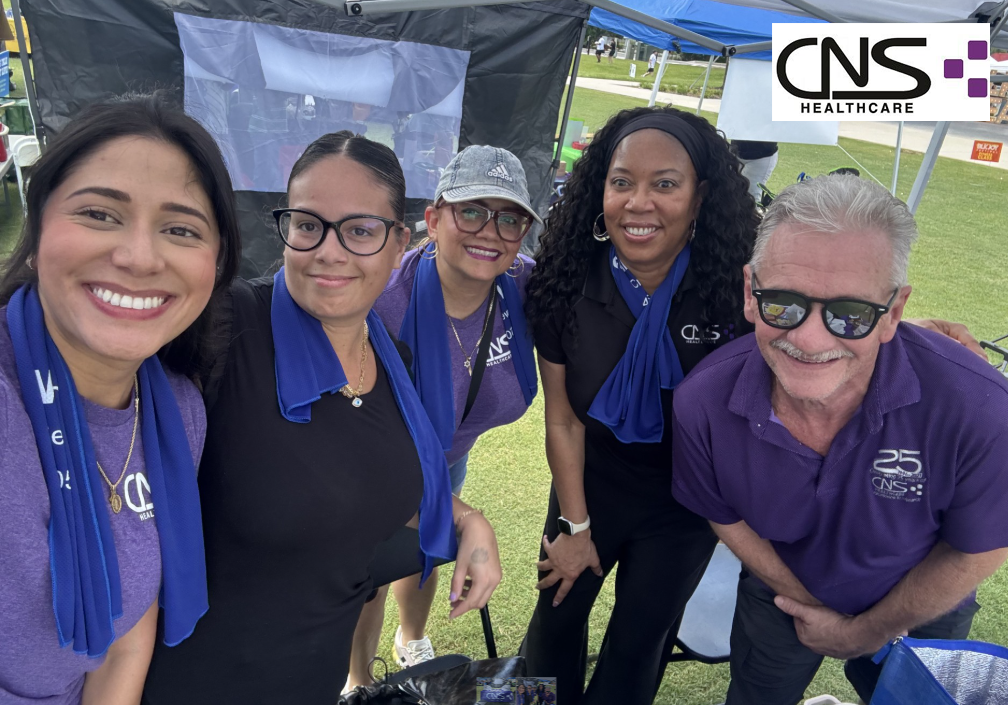
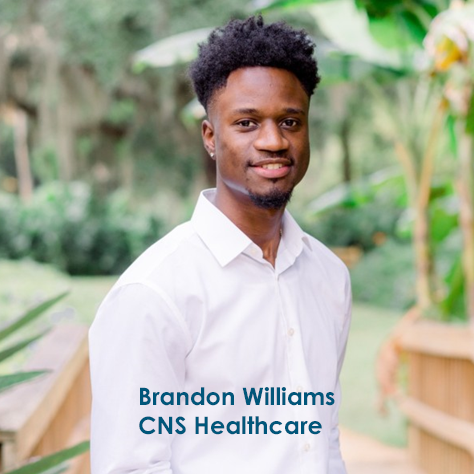
CNS Healthcare had a wonderful time at the 2025 BLK JOY Festival in Orlando last month. The event, hosted by the Black Health Commission, was an incredible celebration of culture, health, and wellness.
Throughout the day, we shared information about clinical research and the important role it plays in advancing healthcare. By providing resources and answering questions, we were able to raise awareness of how clinical trials contribute to new treatment options and improved health outcomes. It was inspiring to see so much interest and engagement from festival attendees who were eager to learn more about CNS Healthcare and our research opportunities.
We are thankful to the organizers for creating such a vibrant and welcoming event and look forward to continuing our mission of bringing education, resources, and hope to the communities we serve! 💚
| | | |
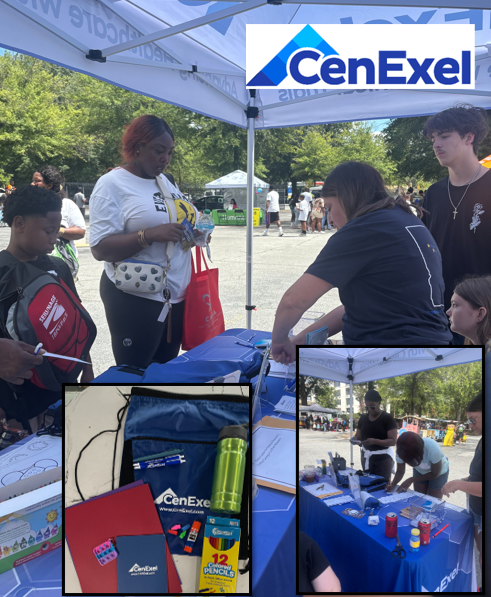
CenExel Atlanta GA proudly joined the Fulton County DFCS Back to School Health Fair as students in the community kicked off another school year. As a close neighbor, our team values the opportunity to connect with families and support local youth. Staff members distributed backpacks and school supplies while also sharing information about clinical trial opportunities available at our site. The event provided a meaningful way to engage with the community, offering both practical resources and education about research. Even in the summer heat, the day was filled with energy, gratitude, and a strong sense of connection.
| | | |
Suicide Prevention Awareness Month:
A Call to the Mental Health Research Community
September marks National Suicide Prevention Awareness Month, a time to unite communities in raising awareness that there is hope, help is available, and healing is possible. Suicide remains a major public health concern globally, and its impact underscores the need for compassion, evidence-based strategies, and community support for those experiencing suicidal thoughts or behaviors.
As members of the mental health research community, we play a vital role in this effort. Advancing innovative treatments, ensuring access to high-quality trials, and fostering open dialogue about suicide and mental illness all contribute to prevention. Research not only drives new therapeutic options but also helps reduce stigma and builds resilience by empowering individuals and families with knowledge and support.
This month is an opportunity to strengthen our commitment to suicide prevention by supporting mental health initiatives, providing resources, and fostering community understanding. Let’s honor this month by prioritizing mental health, standing together, and moving beyond surface-level interactions, inviting deeper conversations with those who may be struggling with this battle.
Find suicide prevention information and resources HERE and HERE. ❤
| | STARR 911 Training Sessions are Back! | | |
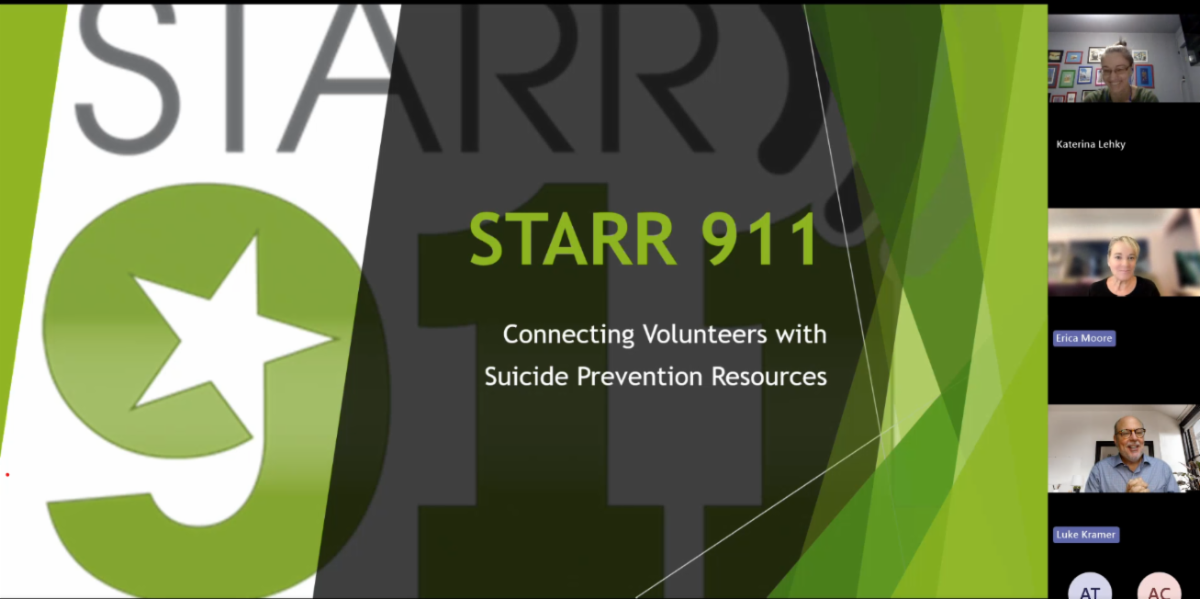
Last week, The STARR Coalition hosted a STARR 911 training session for the team at CenExel GA, led by none other than OG Luke Kramer, who helped develop the STARR 911 Suicide Prevention Program. The 1-hour virtual session offered an in‑depth walkthrough of how clinical research staff can recognize and respond to suicidal ideation among individuals during screening, ensuring they receive more than just “ineligible for the trial” notifications—but instead, a compassionate and potentially life‑saving outreach.
STARR 911 equips staff with a straightforward script and protocol: when a prospective volunteer expresses suicidal thoughts, the screener pivots to the STARR 911 script, offering the National Suicide Prevention Lifeline’s contact information or, when determined to be appropriate, a “warm handoff” directly to a trained specialist.
This approach ensures that when someone in crisis reaches out to a research site, the interaction becomes more than a screening -- it becomes a meaningful step in the suicide prevention pathway.
| |  | |
With September being National Suicide Prevention Month, we're excited to be organizing additional STARR 911 training sessions across the STARR community. These sessions will broaden the reach of this vital process, arming more sites with the tools to act swiftly and meaningfully when someone in distress reaches out.
Why is this especially relevant to mental health clinical research? Because our work transcends data collection—it directly touches lives. Research site staff don’t just screen volunteers and collect data; they encounter people in crisis, and by adopting STARR 911, we ensure compassion and connection are embedded in these interactions.
Together, we can ensure that suicide prevention is not just an initiative for September, but a lasting commitment woven into the fabric of clinical research.
--------
Contact The STARR Coalition today to schedule a STARR 911 training for your staff!
| | | | |
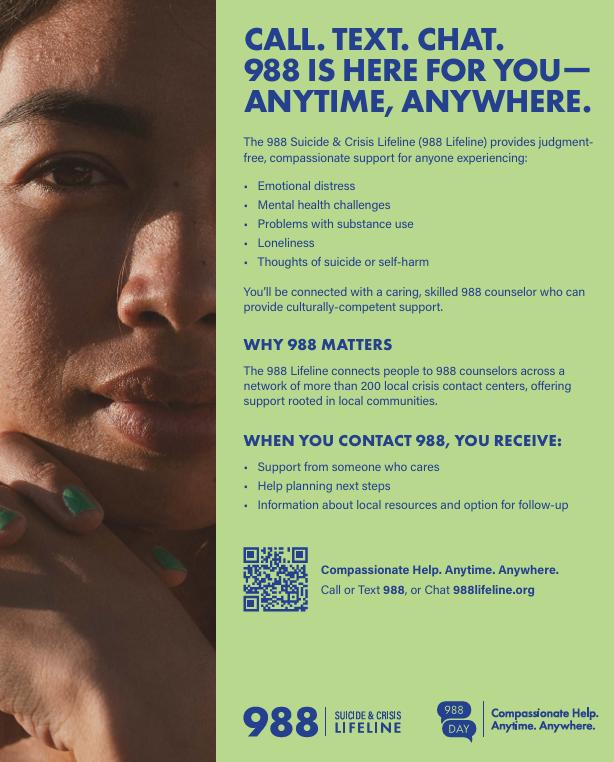
988 Day is a Day of Action
held annually on 9/8.
The goal of 988 Day is to raise awareness and positive buzz about the 988 Suicide & Crisis Lifeline through a variety of creative activities spearheaded by communities, organizations, and individuals.
This year's theme is:
Compassionate Help. Anytime. Anywhere.
This theme conveys the heart of what 988 is all about – empathy, accessibility, and reliability. A network of more than 11,000 counselors continue to help reduce barriers and stigma around seeking mental health support.
Find everything you need to support
988 Day here.
| | |
AbbVie Buys Gilgamesh’s Depression Drug for $1.2B, which puts AbbVie at the forefront of the psychedelic field. Gilgamesh scored positive Phase 2 results from bretisilocin or GM-2505 for major depression. Per terms of the acquisition, the newly created spinoff, Gilgamesh Pharma Inc., will retain the original company’s employees and other research programs, which include an analog to the psychoactive substance found in iboga plants, a depression drug designed to be fast-acting and an experimental schizophrenia medication that goes after the same molecular targets as BMS' Cobenfy.
MapLight raises $372.5M for its muscarinic challenger to BMS's Cobenfy. The series D round will help move the company's lead candidate through Phase II testing for schizophrenia and Alzheimer's disease psychosis and explore other potential diseases that might benefit from treatment with ML-007C-MA.
BioXcel plans to seek expanded approval early next year for use of its agitation drug at home after it succeeded in a late-stage study of patients with bipolar disorder or schizophrenia. The drug, BXCL501 or dexmedetomidine, was well-tolerated in the study comprising more than 200 patients who had agitation episodes despite receiving prior treatment. The orally dissolving film form of the drug is sold as Igalmi in the U.S. for treating schizophrenia or bipolar disorder-related agitation.
Reunion Neuroscience’s psychedelic has reduced the symptoms of postpartum depression in a phase 2 study, setting up the biotech to launch a late-stage trial next year. The drug in question is RE104, a prodrug of 4-OH-DiPT that is designed to replicate the effects of the magic mushroom extract psilocybin but in a shorter time span. Reunion, which was acquired by MPM BioImpact in 2023, has been evaluating RE104 in 84 adult female patients with moderate to severe postpartum depression (PPD).
In psychiatric inpatients, cannabis use prior to admission was associated with an increased risk of admission to intensive care. This risk was particularly elevated 3 to 5 days after presentation to hospital, a period associated with the peak severity of cannabis withdrawal syndrome, exacerbating their mental state. *Note for researchers doing in-patient studies!
Clozapine use was associated with a 25% higher risk for infections in patients with schizophrenia than the use of olanzapine, with a 45% higher risk in those aged 55 years or older, a large cohort study showed.
Clozapine's unique receptor profile makes it more effective than some other antipsychotics in treatment-resistant schizophrenia (TRS). There is growing evidence supporting its use in schizoaffective disorder (SZD), although diagnostic challenges and drug characteristics have complicated the implementation of specific clinical trials.
In a meta-analysis, lurasidone outperformed placebo in alleviating depressive symptoms across multiple psychiatric diagnoses including schizophrenia, bipolar disorder, and major depressive disorder (MDD), with better acceptability and safety and comparable tolerability. (Note: there are multiple limitations to this study including bias risks and relatively short follow-up periods.)
Patients treated with esketamine + SNRI showed significantly lower rates of all-cause mortality, hospitalization, and depression relapse compared to patients treated with esketamine + SSRI. In a real-world comparative effectiveness study of more than 50 000 patients with TRD, the incidence of all-cause mortality, hospitalizations, depressive relapses, and suicide attempts was low throughout the 5-year study period. These findings highlight that the choice of antidepressant combined with esketamine can significantly impact clinical outcomes in TRD.
Ketamine’s antidepressant action may depend on the opioid system in the brain. In a small study of adults with major depressive disorder, taking the opioid blocker naltrexone before a low-dose ketamine infusion both blunted the surge in glutamate — a key brain chemical linked to mood — and reduced ketamine’s rapid antidepressant benefit the next day. “These results suggest that opioid receptors help mediate ketamine’s effects and that blocking opioid receptors may lessen ketamine’s acute mood-lifting action,” lead researcher Luke Jelen, MBBS, clinical lecturer in psychiatry, King’s College London.
Researchers trace how Ketamine acts on specific brain circuits and synapses to relieve anhedonia. Driving the research forward is the goal of figuring out how ketamine generates its various therapeutic actions in detail sufficient to serve as the basis for creating other drugs that can do the same or similar things, perhaps over a longer duration and without ketamine’s side-effects. It is the specificity that is potentially valuable: in this case, the research team established the necessity of restoring the (pre-stress) strength of these specific synapses in order for ketamine to have a sustained effect in reducing anhedonia-like behaviors.
A new Cochrane review casts doubt on the value of ketamine and other N-methyl-D-aspartate (NMDA) receptor agonists to relieve chronic noncancer pain. While ketamine and other NMDA receptor agonists are often prescribed off-label to manage chronic pain conditions such as fibromyalgia, nerve pain, and complex regional pain syndrome, researchers found little convincing evidence of a real benefit and identified an increased risk for side effects such as delusions, delirium, paranoia, nausea, and vomiting.
The FDA has approved cyclobenzaprine hydrochloride sublingual tablets (Tonmya, Tonix), a first-in-class, nonopioid treatment for adults with fibromyalgia, a chronic pain syndrome that affects more than 10 million Americans, roughly 80% of whom are women. The medication, taken once-daily at bedtime, targets nonrestorative sleep, a root cause of pain, fatigue, and brain fog in fibromyalgia. It's the first new FDA-approved therapy for the treatment of fibromyalgia in over 15 years. Tonmya (formerly TNX-102 SL) is expected to be available in the fourth quarter of this year.
Modulating dopamine vs. serotonin produced distinct effects on separate components of reinforcement learning. A meta-analysis of 102 studies found that the upregulating of dopamine was associated with increased reward learning or sensitivity and reward response vigor and decreased reward discounting. Upregulation of serotonin was associated with increased punishment learning or sensitivity and decreased reward discounting.
A recent study found that ADHD medicines were linked to lower risks of several serious problems in daily life, but as the types of patients change, these benefits seem to weaken. In a nationwide study of 247,420 ADHD medication users in Sweden from 2006 to 2020, ADHD medication use was consistently associated with lower risks of self-harm, unintentional injury, traffic crashes, and crime, while some of these associations weakened as prescriptions rates increased.
Manufacturers of ADHD medications more than doubled their marketing payments to physicians from $1.8 million in 2021 to $3.6 million in 2023, according to a new study published in JAMA Pediatrics. A little over 10% of physicians working in adolescent medicine reported receiving a marketing payment, followed by adolescent psychiatry (9.9%), pediatrics (8.2%), psychiatry (5.95%), and family medicine (3%). Overall, physicians received nearly triple the payments of advanced practice clinicians, and payments to nurse practitioners increased by 300%. (Note: Yes, ADHD prescriptions have risen substantially.)
Binge gaming in kids is associated with adverse mental, social and academic outcomes. Binge gaming, defined as playing video games for more than 5 consecutive hours, affected almost one third of student participants in a new study and was associated with increased symptoms of internet gaming disorder (IGD), depression, and anxiety compared to non-binge gaming.
A study shows that a digital therapeutic for suicide-specific cognitive behavior therapy (CBT) is effective for reducing suicide attempts. The digital therapeutic intervention did not change the time to first actual suicide attempt but helped to sustain reductions in suicidal ideation among inpatients with elevated suicide risk. Among patients with prior suicide attempts, the digital therapeutic intervention helped reduce recurrent suicide attempts and increased the percentage of inpatients with clinician-rated clinical improvement.
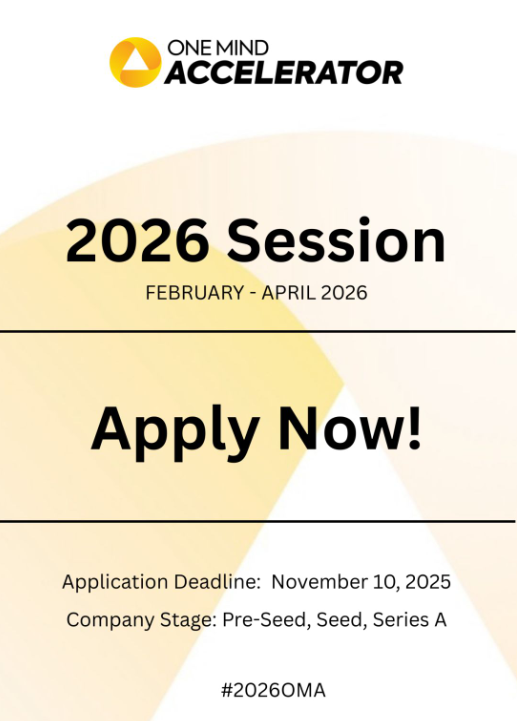
| | | | Applications for the 2026 One Mind Accelerator are now being accepted! Be part of the next generation of groundbreaking startups transforming mental health care. Head to onemindaccelerator.org to learn more and apply today! | | |
“Instead of concentrating on location, clinical leaders are focusing on patient optionality. An important development since decentralized tools are a standard way of operating where patients decide how they participate in a study — whether at home, a site, or a clinic — to drive timely and efficient research.”
—Drew Garty, MedCity News
Carving a Path Toward Pragmatic Innovation in Clinical Trials
| | |
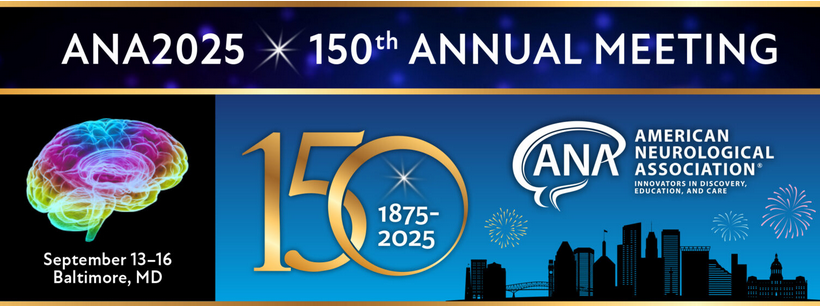
ANA2025 will be held Sept 13 – 16 in Baltimore, MD. The Annual Meeting has been designed to foster discussions among investigators in academia, industry, and foundations toward the common goal of furthering translational science. As usual, it will include professional development workshops offering daily sessions designed for early career, mid-career, and residency directors.
| |
Psych Congress is the nation's conference on practical psychopharmacology and a community of passionate mental health clinicians. The 38th annual Psych Congress will be in San Diego from Sept. 17-21. For five days this fall, engage in a unique, integrated forum full of practical, real-world training, covering the latest techniques, treatments, best practices, and evidence-based care. The 2025 event will feature more sessions, more credits, and more opportunities than ever before.
| |
The Global Site Solutions Summit will be held from Sept. 28-Oct. 1 in Orlando, FL. The Summit provides a unique hub where sites, sponsors, CRO executives, and regulators come together to discuss best practices and ideas while developing strategic partnerships through ideation sessions, workshops, and focus groups. Whether your priority is networking with sponsors and CROs or learning best practices built for research sites, the Summit will provide a valuable experience for your business.
| |
The Alliance for Patient Access is hosting the 10th Annual National Policy & Advocacy Summit on October 1 in Washington, DC. Register now and join policy experts, patient advocates, health care providers and decision-makers to discuss federal and state policies, patient cost-sharing, CMS implementation of new authorities, and more.
| | |
The Mental Health America 2025 Conference will be held October 16-17 in Washington D.C. and will explore the theme "Turn Awareness Into Action". The conference will bring together experts, innovators, and advocates who are implementing strategies that work — approaches that improve mental health care, expand access, and create lasting change.
| |
Save the date for the BBRF International Mental Health Research Symposium on Friday, October 24, 2025 for presentations on leading research discoveries across brain and behavior disorders by the Brain & Behavior Research Foundation’s 2025 Outstanding Achievement Prizewinners and the Pardes Humanitarian Prizewinner.
Save the date for the virtual and in-person event!
| |
CNS SUMMIT 2025 will be held Nov. 2-5 at the
Encore Boston Harbor. The Summit brings together a curated group of decision makers from pharma, biotech, CROs, sites, investors and other stakeholders.
| |
The National Federation of Families (NFF) will be hosting its 36th Annual Conference on November 3rd, 5th, and 7th, 2025, virtually. The event will welcome hundreds of key researchers, administrators, policymakers, family members, youth, clinicians, and other stakeholders across the nation. Together, we'll explore the most pressing issues impacting families and the mental health and well-being of their loved ones—all through the lens of a family-driven approach. Join The STARR Coalition at our panel session on Leveraging Clinical Research to Fill Gaps in Mental Health Care for Families!
| |
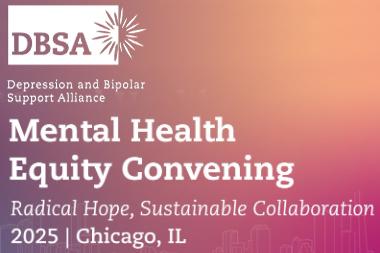
Depression and Bipolar Support Alliance (DBSA) will be hosting its inaugural Mental Health Equity Convening November 13-14, 2025 in Chicago. This gathering will bring together senior-level staff and volunteer leaders from mental health organizations working to support marginalized communities. Participants will share resources, identify opportunities for collaboration, and elevate collective impact across organizations.
| |
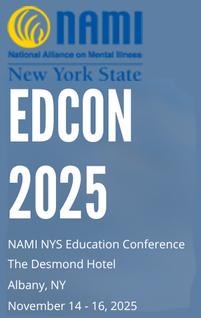
NAMI NYS 2025 Annual Education Conference will be held Nov. 14-16 in Albany, NY. Join professionals, peers, parents, and providers involved in the mental health journey, ensuring that everyone has the knowledge and tools they need to support recovery. The conference explores advancements and ongoing challenges in mental health, and offers comprehensive education, valuable resources, cutting-edge research findings, and diverse treatment options to everyone affected by mental illness.
| |
Neuroscience 2025 will be held Nov. 15-19 in San Diego. Each year, scientists from around the world congregate to discover new ideas, share their research, and experience the best the field has to offer. Attend so you can: present research, network with scientists, attend session and events, and browse the exhibit hall at the premier global neuroscience event.
| | |
Thank you for reading!
If you have questions, comments, or would like to submit an item to be included in an upcoming newsletter, please email erica@thestarr.org.
| | |
The STARR Coalition | www.thestarr.org
SHARE, CARE, AND BE KIND.
| | | | |