Dear Ones,
Happy Spring! I hope you have many opportunities to enjoy the opening up of the world to new life. To be present every day to the dynamic flow of the world's wonder brings peace.
I found this quote from Stephen Levine, acclaimed writer and mentor on death and spirituality:
"I see so many people on their deathbed, looking over their shoulder and saying, "what the hell was that all about? My life has passed and I thought life was something that was about to happen, and never did." I think we trade off our life for pretty shallow experiences of thought, and our feeling is blocked, and we show no mercy. We live our life in the mind, which is a place of separation, instead of in the heart, the place of unity and communion. When we walk in the woods, do we see a flower [and receive the flower in relationship], or do we think of ourselves as somebody walking in the woods and looking at a flower? They're very different. We're caught by the power of our self-consciousness, thinking about ourselves instead of letting go and stepping off into the unknown." [my addition]
I hope that you unselfconsciously take all chances to let go into the wild world of nature, and find yourself there.
In peace,
Darcia Narvaez, PhD
Evolved Nest, Founder
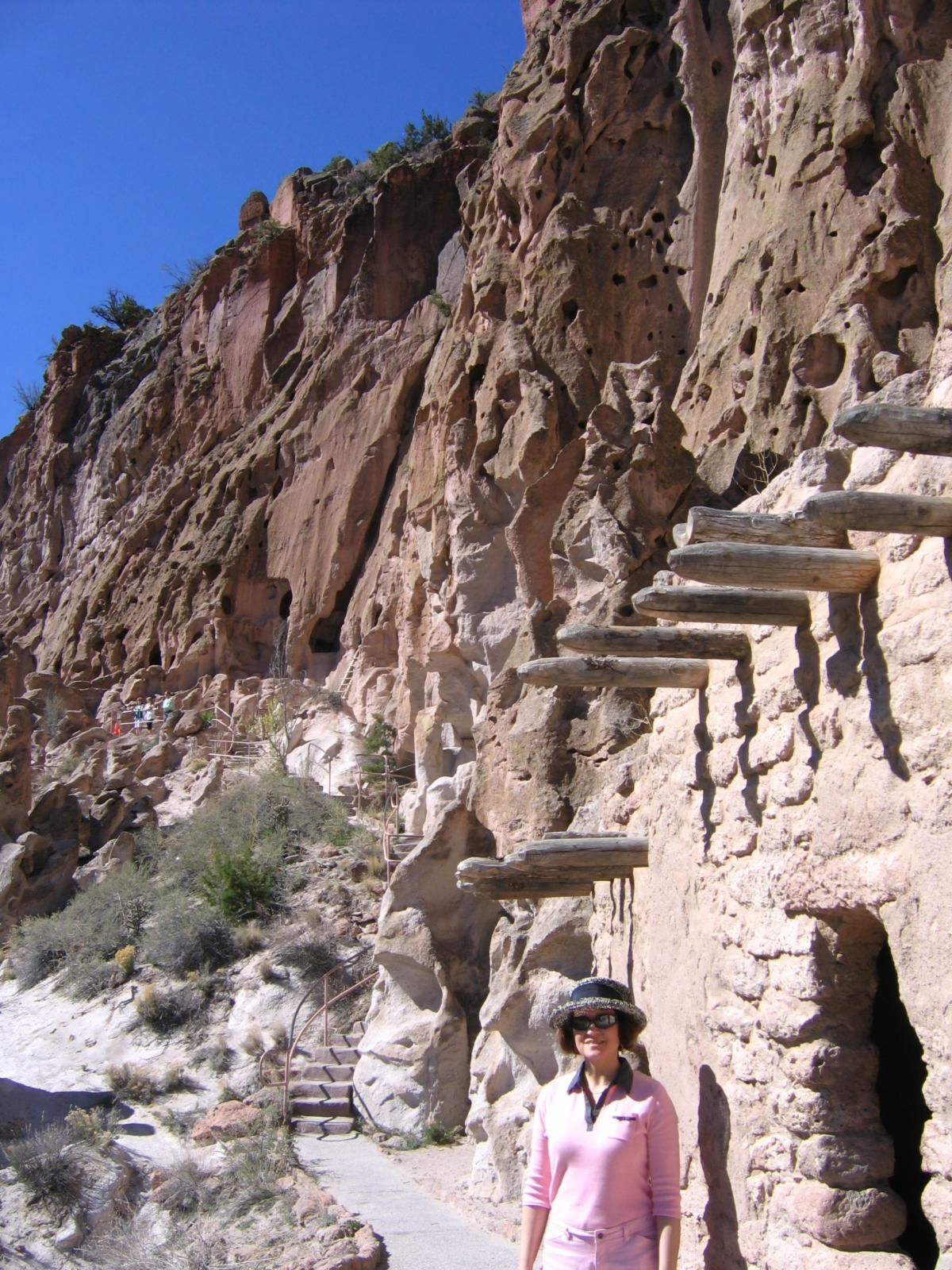
Photo: Wherever we are on the earth, the sun rises on us each day. We are grateful.
|
|
|
Schooling the World: The White Man's Last Burden |
|
About the Video
If you wanted to change an ancient culture in a generation, how would you do it? You would change the way it educates its children.
What really happens when we replace a traditional culture’s way of learning and understanding the world with our own? SCHOOLING THE WORLD takes a challenging, sometimes funny, ultimately deeply disturbing look at the effects of modern education on the world’s last sustainable indigenous cultures.
The film examines the hidden assumption of cultural superiority behind education aid projects, which overtly aim to help children “escape” to a “better life” – despite mounting evidence of the environmental, social, and mental health costs of our own modern consumer lifestyles, from epidemic rates of childhood depression and substance abuse to pollution and climate change.
It looks at the failure of institutional education to deliver on its promise of a way out of poverty – here in the United States as well as in the so-called “developing” world.
And it questions our very definitions of wealth and poverty – and of knowledge and ignorance – as it uncovers the role of schools in the destruction of traditional sustainable agricultural and ecological knowledge, in the breakup of extended families and communities, and in the devaluation of elders and ancient spiritual traditions.
Finally, SCHOOLING THE WORLD calls for a “deeper dialogue” between cultures, suggesting that we have at least as much to learn as we have to teach, and that these ancient sustainable societies may harbor knowledge which is vital for our own survival in the coming millennia.
|
|
Sustainable Wisdom Conference ARCHIVES |
|
Greg Cajete on "Indigenous Science" |
Greg Cajete (Tewa) is Director of Native American Studies and an Associate Professor in the Division of Language, Literacy and Socio cultural Studies in the College of Education at the University of New Mexico.
This is a talk given at the conference, Sustainable Wisdom: Integrating Indigenous Knowhow for Global Flourishing, which took place at the University of Notre Dame in 2016.
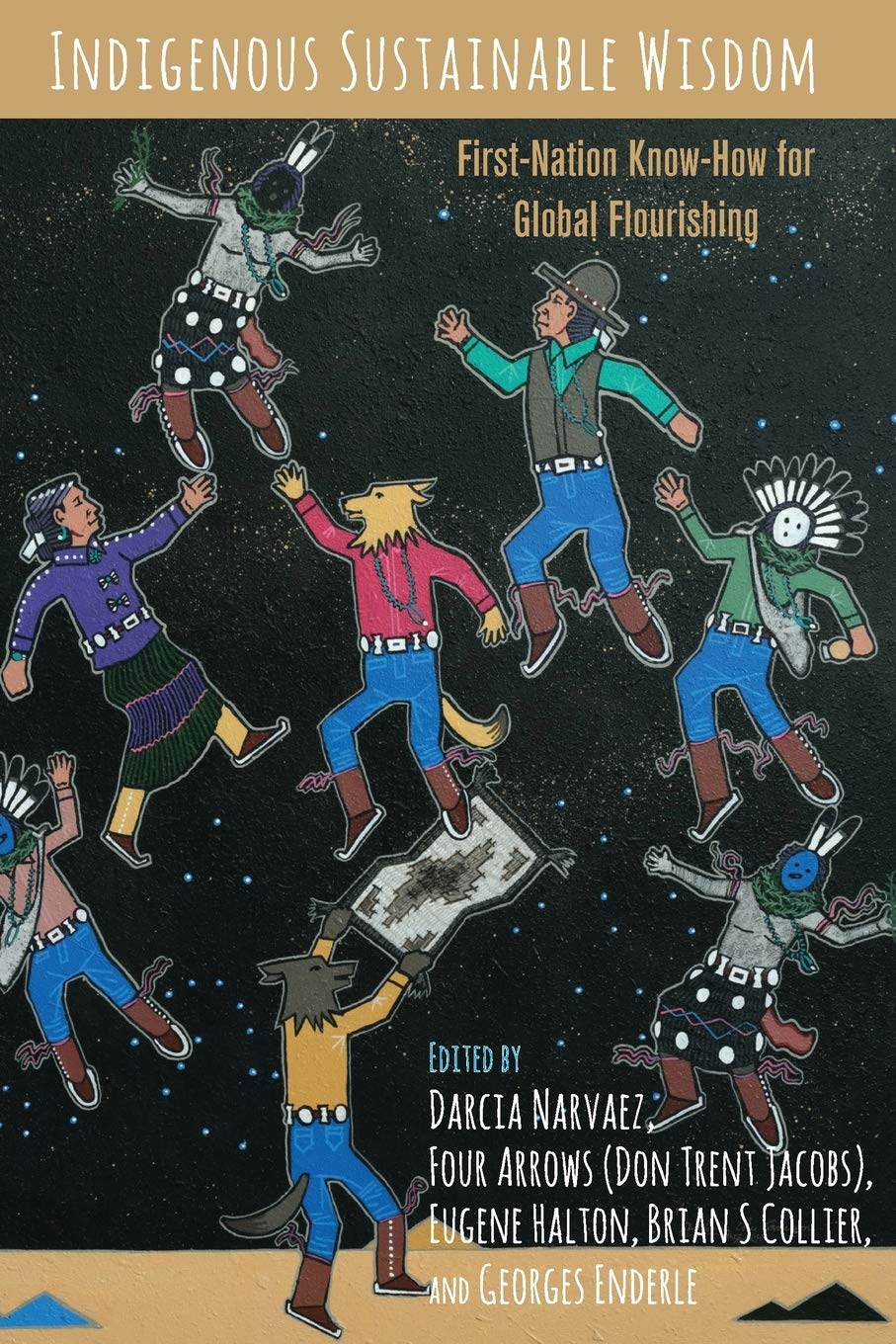
About the book from the conference: Indigenous Sustainable Wisdom: First Nation Know-how for Global Flourishing's contributors describe ways of being in the world that reflect a worldview that guided humanity for 99% of human history: They describe the practical traditional wisdom that stems from Nature-based relational cultures that were or are guided by this worldview. Such cultures did not cause the kinds of anti-Nature and de-humanizing or inequitable policies and practices that now pervade our world. Far from romanticizing Indigenous histories, Indigenous Sustainable Wisdom offers facts about how human beings, with our potential for good and evil behaviors, can live in relative harmony again. Contributions cover views from anthropology, psychology, sociology, leadership, native science, native history, and native art.
See the conference's full playlist of all speakers here.
|
|
|
|
FRESH EYES: Young People's Take On The Nest |
|
Learn to Stop Thinking and Start Being: Indigenous Wisdom Includes Learning Nature Speak
|
By James Dickson
How we become interconnected with nature actually has a name. Tamarack Song (2016) calls the process “nature speak”. For, to empathize with nature, wouldn’t we have to speak to it first? However, the fundamental character of nature speak differs from our traditional language. Nature speak is wordless (Song, 2016). In fact, its forgoing of traditional human language is one of its greatest strengths. Often, when we are speaking, we are not in fact listening to the other person (Song, 2016). Rather, we are waiting for our own turn to speak.
|
|
|
|
Peace Ethology: Behavioral Processes and Systems of Peace |
A scholarly collection of timely essays on the behavioral science of peace
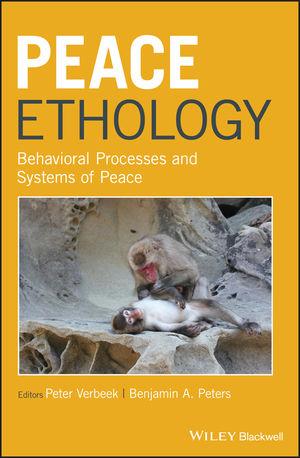
With contributions from experts representing a wide variety of scholarly fields (behavioral and social sciences, philosophy, environmental science, anthropology and economics), Peace Ethology offers original essays on the most recent research and findings on the topic of the behavioral science of peace. This much-needed volume includes writings that examine four main areas of study: the proximate causation of peace, the developmental aspects of peace, the function and systems of peace and the evolution of peace.
The popular belief persists that, by nature, humans are not pre-disposed to peace. However, archeological and paleontological evidence reveals that the vast majority of our time as a species has been spent in small hunter-gatherer bands that are basically peaceful and egalitarian in nature. The text also reveals that most of the earth’s people are living in more peaceful societies than in centuries past. This hopeful compendium of essays:
- Contains writings from noted experts from a variety of academic studies
- Offers a social-psychological perspective on the causation of peaceful behavior
- Includes information on children’s peacekeeping and peacemaking
- Presents ideas for overcoming social tension between police and civilians
- Provides the most recent thinking on the behavioral science of peace
Written for students and academics of the behavioral and social sciences, Peace Ethology offers scholarly essays on the development, nature, and current state of peace.
|
|
|
|
The Developmental Niche for Peace
Read Darcia's chapter from the above book, Peace Ethology.
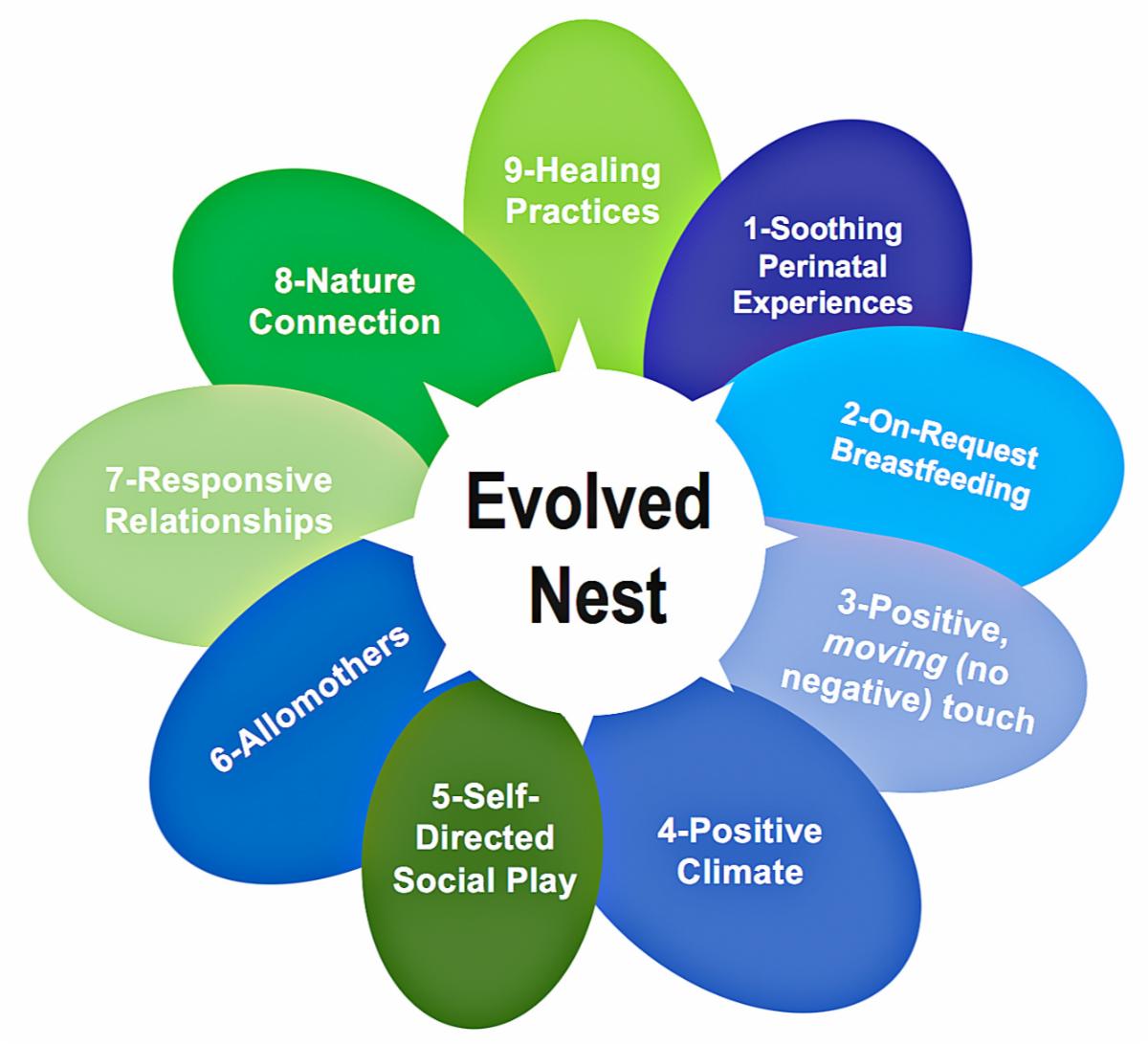
Abstract: To find a baseline for human functioning including optimal morality, it is reasonable to turn to what most consider the type of society in which the human genus spent 99% of its history: small-band hunter-gatherer societies (SBHG;). If we examine the common culture and childrearing practices of SBHG, received views about human nature—that humans are violent and selfish—fall apart. Common characteristics include generosity and sharing, egalitarianism and lack of coercion. This chapter examines societal and personality characteristics and then reviews the set of evolved childrearing practices, the evolved developmental niche, that appears to bring about both. For young children, the EDN includes lengthy infant-initiated breastfeeding, prompt response to needs, positive touch, multiple adult caregivers, play with multi-aged mates, positive social climate, along with soothing perinatal experiences.These common early experiences that initiate basic similarities in moral foundations of thought and feeling, a “cultural commons,” forming the grounding for mental and moral agility and for a common humanity, fostering a similar, peaceful personality across cultures. Because SBHG provide the EDN for children, they offer a window into evolved human nature.
|
|
|
|
The Life and Insights of Joseph Chilton Pearce: Astonishing Capacities and Self-Inflicted Limitations |
By Michael Mendizza
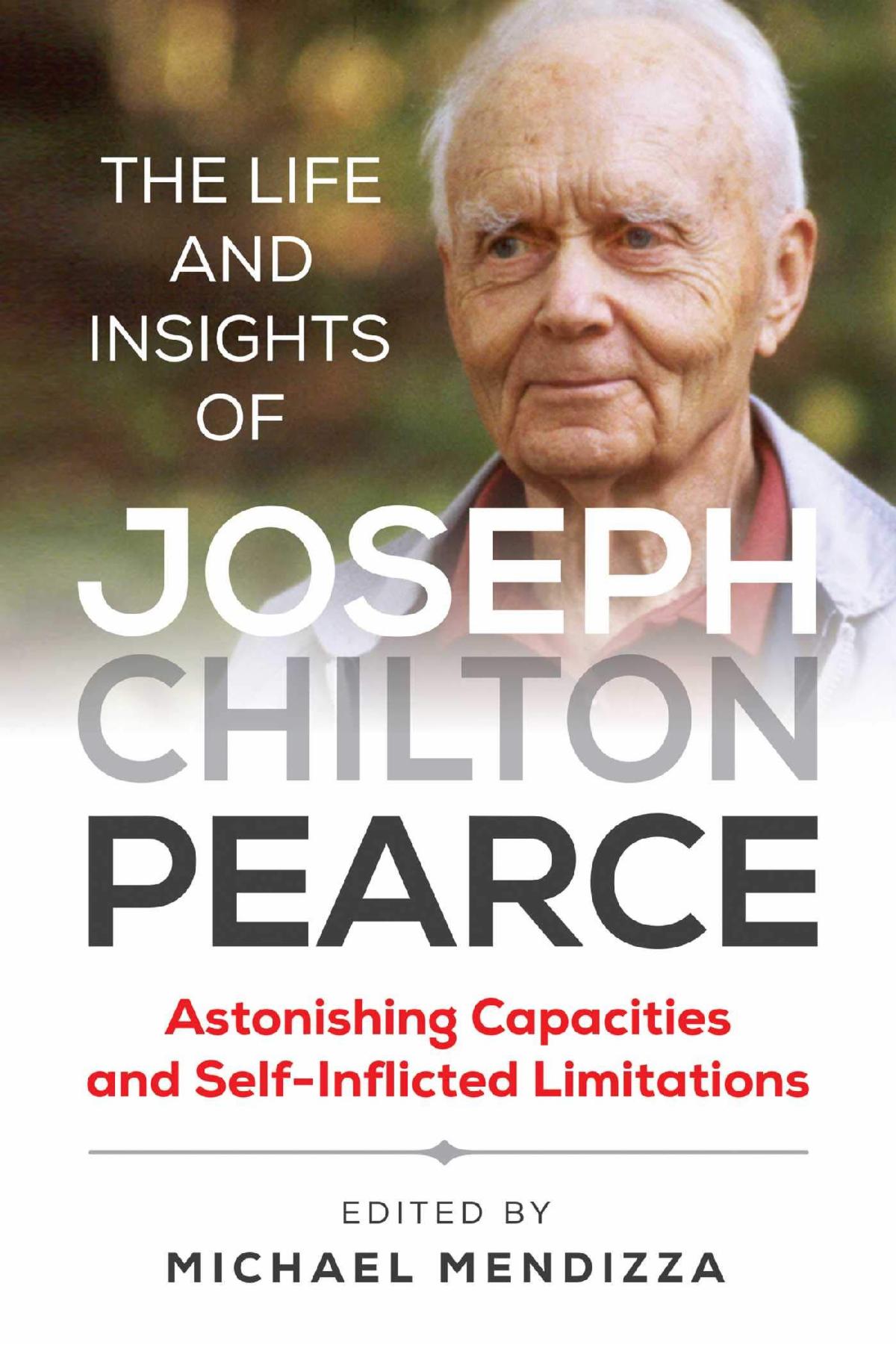
Much of Joe’s life was spent exploring what he called ‘cracks,’ those very real phenomena that manifest, plain as day, but should not, given the limitations of our day-dreaming reality. Joe used the ancient Vedic image of a Cosmic Egg to describe what is allowed, and therefore possible, in our sleep-walking reality, the images and beliefs that cast our self-world-view. When a crack opens in the egg, excluded potentials slip through, illuminating the true nature of our nature, much of which has been excluded by the egg. Hallelujah, we shout. A miracle!
Living in our egg, excluded capacities are, indeed, miracles. Dissolve or crack the egg and potentials we call miracles are seen for what they are, simply the way nature, which is our nature, works. Exploring this core insight, splits our quest in two dimensions, what are the astonishing capacities that are mostly excluded, and what forms and sustains the limiting egg, our self-inflicted limitations.
|
|
|
|
|
|
The Evolved Nest: Expanding Your Social Self |
Focusing on yourself alone can be a lonely and even dangerous place. But including others in your circle of concern can lead to great relationship and communion.
Listen to Darcia Narvaez, PhD, and Mary Tarsha share foundational insights into the Evolved Nest.
This podcast is part seven of the 24-part Evolved Nest Introduction and Podcast Series. Read a review of the series in the adjacent graphic.
Listen to the podcast here.
|
|
|
|
Neurobiology and the Development of Human Morality: Evolution, Culture, and Wisdom |
Have you read the award-winning book that presents the Evolved Nest and its integrated research?
Read the introduction and the first chapter for free on our website!
You can also share the collection of social media-ready quote graphics.
Thank you for helping The Evolved Nest get the word out!
|
|
|
|
How Does Education Create Ecological Illiteracy? |
“Without significant precautions, education can equip people merely to be more effective vandals of the earth. If one listens carefully, it may even be possible to hear the Creation groan every year in late May when another batch of smart, degree-holding, but ecologically illiterate, Homo sapiens who are eager to succeed are launched into the biosphere.” (Orr, 1994, p. 5)
Orr points out that we should always remember that the architects of the German holocaust were highly educated men, whose education Elie Wiesel described as emphasizing “theories instead of values, concepts rather than human beings, abstraction rather than consciousness, answers instead of questions, ideology and efficiency rather than conscience.”
|
|
|
|
Moral Landscapes Blog from Psychology Today |
I write typically about research findings related to moral functioning and living a good life. Sometimes I muse on things that I puzzle about (politics). I am very concerned about how much our society doesn't seem to know about how to raise good, healthy and happy children, so I spend a great deal of time on parenting. I also write about things that I am working on myself--the endless quest for virtue! This is an opinion blog, not a set of research articles, intended for the public not scientists. For more nuanced and highly referenced work, look at my academic work.
What are our basic needs? There are many more than Maslow identified, and most should be met simultaneously, especially in early life.
Shock is pervasive and often unhealed. Stephanie Mines guides readers in self-healing.
Educators and homeschooling can foster the intelligence needed to heal the Earth rather than exploit it.
Many parents worry that their children need to be in school to learn. Noticing the limitations of schooling offers insight into what can be learned perhaps better outside of school.
Are you stressed out? You can prime your brain to be calm and happy instead of stressed by using several techniques described in a new book.
|
|
|
|
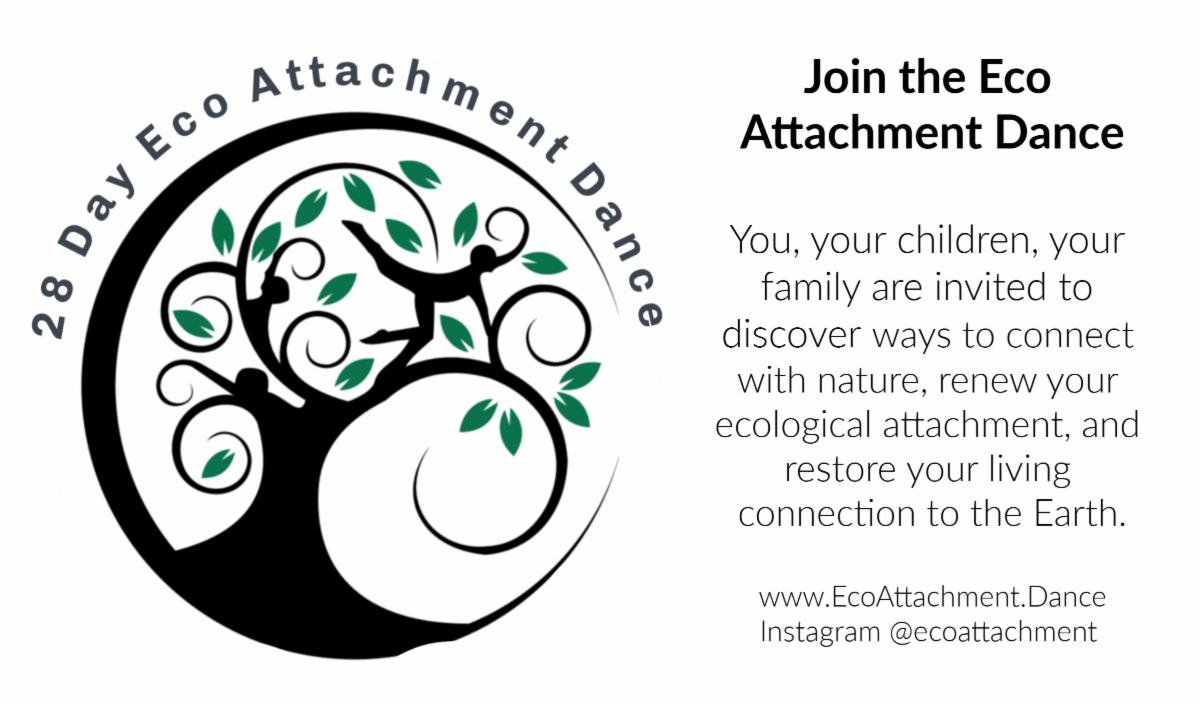
Join the Eco Attachment Dance! |
You, your children, your family are invited to discover ways to connect with nature, renew your ecological attachment, and restore your living connection to the Earth.
Dr. Darcia Narvaez and her students did an experiment to increase ecological attachment—nature connection—through small daily practices. Each day participants practiced one activity that increased attention to and being grateful for the natural world. See here for the press release about the study, published in EcoPsychology.
The full 28 day campaign can be found on the Evolved Nest's website under Self-Nesting Tools here and at the Eco Attachment Dance website here.
|
|
|
|
The Evolved Nest's Child Care Checklist |
|
|
|
The Evolved Nest's Child Care Checklist |
We are excited to unveil Evolved Nest’s Child Care Center Checklist. The Checklist has been created to help parents and guardians determine how well a child care center matches up with the components of the Evolved Nest. The checklist is intended to be supplemental to the other protocols a center has (e.g., infection prevention, abuse prevention, diaper change frequency).
NOTE: This updated version contains music and arts sections!
Please share widely.
|
|
|
|
Join the Evolved Nest COMMUNITY |
|
Join Our Mighty Networks' Evolved Nest Community |
We are in the process of creating a safe, kind, and stimulating space to engage and connect with our Evolved Nest community through Mighty Networks!
This platform is ad-free, algorithm-free, and owned by us. You can download the app to the network and post and stay up-to-date with group discussions, research, and upcoming events.
Many organizations are charging a membership fee for these Mighty Networks' platforms, but we are opening up our group to you for free.
|
|
|
|
|
|
Find The Evolved Nest on Kindred |
Kindred has served as the platform international New Story of Childhood, Parenthood, and the Human Family since 2002.
You can now find all of the Evolved Nest's posts on Kindred on its own dedicated page. Many of these posts, podcasts, and interviews are not found elsewhere.
See the Evolved Nest's reviews and support our nonprofit work with your tax-deductible donation below.
|
|
|
|
We Won Great Nonprofit's Top-Rated Award, Again! |
Thank you to everyone who has supported The Evolved Nest's work over these past two years. Read our reviews and support our ongoing nonprofit work with your tax-deductible donation at our Great Nonprofits page.
"Kindred World helps bridge the vast gap between scientific research and practice, what is happening within the culture that often cuts against scientific evidence regarding ways to promote human thriving and flourishing. Parents and families deserve to know the best ways to raise healthy, happy, socio-emotionally developed, loving children and this is exactly what Kindred provides!" - Mary Tarsha
|
|
|
The Evolved Nest - www.EvolvedNest.org |
|
|
|
|
|
|
|