Agenda now available!
We would love it if you would register and join us in Orlando!
| |
Attention Fellows and Residents! | |
|
ASIPP is pleased to announce a scholarship to help fellows and residents participate in the 2025 ASIPP Annual Meeting. Recipients of this scholarship will receive reimbursement for up to three nights stay at the host hotel at the official ASIPP single-occupancy room block rate. This includes room block room rate and tax.
The number of scholarship recipients will be limited so it is important to apply soon!
| |
Abstract submissions are open for
ASIPP's 2025 Annual Meeting!
The abstract submission deadline is March 10, 2025.
Don't miss this opportunity to share your insights
and help shape the future of pain management.
| |
|
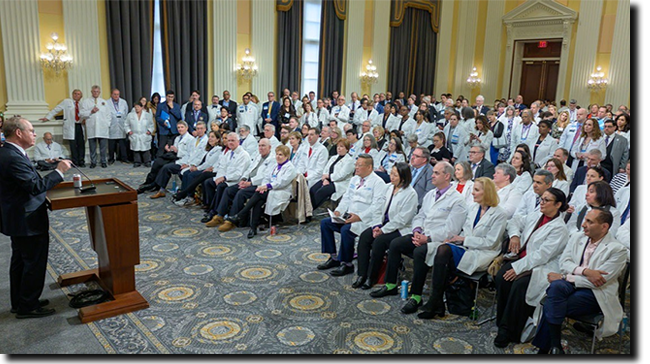
Hundreds of physicians in their white coats rallied in force in the oldest congressional office building in the nation’s capital to show their support for the elected leaders who are advancing bipartisan legislation that would stop the 2.83% cut in Medicare payments to physician practices this year while providing a 2% payment update.
The AMA is leading the charge to reform the Medicare payment system and strongly supports the measure—H.R. 879, the Medicare Patient Access and Practice Stabilization Act. This legislation would, effective April 1, prospectively cancel the physician payment cut that took effect Jan. 1. The measure has already gathered 63 bipartisan co-sponsors.
Similar legislation introduced toward the end of the 118th Congress enjoyed bipartisan, bicameral support, but Congress failed to address the issue during the lame-duck session. The next legislative chance to reverse the cut comes in mid-March, which is the deadline to fund the federal government through the end of this fiscal year.
Read More
| |
|
Optimizing surgical intervention for a patient with recurrent patella instability can be challenging, particularly when considering the possibility of adding an osteotomy. Accuracy is paramount.
Surgeons have become accustomed to using 2D criteria to try to understand very complex 3D and 4D geometry. The tibial tubercle-trochlear groove (TT-TG) distance is frequently used to evaluate laterality of the tibial tubercle when considering whether to move a tibial tubercle medially or anteromedially, but Johannes M. Sieberer, MSc, MS, and colleagues have demonstrated again recently that the TT-TG metric is prone to error, raising further concerns about using this single metric for surgical decision-making about moving a tibial tubercle. Adam B. Yanke, MD, and colleagues have noted also inconsistent inter-rater reliability regarding trochlea classification in 2D, again demonstrating a need for more accurate imaging in patellofemoral surgery decision-making. Fortunately, 3D imaging offers this accuracy using new metrics and multi-directional visibility.
Many authors, including Andrew J. Cosgarea, MD; David R. Diduch, MD; Seth L. Sherman, MD; Miho J. Tanaka, MD, PhD; Yukiyoshi Toritsuka, MD, PhD; Yanke and others have emphasized and employed 3D imaging to help with patellofemoral surgical planning. Fortunately, 3D imaging is now readily available allowing surgeons to have a more accurate, comprehensive and holistic understanding of the complex patellofemoral joint for surgical planning.
Read More
| |
|
The Medicare Final Rule has significantly changed the provision of telehealth services. Starting April 1, 2025, most telehealth services will require patients to be physically present in an office or medical facility located in a rural area. This restriction excludes patients in non-rural areas from accessing telehealth services altogether. Even for those in rural regions, traveling to a designated facility can be extremely difficult, undermining one of telehealth’s primary benefits—providing care from the patient’s home. These changes will impose substantial transportation costs, create burdens for elderly patients who cannot drive, and disrupt the working population that relies on telehealth for accessible care. Currently, approximately 20% of patients depend on telehealth services.
Furthermore, if this rule remains in place, Medicare Advantage, Medicaid, and commercial insurers are expected to adopt similar policies, likely with reduced reimbursements. This will effectively dismantle telehealth services, severely limiting patient access to essential health services.
This issue is crucial for millions of patients across the country, and we hope you will take action to help preserve access to these vital services. We urgently request you to contact CMS and members of Congress (House and Senate).
| |
|
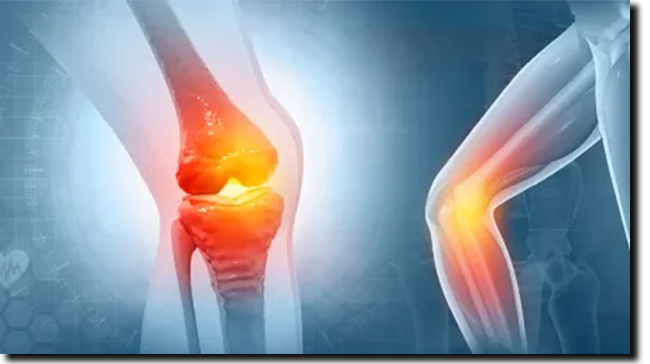
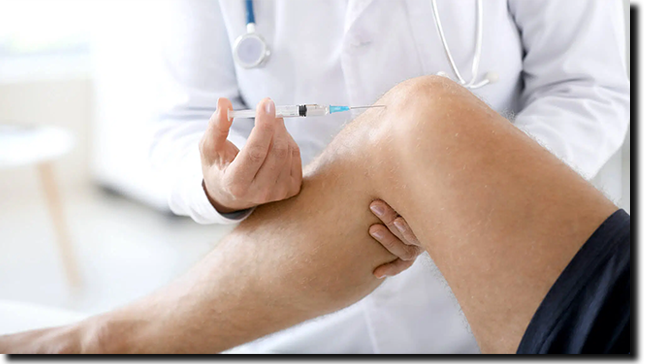
Intra-articular injection of hyaluronic acid (IAAH) in knee osteoarthritis (OA) is growing, with literature suggesting a favorable benefit/risk ratio and efficacy that may surpass that of nonsteroidal anti-inflammatory drugs (NSAIDs). However, the level of evidence varies. Knee OA is a complex disease, and hyaluronic acid is effective in certain pathophysiological aspects.
The EUROVISCO group, which includes 12 experts on OA from eight European countries, reached a consensus on Visco supplementation with IAAH for knee OA. This treatment is suitable for symptomatic knee OA, regardless of age or comorbidities, but is not recommended during flare-ups or in the presence of significant synovial effusion. Caution is recommended for pregnant and breastfeeding women.
The experts of the EUROVISCO group emphasized in the consensus, which was published in the journal Cartilage, that "Rather than challenging the effectiveness of IAHA in the general population, we must distinguish the good, bad, and poor indications and identify the characteristics of patients which can influence the response to this treatment." The group used the Delphi method to develop 40 evidence-based recommendations for knee OA and IAAH injections.
Read More
| |
|
The FDA has approved a new treatment plan for a long-acting injection, making it easier for people with moderate to severe opioid use disorder (OUD) to start and keep up with their treatment.
The FDA has approved an updated treatment protocol for a drug called Sublocade, making it easier for people with moderate to severe OUD to begin and continue their therapy.
The new extended clearance for Sublocade lets people get the injection after just one dose of buprenorphine (taken under the tongue or inside the cheek) and a 1-hour wait to make sure it’s safe. This means treatment can start faster and gives more options for where the shot can be given, like the stomach, thigh, buttock, or upper arm, according to the drug’s maker, Indivior.
Read More
| |
|
New 2025 Dates
Mark your calendars!
March 29, April 26, May 31, & June 28
Four (4) hour virtual exam
- ABIPP Path – Combined CCPM/ CSM Exam
For those with subspecialty in Pain Medicine
Two (2) hour virtual exam
- ABIPP Competency Exam in IPM
For those without primary board certification
Two (2) hour virtual exam
- ABIPP Competency Exam in Regenerative Medicine
Two (2) hour virtual exam
- Controlled Substance Management Competency Exam
Two (2) hour virtual exam
- Documentation, Coding, Compliance, Practice Management Competency Exam
Two (2) hour virtual exam
| |
|
Nearly 87,000 Americans died from drug overdose in the United States in the 12-month period ending September 2024, a decline of about 24% from the previous year, according to preliminary data from the U.S. Centers for Disease Control and Prevention released on Tuesday.
WHY IT'S IMPORTANT
This is the fewest overdose deaths in any 12-month period since June 2020, according to the CDC.
Read More
| |
- ASIPP Members Only Site Information - | |
-
To log in for the first time you will need to click “forgot password” at the bottom of the login window.
- Check your email and then log in as directed.
-
If you have problems logging into your account, click here.
| |
|
Physicians are rapidly embracing augmented intelligence in healthcare, with its use for certain tasks nearly doubling in just one year, a survey from the American Medical Association found.
Between summer 2023 and last fall, the American Medical Association surveyed 1,200 physicians about their sentiments toward AI.
Click here to read the seven key findings from the survey.
| |
|
Recent research shows that 45,000 doctors over 65 years of age are still working, while 100,000 have retired from work. What keeps some in the profession while others step away? Coliquio, a Medscape Network platform, surveyed your colleagues to explore their motivations and life plans, revealing three key reasons why doctors keep working.
1. Financial Considerations
Money is an obvious reason for continuing to work for some; the dream of retiring debt-free can only be realized if they stick around for a few more years of work. They are waiting for the ideal time, that is, when they have outstanding loans or find a successor for their practices. Reducing workload is an option, but stepping away completely is not always easy.
2. Passion for the Job
The profession gives "the feeling of doing something important, something that will last." This is particularly enriching when patients are accompanied over a long period or when treatment success finally becomes visible in critical cases. For many colleagues, gratitude and appreciation from patients is also one of the beautiful moments that often end abruptly with retirement.
3. A Sense of Duty
One reason for continuing to work beyond the retirement age is one's own sense of responsibility. Medical care is scarce, particularly in rural regions. Many doctors value the personal relationships they have built with their patients and feel committed to continuing to provide care. This motivation was also discussed in the forum, where participants debated whether relinquishing health insurance approval — regardless of age — might be unethical for patients.
Read More
| |
|
Pain Medicine Case Reports (PMCR) and Editor-in-Chief Alaa Abd-Elsayed, MD, PhD would like to invite you to submit case reports and case series to the PMCR journal. Your article will be published free of charge.
Open access journals are freely available online for immediate worldwide open access to the full text of published articles. There is no subscription fee for open access journals. Open access journals are no different from traditional subscription-based journals: they undergo the same peer review and quality control as any other scholarly journal.
Interested in becoming a member of the PMCR Editorial Board?
Editorial board members are asked to review 2-6 manuscripts per year. Please submit your most up-to-date CV to sgold@asipp.org for consideration.
For more information or to submit your articles, click here.
| |
|
Casey Scott Butler, MD
Abstract
BACKGROUND: Post-COVID-19 neuropathic pain is a difficult-to-treat condition seen in approximately one-third of patients with long COVID. It has been shown to be resistant to many first-line therapies as well as over-the-counter and prescription medications.
CASE REPORT: We present the case of a 27-year-old man who developed bilateral upper extremity neuropathic pain in conjunction with a severe COVID-19 infection. He failed occupational therapy, multiple medications, and a stellate ganglion block. A dorsal column stimulator was placed and provided the patient with both pain relief and improved functionality.
CONCLUSIONS: Given the results of this case and the history of neuromodulation in effectively treating neuropathic pain, we submit that neuromodulation is a viable option for patients with refractory post-COVID-19 neuropathic pain.
KEY WORDS: Neuromodulation, neuropathic pain, post-COVID-19 syndrome, dorsal column stimulation, case report
Read More
| |
RANDOMIZED CONTROLLED TRIAL | |
|
Qianhao Hou, PhD, Jinyuan Zhang, PhD, Zehua Su, PhD, Xiaomei Wang, PhD, Hongwei Fang, PhD, Shuwen Qian, PhD, Haobing Shi, PhD, Qing Wang, PhD, Yuling Li, PhD, Jiaqi Lin, PhD, Xiangrui Wang, PhD, Zetian Wang, PhD, and Lijun Liao, PhD
Abstract
BACKGROUND: The pathogenesis of fibromyalgia (FM) is currently unknown. Many patients with this condition are not effectively treated, and disorders of the intestinal dysbiosis have been identified in patients with FM. This trial aimed to investigate whether ozonated water enema could alleviate the symptoms of FM by improving intestinal dysbiosis in these patients.
OBJECTIVE: This trial aims to evaluate the therapeutic advantages of ozonated water enema therapy for patients suffering from FM.
STUDY DESIGN: A single-center, double-blind, randomized controlled trial.
SETTING: Department of Pain Management, Shanghai East Hospital, School of Medicine, Tongji University, Shanghai, China.
METHODS: This is a randomized, double-blind trial conducted on FM patients (n = 66). The selected patients were randomly categorized into the O3 and control groups. The patients in the O3 and control groups received an ozonated and deionized water enema, respectively, at the same dose and frequency. After the treatment, the scores on the numerical rating scale (NRS), widespread pain index (WPI), Hamilton anxiety scale (HAMA), and the Pittsburgh sleep quality index (PSQI) were compared between the 2 groups, as were the doses of duloxetine, to evaluate the treatment effect. Furthermore, the effectiveness of the treatment was assessed by comparing fecal samples from the O3 group collected before and after treatment with 25 healthy individuals from the physical examination department of Shanghai East Hospital.
RESULTS: The patients in the O3 group indicated significant relief in pain and reduced NRS, HAMA, PSQI, and WPI scores at each follow-up time point (P < 0.001) when compared to the control group. In addition, the patients in the O3 group used lower doses of duloxetine than did those the control group (P < 0.001). Moreover, FM patients treated with ozonated water indicated improvements to their gut microbiome.
LIMITATIONS: The trial’s findings might be affected by confounding factors, including medicines, diet, and environmental circumstances. Also, this trial was limited by its sample size, and the symptom severity scores (SSS) of the patients at 3 months after treatment at the given follow-up period were not assessed.
CONCLUSION: This trial confirmed that the symptoms of pain, anxiety, and sleep disorders in FM patients were effectively relieved after treatment with an ozonated water enema. Furthermore, the ozonated water enema was associated with a significant reduction in duloxetine dosage and improved gut microbiome disorder, suggesting that the enema could target disorders related to the gut microbiome and therefore serve as a therapeutic intervention for FM.
KEY WORDS: Fibromyalgia, ozone, ozonated water enema, gut microbiome, chronic pain, dysbiosis
Read More
| |
|
Tetsumi Sato, PhD, Yuichiro Nishibori, MD, Motoki Sekikawa, MD, Ryoken Nara, MD, Tetsu Sato, PharmD, Yoshiko Kamo, PharmD, and Rei Tanaka, PharmD
Abstract
BACKGROUND: When performing splanchnic nerve neurolysis (SNN), systemic hypotension may occur due to upper abdominal sympathetic blockade; therefore, appropriate periprocedural fluid resuscitation is crucial.
OBJECTIVES: The aims of this retrospective observational study were: 1) to validate the efficacy and safety of our prophylactic periprocedural fluid resuscitation in order to prevent systemic hypotension post-SNN, and 2) to explore the indicators that predict the need for additional fluid administration post-SNN.
STUDY DESIGN: This was a retrospective observational study using medical records from electronic medical charts.
SETTING: All patients who received SNN in the Division of Palliative Medicine of Shizuoka Cancer Center from April 2016 through November 2022 in order to relieve pain caused by upper abdominal cancer and/or abdominal paraaortic lymph node swelling, had their electronic medical charts reviewed. Pancreatic cancer (n = 41) was the primary pain origin.
METHODS: SNN was performed with the patient prone. Under fluoroscopic guidance a transdiscal approach using a 22G nerve block needle was utilized. The patients maintained their prone position for an hour postprocedure and rested in bed until the following morning. Urine output and blood pressure were measured every postprocedure 4 hours. One thousand mL of dextran 40 solution and 1,000 mL of lactated Ringer’s solution were administered as basic fluids during the perioperative 24 hours; additional lactated Ringer’s solution was adminstered when oliguria and/or hypotension was observed post block. We recorded patient background data, including the primary malignancy site, clinical classification of pain mechanism, performance status (Eastern Cooperative Oncology Group), presence of diabetes mellitus, hypertension, serum albumin level, hemoglobin level, hematocrit level, C-reactive protein level, estimated glomerular filtration rate, glomerular filtration ratio, presence of celiac plexus invasion and/or peritoneal dissemination, neurolytic agent dose, postblock pyrexia, and survival time post-SNN.
RESULTS: Seventy cases (68 patients, 62.5 ± 12.0 years, 32 men and 36 women, duplicated in 2) were analyzed. The volume of anhydrous ethanol administered as the neurolytic agent was 16.8 ± 2.6 mL. Fourteen patients (21%) received 250 – 1,250 mL of lactated Ringer’s solution as additional postprocedure fluid due to oliguria. No systemic hypotension was observed at pre- or postprocedure. No clinical signs of excessive fluid, such as pleural effusion, ascites, edema, and/or dyspnea, was observed. The only indicator to predict the need for additional fluid administration was the dose of neurolytic agent (anhydrous ethanol).
LIMITATIONS: The limitations of this study include, firstly, its single-center retrospective observational design. Secondly, although the number of patients in this study was relatively large for a single-center clinical report of SNN, it would probably be more effective to have additional cases in a future prospective study, which would contribute to establishing a more precise method of fluid resuscitation in order to avoid systemic hypotension induced by SNN.
CONCLUSION: Our prophylactic perioperative fluid resuscitation for treating systemic hypotension post-SNN is sufficient and safe.
KEY WORDS: Splanchnic nerve neurolysis, sympathetic blockade, adverse event, hypotension, fluid resuscitation
Ethics: This clinical study was approved by the Institutional Review Board for Clinical Researches Studies at the Shizuoka Cancer Center (#J2023-57-2023-1-3).
Read More
| |
|
ASIPP is now in collaboration with Curi Medical Liability Program
Since this malpractice insurance program officially launched in November 2018, ASIPP has signed up hundreds of providers with an average savings of 30%. This is professional liability insurance tailored to our specialty and will stand up for us and defend our practices.
Curi is a full-service advisory firm that serves physicians and their practices. Their valued advice is grounded in your priorities and elevated in your outcomes. They are driven by a deep understanding of your specific circumstances in medicine, business, and life. To read a few important points to keep in mind about the program, including discounts, administrative defense, cyber coverage, aggressive claims handling, and complimentary risk management CME activities, visit our website.
| | |
|
Group Purchasing Organization Offer Better Pricing and Creates Added Value
ASIPP has formed a partnership with Henry Schein and PedsPal, a national GPO that has a successful history of negotiating better prices on medical supplies and creating value-added services for independent physicians. Working with MedAssets, PedsPal provides excellent pricing on products like contrast media that alleviate some of the financial pressures you experience today.
Learn More
| |  |
|
ASIPP, Fedora Healthcare Solutions Partnership
ASIPP offers our members the benefit of a unique revenue cycle management/ billing service.
We have received a tremendous amount of interest in the ASIPP billing and coding program.
Click here to learn more about the negotiated rate for practices and more!
| |
|
Like and follow ASIPP® on Facebook, X, and LinkedIn for the most
up-to-date news related to you, your practice, and your patients!
| | | | |