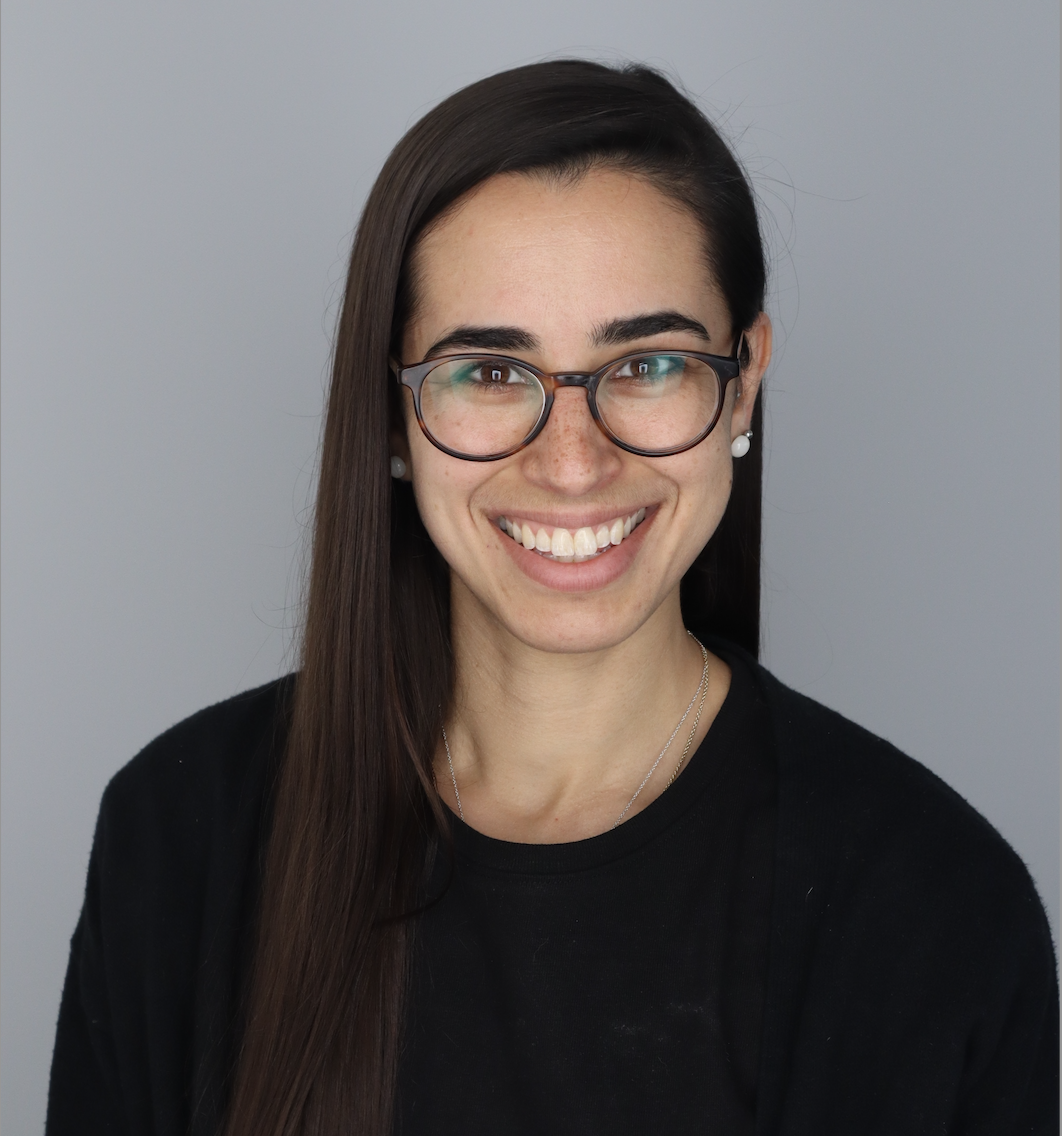
1. What is your academic background and current affiliation?
I am currently a postdoctoral Clinical and Research (NCCIH T32) Fellow at Harvard Medical School/Massachusetts General Hospital, in the Health Promotion and Resiliency Intervention Research Center under the mentorship of Dr. Elyse Park. Prior to my current role, I completed my Ph.D. in Clinical Psychology at Rutgers, The State University of New Jersey under the mentorship of Dr. Marc Steinberg, and my clinical internship in Behavioral Medicine at Harvard Medical School/Massachusetts General Hospital. Before beginning my graduate training, I received a Bachelor of Science in Psychology from the University of Massachusetts Amherst and subsequently worked as a clinical research coordinator in Addiction Psychiatry at the University of Massachusetts Medical School, under the mentorship of Dr. Elizabeth Epstein.
2. What led you to pursue a career in health disparities research, and tobacco-related disparities in particular?
During an internship experience in college, I was trained to deliver a cognitive-behavioral therapy-oriented problem-solving intervention to inmates at a local county jail. Many of the participants in the program were incarcerated for substance use-related, non-violent offenses. In this setting, I started to become more aware of the major problems with the addiction and mental health systems that maintained poor mental health treatment and restricted access to care, especially among underserved populations. Since then, I have curated opportunities and experiences to gain more awareness of the major challenges that impact mental health/substance use care access and delivery and how I might use my training to improve the quality and accessibility of treatment. During graduate school, I began to focus more on tobacco-related disparities, working with people with co-occurring disorders and socioeconomic disadvantage.
3. What are your current research interests?
Broadly, my current research is focused on the development, evaluation, and implementation of behavioral and mind-body interventions for tobacco use among people with cancer and people with substance use disorders. I am interested in examining ways to expand access to these interventions, including through group-based treatment and technology-assisted treatment. A second area of interest is in e-cigarette use and cessation, particularly among young adults and individuals who are seeking support quitting e-cigarettes.
4. What do you hope your research career will change in the field of tobacco control?
I hope that my research will contribute to reduced tobacco-related stigma and more equitable tobacco treatment. Countless interventions have been developed to support smoking cessation and I hope that my work can contribute to increasing equity in access and delivery of these evidence-based treatments.
5. How has receiving the HEN travel scholarship benefited your work/career?
The HEN Travel Scholarship allowed me to fully participate in the SRNT conference in San Antonio, TX. In addition to engaging with the science programming at the conference, I was also able to connect with a new mentor (Dr. Melissa Little) through the It’s Just Coffee Program and to meet many new colleagues (and now friends) through other network meetings. Thanks to all who made this possible!