|
INTRODUCTION: EARTH, HUMANS AND THE GREAT BEYOND
Earth is my favorite planet. I’m biased—it’s the only one I’ve experienced first hand, and I’ve enjoyed it for nearly a century. (Any number within twelve years is “nearly,” IMHO.)
Based on calculations by the Population Reference Bureau (PRB) and other demographers, the current living population of Earth is over 8 billion. The living comprise only 7% of the 117 billion who ever lived here. This figure comes from PBR’s estimate of population sizes and birth rates throughout human history, starting from the emergence of Homo sapiens around 300,000 years ago.
Opinions vary as to what happened to the 93 percent of Earthlings after they died. Readers of this report, like everyone else, have different opinions about post-life human destinations, if any. I’m with Robert Green Ingersoll, as usual, who considered life to be “a narrow vale between the cold and barren peaks of two eternities.” Following these words, Ingersoll makes a poetic reference to what’s next:
“We call aloud and the only answer is the echo of our wailing
cry. From the voiceless lips of the unreplying dead there
comes no word; but in the night of death Hope sees a
star and listening Love can hear the rustle of a wing.”
That last phase struck me, a secular infidel convinced that nothingness follows death, as a little surprising since Ingersoll often noted that he did not know what happens. Nobody knows, despite claims to the contrary put forward by many if not most religions, particularly Christianity. This total cluelessness applies to all 117 billions when they lived and those of us still here, including the crowd who claim they know exactly what’s next, such as the Pope, TV evangelists, and militant obnoxious Christian nationalists like J.D. Vance and Erika Kirk.
Fortunately, the great poet, Professor Ai, explained Ingersoll’s references to "Hope spotting a star" and "listening Love’s" picking up the sound of a wing's rustle.
“In his famous eulogy for his brother Ebon, Robert Ingersoll meant
that even in the face of death, a universal human experience of
darkness and uncertainty, hope can find a guiding light (the star)
and love can sense a presence or promise of something beyond
(the rustle of a wing), suggesting an intuitive, non-rational faith in
continuity or spiritual solace, despite his own skepticism about
organized religion. These powerful lines, spoken during grief,
reflect a universal longing for meaning and connection that
transcends the silence of the grave, offering comfort through
metaphor rather than dogma.”
That works for me. I appreciate apt metaphors. I use one in promoting
REAL wellness, as REAL represents the four dimensions of this philosophy
and lifestyle concept—Reason, Exuberance, Athleticism and Liberty.
Despite the dangers and risks of Ai, including bias, cybersecurity threats,
data privacy issues, environmental harms, existential concerns, intellectual property infringement, job losses and lack of accountability, it surely does
make getting good grades in high school and college a lot easier. Haha—
just kidding. Don’t do that.
Yes, of course, Ai at the present time is truly a gobsmacking, gobmouthed wonderment in countless legitimate ways, such as demonstrated above in clarifying a segment of Ingersoll’s tribute to his brother.
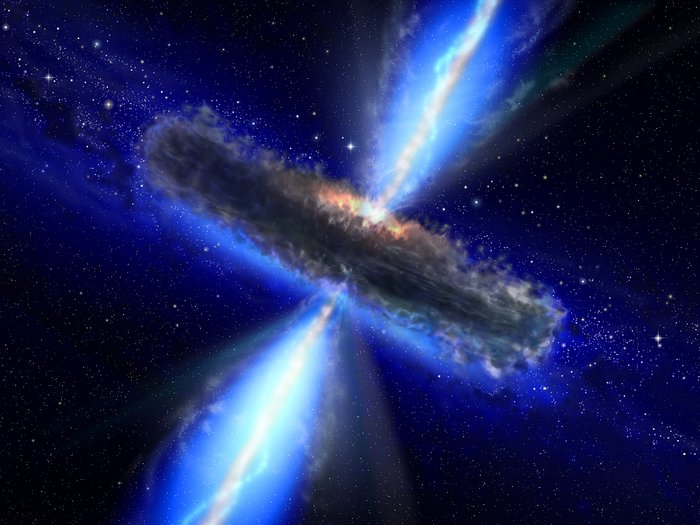
BLACK HOLES
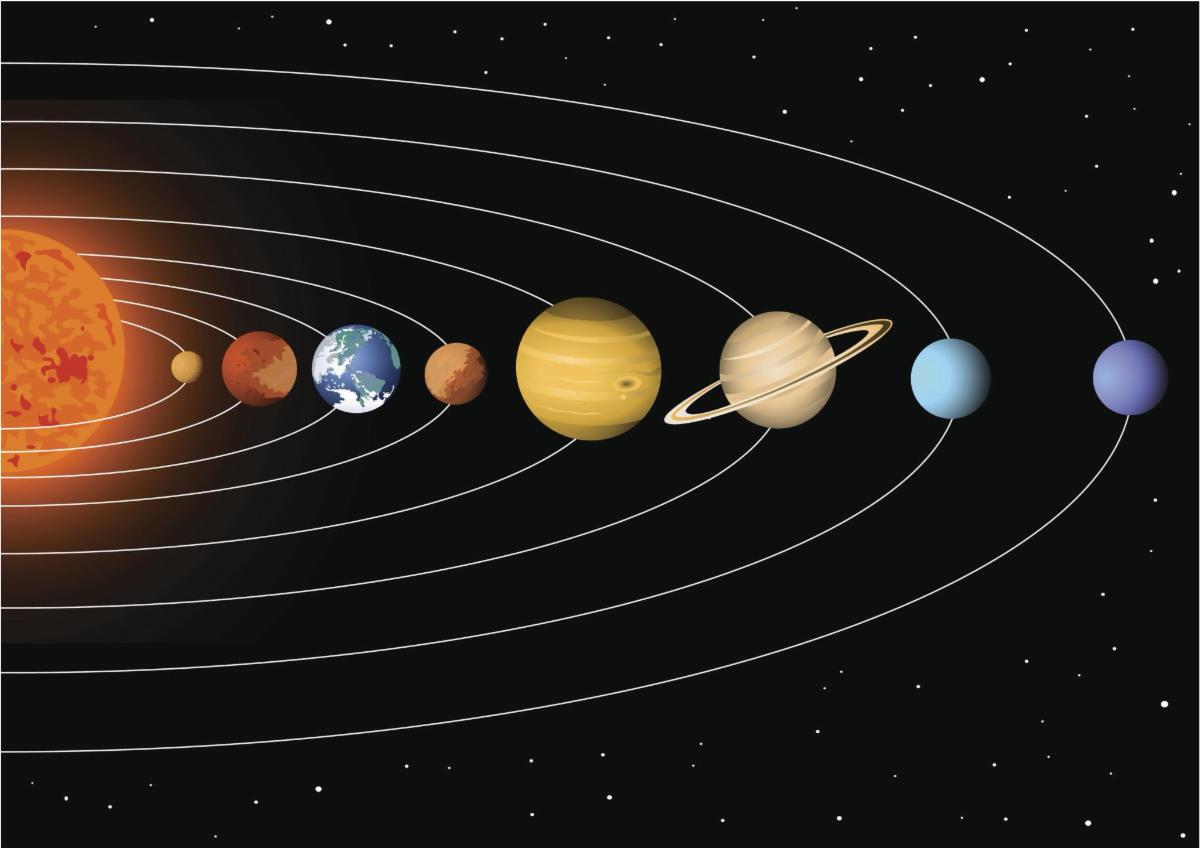
Between our planet and the sun are two others, Mercury and Venus. Both have a few pluses (e.g., no known diseases, no wars and no religions). These advantages are canceled somewhat by certain disadvantages, such as lack of water, oxygen, and life forms, plus severe temperatures. Mars and the other four planets in our solar system are also highly unattractive for human purposes. Earth will be the # 1 best planet for humans for a very long time, if not forever, so let’s get much much better at looking after it.
|