Volume 24 Number 18, October 8, 2026

Back before experts began to warn that artificial intelligence could kill us all within a decade, the biggest concern seemed to be that students would use AI to cheat. AI would write their essays for them. Of course, that was quickly followed by news that there would soon be AI tools professors could use to detect AI-generated writing.


Managers with positions to fill have their own worries. Job applicants might submit resumés crafted with AI. Managers fear these documents could enhance the applicants’ credentials and experience—as if that hasn’t been happening before AI tools became widely available. 


Whether human-generated or created by technology, resumés have always included examples of “remembering big”—exaggerations or even out-and-out falsehoods. 


Continue reading for tip on rooting out resumé falsehoods both IA and human generated >>>

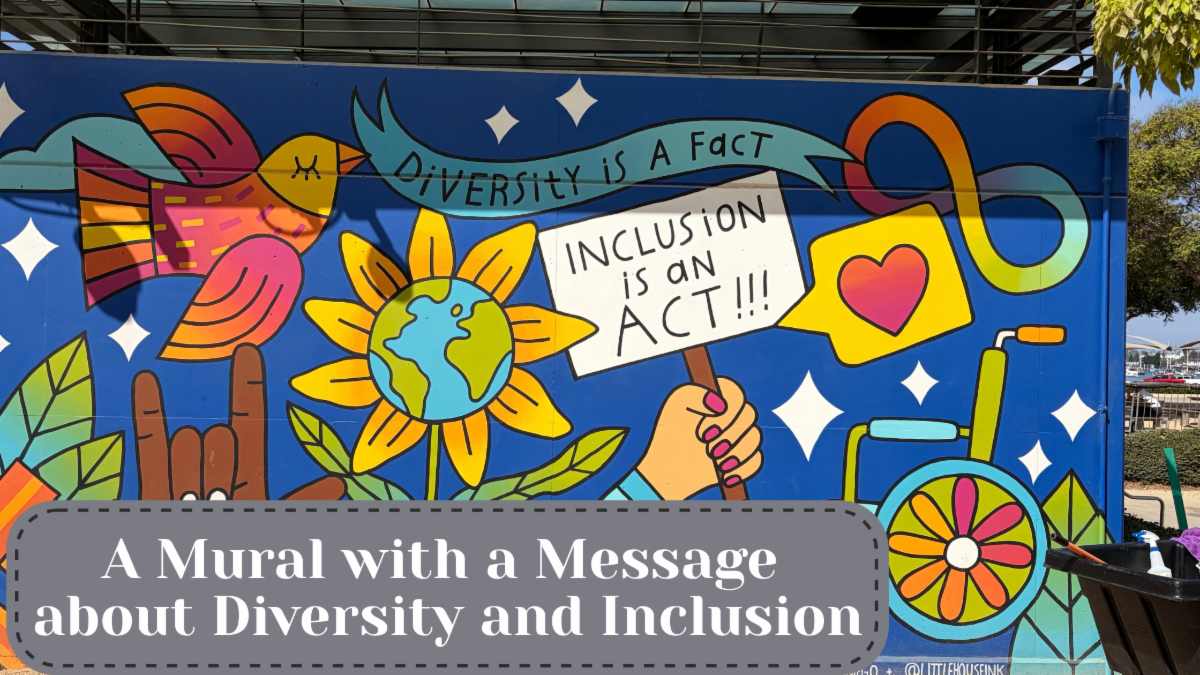
A mural I saw recently in Waterfront Park in San Diego reminded me of a question a book agent asked me a few years ago, during a Nonfiction Authors Association conference. At the time, I was pitching the yet-to-published Thanks, Again! More Simple, Inexpensive Ways Busy Leaders Can Recognize Staff to a panel of agents. I hoped one of them would be willing to approach publishers on my behalf.


“Is there anything about DEI in your book?” one agent asked.


I had to be honest with her. “Nothing yet, but there could be.”


That’s what I said. In my mind I was thinking, “What does this old, white, straight guy know about diversity, equity and inclusion?”


Continue reading to discover how and what the old while guy learned about creating inclusive workplaces >>>

“What single project or task would you consider your most significant career accomplishment to date?”


Why ask this question: How candidates respond can provide insight into to how they feel about what they have done in the past. Do they take ownership for their work and show pride in what they accomplish? Do they understand why the project was successful and what they did to make it a success? Do they give others credit for their contributions?


Possible Followup Questions:

  • What was the project or task?
  • What is the background? How did you get involved?
  • What did you do?
  • What challenges or barriers did you have to overcome?
  • Were others involved? How?
  • Did you receive any feedback after you were done?
  • Why is what you achieved a source of pride?


How candidates may respond and how to score those responses:


Unsatisfactory response (worth a score of 1) – Nothing stands out for these candidates. They come to work every day and do what is expected of them. “I do what I’m paid to do.”


Acceptable response (score as 3) – These candidates can identify several projects they did well. The boss was pleased with their work. “I guess he thought what I had done was important.”


Outstanding "top-performer" response (worth a 5) – These candidates may point to several successes, but there is one that stands out. They describe what they did, how this contributed to the project’s success, and why it was important to the organization’s overall success. They describe how others were involved and why and how their involvement was important. The individual’s ownership of the task and pride in its completion is evident. The candidate’s sense of accomplishment comes from within and isn’t dependent on the “boss” pointing out his success, although they may have received positive feedback from others—praise which the candidate values.


Reference Check Question: Describe a project or task that (candidate’s name) completed that (he/she) seemed particularly proud of.


Caution: Each workplace and every manager is unique. Workplace cultures and values are different. There is no such thing as a perfect interview question. Questions that work for one manager may not work for another. Before choosing to use this, or any question, consider whether it fits your unique set of circumstances. Is the question right for you and your work environment? The same is true for the suggested rating scale, which may or may not reflect the culture of your organization or your observations of how your top performers respond to circumstances similar to those described. You should adapt both the question and rating guide to fit your circumstances and leadership style.


During my Interview Right to Hire Right workshops, participants learn to write behaviour description interview (BDI) questions based on their understanding of what makes top performers successful.

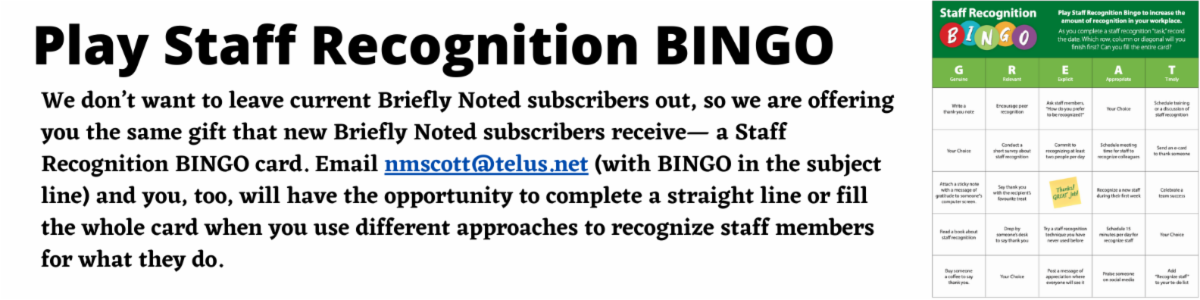
Put “Recognize staff” at the top of your to-do list. Better yet, include the names of individuals whose contributions you wish to acknowledge. (“Recognize Liam for the way he managed the budget issue.”)


*****


Making Recognition Relevant: When you recognize staff in public and highlight the link between what people did and your organization’s values and goals, you are reminding both the recipients and those who witness the recognition about your organization’s purpose and what it believes is important. This helps focus everyone on what matters.


*****


Keep a supply of thank-you notes where you will notice them frequently. Whenever you see them, ask yourself, “Who deserves to be thanked?”


*****


Depending how they are used, gift cards can be an effective way to recognize staff, but many millions of dollars in gift cards go uncashed each year. Some may be misplaced or lost. Or it may be that the cards people receive are for businesses or products that don’t correspond with their interests. Avoid the temptation to give every employee the same gift card, which makes the gesture less personal. Before giving another gift card, consider the intended recipient’s interests and select an Appropriate gift card. Giving the right card shows recipients that you know them as individuals and you understand their interests.


*****

Thanks, Again! More Simple, Inexpensive Ways for Busy Leaders to Recognize Staff is available at Audreys Books, 10702 Jasper Ave., Edmonton (and on its website) and online from Amazon, Indigo, FriesenPress Bookstore, Barnes & Noble and on the Apple Books app.

CONTACT NELSON SCOTT:
Telephone: 780-232-3828 • Email: nelson@GREATstaffrecognition.com