Volume 231 | May 30, 2025 | | |
Guardian Asset Management
Weekly Newsletter
Guardian endeavors to provide you with the latest in housing, industry and market news from Washington D.C. and around the country. It is our goal as your industry partner to be informative, relative and topical.
| | Housing Risk Threatens 2025 Economic Outlook | | |
Data from the first quarter shows residential investment rising just 1% from the previous quarter and 3% year-over-year. However, after adjusting for inflation, growth is flat. At the same time, mortgage rates have climbed back toward 7%, dampening buyer demand.
In March, existing-home sales dropped nearly 6% from the prior month. That’s the largest monthly decline since late 2022. Inventory rose 8.1% between February and March, as more listings hit the market but buyers held back.
Consumer sentiment is also sliding. Fannie Mae’s April survey found that 77% of respondents think it’s a bad time to buy. The home buying conditions index hit a net -55%—one of the lowest on record.
| |
| |
HUD, USDA Defend Rule NAHB Argues
Will Hike Housing Costs
| | |
|
|
The Trump administration is defending new building standards that over a dozen states and a leading industry trade group say will markedly raise housing costs.
A federal judge this week scheduled a hearing which could determine the fate of the lawsuit over the adoption of energy efficiency standards a decade in the making. The Department of Housing and Urban Development and the U.S. Department of Agriculture are asking the court for summary judgment, or to toss the lawsuit which was filed in the final days of the Biden administration.
The National Association of Home Builders and 15 state attorneys general argue the new rules would suppress production of lower-priced homes eligible for Federal Housing Administration and USDA-insured mortgages. The NAHB also suggests the new building codes could add up to $31,000 to the cost of building a new home.
| | BofA: 60% of Homeowners, Prospective Buyers Uncertain About Housing Market | | |
|
|
Uncertainty among current homeowners and prospective buyers has reached a three-year high, with 60% unsure whether now is a good time to buy a home, compared to 48% two years ago, Bank of America reported.
The latest Bank of America Homebuyer Insights Report also found that despite the uncertainty, 52% of prospective homebuyers are optimistic about the state of the homebuying market, saying it’s better now than it was a year ago. Three out of four said they expect home prices and interest rates to fall and are waiting until then to buy a new home, up from 62% in 2023.
“With so many factors impacting the homebuying market, prospective buyers and current homeowners are left wondering what it all means for them,” Bank of America Head of Consumer Lending Matt Vernon said. “A majority of buyers feel the market is headed in the right direction, but many are still planning to wait for more favorable conditions before they decide to take action.”
| | Mortgage rates rise again to highest level since February | | |
Mortgage rates rose for the third consecutive week, and are now at their highest level since the start of February, the Freddie Mac Primary Mortgage Market Survey reported.
The 30-year fixed-rate mortgage averaged 6.89% on May 29, up 3 basis points from last week when it was 6.86%, but below one year ago at this time, at 7.03%.
Meanwhile, the 15-year FRM averaged 6.03% versus 6.01% on May 22 and 6.36% on May 30, 2024.
"While the movement isn't drastic, it adds to the growing sense that higher borrowing costs may be sticking around longer than many hoped," Samir Dedhia, CEO of One Real Mortgage, said in a comment..
Other indicators diverged, including the benchmark 10-year Treasury yield which backed off of recent peaks.
The 10-year Treasury, which closed near 4.6% on May 21, was at 4.45% at 11 a.m. on May 29.
| |
| Trump Pledges Government Will Continue Fannie Mae, Freddie Mac Guarantees | | |
|
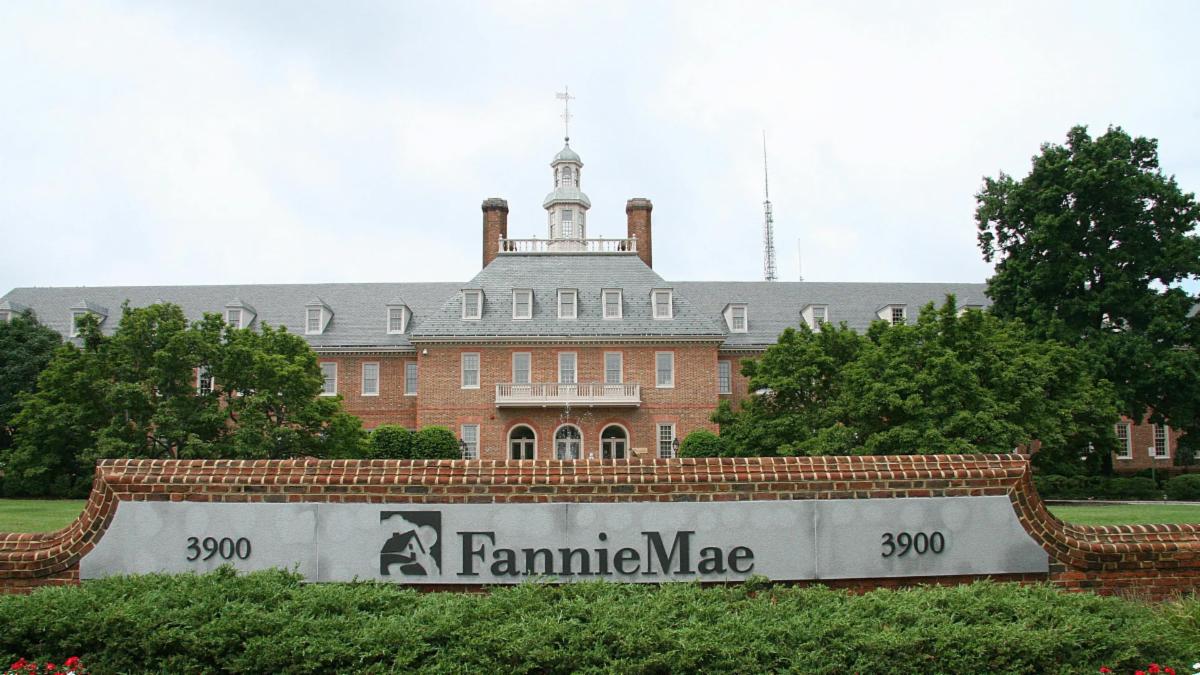
President Trump on Tuesday pledged the government would continue its guarantees for mortgage giants Fannie Mae and Freddie Mac, even as it moves toward possibly giving up control of the companies.
Why it matters: Trump's promise may soothe long-standing nerves about what might happen to mortgage rates in a world where Fannie and Freddie no longer had government backstops.
Between the lines: Before being taken into conservatorship in 2008, Fannie and Freddie had what was known as an "implicit guarantee" — the market's assumption that if something went wrong, the government would step in to save them.
| |
| VA-backed loans drive foreclosure spike | | |
|
Foreclosures and distressed mortgage volume came in higher from a year ago after recent servicing policy changes, while prepayments also accelerated last month despite ongoing volatility.
Although still low historically, foreclosure filings, including starts, inventory and sales, all ended up higher on an annual basis for the second month in a row in April, according to the latest ICE Mortgage Technology First Look report.
Foreclosed property sales saw the most transactions in over a year, hitting a 15-month peak, with approximately 6,500 recorded in April. The number rose 6.4% from the prior month's 6,400. Sales were also up 9.4% year over year. Properties originally financed by Department of Veterans Affairs-guaranteed loans were behind much of the recent surge, after a federal moratorium on distressed mortgages expired at the end of 2024 without a loss-mitigation replacement plan in place, ICE reported.
New foreclosure starts pulled back from March, but were also up 13% compared to April 2024 to approximately 29,000. Total pre-sale inventory sat at 209,000 units at the end of the month, making up 0.38% of the housing market.
| |
| Banks are avoiding mortgage loans in California’s wildfire zones, study says | | |
| |
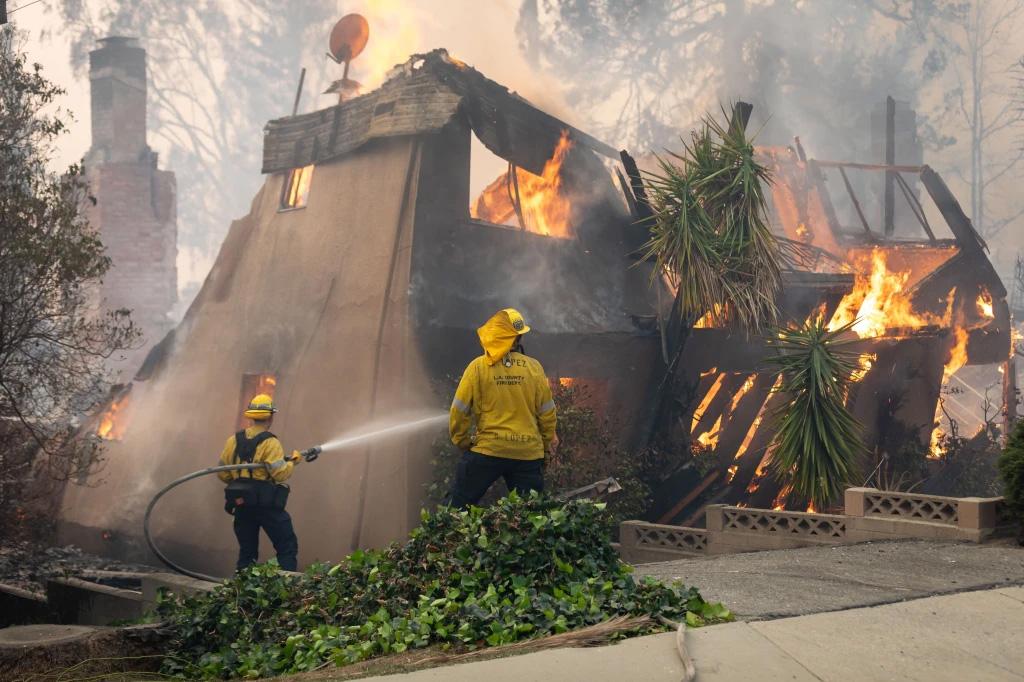
California’s growing wildfire risk is affecting the state’s mortgage market, a new study has found, with brick-and-mortar banks approving fewer home loans in risky areas — while their online counterparts are continuing to lend there.
The findings suggest growing concern among traditional lenders that fires in California could cause borrowers to default, as mounting losses from wildfires make it harder for residents to adequately insure their homes. Online lenders have taken the opposite approach, the study found, offering better loan terms to borrowers in high-risk areas.
| | | | |