Ron Perrin Water Technologies, Inc.


  • Water Tank and Tower Inspection
  • Potable Water Tank Cleaning
  • Robot Standpipe Cleaning Service


https://ronperrin.com/wp-content/uploads/2019/05/16617_10152391332019721_9032718826766937399_n_2.jpg

We want to be your contracted inspection service.

October 2025 | Issue 28 Vol.10 Celebrating 28 years of serving Water Utilities

  • Written and Published Monthly By Ron Perrin, Debi Wheelan - Editor

Do You Need A Water Tank Cleaned?

WE STAY UNTIL THE JOB IS DONE!

Check out our new WEBSITES!

Water Tower Diving Specialist.com

or for inspections see:

Water Tank Inspector.com


Happy Holloween!

We are cleaning municipal water tanks and water towers every day.


Are you flushing your lines more frequently?


If you are not achieving the required chlorine residuals, consider this: Many types of bacteria that deplete chlorine can use tank sediment as a safe habitat to grow and become a problem. If you find yourself purging lines more often, consider having your tanks cleaned.


Our customers tell us that after a tank cleaning, their chlorine residuals straightened up, and frequent line flushes became a thing of the past! Tanks should be cleaned every 3 to 5 years or as needed (that means more often, if needed) according to the AWWA. When was the last time your tanks were cleaned?


For a free proposal, contact Robert at perrinsales@gmail.com or

call 817-377-4899, toll-free 1-888-481-1768.


Germs That Can Hide In Tank Sediment And Contaminate Tap Water

Some germs can make you sick if they are in your tap water. Find information below about the germs that most often contaminate tap water and cause disease.


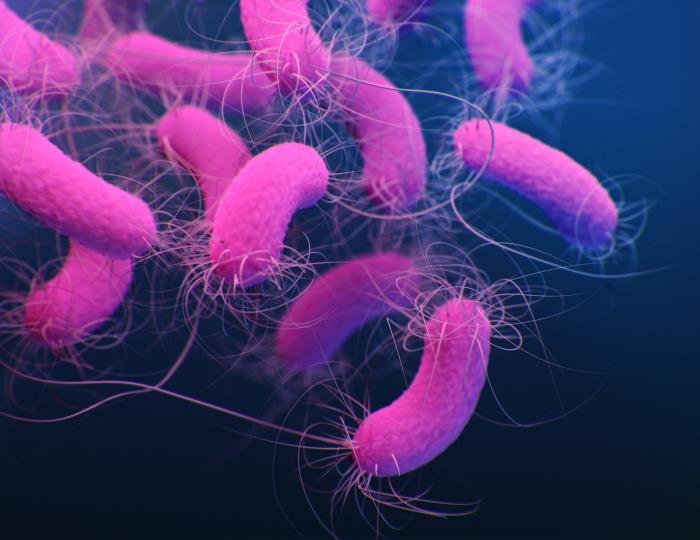
Photo Right: This is a medical illustration Pseudomonas aeruginosa bacteria, Reference: CDC

Pseudomonas outbreaks in public water systems


Pseudomonas outbreaks in public water systems are increasing. Since 2019 this bacteria has been found in hospital settings and it is now being seen in enough municipal water systems to break into the Top Five Municipal Water Contaminants List. Primarily caused by the species Pseudomonas aeruginosa, which can occur when this bacteria colonizes water distribution systems, often forming biofilms in pipes, taps, and distribution tanks. This leads to potential infections for vulnerable individuals who come into contact with contaminated water, especially in healthcare settings like hospitals. These outbreaks can manifest through various symptoms depending on the route of exposure, including urinary tract infections, wound infections, and pneumonia, particularly affecting immunocompromised patients. You can read more HERE.

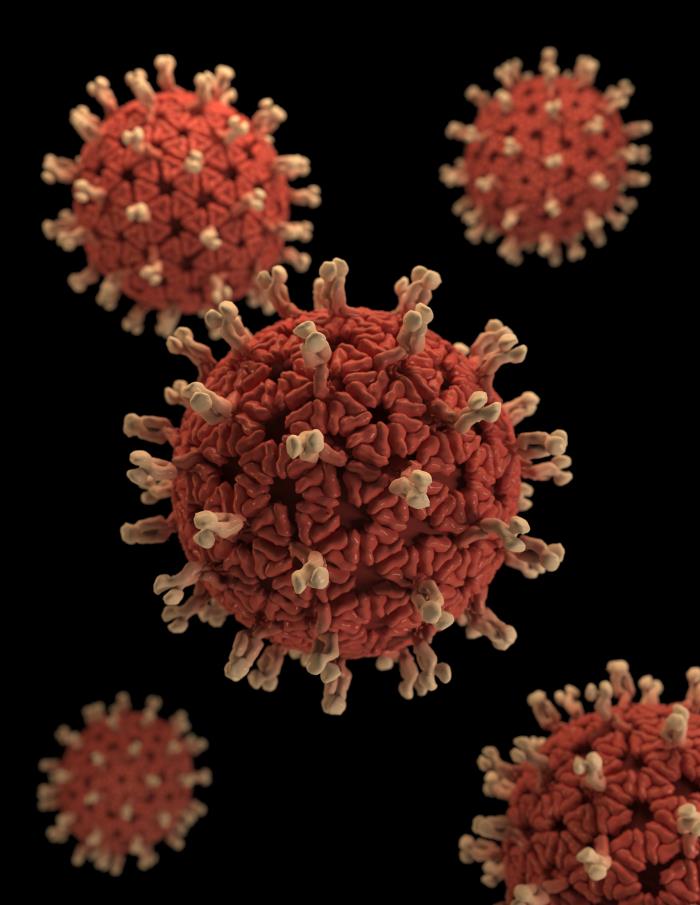
Above Left: This illustration provided a 3D graphical representation of a number of Rotavirus virions, set against a black background. Note the organism’s characteristic, wheel-like appearance, which was made visible when viewed under the electron microscope.


Rotavirus

  • Common sources: 

Poop from infected people that gets into the water from sewage overflows, sewage systems that are not working properly, or polluted stormwater runoff.


Salmonella

  • Common sources: 

Poop from infected people or animals that gets into the water from sewage overflows, sewage systems that are not working properly, polluted stormwater runoff, or agricultural runoff.


Legionella

  • Common sources: 

Legionella bacteria are found naturally in freshwater environments, like lakes and streams. The bacteria can become a health concern when they grow and spread in building water systems, such as faucets or hot water heaters, and devices that create small droplets of water, such as cooling towers, hot tubs, or decorative fountains. Most identified outbreaks are in buildings with large, complex water systems, such as hotels, long-term care facilities, and hospitals. #1 on the CDC list.


Campylobacter

  • Common sources: 

Poop from infected people or animals that gets into the water from sewage overflows, sewage systems that are not working properly, polluted stormwater runoff, or agricultural runoff. This bacteria is #2 on the CDC list.


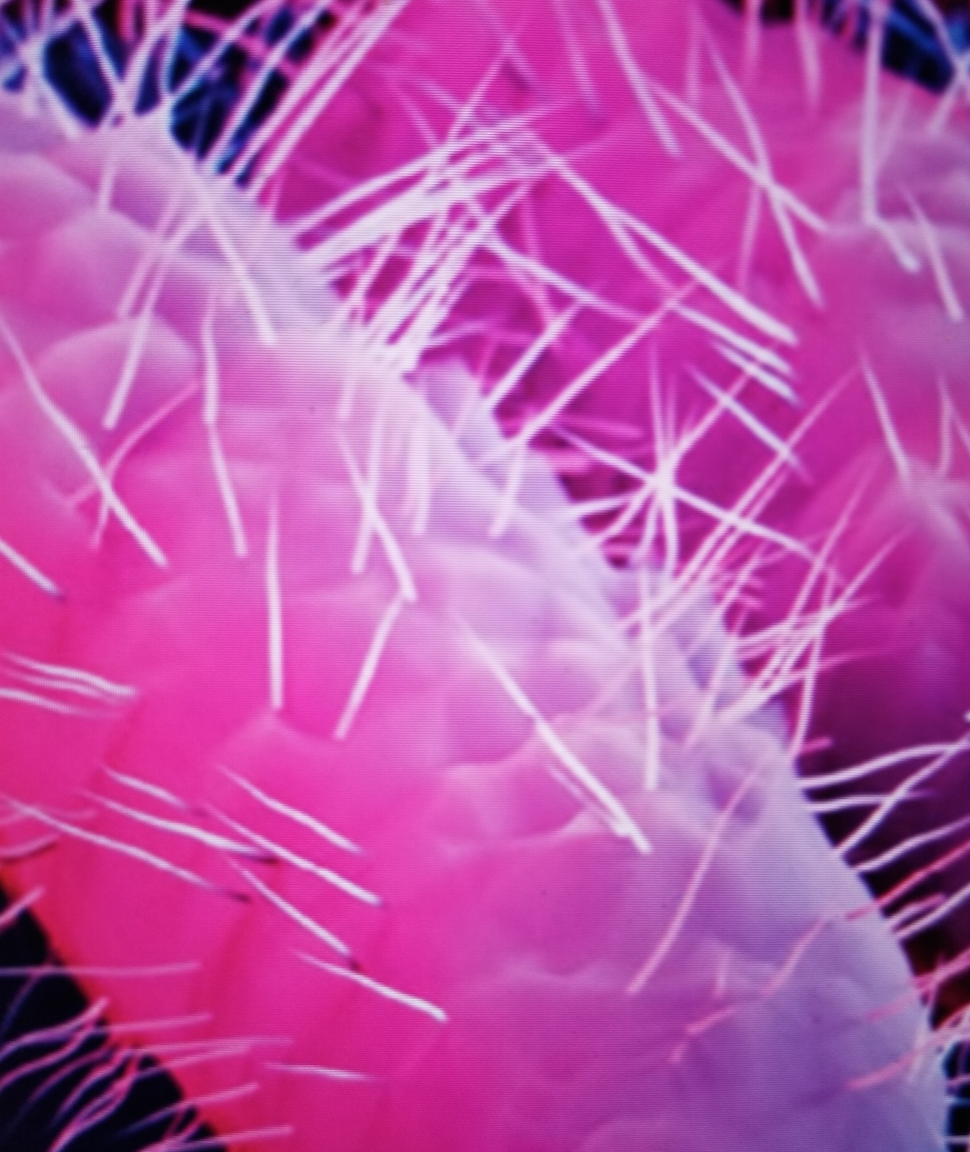
Below: Microscopic photo of Campylobacter bacteria.

Shigella

  • Common sources: 

Poop from infected people that gets into the water from sewage overflows, sewage systems that are not working properly, or polluted stormwater runoff.

Below: Microscopic photo of

Shigella.

Each of these germs can use the sediment on the floor of your water storage tank to get a foothold in your water system. The sediment provides a safe habitat where these contaminants can hide from chlorine and other disinfectants, grow, and become a health concern. Keeping your tanks clean is the best way to protect your system from these pathogens that are known to be in municipal water storage tanks!


Clean Your Tanks This Year!

Is there a STANDPIPE in your water system? Our underwater cameras make quick work out of inspecting it. We can get a look all the way down to the bottom!

We also have the perfect tool to clean it! Wallie is our ROBOT Standpipe Cleaner for tanks over 70 feet deep.

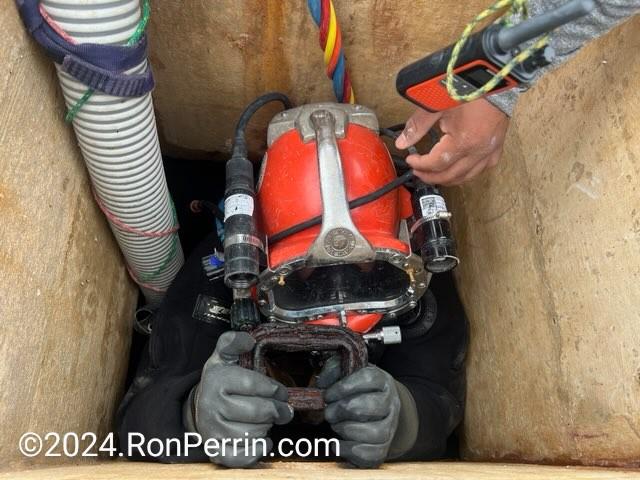
These structures present many problems for our potable water dive crew. Wallie is able to work at depth until the tank is clean. He is equipped with two cameras and a cleaning tip so he can not only clean the tank but get great documentation as he goes.

CDC estimates at least 1.1 million people in the United States get sick every year from germs in drinking water.


  • Legionella germs are the most common cause of illness outbreaks linked to drinking water.
  • Cleaning your tanks can improve your water quality and help to avoid contamination in your system.


Click here for the:

CDC Drinking Water Fact Sheet

Above Right: This photo-micrograph reveals some of the histopathology of a section of intestinal tissue in a case of cryptosporidiosis.


Cryptosporidium (Crypto)

  • Common sources: 

Feces (poop) from infected people or animals that get into the water through sewage overflows, sewage systems that are not working properly, polluted stormwater runoff, or agricultural runoff.


Norovirus

  • Common sources: 

Poop from infected people that gets into the water from sewage overflows, sewage systems that are not working properly, or polluted stormwater runoff. Norovirus is #4 on the list of most found contaminants in public water systems.


E. coli O157

  • Common sources: 

Cattle farms, where E. coli O157 can live in the intestines of healthy cattle; less commonly, poop from an infected person or animal that gets into the water through sewage overflows, sewage systems that are not working properly, polluted stormwater runoff, or agricultural runoff.


Enterovirus

  • Common sources: 

Poop from infected people that gets into the water from sewage overflows, sewage systems that are not working properly, or polluted stormwater runoff.


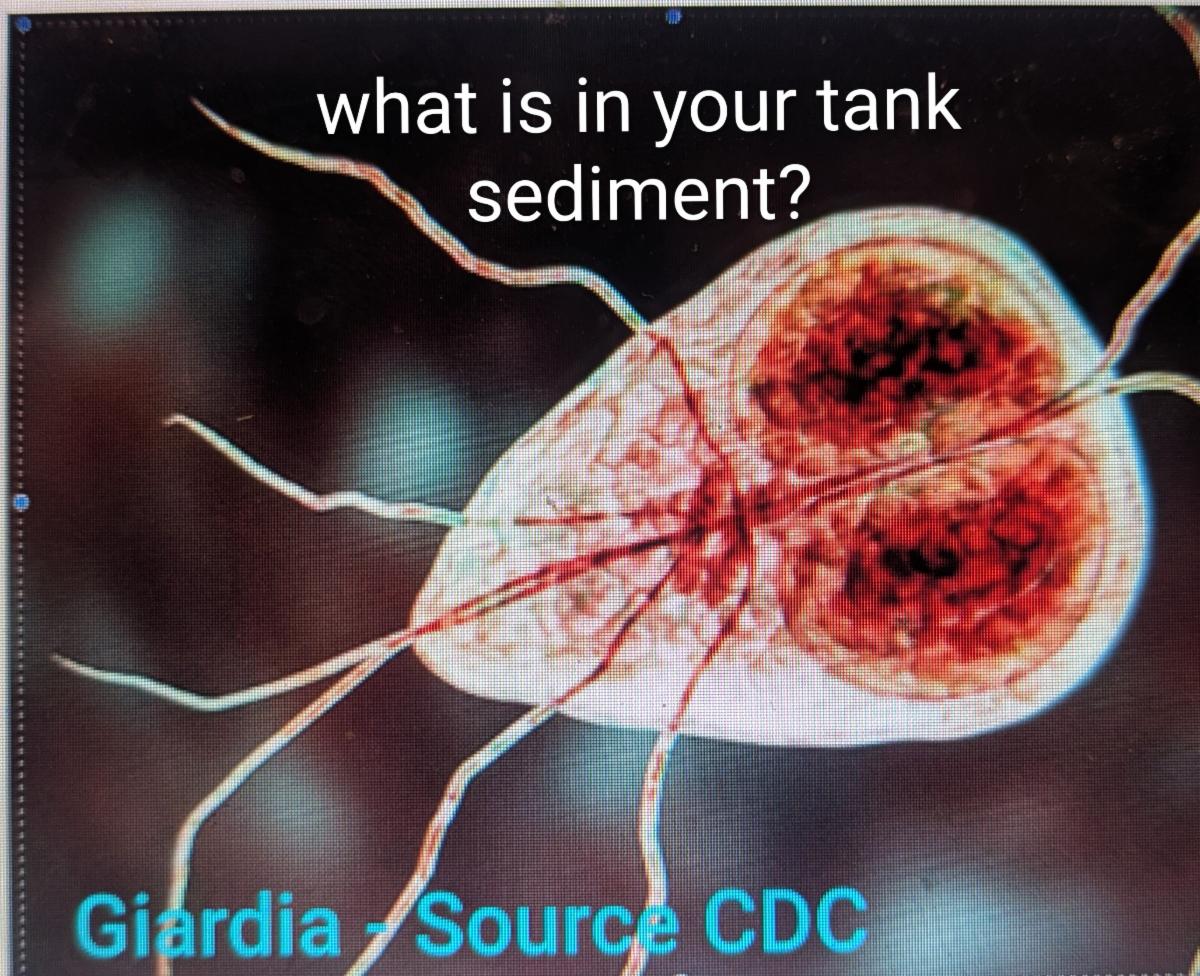
Giardia

  • Common sources: 

Poop from infected people or animals that gets into the water from sewage overflows, sewage systems that are not working properly, polluted stormwater runoff, or agricultural runoff. Giardia is #3 on the CDC list of municipal water contaminants.


Hepatitis A virus

  • Common sources: 

Poop from infected people that gets into the water from sewage overflows, sewage systems that are not working properly, polluted stormwater runoff, or agricultural runoff.


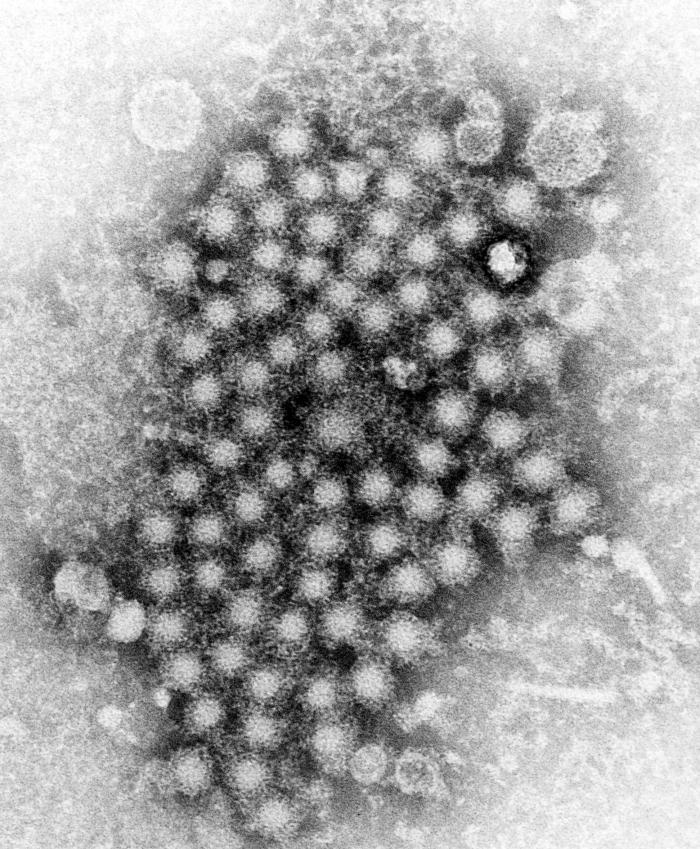
Below: Microscopic photo of Hepatitis A virus.

Our Potable Water Dive Crew cleans tanks from 20,000 gallons to 10MG. We are here to help you keep your tank clean when you need us.


We also clean and inspect very small pressure tanks and GST's.


Check out our tiny tank cleaning video. We give special rates to tanks under 10,000 gallons. Call 817-377-4899.

Tiny Tank Cleaning Video

Check out our Award Winning Films on our TAP TALK Video Series blog.


We have put together great videos from our dive crew that you will want to see.

Check it out at: www.taptalk.blog

Meet our 2025 Potable Water Dive Crew and see how we dive into potable water, just click the Red button Below.

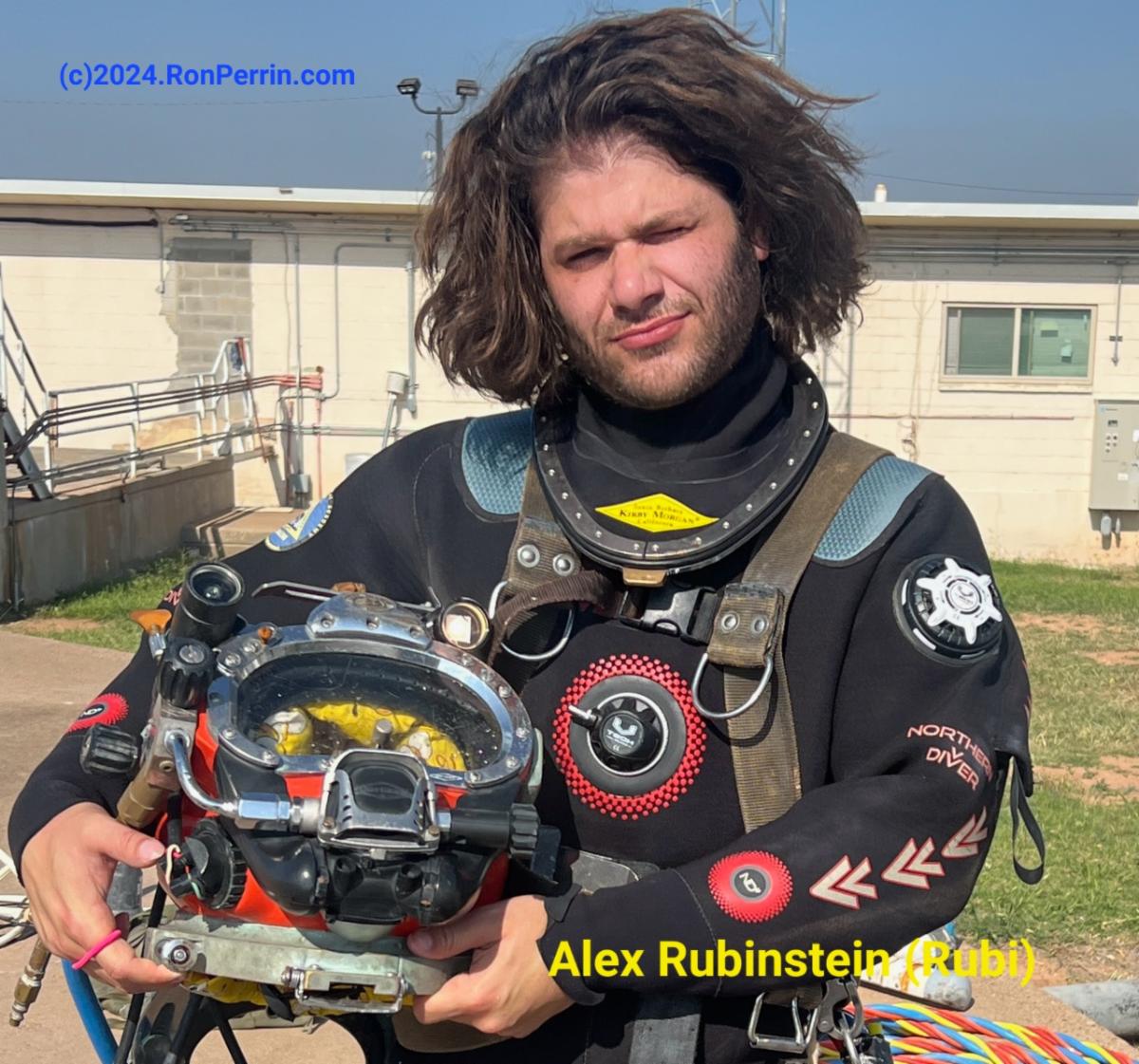
A Big Thanks to

Alex (Rubi) Rubenstein

We love our Employees!

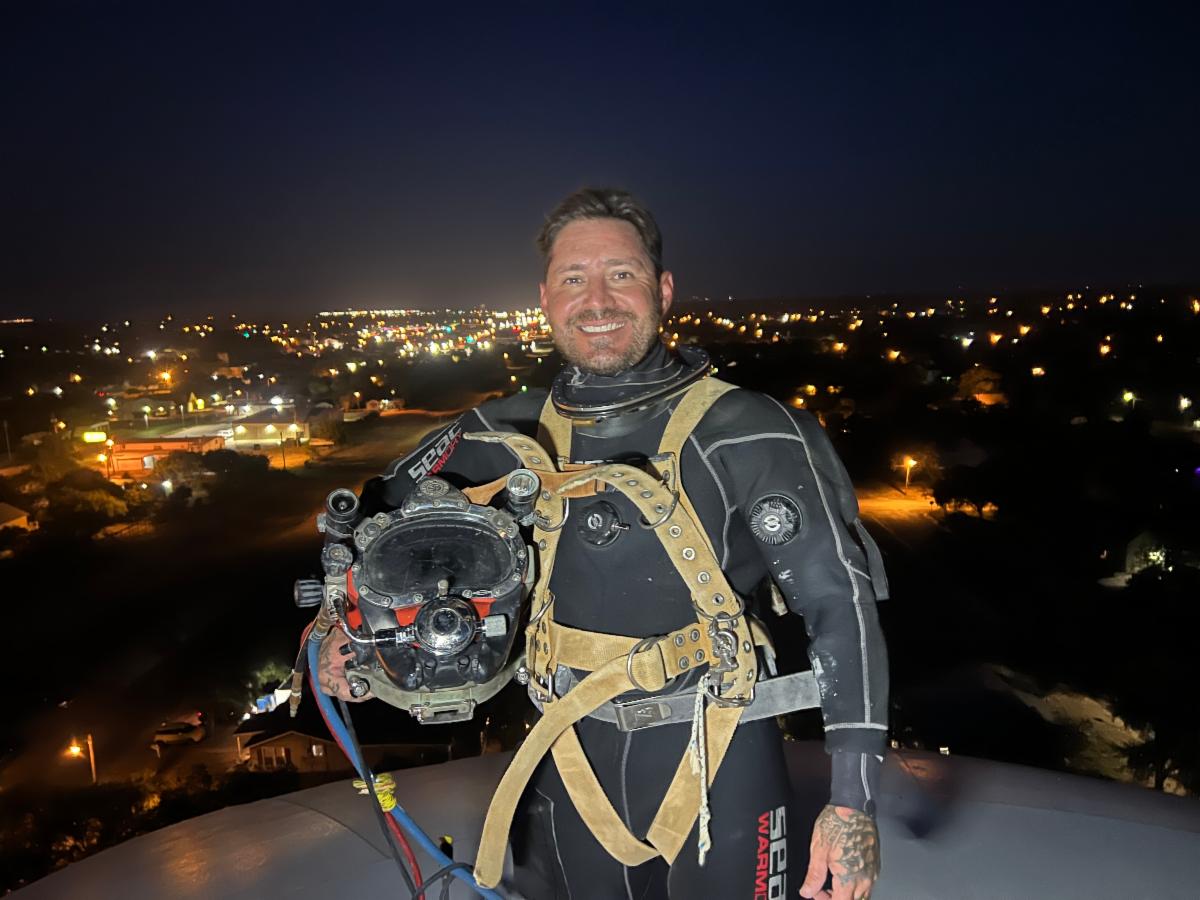
Our people make a difference, and great employees like Rubi are why our company has continued to be successful since 1997! Rubi is a graduate of The Ocean Corporations Ultimate Diver Program In Houston Texas and has been a part of our dive team since January 2024.


Te Link

 
Ron Perrin Water Technologies, Inc. www.ronperrin.com
 
Facebook  Instagram  LinkedIn  YouTube