¡Versión en español a seguir! | |
This month at QSLA, we focus on working with families to explore the impact of play and music for children's healthy development and emotional-wellbeing. | |
Our thoughts and prayers are with those families and early learning programs and staff affected by the recent wildfires. We hope this page can help you find support for families, staff, and yourselves with the resources and opportunities listed. | |
|
Welcoming Environment
Ensure Your Program Feels Inviting
| |
|
|
Beyond Twinkle, Twinkle:
Using Music with Infants and Toddlers
| |
|
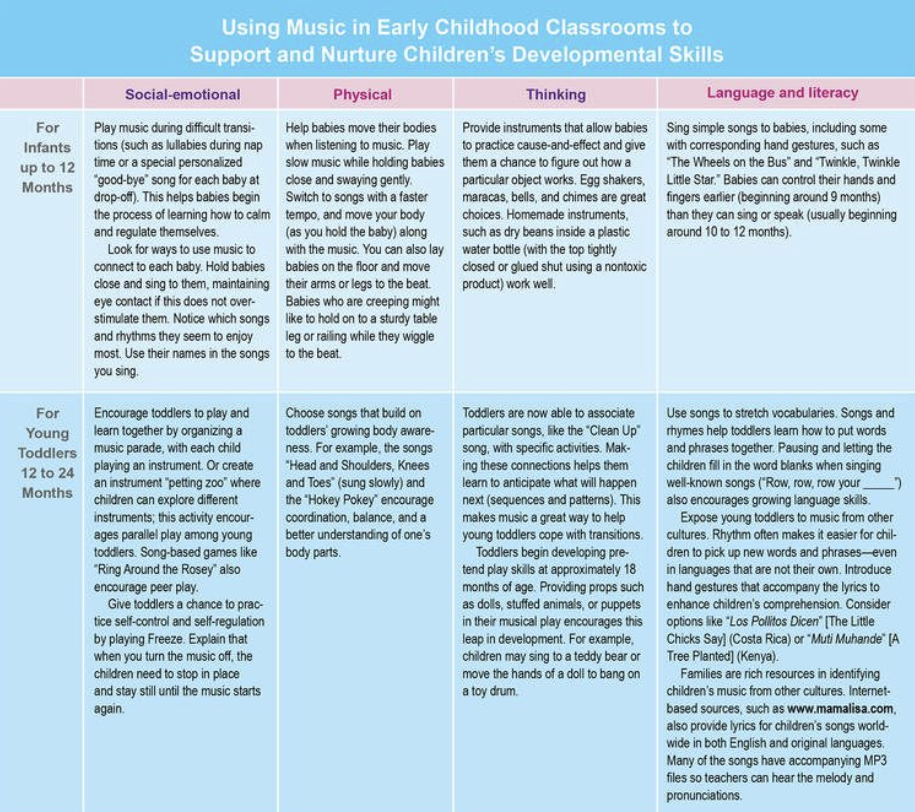
For very young children, music has power and meaning that go beyond words. Sharing music with young children is simply one more way to give love and receive love! Music and related experiences also support the formation of important brain connections made by 3 years old.
In this article, Zero To Three explores the many ways that music promotes growth in the various developmental domains and how our early learning professionals can use music experiences to support children’s early learning! Check it out for inspiring ideas and new insights!
| |
|
This resource will support ECERS-R: Item 9 and FCCERS-R: Item 35- Provisions for Parents, PAS: Item 16- Family Communications, and BAS: Item 7- Provider Parent Communications. | |
Family Partnerships
Work with Families to Build a Stronger Program
| |
|
Learn and Play with QSLA! | |
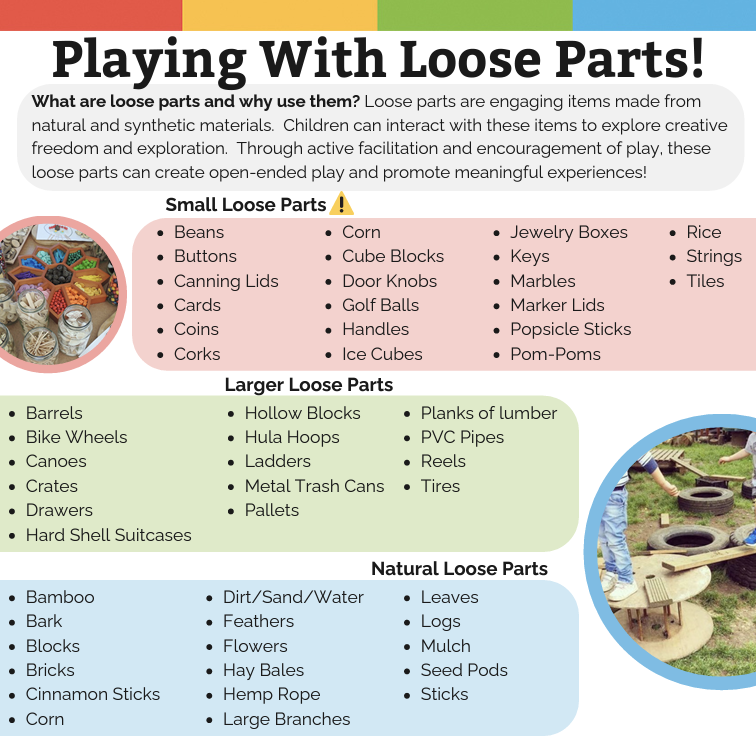
Our young children learn through play, dance, music, creative expression, and many more organic ways! Helping families become aware of and equipped with playful learning ideas is a key approach to supporting young children's healthy development. QSLA is happy to share several related resources and videos created in-house, including family-friendly activity guides, a loose parts play resource, & Learn and Play YouTube videos with guided support for kid-friendly activities! Take a look using the links below! | |
Learn and Play YouTube Videos | |
|
|
Emotional song "Children's Music and Rhythm"情绪歌《幼儿音乐律动》 | |
Join us on this colorful journey to help children explore emotions and learn how to navigate those moments when feelings are a little tricky to define! 加入我們,踏上這段豐富多彩的旅程,幫助孩子探索情感,並學習如何應對那些難以定義情感的時刻! | |
|
This resource will support ECERS-R: Item 38 and FCCERS-R: Item 35- Provisions for Parents, PAS: Item 16- Family Communications, and BAS: Item 7- Provider Parent Communications. | |
Community Partnerships
Use Community Resources to Strengthen Program Quality
| |
|
Celebrating Chinese New Year in Community | |
|
Join together with family and friends with music, dance, and crafts! The following events are reflective of the Chinese New Year, which is on January 29. Did you know this holiday is the largest festival of the whole year and usually occurs in late January or February? Celebrate Chinese New Year, January 29, with these events around Los Angeles!
| |
|
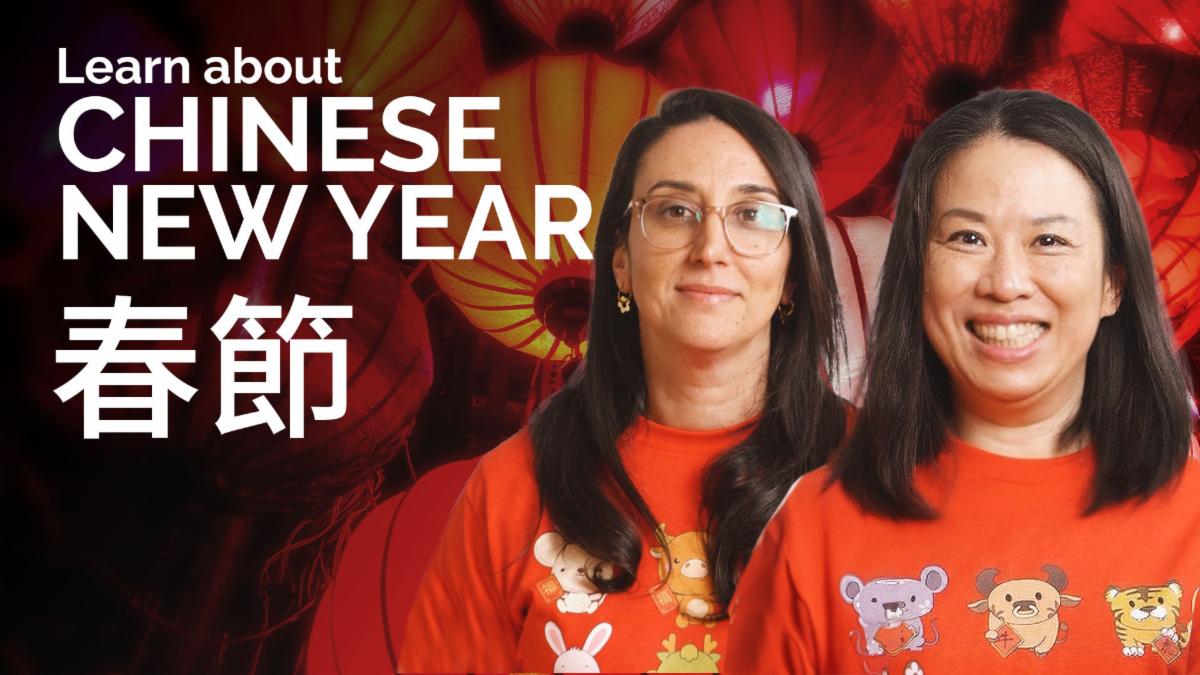
Happy Chinese New Year! Check out our newest video, Learn About Chinese New Year with QSLA!
新年快樂!快來觀看我們最新的影片,與 QSLA 一起了解中國新年!
| |
|
Knowing and using these community resources will support PAS: Item 17- Family Support Involvement, BAS: Item 8-Community Resources, and NAEYC Accreditation: Standard 7-Families | |
Staff Development and Support
Enhance Your Family Engagement Knowledge and Skills
| |
|
Delving into Mindfulness and Self-Regulation in Our Professional Learning | |
|
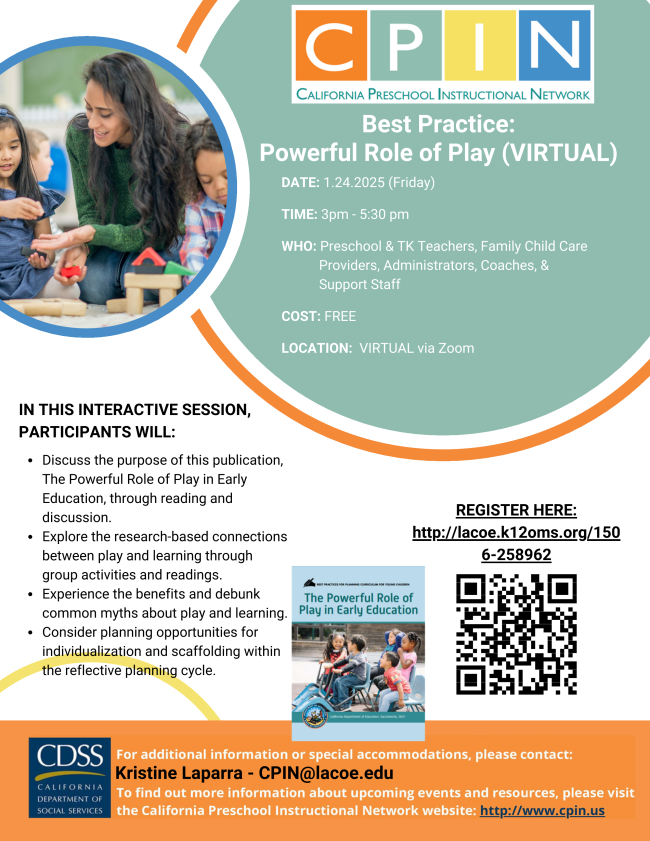
Best Practice: Powerful Role of Play
Play is key for our young learners' development! On that note, CPIN is offering this virtual training, "Best Practice: Powerful Role of Play". As a learner, you can expect to explore the research-based connections between play and learning through group activities and readings, experience the benefits and debunk common myths about play and learning, and more!
| |
Date/Time: Friday, January 24th, 3:00 - 5:30PM
Training Contact: Kristine Laparra | CPIN@lacoe.edu
| |
|
|
Caring Conversations Café – Train-the-Trainer
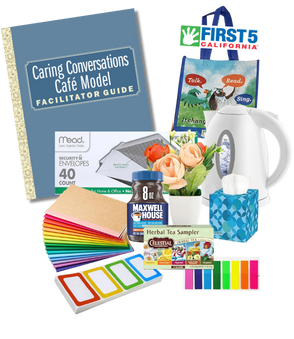
Are you looking to create a conversation space around play and music with families? This in-person Train-the-Trainer, focused on the Caring Conversations Café Model, will help prepare you and your program staff to implement the engaging, educational guided conversations with the families of your early learning program!
Bonus: You will receive a Caring Conversations Café Kit with materials to offer your own café experiences with families plus a First 5 New Parent Kit, supplemental resources, and QSLA gear!
| |
Date/Time: Saturday, February 1st, 9:00AM – 3:00PM
Salvation Army, the Siemon Center Central Avenue, 7651 S Central Ave, Los Angeles, CA 90001
| |
|
|
Do-Re-Mi Music & Movement and the Positive Effects on Children
YMCA is offering this 2-hour live virtual training, "Do-Re-Mi Music & Movement and the Positive Effects on Children" for your professional learning! During this training you can expect to discuss how early exposure to music positively affects brain development and optimizes a child's body, mind, and emotional state to their fullest potential. You will also learn how to integrate music during their daily routines and utilize music to teach children about math, science, and language in a fun way!
| |
Date/Time: Thursday, February 20th, 5:30 - 7:30PM
| |
|
|
The Magic of Music and Movement in Early Childhood Education
This hands-on edWebinar, "the Magic of Music and Movement in Early Childhood Education" brings to teachers a new perspective on using music with children. The goal of the session is to reaffirm the use of music in the classroom by showing how, when combined with movement, it can be a vital and powerful tool in the education of children. To illustrate this, Stephen Fite breaks music down into three essential elements—Rhythm, Repetition, and Melody—and discusses how each part affects us individually. Check out this 1-hour recorded webinar to support your role!
Join edWeb.net for free to access your CE certificates
| |
|
These trainings support ECERS-R: Item 43- Opportunities for Professional Growth, PAS: Item 3- Staff Development, FCCERS-R: Item 37- Opportunities for Professional Development, and BAS: Item 1-Qualifications and Professional Development | |
Equitable Approaches to Supporting Children and Families
| |
|
The Harmful Impact Of Play Deprivation | | |
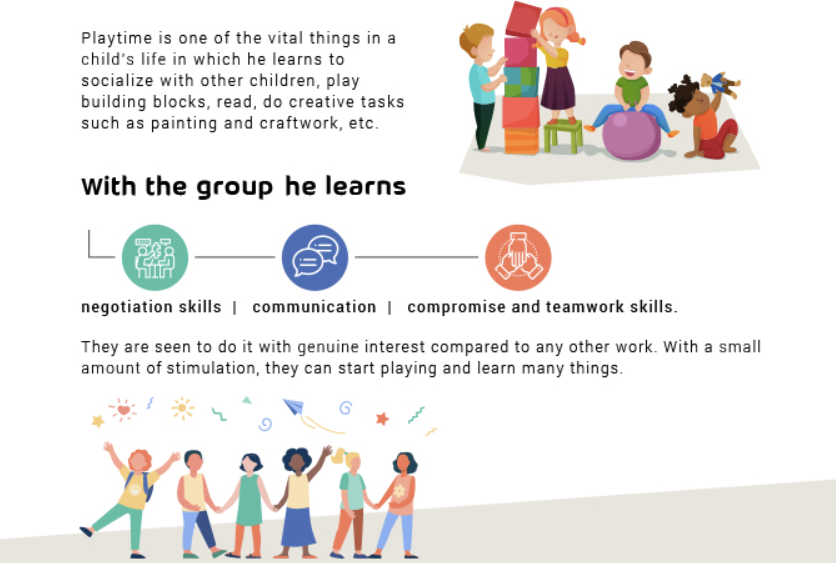
Play is a vital part of child development, and play deprivation can have serious negative consequences on a child’s physical, emotional, and cognitive growth. By understanding the harmful impact of play deprivation, we can prioritize play in children’s lives and create environments that support their development. Check out and share this infographic with families and your program staff to support a wider understanding of play for child development! | |
|
Music can help promote many areas of development including, social emotional, cognitive, and motor skills! | |
Social Emotional: Singing or talking to children in a lyrical voice supports stronger social bonds, better language skills, and turn taking skills. | |
Cognitive Development: Rhythm and repeating songs can enhance memory skills. | |
|
Motor Development: Dancing to fast and slow music can help children build the muscles in their body plus helps them gain body awareness, balance, and coordination! | |
Cultural Transmission: Lullabies and folk songs can introduce your baby to your family’s heritage in a deeper way, connecting to their roots is another way to make children feel safer and more secure. | |
|
|
Were you forwarded this email?
Would you like to sign up to receive our Family Engagement Newsletters?
| |
Check out our QSLA pages below! | |
NEW QualityStartLA Instagram! Click the icon above! | | | | |