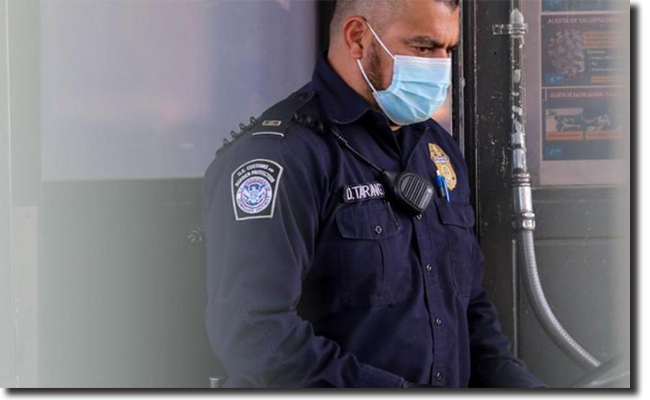
US Customs and Border Protection reported a 1,066% increase in the amount of fentanyl seized in fiscal year 2021 in south Texas, the agency said this week in a press release.
Agents at eight ports from Brownsville to Del Rio seized 87,652 pounds of narcotics, including 588 pounds of fentanyl, a painkiller, CBP said in the release.
The street value of the drugs -- which also included marijuana, cocaine, methamphetamine, and heroin -- is believed to be $786 million, CBP said.
|
|
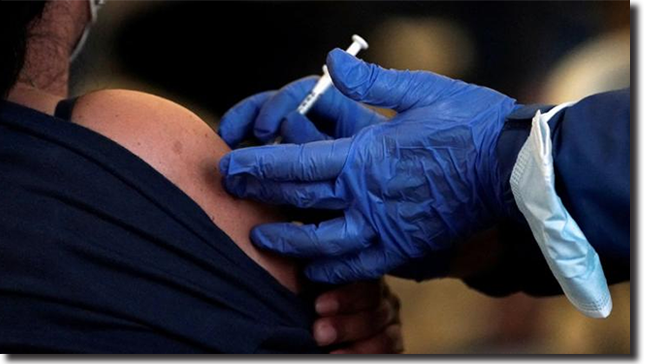
U.S. health officials on Friday said they are considering lengthening the recommended interval between the first two doses of the most widely used COVID-19 vaccines to eight weeks to lower the risk of heart inflammation and improve their effectiveness.
Dr. Sara Oliver, an official at the U.S. Centers for Disease Control and Prevention (CDC), said the agency was considering making the recommendation for Moderna (MRNA.O) and Pfizer (PFE.N)/BioNTech shots during a meeting of the Advisory Committee on Immunization Practices, a panel of outside advisers to the CDC.
In the United States, the recommended interval between the first two shots of Pfizer's vaccine is three weeks and for Moderna's, four.
|
|
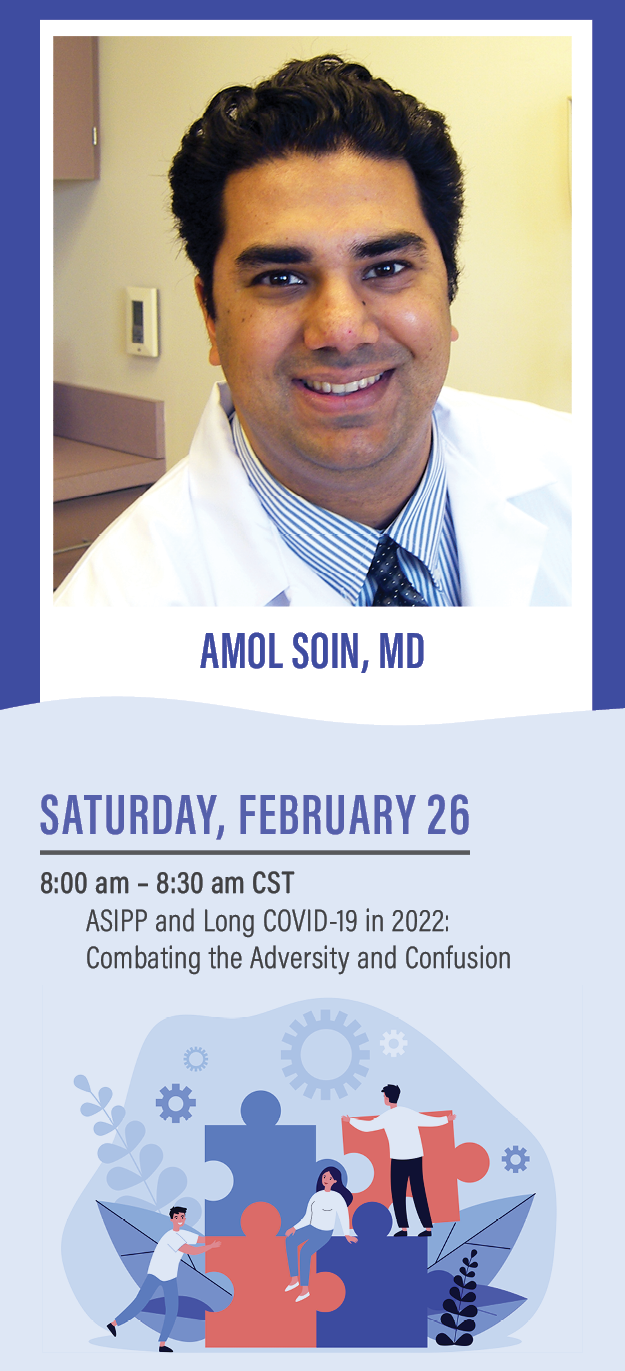
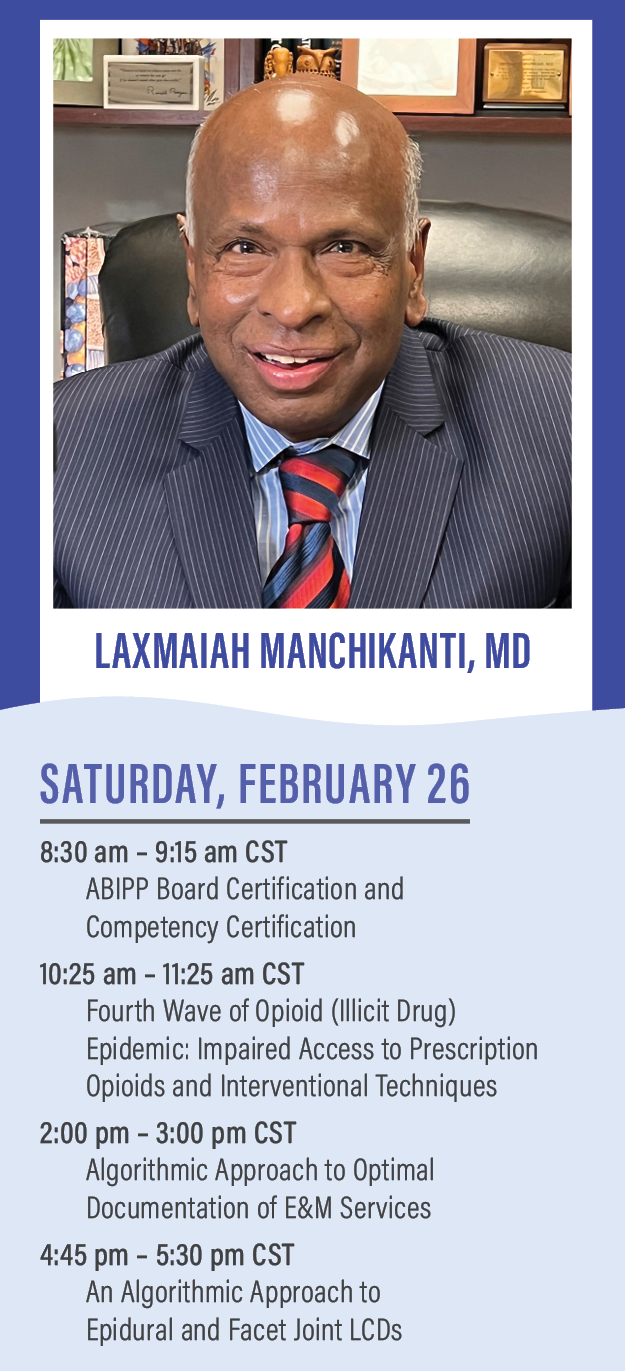
FEATURED SPEAKERS INCLUDE: |
|
As of December 28, 2021, approximately 27% of the US population was unvaccinated against SARS-CoV-2,1 yet the prevalence of natural immunity remains unknown. Blood donor studies may have selection bias and lack clinical information.2 Previous COVID-19 infection is a possible surrogate for natural immunity, but 1 study suggested that 36% of COVID-recovered individuals are serologic nonresponders.3 Even among individuals who develop antibodies, durability of this response beyond 6 months remains unknown. We characterized natural immunity and long-term durability among unvaccinated individuals using anti–spike antibodies, the first line of defense against SARS-CoV-2.
Methods
Healthy adults who reported no SARS-CoV-2 vaccination were recruited via 1 public Twitter post and 1 public Facebook advertisement between September 11, 2021, and October 8, 2021. Participants completed an online questionnaire about demographics, COVID-19 status, and mask use. Using weighted random sampling (relative weights based on the estimated unvaccinated US population by age, race and ethnicity, and education1), we created 3 equally sized sample groups among those who reported a test-confirmed COVID-19 infection (“COVID-confirmed”), believed they had COVID-19 but were never tested (“COVID-unconfirmed”), and did not believe they ever had COVID-19 and never tested positive (“no-COVID”). These groups were invited to undergo antibody testing at LabCorp facilities nationwide.
|
|
Early onset of two or more chronic diseases ups dementia risk
People with two or more chronic conditions (multimorbidity) in midlife had a higher risk of subsequent dementia, a prospective cohort showed.
Midlife multimorbidity more than doubled the risk of dementia later in life, reported Céline Ben Hassen, PhD, of Université de Paris, and colleagues, in The BMJ. Every 5-year younger age at multimorbidity onset upped dementia risk by 18%.
"The specific contribution of this study is to show that early onset of multimorbidity is particularly harmful," co-author Archana Singh-Manoux, PhD, also of Université de Paris, told MedPage Today.
|
|
But of those with confirmed cases, SARS-CoV-2 antibodies still seen at a median 9 months
About half of unvaccinated adults who thought they had COVID-19 were proven wrong by antibody tests, researchers found.
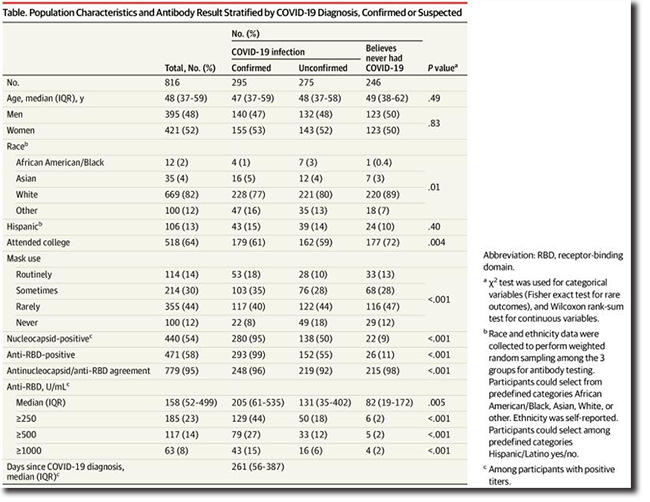
In a survey of people recruited on social media, 45% of people who thought they'd had COVID, but never confirmed it, actually had no anti-spike antibodies, reported Dorry Segev, MD, PhD, of Johns Hopkins University in Baltimore, and colleagues, in a JAMA research letter.
Overall, antibodies were detected in 99% of people who said they had a positive COVID-19 test result, in 55% who believed they had COVID-19 but who were never tested, and in 11% who thought they never had SARS-CoV-2 infection.
|
|
Pre-print on hospital workers finds sizable proportion still positive 5 days after symptom onset
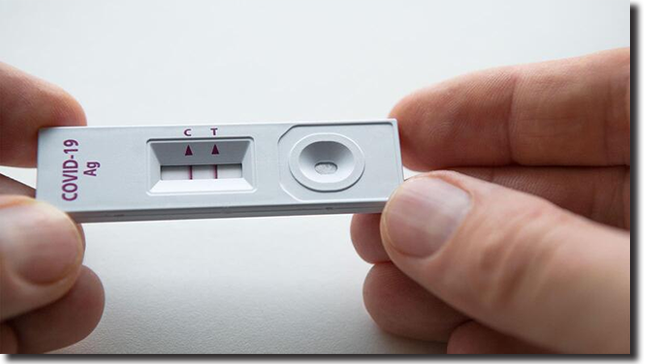
Almost 60% of healthcare workers who contracted COVID-19 but felt well enough to go back to work still tested positive on rapid antigen tests after isolating for 5 days, researchers found.
In one large urban medical center, 43% of rapid antigen tests during the Omicron wave were positive for vaccinated COVID-positive healthcare workers from days 5-10, with the largest proportion of positive tests on day 6 (58%), reported Emily Landon, MD, of the University of Chicago, and colleagues, writing in a pre-print on medRxiv.
The findings call into question the CDC's recent change in isolation guidelines for the general public, which suggest that individuals with COVID-19 can end isolation after just 5 days if they're asymptomatic or have resolving symptoms without a negative test.
|
|
- ASIPP Members Only Site Information - |
|
-
To log in for the first time you will need to click “forgot password” at the bottom of the login window.
- Check your email and then log in as directed.
-
If you have problems logging into your account, click here.
|
|
Hundreds more wastewater detection sites to add data soon
A new federal data tracker showing where community sewage systems are detecting increases in COVID-19 viral RNA is providing the nation with a sense of "situational awareness" as an early warning system for coming surges as well as new variants of interest, CDC announced Friday.
Amy Kirby, PhD, MPH, the lead for the CDC's National Wastewater Surveillance System, said the tracker now contains information from 400 testing sites in 37 states and will soon expand with another 250 locations and will include several territories and tribal communities.
She called the data "uniquely powerful, because they capture the prevalence of infections from people with and without symptoms," regardless of whether they have access to healthcare services or clinical testing.
|
|
Congress members asked for an inquiry, but some states are already considering new restrictions
A letter about staffing agency price gouging that members of Congress sent to the White House has some corners of the nursing community abuzz over possible implications, particularly whether the growing scrutiny could lead to state-level restrictions.
The letter asked the COVID-19 Response Team to investigate nurse staffing agencies for allegedly "artificially inflating" prices during a crisis by charging hospitals exorbitantly for the services of their nurses, citing reports representatives say they've received.
For nurses, alarm bells began to ring. An investigation into staffing agency prices could mean more legislation to cap what staffing agencies can charge hospitals and other facilities in some states, and in the process, some noted online, limit wages for nurses themselves.
|
|
Call for
Abstracts & Poster Presentations
|
Proposals accepted through March 1st
|
A $50 submission fee is required upon completion of the form. |
Questions can be directed to
Savannah Gold at 270.554.9412 ext 4219 or
|
|
After reading the 2022 Abstracts & Poster Presentations guidelines, please complete the form along with the presenter's CV by clicking here.
- Top 3 will present during the general session on the final day.
- Top 10 will present during the abstract breakout session.
-
Rapid review and publication in the Pain Physician journal will be extended to the Top 10 authors accepted for meeting presentations.
Click here for Abstract and Poster Presentation
|
|
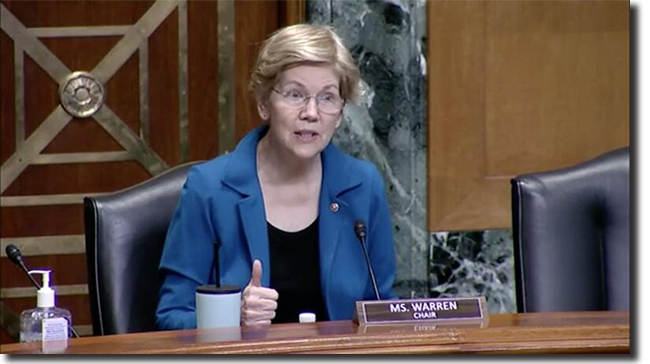
"The Medicare system is hemorrhaging money on scams and fraud," says Sen. Warren
The Medicare program could easily become solvent if regulators cracked down harder on fraudsters and profiteers, Sen. Elizabeth Warren (D-Mass.), chair of the Senate Finance Subcommittee on Fiscal Responsibility and Economic Growth, said Wednesday.
"The Medicare system is hemorrhaging money on scams and fraud," Warren said at a hearing on Medicare financing. "It is critical that we stop the flow and if we do, the system will have more than enough money to operate at its current level and increase coverage."
Concerns About Drug Prices
Pharmaceutical companies were one target of Warren's ire. "In 2019, total Medicare spending on prescription drugs was $220 billion," she said. "Because Medicare cannot negotiate prices, drug companies are able to rake in billions in profits. Now that's bad enough, but the drug companies have more ways to juice their profits: they use anti-competitive tactics like 'pay for delay,' product hopping, and patent thickening, all while anti-trust regulators turn a blind eye. It's enough to gag a maggot."
|
|
Pain Medicine Case Reports (PMCR) and Editor-in-Chief Alaa Abd-Elsayed, MD, PhD would like to invite you to submit case reports and case series to the PMCR journal. Your article will be published free of charge.
Open access journals are freely available online for immediate worldwide open access to the full text of published articles. There is no subscription fee for open access journals. Open access journals are no different from traditional subscription-based journals: they undergo the same peer-review and quality control as any other scholarly journal.
Interested in becoming a member of the PMCR Editorial Board?
Editorial board members are asked to review 2-6 manuscripts per year. Please submit your most up-to-date CV to sgold@asipp.org for consideration.
For more information or to submit your articles, click here.
|
|
| CASE REPORT |
Houman Danesh, MD, Stefani Wren, BA, and Edward Caputo, BS
Abstract
BACKGROUND: Hiccups are a common and often harmless spasm of the diaphragm and respiratory organs. Hiccups typically resolve spontaneously and without need for medical intervention. However, there have been rare reported instances where hiccups could be present as an adverse effect of dexamethasone, causing drastic and intolerable effects for a prolonged period of time.
CASE REPORT: A 59-year-old Caucasian man came to the pain management clinic and was given an epidural, which consisted of 10 mg dexamethasone and 1 mL bupivacaine. Hours later, the patient began having severe hiccups. The hiccups caused severe abdominal pain, disabled him from eating and drinking, and prevented him from sleeping. The hiccups lasted for around 18+ hours, having a sporadic resolution on the second day.
CONCLUSIONS: Dexamethasone is often mixed with local anesthetics to treat chronic pain. It is worthwhile to highlight the rare incidence of developing severe hiccups as an adverse effect of dexamethasone administration.
KEY WORDS: Dexamethasone, epidural, bupivacaine, hiccups
|
|
| RANDOMIZED CONTROLLED TRIAL |
Xiuqin Yu, MD, Jinyuan Zhang, PhD, Mingxia Wang, MD,
Yu Yang, MD, Wei Zhang, MD, Dan Su, MD, Lijun Liao, PhD, Hao Yang, PhD, Hongwei Fang, MD, and Xiangrui Wang, PhD
Abstract
Background: Lumbar facet joint syndrome (LFJS) has been suggested to be a main source of low back pain. Methylene blue (MB), an inhibitor of nitric oxide synthesis with potential analgesic and anti-inflammatory properties, has been widely applied for a variety of pain-related diseases. However, no studies have been conducted on the treatment of LFJS patients using MB.
Objectives: The purpose of this study was to evaluate the therapeutic effects of intra-articular injection of MB on LFJS patients.
Study design: A prospective, randomized, controlled clinical trial.
Setting: Department of pain, Shanghai East Hospital.
Methods: A total of 120 eligible patients with LFJS were randomly divided into an MB group and a control group. Numeric Rating Scale (NRS), Oswestry Disability Index (ODI), Pittsburgh Sleep Quality Index (PSQI), Patient Health Questionnaire-9 (PHQ-9) were used to evaluate the pre-operation and post-operation states of the patients, and adverse events were recorded. The patients participating in this study were followed up for a period of 6 months.
Results: A total of 104 patients were followed up for the entire 6 months period. The control group included 51 patients, and the MB group included 53 patients. In both groups, the NRS scores, ODI scores, PHQ-9 scores, and PSQI scores decreased at different time points after treatment, compared to baseline. Moreover, the NRS scores were significantly lower than that of the control group at 3 months and 6 months after operation (P < 0.05). The ODI, PSQI, and PHQ-9 scores of the MB group were also respective significantly lower than that of the control group at 3 months and 6 months after operation (P < 0.05). As for the clinical efficacy, the total effective treatment rate of the MB group was significantly higher than that of the control group at 6 months after the procedure (P < 0.05). On the first day after operation, the incidence of hyperglycemia in patients with diabetes in the MB group was significantly lower than that of the control group (P < 0.05).
Limitations: Firstly, the patients enrolled were recruited from a single center, and the sample size was small. Secondly, the patients were only followed-up for a period of 6 months after treatment. Thirdly, double blinding was not used in the design of this research study.
Conclusion: Ultrasound-guided intra-articular MB injection is a safe and effective therapy for patients with LFJS. Intra-articular injection with MB can significantly reduce pain intensity, improve patient lumbar function, pain-related depression and sleep quality, increase total effective rate with no severe adverse side effects.
Keywords: intra-articular injection; methylene blue; ultrasound guidance; Facet joint syndrome.
|
|
| COMPARATIVE EFFECTIVENESS STUDY |
Laxmaiah Manchikanti, MD, Radomir Kosanovic, MD,
Vidyasagar Pampati, MSc, Mahendra R. Sanapati, MD,
and Joshua A. Hirsch, MD
Abstract
Background: Cervical facet joint pain is often managed with either cervical radiofrequency neurotomy, cervical medial branch blocks, or cervical intraarticular injections. However, the effectiveness of each modality continues to be debated. Further, there is no agreement in reference to superiority or inferiority of facet joint nerve blocks compared to radiofrequency neurotomy, even though cervical facet joint radiofrequency neurotomy has been preferred by many and in fact, has been mandated by the Centers for Medicare and Medicaid Services (CMS), except when radiofrequency cannot be confirmed. Each procedure has advantages and disadvantages in reference to clinical utility, outcomes, cost utility, and side effect profile. However, comparative analysis has not been performed thus far in the literature in a clinical setting.
Study design: A retrospective, case-control, comparative evaluation of outcomes and cost utility.
Setting: The study was conducted in an interventional pain management practice, a specialty referral center, a private practice setting in the United States.
Objective: To evaluate the clinical outcomes and cost utility of therapeutic medial branch blocks with radiofrequency neurotomy in managing chronic neck pain of facet joint origin.
Methods: The study was performed utilizing Strengthening the Reporting of Observational Studies in Epidemiology Analysis (STROBE) criteria. Only the patients meeting the diagnostic criteria of facet joint pain by means of comparative, controlled diagnostic local anesthetic blocks were included.The main outcome measure was pain relief measured by Numeric Rating Scale (NRS) evaluated at 3, 6, and 12 months. Significant improvement was defined as at least 50% improvement in pain relief. Cost utility was calculated with direct payment data for the procedures with addition of estimated indirect costs over a period of one year based on highly regarded surgical literature and previously published interventional pain management literature.
Results: Overall, 295 patients met inclusion criteria with 132 patients receiving cervical medial branch blocks and 163 patients with cervical radiofrequency neurotomy. One hundred and seven patients in the cervical medial branch group and 105 patients in the radiofrequency group completed one year follow-up. There was significant improvement in both groups from baseline to 12 months with pain relief and proportion of patients with >= 50% pain relief. Average relief of each procedure for cervical medial branch blocks was 13 to 14 weeks, whereas for radiofrequency neurotomy, it was 20 to 25 weeks. Significant pain relief was recorded in 100%, 94%, and 81% of the patients in the medial branch blocks group, whereas it was 100%, 69%, and 64% in the radiofrequency neurotomy group at 3, 6, and 12 month follow-up, with significant difference at 6 and 12 months.Cost utility analysis showed average cost for quality-adjusted life year (QALY) of $4,994 for cervical medial branch blocks compared to $5,364 for cervical radiofrequency neurotomy. Six of 132 patients (5%) in the cervical medial branch group and 53 of 163 (33%) patients in the cervical radiofrequency neurotomy group were converted to other treatments, either due to side effects (6 patients or 4%) or inadequate relief (47 patients or 29%).
Conclusion: In this study, outcomes of cervical therapeutic medial branch blocks compared to radiofrequency neurotomy demonstrated significantly better outcomes with significant pain relief with similar costs for both treatments over a period of one year.
Keywords: cervical facet joint nerve or medial branch blocks; cervical facet or zygapophysial facet joint pain; cervical radiofrequency neurotomy; controlled comparative local anesthetic blocks; Chronic neck pain.
|
|
Since this malpractice insurance program officially launched in November 2018, ASIPP has signed up hundreds of providers with an average savings of 30%. This is professional liability insurance tailored to our specialty and will stand up for us and defend our practices.
Norcal Mutual is A-Rated by AM best and is licensed in all 50 states. To read a few important points to keep in mind about the program, including discounts, administrative defense, cyber coverage, aggressive claims handling, and complimentary award-winning risk management CME activities, click here.
|
|
ASIPP® has formed a partnership with Henry Schein and PedsPal, a national GPO that has a successful history of negotiating better prices on medical supplies and creating value-added services for independent physicians. Working with MedAssets, PedsPal provides excellent pricing on products like contrast media that alleviate some of the financial pressures you experience today.
|
|
ASIPP® is now offering our members the benefit of a unique revenue cycle management/ billing service.
We have received a tremendous amount of interest in the ASIPP® billing and coding program.
Click here to learn more about the negotiated rate for practices and more!
|
|
|
up-to-date news related to you, your practice, and your patients!
|
|
|
|
|
|
|