The Monarch Story, A Community Effort Rooted in Education and Action: Migration, Decline, and How We Can Help
By Samuel Anaya-Alvarez, Education Program Coordinator
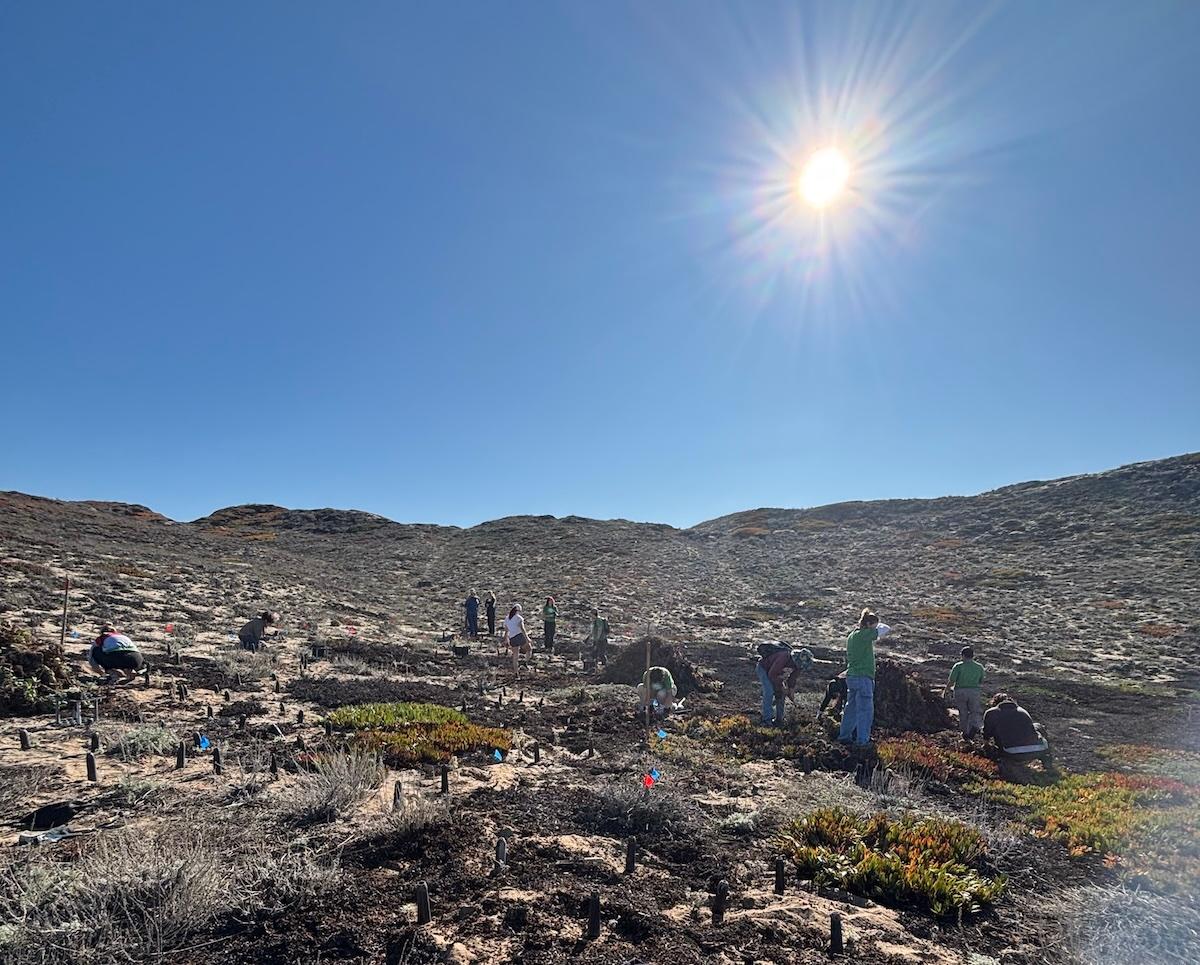
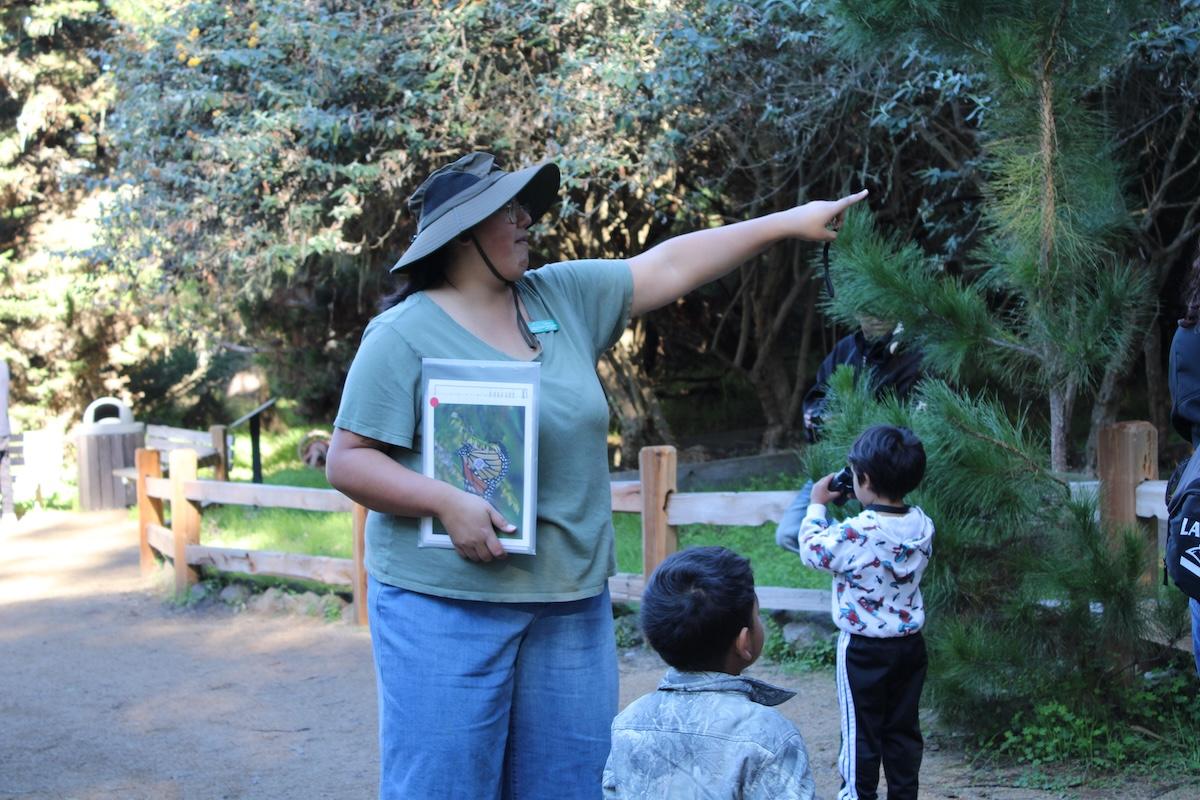
This winter, our team began deepening its commitment to Environmental Education and monarch conservation with a meaningful experience: a visit and guided walk through the Pacific Grove Monarch Sanctuary with our partner organization; the Pacific Grove Museum of Natural History. Seeing monarchs clustered high in the groves - and enjoying a bird-watching-led exploration at the Pacific Grove Marine Gardens, led by HSP - gave our hosts a powerful firsthand look at the species we strive to protect. Also this winter, at Habitat Stewardship Project, we are preparing for upcoming hands-on restoration work at Fort Ord National Monument and the Marina Dunes Preserve, addressing habitat loss and supporting restoration efforts for monarch butterflies and many other species.
The monarch butterfly (Danaus plexippus) is one of North America’s most recognized insects. Its life cycle moves through four distinct stages: egg, caterpillar, chrysalis, and adult. Monarch caterpillars rely exclusively on milkweed, the only plant they can eat, while adult butterflies feed on nectar from a wide range of blooming native flowers.
One of the most extraordinary aspects of monarch biology is their migration. Western monarchs travel from the interior valleys and foothills of California to the Pacific coast each fall, sometimes covering up to 100 miles in a single day and traveling a total distance of 200 - 500 miles to reach overwintering sites such as Pacific Grove. Eastern monarchs, by contrast, complete an epic journey of up to 3,000 miles to the mountains of central Mexico in Michoacan state. These multigenerational migrations remain one of nature’s most astonishing long-distance journeys.
Monarchs play a crucial ecological role as pollinators, supporting diverse plant communities and the wildlife that depends on them. Unfortunately, their populations have plummeted due to habitat loss, pesticide exposure, reduced availability of native milkweed and blooming nectar flowers, and the accelerating effects of climate change. Protecting them means protecting the ecosystems they and others rely on.
Our restoration efforts at Fort Ord and the Marina Sand Dunes aim to increase native plant diversity, expand nectar sources, and improve habitat resilience-actions that directly support monarch and other species’ survival.
How You Can Support Monarchs and Become a Steward
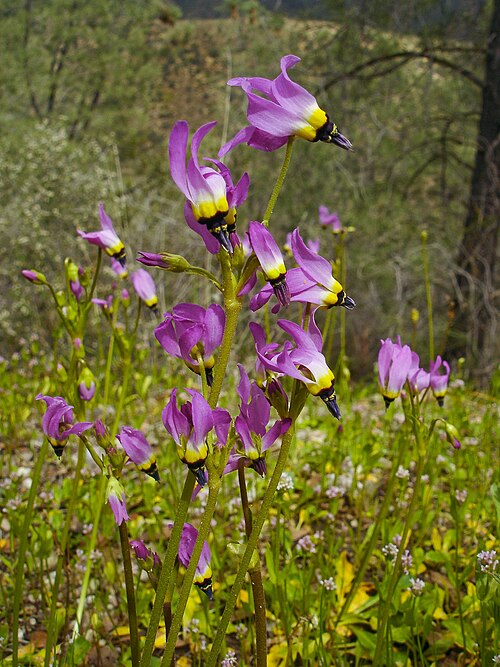
Plant native milkweed and nectar-rich flowers.
Choose local, region-appropriate milkweed species and fall/summer-blooming nectar plants to support both caterpillars and adult butterflies.
Avoid pesticides and herbicides.
Even small amounts can harm monarchs, caterpillars, and other beneficial insects.
Create or restore habitat.
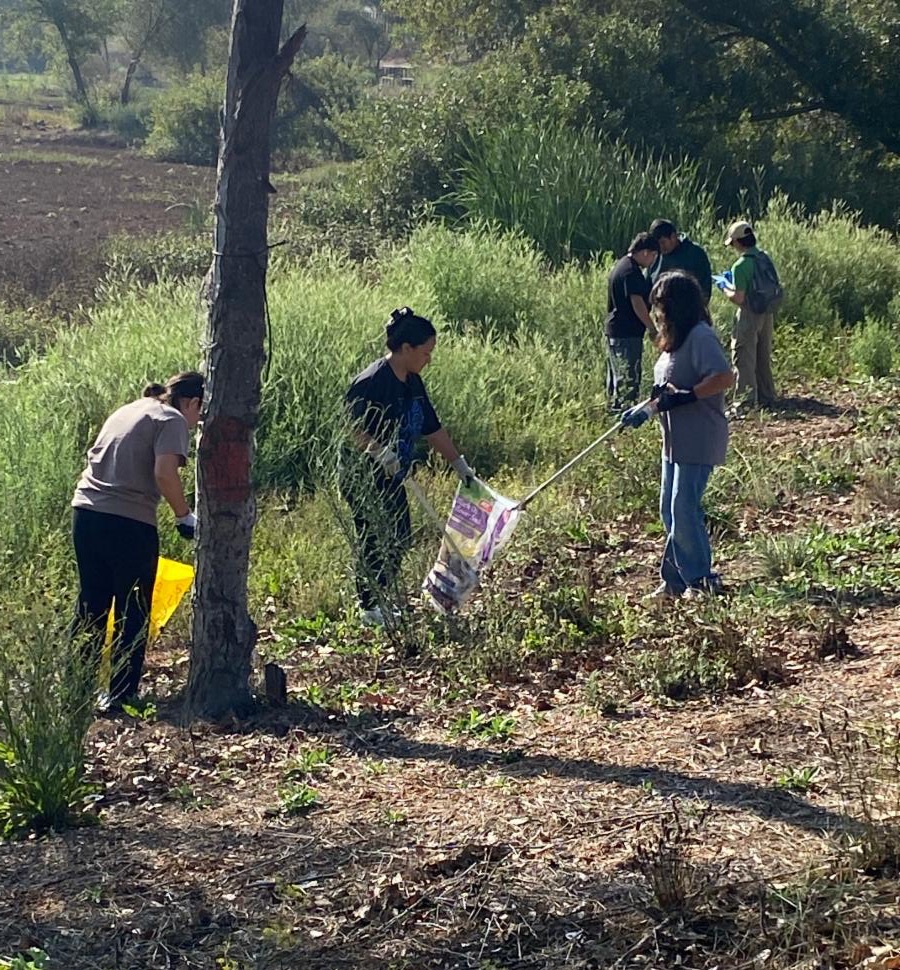
Join community restoration days, help remove invasive plants, or volunteer with organizations improving open spaces and wildlife corridors.
Participate in citizen science.
Contribute monarch sightings, counts, and photos to projects like the Western Monarch Count, Journey North, or iNaturalist. These data help scientists track population trends and migration timing.
Support protected areas.
Visit and advocate for sanctuaries like the Pacific Grove Monarch Sanctuary and participate in local restoration projects with HSP where monarchs rely on safe overwintering habitat.
Share knowledge.
Teach others - students, families, neighbors - why monarchs matter and how easy it is to make a positive impact.
|