|
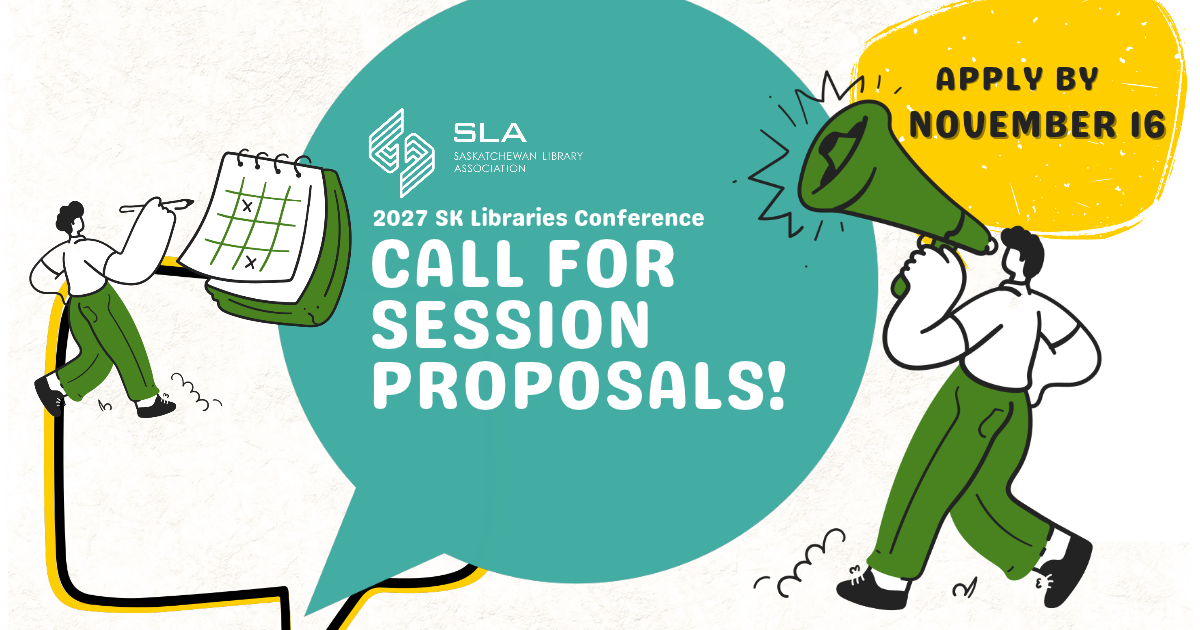
presentations that showcase how libraries contribute to a strong, hopeful, and resilient Saskatchewan.
Have a program, presentation, or expertise to share? We’d love to hear from you!
Proposal deadline: November 16, 2026
All sessions will be held in person. Submissions from Saskatchewan and beyond are welcome.
Don’t miss your chance to be part of the 2027 conference! Submit your session proposal before the deadline.
| | |
Family Literacy Day Grants Open!
Family Literacy Day takes place on January 27 of each year. The goal of this national event is to emphasize the importance of reading and family literacy.
Each year, SLA offers $200 grants to support individual or institutional members who wish to put on Family Literacy Day library programs.
The 2027 theme for Family Literacy Day is “ Craft together, learn forever,” with the idea that crafting helps families build skills through reading, storytelling, and creativity, making learning natural and fun. Applications will be assessed on how well the program aligns with the theme of fostering family literacy.
Applications for the 2027 Family Literacy Day grants open on November 2 and close on November 30, 2026.
To learn more or apply for a grant, please visit the link below.
|
Saskatchewan Library Week a Success
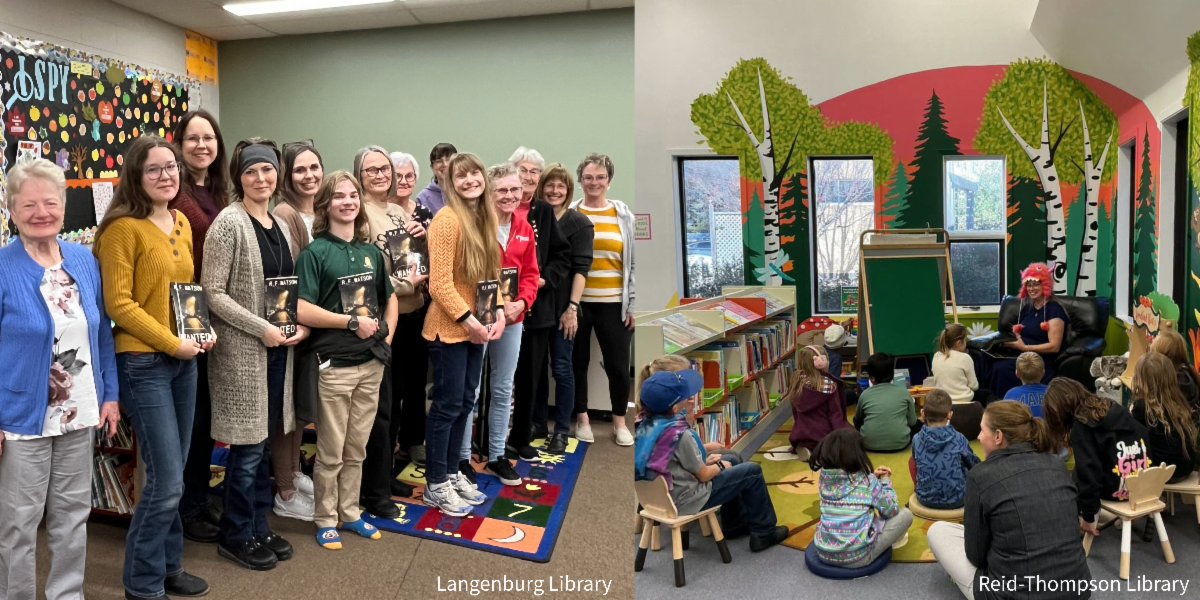
As another Saskatchewan Library Week comes to a close, we extend our heartfelt thanks to libraries across the province for their dedication and creativity in bringing engaging programs and meaningful experiences to their communities.
Thank you for making this year’s celebration a success! We look forward to celebrating with you again next year and seeing more wonderful library programming across Saskatchewan.
| | |
From Data to Decisions: Using Assessment to Demonstrate Library Impact
How can libraries turn data into meaningful stories that demonstrate their value? Join Linnea Richards for a practical and interactive webinar exploring simple assessment strategies to measure library impact, connect services to organizational goals, and communicate results effectively.
Date: November 19, 2026
Time: 12–1 PM
Don’t miss this opportunity to learn practical tools you can put into practice!
Interested in joining us? Click the buttons below to learn more and register!
| | |
SLA External Representative – Saskatchewan Book Awards
Are you interested in representing SLA on the Saskatchewan Book Awards, Board of Directors as a Member at Large?
Saskatchewan Book Awards celebrates, promotes and rewards Saskatchewan authors and publishers worthy of recognition through 14 awards, granted on an annual or biennial basis.
The Saskatchewan Book Awards (SBA) were established in 1993 by founding partners, the Saskatchewan Library Association, the Saskatchewan Writers’ Guild and SaskBooks (formerly the Saskatchewan Publishers Group). For more than three decades, the SBA has been recognizing and celebrating excellence in Saskatchewan writing and publishing through its annual award program.
Saskatchewan Book Awards is the only provincially focused book award program and a principal ambassador for Saskatchewan's literary community, which includes more than 300 writers and 75 book publishers. Its solid reputation for celebrating artistic excellence in style is recognized nationally.
COMMITMENT
Term: 1 renewable term to commence immediately.
SBA Board meetings are held by Zoom on the third Monday of each month, with up to two in-person meetings annually, as needed.
HOW TO GET INVOLVED?
If this opportunity interests you, please submit your Letter of Interest by email to info@saskla.ca, as soon as possible or click the button below.
| | |
• November 2 - Family Literacy Day Grant Applications Open
• November 16 - SK Libraries Conference Proposal Submissions Close
• November 19 - From Data to Decisions: Using Assessment to Demonstrate Library Impact Webinar
• November 30 - Family Literacy Day Grant Applications Close
| | |
Hello, everyone,
Happy November! As we flip the calendar over into this new month, we enter a season known for inspiring contemplation and sharing appreciation all across the country, and I’m not just referring to Christmas coming up in—[leaning in and squinting at the little calendar in the corner of the computer screen, counting silently, lips obviously moving]—eight weeks?! Holy crow, I’d better get on that.
No, I am of course referring to the approach of Remembrance Day on November 11, our annual national observation in memory of Canadian Veterans and service members, commemorated each year on the anniversary date of the Armistice signed in 1918 to conclude the First World War.
As it happens, this year is also the Centenary of the Royal Canadian Legion, celebrating one hundred years since its incorporation by a special Act of Parliament in 1926. This makes for a particularly easy entry point into planning your library displays, events and programming ahead of November 11, and you may well find during your preparations that the Legion branch in your area is celebrating a milestone as well; the Royal Canadian Legion Branch #371 in La Ronge is also celebrating its 65th anniversary this year, for a local example here.
You may or may not find one in your change in time to add it your library displays, but it also bears mention that the Royal Canadian Mint has released a special commemorative toonie design into circulation to commemorate the Legion’s 100th anniversary, which is surely up there among the most Canadian sentences I have ever written in this column.
Now, if you’ll excuse me, I need to go peruse an online marketplace or two so that I can make sure to get an order in. Get… get a few orders in. [A pause of exactly two seconds.] I need to go order exactly one Christmas’ worth of gifts. Goodbye.
Until next time,
James Hope Howard
SLA President
| |
CFLA Policy Update: Understanding Canadian Law Governing Hate
Explore the key highlights of this policy update below.
1. What Canadian law is important for libraries to be aware of?
The Criminal Code defines hatred in Canada at s.319(7) and identifies related offences in sections 318 and 319. Conduct that violates the law has been further developed through case law. In some provinces, human rights law may add considerations, including in Saskatchewan (s.14), Alberta (s.3), British Columbia (s.7) and the Northwest Territories (s.13). For the purposes of libraries, two concepts from the Criminal Code are important, hate propaganda and hate speech.
2. What do these definitions mean for material in library collections?
Most material in library collections has been produced through a “traditional” publishing process that will have considered the risks associated with hate speech, and the material will have been widely distributed in Canada. It is unlikely that traditionally published material will contain content that would be considered hate propaganda in Canada.
There is a small risk of undiscovered content in self-published material if it has not been widely distributed, particularly content originating from gifts and donations and streaming aggregators that are provided by vendors and not curated by the library’s selectors. When material has been widely distributed and talked about in media, it is very likely that concerns about hate would already have been considered by appropriate authorities. Hate propaganda charges under the Criminal Code are brought by the Crown in Canada, and investigations are handled by the police.
If library management believes material received may violate the Criminal Code, consulting with police is appropriate.
3. What can libraries do to prepare for complaints related to hate speech or hate literature?
Libraries should ensure that they have collection policies that address selection, acquisition and deselection of materials, as well as policies that guide how the library handles challenges to items in the collection and procedures for requests for reconsideration.
| | |
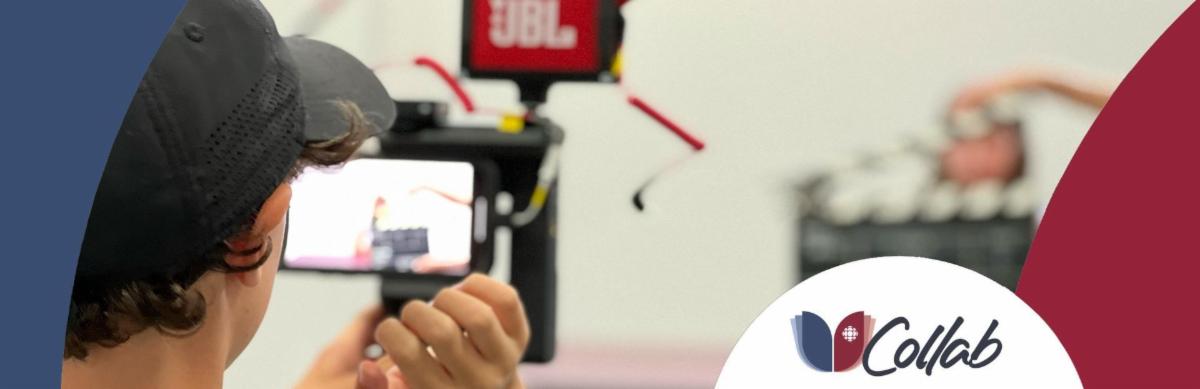
Media Literacy Partnership with Public Libraries and CBC!
The Canadian Broadcasting Corporation (CBC) is inviting public libraries to participate in an exciting national partnership that supports and amplifies their vital role as trusted information hubs in their communities.
The initiative responds to findings from a post-Olympic library survey, where over 80% of staff expressed a need for expanded media literacy resources.
By combining libraries’ strong community relationships and expertise with CBC’s investigative journalism and curated learning materials, this partnership aims to make media literacy accessible, engaging, and impactful as patrons navigate misinformation, digital noise, and AI-generated content.
Libraries can participate through two flexible options:
Option 1: Workshops
-
CBC-Led Virtual Workshop for Teens: Fact or Fake?, co-developed with MediaSmarts, is an interactive workshop that teaches teens how to identify misinformation. CBC facilitators will deliver the workshop virtually from January through March 31, 2027. Read the full workshop overview here.
-
Library Staff-Led Workshop for Newcomers and Adults: AI for Everyday Life, co-developed with Vancouver Public Library, is a ready-to-use workshop featuring on-demand video modules hosted by CBC’s Andrew Chang and supporting resources available in the Digital Toolkit. Read the full workshop overview here.
Option 2: Digital Toolkit
All registered libraries will receive access to a curated Digital Toolkit, available by year-end, featuring:
- Video and Discussion Guide: Curated Curio.ca content to encourage meaningful conversations about AI and media literacy.
- Reference Guide: An AI and Media Literacy FAQ, updated by CBC AI advisors, to support staff in assisting patrons.
- Screening and Discussion Guides: Pre-licensed CBC Gem programs and ready-to-use guides for library screenings.
-
Curated Reading List: CBC Books’ 10 Essential Reads to Understand the Impact of AI, ideal for displays and recommendations.
- Outreach Assets: Promotional graphics and newsletter copy for easy integration into library communications.
Next Steps:
Interested libraries are encouraged to complete the registration form linked below to help gauge interest and support planning. The form also includes CBC’s general terms and conditions.
Registration deadline: Friday, November 13, 2026.
| | |
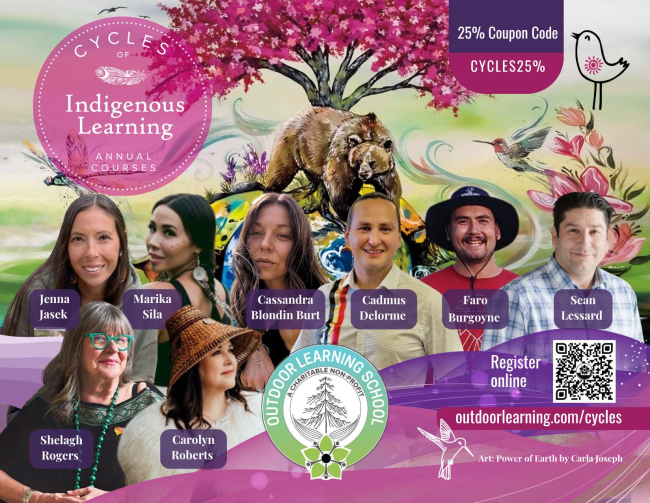
Deepen Your Understanding with the Cycles of Indigenous Learning
The Cycles of Indigenous Learning offers annual online courses designed to deepen your understanding of local Indigenous cultures, histories, knowledge, and perspectives. Through these courses, you can strengthen your connection to the Land and explore meaningful ways to build more reciprocal relationships with Indigenous communities.
Click the Learn More button below to explore the courses and discover how you can get involved.
| |
Upcoming Workshops from The Partnership
The Partnership will be offering three upcoming virtual workshop this November. Please click on the links below for more information or to register.
Shifting Landscapes in Late Career Librarianship
Join a virtual panel of experienced and retired library professionals as they explore the opportunities and challenges of late-career librarianship. Learn strategies for transferring institutional knowledge, staying engaged in advocacy, and maintaining connections with the library community after retirement.
Whether you’re planning your next chapter or exploring future possibilities, gain practical insights on building a lasting legacy in librarianship.
Date: November 17, 2026
Time: 12:00pm – 1:00pm ET
| | |
Culture of Belonging: Building Inclusive Libraries
Can the hiring process be more inclusive, accessible, and empathetic? This two-part virtual workshop explores equitable hiring and onboarding practices, examining how they differ from traditional approaches and how they can foster meaningful connections with applicants.
Discover the Building Inclusive Libraries Toolkit, developed by library administrators and a successful candidate, and learn practical strategies to create more inclusive hiring experiences—from job postings and interviews to job offers and onboarding. Gain insights and resources to adapt these approaches to your own workplace.
Dates: November 19 & 26, 2026
Time: 11:00am – 12:30pm ET each day
| |
Explore Creativity Through Photography and Drawing
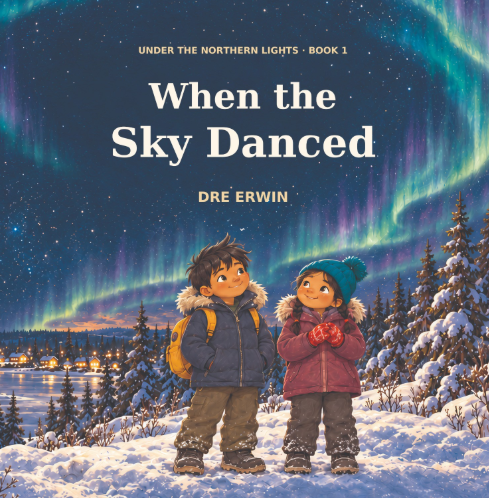
Dre Erwin, a primary care nurse, photographer, and founder of the Pinehouse Photography Club, has created simple photography and drawing activities for educators and library staff working with young people, especially in northern rural communities. These resources inspire creativity, connection, and hope and can be used independently, with no workshop booking required.
Please click the button below to learn more and explore the Teachers and Students resources.
| |
Your SLA Membership Comes With 5,000+ Ways to Save!
Did you know your SLA membership gives you access to Perkopolis?
As an active Individual SLA member, you can unlock more than 5,000 exclusive discounts and offers through Perkopolis, from health and wellness to travel, entertainment, everyday essentials, and more!
More Savings. More Perks. More For You.
Whether you want to save on what you already enjoy or discover something new, Perkopolis makes your SLA membership work even harder for you. And the best part? Your access is already included with your SLA membership!
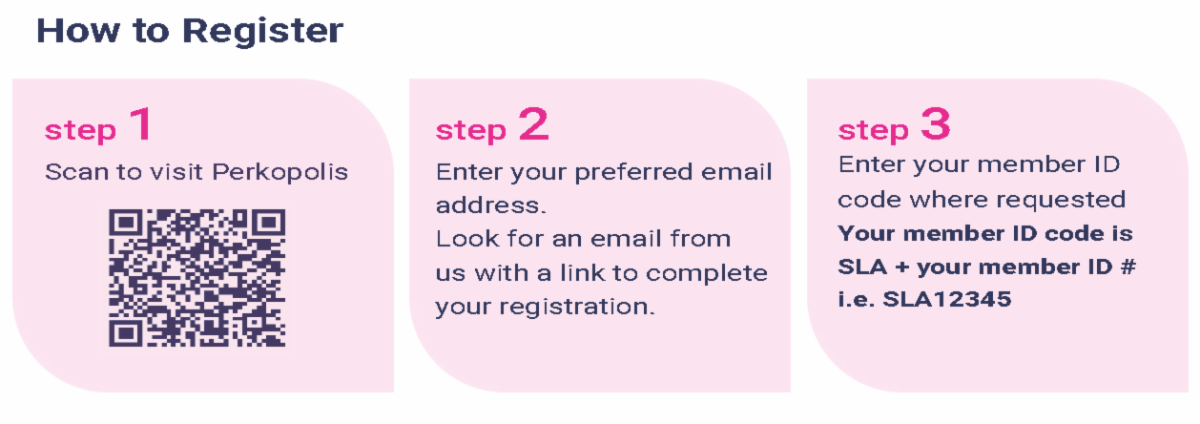
If you haven’t joined Perkopolis yet, getting started is easy. Create your account, explore the offers, and start saving.
There’s Even More to Explore
Perkopolis is just one of the many benefits available through your SLA membership.
Want to see what else your membership has to offer? Visit us online using the button below and explore all your exclusive member benefits.
| |
SLAte Submissions
Do you have something you’d like to see in SLAte? Send us your submission! The deadline for SLAte submissions is the 20th of each month, and submissions must be emailed to Marielle Escover at MEscover@saskla.ca. SLA reserves the right to change or edit any submission, or to refuse publication in its entirety.
SLAte is an open-access publication under a Creative Commons Attribution CC BY-NC-ND copyright license, excluding all logos and other material where indicated.
| | | | | |