Bhutan Foundation | May 2024

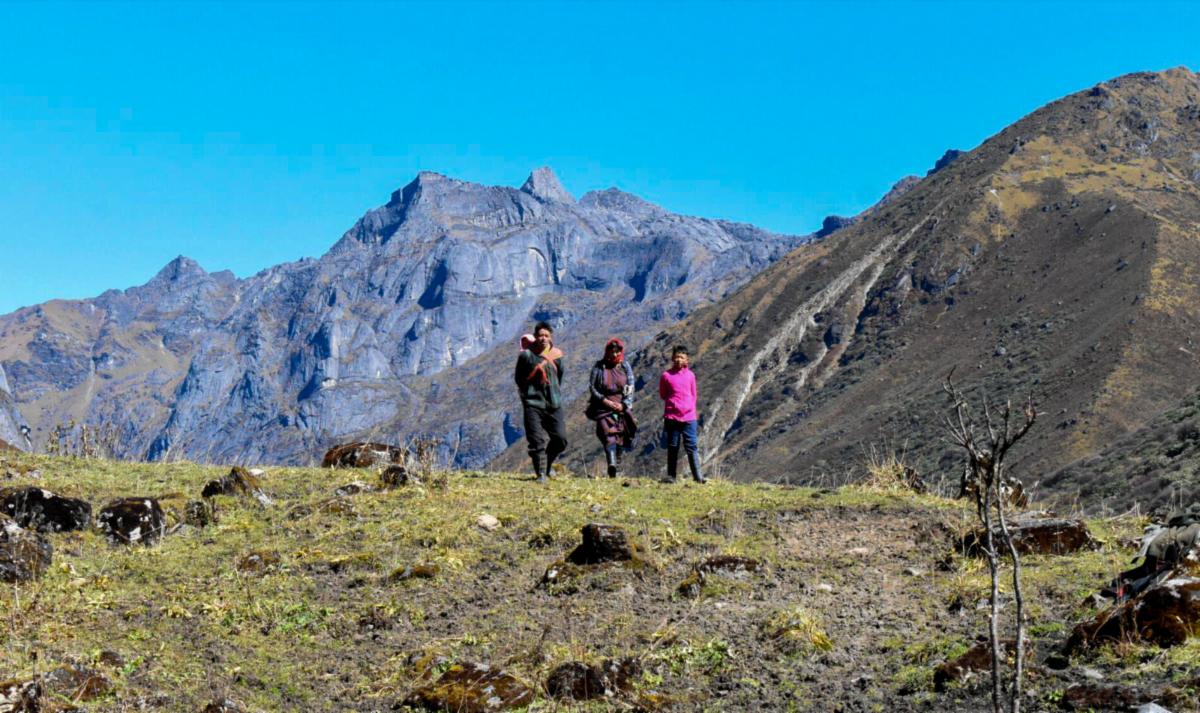
Nomadic residents make their way towards the health camp


Bhutan’s constitution guarantees free basic education and healthcare to every Bhutanese citizen. Yet, there are gaps that need to be filled to ensure equitable access to both. Our efforts, from special education in Samtse district in the south, to healthcare in remote nomadic regions in central Bhutan, showcase our commitment to community building and improving lives across Bhutan. Furthermore, integrating the age-old practice of traditional medicine with modern allopathic medicine offers better choices for patients in southern Bhutan. Come join us as we share a report from recent field visits - you will see how these programs are bringing about positive impact.

Nurturing Every Child’s Potential

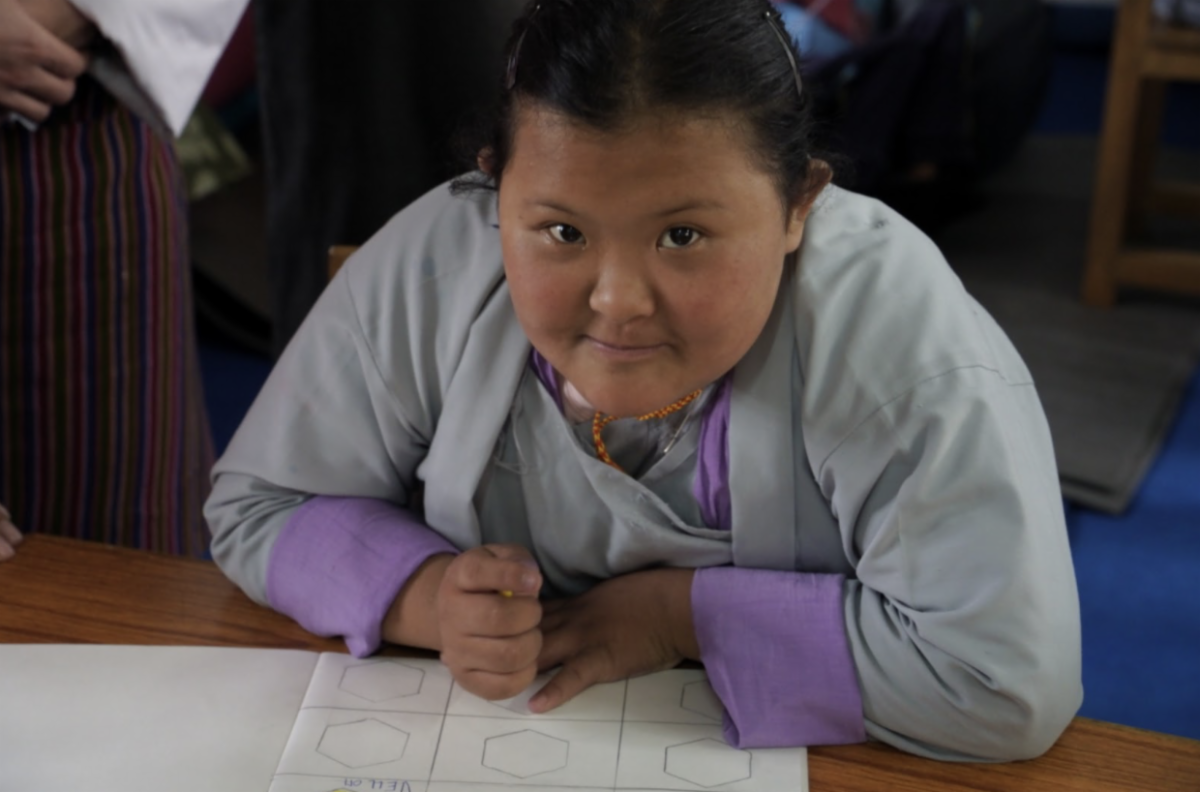
Student taking a Special Education Course at Tendruk School

The primary goal in our special education program is to ensure that every child with a disability receives the support they need to realize their potential and become active, valued members of society, equipped with skills and confidence equal to their peers.


At Tendruk Central School in Samtse district, 64 out of its 1255 students have some form of disability. Despite limited resources, the school’s special education teachers, parents, and the community have shown remarkable dedication in supporting these children.


During our visit, we met Sushmita, a bright girl with cerebral palsy (CP) who was abandoned by her parents when they discovered her condition. She lives with her devoted grandmother in a modest one-room apartment, funded by the school’s Special Education Needs (SEN) Unit. Despite their limited resources, the SEN Unit managed to raise small amounts from generous contributors to provide for Sushmita and others like her with limited resources.


In a classroom filled with other children with special needs, Sushmita sat on a bean bag chair, her eyes following visual cues from her teacher. Her determination and the unwavering support from her teachers were deeply inspiring, showcasing the impact of compassion and community support. Equipped with the right skills and training, these teachers make a profound difference in the lives of children like Sushmita.


In late April, we conducted a series of training for facilitators from four Early Child Care Development (ECCD) centers. Despite facing significant challenges such as resource shortages, community awareness, and facilitator shortages, the ECCD facilitators are tirelessly implementing what they learnt during their training now. By building the capacity of ECCD facilitators, we aim to ensure early detection and intervention, setting children on the right path to enjoy their childhood fully. The trained facilitators can now reach out to more children like Sushmita.

Taking Healthcare to Underserved Communities

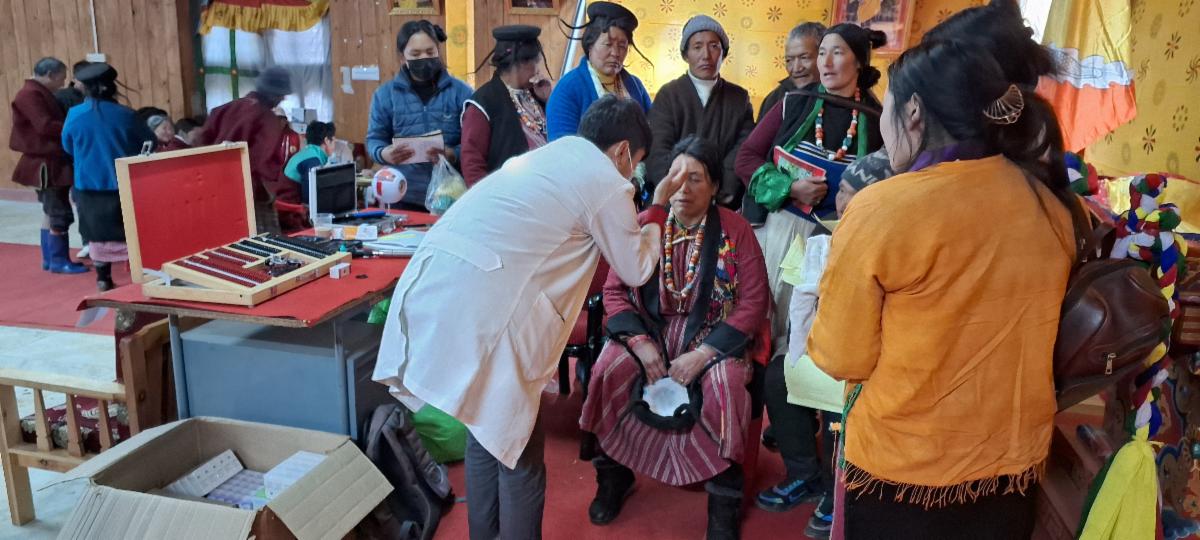
Residents line up to receive medical care at a Nomad Health Camp

In the remote highlands of Bhutan access to healthcare is not a given—it's a journey. The Bhutan Foundation’s Annual Nomad Health Camps are vital to these high-altitude territories, delivering essential health services to those who are otherwise nearly unreachable.


This year, the camp reached over 371 nomads in Khangthang, Tshabji, Tekchen, Tshampa, Bubsar, Lamthrang, and Nyontong (Northern Central Bhutan). Led by a diverse team of medical professionals including general surgeons, traditional medical specialists, dental surgeons, and physiotherapy technicians, the camp's mission was clear: to provide comprehensive healthcare ranging from immunizations and dental care to minor surgeries and traditional medicine treatments.


Beyond addressing immediate health concerns, the camp also served as a vibrant educational platform. They imparted knowledge on disease prevention and healthy living, empowering communities with tools for sustained well-being. Our experts conducted vital water testing in all eight highland communities in Bumthang, guiding the nomads on purification methods and safe water practices to mitigate waterborne diseases.


The impact of the Nomad Health Camp is profound, transforming access to healthcare into a journey of empowerment and education. As we reflect on the lessons from these visits, we are reminded of the broader mission to foster a healthcare system where no community is too far, and no terrain too daunting.

Integrating Traditional and Modern Medicine in Bhutan

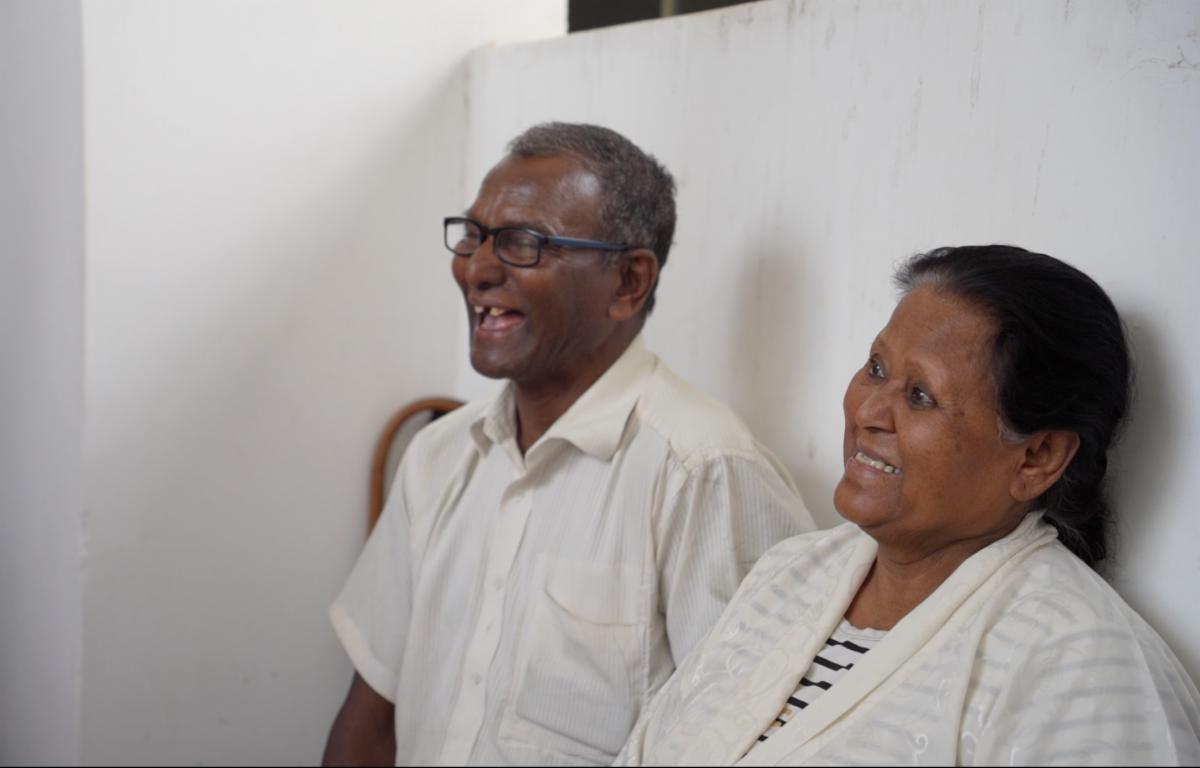
Man Maya and her husband share a lighter moment after an acupuncture session in Samtse

In collaboration with the Division of Traditional Medicine, we also brought acupuncture to a wide population through health camps in southern Bhutan. These camps have reached over 7,467 patients through more than 37,335 sessions in five different districts (Dzongkhags).


One particularly inspiring story is that of Man Maya Darjay. After enduring severe pain and mobility issues following a thigh surgery, she traveled from her village to Samtse Hospital, hopeful for relief from a visiting acupuncture specialist. The first day of the camp brought no changes, but by the third day, Man Maya experienced a remarkable improvement. She regained the ability to walk and use the toilet independently after just three sessions.


Man Maya's transformation underscores the profound impact of integrating traditional practices like acupuncture with modern medicine. These health camps not only provide immediate relief but also demonstrate the potential of a more holistic approach to healthcare in Bhutan. Through these initiatives, we are bridging gaps in the healthcare system and offering new hope. 


With Best Wishes,

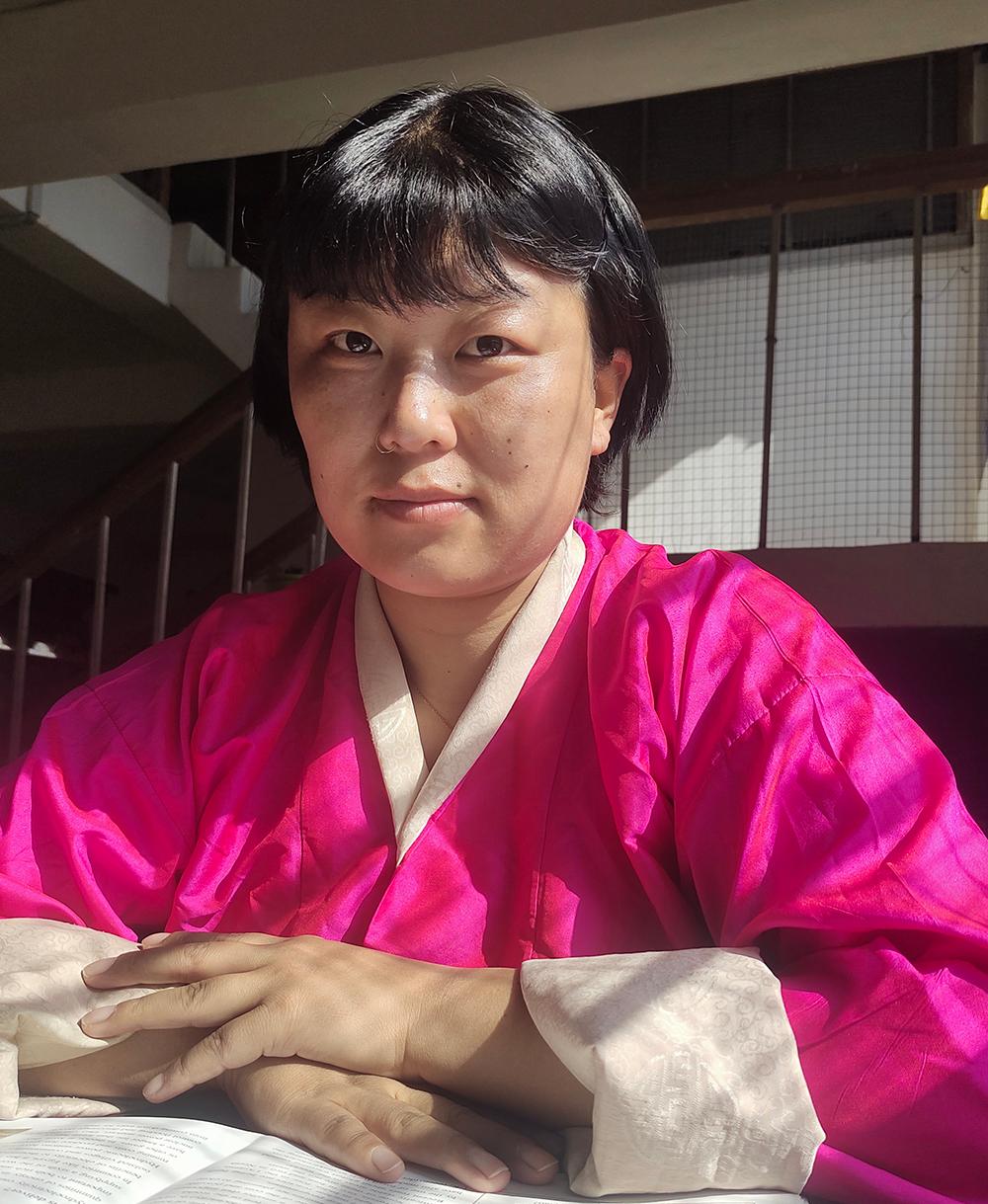
Phenki

Program Officer


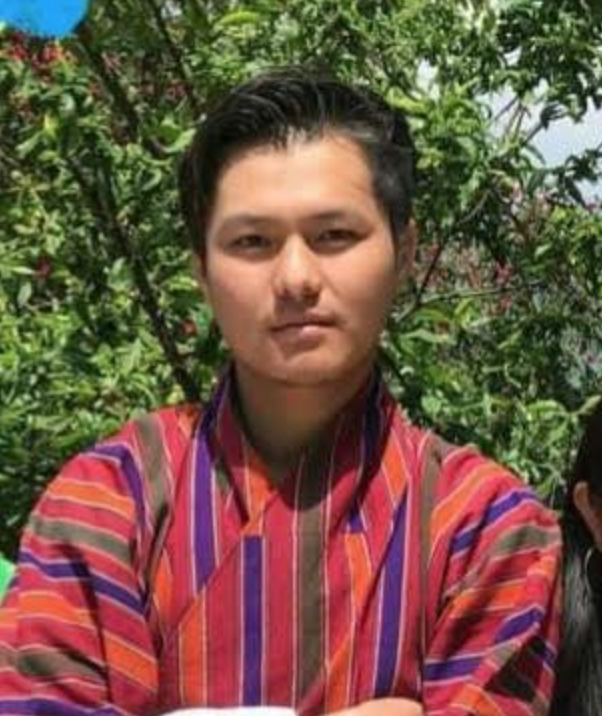
Tshewang Dhendup

Associate Program Officer


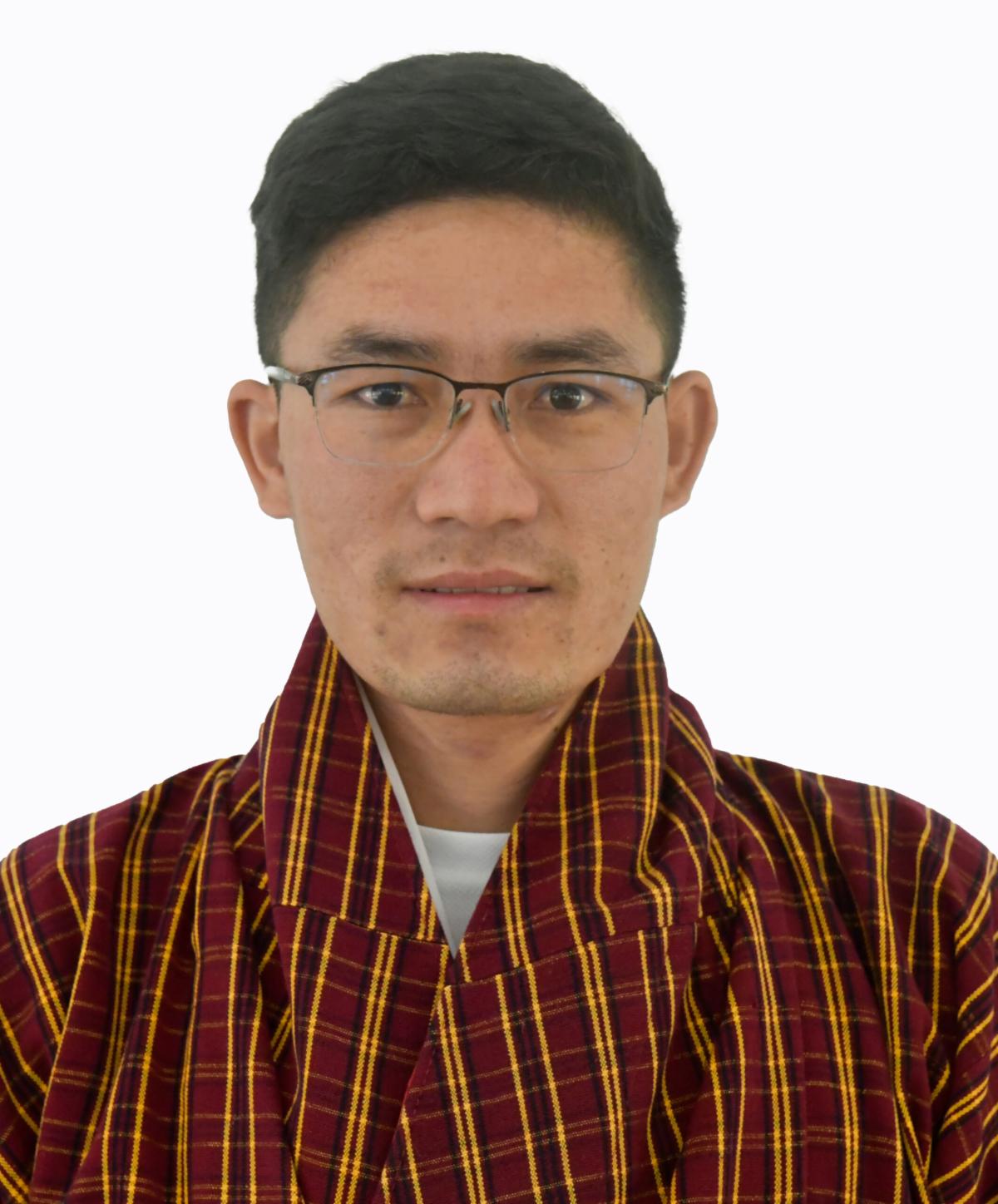
Lungten

Associate Program Officer


Donate to Our Programs Today!
 
 
Facebook  X  Instagram  YouTube  LinkedIn