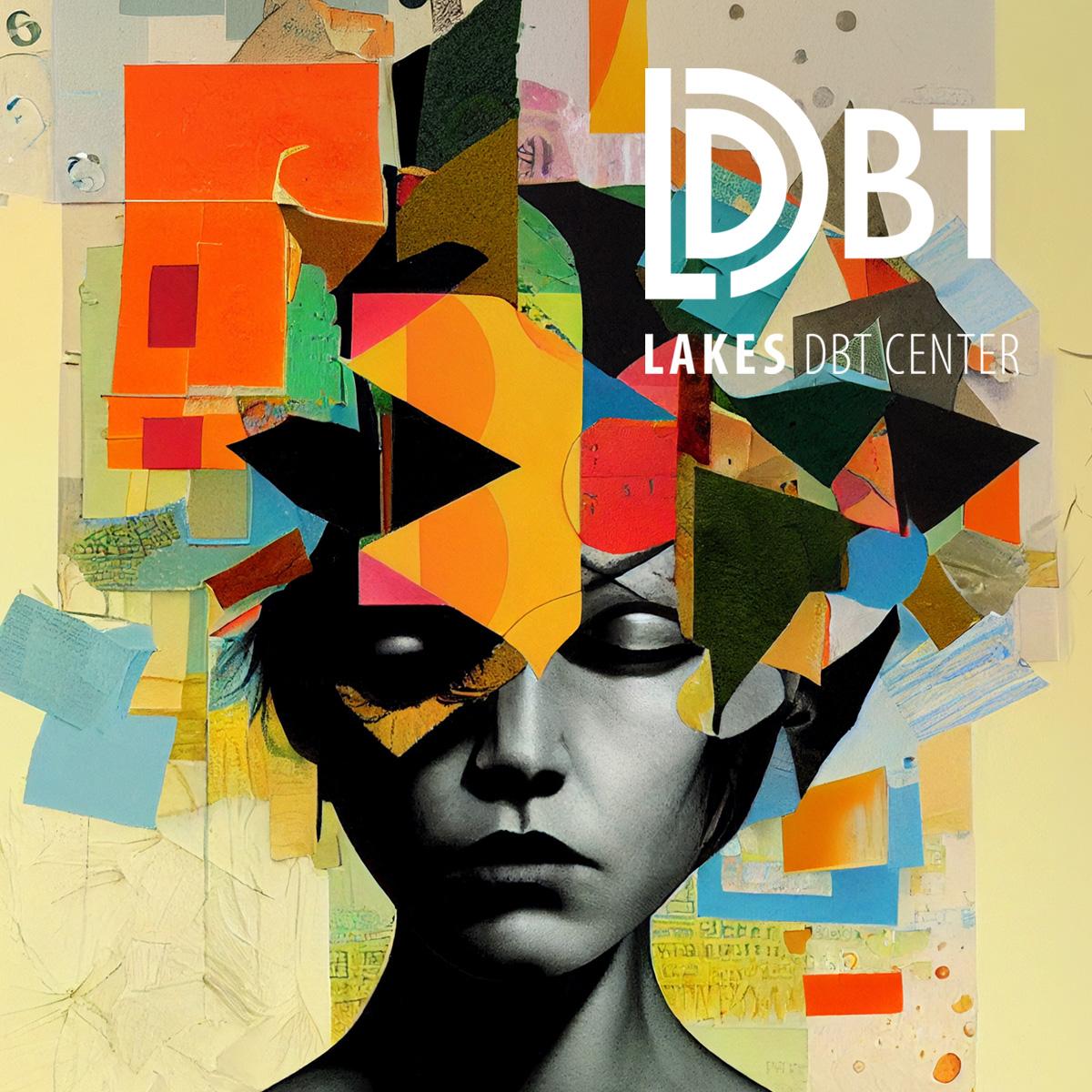
UNDERSTANDING NARCISSISTIC ABUSE AND ANTAGONISTIC RELATIONAL STRESS 

In recent years, mental health professionals have increasingly recognized the profound impact of relational dynamics on psychological well-being. Among the most challenging of these are experiences involving narcissistic abuse and what clinicians often describe as antagonistic relational stress (ARS). For individuals navigating these patterns, the journey can feel isolating and disorienting – but healing is possible. Healing is a unique and personal process and so are its goals. Leaving a relationship is not always desired or possible. However, restructuring how we engage with the antagonistic person is always an option. 


What Is Narcissistic Abuse? 

Narcissistic abuse occurs within relationships of any kind where one person exhibits patterns of manipulation, lack of empathy, and/or a persistent need for control or validation. It occurs on a continuum of severity. These behaviors may include gaslighting (causing someone to doubt their perception of reality), emotional invalidation, blame-shifting, and cycles of idealization followed by devaluation. Over time, individuals on the receiving end often report confusion, lowered self-esteem, anxiety, and difficulty trusting their own instincts. 


While the term is widely used in both clinical and popular discussions, it is less about diagnosing a specific personality disorder and more about recognizing harmful relational patterns. Naming these experiences can be a powerful step toward regaining clarity and a sense of self. 


Understanding Antagonistic Relational Stress 

Antagonistic relational stress refers to the emotional and physiological strain that arises from ongoing conflict, hostility, or power struggles in relationships. Unlike typical disagreements, these interactions are often persistent, emotionally charged, and leave little room for repair or mutual understanding because, among other things, they are not balanced. One person seems always to have an upper hand and more power than the other. Over time, this chronic stress can impact sleep, concentration, mood regulation, and even physical health. 


Individuals may feel constantly “on edge” or hypervigilant, anticipating criticism or conflict, “walking on eggshells”. This state of heightened alert can exhaust the body’s stress response system and contribute to symptoms such as irritability, emotional numbness, or withdrawal from others. 


In antagonistic, disagreeable, or narcissistic environments, individuals may find themselves caught in cycles of conflict and confusion, alternating between attempts to resolve issues and efforts to avoid confrontation altogether. This push-pull dynamic can deepen emotional distress and make it harder to seek help. 

Importantly, these experiences are not a reflection of personal weakness. They are understandable responses to prolonged emotional strain. Recognizing this can help reduce self-blame and open the door to healing. 


At Lakes Center, We Understand this Dynamic and Now Offer Specialized Group Support  

In Recovery from Narcissistic Abuse, our structured, clinician-guided group, participants have the opportunity to share experiences, validate one another, and learn about the relationship dynamics that affect their every day. Hearing others articulate similar struggles can help reduce feelings of isolation and reinforce the understanding that “it’s not you” and "you're not alone.” 


This specialized group focuses, among other, on: 

  • Providing education about narcissistic/antagonistic personality patterns and core abuse dynamics 
  • Identifying and understanding the symptoms that correlate with these types of dynamics  
  • Healing traumatic relational wounds, current and past 
  • Dismantling self-blame narratives 
  • Rebuilding a coherent and authentic sense of self 
  • Developing a personalized comprehensive prevention strategy 


The collective nature of the group can foster connection and resilience, offering a counterbalance to the isolation often experienced in antagonistic or abusive relationships. 


Moving Forward 

Healing from narcissistic abuse and chronic relational stress takes time, patience, and support. A compassionate therapeutic environment – especially one that includes group support – can help individuals regain their sense of identity, rebuild confidence, and develop healthier relational patterns. 


If you or someone you know is navigating these challenges, reaching out for professional support can be an important step toward recovery. With the right tools and community, it is possible to move from survival toward a more grounded, empowered way of living. 


If this topic resonates with you, consider exploring whether a clinician-led support group could be a helpful next step in your healing journey.  


Attending this group does not conflict with any other therapy you may be engaged in. Care will be coordinated with your current therapist.


Note: Group available by referral from your LC provider only


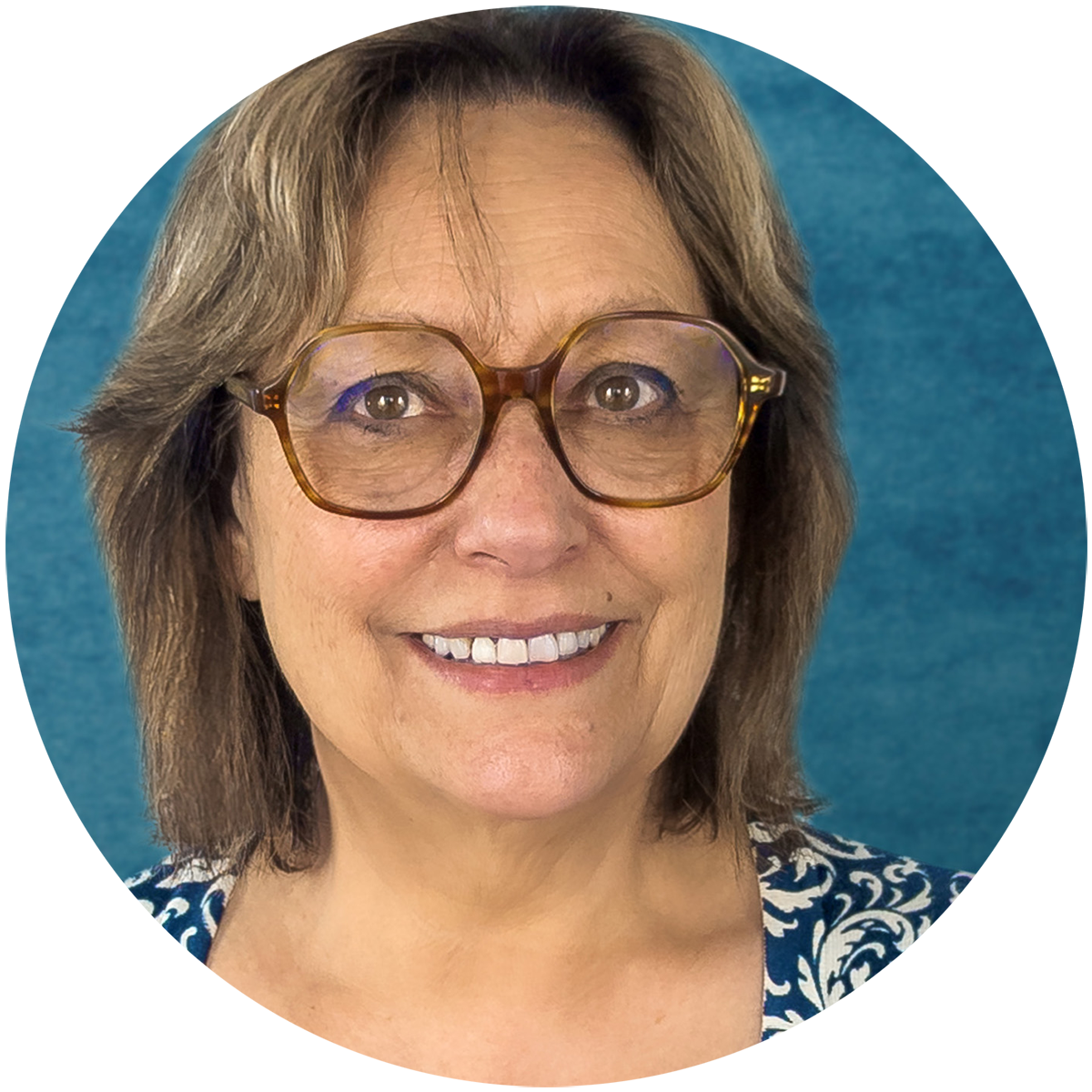
For information, please contact Marina Pesserl, PhD, LPC at MPesserl@lakescenter.com 


Marina Pesserl, PhD, LPC

Licensed Professional Counselor

Lakes Center Mental Health Network


The Mental Health Benefits of Having Something to Look Forward To

Sometimes, one of the simplest ways to improve your mental well-being is by planning something enjoyable. Research has shown that looking forward to a positive experience can boost mood, reduce stress, and create a greater sense of hope, even before the event takes place.


Your plans do not have to be elaborate or expensive. Small moments of anticipation can have a meaningful impact on your emotional health.


This month, try adding something to your calendar that brings you joy:

  • Plan a picnic, hike, or visit to a local park
  • Schedule lunch or coffee with a friend
  • Pick up a hobby you've been meaning to try
  • Set aside time for a favorite book, movie, or creative project


Giving yourself something to look forward to can help break up stressful routines and create moments of positivity throughout the month.


Read More...


Say Hello to David Rigo


We are excited to welcome David Rigo, LLP, to the Lakes Center family! Mr. Rigo is a thoughtful, collaborative psychotherapist who works with teens, adults, older adults, and couples – offering both in-person and telehealth sessions. Grounded in psychoanalytic psychotherapy, he brings expertise in everything from relationship dynamics and grief to personal growth, with a special focus on helping boys and men navigate the unique pressures they face. Whether you're working through longstanding patterns or looking for a safe space to grow, Mr. Rigo is here to help you build a more authentic, flexible path forward.


To set up an appointment, contact Mr. Rigo at (248) 921-2048.


NEW ONLINE GROUP!
Recovery from Narcissistic Abuse


Lakes Center is launching a new ongoing, virtual therapy group for anyone healing from past or current Narcissistic Abuse (NA) or Antagonistic Relational Stress (ARS). Meeting every Tuesday from 5:00 pm to 7:00 pm, this small group (8–10 participants) offers a supportive space to work through topics such as safety and stabilization, trauma processing, boundary building, identity reclamation, and nervous system regulation. Members move through the group at their own pace, graduating as they reach their personal goals to welcome new members into the fold.


This group is open to individuals experiencing relational trauma symptoms, including those with diagnoses like PTSD, anxiety, depression, or adjustment disorders.


Note: This group is currently by referral from your LC provider only. Current patients should coordinate directly with their clinician. We’re here to help!


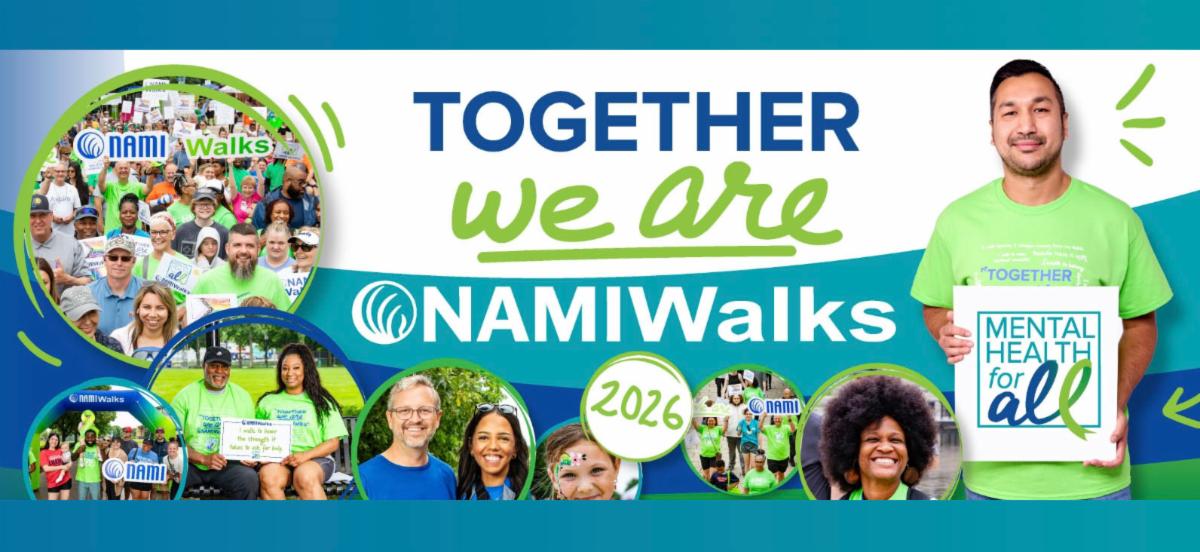
Join Team LCMHN for NAMIWalks Michigan 2026!


No one should have to navigate mental health challenges alone. That’s why Lakes Center is lacing up for NAMIWalks Michigan 2026, and we invite you to be by our side as we walk to break the stigma, raise awareness, and bring hope to our community.


NAMIWalks brings together individuals, families, providers, and advocates who are committed to reducing stigma and creating a world where no one faces mental health challenges alone.


Event Details:

Saturday, September 19, 2026

University of Detroit Mercy, 4001 W. McNichols Rd., Detroit, MI 48221

8:00 a.m. - Noon


How to Get Involved:


Whether you walk, donate, or make some noise on social media, every step powers NAMI’s mission for a healthier, more compassionate community. Let’s do this together!


Mental Health Tip:

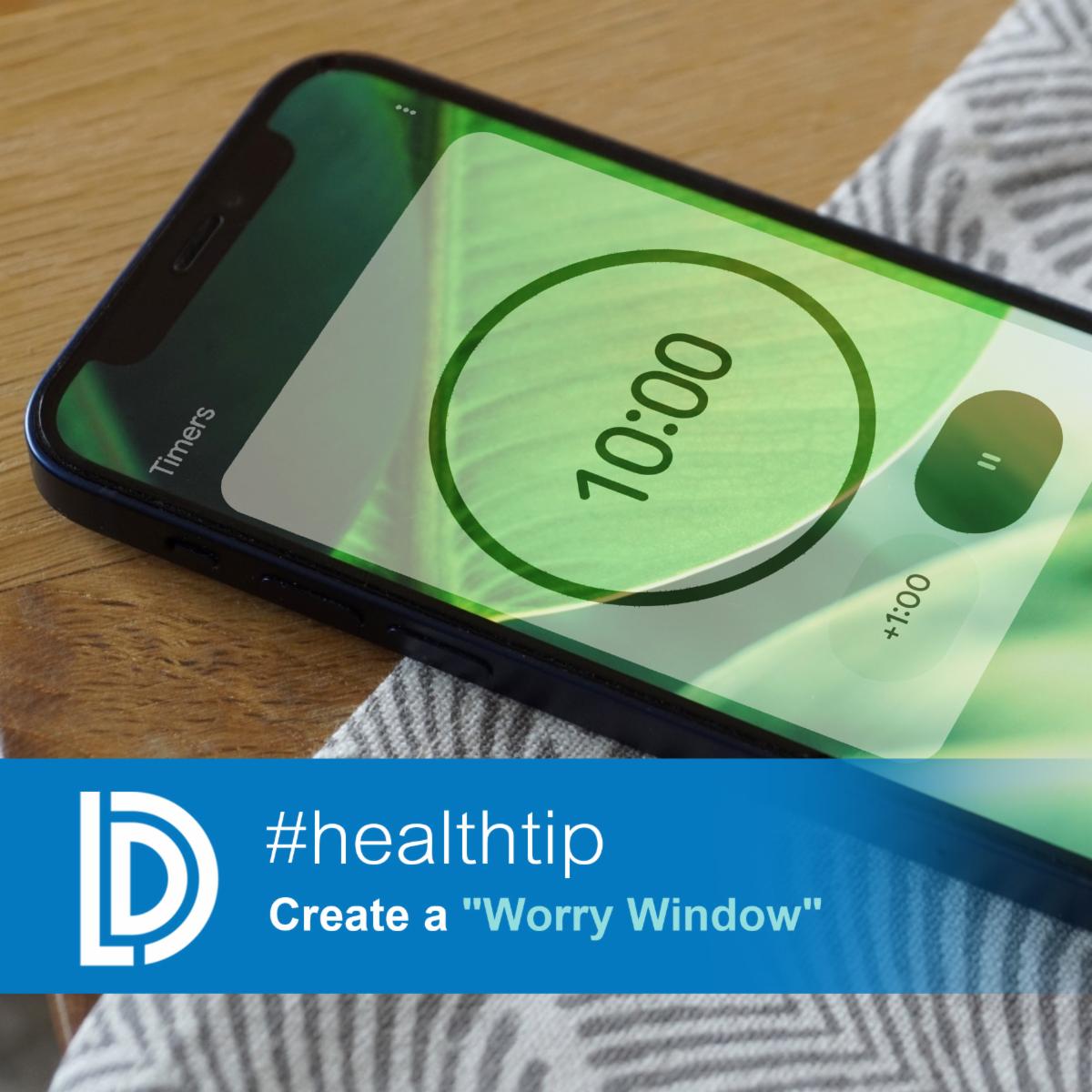
Create a "Worry Window"


Set aside 10 minutes each day to manage your worries instead of carrying them all day.


If worries constantly pop into your mind, try scheduling a specific "worry window." When anxious thoughts appear throughout the day, simply remind yourself that you'll think about them during your scheduled time.


When your worry window arrives:

  • Write down what's bothering you
  • Ask yourself what you can control today
  • Make a plan if action is needed
  • Let go of worries that are outside your control


Many people find that by the time their scheduled worry time arrives, some of those concerns no longer feel as important.

Mental Health Tip:

Protect Your Peace by Setting Healthy Boundaries


Many of us feel pressure to always be available or say yes to every request. Setting healthy boundaries helps protect your time, energy, and emotional well-being.


This week, try:

  • Decline a commitment that feels overwhelming
  • Turn off work notifications after hours
  • Schedule uninterrupted time for yourself
  • Remember that saying no to one thing often means saying yes to your well-being


Healthy boundaries are about making space to care for yourself so you can show up more fully for others.


We provide comprehensive psychiatric and psychotherapy services for a vast array of mental health issues, including depression, anxiety, bipolar disorder, psychotic illness, borderline personality disorder, substance abuse/addiction, trauma related issues, relationship difficulties, life transitions, and behavior problems. Call (248) 859-2457 to set up an appointment.
 
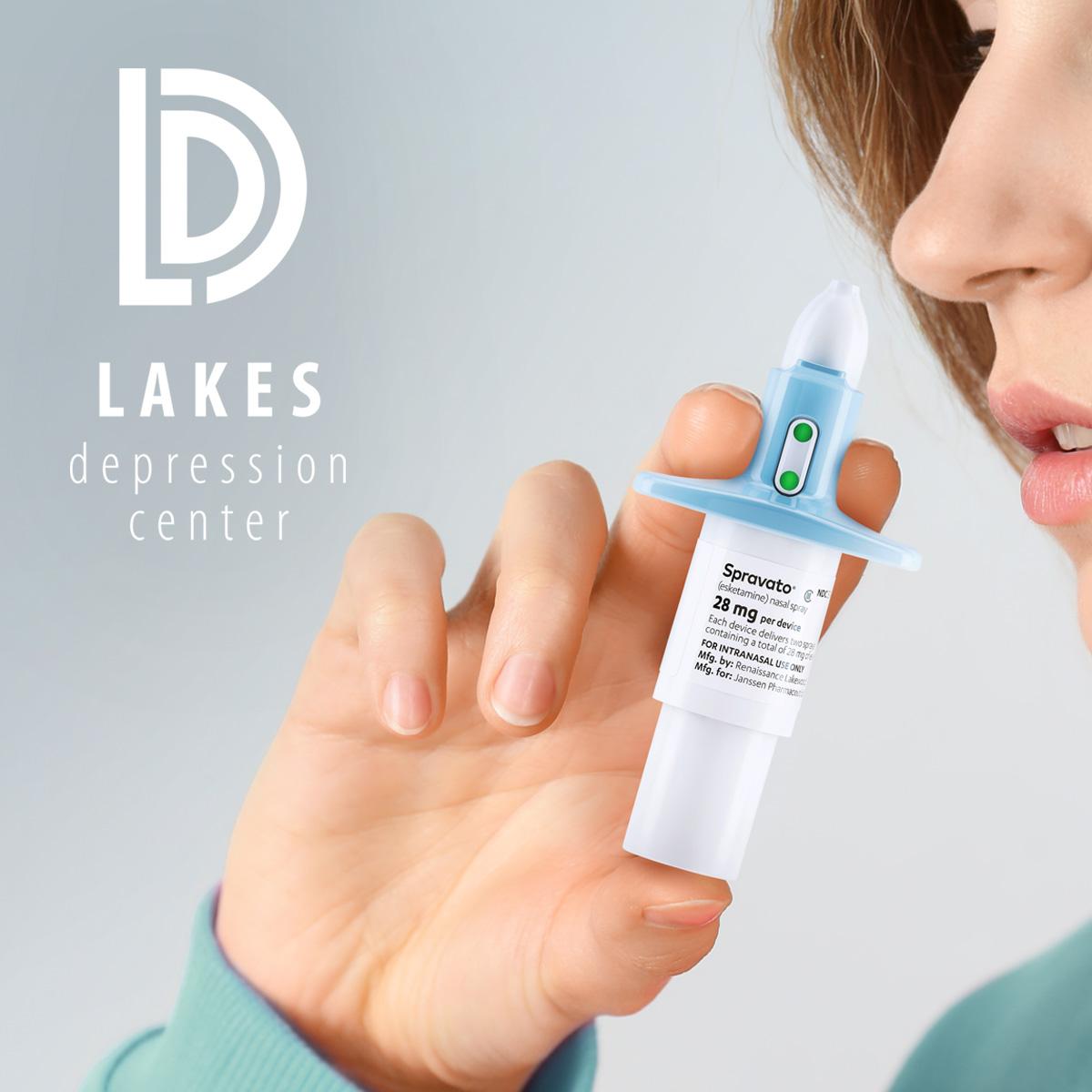
Did you know? SPRAVATO® can have a rapid antidepressant response and is added on to an antidepressant and the rest of your regimen. It is the first new mechanism of action to treat depression that has come out in over 30 years. 
There is hope for treatment-resistant depression. Call (248) 859-2457 to set up an appointment.
 

Lakes DBT

We provide comprehensive DBT services to provide effective treatment of Borderline Personality Disorder (BPD) and other disorders involving emotion dysregulation, including co-occurring substance use disorders, major depressive disorder, and individuals with history of trauma. At Lakes DBT Center, we believe that with effective evidence-based treatment and a caring and coordinated treatment team, clients can create a life they love.


Discovering Wellness:

A Therapy Group for Depression and Anxiety

Tuesdays, 10:30 am - 12:00 pm

Wednesdays 10:30 am - 12:00 pm

(Groups are ongoing)


Groups return to a regular schedule again in September.


Lakes Center, 2300 Haggerty Road, Suite 1170, West Bloomfield, MI 48323


Contact Josephine Salem at JoSalem@lakescenter.com or Catherine DuFresne at CDuFresne@lakescenter.com with any questions and/or to apply for membership.


This is an adult outpatient therapy group treating Depression and Anxiety related mental health disorders. Click here for more information!


OCD/PTSD Online Support Groups:

Networking for Change and Growth

Tuesdays 12:00 - 12:45 pm

Wednesdays 5:30 - 6:30 pm

Thursdays 12:30 - 1:15 pm

(All are Online only)


Contact Terrie Browning at TBrowning@lakescenter.com or (248) 342-9254.

To Sign Up: Call (248) 859-2457 or click here to fill out our Contact Form.


This group is open to people who have OCD, PTSD, Hoarding, Trichotillomania, Excoriation and Tics. We discuss how Exposure and Response Prevention (ERP) works to treat these as well as Generalized Anxiety and Panic Disorders. Since ERP can be difficult to maintain, sharing similar experiences with each other, as well as learning from the leaders will help you stay on the course.


Lindsey Hood, LPC

Licensed Professional Counselor


Lindsey received her Bachelor Degree in Psychology and Sociology from Saginaw Valley State University and went on to earn her Master Degree in Clinical Mental Health Counseling from Western Michigan University in 2019. She has experience in inpatient, outpatient, as well as non-profit community settings. Lindsey enjoys primarily working with adolescents and adults who are struggling to navigate through anxiety, depression, and challenging life changes. 


Throughout her work, Lindsey values holding a warm, judgement-free space to connect with each person.

​

Read more...


Genevieve Taylor, LPC

Licensed Professional Counselor


Genevieve is a fully licensed professional counselor. She received her Master of Counseling degree from Oakland University in 2012, and she received her Dialectical Behavior Therapy (DBT) Certification in 2019. She has worked in a variety of community mental health settings, including a mobile crisis team and in a residential substance abuse treatment center. She works with children, adolescents, adults and families in individual as well as group therapy sessions. 


Genevieve holds a safe and compassionate space for individuals to explore, learn and grow.


Read more...


We are located in the Lakes Medical Center

2300 Haggerty Road, Suite 2160 • West Bloomfield, MI 48323

Phone: (248) 859-2457 • Fax: (248) 859-2473 • Billing: (248) 313-9550

info@lakescenter.com • www.lakescenter.com

 
Facebook  Instagram  LinkedIn  Web

© Lakes Center, August 2026