|
Do You Want to Be Heard, Helped, or Hugged?
Coaching Leaders Through the Real Work of School Improvement
Having served as a principal, I know how lonely school improvement can feel. Even with a strong team, it’s hard to find someone who can both affirm your efforts and push your thinking. That’s why, as a coach, one of the most powerful tools I now use with leaders is a simple question from Charles Duhigg’s Supercommunicators (2024): “Do you want to be heard, helped, or hugged?” This framework (HHH) brings clarity to coaching conversations and matches beautifully with the three supporting roles coaches play.
-
Leaders who need to be heard benefit from coaching.
-
Those who want to be helped need consulting.
-
Those looking to be hugged often seek collaboration and emotional presence.
This year, I worked with one leader wrestling with district alignment, another struggling to build systems, and one who simply wanted feedback on her staff messaging. Each needed something different, and identifying what they needed first made all the difference.
But identifying emotional needs is only the beginning. Once the type of support is clear, we can begin to diagnose the challenge itself. Harvard’s Adaptive Leadership (2009) model reminds us that some problems are technical, solved with systems and tools, while others are adaptive, requiring shifts in mindset, beliefs, and behavior. A technical issue like tardiness might be solved with a new bell schedule. But an adaptive challenge, like resistance to equity practices, requires relational work and long-term learning. Leaders at every level, including those without formal titles, benefit from naming what kind of challenge they’re facing and what kind of support they need to lead through it.
To bring this framework into coaching conversations, I rely on targeted questions to help leaders reflect and respond with clarity. Matching the right question to the nature of the challenge creates focus, direction, and confidence.
For technical challenges:
-
What system or resource do you already have that could help?
-
Who has handled this well before, and what can you borrow from them?
-
What is one concrete step you could take today to move forward?
For adaptive challenges:
-
What conversations aren’t happening yet that need to?
-
Whose perspective is missing here?
-
What belief or mindset might need to shift for progress to happen?
You can also make the HHH framework a visible and practical part of your leadership routines. Whether working one-on-one or with a team, these small shifts build relational trust and strategic thinking.
-
Start coaching sessions by asking: What would feel most helpful today—do you want to be heard, helped, or hugged?”
- Use the HHH check-in during Collaborative Learning Teams (CLTs) to humanize the work and open up authentic dialogue to move the work forward.
-
During planning or problem-solving, pause to ask: “Is this a technical issue or an adaptive challenge?” This builds intentionality before jumping to solutions.
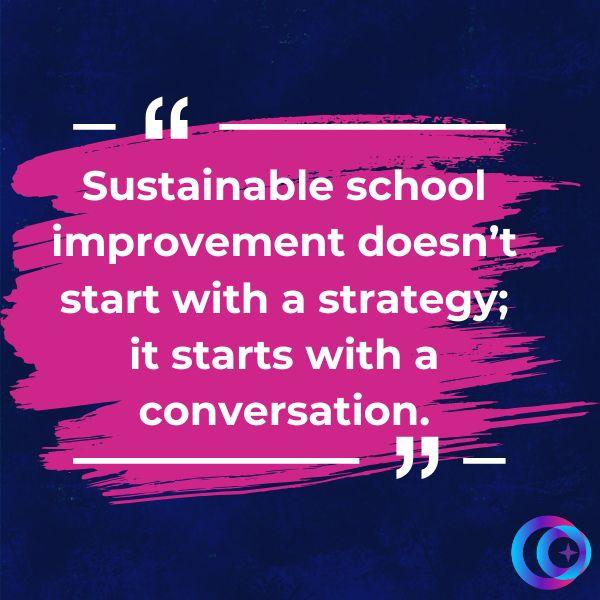
The combination of relational presence and diagnostic thinking is what allows leaders to move from feeling stuck to finding traction. Sustainable school improvement doesn’t start with a strategy; it starts with a conversation. And sometimes, all it takes is one question to unlock the next step forward.
Whether you’re coaching leaders, building capacity in teams, or navigating your own next step, you don’t need to have all the answers. But you do need a framework that centers on empathy, strategy, and presence.
Start with this one simple question:
Do you want to be heard, helped, or hugged?
Written by Jessyca Lucero-Florez
Associate at Creative Leadership Solutions
|