|
Strengthening Surgical Care for Older Adults:
The Vital Role of the ACS Geriatric Surgical Verification Program
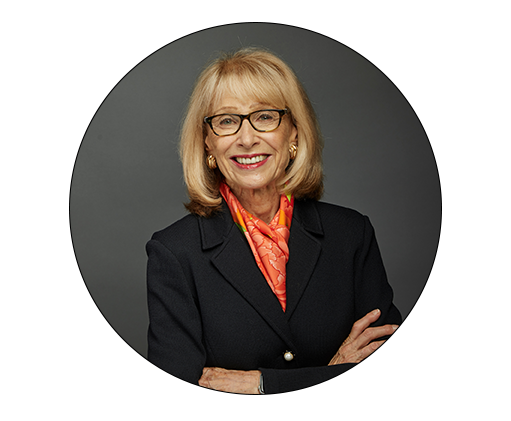
Michael Bencur, MLIS, CSPO®
Project Manager, Geriatric Surgery Verification (GSV) Program
American College of Surgeon
As the population ages and Americans live longer than ever before, healthcare systems face increasing challenges in delivering optimal care to older adults, especially as it pertains to surgery. The American College of Surgeons (ACS) has long been at the forefront of setting the standard for high-quality surgical care and created its Geriatric Surgery Verification (GSV) Program to improve outcomes for older adult patients, reduce length of stay and the chance of postoperative delirium, and, ultimately, lower the cost of care for hospitals. The Centers for Medicare & Medicaid Services (CMS) predicated its Age-Friendly Hospital Measure on the ACS GSV program. ACS has tailored its GSV program to assist hospitals in meeting this regulatory requirement while elevating the care for patients aged 65 and older in meaningful, measurable, and patient-centered ways.
The Importance of the ACS GSV Program and Its New Age-Friendly Level
The ACS GSV Program has made significant efforts to embed best practices for the care of older surgical patients into its program requirements. Built on evidence-based surgical standards that address resources, quality improvement, safety processes, and data collection, the GSV Program provides hospitals with a structured approach to improving surgical outcomes for older adults.
The new ACS Geriatric Surgery Verification (Age-Friendly) Level aligns directly with the requirements of the CMS Age-Friendly Hospital Measure which is mandatory for hospitals participating in the CMS Hospital Inpatient Quality Reporting (IQR) Program as of January 1, 2025.
What makes this new offering so pivotal is its simplicity and practicality. The GSV (Age-Friendly) Level comprises six standards:
- Age-Friendly Care Leadership
- Treatment and Overall Health Goals
- Geriatric Vulnerability Screens
- Management Plan for Patients with Positive Geriatric Vulnerability Screens
- Age-Friendly Postoperative Protocol
- Data Review
These standards correspond with the CMS Age Friendly Hospital Measure reporting domains and help ensure that institutions not only comply with regulatory requirements but also emphasize essential older adult care principles into everyday practice.
What GSV Means for the Hospital
Older adults are often living with a number of chronic conditions, have higher healthcare utilization, worse postoperative outcomes, higher readmission rates, and higher rates of postoperative delirium, all of which contribute to increased healthcare costs. Delirium alone has been shown to worsen outcomes for older adults through increased rates of functional and long-term cognitive decline and worsened postoperative outcomes such as morbidity and mortality.
Furthermore, delirium is associated with increased healthcare utilization with associated prolonged postoperative length of stay and increased rates of readmission. Additional costs of approximately $20,000 per patient have been attributed to initial delirium episodes.
In surgical patients, approximately 25% of older adults undergoing elective surgery experience postoperative delirium with even higher rates reported for emergent surgery. It has been estimated that annual national healthcare costs attributable to delirium range from $143 billion to $152 billion. Targeting delirium has the possibility of not only decreasing hospital expenditure but also generating additional revenue through decreased readmissions and shorter length of stay, both of which can increase hospital throughput.
In addition to better patient outcomes, potential cost savings, and increased revenue, which we know occurs in hospitals participating in the GSV Program, hospitals can enhance their reputation for having the processes, structures, and resources to provide optimal care for older adults through public reporting of their compliance with the measure. In addition, hospitals verified by the ACS become Surgical Quality Partners and can market this distinction to their patients.
How Surgeons Can Lead in Their Hospitals
Surgeons play a critical role in advancing age-friendly care through interdisciplinary collaboration. Leveraging established workflows allows hospitals to strengthen geriatric care without creating parallel processes, ultimately supporting the delivery of high-quality, patient-centered care for older adults. Hospitals participating in the ACS GSV program regularly praise the increased collaboration across hospital departments as a result of the program.
For more information about the GSV Program, visit the GSV web page and book a call with ACS GSV Staff. Additional questions can be directed to geriatricsurgery@facs.org.
|