MEFTI catalyzes a social impact network focused on farm to institution in Maine to build a healthy and sustainable regional food system.
|
|
MEFTI December 2022 Newsletter |
|
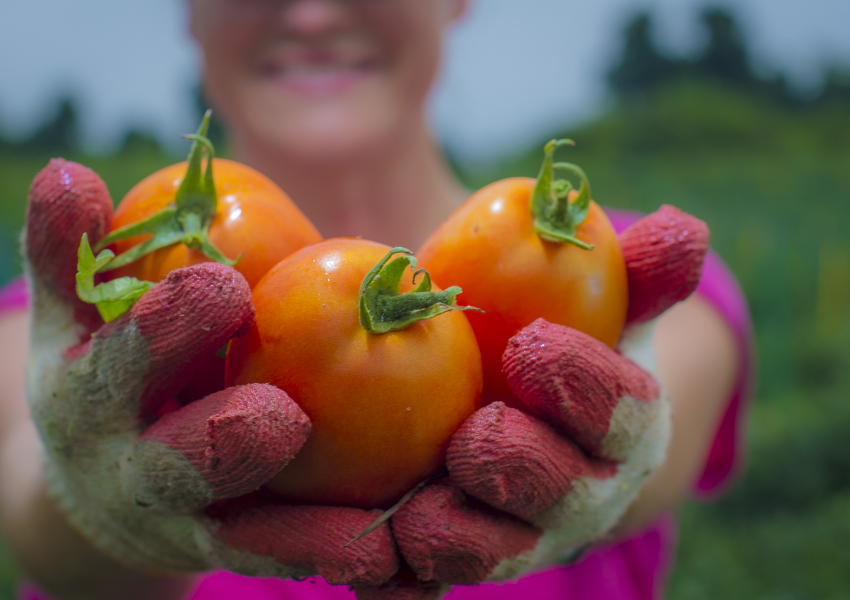
What would it take to draw a line from our local farmers' hands, to the processing facilities in Maine, to within our children's local schools and larger community institutions?
|
|
The Maine Marinara Collaborative is
exploring just that!
|
Some of you might be asking, "What is the Maine Marinara Collaborative (MMC)?" In order to better understand this pilot project, let's dive a bit deeper in to how this project began:
Building on the priorities of the ME Food Convergence, Processing Work Group, MEFTI, and other networks, MMC will increase processor and farmer capacity, address the economic benefits of local food, and establish a foundation for increased purchasing of local and equitable product by Maine institutions.
MMC brings together local supply chain partners to deliver a product and process to transform the way institutions procure food. Impacted partners will identify solutions to historic procurement, supply chain, and processing issues toward future sustainability.
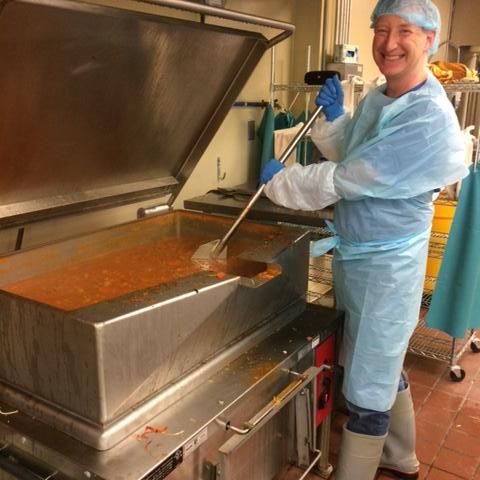
This pilot project highlights the local supply chain partners from farmer to the end product, jars of marinara sauce, about 3,000 gallons of sauce, which includes:
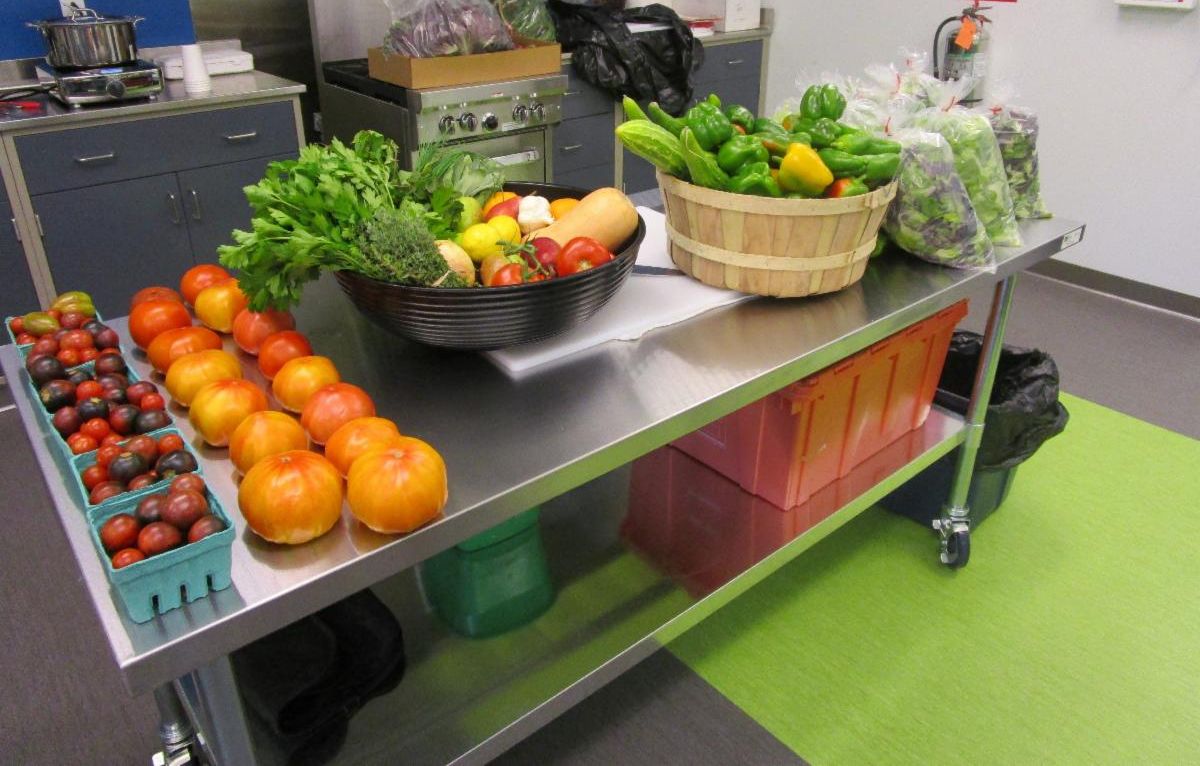
Tomatoes 7,200lbs
Zucchini/squash 1,200lbs
Carrots 800lbs
Onions 800lbs
=
~10,000lbs of local produce from Maine
Who gets to eat this delicious marinara?
-
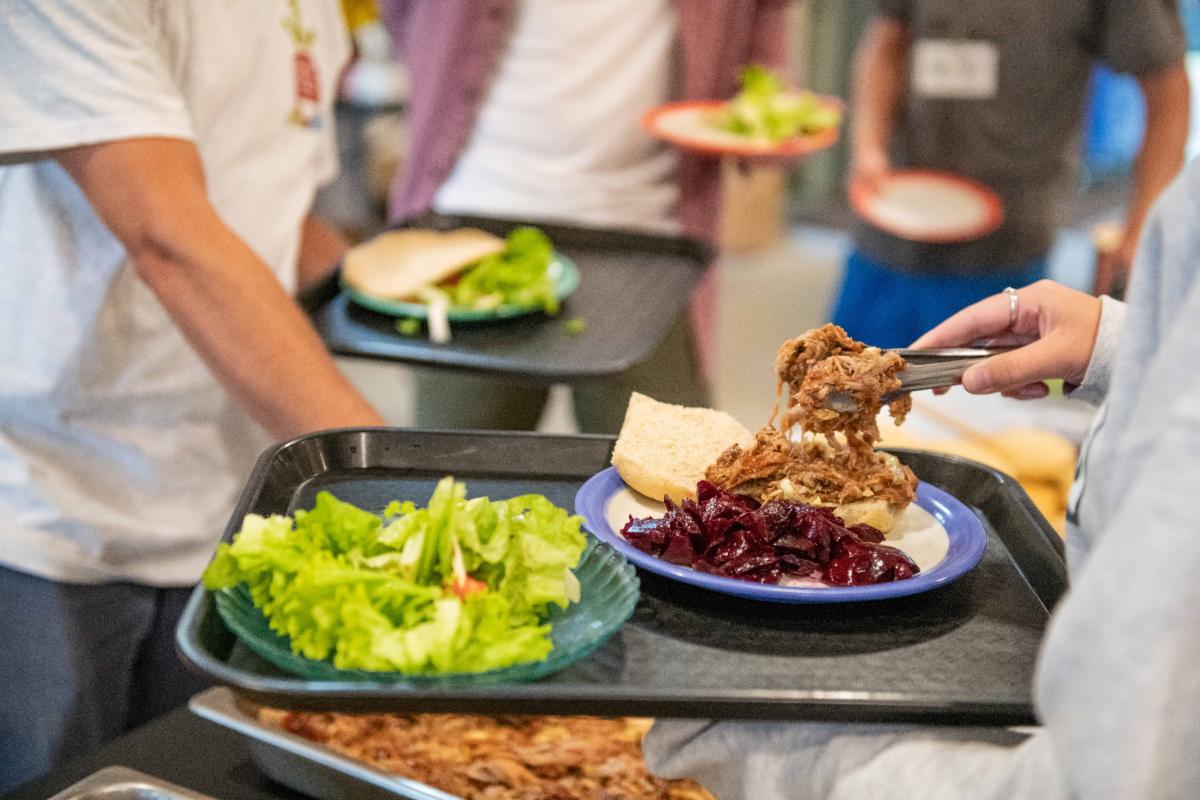
11,000 K12 students in 5 school districts with an average free and reduced lunch rate of 60%
-
900 beds, 12,000 employees, and 230,000 patient days in 2 of the state’s 3 largest hospitals
-
2,400 incarcerated persons, including youth, at 7 correctional facilities
For the pilot, 600 cases, or 179,000 servings, of marinara sauce will be produced.
Scalability of Project
One of the qualities of the project is that it is scalable, meaning that if current K-12 partners offer it weekly, production will increase to 11,000 gallons annually using nearly 101,000 pounds of local produce. The intention is to set down a model for food procurement in Maine. The end products could be salsa, soup, chili, you name it!
Social Justice
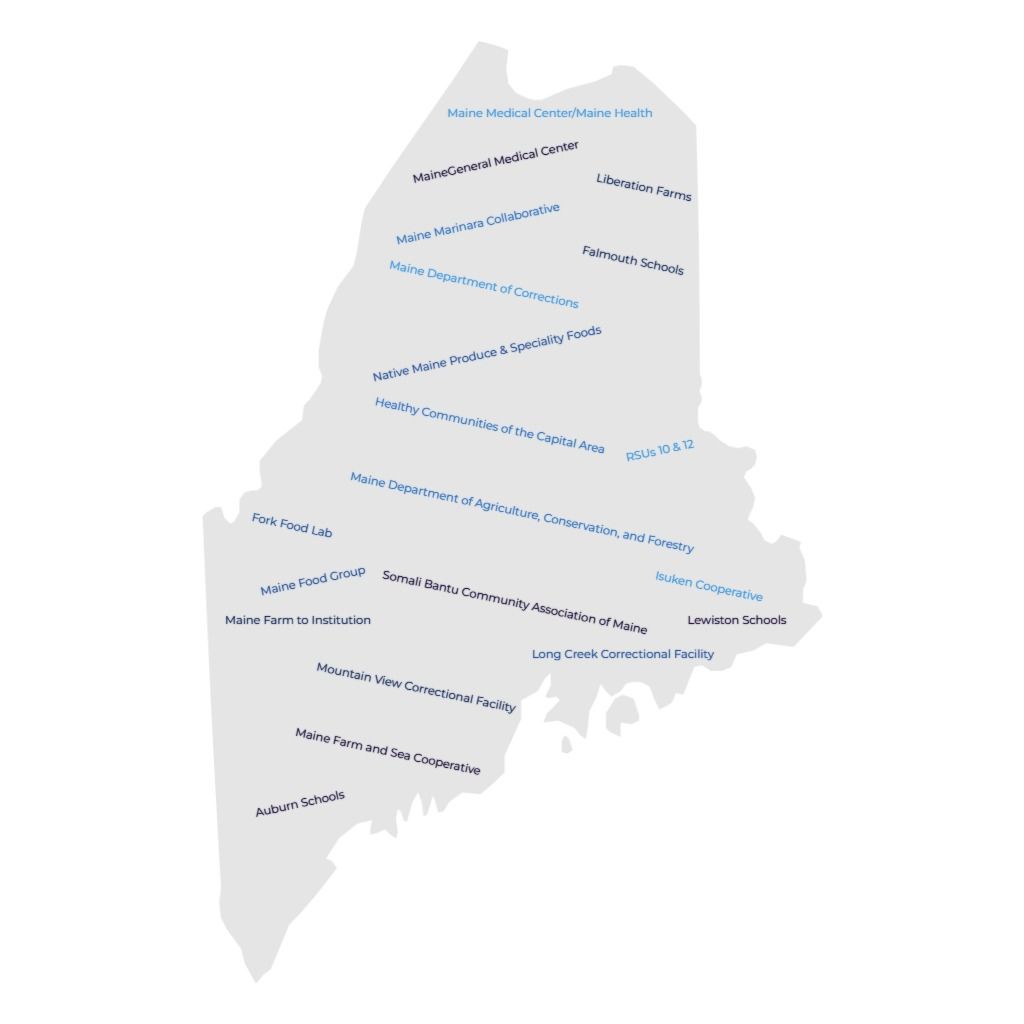
A top priority of MMC is to address social justice concerns around farming, opportunities for processing, and reaching individuals who do not get a choice in what they eat. MMC is increasing accessibility for BIPoC farmers to be involved, engaging disadvantaged youth in marketing and consuming healthy food, and sourcing ingredients from Liberation Farms, established by Somali Bantu Community Association, and Isuken Co-Op, a 5-family Somali Bantu group, established a farm-to-table food truck, as well as other Maine-based food producers.
Who are some of the other groups and organizations involved in the Marinara Collaborative project?
|
|
|
|
The Processing Work Group is part the Maine Food Convergance and led by MEFTI. It also serves as an advisory committee for The Marinara Collaborative. This group provides a space to share learnings and develop partnerships so lessons learned can be shared across Maine and the region.
Are you interested in joining?
Contact:
mainefoodconvergence@gmail.com
|
|
|
Boots-2-Bushels: Maine Market Garden Training
University of Maine Cooperative Extension is offering a nine-month hybrid training for beginning farmers beginning January 17, 2023.
Acquire knowledge, skills, and abilities to produce produce for small-scale or commercial level farmers.
Interested?
|
Maine Agricultural Trades Show
Come learn, network, and discover new trends in Maine Agriculture.
Maine Farm and Sea to School Network, Maine Department of Education, and Maine Farm & Sea Cooperative will be leading a workshop on
Selling to Schools and the Marinara Collaborative Project
When: Wednesday, January 11, 2023 1-2PM
Sponsored by:
Maine's Department of Agriculture, Conservation, and Forestry
Augusta Civic Center
76 Community Drive, Augusta, ME
January 10-12
|
|
|
|
|
|
Maine Farm to Institution Network is supported by the Elmina B. Sewall Foundation |
|
|
|
is the fiscal and staffing home to the Maine Farm to Institution Network
|
|
|
|
|
|
|