Faulkner County Agriculture Update
July 18, 2025
| | |
Weather
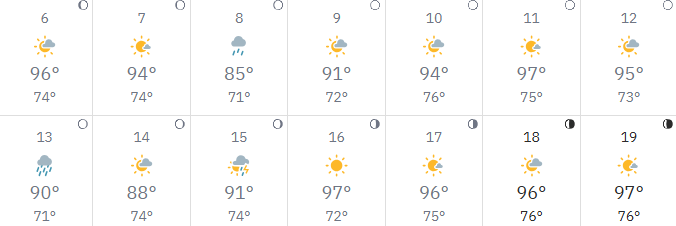
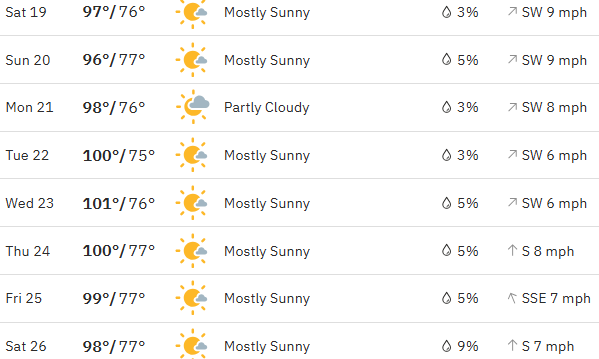
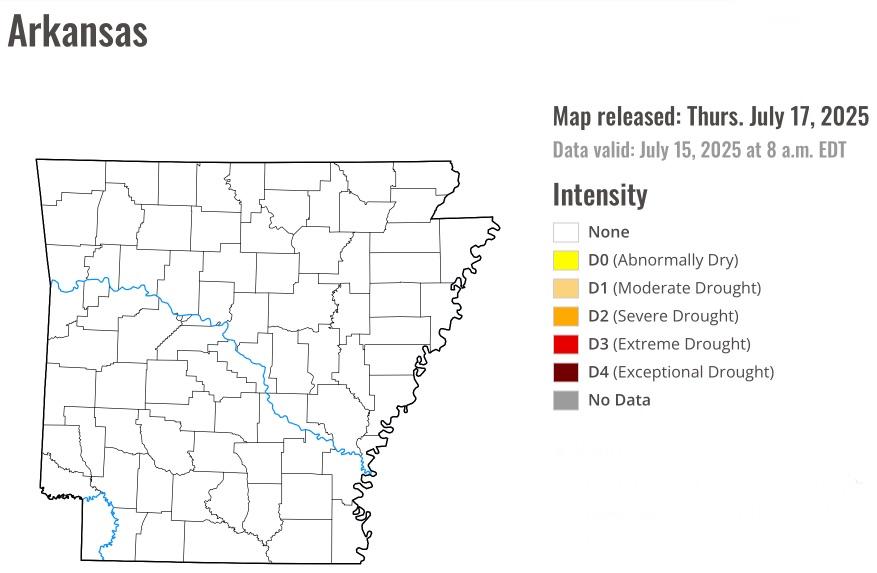
We had some more rain come through the county at the beginning of the week but now we are in more of a summertime in Arkansas weather pattern. We could see a few pop up afternoon showers here and there and the heat is back in the forecast. We could see 100 degree days next week so everyone needs to be careful that are working in the field.
| | |
Arkansas and Mississippi River
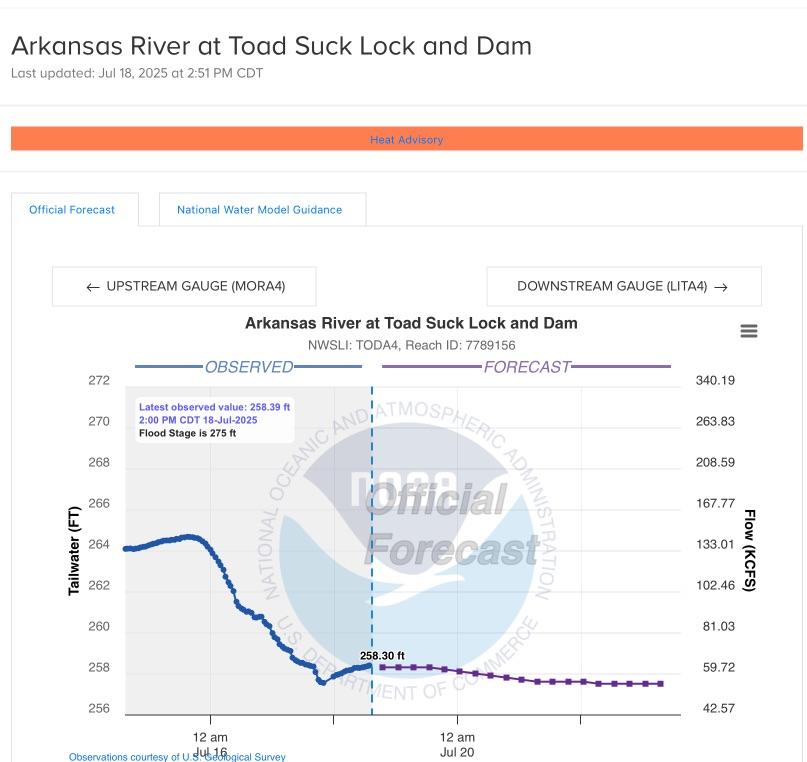
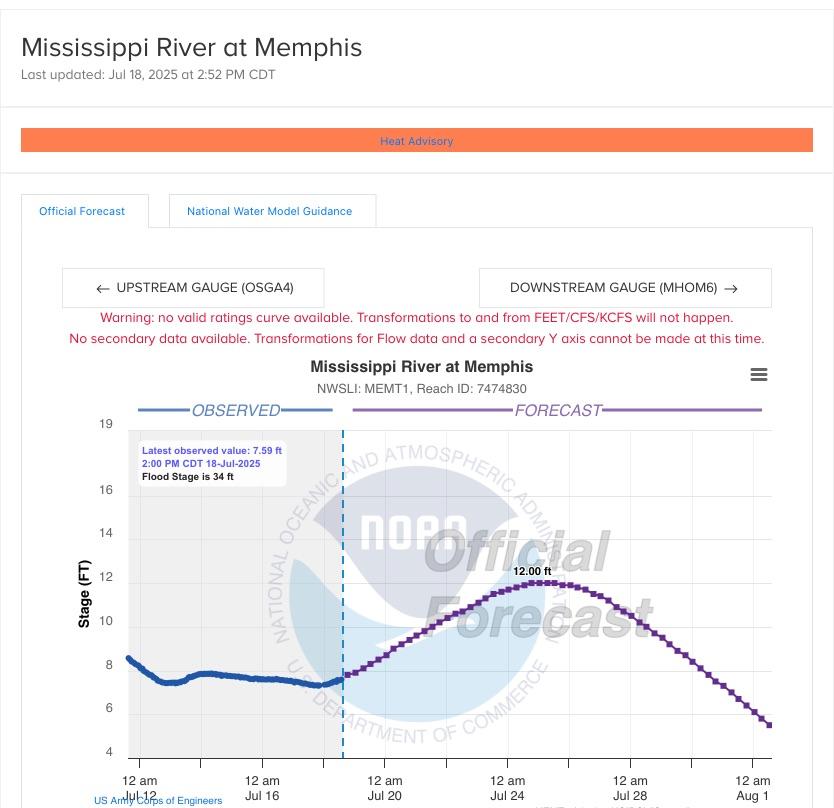
The river has finally fell to a level that has allowed the water that was standing on the low ground to drain. This is more of a manageable level that we can work with.
| | |
Scouting School and Row Crop Tour
The River Valley Row Crop Tour and Scout School will be held Thursday July 31. We will be meeting early next week to put together the agenda.
| | |
Corn
Corn continues to move along. The rain we received early this week will go a long way to getting some of our early planted non irrigated fields over the top. This rain also saved irrigated corn an irrigation. Any input we can save will go a long way to help us get at least close to break even.
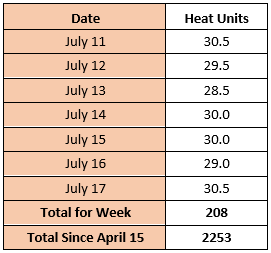
We accumulated 208 heat units this week for a total of 2253 for corn planted on April 15. That should put that corn at R5.
| | |
Rice
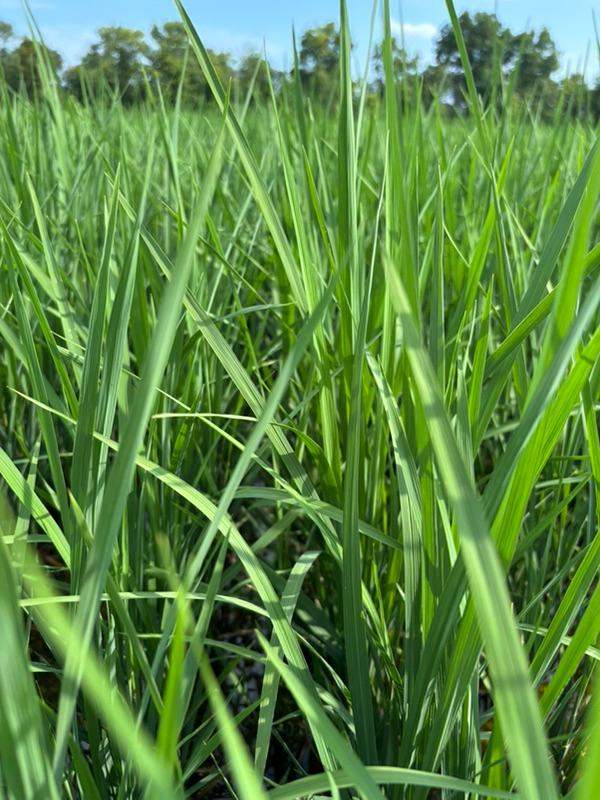
As more rice starts to head hopefully we will see stink bug populations spread out over headed fields.
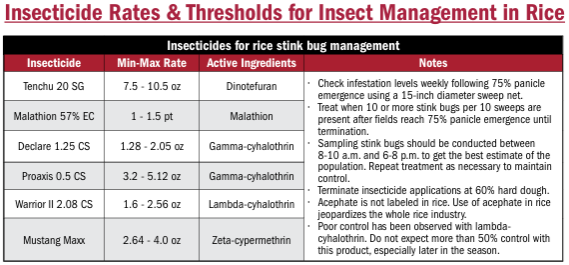
Our recommendation is to apply insecticide at 10 per 10 sweeps. Tenchu is the insecticide of choice for stink bugs, but this year there is another insecticide out there called Kruger. We don't have any data on it but it is formulated like Tenchu and is a little cheaper if you can find it.
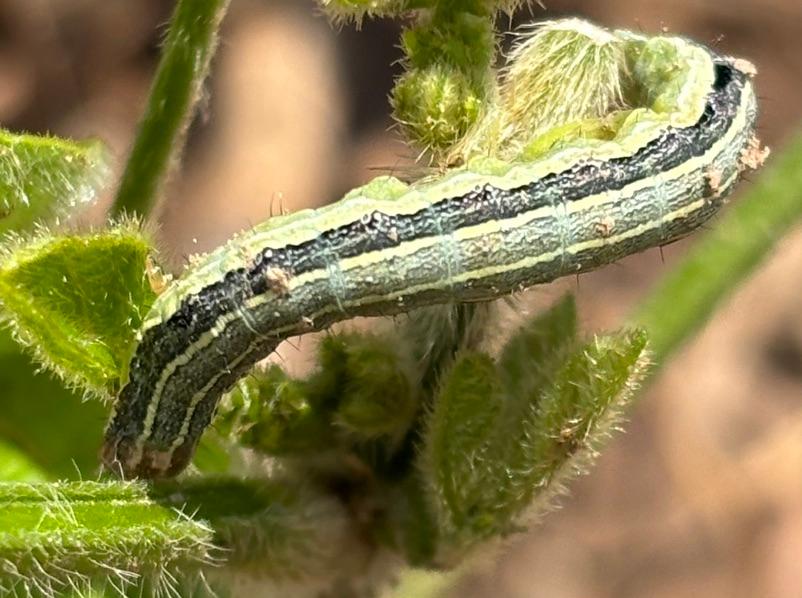
Also be on the lookout for armyworms on the edges of rice fields.
| | Here is Dr. Jarrod Hardke's latest Arkansas Rice Update. | | |
Soybeans
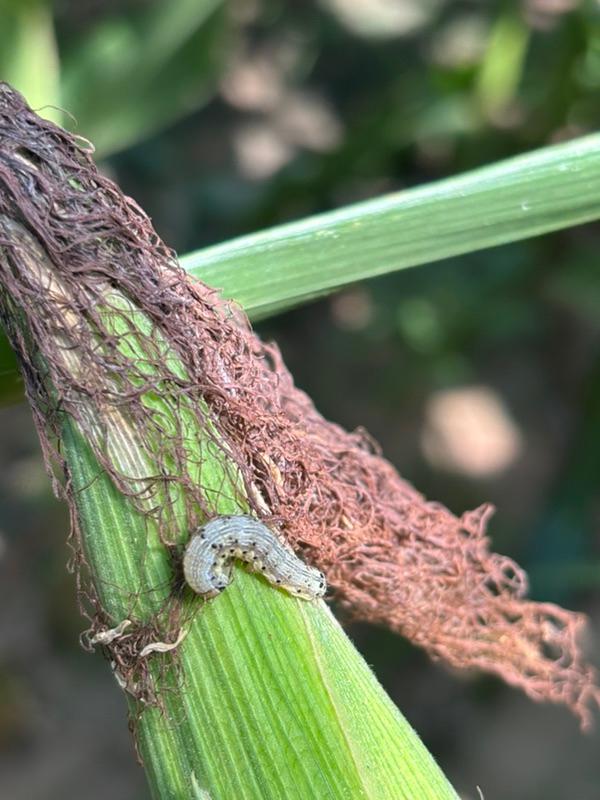
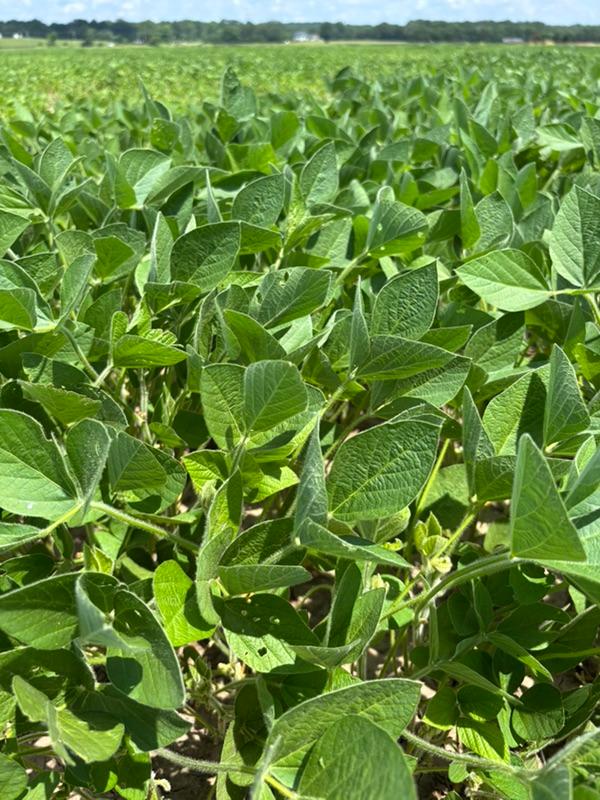
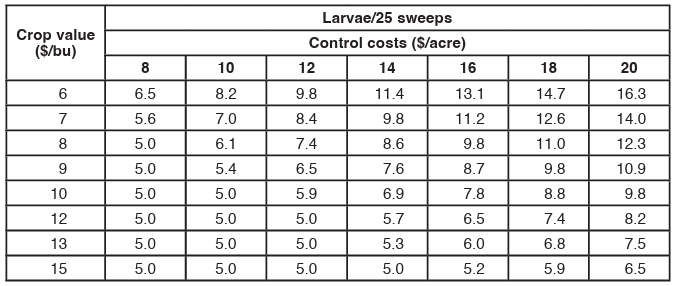
I have heard that some people are picking up a few more corn earworms. As we move into reproductive stage on our beans we need to be sweeping fields. Below is the chart that will give you a threshold to look for depending on the price of the insecticide and the value of the crop.
An example would be that for $10 soybeans and $14 insecticide cost you need to catch 7 worms per 25 sweeps. If the cost of insecticide goes down to $12 you need 6.
| | |
Corn Earworm Moth Traps
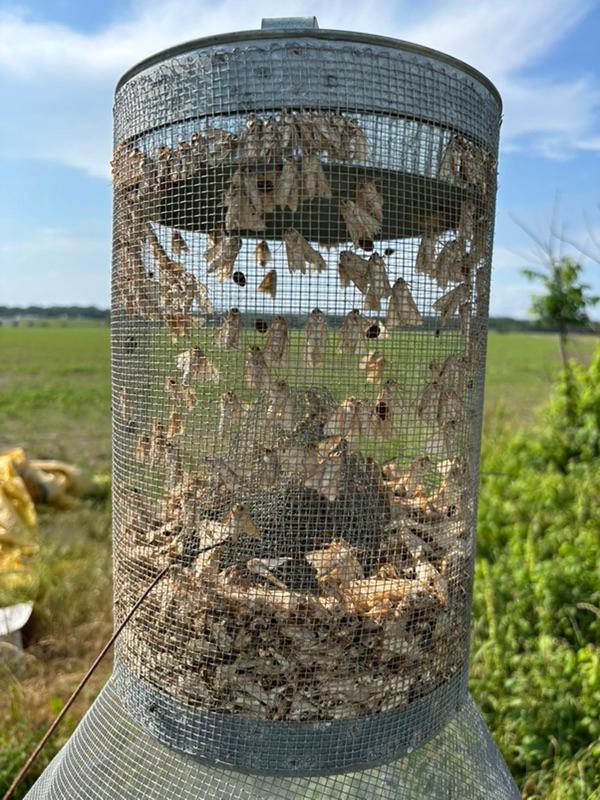
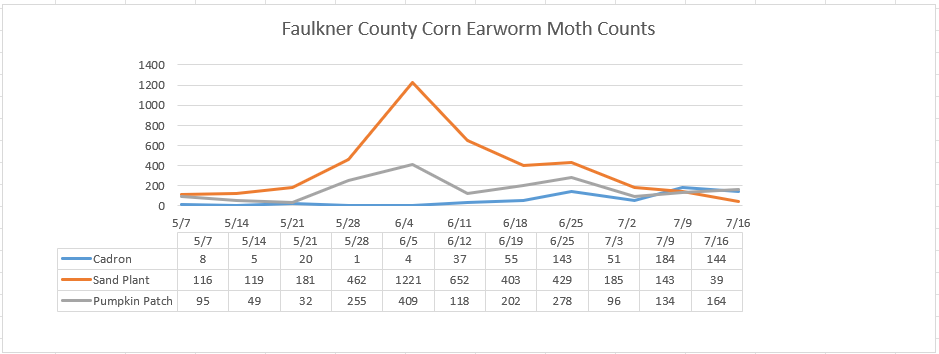
The majority of the traps are still over threshold for moths but the trap at the sand plant really fell this week. I would definitely be scouting beans that are putting on pods.
Cadron - 144 moths
Sand Plant - 39 moths
Pumpkin Patch - 164 moths
| | |
Stronger farm safety net included in the OBBB Act, “Skinny” Farm Bill, and SDRP disaster payments
Dr. Hunter D. Biram, Assistant Professor and Extension Agricultural Economist, University of Arkansas
Dr. William E. Maples, Associate Extension Professor, Mississippi State University
Stronger farm safety net included in the One, Big, Beautiful Bill Act
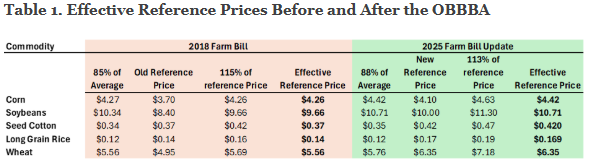
The One, Big, Beautiful Bill Act (OBBBA) was passed on July 4, 2025 and includes changes to key risk management tools in the farm safety net. In regards to the Commodity Programs, the OBBBA includes a 10-21% increase in the Statutory Reference Price used to set the price floors for the Price Loss Coverage (PLC) program. The Effective Reference Price (ERP), which is the price upon which the final PLC payment is made, is increased from 86% to 88% of the 5-year Olympic Average Marketing Year Average (MYA) price. A table with ERPs under the 2018 Farm Bill compared to those effective for the 2025 crop year are given in Table 1. We note that the ERPs under the prior language (i.e., 2018 Farm Bill) are given in red while those under the OBBBA (i.e., 2025 Farm Bill Update) are given in green.
Additionally, the coverage level for the Agricultural Risk Coverage – County (ARC-CO) revenue-based program is increased from 86% to 90% with an increase in the maximum payment rate from 10% to 12% of expected county revenue. Additionally, farmers can enroll the same acreage in ARC-CO and the Supplemental Coverage Option (SCO) which is provided through the Federal Crop Insurance Program. Similarly, the coverage level for SCO has also increased from 86% to 90% with an increase in the premium subsidy rate from 65% to 80% which implies that farmers will pay 15 percentage points less for SCO coverage in 2026.
Other new provisions include automatic enrollment in PLC or ARC-CO based on the higher payment rate, which simplifies decision-making for farmers and FSA offices alike, though concerns remain about delayed payments affecting 2025 finances. The new language allows members of qualified pass-through entities—such as LLCs, S corporations, and partnerships—to each be eligible for separate $155,000 payment limits, as long as they meet the “actively engaged in farming” requirements. This replaces prior rules that grouped members of joint ventures and general partnerships under a single limit, signaling a significant expansion in individual eligibility.
Key enhancements to crop insurance include higher premium subsidy rates for multi-peril crop insurance (MPCI) products (i.e., Yield and Revenue Protection), increased maximum coverage level for Whole Farm Revenue Protection (up to 90%) and AYP/ARP (up to 95%), along with a minimum 17% A&O reimbursement rate. The changes to the premium subsidy levels for MPCI products is given in a previous newsletter. Beginning Farmer and Rancher (BFR) benefits are strengthened, including extended eligibility from five to ten years and increased premium subsidies—up to 15% in the first two years, tapering to 11% in years four through ten. A new poultry crop insurance pilot will address extreme weather and utility costs.
| |
“Skinny” Farm Bill 2.0
While the OBBBA strengthened the farm safety net through 2031, some issues remain that may be addressed in a smaller (i.e., “Skinny”) follow-up bill. These include policy changes with little or no budget impact, such as updates to conservation compliance and specialty crop marketing orders. The bill may also revisit discretionary programs under titles like rural development, broadband, and forestry. Other items under consideration in a “Skinny” Farm Bill will be suspension of permanent law, such as dairy policy from the 1949 farm bill, California Proposition 12, and pesticide regulation reform.
Supplemental Disaster Relief Program (SDRP) Payments
USDA announced sign-up to begin on July 10, 2025 for the SDRP program for producers impacted by natural disasters in 2023 and 2024. The funding was authorized in the continuing resolution (i.e., American Relief Act, or ARA) that was passed on December 21, 2024 which included $30 billion for producers impacted by economic and weather-related losses. The first portion of that funding has been released through the Emergency Commodity Assistance Program (ECAP) which includes $7.8 billion in disbursements thus far. Since only 85% of the full payment has been disbursed, this leaves $2.2 billion eligible to possibly be released in a follow-up payment accounting for the remaining 15% of the full payment.
There are $16B in authorized in the ARA for farmer assistance is specifically for farmers impacted by natural disasters in 2023 and 2024. The USDA Farm Service Agency (FSA) is delivering SDRP assistance to eligible producers in two stages – indemnified and uncovered losses. The first stage will utilize data on liabilities, losses, and premiums provided by the USDA Risk Management Agency (RMA), as well data on the Noninsured Disaster Assistance Program (NAP) administered by FSA. The second stage will provide payments to unindemnified and shallow losses. Sign-up will be streamlined with pre-filled applications mailed to producers.
To qualify for SDRP payments, producers must have had MPCI or NAP coverage and experienced a qualified weather-related loss in 2023 or 2024. Qualified weather-related losses include excess moisture/precipitation/rainfall, flooding, wind, hot wind, cold wet weather, tropical depression, hurricane, and drought among others. For drought-related claims, the county must have experienced at least 8 weeks of D2 drought or any D3 or higher drought during the applicable year. Additionally, recipients must commit to purchasing at least 60% coverage for the next two years. For more information on sign-up and eligibility, see this fact sheet released by FSA.
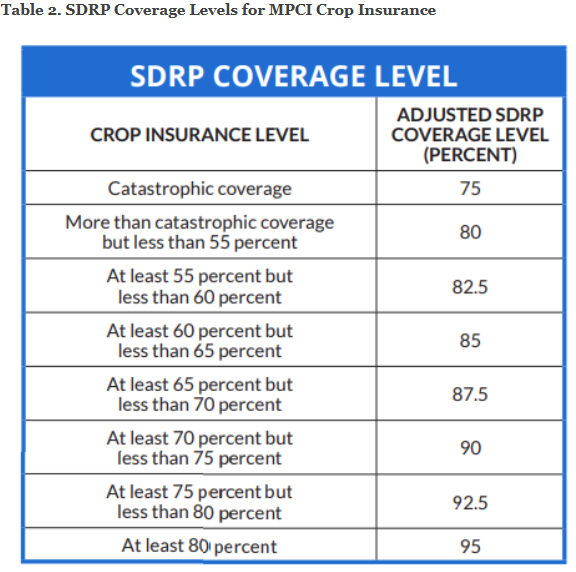
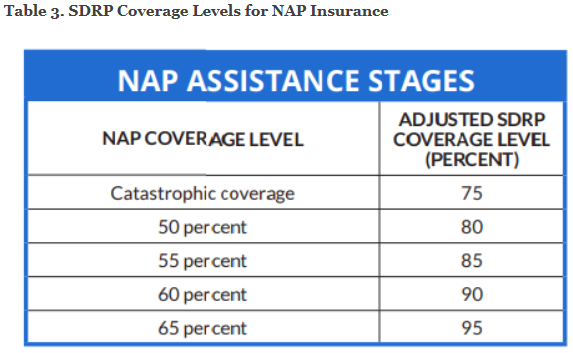
SDRP payments are only made to a farmer who had a crop insurance claim, either MPCI or NAP, in either the 2023 or 2024 calendar year. Payment rates are determined by a farmer’s expected revenue as determined by their Actual Production History (APH) yield and the spring futures price determined by RMA. The expected revenue is used to calculate the SDRP liability, or the product of the expected revenue and SDRP coverage level which is a function of the underlying MPCI or NAP coverage level (see Tables 2-3 for MPCI and NAP coverage levels and associated SDRP coverage levels).
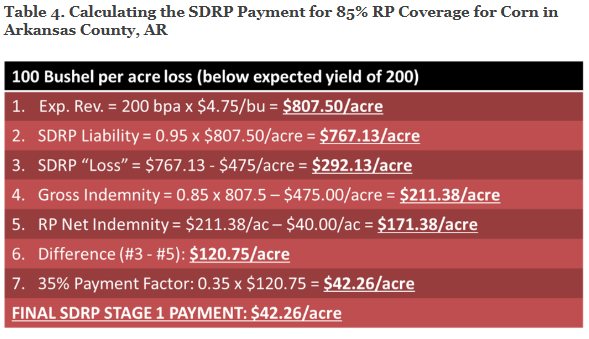
| Next, the SDRP “Loss” is determined by subtracting the value of remaining production to count (PTC), or the product of the spring futures price and realized yield, from the SDRP liability. A Gross Indemnity is calculated which is the difference between the underlying liability and the value of the remaining PTC. The net indemnity for the underlying insurance coverage is found by subtracting the producer premium from the realized indemnity. Next, one will take the difference between the SDRP “Loss” and the net indemnity for the underlying coverage to arrive at the SDRP payment rate. Lastly, multiply this difference by payment factor of 35% to arrive at the final Stage 1 SDRP payment rate. An example is given in Table 4 below. To see the FSA rule on SDRP eligibility and payment rates, go to fsa.usda.gov. | | Beef, Small Ruminants, & Forages | | |
Forage Scout School
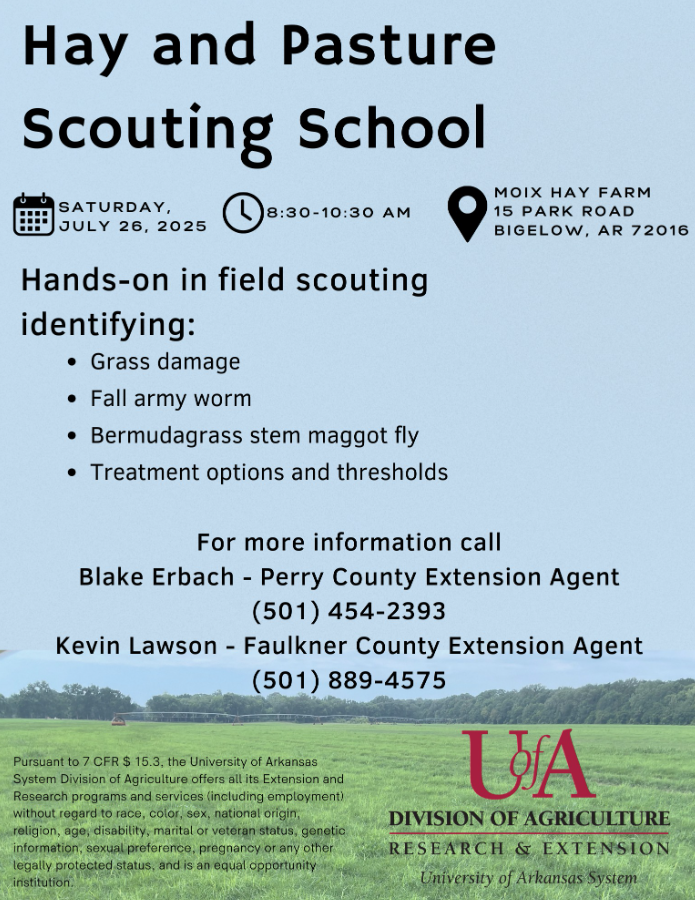
Perry and Faulkner County are presenting a scout school for hay and pastures at Toad Suck. The date for the scout school is Saturday July 26. We will have sweep nets for participants and we will show everyone how to use them and identify insects.
| | |
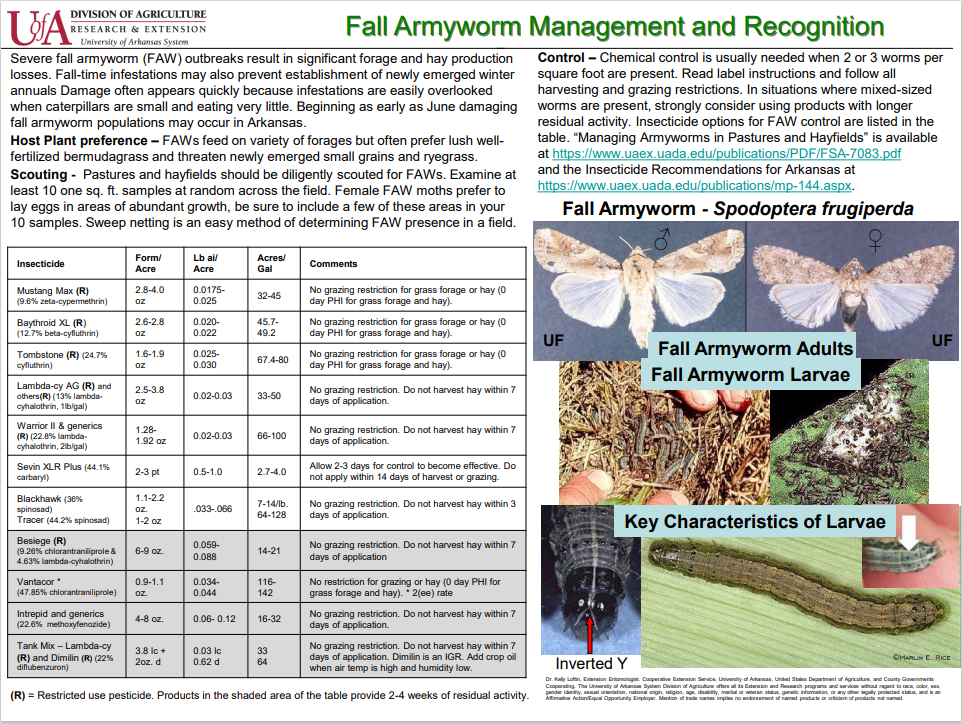
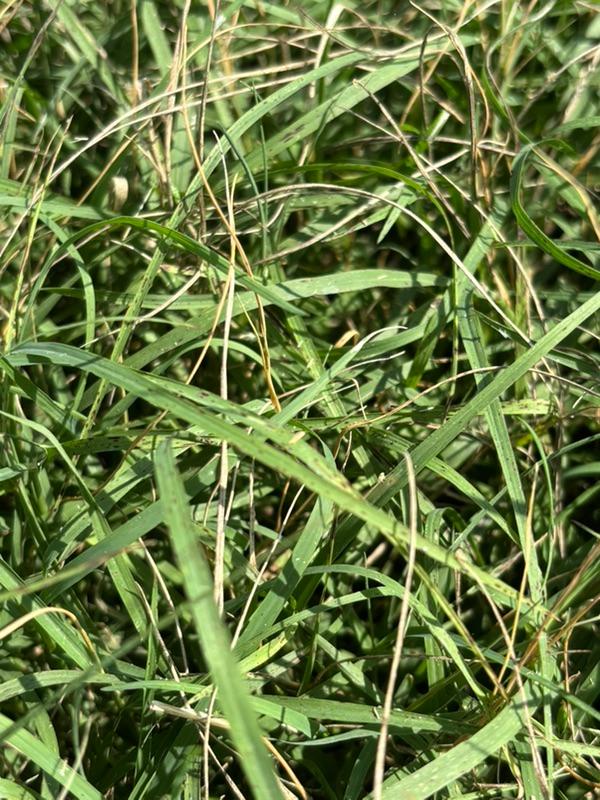
Armyworms
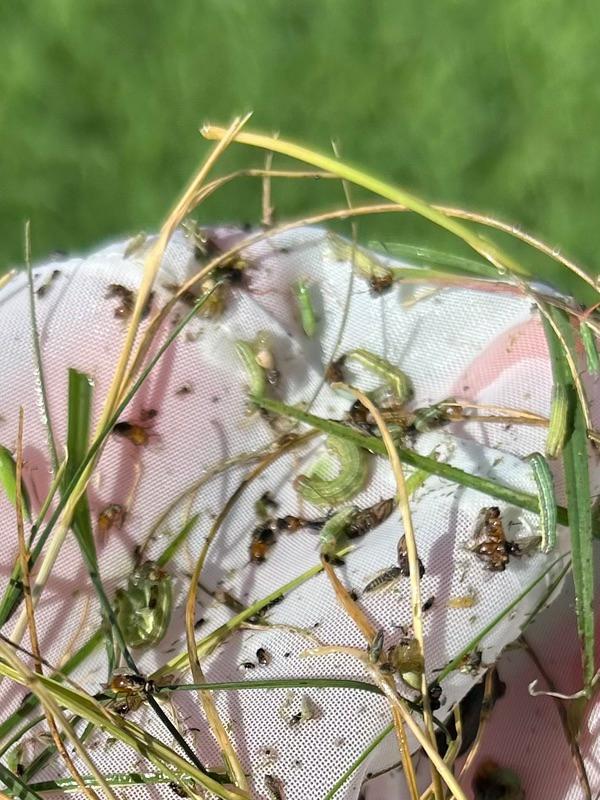
I actually found some armyworms in a soybean field this week where a producer sprayed the grass in his soybeans. I am hearing of other producers finding them in Conway, Perry and Yell County. The weather pattern that came through on Sunday came from the southwest which concerns me that we will see an increase in armyworms soon. Scout fields closely and plan on coming to the scout school next week to learn more.
| |
Bermudagrass Stem Maggot
Several fields were sprayed this week for bermudagrass stem maggot flies. I would suggest that anyone that has bermudagrass to spray lambda 7 to 10 days after a hay cutting. Just like the armyworms, if you want to learn more about scouting and identifying bermudagrass stem maggot, come to our scout school next Saturday.
| | |
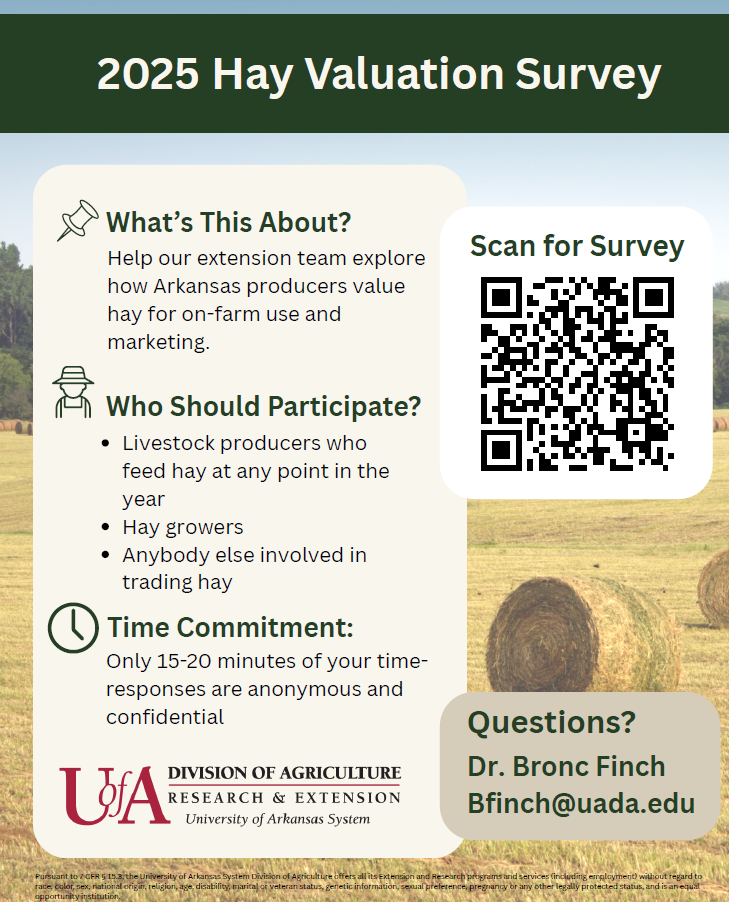
2025 Hay Valuation Survey
If you are a hay producer, please take the time to take our hay valuation survey. Our specialists are wanting to learn more about how producers value their hay.
| | |
Practical Considerations for Bovine Castration
Rosslyn Biggs, DVM, Oklahoma State University Cooperative Extension Beef Cattle Specialist
Approaches to castration should be made with operational objectives and animal welfare in mind. Producers should consult with their herd veterinarian for a castration protocol that includes consideration for animal age, facilities available, castration method, and pain control.
Calves castrated at younger ages—ideally under three months—generally experience less stress, recover quicker, and have fewer complications. Unless a bull calf is being kept for potential breeding purposes, delaying castration is unnecessary. If castration must be done on older animals, it is critical to use appropriate pain control and consider surgical methods carefully.
Good restraint for bovine castration is essential. Well-designed working facilities with secure head catch and squeeze are good choices in most instances. For smaller calves, restraint can be done in a calf cradle or on the ground with proper equipment. Beef Quality Assurance guidelines should always be followed.
The primary methods used to castrate are surgical removal or elastrator band. The decision on technique should be made in coordination with the herd veterinarian and consider animal well-being and the recovery environment. If banding is chosen, animals should be vaccinated for tetanus prior to the procedure.
Local anesthetic utilized at the time of castration can decrease the initial pain of castration and help provide additional pain control for up to 5 hours after the procedure. Sedatives may also be combined with local anesthetics for broader pain control during castration. Non-steroidal anti-inflammatory drugs (NSAIDS) may also be added to the plan to provide immediate pain control along with longer activity. Certain NSAIDS with a single dose can provide up to 48 hours of pain control. NSAID formulations include oral, injectable, and topical applications. For those that band calves, there are now bands impregnated with the local anesthetic, lidocaine, and provide pain control for more than two weeks after banding.
Research in providing pain control has been shown to promote weight-gain and feed intake following castrations and in calves older than seven days decrease the instance of respiratory disease. Pain medications require veterinary prescription.
| | |
Livestock Market Report
The weekly livestock market report is available on the Arkansas Department of Agriculture website.
| | |
Sign up for Text Alerts
You can now sign up for text alerts from me throughout the year. I have two areas you can sign up for which includes Faulkner Livestock or Faulkner Ag (Row Crop Updates). To sign up you can follow one of these links or use the QR Codes below.
| | Pursuant to 7 CFR § 15.3, the University of Arkansas System Division of Agriculture offers all its Extension and Research programs and services (including employment) without regard to race, color, sex, national origin, religion, age, disability, marital or veteran status, genetic information, sexual preference, pregnancy or any other legally protected status, and is an equal opportunity institution. | | | | |