|
Friends of St. Marks Wildlife Refuge
Reflections Newsletter - February 2025
| |
|
Friends President's Message
Text and Photos Courtesy Katasha Cornwell
Finding Inspiration
“We can’t experience the same water twice.” J. Nichols
Sometimes it can feel like life is on repeat or we are on autopilot, and things are the same from day to day. Other times life can feel chaotic and uncertain. In either case, finding inspiration in unexpected ways can help get you out of a funk or find a way to move forward. Being around new people or having the opportunity to be in a new setting can be a spark. Recently, I found new inspiration at a workshop I attended. While I looked forward to participating in the panel I was invited to speak on and taking a quick side trip to visit Pinckney Island National Wildlife Refuge, I wasn’t purposely seeking the creative juices and motivation I came away with.
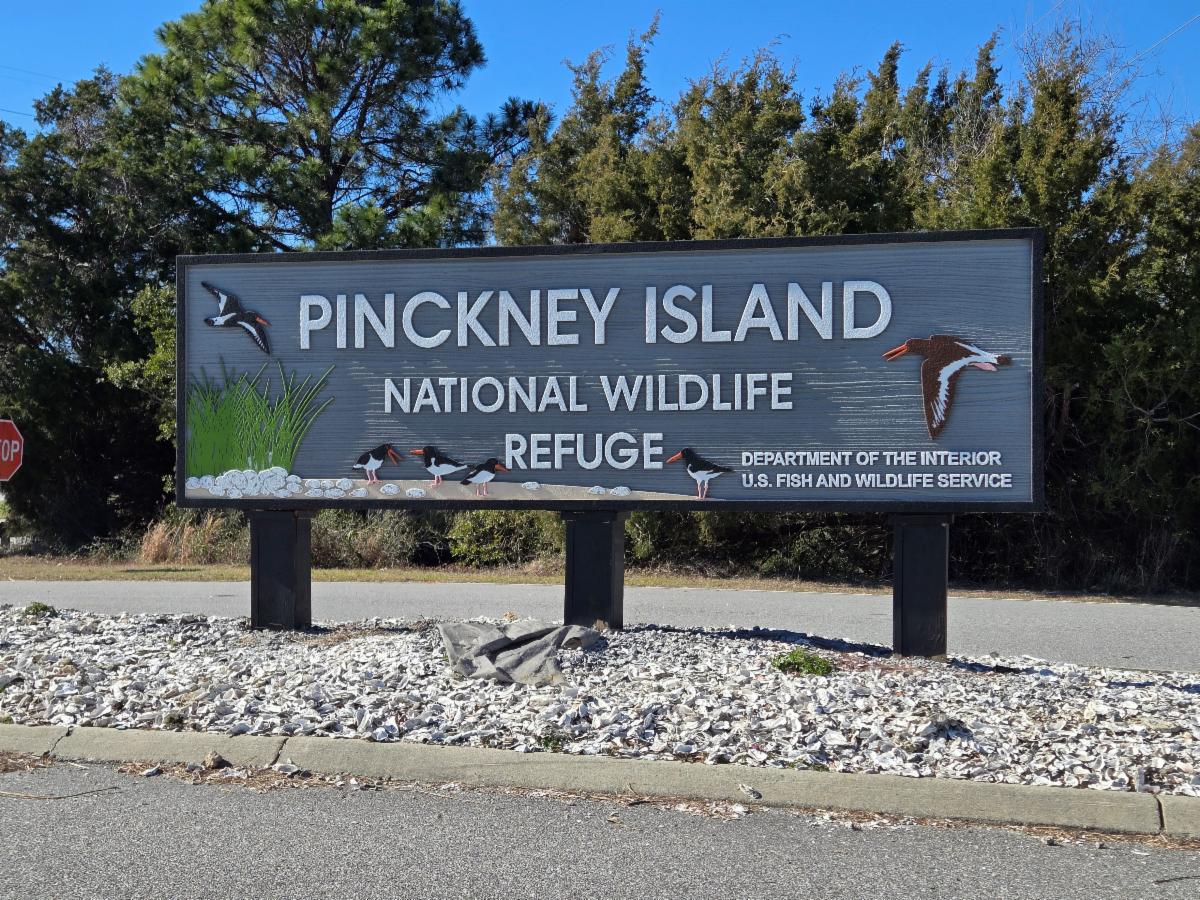
Every National Wildlife Refuge has its unique character, and Pinckney was no different. This little oasis surrounded by the hustle and bustle of nearby Hilton Head was well visited, and it was encouraging to see so many people out enjoying the beauty this little island had to offer. The biggest surprise was the number of armadillos I encountered on the back roads, but also how excited one woman was in the parking lot to ask if I had seen the one rummaging around near the kiosk. If you find yourself in the area, it is certainly worth exploring the 14ish miles of trails.
| |
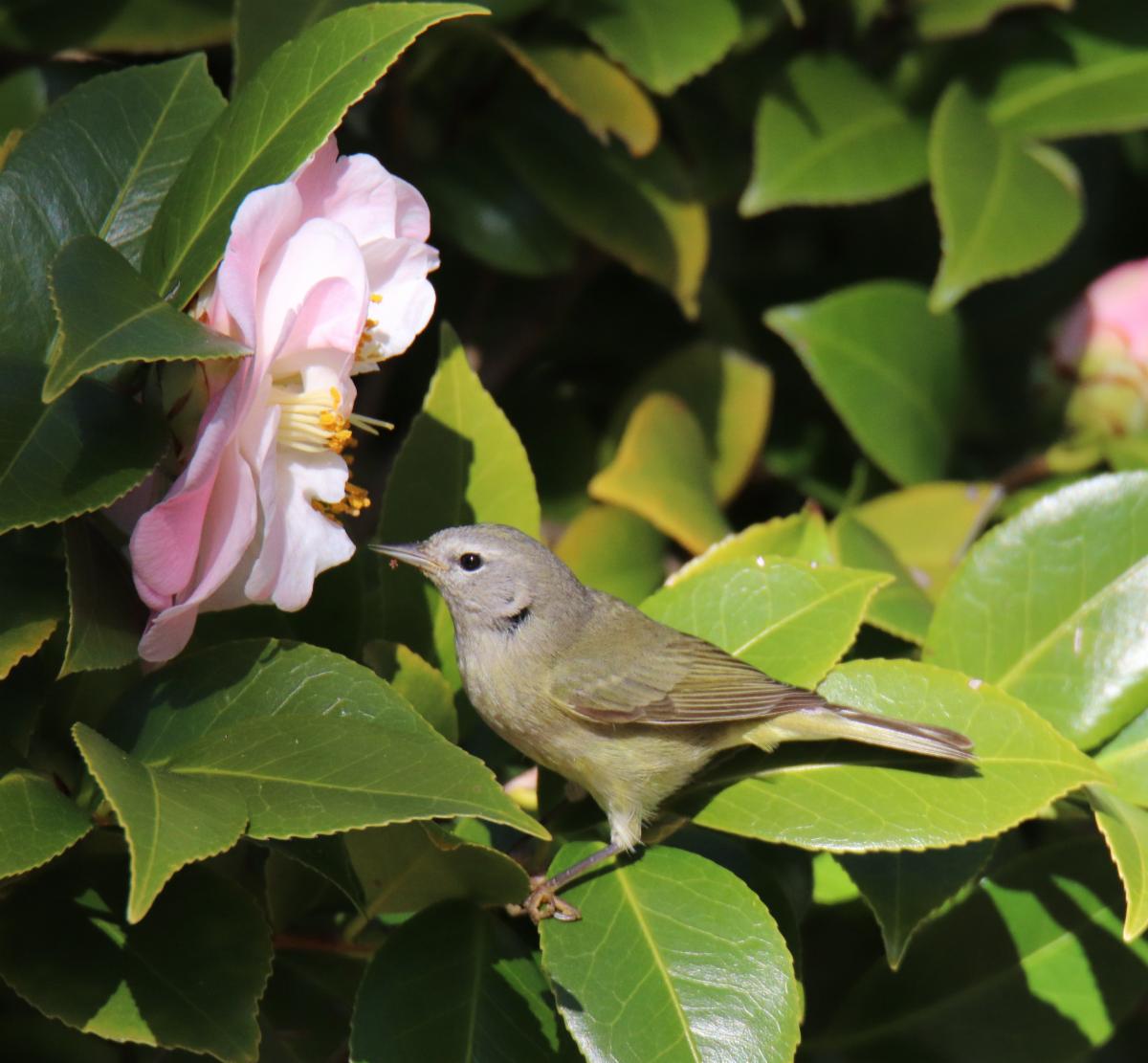
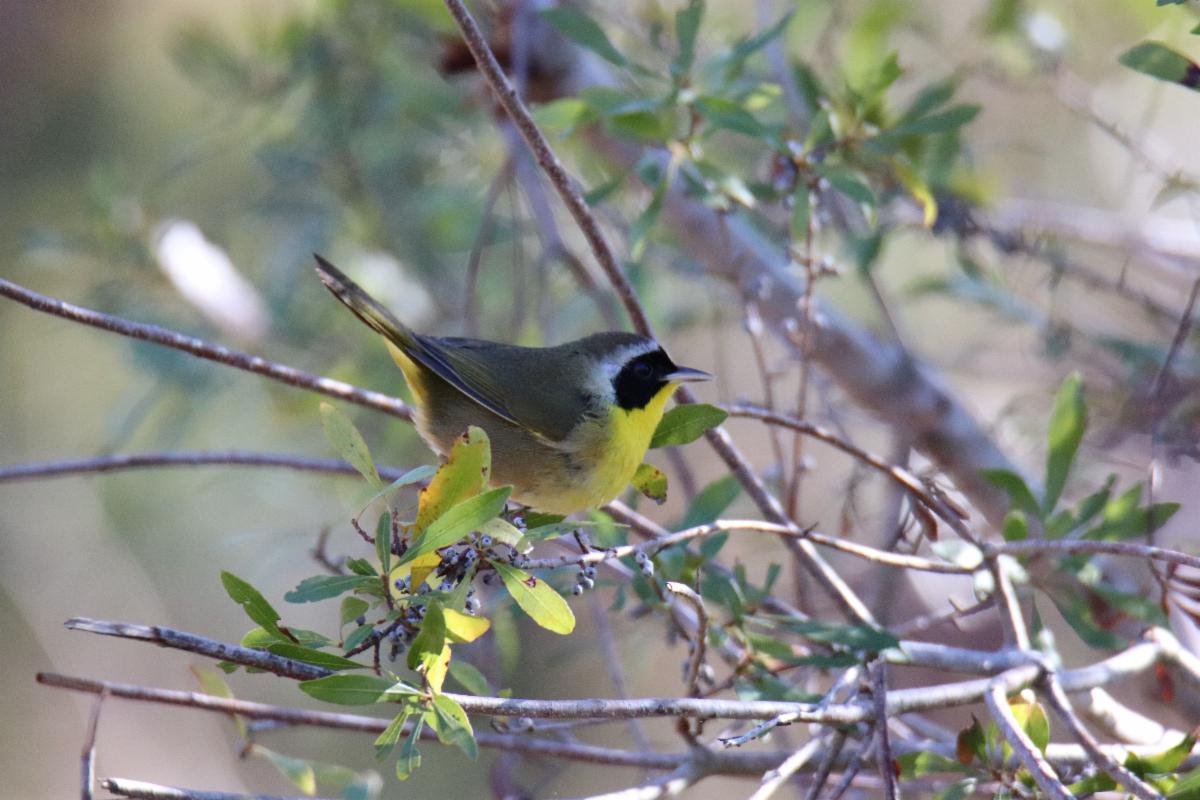
The workshop offered several surprises and I won’t bore you with the work-related ones. But of interest to our readers, I was in the parking lot of the hotel reviewing my notes and I happened to see a warbler feeding in the camellia blossoms. I ran to the car to grab my camera and was lucky enough to get a few nice pictures of this orange-crowned warbler, a life bird!
And while roaming the vendor hall I came across Archie Carr’s book The Windward Road. I quickly began devouring the pages and was immediately spurred to learn more. I wasn’t aware of his impact on sea turtle research. He is up there with Rachel Carson and Aldo Leopold on the list of inspiring conservationists.
The next day we had the best keynote address of any conference I have attended, and I have attended my fair share. The quote above is one shared during that session, and there are similar variations of this you can find online. It rings true to me as every time I have an amazing moment at St Marks National Wildlife Refuge, I try to remind myself that this is THE time I will experience it…enjoy it, soak it in, remember it…I won’t experience that moment again.
If you are looking for inspiration, look no further than your Refuge and the amazing folks who make it the best in the country. We have two core groups of volunteers that greet people at the Nature Store as well as at the Lighthouse. These smiling faces help our visitors find the birds or alligators they are excited to see, provide a rich historical experience, and help raise funds for our Refuge. The Refuge staff has also welcomed a new RV volunteer couple you will meet in this edition who have found inspiration in their work for the National Wildlife Refuge system. Don’t forget the interns doing important research to recover endangered species. Our festivals offer so many opportunities to learn new things and our newly revived Second Sunday Talks are thought-provoking. Whether visiting St Marks National Wildlife Refuge for the first time or the 1000th time, inspiration awaits. Now is the perfect time to share your love of the Refuge with your friends, and invite them to become our Friends.
| |
|
Welcome New
RV Volunteers
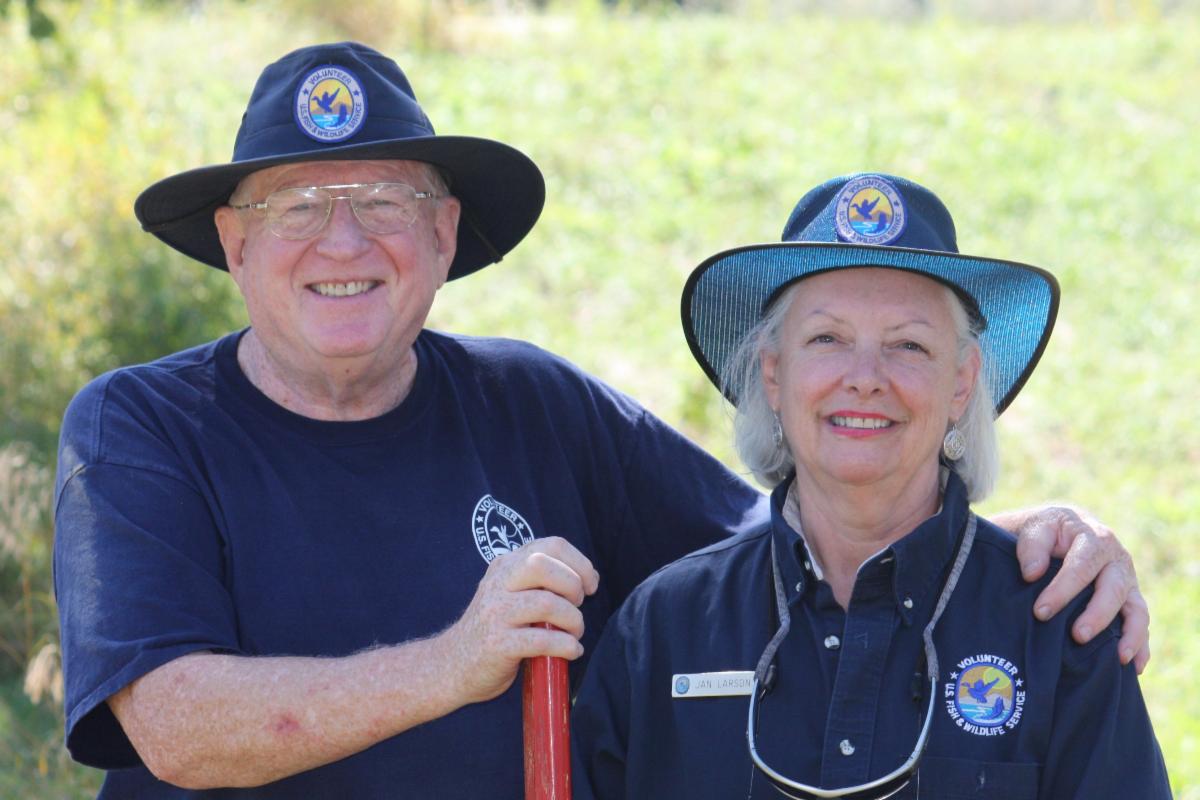
Jan and Rocky Larson
Text Courtesy Jan Larson
Failing at Retirement - Peripatetic Lifestyle
Years ago it was said that Jan Larson was an endangered species and her husband, Rocky, was “Mr. Jan Larson.” She was born and raised in Toms River, New Jersey, although educated in Western Pennsylvania. She was a career employee with the County of Ocean where she was a Resource Management (natural resources) Program Associate with Rutgers Cooperative Extension. Rocky graduated with the Toms River High School Class of 1964. He was a Hospital Pharmacist working mainly in the Central Jersey area; however in his younger years he was also an avid hunter and outdoorsman. Today they both hunt with binoculars and cameras. They retired nineteen years ago and began to live the dreams they spent years planning.
With a 30 foot Class A motorhome and a small SUV in tow, they became Resident Volunteers for US Fish & Wildlife Service. As Congress issued the USFWS budget allocations, and staff left due to attrition and were not replaced, volunteers have become more and more important to the functioning of the Service. The Larsons live in their motorhome about eight months of each year and go from National Wildlife Refuge to National Fish Hatchery to National Wildlife Refuge living on site behind locked gates with the wildlife. They volunteer helping the professional staff educate the public, restoring habitat, and protecting endangered species. They do whatever needs to be done and continue to learn new skills when needed. They recently finished volunteering at their thirty-fifth USFWS facility and have accumulated over 11,000 volunteer hours each. Jan and Rocky enjoy this life style very much and have met some of the most wonderful people on earth. They have also had the opportunity to see and sometimes touch some of the most endangered plants and animals on earth. It is very rewarding to “give back” by helping compensate for society’s degradation of the environment, according to the Larsons.
Some Resident Volunteers have “home refuges,” returning to the same locations as the seasons change. However, the Larsons want to see as much of our country as possible and therefore pick a new refuge or hatchery for each assignment. There are six federal agencies with similar volunteer programs, but US Fish & Wildlife Service seems to fit Jan and Rocky’s preferences and skill sets. Each agency has their particular resident volunteer standards. Generally in the lower forty-eight, USFWS requires 24 volunteer hours each per week for a couple (32 hours for a single person) for a minimum of three months. The Service provides full hook-ups, uniforms, laundry facilities, internet access, training, tools, and a vehicle for work. You can explore volunteering for the federal government at: WWW.VOLUNTEER.GOV
It’s hard to capture all of the Larson adventures in a short article. They have volunteered from Alaska to the Lower Rio Grande Valley and from the Outer Banks of North Carolina to the Salton Sea in Southern California. They have lead canoe floats for birders, swept the dessert to remove illegal off-road vehicle tracks, help band several different species of birds, planted seedlings, pruned trees, created pollinator gardens, done data entry, cataloged scientific articles, painted offices/equipment/gates, made and installed signs, operated visitor centers and refuge nature stores, conducted environmental education programs, drafted a volunteer handbook, led trail hikes, mowed and mowed and mowed, and lots of other jobs, all while exploring different regions of our country and visiting family and friends along the way. Where have the Larsons been recently and where will they go next? Last summer they volunteered at Garrison Dam NFH in central North Dakota and the previous winter found them at Buenos Aires NWR on the southern Arizona border. Their next deployment is expected be Great Bay NWR in New Hampshire next summer.
| |
|
Second Sunday
Refuge Talk Series
Sunday, March 9, 2025 “Roadside management and its potential effects on wildflower ecology and habitat"
2 pm- 3:30 pm Nature’s Classroom
1255 Lighthouse Rd., St. Marks NWR.
Free and open to the public.
Text Courtesy Brendan Winter
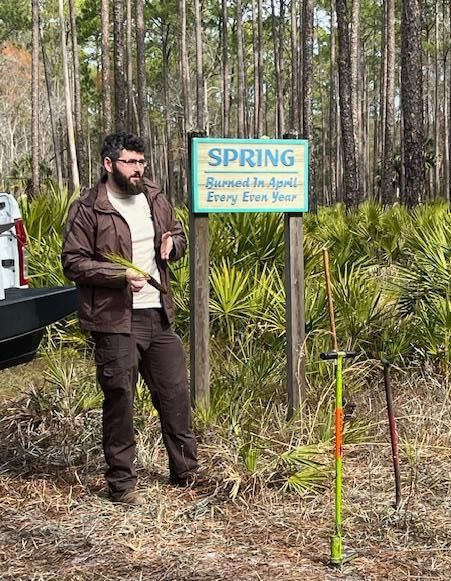
About the Speaker – Hello I'm Brendan Winter. I'm on the fire crew at St. Marks and have been for about two years now. Before this, I worked on the land management team at Tall Timbers and the landscaping crew at Native Nurseries of Tallahassee. I am passionate about practicing habitat manipulation and how we can positively change our environment to benefit as many species as possible. To that end, I have studied the pine savannah's and the traditionally more open stands of longleaf and allies that once dominated this area and the South East at large. I have spent my career trying to maximize plant and many other species diversity by creating this beneficial change through applications of fire, mechanical and herbicide treatment where necessary.
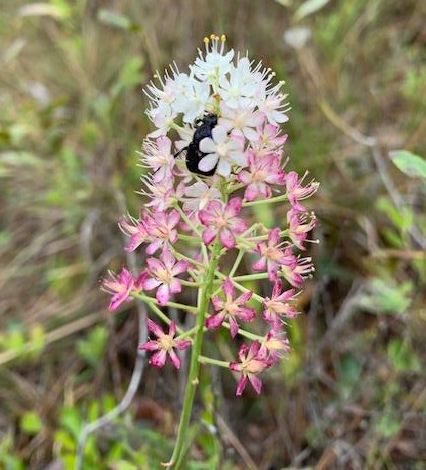
About the Talk – I will discuss general wildflower ecology and its link with frequent disturbance. Our roadsides, particularly North of the gate on Lighthouse road, are great examples of how mowing acts as a beneficial disturbance that promotes our wildflower's seasonal cycles. I will talk about how our roadside management (mowing primarily) has this good consequence, but that is not the only reason that we mow. It is something we must do in order to maintain the safety and structure of our road shoulders. It is really in our broadscale management activities where we seek to increase low-intensity disturbances and therefore, amongst other things, more sunlight to the forest floor that provokes the positive wildflower response we see throughout the entire refuge.
| |
|
Welcome New Biology Interns
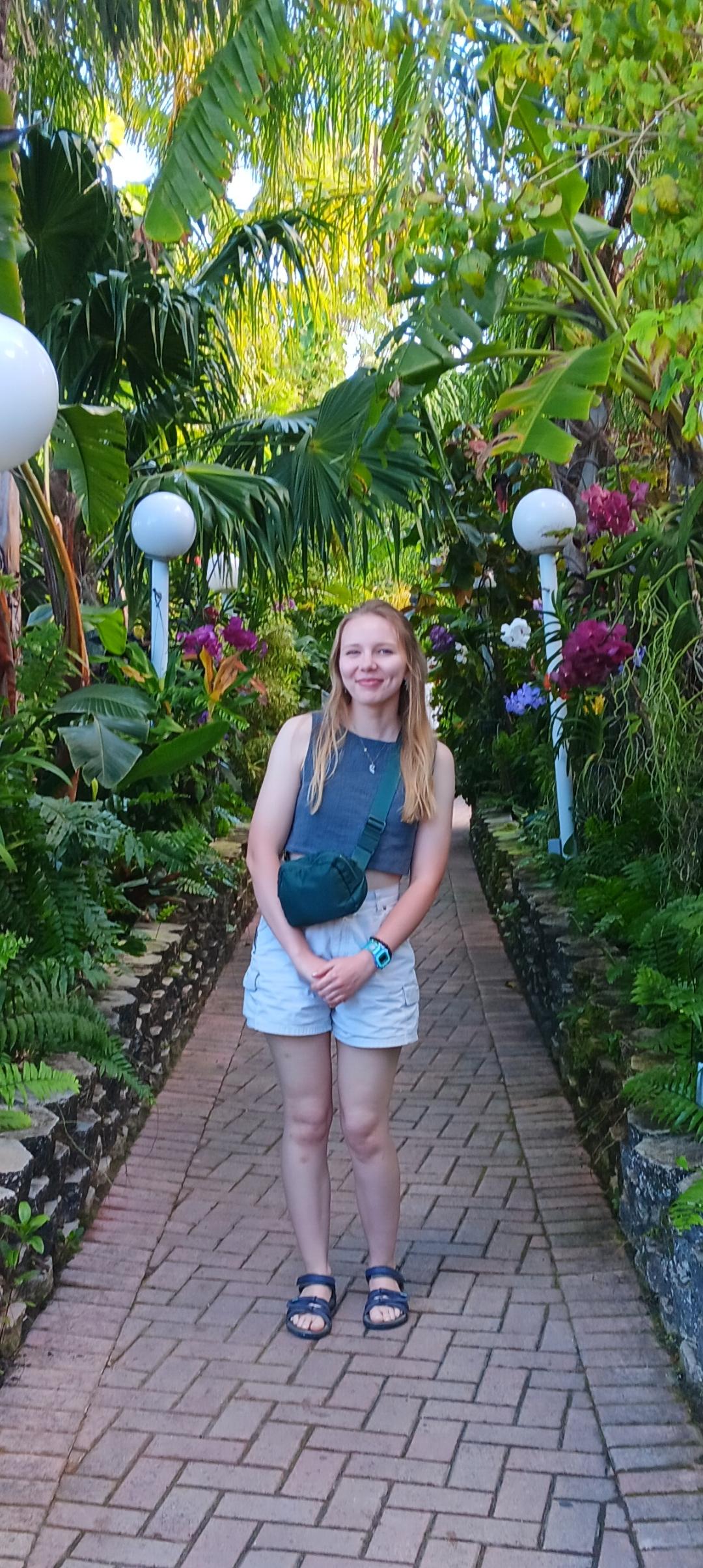
Hi everyone, my name is Adrianna Neale. I am currently one of the 2025 spring interns at St. Marks National Wildlife Refuge. I graduated in May of 2023 from Murray State University with a bachelor’s degree in Wildlife Conservation Biology. I was born and raised in western Kentucky, and have grown up with a passion for wildlife and enjoying the outdoors. I’m excited to pursue this passion through my work at St. Mark’s and to learn from all the experiences this position has to offer.
While a student at Murray State, I had the opportunity to work as a bat field technician for the Greenheart Biodiversity Monitoring Project in Louisville, Kentucky. My primary goal was to record auditory data on bat populations at the greening sites with Louisville, whose purpose was to improve human health within the city. This was my first professional experience with data collection and population monitoring. I also had the opportunity to assist with processing arthropod samples from this project, and be involved with community outreach to teach the public of my role as a bat technician. Also in my time as an undergrad, I was able to volunteer in the Amphibian and Reptile Collection Lab where I assisted in the maintenance and handling of the collection specimens and helped out with the field work of different graduate projects in the lab.
I have primarily been interested in working within the field of herpetology, which led me to work for the University of Florida on a Burmese python research project in the Greater Everglades Ecosystem in the beginning of 2024. This project was to test if female pythons could be used as lures and to see if this method could be effective in the future for further removing this invasive species. This opportunity allowed me to work in a part of the United States that I never had before and with a species whose introduction has decimated native populations. I’m thankful to have had the opportunity to learn more about this snake and to work with them on a daily basis. I learned proper handling and restraint of Burmese pythons, how to pit tag, inject medications, collect and process camera trap data, and how to work in the Everglades. I have always had the goal of working with the USFWS, and am thankful for the opportunity to learn at such an amazing and beautiful refuge. I’m excited to see where my professional career in wildlife goes after this position, and am certain that my internship at St. Marks will provide me with the necessary skills to succeed in whatever comes next.
| |
|
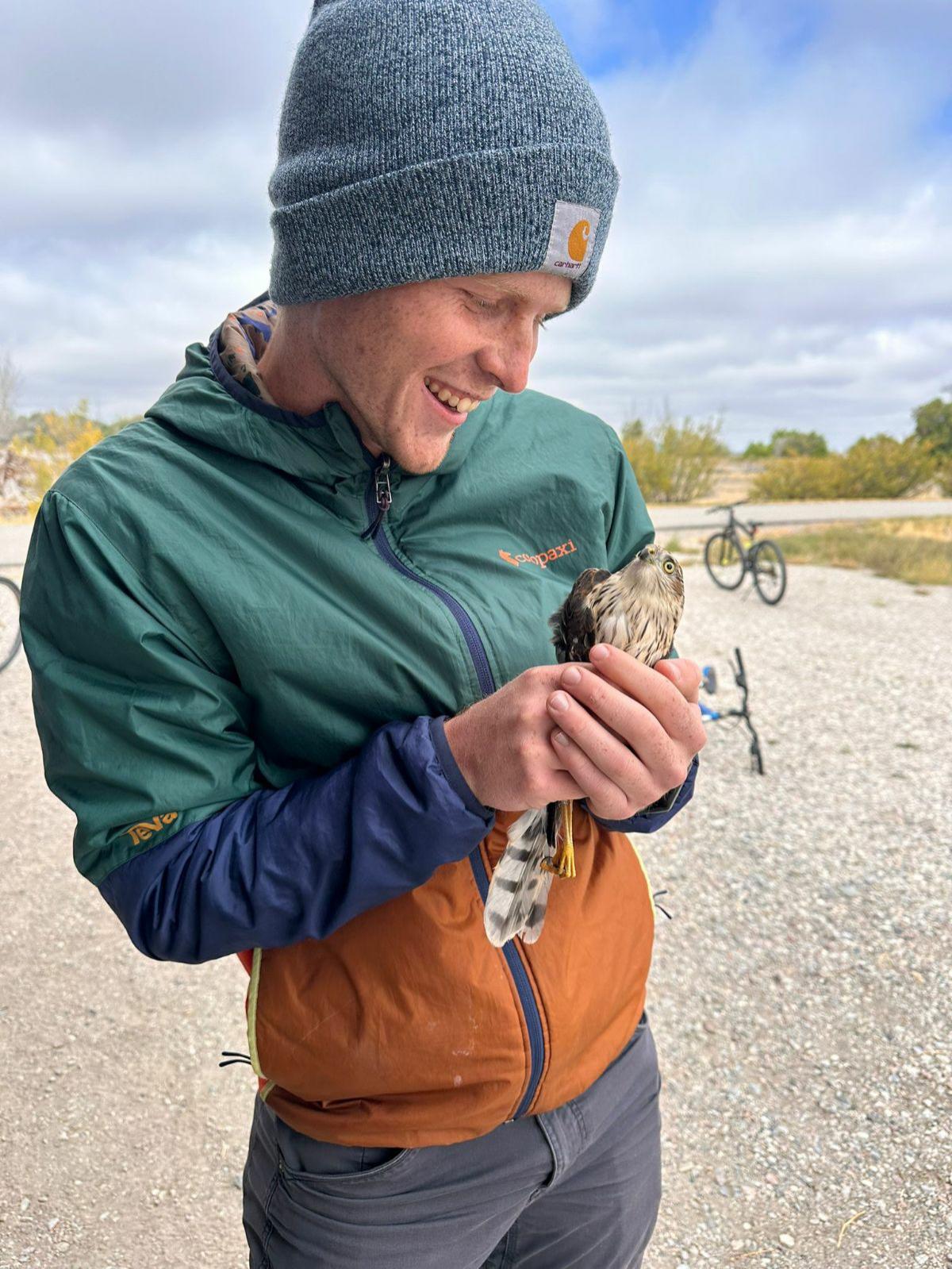
Hello Everyone! My name is Michael Mecham, and I’m incredibly grateful to be an intern at St. Marks National Wildlife Refuge for the 2025 winter/spring season. I grew up in Eastern Kentucky, where I spent a lot of time hiking, birding, and running in the Appalachian Mountains. This time spent in nature was foundational for me and has
certainly led to my interest in environmental issues as I’ve grown older.
Throughout high school, I always knew I wanted to do work relating to the environment, and entering college, I felt this was best accomplished through studying renewable energy, which led to a major in physics. I had the opportunity to see how physics could be applied to environmental issues with an internship at Pacific Northwest National Laboratory. While I loved the experience, I soon realized my skills were better suited for
more direct conservation fields, so I added a major in environmental science. The fact
that I wanted to work directly in conservation was solidified by coursework in
Conservation Biology, Ecology, and Ornithology, along with an involved internship doing
fieldwork on a local stream. After graduating from Berea College in May of 2024, I was
prepared to put what I had learned to the test in the workforce.
I was lucky enough to land a position through the Great Basin Institute that allowed me to work with USFWS as an intern at Camas National Wildlife Refuge in Idaho. The wetland ecosystem in the high desert plains of Idaho attracted thousands of migratory waterbirds, and I absolutely loved working with the wildlife. Being able to see how conservation efforts affected species of interest was engaging and interesting to me, and it confirmed that I wanted to continue down this path of conservation and land management.
This path brings us to the current day, where I’m beginning work at St. Marks! While Florida is a drastically different climate compared to both Idaho and Kentucky, I am still beyond excited to be working with salamanders and birds in such a new environment! This opportunity will help me continue to gather skills and knowledge that I need for a career in conservation and will simultaneously allow me to do work that I feel is important.
| |
|
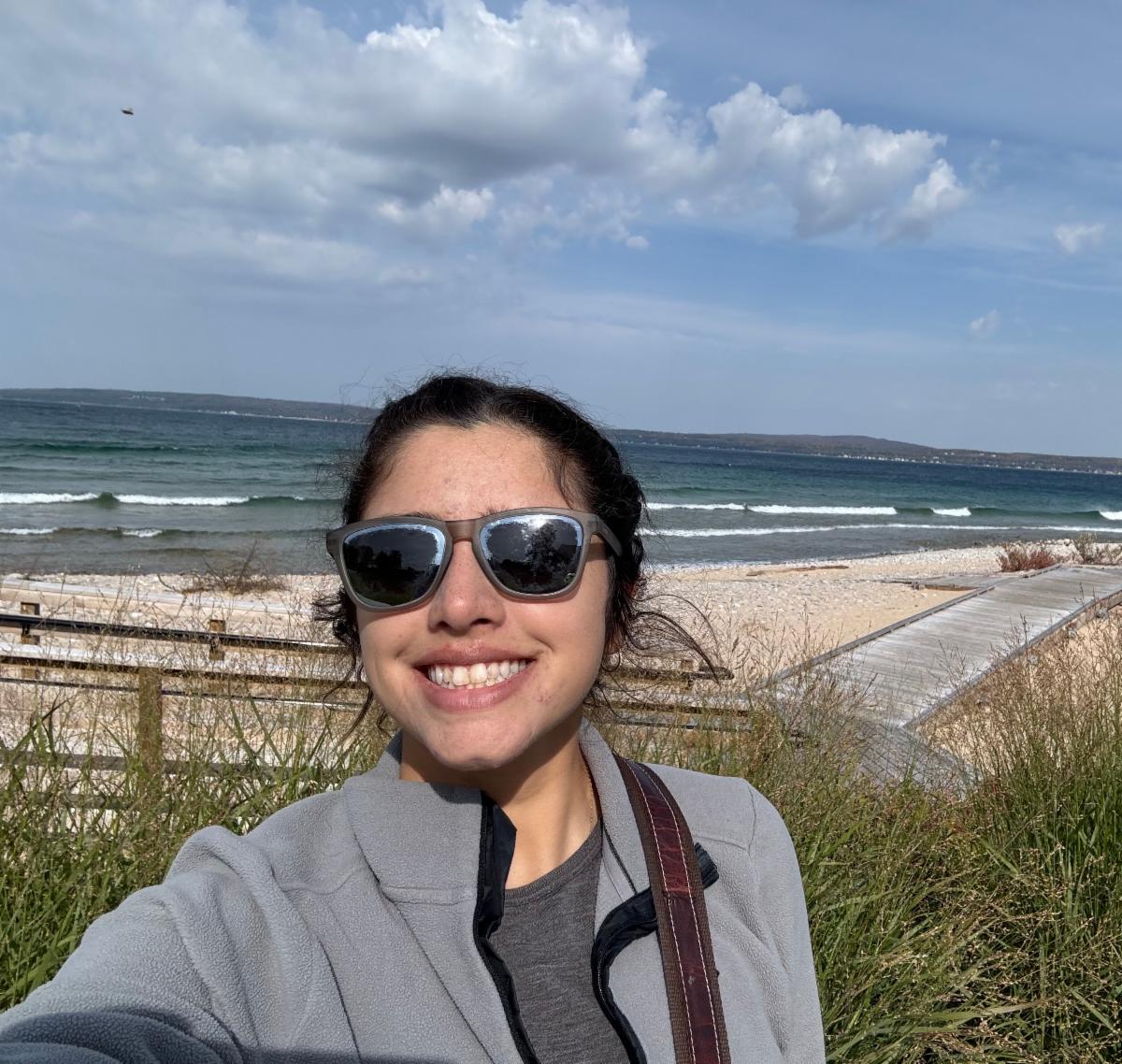
Hello! My name is Natasha Zepeda, I am excited to be working as an intern at St. Marks NWR through the American Conservation Experience(ACE) for 2025! I’m originally from California and I’ve been fortunate enough to travel frequently since I was young. Every new place I visit gives me the opportunity to discover unique flora and fauna, and these experiences have shaped my deep passion for nature. While my parents weren’t particularly outdoor enthusiasts, those occasional moments of exploration left a lasting impact on me.
While conservation wasn’t my initial career focus, I realized during my time at University that I could turn my love of the outdoors into a career.
In 2021, I graduated from the University of California, Santa Barbara with a BA in Biological Sciences. After graduation, I jumped right into getting hands-on experience through a variety of seasonal opportunities with federal agencies and nonprofits in Northern and Central California, North Dakota, and even Greece. These experiences included participating in land management, plant identification, and learning about specific birds, reptiles, and mammals. I had the opportunity of collecting data via camera-trapping and various types of surveys.
Each season brings new lessons and challenges, and with every experience, I remember how much there is to learn. In 2023, I had the opportunity to visit Florida and realized that I would one day like to work here. Now, in 2025, I’ve had the opportunity to do so at St. Marks NWR. I am looking forward to not only expanding my knowledge but also to making a meaningful contribution to the efforts underway here.
| |
|
St Marks Lighthouse Update
Text Courtesy Allen VanBrunt
2025 Off to an Amazing Start
This year started where we left off last year! Here are some statistics for January 2025. We had 1,023 visitors at thirteen open houses during the month. Our core group of Lighthouse Interpreters continues to provide outstanding support, giving 180 hours of their time, meeting and greeting visitors from all over the USA and the world. I am always looking for new volunteers to add to my core group, so if you are interested contact me at wavb.smlighthouse@gmail.com for volunteer information.
Lighthouse Visit Special Request
Rochelle Hood was referred to me by Robin Will, FSMWR Board Member, to schedule and coordinate a special visit to the Lighthouse for a small group of birders. Rochelle is the Executive Director of the Merritt Island Wildlife Association (Friends Group of Merritt Island National Wildlife Refuge). She and a small group of birders were coming to this area for a three-day visit. The trip included a visit to the St Mark Lighthouse. We started working on the visit back in October of last year and finally scheduled it for the weekend of January 19th, 2025.
The visit was scheduled to coincide with a Saturday open house. This required that the Lighthouse be opened by 9:30 AM on the 19th so that Rochelle and the other visitors had plenty of time to walk through the Lighthouse.
I led a formal tour of the Lighthouse and Keeper’s Quarters. We went through each room, and I highlighted interesting things about each exhibit. We had a good time talking about the Lighthouse and its history, especially me. I do not usually get to do a formal tour during open-house dates, so this was fun. Rochelle sent me an email thanking me for the tour.
Allen,
Thank you for the tour on Sunday! Our group was fascinated by the history of the lighthouse. I appreciate you sharing the story of the lighthouse keepers and their service.
I have a whole new appreciation for the oak tree in the front of the building now.
Stay warm!
Rochelle Hood
If interested in scheduling a special tour of the St Mark Lighthouse, please contact me at wavb.smlighthouse@gmail.com.
| |
|
Friends Celebrate Dr. Dave LaHart with Coast Charter School and a Longleaf Tree Planting Event
Photos Courtesy Robin WIll
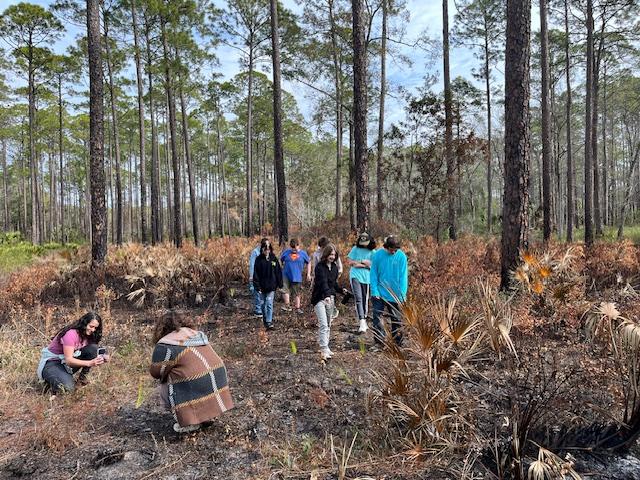
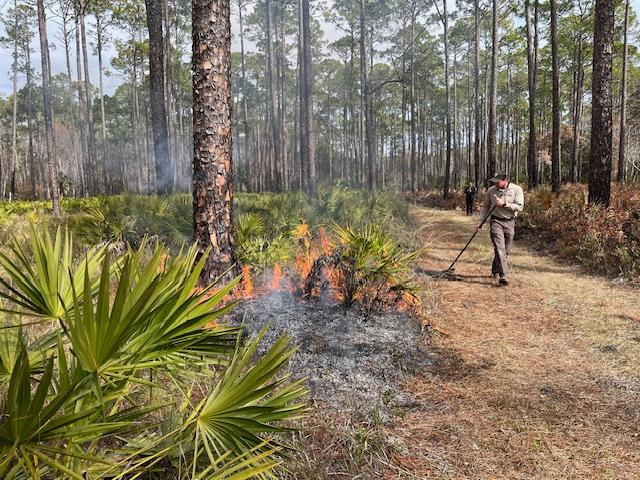
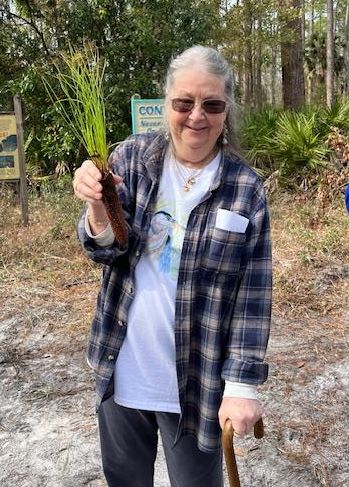
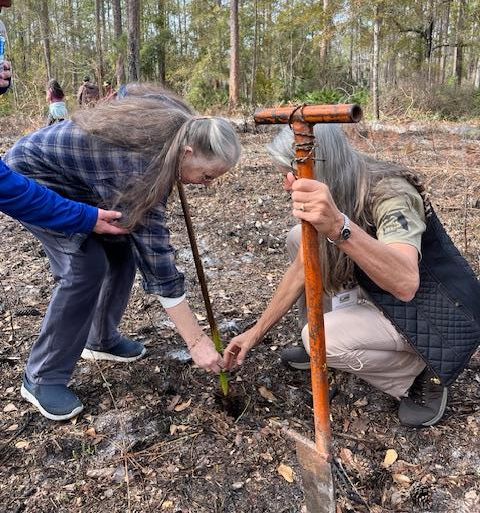
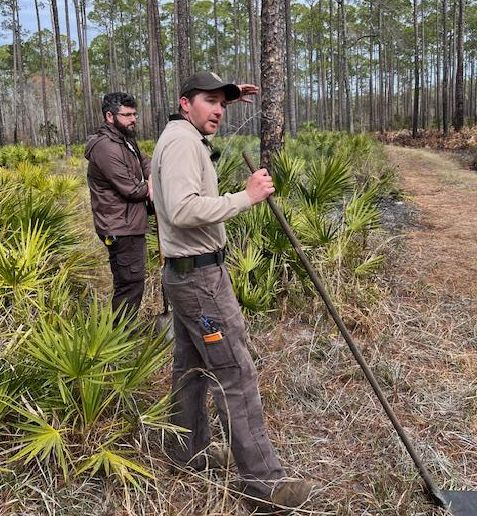
Friends of St Marks and Refuge staff teamed up to remember Dr. Dave LaHart by sharing his love of nature and his legacy of support for this special place by inviting Coast Charter School students to learn about longleaf pine habitat and prescribed fire. Students got to take trees home with them and one student asked if he could name his tree "Dave". Special thanks to the team for being flexible through all the weather challenges.
| | |
|
Dr. LaHart's wife Val planting a longleaf pine tree with Friends Board Member Allison Underwood. | |
Refuge Forestry staff explained the role of fire in longleaf pine habitat and discussed the timing of various burning cycles. | |
|
|
February at the Refuge
Text Courtesy Don Morrow and Photos Courtesy Katasha Cornwell
The mornings down at St. Marks NWR have been foggy lately. They often are in February, as warm winds coming off the Gulf meet cooler land. This time of the year is both late winter and earliest spring. At first glance, the trees at the Double Bridges are bare, but a closer look shows leaf buds and tiny flowers growing on the branches of maples and elms. We still have most of our winter species, but last week I saw a small flock of Purple Martins high above the refuge headed north. They are usually the first wintering bird to return from South America.
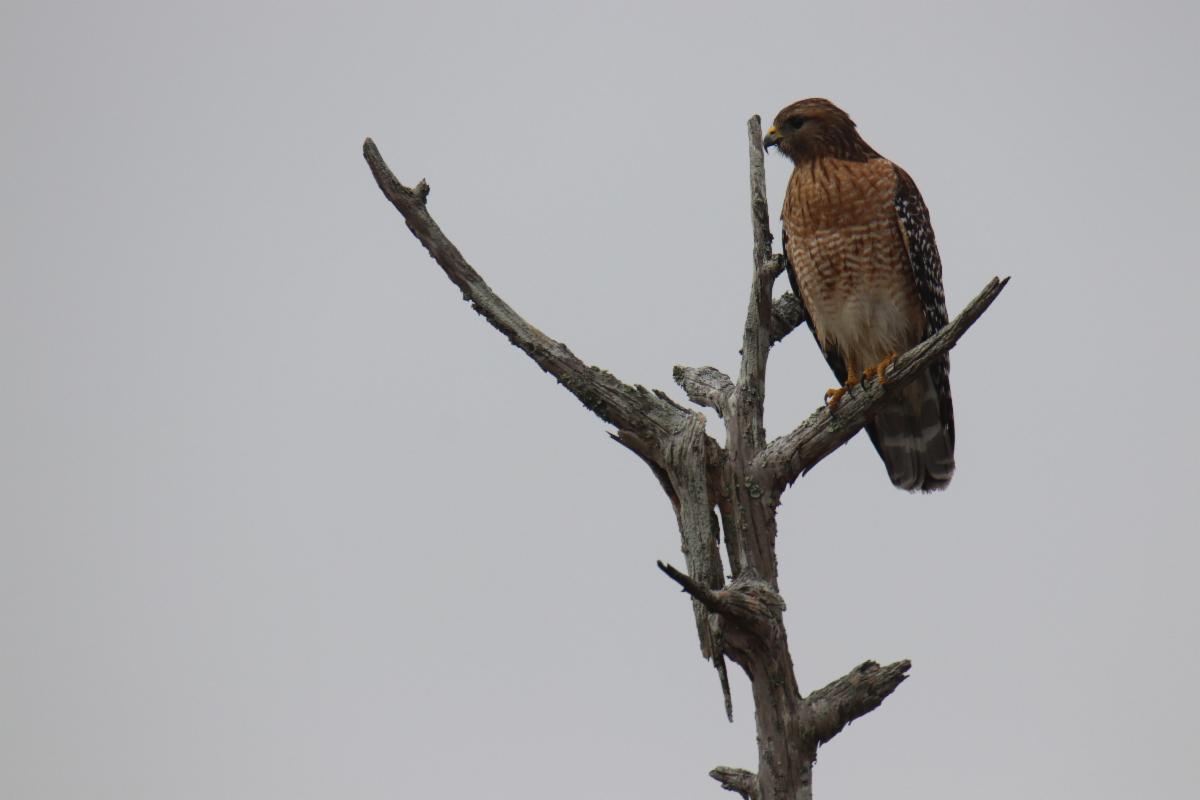
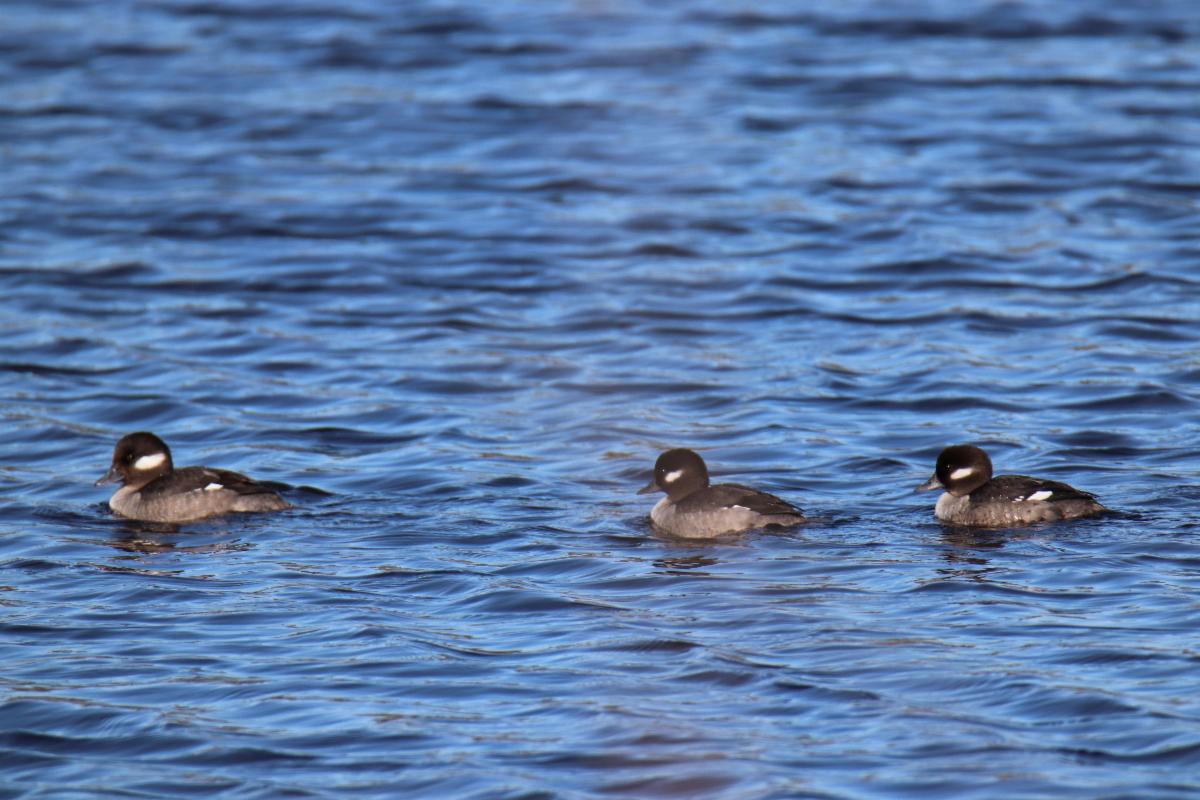
Our wintering ducks are beginning to leave. Mallards and pintails are usually the first two species to completely disappear, but overall duck numbers have already begun to drop. Some of our resident cardinals, Red-shouldered Hawks and Carolina Wrens are beginning to set up territories and by the end of the month, all of our resident breeding birds will be singing.
This is the month to watch for returning Swallow-tailed Kites, Barn Swallows and Northern Parula warblers. For otters, foxes, and raccoons, it is mating time. Green Darners will emerge and begin patrolling the levee edges. Before the month is out, spiderwort, lyre-leaved sage and rain lilies will begin blooming and white water lilies will start to open on the refuge’s pools and ponds. Seasonal change is visible everywhere, even if you must sometimes view it through February fog.
| |
|
The flamingo that showed up in December is still here two months later. For the last week it has been in Mounds Pool 3, a long walk, but worth it. This pond also has most of the remaining ducks. The flamingo alternately sleeps and feeds and, when the local eagles swoop in setting off a big duck flight, the flamingo takes off and flies around the pond. It is a spectacular sight with its neck stretched out and its long legs trailing behind. Its black-edged wings measure almost six-feet from tip to tip.
Mounds Pool 3 is also where a group of American Avocets has been through most of the winter. Avocets are large elegant black-and-white shorebirds with long, slightly upturned bills. They breed in shallow wetlands in the interior West. The refuge lies at the northern edge of their wintering habitat. They are becoming more common as a wintering bird at the refuge and may be extending their winter range northward as the climate changes.
It's February at St. Marks and winter is winding down quickly. Come to the refuge to see it off.
| |
|
WHO and Manatee Festival Recap Photo Gallery
Text and Photos Courtesy Katasha Cornwell
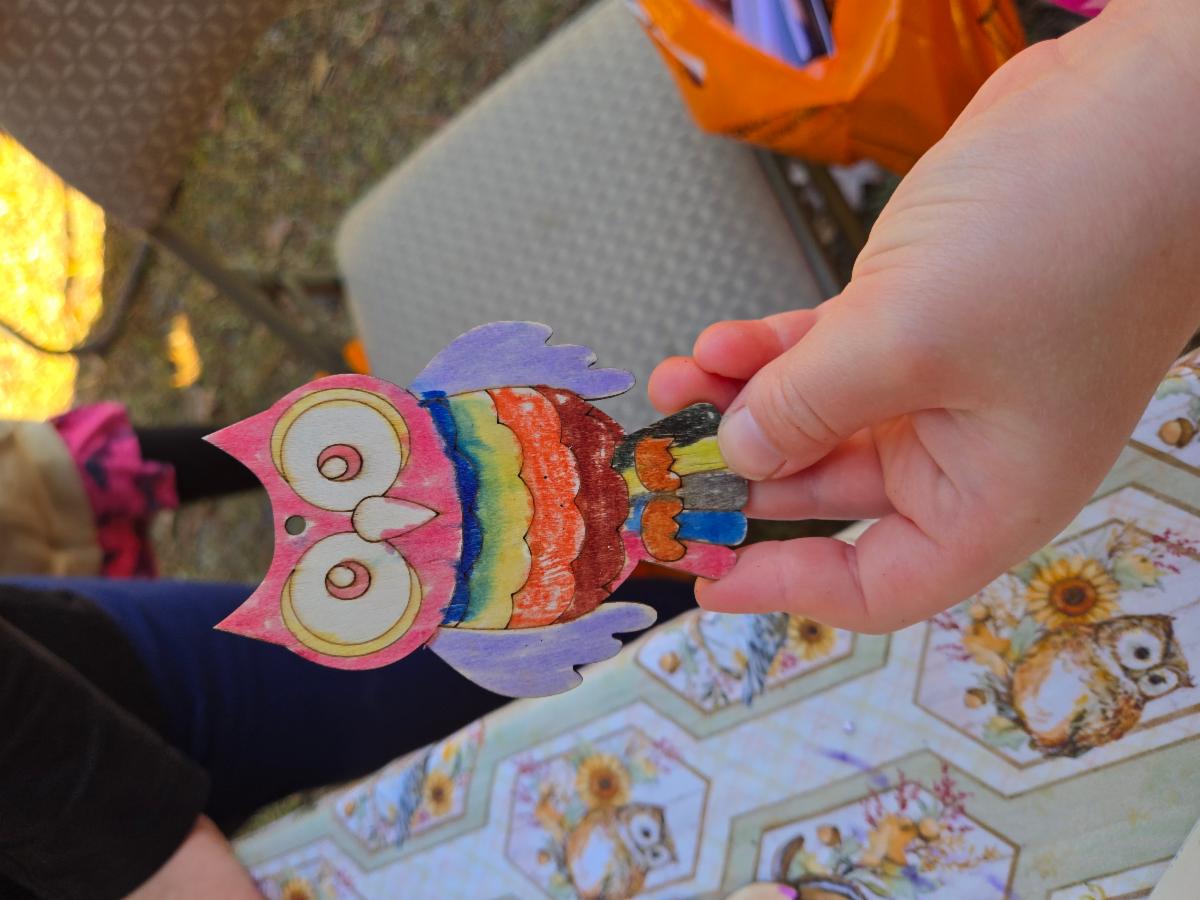
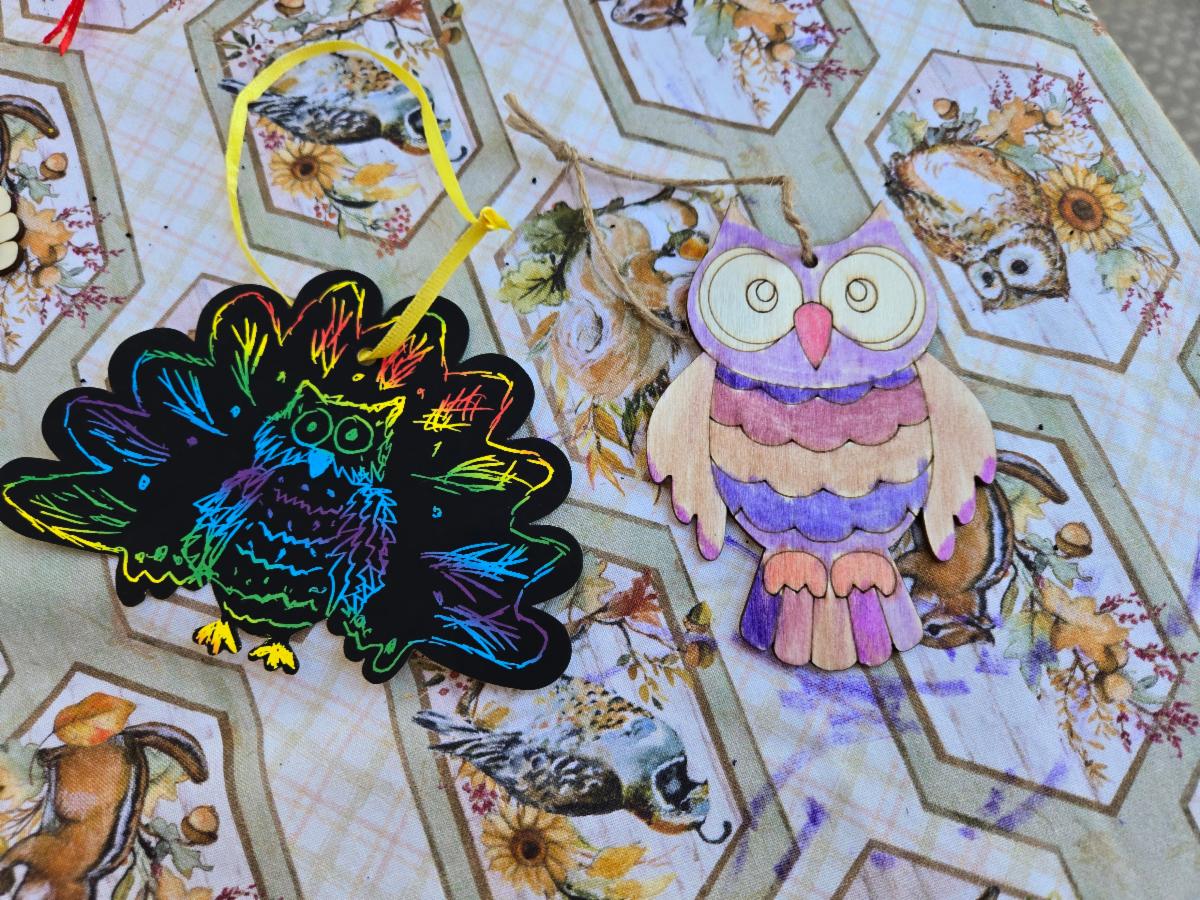
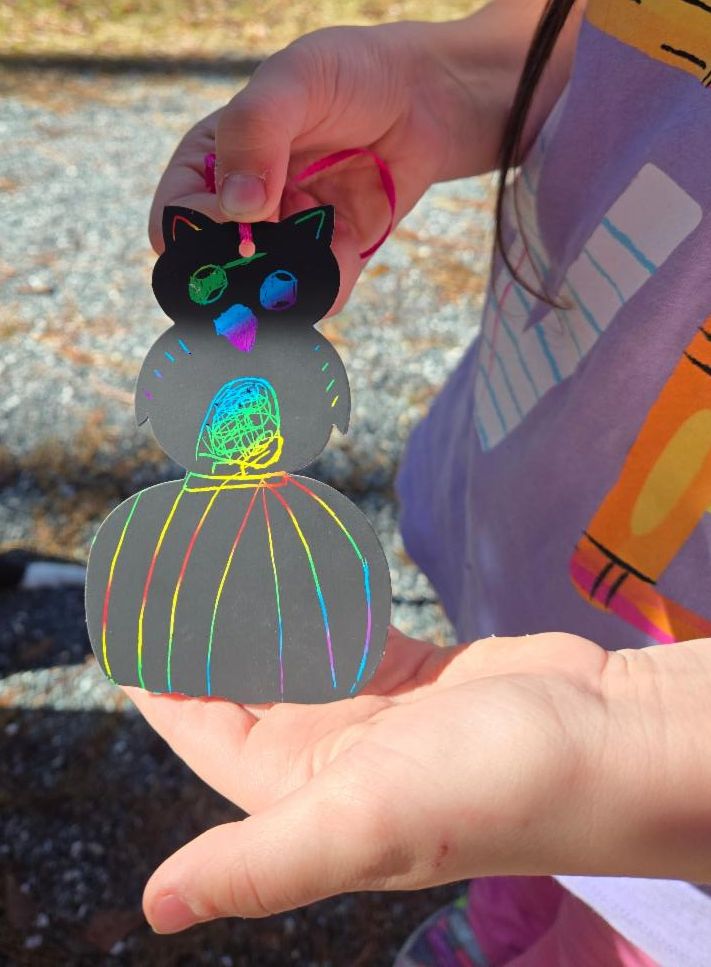
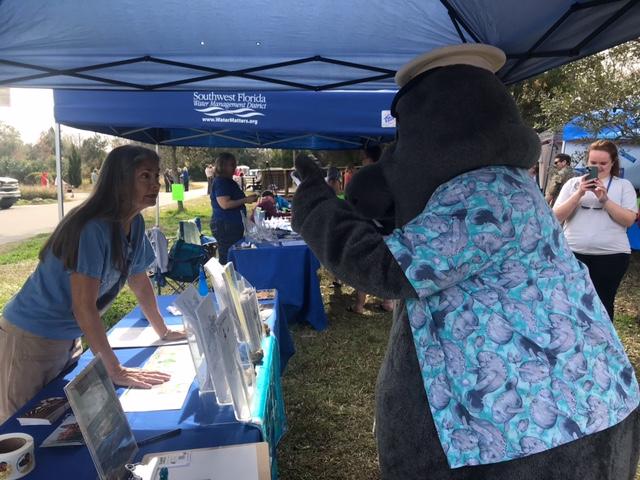
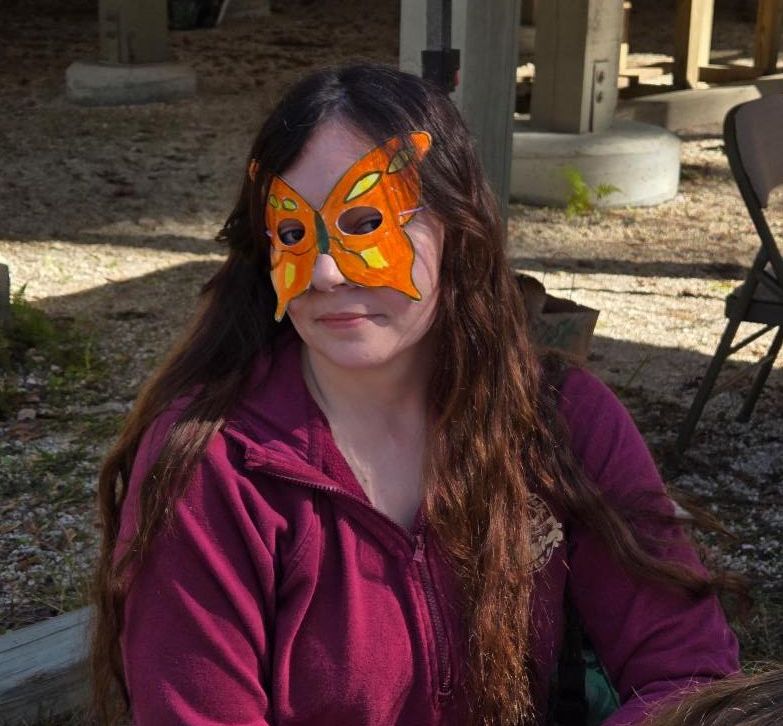
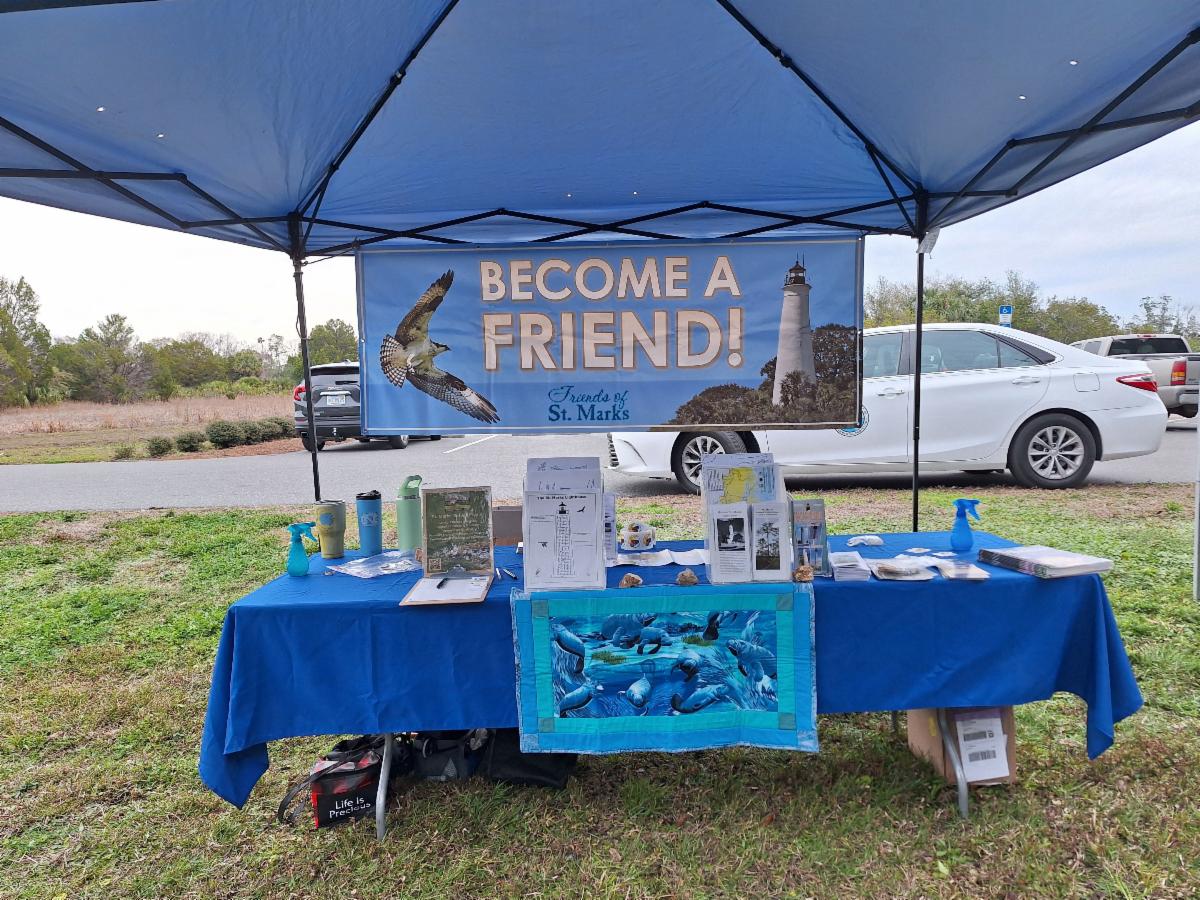
The 2025 WHO Festival welcomed around 1500 visitors who interacted with many educational organizations, saw live owls up close and personal, toured the Lighthouse Keeper's Quarters, and got creative at the Friends booth. The Friends also attended the Manatee Festival at our sister Refuge in Crystal River. Here are a few highlights from the Friends tables at those events where we enjoyed spreading the word about our organization and our wonderful Refuge.
| |
Become a member of the Longleaf Society today by clicking this graphic. Your monthly giving provides a tremendous boost to the Friends of St Marks Wildlife Refuge to keep providing the programs and services you have come to expect from this award winning organization. | |
|
We Encourage our Friends to SHARE!
As almost all of you know, the Friends give 100% of their support to the St. Marks National Wildlife Refuge. An important way for you increase that support is to share our message. Therefore, when you get this newsletter, we encourage you to send it on to a friend. You can share it via email or through various other social media. Here's the link to the Friends Newsletter page. Scroll to the "current" entry and copy the link.
Text Courtesy Phillip Pollock
| |
|
Bird Reports Assist Visitors
Don Morrow, St. Marks National Wildlife Refuge volunteer and expert birder, creates concise bird-sighting reports on a week-to-week basis. Read his current and past reports here.
Photo Courtesy Katasha Cornwell
| |
Have you considered including the Refuge in your will? The Friends of St. Marks Wildlife Refuge can provide information and guide you through the process. Just call the Refuge at 850-925-6121, and ask to be contacted by the Friends Board of Directors, or email us. | |
|
Reflections newsletter is a benefit of membership for Friends of St. Marks Wildlife Refuge.
It also serves as an important supplement to
the Friends' website.
Both the newsletter and the web site provide members and the public information about volunteer activities and events at the Refuge.
Reflections editor: Katasha Cornwell
| | | | |